As the Seasons Change, So Does Pest Activity in Placer County

By Tyson, owner of Gingerly Pest Control. Field notes from late October and early November 2026.
Fall is one of our favorite times of year to be out on the road in the foothills. The leaves are turning gold and red across Auburn, Newcastle, and Meadow Vista, the mornings are crisp, and the first real storms have rolled through. It's a beautiful stretch of the year to be serving our neighbors.
It's also a season when pest activity shifts. It doesn't stop, it moves.
The Short Version: Where Bugs and Rodents Go as It Cools Off
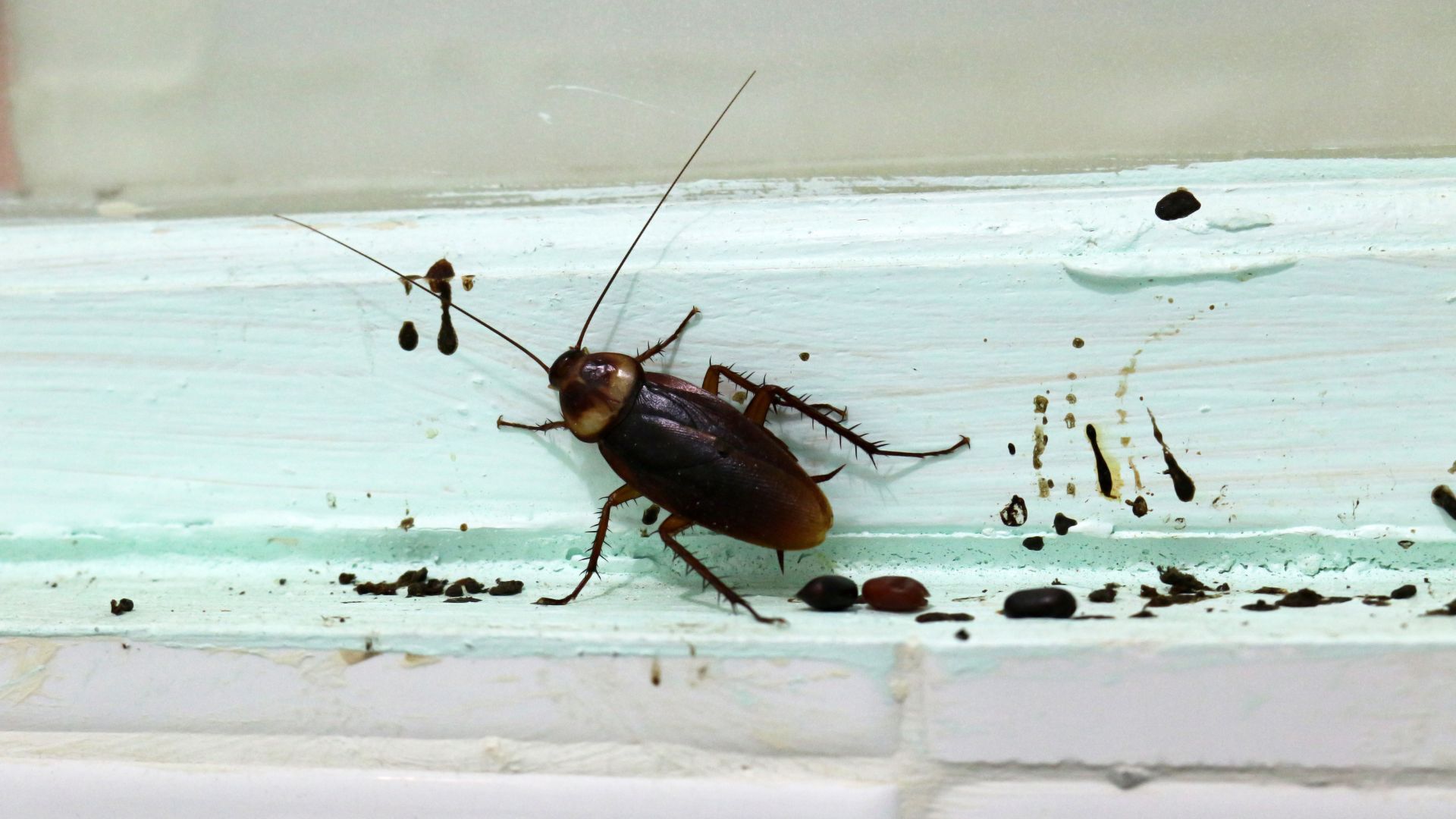
They don't go far. Rats and mice move closer to the house, and sometimes into it, looking for a dry place to nest near food: garages, crawlspaces, attics, and wall voids. Most insects and spiders slow down and tuck into sheltered, damp spots like leaf litter, mulch, loose bark, and the base of the foundation, and plenty of them stay active on warmer days. Ants are the wild card. Rain can push them around, and a sunny afternoon brings them right back out.
Here's what we're running into on properties around Auburn and the rest of Placer County right now:
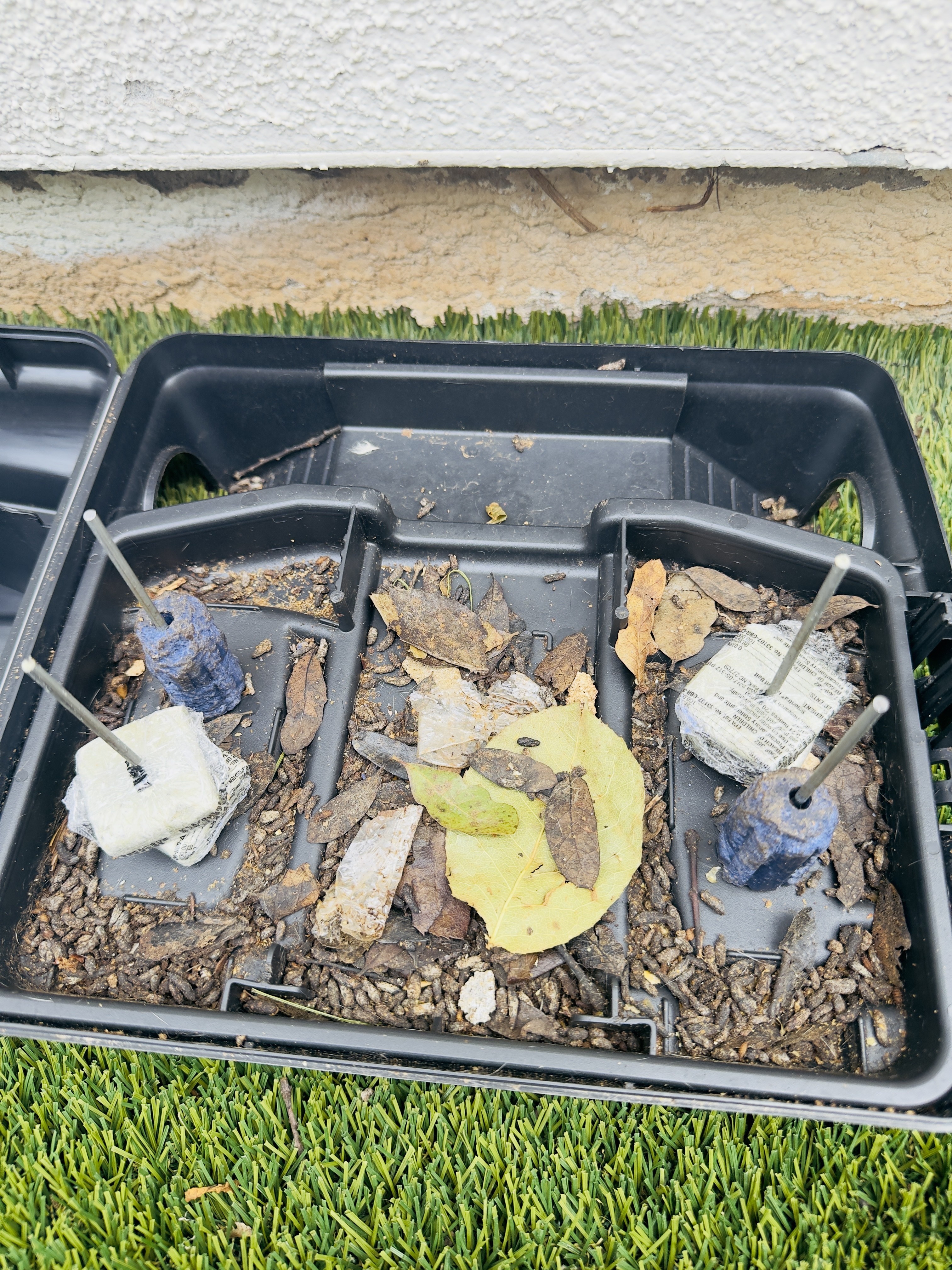
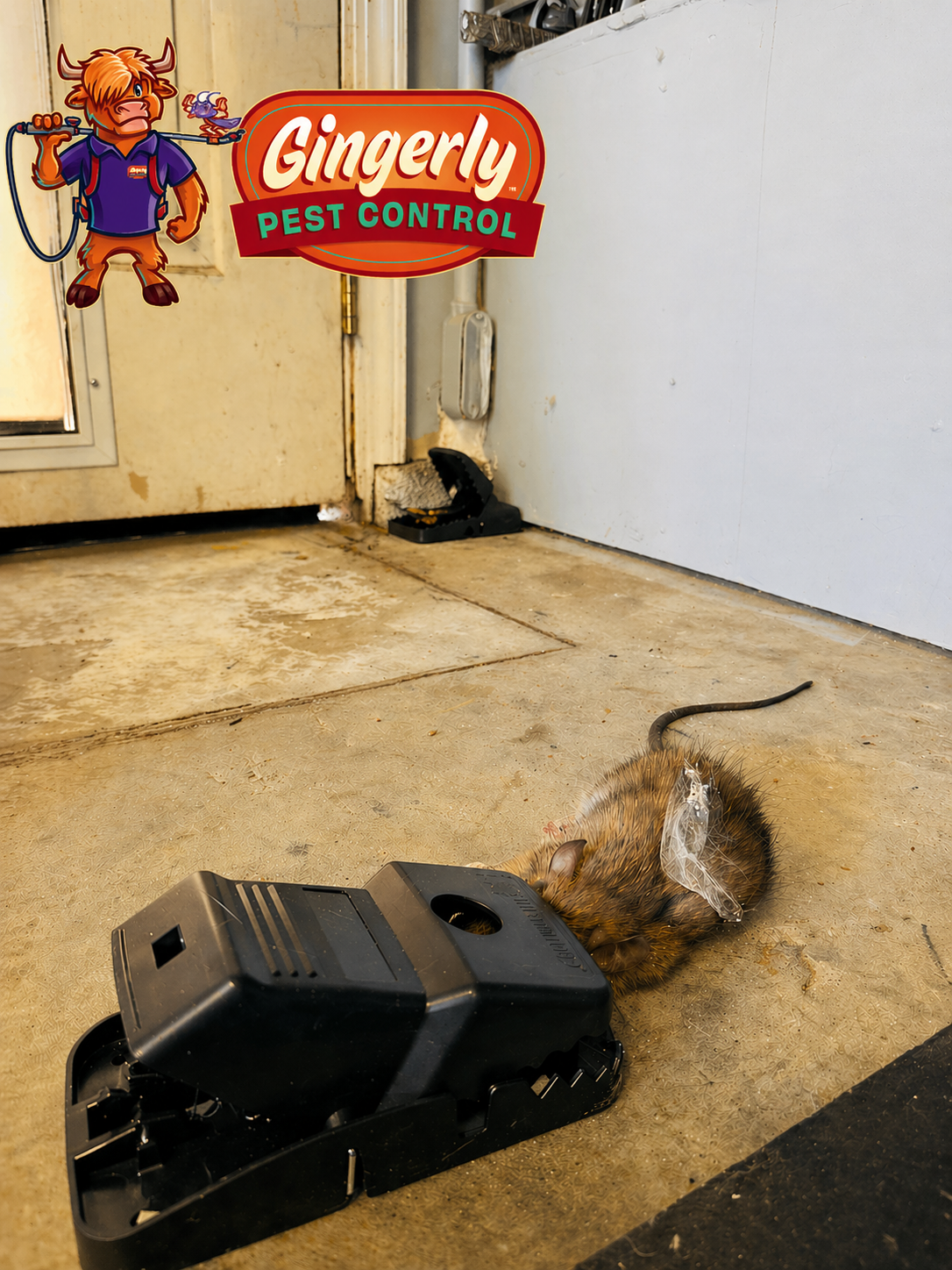
- Rats and mice are busy. A lot of the exterior bait stations we check are showing heavy feeding, and we keep finding activity around homes, garages, crawlspaces, and attics.
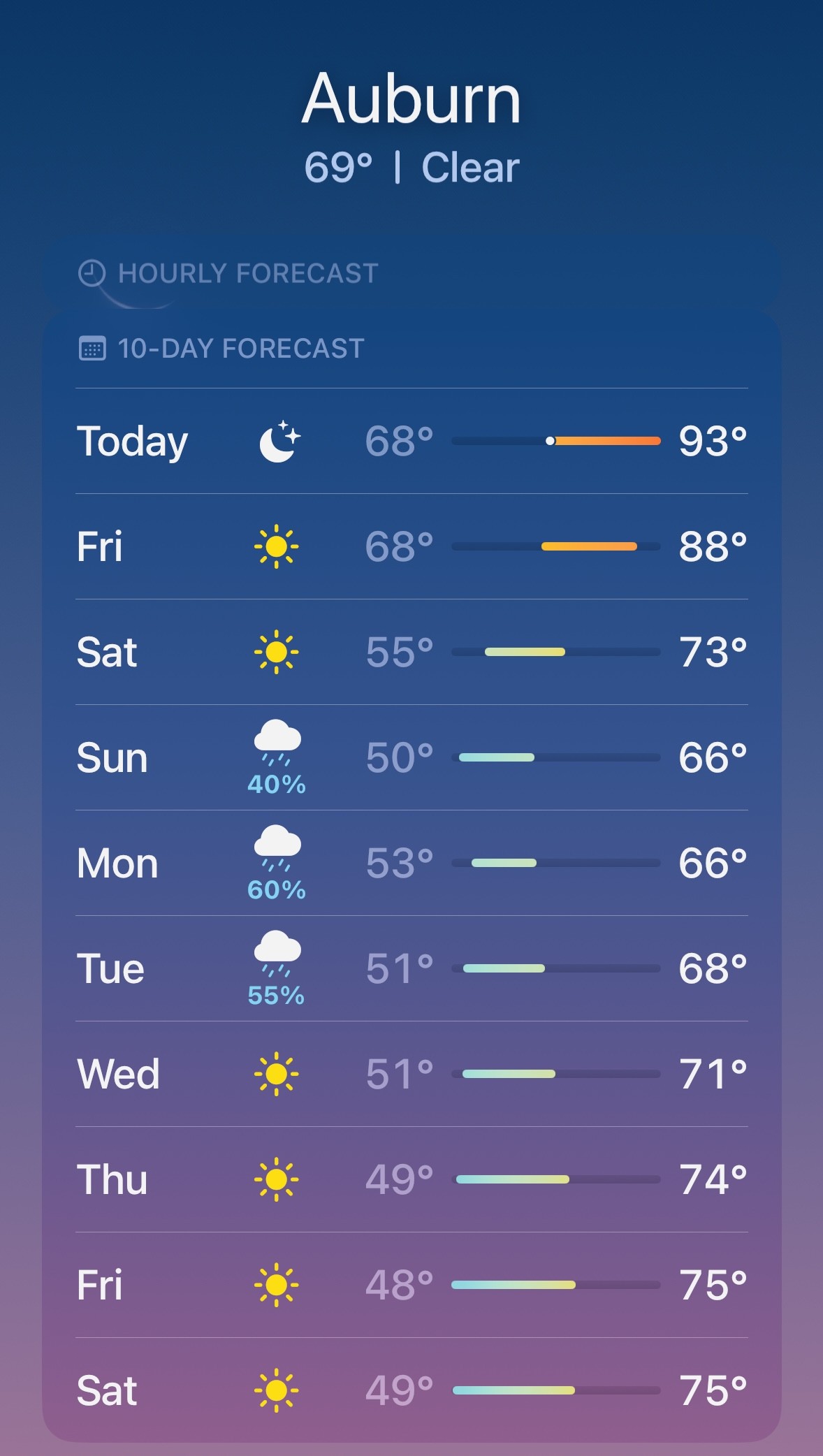
- The weather won't settle down. We'll get a cold, rainy stretch, then warm, sunny afternoons a few days later.
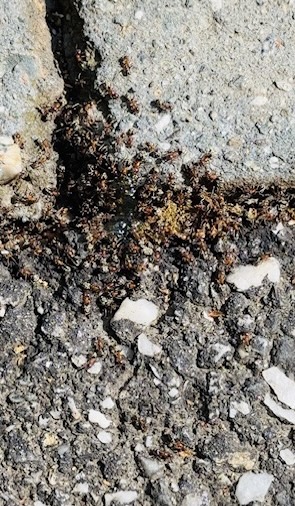
- Ants are moving with it. That rain-then-sun pattern has kept ant activity up on a lot of properties.
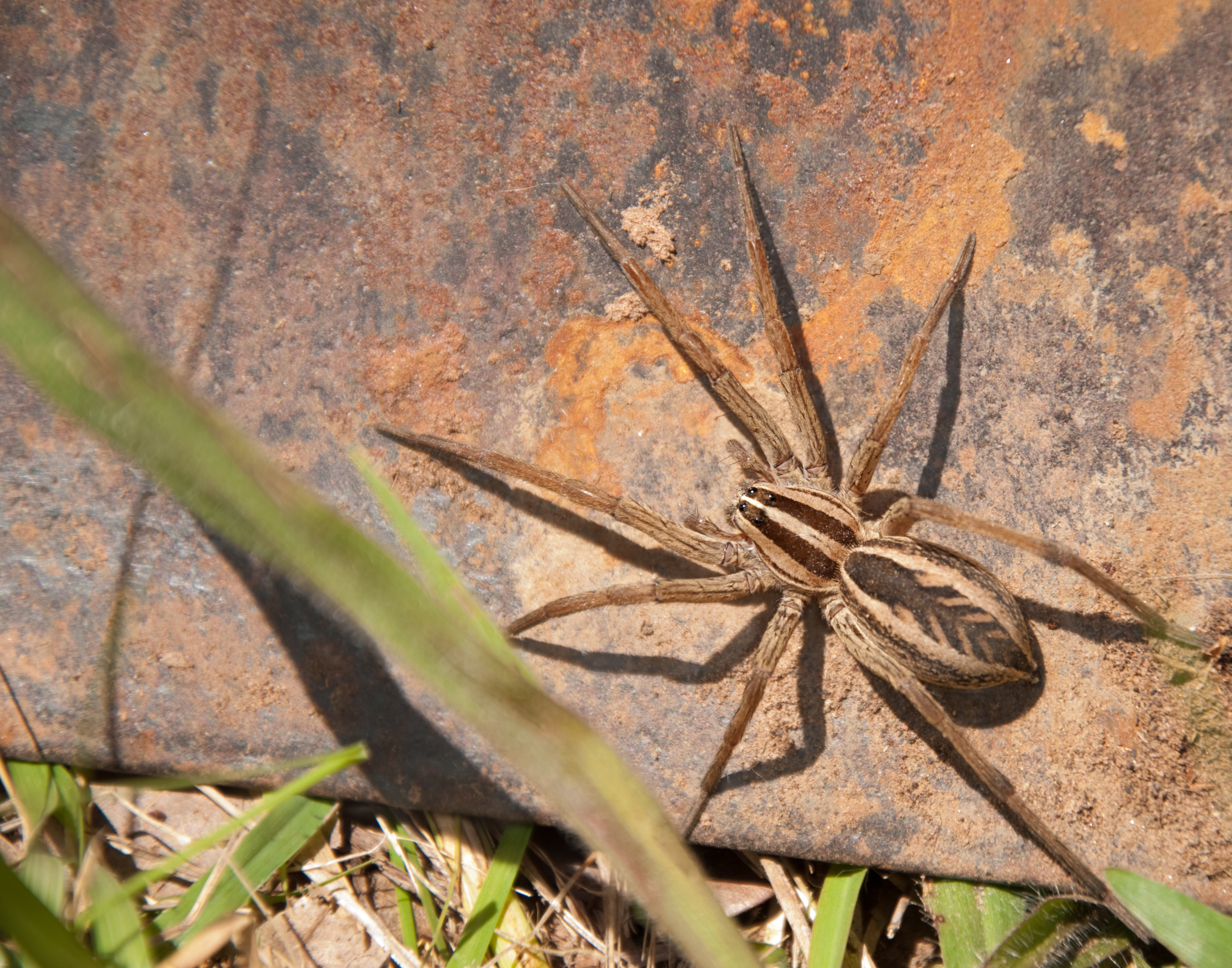
- Spiders, earwigs, and centipedes are concentrated in sheltered, damp spots around foundations, garages, and covered patios.
Rats and Mice: Still Active as Temperatures Drop
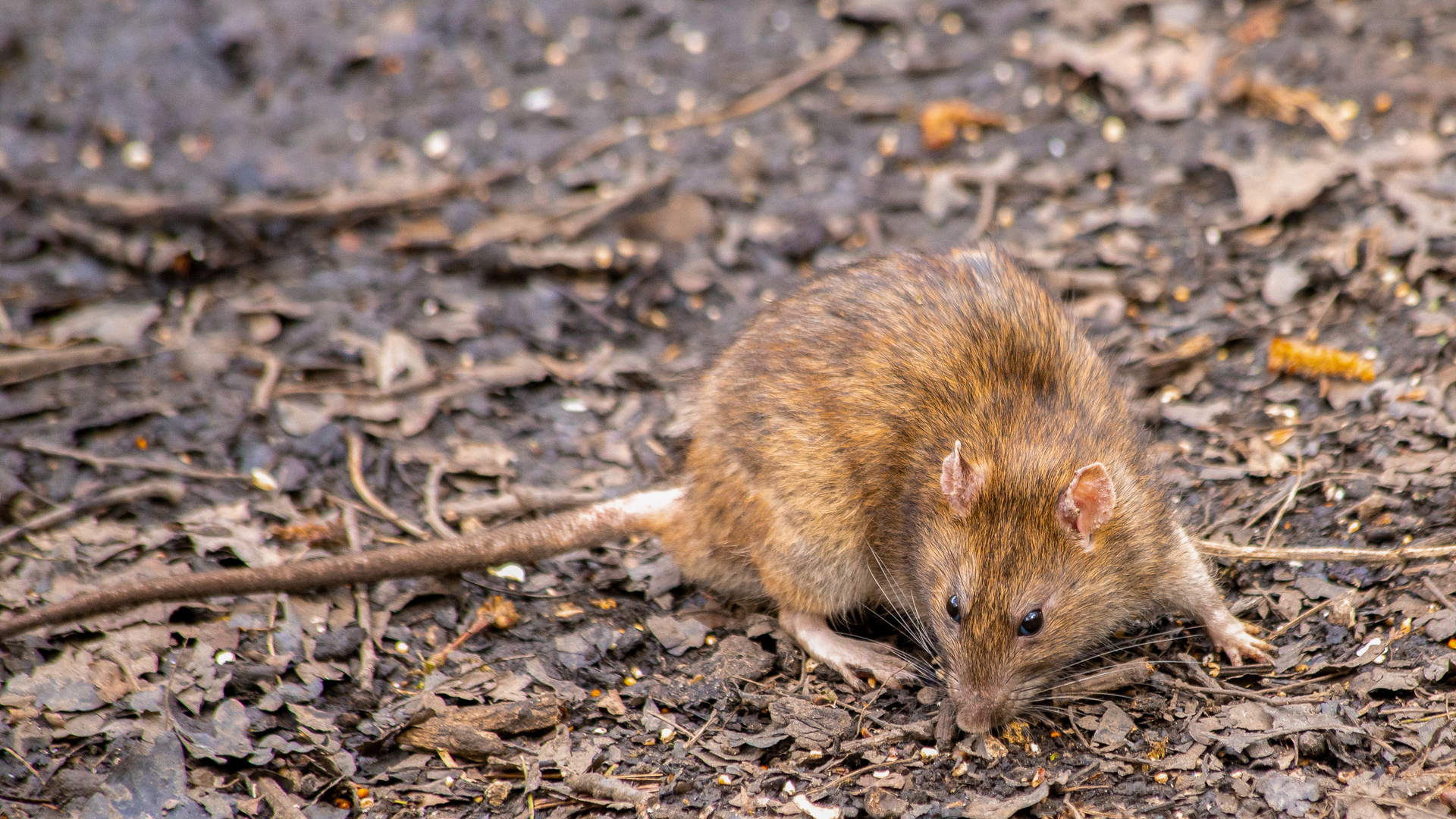
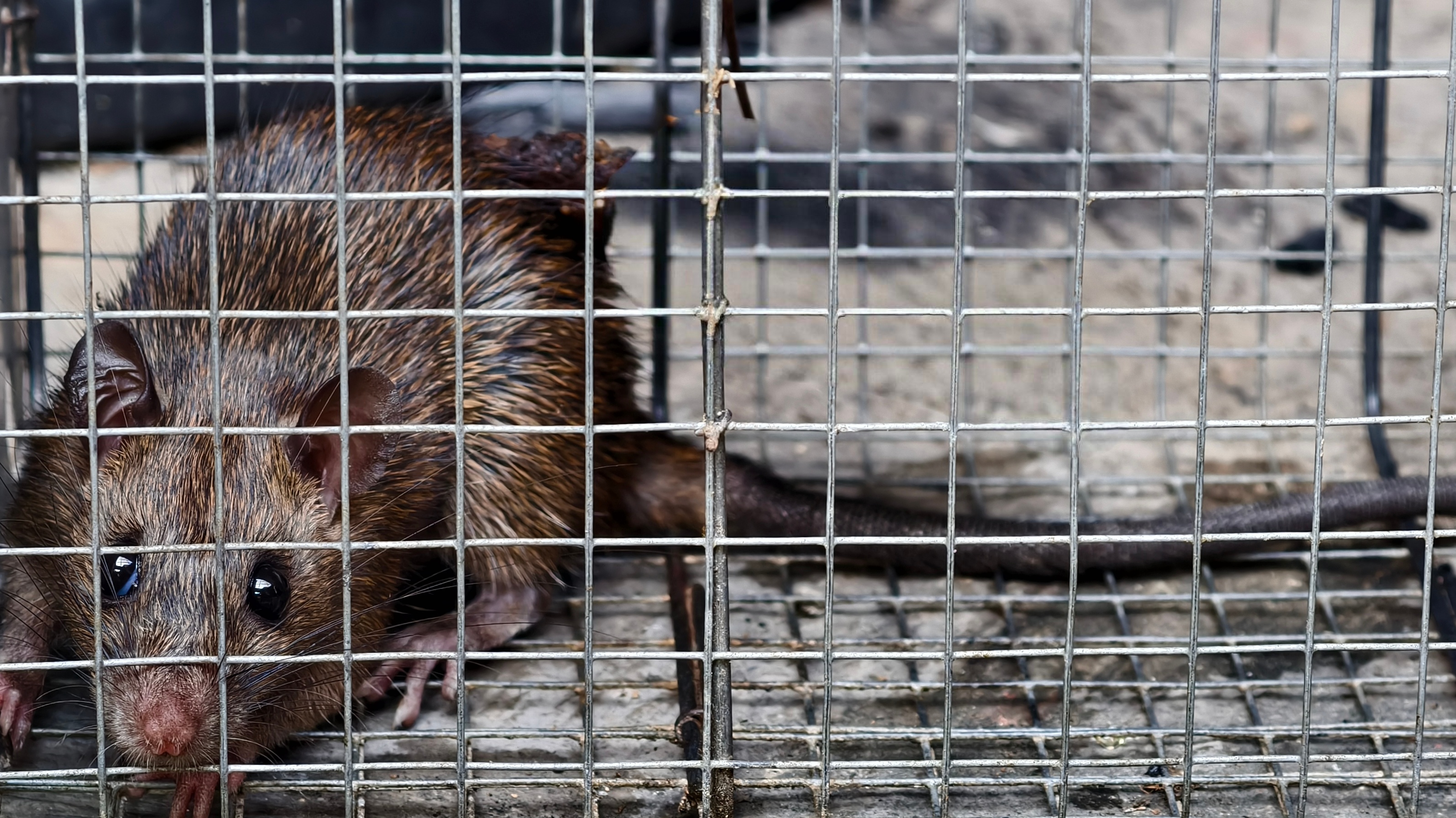
Rats and mice don't hibernate. They're active year-round, so cooler weather doesn't make them disappear. What changes in fall is where they spend their time.
Where rats and mice go when it gets colder
As nights turn cold and wet, a dry nesting spot becomes worth a lot more. Food shifts too. Summer gardens wind down, while acorns, birdseed, pet food, and anything stored in a garage stay available. Rodents settle where shelter and food sit close together, and around a home that often means the structure itself or the clutter next to it.
The two rats we deal with most behave differently. According to UC Integrated Pest Management (UC IPM), roof rats usually nest up high, in attics and wall and ceiling voids. Norway rats stay low, in basements, woodpiles, and burrows. Mice will move into almost any hidden spot near food.
Why garages, attics, and crawlspaces draw them in
These spaces stay out of the wind and rain and are rarely disturbed. Garages often add food, like pet food, birdseed, and pantry overflow, along with boxes to hide in. Attics and crawlspaces offer insulation and quiet. If you're hearing activity at night, our guide to what's scratching in your walls or attic can help you narrow down what it is.
Common entry points on foothill homes
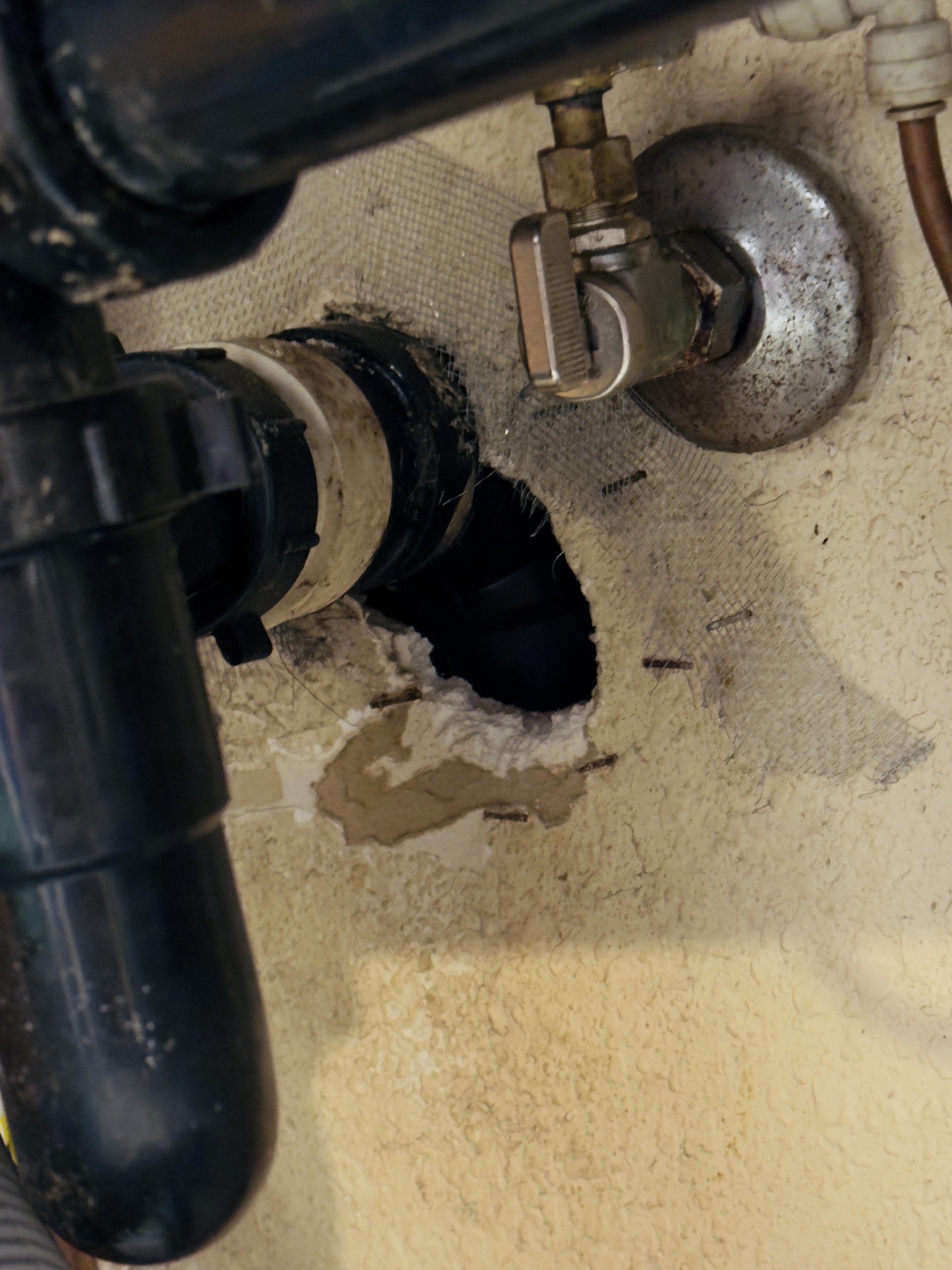
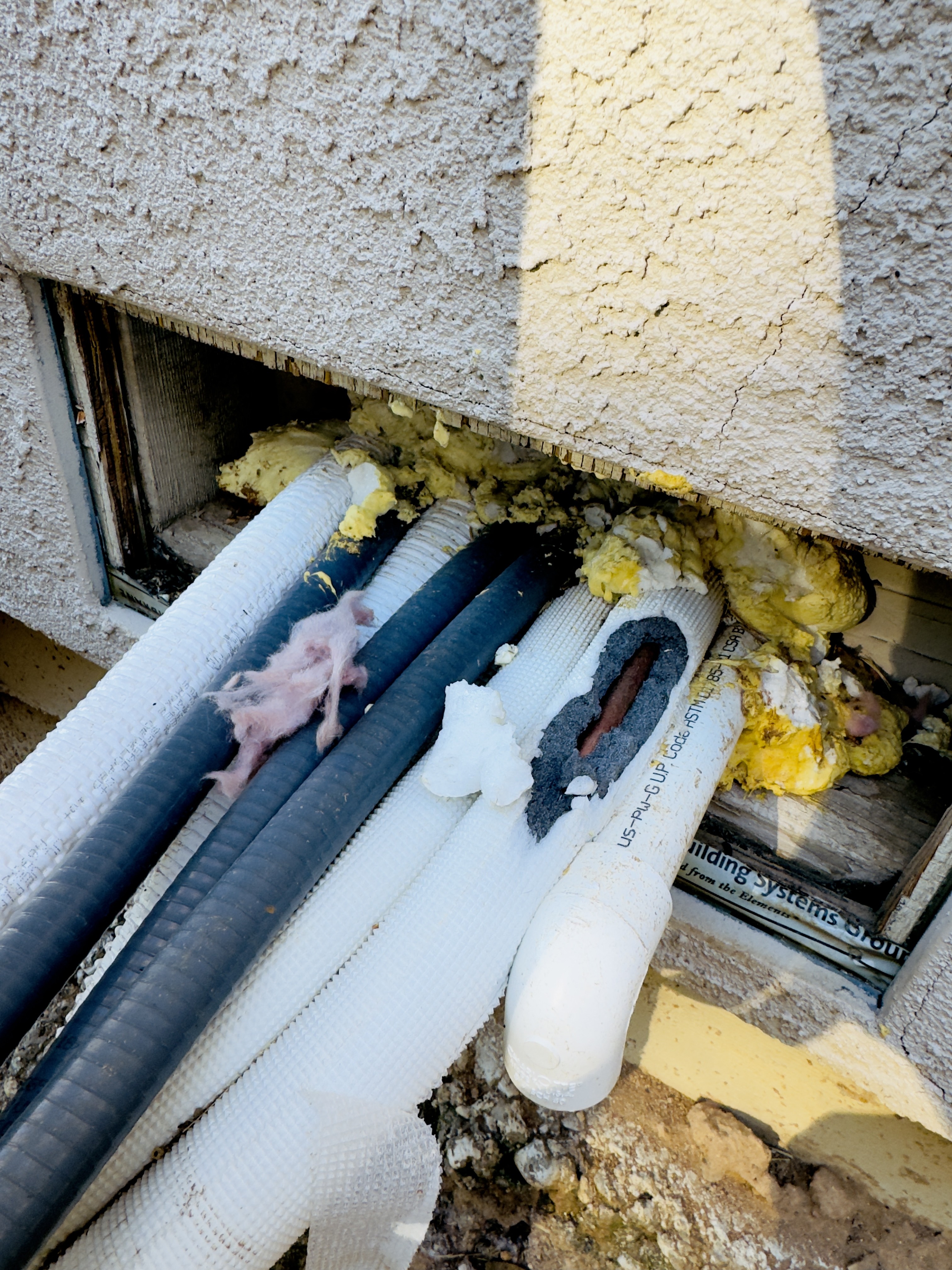
Rodents need very little room. UC IPM points out that young rats can slip under a door with a 1/2-inch gap, and its quick tips on rats recommend sealing any opening bigger than 1/4 inch. The spots we check most often:
- Gaps under garage doors and worn door seals
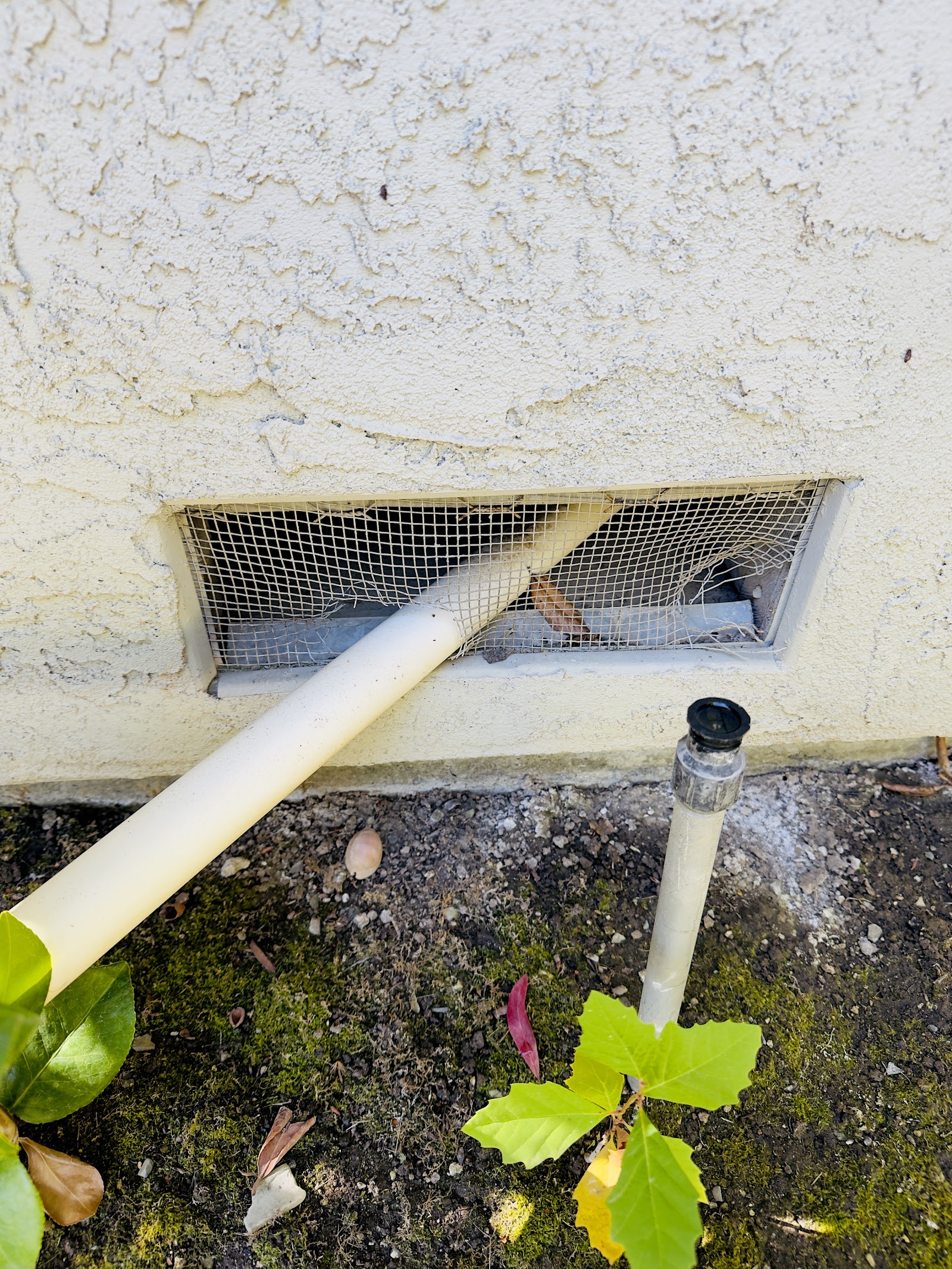
- Crawlspace vents with torn, loose, or missing screens
- Openings where pipes, utility lines, and A/C lines enter the house
- Gable vents, eaves, and gaps along the roofline
- Tree limbs, vines, and shrubs touching the house, which give roof rats a path up
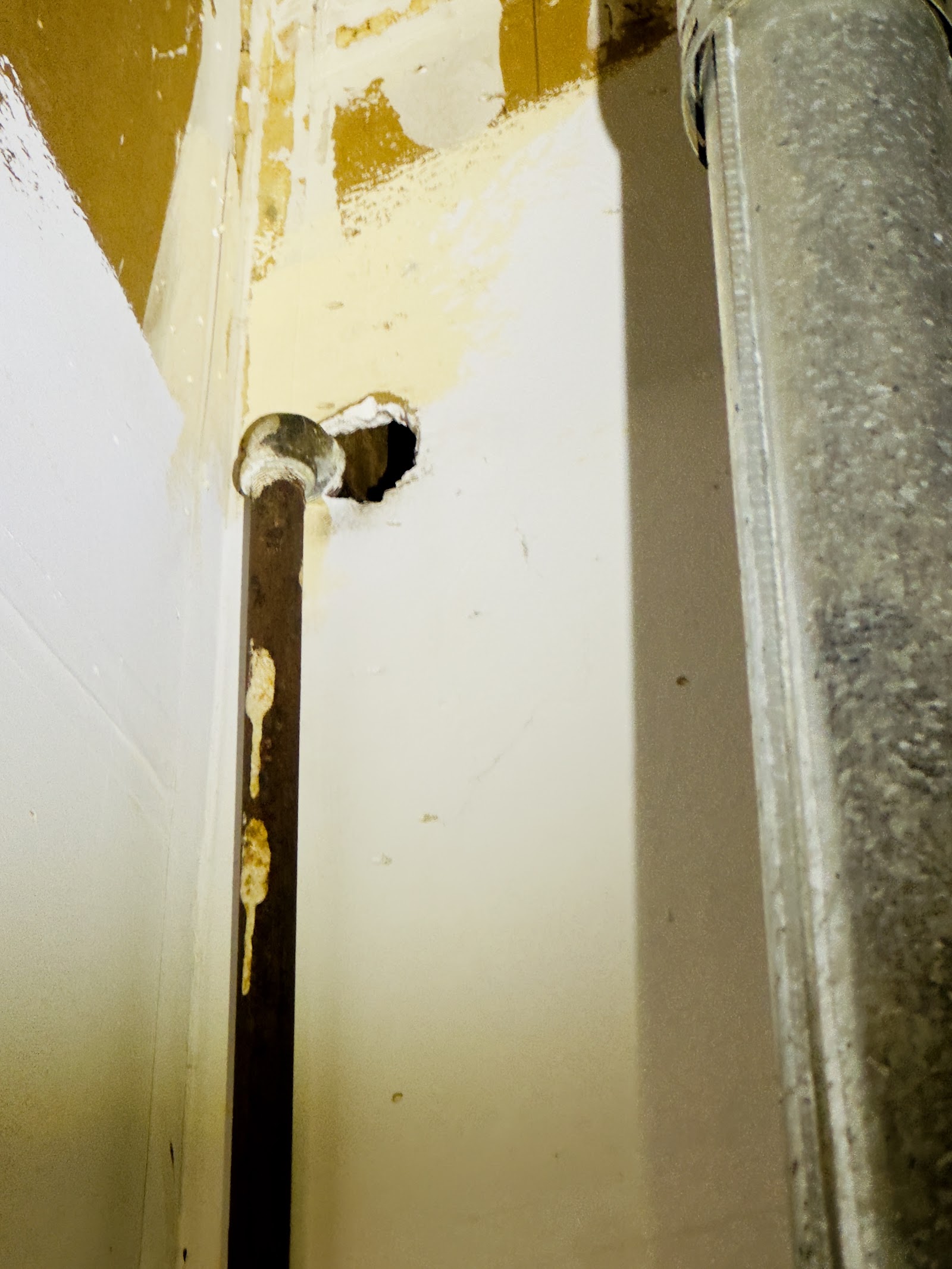
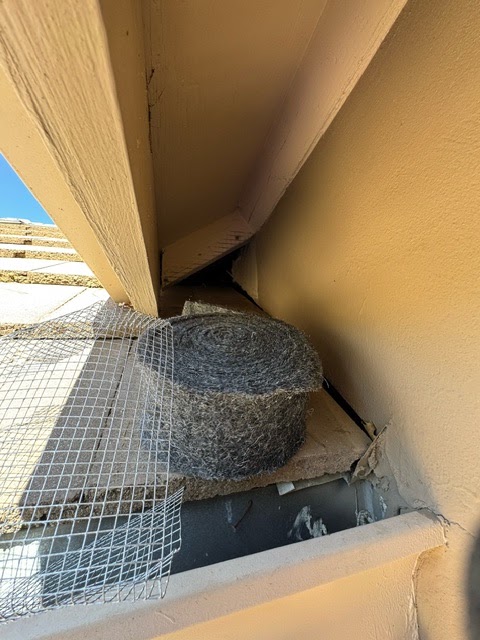
What you seal a gap with matters as much as finding it. Rodents chew through plastic, foam, and caulk, so hardware cloth and sheet metal hold up far better. More on that in Does Steel Wool Keep Mice and Rats Out?
What heavy bait station feeding tells us
Right now, a lot of the stations we're checking are getting hit hard. That's useful information, but it isn't the finish line. It tells us rodents are working the property. It doesn't tell us whether any of them are getting inside.
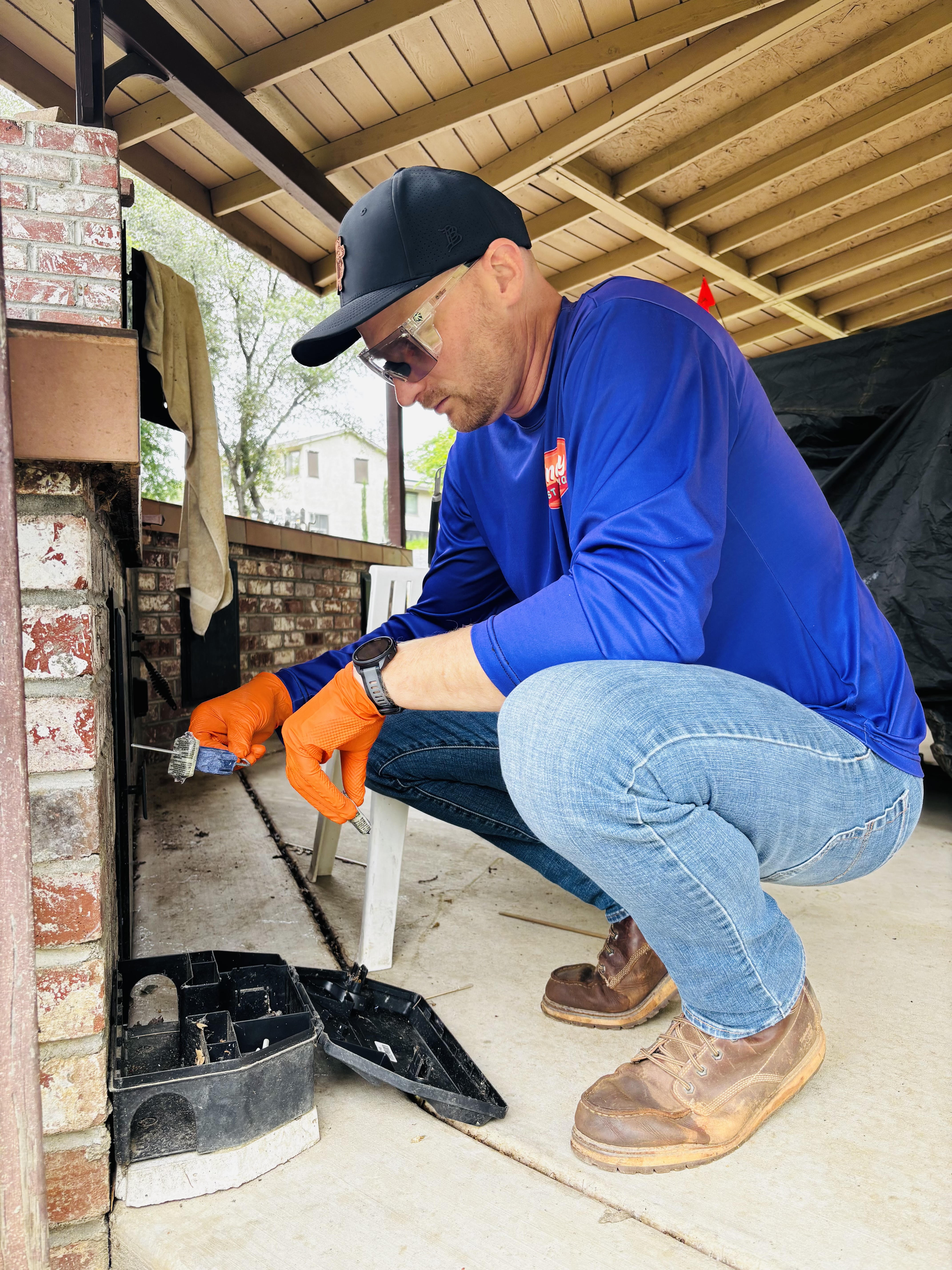
So when we see heavy feeding, we look harder. We walk the structure for entry points, move stations when the activity points somewhere better, and talk with the homeowner about trapping or exclusion work if it looks like rodents are getting in. Exterior bait stations are one tool, not the whole plan. UC IPM also recommends sealing entry points before baiting outdoors, so rodents that feed on bait don't end up inside afterward. We went deeper on station placement in our earlier fall rat and mouse update, and if you're wondering about bait and local wildlife, we cover that in Does Rodent Bait Hurt Wildlife?
Ants After Rain, Then Sunshine
The other big pattern this fall is ant activity tied to the weather swings. We'll get a good rain, then a few sunny afternoons that feel more like September than November, and that back-and-forth changes how ants move around a property.
How rain affects ant nests
Many common ants nest in soil, under stones and pavers, and along foundations. Heavy rain can waterlog those nests, and colonies may relocate to drier ground, sometimes right against a house or inside wall voids and potted plants. UC IPM notes that ants come indoors looking for food, water, and shelter, or to escape hot, dry weather or flooding, and can appear suddenly when the weather changes. UC Master Gardeners add that ants are most likely to come inside during cold, wet conditions, which here in the foothills usually means winter.
Why warm afternoons bring them back out
Ants are cold-blooded, so their activity tracks temperature. Once the sun returns and the afternoon warms up, foragers head out again, and that's often when homeowners spot a fresh trail across a patio, up a wall, or into a kitchen. That's the pattern we've been seeing this fall: rain, then sunshine, then more ant activity.
They also use whatever routes a property offers. Branches touching the roof, shrubs against siding, irrigation lines, and the seam where the foundation meets the siding are common highways, which is why UC IPM recommends pruning shrubs and trees back from buildings so they don't act as bridges.
Not every ant behaves the same way
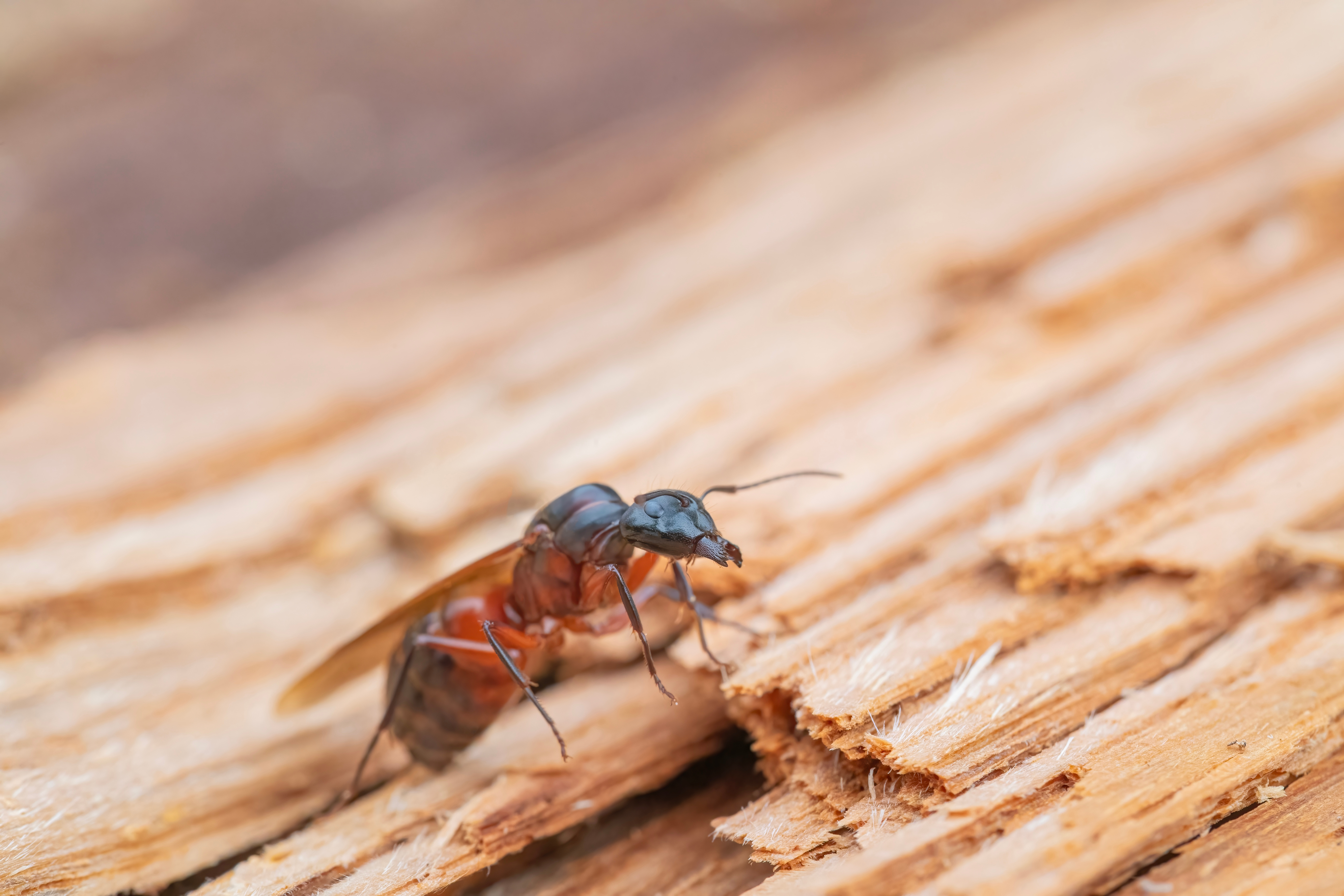
Rain doesn't always mean ants indoors, and species react differently. The small trailing ants most people find in kitchens behave nothing like carpenter ants, for example. That's why we identify the ant and trace where it's coming from before choosing a treatment. Spraying the ants you can see can scatter a trail without ever reaching the colony. If you're fighting ants right now, Why Are Ants Suddenly Everywhere? covers what helps and what tends to backfire.
Spiders, Earwigs, Centipedes, and Other Shelter-Seekers
Leaf drop, cooler nights, and rain all change where small pests hang out. It's tempting to say they come inside to get warm, but moisture and cover matter more than heat.
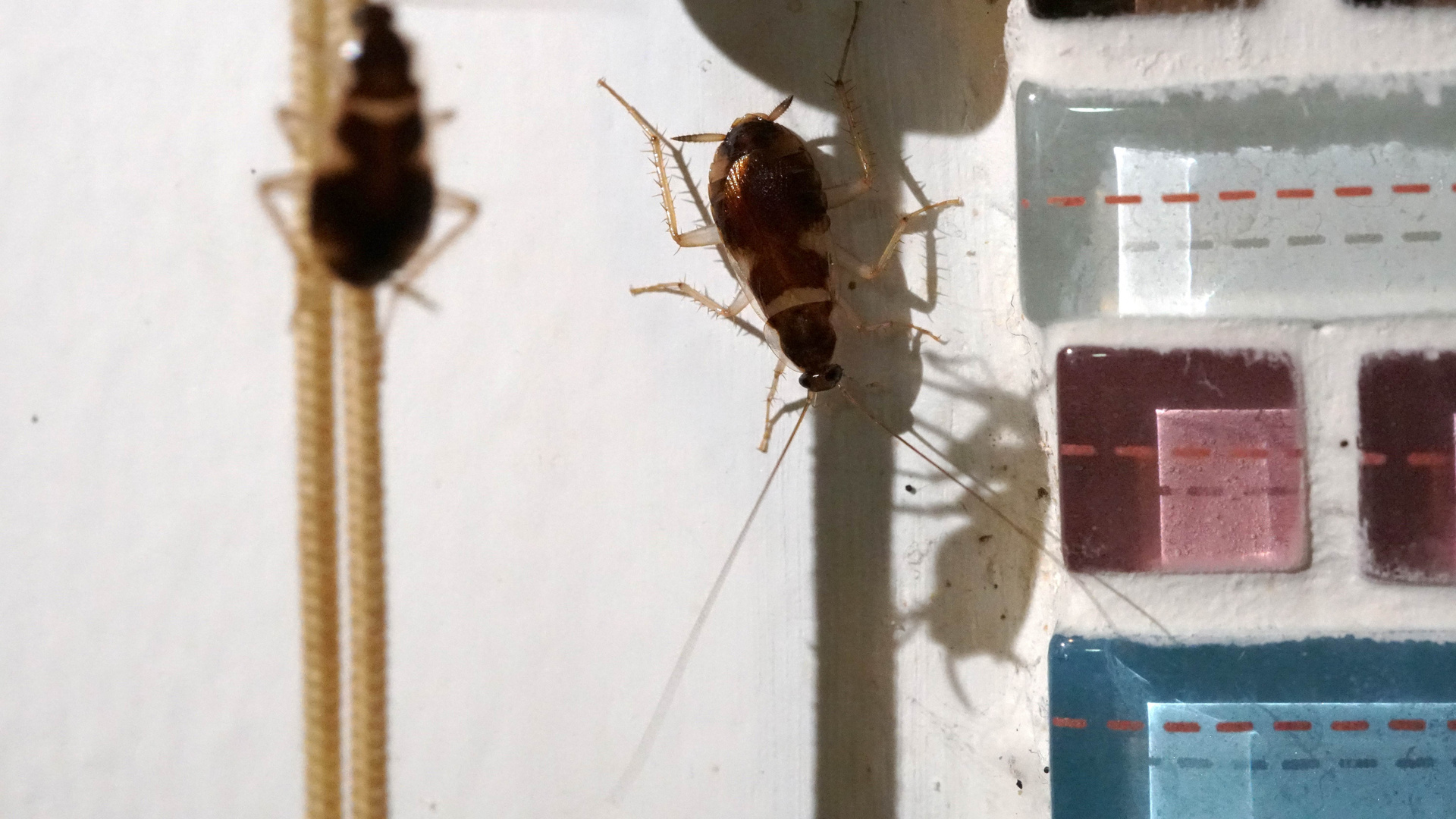
- Earwigs feed at night and, per UC IPM's earwig guide, spend the day in dark, cool, moist hiding places. Leaf piles, mulch along the foundation, potted plants, and gaps under door thresholds are classic spots.
- Centipedes are predators that eat other insects, and adults overwinter in secluded, moist places. Finding them indoors usually points to dampness and other bugs nearby.
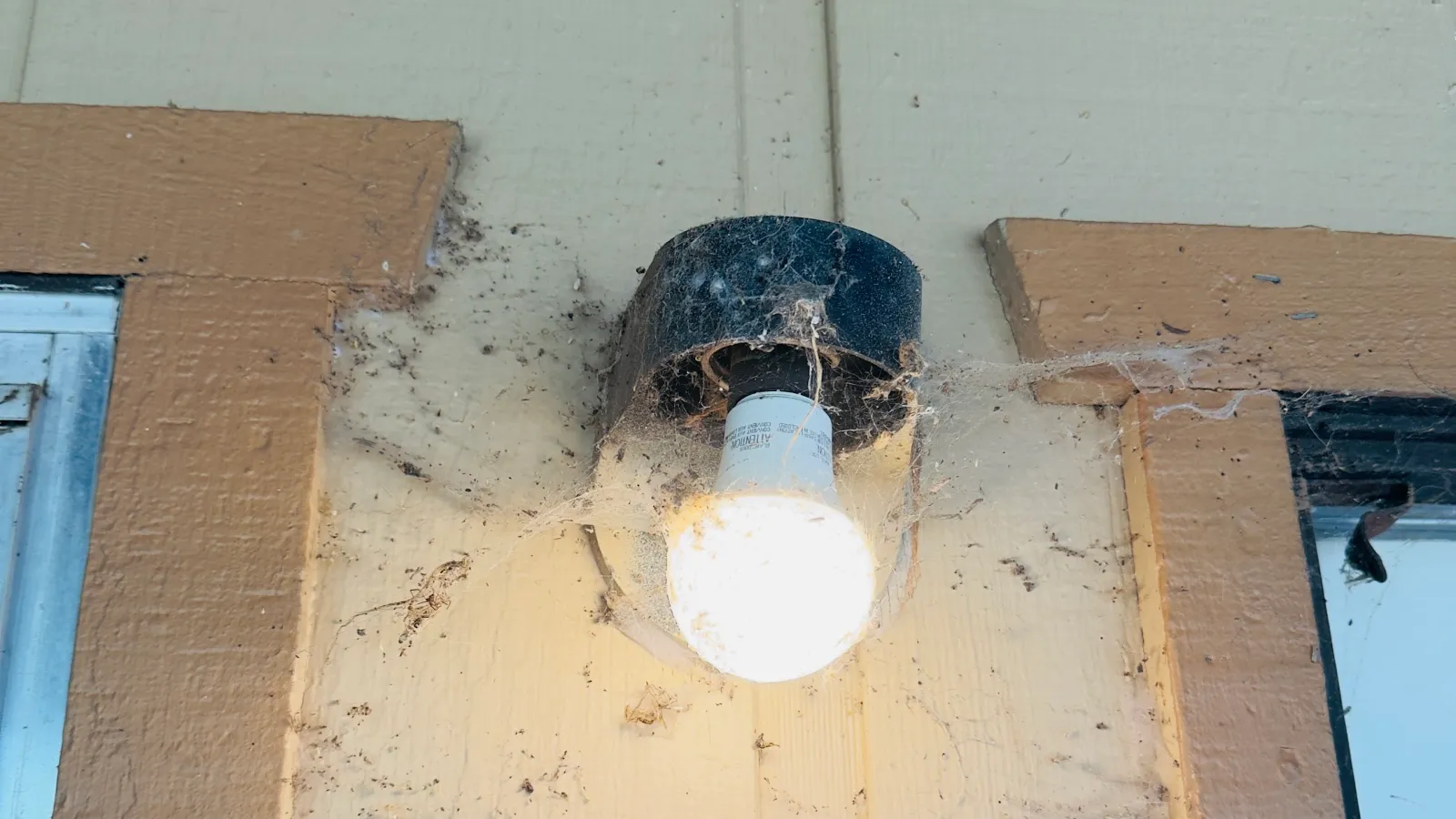
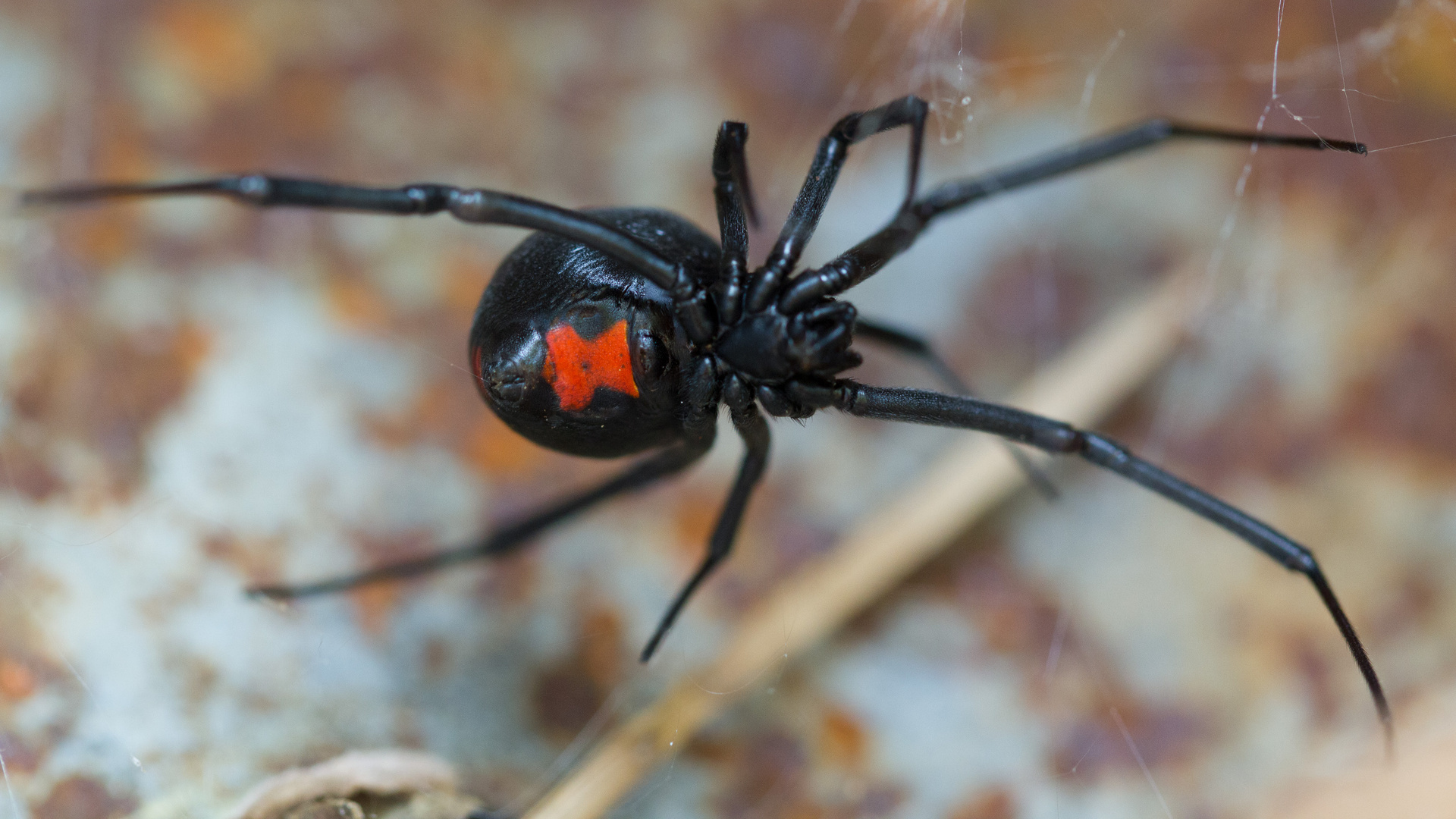
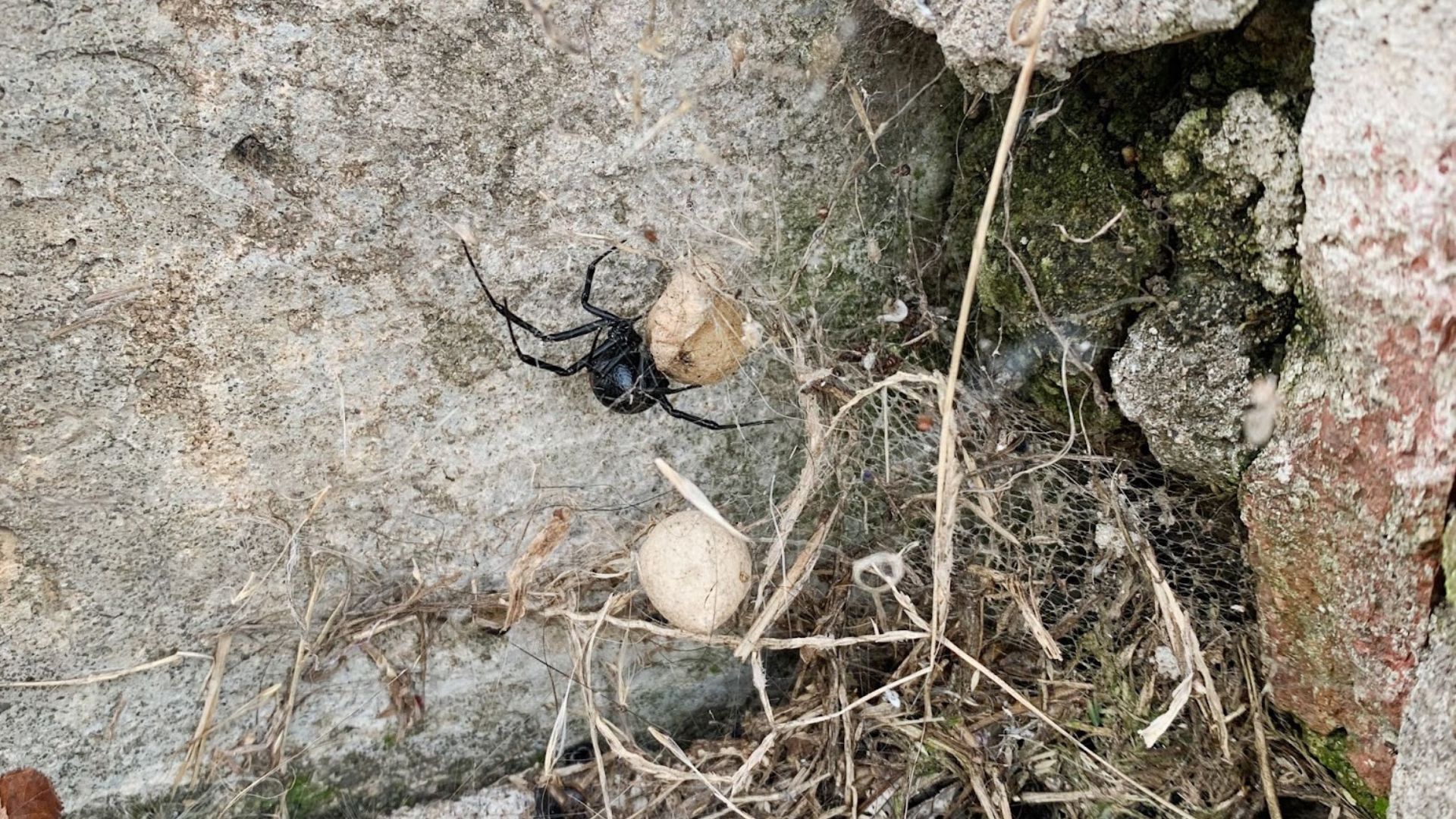
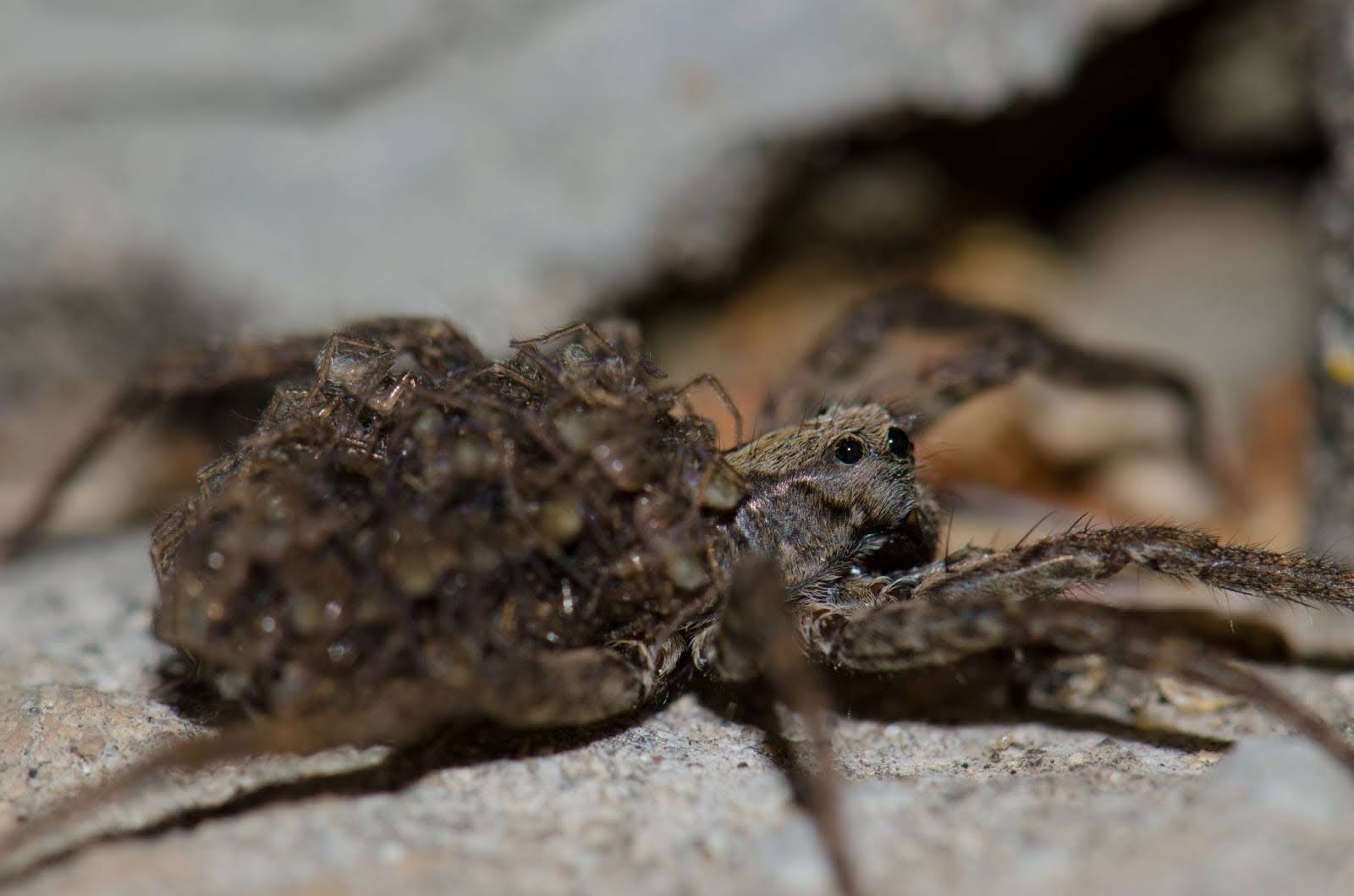
- Spiders are building webs around eaves, porch lights, and windows, where insects gather. Most of the spiders people find indoors in fall weren't driven in by the cold. We explain why in Do Spiders Come Inside When It Gets Cold?
Small changes around the house that help
Garages, covered patios, and the base of exterior walls stay drier than the rest of the yard in wet weather, and fallen leaves pile up in corners and along the foundation. That mix of cover and moisture is exactly what these pests look for. A few simple steps go a long way:
- Rake fallen leaves out of corners and off the foundation, and keep mulch and plants about a foot back from the walls
- Check door sweeps and weatherstripping on garage and exterior doors
- Stack firewood off the ground and well away from the structure
- Cut down on cardboard boxes and clutter in the garage
- Fix dripping spigots and irrigation leaks near the house
How We're Adjusting Our Service This Fall
A fall visit shouldn't look exactly like a July visit. We're seeing these changes firsthand, so we're adjusting as we go. Here's what that looks like on properties right now:
- Thoroughly inspecting the exterior, including foundations, eaves, garages, and landscaping
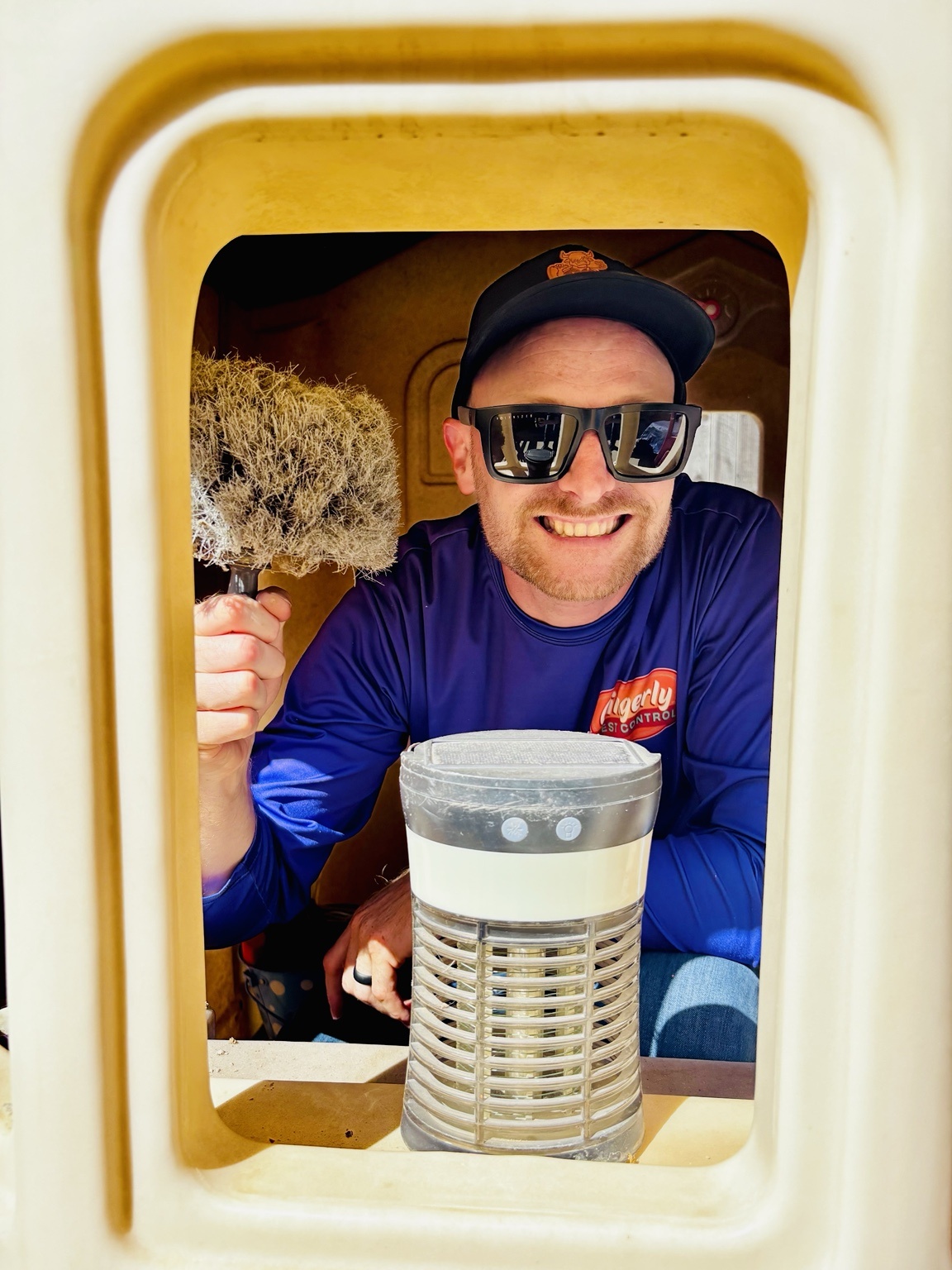
- Removing accessible spider webs around eaves, windows, and other exterior areas
- Following ant trails to find where activity is concentrated
- Paying close attention to landscaping, foundation transitions, and other pest pathways
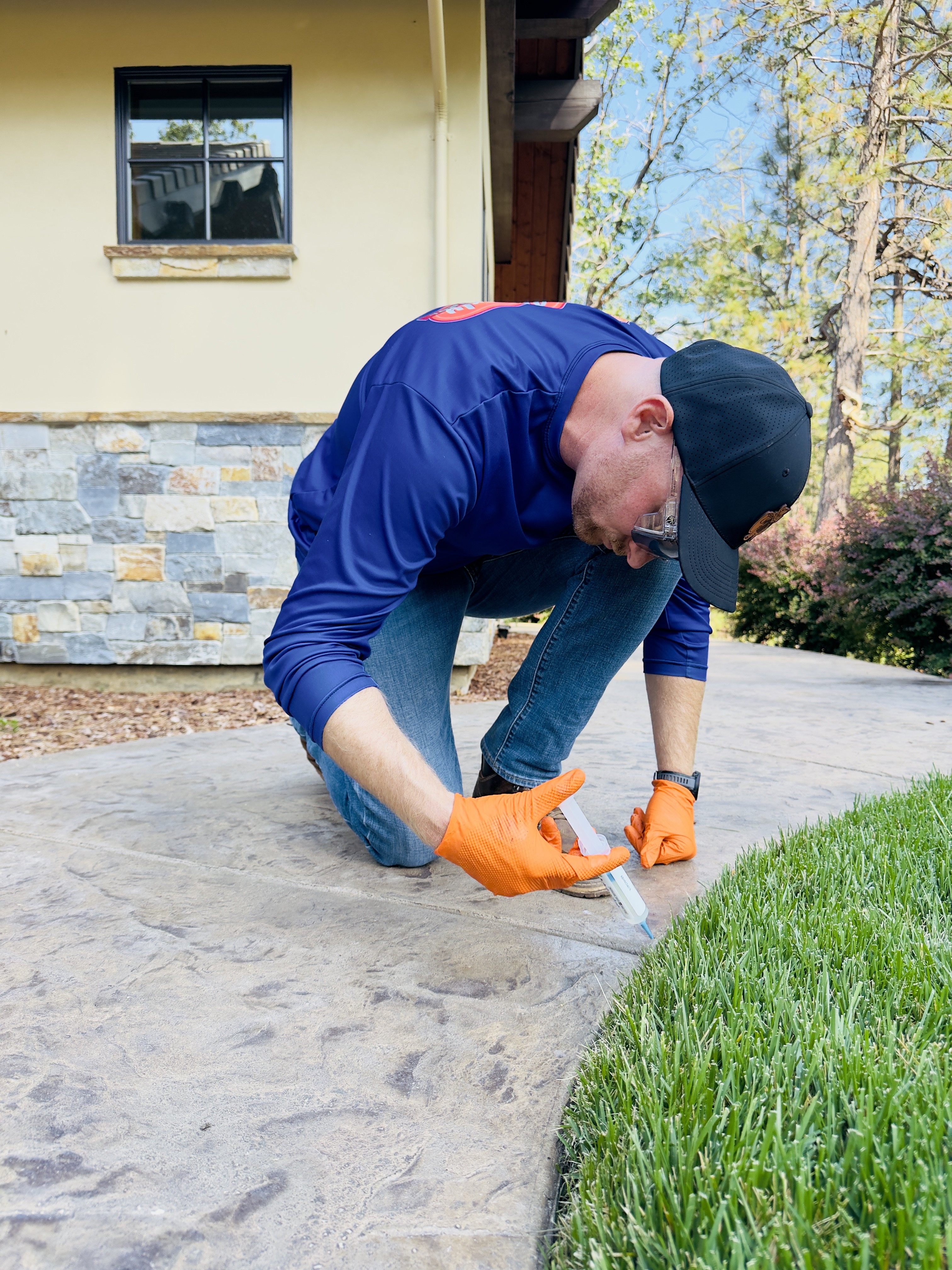
- Applying appropriately labeled liquid treatments to targeted areas
- Using granular products where appropriate to complement those liquid treatments
- Monitoring exterior bait stations and tracking how much bait is being eaten
- Moving stations when activity points to a better location
- Identifying potential rodent entry points and recommending or performing exclusion work when it makes sense

Why we're pairing liquid and granular treatments
Different products reach different places. Targeted liquid applications suit specific spots where pests travel or enter. Granular products go into soil, mulch, and landscape beds, where many ants and other ground-dwelling pests actually live, and some need moisture to release their active ingredient. Using both, where the label and the site allow it, lets us address the landscape as well as the structure.
That doesn't mean every product suits every pest or property. What we use, and where, depends on what we find, the product label, and conditions on the day of service. Weather plays a real role here in California. Under California Department of Pesticide Regulation rules, summarized here by UC IPM, outdoor applications of pyrethroids, a widely used group of insecticides, aren't allowed during rain except under eaves. The same rules limit pyrethroid treatments on hard surfaces like driveways and patios to spot or crack-and-crevice applications, and any granules that land on pavement have to be swept back into the treated area. In a rain-then-sun stretch, timing and placement matter.
No treatment eliminates every pest or guarantees prevention, and we won't pretend otherwise. Consistent, adjusted service lets us follow changes on your property and respond before small issues grow. That's the thinking behind our recurring general pest control, which typically runs on a roughly 60-day schedule, and our rodent control and ant control work.
Frequently Asked Questions
Where do bugs go during winter in Northern California?
Some die off, but many don't. Some survive the winter as eggs, and others slow down and wait for a warm day under bark, in leaf litter and soil, or in wall voids and garages. In our mild foothill winters, a lot of them never fully shut down. For a species-by-species look, see Where Do Bugs Go in the Winter in Placer County?
Why are ants active after it rains?
Waterlogged nests push colonies to move, and warm, sunny breaks send foragers out looking for food. The burst is often short-lived. If trails keep coming back after the ground dries out, there's likely a nest close to the house that's worth tracking down.
Why do rats and mice become more noticeable in fall?
They don't suddenly show up. They shift closer to structures as shelter becomes more important, and that's when people start hearing scratching in the walls or finding droppings in the garage.
Do homeowners need pest control during winter?
It depends on the property. If rodents or ants have come inside in past winters, keeping service going is worthwhile, because those are exactly the problems that tend to surface in the colder months. If not, a fall inspection is a sensible way to check for openings before the wettest months.
How can homeowners reduce rodent entry points?
Start with a slow walk around the house with a flashlight. Look for droppings, chewed edges, and dark rub marks along walls, then check the entry points listed above and seal anything larger than 1/4 inch with metal-based materials. If you've already found signs of activity, start with I Found Signs of Rodents in My House. Now What?
About the Author

Tyson is the owner of Gingerly Pest Control and holds a California Branch 2 license through the Structural Pest Control Board for general pest work. He personally services homes in Auburn and throughout the surrounding Placer County communities, so the observations in this article come straight from his own service visits.
Tyson and his wife, Stephani, started Gingerly in 2025 as a locally owned, family-operated company. We serve homes in Auburn, Granite Bay, Lincoln, Loomis, Meadow Vista, Newcastle, Penryn, Rocklin, and Roseville, with an inspection-first approach and a detailed service report after every visit. You can learn more about us on our About Us page.
If you're noticing rodents, ants, or other activity around your home this fall, we're happy to take a look. Call or text us at 916-625-6741, or reach out through our contact page.
Sources
- UC Statewide IPM Program, Pest Notes: Rats
- UC Statewide IPM Program, Quick Tips: Rats
- UC Statewide IPM Program, Pest Notes: Ants
- UC Statewide IPM Program, Ant Management in Gardens and Landscapes
- UC Marin Master Gardeners, Ants
- UC Statewide IPM Program, Pest Notes: Earwigs
- UC Statewide IPM Program, Pest Notes: Centipedes and Millipedes
- UC Statewide IPM Program, Green Bulletin, New Restrictions on Pyrethroid Insecticide Applications Protect Urban Surface Waters (November 2012)
- California Department of Pesticide Regulation, Surface Water Protection
Last reviewed November 2026.