Do Spiders Come Inside When It Gets Cold?
Short answer: Mostly, no. The spiders you find inside your house in the fall usually didn't move in because the weather turned. The common cobweb and cellar spiders in the corners of a home live indoors year-round, and arachnologists at the University of Washington's Burke Museum estimate that fewer than 5% of the spiders people see indoors have ever been outside.
So why does it feel like spiders show up every October? Late summer and fall are when many spiders are fully grown, when males go wandering to find mates, and when the first real rains push ground spiders out of soggy burrows. Cold itself doesn't send spiders looking for a warm living room. Spiders are cold-blooded; as temperatures drop, they slow down rather than seek out heat.
That doesn't mean nothing gets in. Spiders can slip under doors and through gaps, and they hitch rides on firewood, boxes, and potted plants. Here's what's actually happening around homes in Auburn, Newcastle, Lincoln, and the rest of Placer County this time of year, and what helps.
Why It Seems Like Spiders Move In When It Gets Cold
Males are out looking for mates
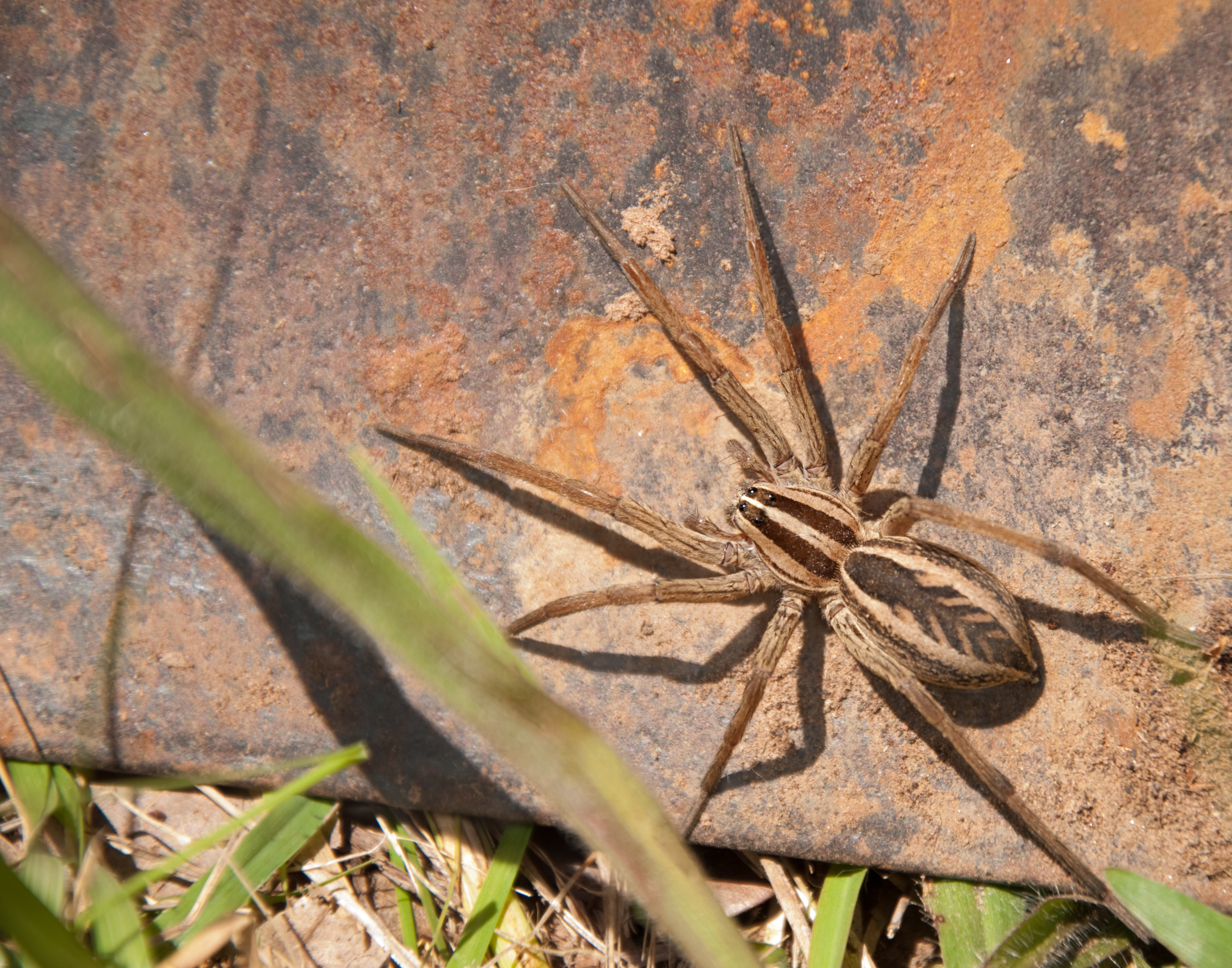
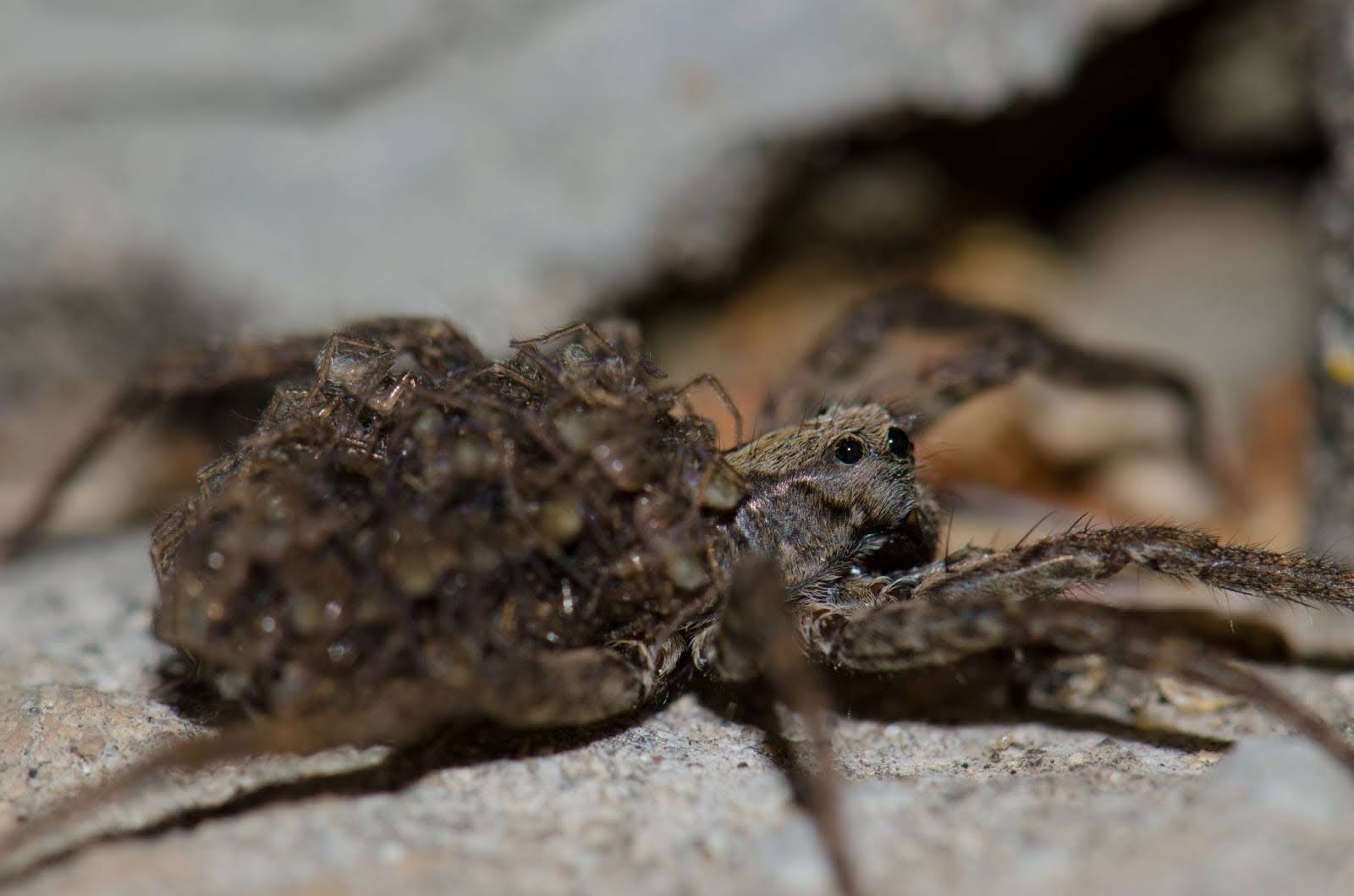
According to UC Integrated Pest Management (UC IPM), the large hunting spiders people find in homes and garages are often fully grown male wolf spiders that have reached maturity and are searching for females. While they wander, one or two can end up indoors by accident. The Burke Museum notes the same pattern for house spiders: when a lot of them show up at once, it's usually late summer, and it lines up with mating season rather than cold weather.
That's the likely story behind a big brown spider crossing the garage floor this fall. More on identification: Everything to Know About Wolf Spiders in Placer County.
Outdoor spiders are at their biggest

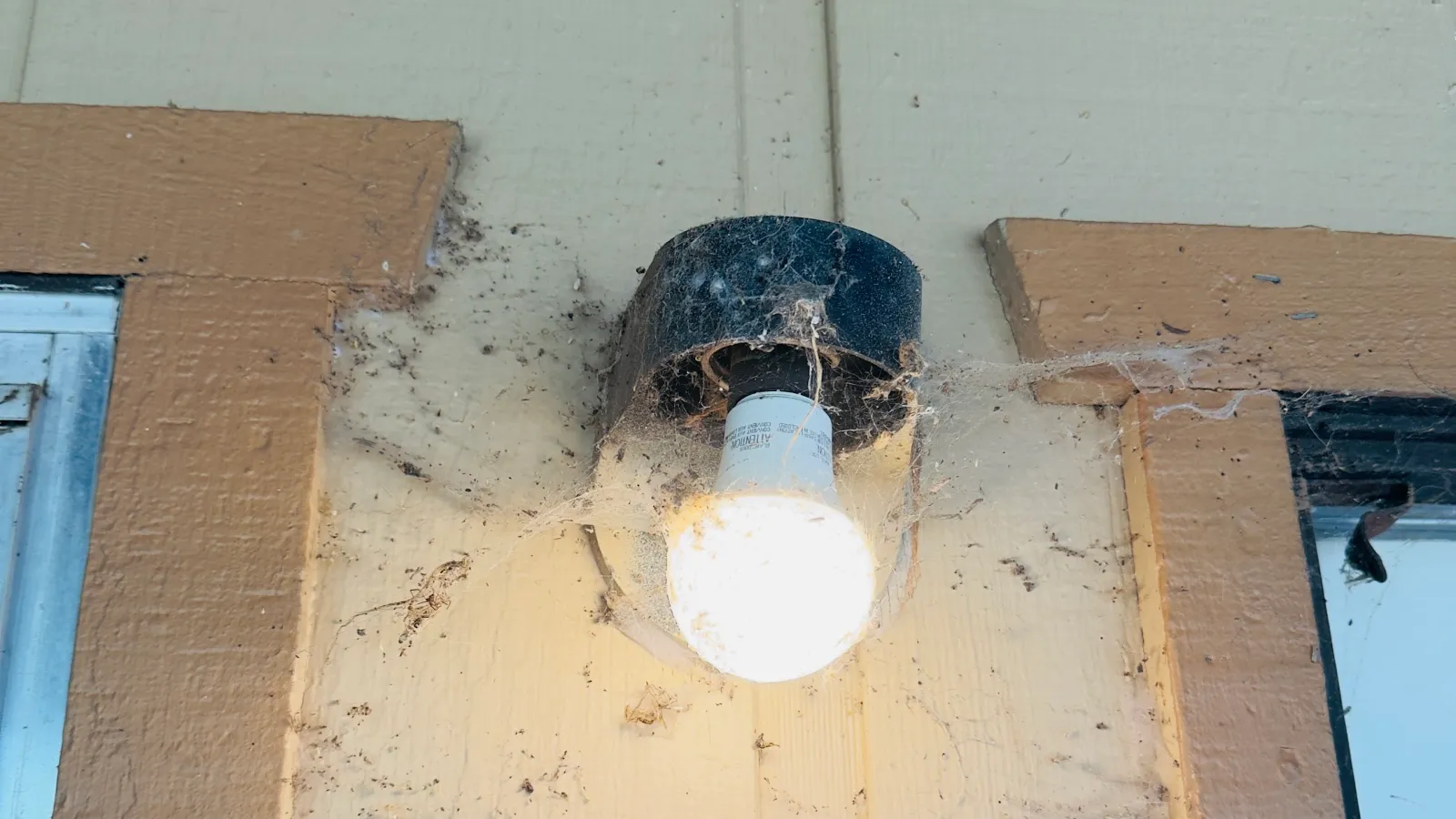
Orb weavers and other web-building spiders spend spring and summer growing. By late summer and fall they're full size, and their webs stretch across walkways, porch lights, and eaves. Extension entomologists describe fall as peak season for these webs, right before adults lay egg sacs and die off as the cold sets in. You're noticing them because they're large and out in the open, not because they're headed indoors.
Rain matters as much as cold
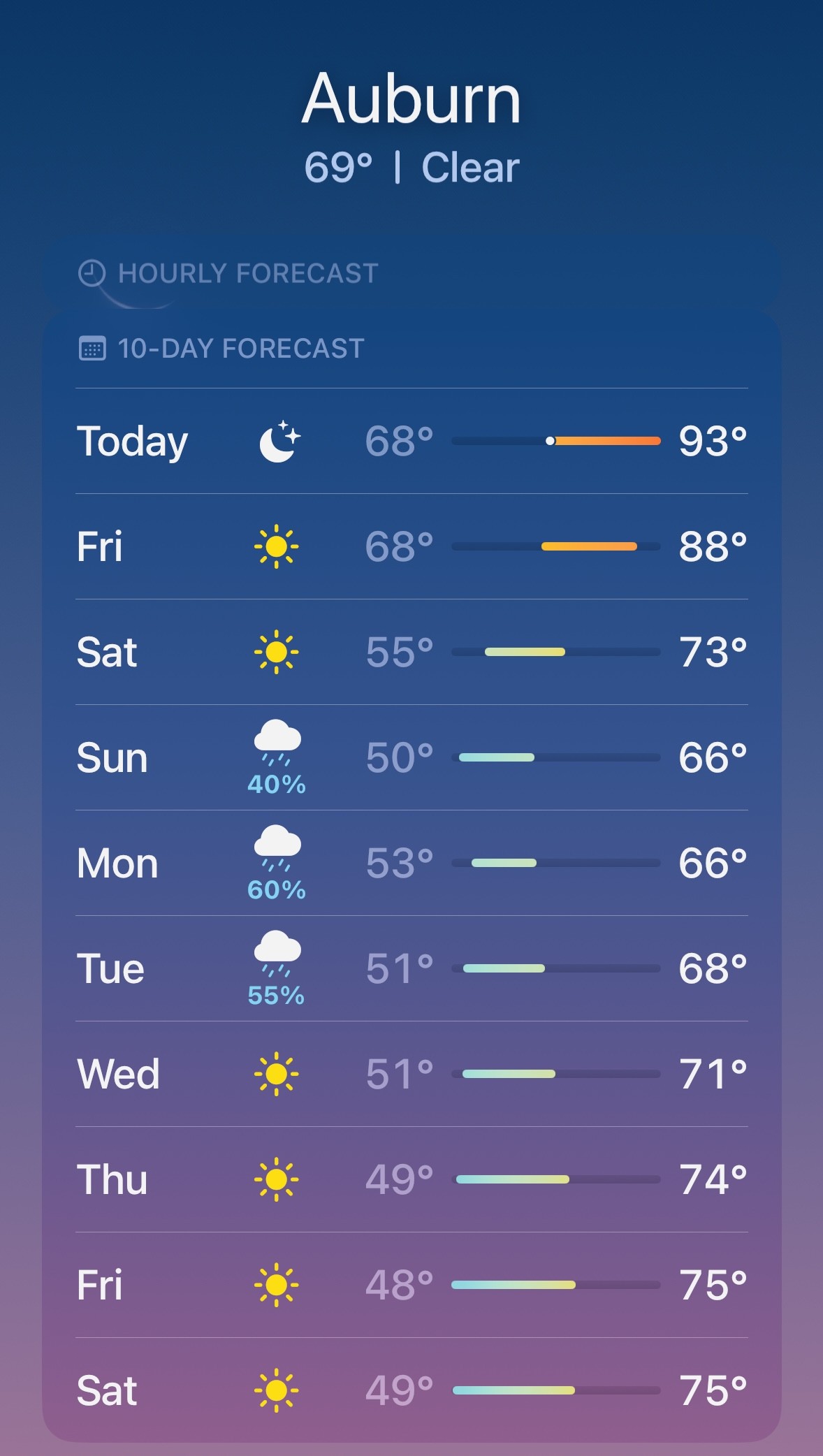
UC IPM notes that burrow-dwelling spiders sometimes wander during the rainy season when they have to abandon flooded burrows. In Placer County, the first real storms of fall can stir up spider activity around foundations and garage doors for a few days.
Porch lights feed the spiders
Outdoor lighting attracts insects, and insects attract spiders. As the days get shorter, porch and garage lights come on earlier, which can make webs around doors and light fixtures more noticeable through the fall.
Where Do Spiders Go in Winter?
It depends on the spider.
- Indoor species stay indoors. Common house spiders and cellar spiders already live in closets, corners, and garages. They stay there all year.
- Many outdoor web builders don't survive winter. Orb weavers typically lay egg sacs in fall, and the adults die with the cold. The eggs carry the next generation into spring.
- Others hunker down outside. Some spiders spend winter as juveniles or adults under bark, in leaf litter, in woodpiles, in rock walls, and in protected spots around eaves. They become sluggish or dormant until it warms up. The Burke Museum notes that most spiders in temperate climates carry natural "antifreeze" that keeps them from freezing in moderate cold.
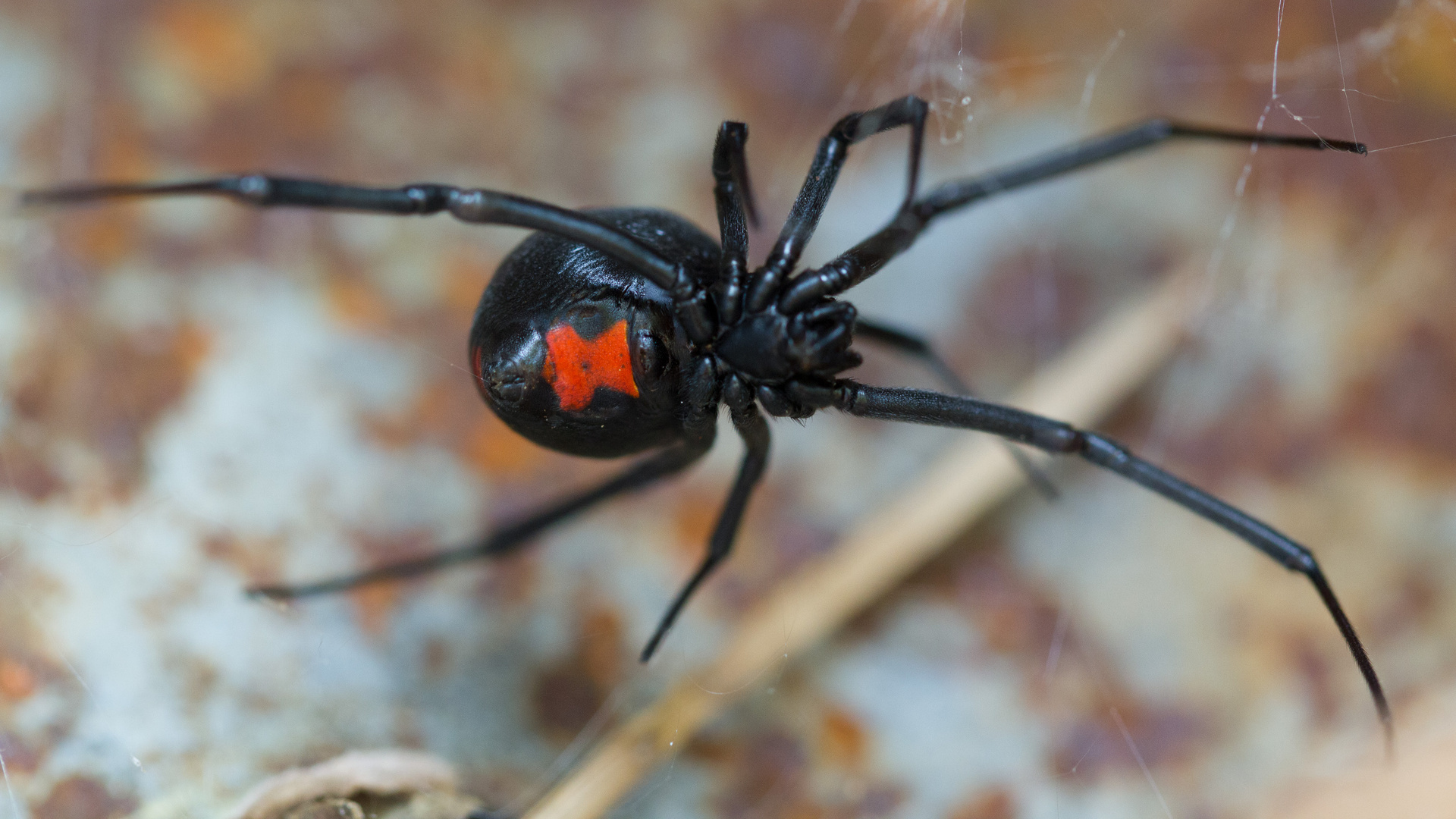
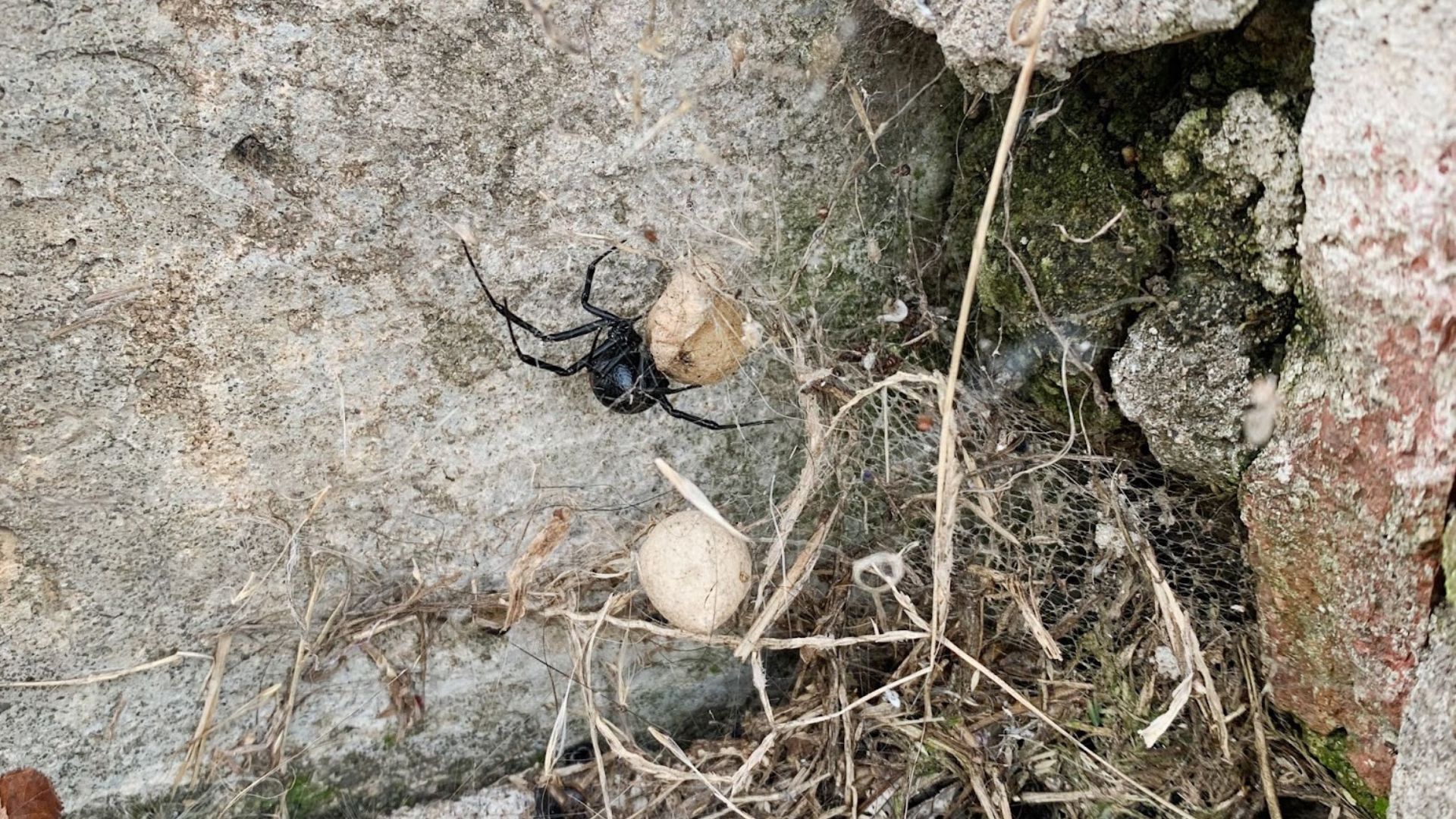
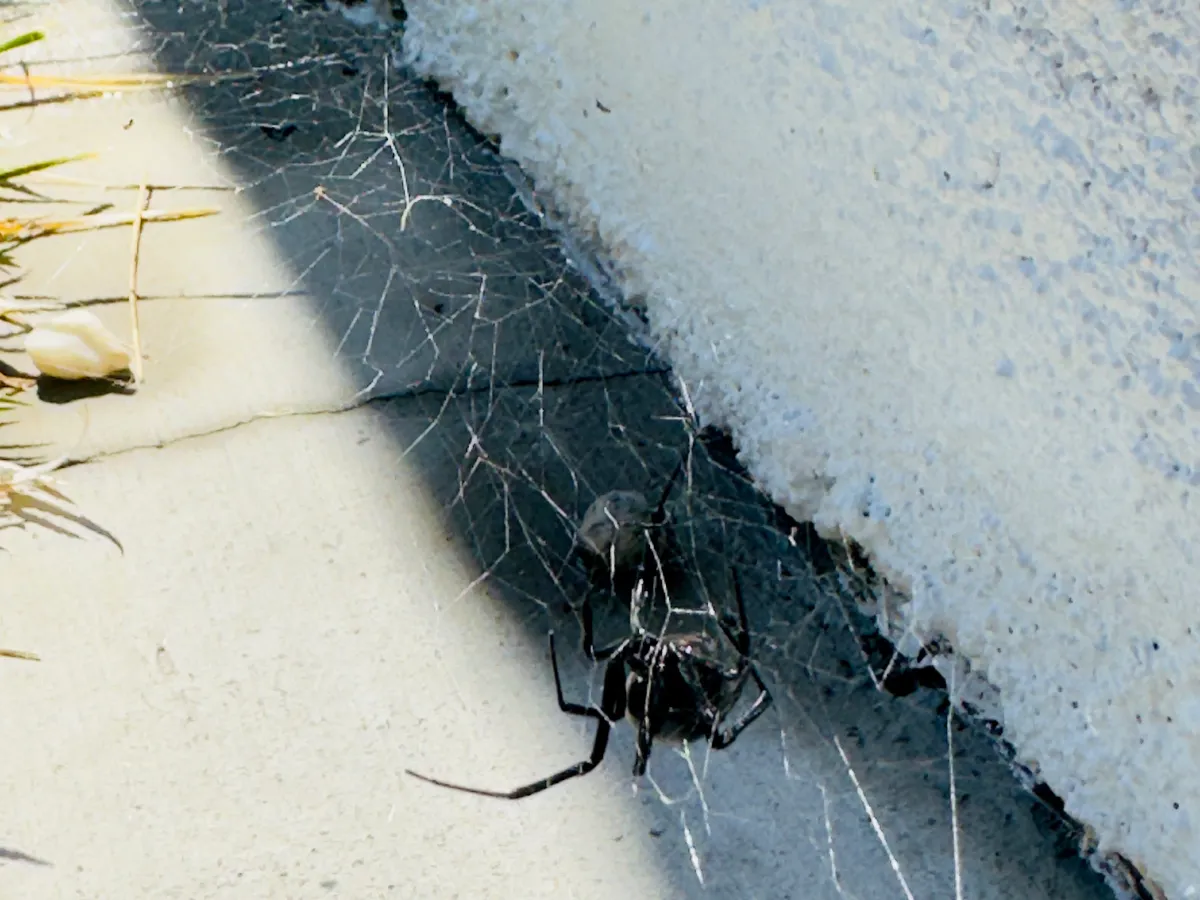
- Black widows stay in their hiding spots. UC IPM describes western black widows as mostly outdoor spiders that favor dark, dry, undisturbed places like garages, woodpiles, holes, and clutter. They rarely find enough insects to survive in living spaces.
For how winter changes other pests too, see Where Do Bugs Go in the Winter in Placer County?
Why Spiders Show Up in Garages, Crawlspaces, Sheds, and Woodpiles
Spiders aren't looking for warmth. They're looking for shelter that stays undisturbed and a steady supply of insects. Garages, crawlspaces, sheds, and woodpiles offer both.

Garages have gaps under the door, boxes stacked on the floor, seldom-moved items, and lights that draw insects. UC IPM notes that black widows in garages tend to build webs near doors, vents, and other places insects pass by. Crawlspaces and sheds stay dark and quiet for months at a time. Woodpiles are one of the classic places to find black widows, which is one reason to wear gloves when you grab firewood.
What this looks like around Auburn, Newcastle, and Lincoln
Auburn: Many Auburn properties sit under oaks on wooded lots, with older homes, crawlspaces, decks, and garages. Leaf litter, firewood stacked by the house, and space under decks give spiders shelter right against the structure. Our Auburn pest control page covers how this terrain affects other pests.
Newcastle: Rural lots in Newcastle often have detached garages, sheds, barns, older outbuildings, and woodpiles. Those structures can hold spider activity that never makes it to the house, and things stored in them for months are prime black widow habitat.
Lincoln: Newer neighborhoods in Lincoln have their own patterns. Irrigated landscaping, patio furniture, block walls, and attached garages give spiders shelter close to the home. UC IPM also notes that new developments can send wolf spiders wandering after their outdoor habitat is disturbed.
How to Reduce Spider Activity Around Your Home
Most of what works is about removing shelter and food, which is consistent with UC IPM's guidance:
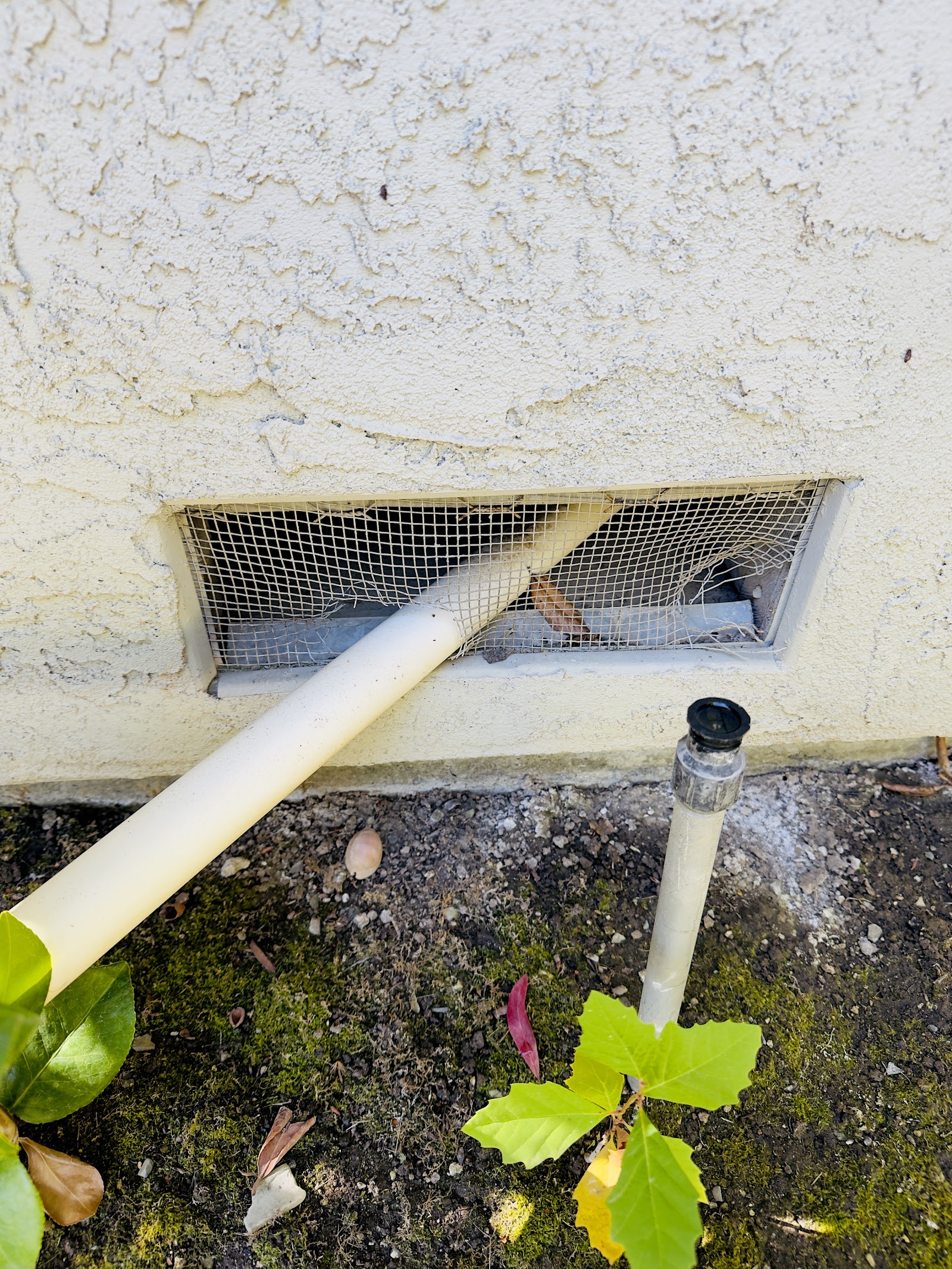
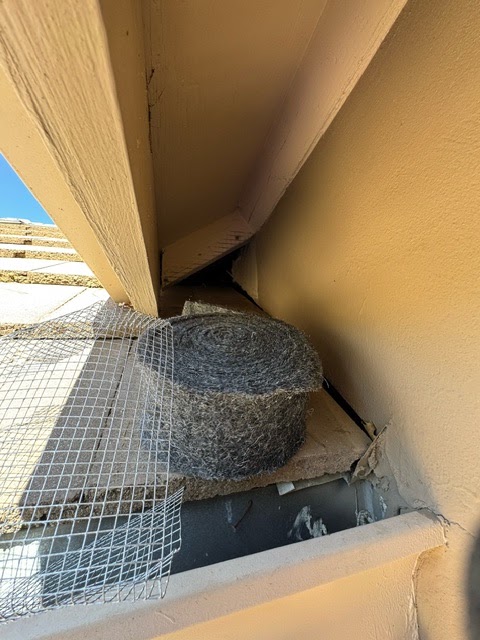
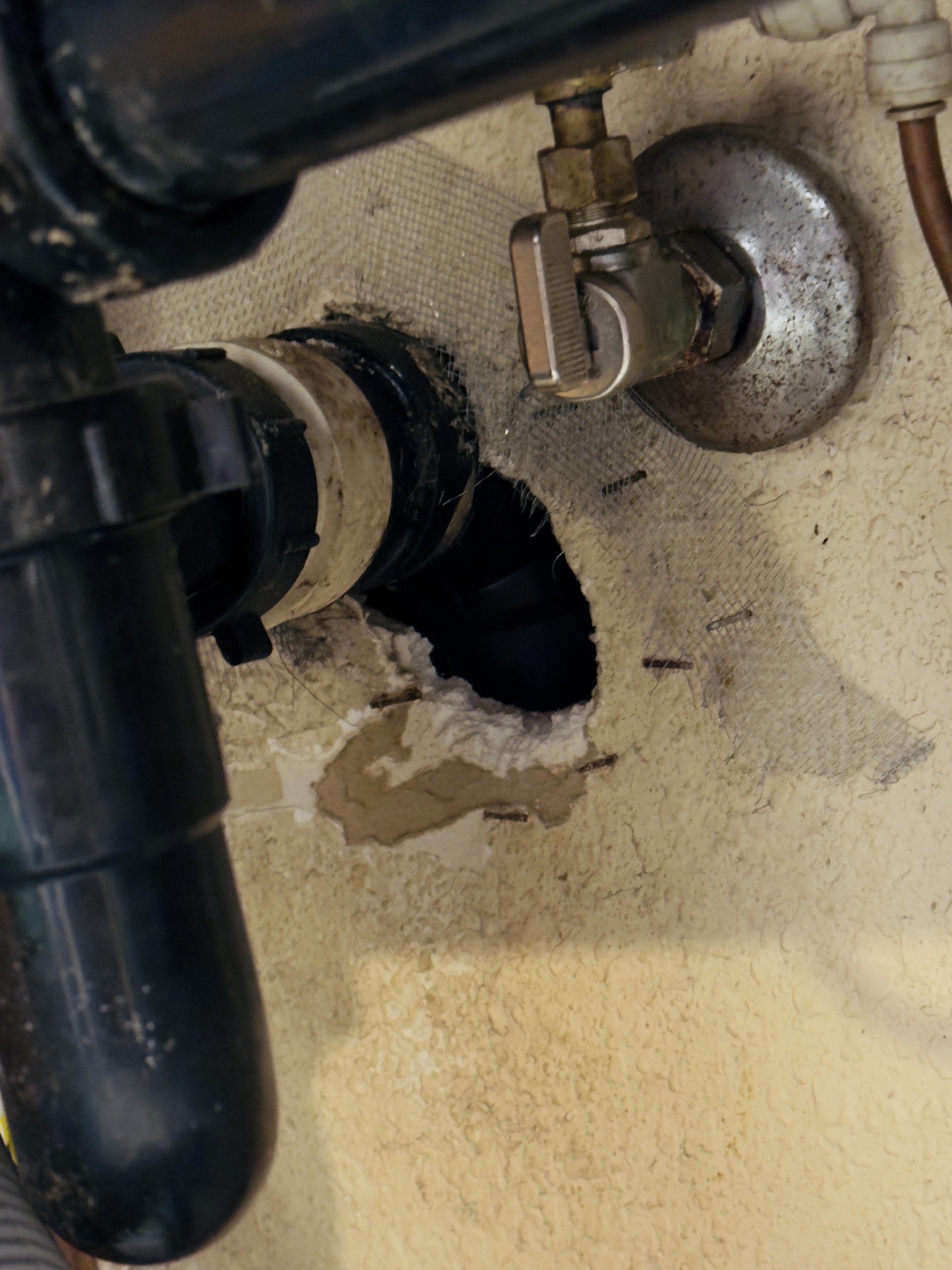
- Seal gaps. Close cracks in the foundation and gaps around windows and doors. Door sweeps help on garage service doors.
- Check screens and vents. Good screens keep out spiders and the insects they feed on.
- Knock down webs and egg sacs regularly. A broom or hose on eaves, porch ceilings, and window corners makes a real difference over time. You can read more about spider egg sacs here.
- Clear the foundation. Keep leaf litter, trash, and heavy vegetation away from the house, and trim plants back from walls.
- Stack firewood away from the house. Wear gloves when you handle it, and check pieces before bringing them inside.
- Get boxes off the garage floor. Store items off the floor and away from walls, tape boxes shut, and keep gardening gloves in sealed bags.
- Rethink outdoor lights. Where you can, point fixtures away from doors and windows.
- Vacuum indoors. Vacuuming spiders and their webs is one of the simplest indoor controls.

A few spiders don't mean an infestation, and spiders eat plenty of nuisance insects. The goal is keeping them out of living spaces and away from places your family reaches into.
How Professional Spider Control Helps
UC IPM is clear that spraying alone doesn't give long-term spider control. Spraying only helps when it's paired with removing webs, egg sacs, and hiding places. That's how we approach spiders.
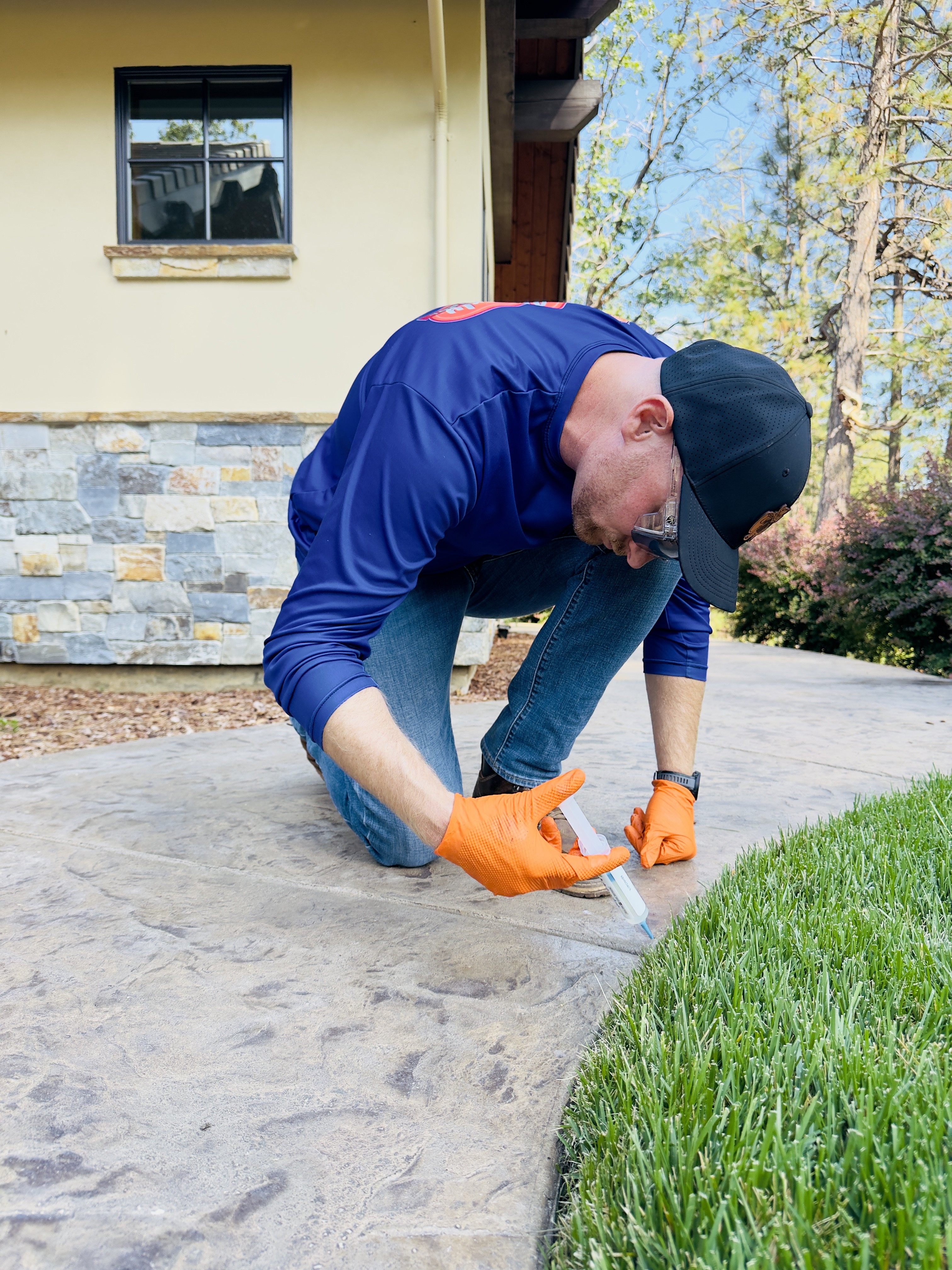
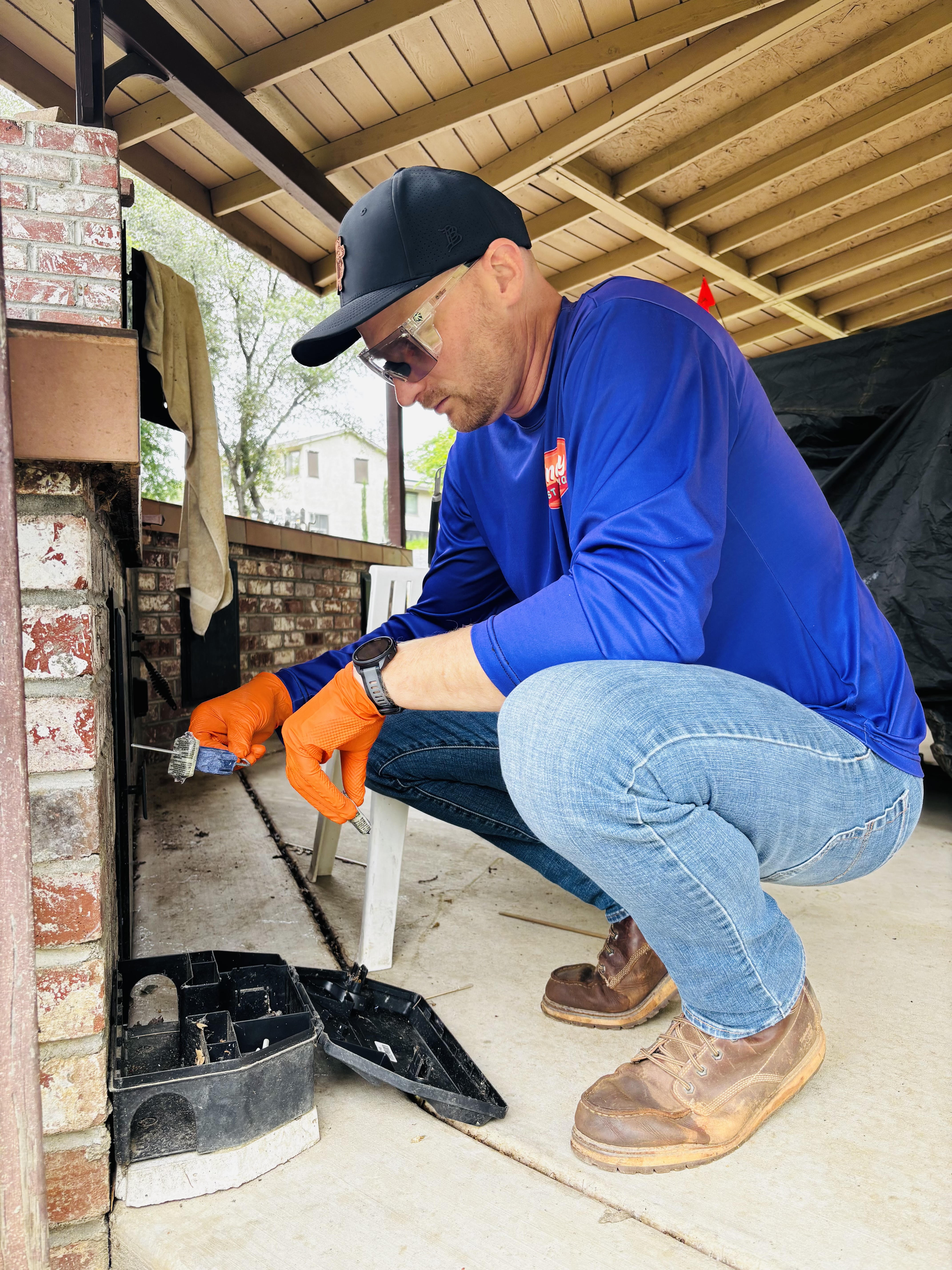
Our spider control service starts with an inspection of where spiders are actually living around your home: eaves, garage corners, door frames, foundation gaps, woodpiles, and outbuildings. From there, the work is targeted:
- Removing webs and egg sacs from eaves, entryways, and windows
- Treating the specific areas spiders are using, rather than spraying everything
- Reducing the insect activity that keeps spiders fed
- Pointing out conditions on your property that keep bringing them back

Spider pressure changes through the year, so consistency matters more than any single visit. Our recurring general pest control is typically every 60 days. That lets us keep up with new webs and egg sacs and adjust treatment as the seasons change. If black widows are your main concern, our guide to black widow spiders in California covers what to look for.
Frequently Asked Questions
Do spiders die in the winter?
Some do. Many outdoor web builders, like orb weavers, lay egg sacs in fall and die as it gets cold. Others survive as juveniles or adults in sheltered spots and become inactive until spring. Spiders that live indoors stay active year-round.
Do spiders hibernate?
Not in the way mammals do. Spiders are cold-blooded, so they slow down as temperatures drop and can go dormant in sheltered places. They become active again when it warms up.
Why am I finding spiders inside my house?
Usually because they already live there or because males are wandering to find mates in late summer and fall. Spiders also get in through gaps under doors and around windows, and on firewood, boxes, and plants. More insects indoors means more food for spiders.
Does pest control help with spiders during winter?
Yes, when it's done consistently. Winter service focuses on removing webs and egg sacs, treating the protected areas spiders use, and keeping insect activity down. That sets up fewer spiders in spring.
Are the spiders I see in fall dangerous?
Most aren't. In California, the main spider that can cause serious injury is the adult female western black widow, which usually stays outdoors in garages, woodpiles, and clutter. If you're ever bitten by a black widow, seek medical advice.
The Bottom Line
Cold weather isn't what brings most spiders inside. Mating season, full-grown outdoor spiders, fall rain, and the shelter around your home explain most of what you're seeing. Sealing gaps, clearing clutter, and keeping up with webs go a long way.
If spiders or black widows keep turning up around your home in Auburn, Newcastle, Lincoln, or elsewhere in Placer County, we're happy to take a look. Gingerly Pest Control is a family-owned company based in Auburn. Call or text us at 916-625-6741, or reach out through our contact page.