
Spider Control That Gets to Why They're There


Spiders show up around Auburn, Rocklin, Lincoln, and the rest of our service area for pretty ordinary reasons — nearby insects, sheltered corners, wood piles, eaves that don't get disturbed much. We don't just treat the spider you saw. We look at what's actually bringing them around, and go from there.
Why Spiders Show Up Around Your Home
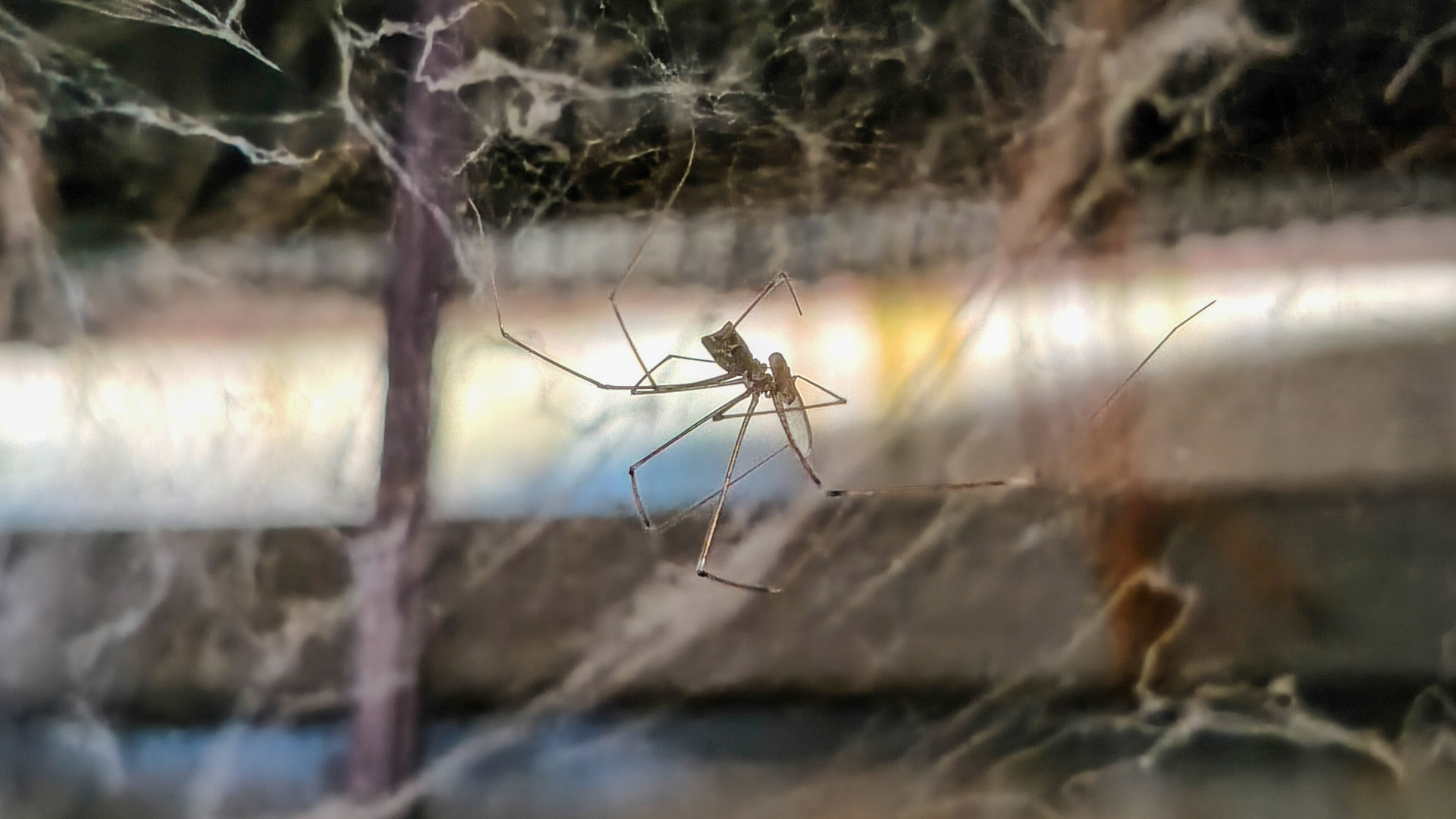
Most spider activity comes down to three things: food, shelter, and how often an area gets disturbed. Where insects are active, spiders follow. Where a corner, eave, or storage area sits undisturbed, webs tend to stick around and rebuild.
Property type changes what that usually looks like:
Foothill & Country Properties
Auburn, Meadow Vista, Newcastle, Penryn, and parts of Loomis
- Oak trees and natural vegetation
- Wood piles, sheds, and shops
- Detached garages and outbuildings
- Larger lots with more undisturbed ground
Suburban Properties
Rocklin, Lincoln, Roseville, and Granite Bay
- Eaves and rooflines
- Garages and landscaping
- Fence lines and patio areas
- Exterior lighting that draws in insects
Either way, killing the spider you see doesn't address why it was there. That's the part worth paying attention to.
What You Can Do Yourself
A few things that actually help:
- Knock down old webs and watch where they return — repeat spots are worth a closer look
- Clear clutter from garages and storage areas
- Keep wood piles and stored materials off the ground and away from the house
- Check exterior lighting — bright lights near doors and eaves attract the insects spiders are after
- Trim vegetation that's touching the house, especially near eaves or windows
- Keep secluded spots — rock walls, under decks, weep holes — reasonably clear, and take a look for webbing there now and then
- Be cautious reaching into undisturbed storage or wood piles — check before you grab
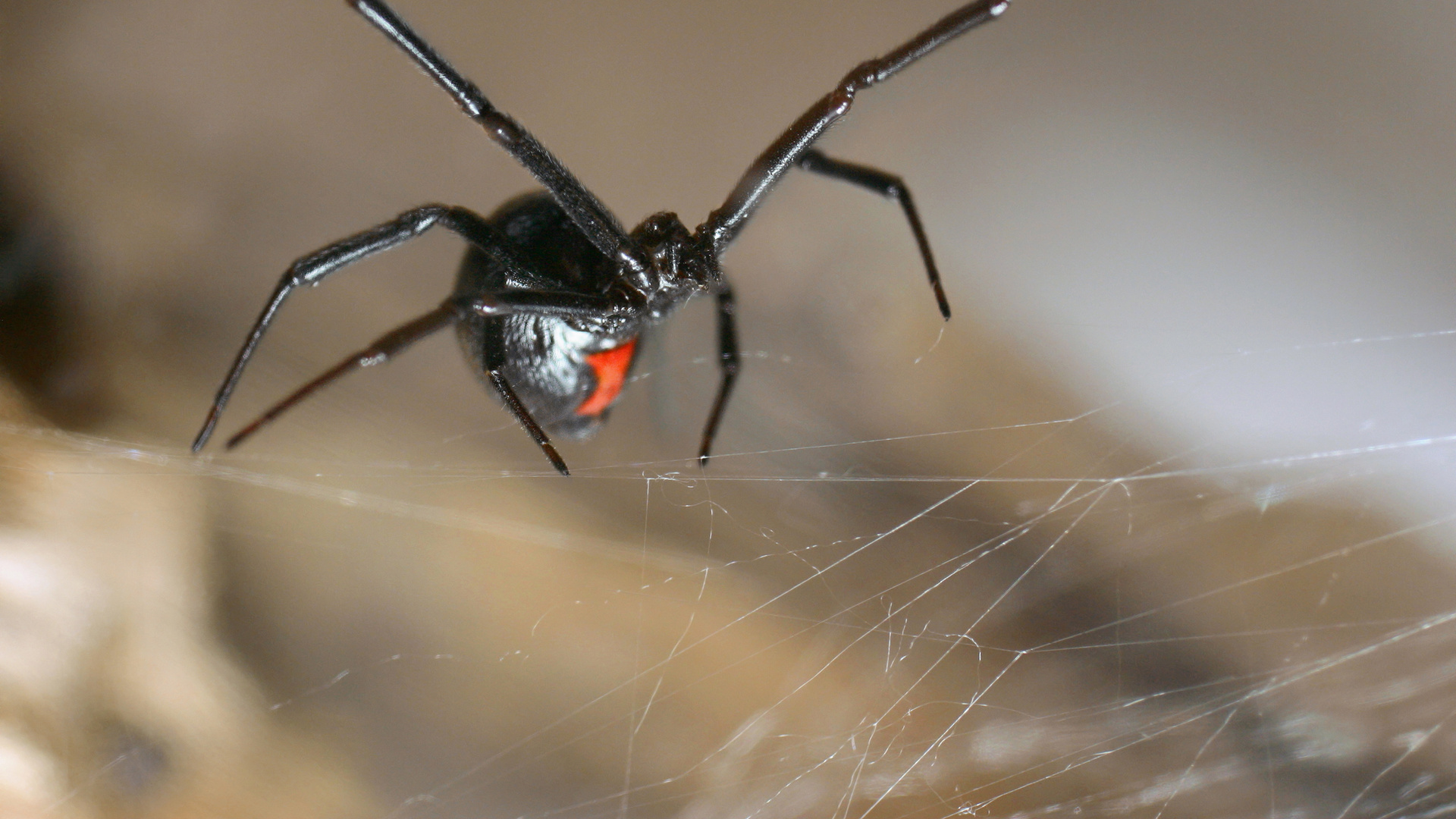
Black Widows
They tend to prefer secluded, undisturbed spots over open, exposed ones — rock walls, weep holes, underneath decks, and protected structural edges are common in our area, along with garages, wood piles, and exterior storage. Seeing one occasionally isn't unusual. Recurring activity in the same protected spot, especially somewhere you reach into without looking, is what's worth addressing.
One clue worth knowing: black widow webbing tends to look messy and irregular rather than neat or symmetrical, and it often feels unusually strong and sticky compared to a typical web. An out-of-the-way spot with tangled, tough webbing is worth a second look. More on identifying and handling them in our guide to black widow removal.
Do Spiders Disappear in Winter?
Not entirely. Visible activity slows down as it gets colder, but spiders and their egg sacs can persist through winter in protected spots like garages, eaves, crawl spaces, and sheds. That's why conditions still matter in the colder months, even when activity looks quiet.
When It's Worth Calling In Help
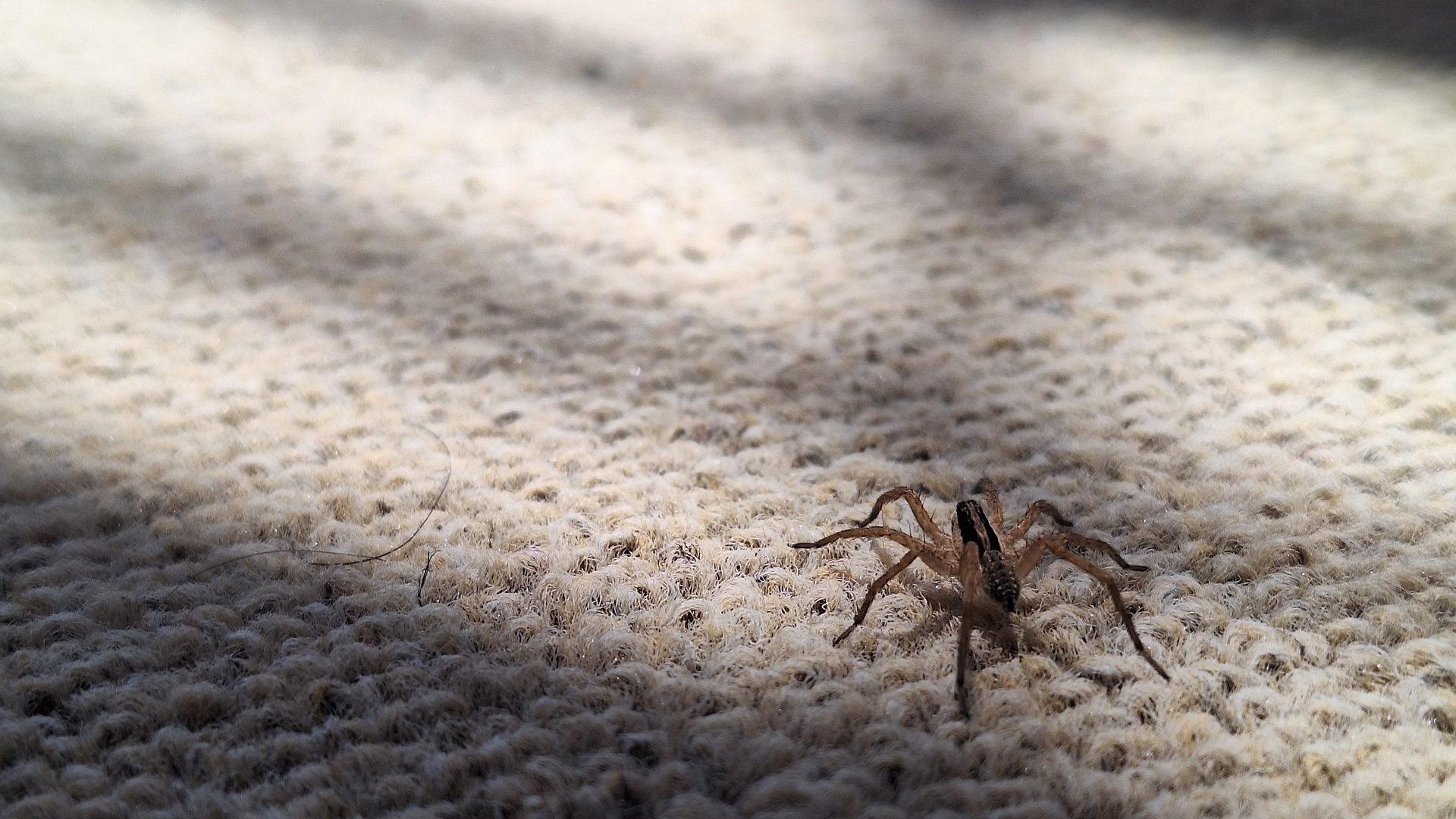
Most spider activity is manageable on your own. It's usually worth a call when webs keep returning to the same spots, activity is concentrated around eaves, attic vents, and rooflines, black widows keep showing up in the same protected area, or you're on a larger foothill property where staying ahead of it yourself takes real time. Some homeowners are just done managing it themselves — that's a fine reason too.
How We Approach It
Not by spraying whatever spider happens to be visible. We look at where activity is concentrated and what's contributing to it. Eaves and attic vents are common starting points — they're protected, hold onto webs well, sit close to insect activity, and attic vents are also a potential access point into the structure worth checking. From there we remove accessible webbing and visible egg sacs, treat the areas that matter, and look at the broader insect activity spiders are feeding on. A foothill property gets treated differently than a tight suburban lot — the conditions aren't the same.
De-Webbing Is Part of the Treatment
Removing established webbing — along with any egg sacs found in it — isn't just cosmetic; it disrupts the harborage areas spiders have settled into. On a property with years of accumulated webbing, one visit can make a real difference, but bringing heavy pressure down usually takes more than one round. For especially heavy or long-established webbing, we'll sometimes use a plant-based product (Nisus Web Out) that helps loosen webbing and treats spiders directly — another tool alongside physical removal, not a substitute for it.
Why It Can Take More Than One Visit
Spiders don't behave like crawling pests that reliably cross a treated surface. They move fast and spend a lot of time tucked into protected areas or up on webbing. That's why de-webbing, targeting known activity areas, and repeat service tend to matter more with spiders than a single spray ever could.
A Temporary Increase in Activity Isn't a Bad Sign
On properties with a lot of established webbing — especially ones that haven't had service in a while — it's not unusual to notice more activity for a short stretch right after the first treatment, rather than less. That's usually disturbance bringing hidden activity into the open, not a sign the treatment failed or created a new problem. It settles down with continued service.
Why Consistency Matters
New spiders move onto a property, the insects they feed on keep showing up, and weather and landscaping shift through the year — so spider activity isn't something one visit permanently resolves. Repeated de-webbing and targeted treatment compound over time: less established webbing to rebuild from, fewer hidden egg sacs, and a property that's generally less attractive to new activity.
If insect pressure is the bigger issue, it may make more sense to start with general pest control and add spider work as needed. We won't promise you'll never see another spider — that's not realistic outdoors — but we aim to keep it manageable, with a plan you understand.
Do You Have Questions?
Why do spider webs keep coming back in the same spot?
Removing a web gets rid of that web, but not necessarily the spider or the reason it built there. If a corner, eave, or garage stays undisturbed and has insects nearby, it's an attractive spot, and a new web often shows up within days. A location that keeps rebuilding is telling you something about the conditions there, not just about spiders in general.
Are black widows common around Auburn and the rest of Placer County?
Yes, they're part of the local spider population, especially in undisturbed spots like garages, wood piles, sheds, and exterior storage. Seeing one occasionally isn't unusual and doesn't mean something's wrong with your home. Recurring activity in the same protected area, especially somewhere you regularly reach into without looking, is what's worth paying attention to.
Do spiders go away during the winter?
Not entirely. Activity slows down and you'll see fewer spiders out in the open as it gets colder, but spiders and their egg sacs can persist through winter in protected areas like garages, eaves, crawl spaces, and sheds. That's part of why addressing conditions in fall and winter still matters, even when obvious activity has quieted down.
Does professional pest control actually help with spiders?
It can, when it's addressing the right things. Spraying only the spider you can see doesn't do much if the conditions bringing them around are still there. Our approach looks at where activity is concentrated, what's contributing to it — including the insects spiders are feeding on — and treats accordingly. It's not a guarantee you'll never see another spider, but it does help keep activity manageable.
What's the difference between spider activity on a foothill property versus a suburban one?
Foothill properties around Auburn, Meadow Vista, and Newcastle tend to have more surrounding habitat — oak trees, wood piles, sheds, and larger lots — which usually means more overall activity. Suburban properties in Rocklin, Roseville, and Granite Bay tend to see it concentrated closer to the house itself, around eaves, garages, and patios, often tied to exterior lighting. The conditions are different, so we adjust our approach based on what's actually going on at your property.
Get A Quote — Fast, Friendly, And No Pressure
Tell us a little about what’s going on, and we’ll get back to you quickly with honest pricing and clear next steps. No pushy sales stuff, no hidden fees—just real help when you need it.
Monday
8 AM - 6 PM
Tuesday
8 AM - 6 PM
Wednesday
8 AM - 6 PM
Thursday
8 AM - 6 PM
Friday
8 AM - 6 PM
Saturday
Closed
Sunday
Closed