
Black Widow Spiders in California: How to Identify, Avoid, and Remove Them
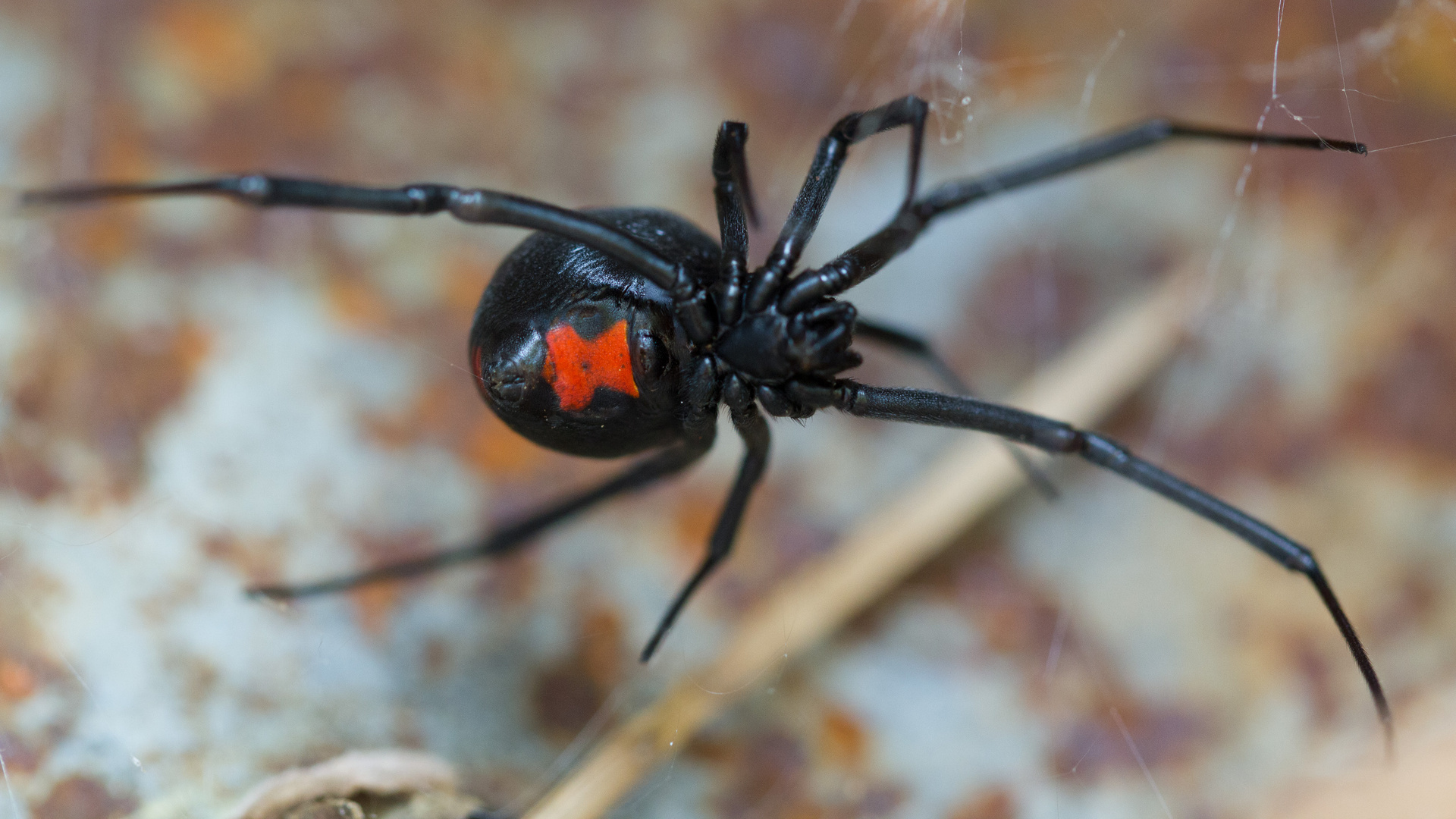
Reach into a dusty corner of your garage and feel something brush your wrist. That's how most Placer County homeowners meet their first black widow spider. Western widows live across California year-round, and most encounters happen at home rather than out on a hike.
Knowing what they look like and where they hide keeps a chance run-in from turning into a bite.
How to Identify a Black Widow Spider
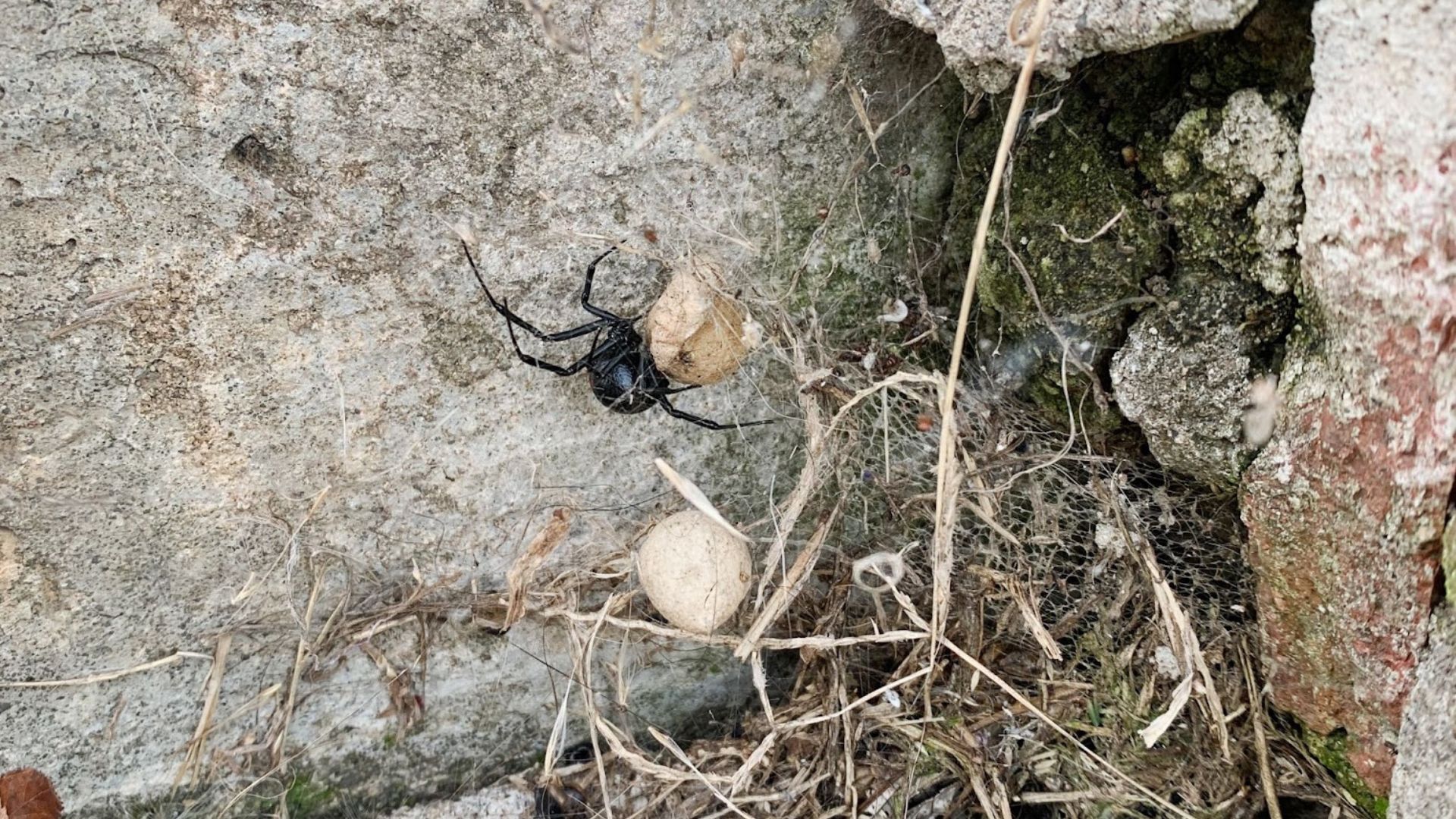
Nothing else in California looks quite like a mature female black widow. She's shiny jet black and roughly the size of a quarter with legs. What gives her away is the bright red mark on the underside of her abdomen. Males and juveniles throw people off, running smaller and lighter, sometimes tan with stripes.
Only one widow really matters in Placer County: the Western black widow (Latrodectus hesperus).
The Red Hourglass, the Egg Sac, and the Web Style
Found a candidate? Check three things:
- The hourglass marking sits on the underside, not the top. You'll need to see her from below or watch her hang upside down. On a western female, it glows bright red or orange, sometimes split into two small triangles.
- Look for the egg sac. A black widow spider egg sac is tan and papery, shaped like a small lemon. Multiple sacs in one spot mean she's been settled there a while. Our post on identifying spider eggs around the home covers what to do next.
- Web style seals it. No clear pattern, just a tangled mass of silk strung close to the ground. Strands feel stronger than a regular cobweb when you brush past. Our spider nest construction breakdown covers how widows build.
Spotting a black and red spider in your garage corner usually points to a western widow. Color alone isn't enough proof, though. Add web style and location, and you've got the ID.
Where Black Widows Live in Placer County Homes
Dark, quiet, and full of bugs. That's the wishlist a black widow shows up with, and almost every Placer County home has spots that check the boxes. Widows don't seek out humans. They also won't move when you walk past.
Garages, Woodpiles, Crawl Spaces, and Under Decks
Garage corners send us more black widow spider in garage calls than any other spot in Auburn and Roseville. Garages stay dark and only get used in spurts, with clutter piling up in corners between visits. A storage tote shoved against the wall or a recycling bin with bags stuffed behind it, gives a widow ideal cover.
Other high-risk spots around a Placer County property:
- Where deck joists meet the ledger board, especially on shaded north-facing sides
- Inside any woodpile that hasn't been moved since last winter
- Crawl space corners that stay dry and rarely get inspected
- Patio cushions left in a storage bin over winter
- Mailbox interiors and irrigation valve boxes nobody thinks to open
Foothill homes from Auburn to Lincoln see peak widow activity late spring through October, when daytime warmth pushes them into shaded structures.
How Dangerous Is a Black Widow Bite?
More serious than a regular spider bite, but far less dangerous than people assume. A Western black widow bite injects a neurotoxin called latrotoxin, and most healthy adults recover fully. Children and older adults need quicker attention. Anyone with a heart condition does, too.
Most people don't realize they've been bitten right away. A widow bite feels like a quick pinch with two small marks, and some miss it entirely. Black widow spider bite symptoms turn up within an hour or two:
- Sharp pain spreading outward from the bite site
- Cramping muscles, usually starting in the abdomen or lower back
- Heavy sweating paired with nausea
- A racing heart and restlessness that make sitting still impossible
Severe pain or any symptom in a child means urgent care now, and breathing trouble warrants 911. ERs treat widow bites with pain control and muscle relaxers. Catching the spider in a jar speeds diagnosis. So, are black widows dangerous? Rarely fatal with prompt care, but worth taking seriously.
How to Get Rid of Black Widow Spiders
Killing the widow you see is the easy part. Stopping the next one from setting up in the same corner takes more work. Knowing how to get rid of black widow spiders for the long haul means removing what drew her in.
What actually works:
- Vacuum the spider and her web. Collect any egg sacs in the same pass. Empty the canister into a sealed outdoor trash bag, since unhatched sacs can still produce spiders.
- Cut the clutter. Get cardboard boxes off the floor onto the shelving. Empty corners give widows nothing to anchor on.
- Pull woodpiles off the ground and away from the house. A stack pressed against the siding becomes a widow nursery in one warm season.
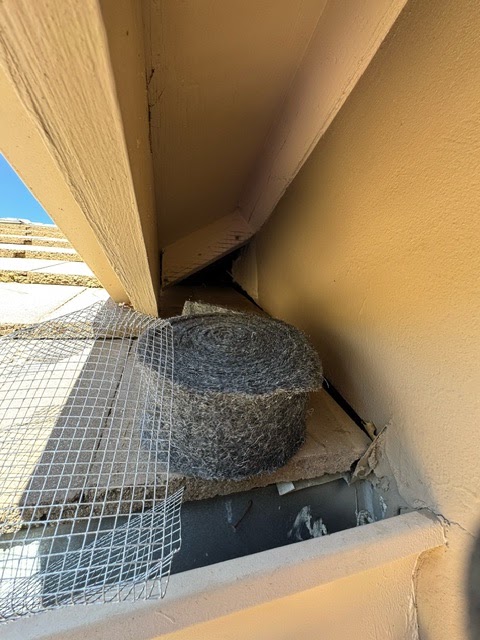
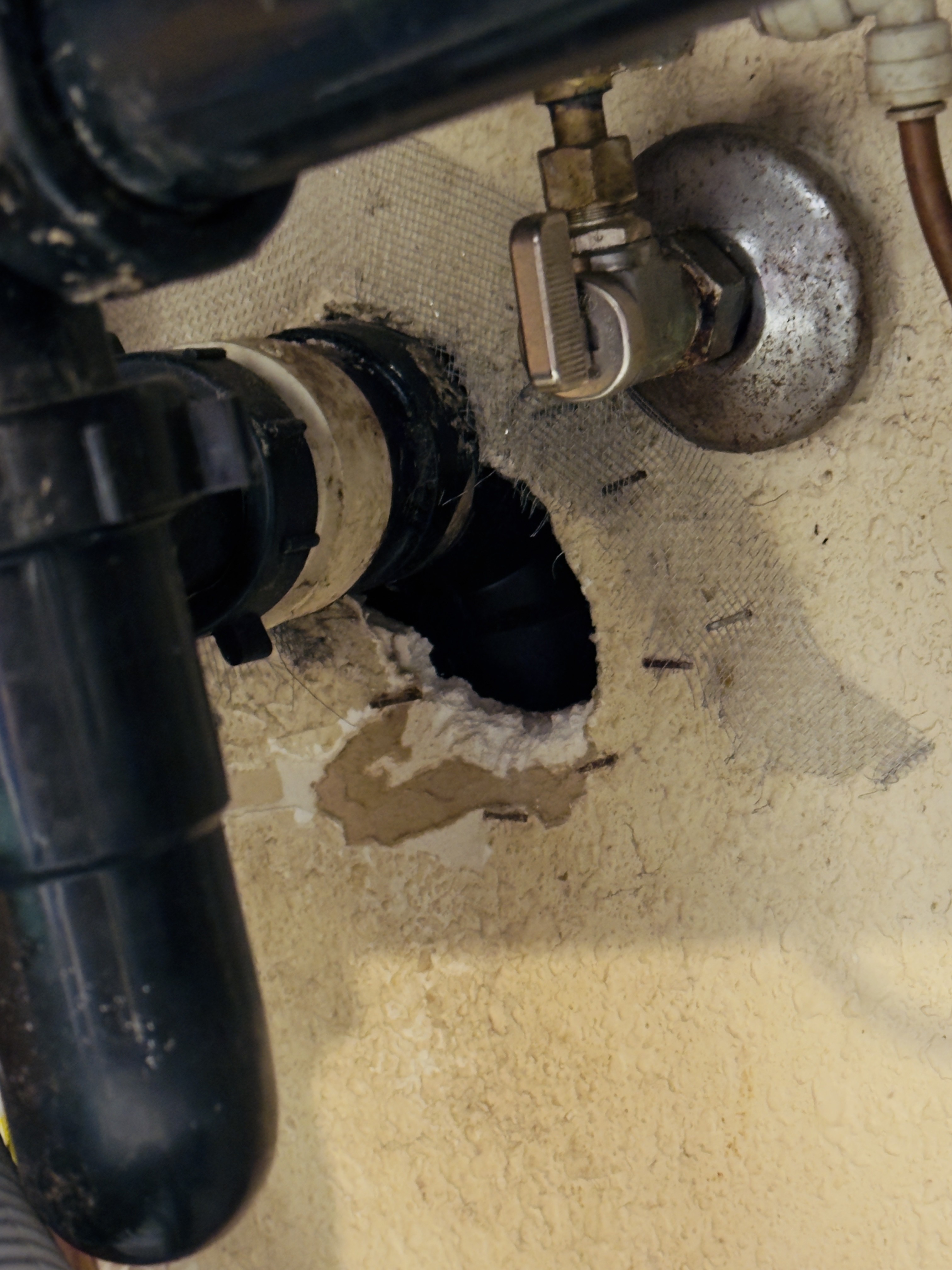
- Seal exterior gaps around dryer vents and utility penetrations. Most widows indoors came in through a hole smaller than a dime.
- Outdoor lighting matters. Lights pull moths, and widows follow them. Switch to yellow bulbs or motion-only fixtures and prey numbers drop fast.
- Gloves on, always, when you reach into a woodpile or lift cushions that have sat in storage. Most widow bites happen during exactly that kind of contact.
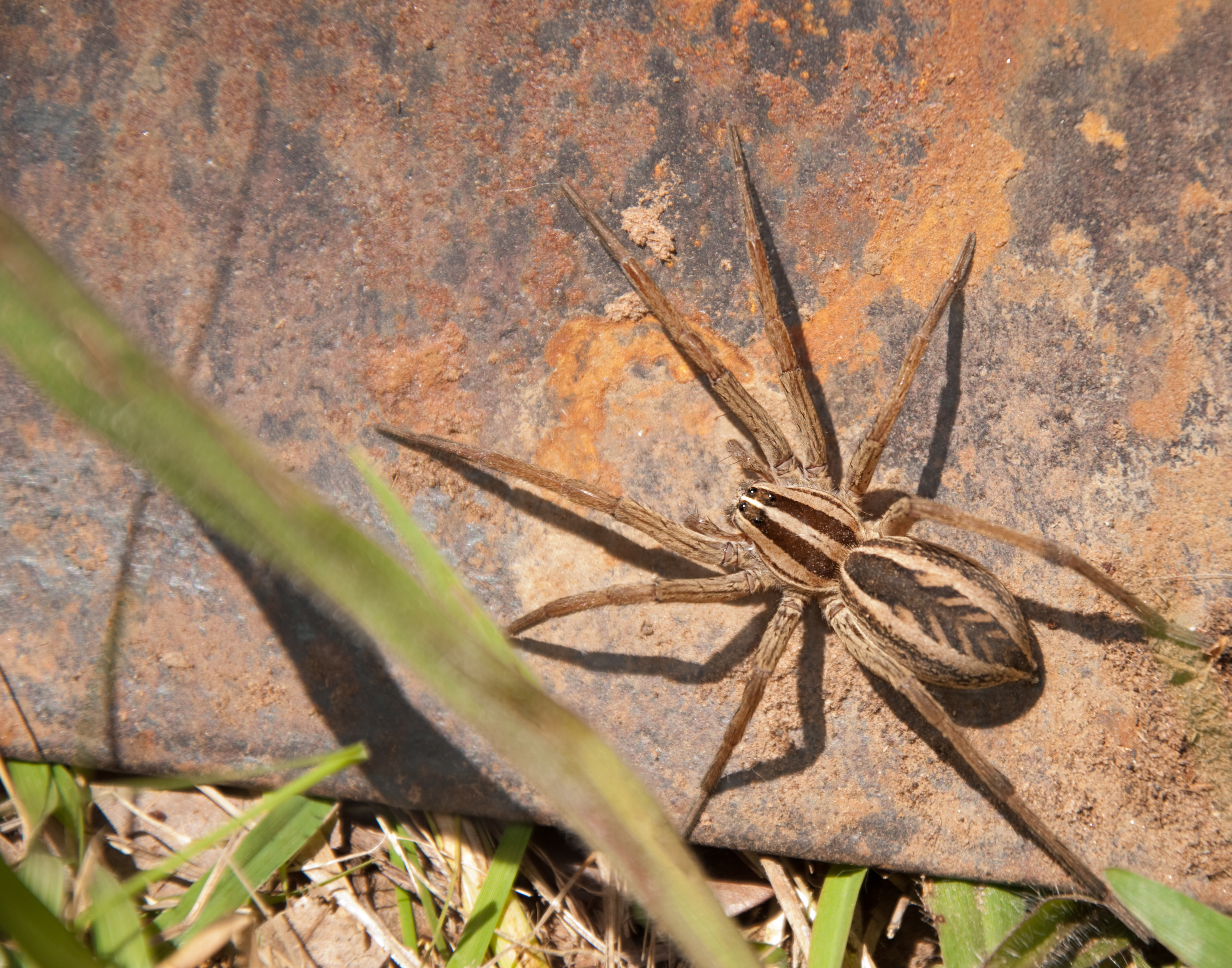
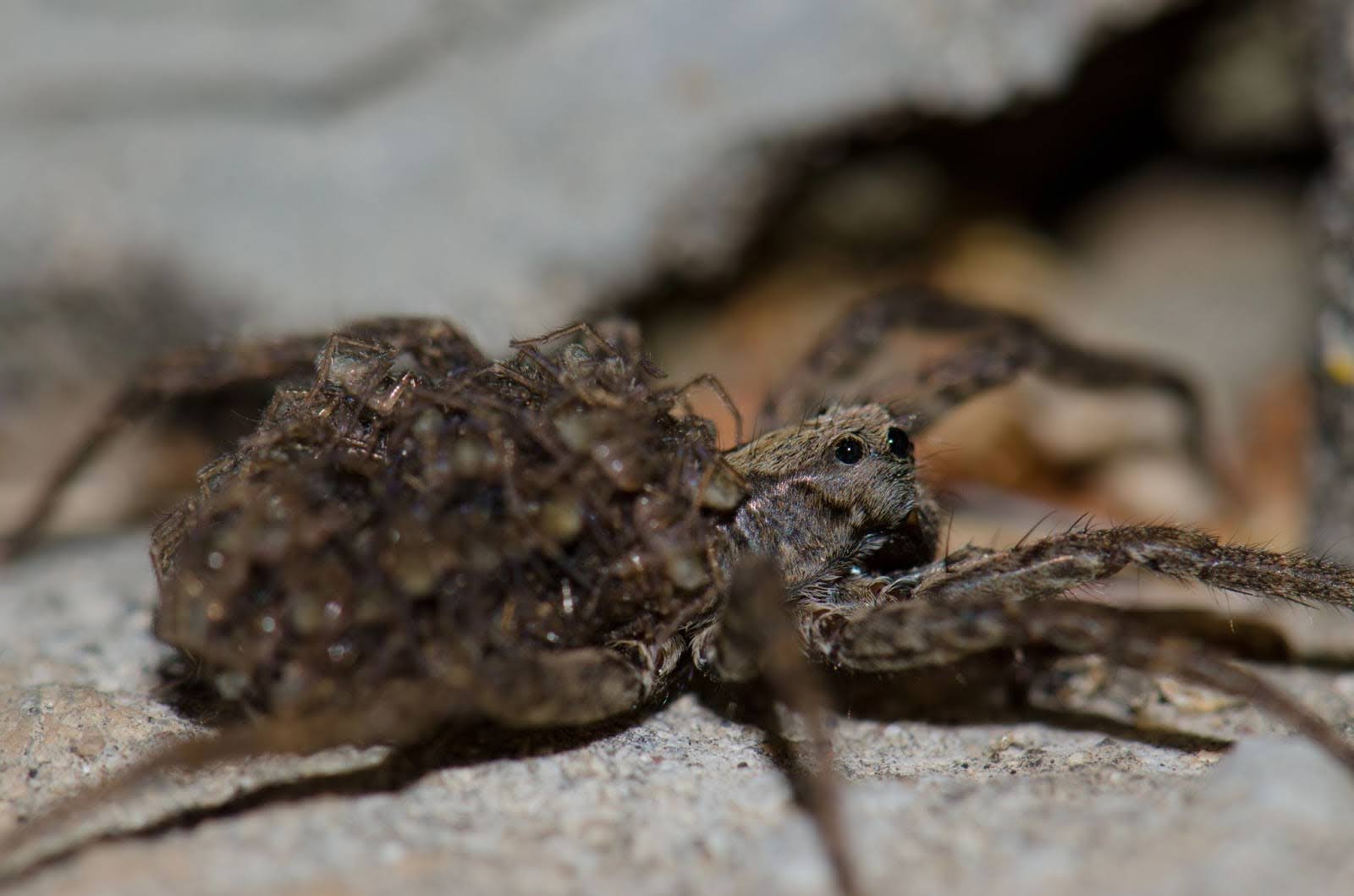
Wolf spiders get mistaken for widows when one bolts across the garage floor. Our field guide on wolf spiders in California sorts out the differences.
Repeat sightings or multiple egg sacs mean it's time to call in a pro. Black widow spider control done right treats the whole environment, not just the spider you saw. Our general pest control service for Placer County homes covers widow inspections and removal.
Found a Black Widow in Your Home? Call Gingerly Pest Control for Safe Removal
You keep knocking down webs only to see another by Saturday. Maybe you sight an egg sac tucked behind a planter you almost missed. Either one means a female is still nearby with more sacs hidden out of sight. Gingerly Pest Control finds the spider and the hidden sacs, then treats every corner she returns to.
Contact us and we'll handle removal before anyone gets bitten.



.jpeg)











.jpeg)