
What Does a Spider Nest Look Like in the House
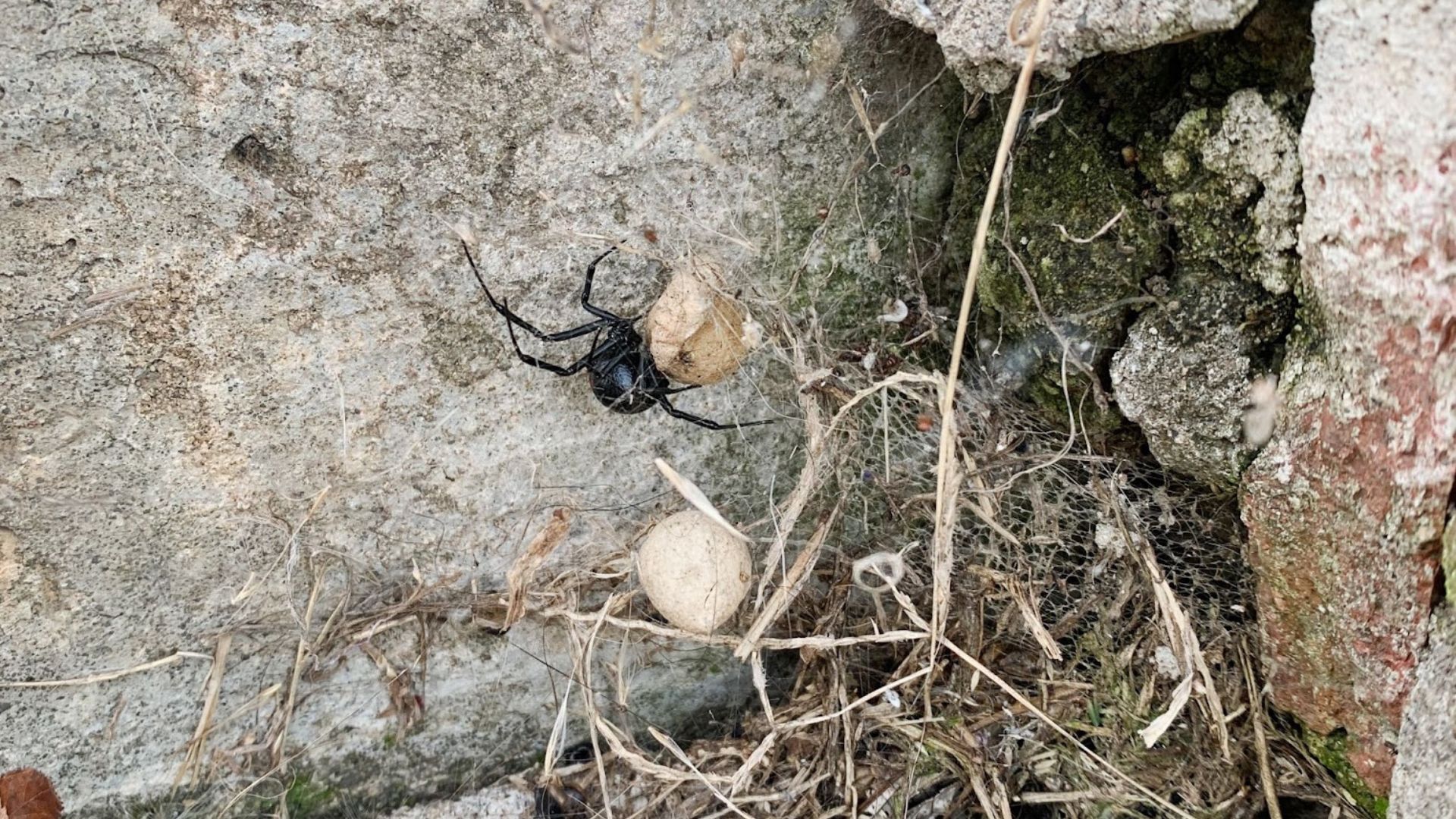
Most people notice a spider before they ever notice a nest. But by the time spiders are showing up in multiple spots around your home, nesting activity is already well underway. In Placer County, CA, where dry summers and mild winters keep spiders active for much of the year, catching a spider nest early makes removal a lot more straightforward.
Here's what to look for and how to deal with it.
Spider Nest Identification and Appearance
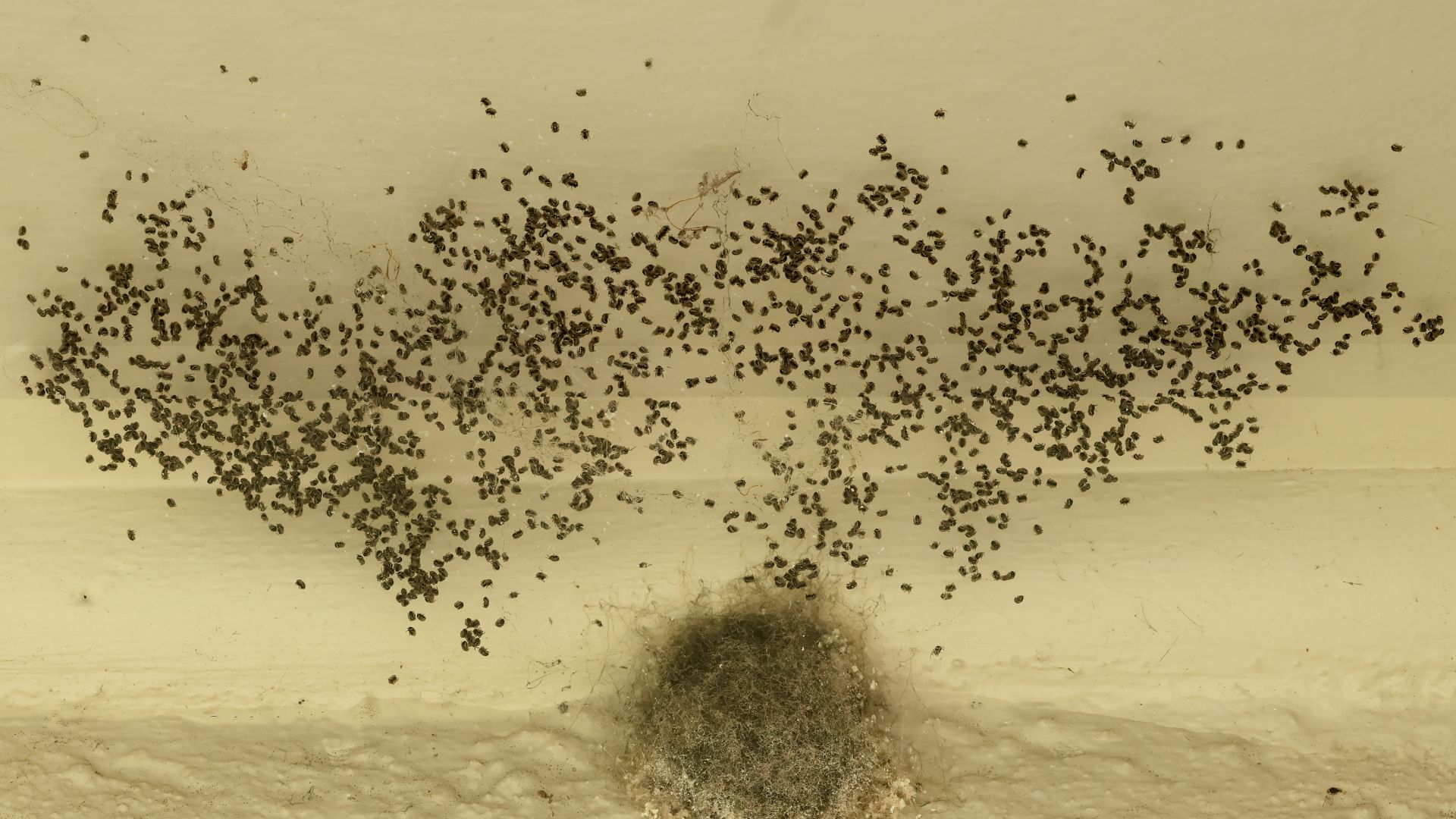
A spider web nest doesn't always look like what most people picture. Rather than a clean, geometric web, what you're actually looking at is dense, matted, or layered silk anchored to a surface or tucked into a tight space. What a spider nest looks like up close depends on the species, but irregular and fibrous is the common thread.
Size ranges from barely an inch to several inches wide if left undisturbed. Some nests feel silky and loose, others are tight and almost papery in texture.
One distinction worth knowing: web nests and egg sacs are two separate things. Web nests are the silk structures spiders build for shelter and hunting. Spider egg sacs are round or teardrop-shaped pouches attached to or inside a nest, and a single sac can hold dozens to several hundred eggs.
House spider eggs are small, pale, and tightly clustered. Finding one means hatching is either already happening or close.
Common House Spiders and Their Nests
Different species build differently, and knowing which spider is in your house helps you judge the risk level:
- Common house spider: Builds messy, funnel-shaped webs in corners, behind furniture, and along baseboards. Egg sacs are round and papery, fastened directly to the web.
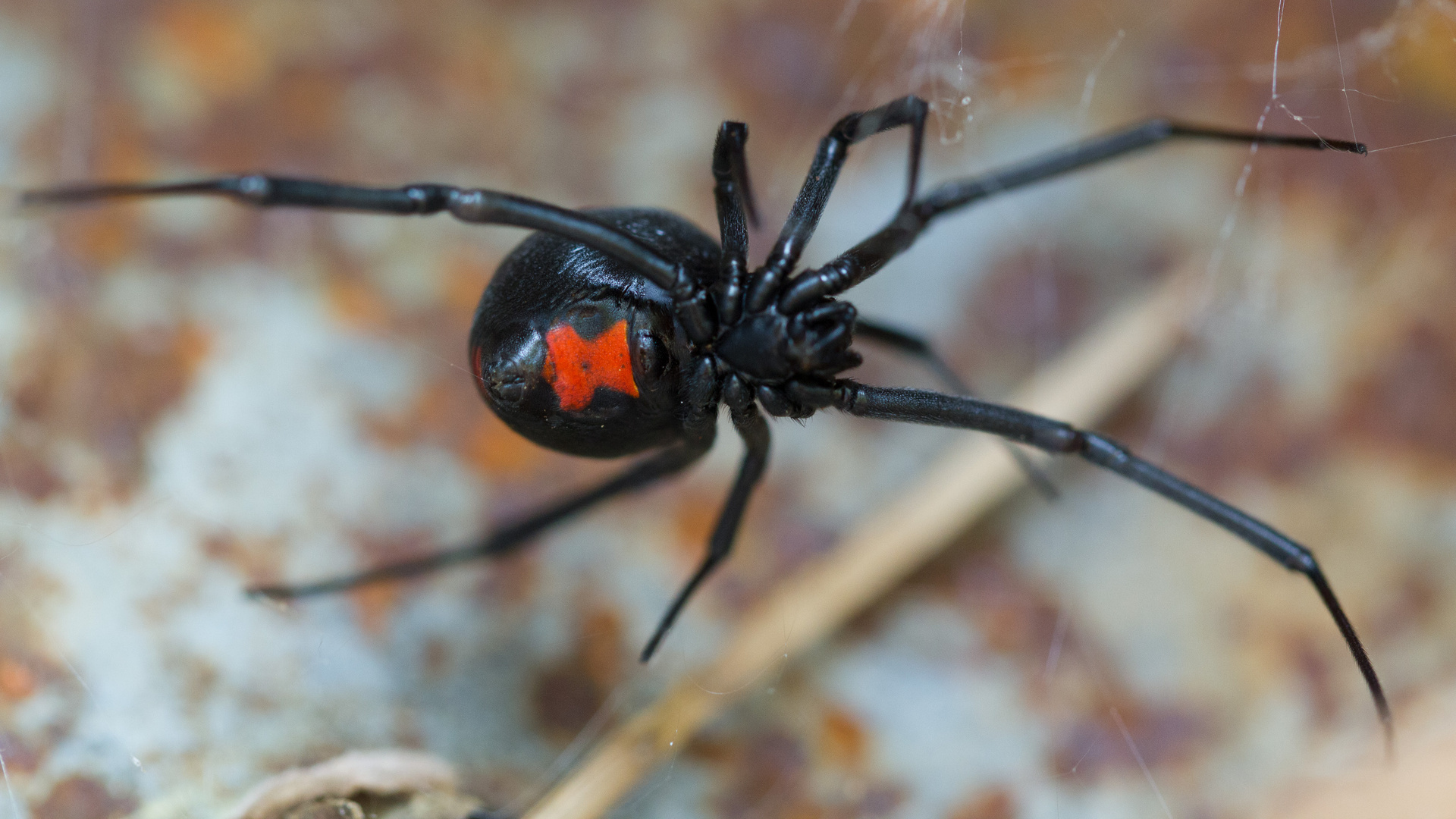
- Black widow: Builds irregular, low webs in garages, woodpiles, and sheltered spots. Strong, sticky silk with a noticeably tangled structure. Treat this one as high risk.
- Yellow sac spider: Creates small, tight silk tubes in wall corners and along ceilings. A small spider nest on a wall or spider nest on a ceiling with no visible eggs is often this species.
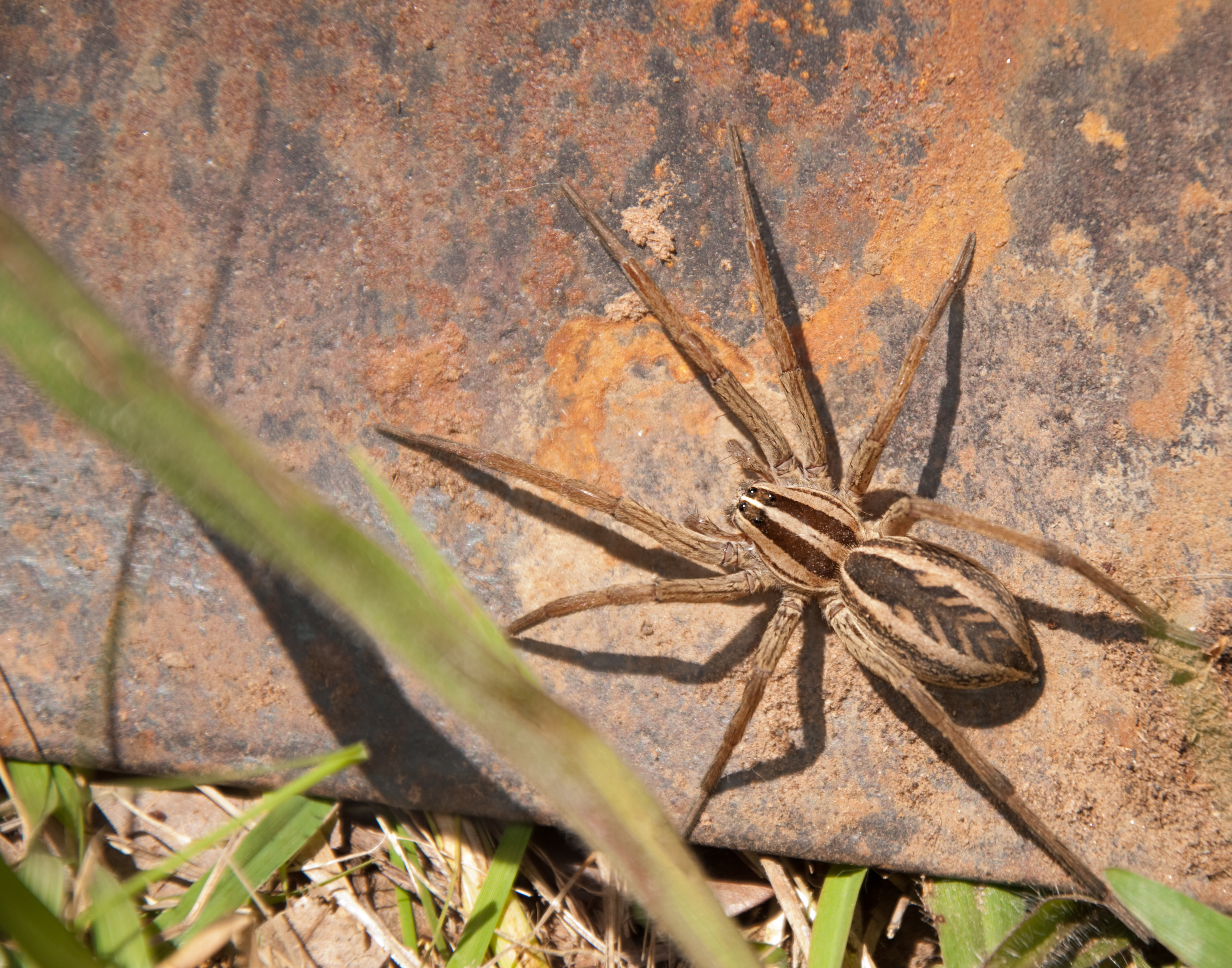
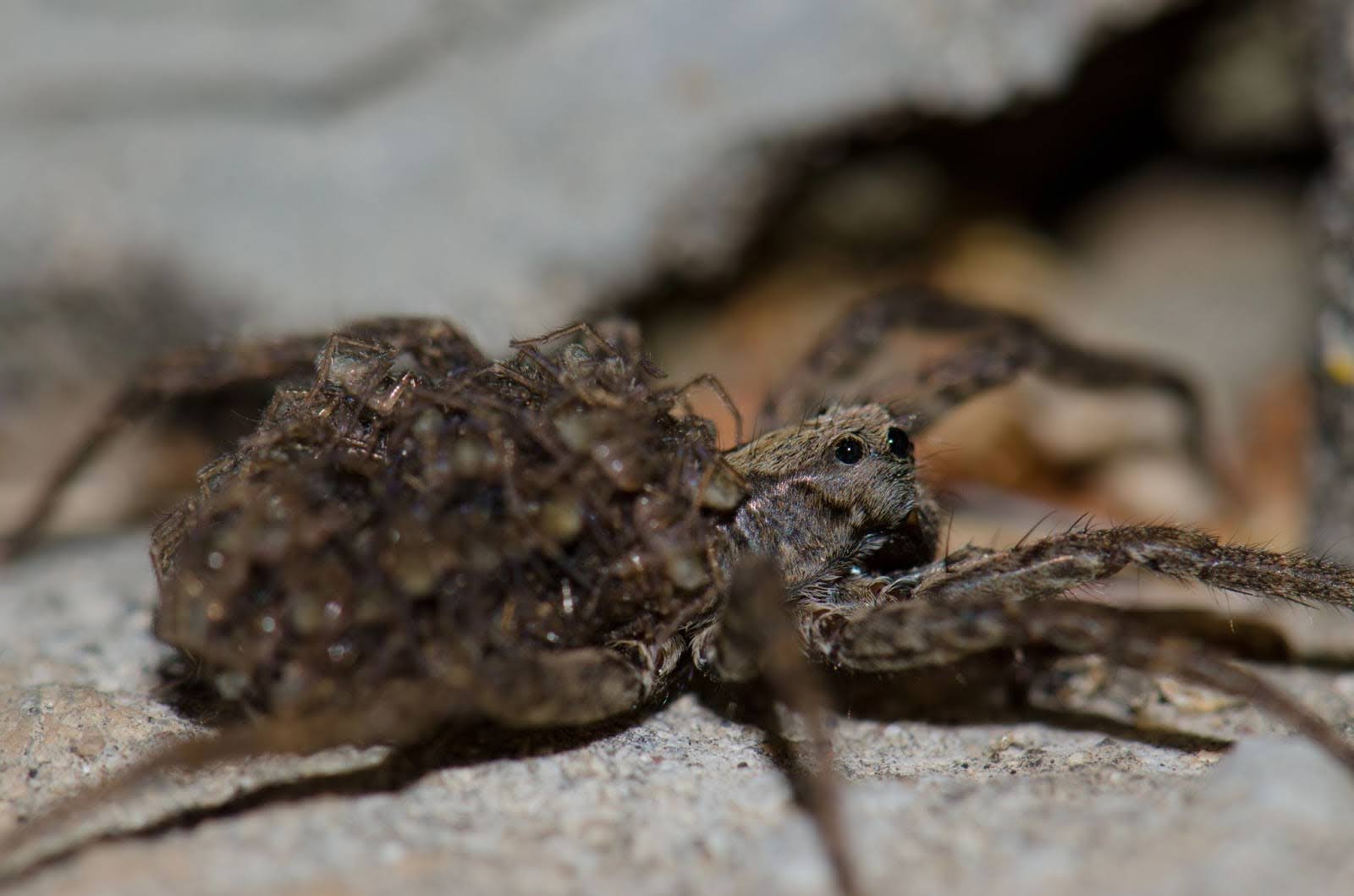
- Wolf spider: Carries egg sacs on her body rather than building a fixed nest. Indoors, look along baseboards and in garages.
- Cellar spider: Builds loose, sprawling webs in dark corners and basements, with egg sacs hanging openly within the web.
Where to Find Spider Nests in Your Home
Pinpointing the location of a spider nest usually comes down to following where spiders prefer shelter. Spiders need three things to nest: cover, warmth, and access to prey. In Placer County homes, that draws them to predictable spots.
Start with dark, undisturbed areas. Garages, attics, closets, and basements are the most common nesting zones. A small spider on a ceiling or repeated web activity near a vent or light fixture usually signals a nest nearby. Window frames are another frequent spot since spiders in a nest near windows have easy access to insects attracted by light.
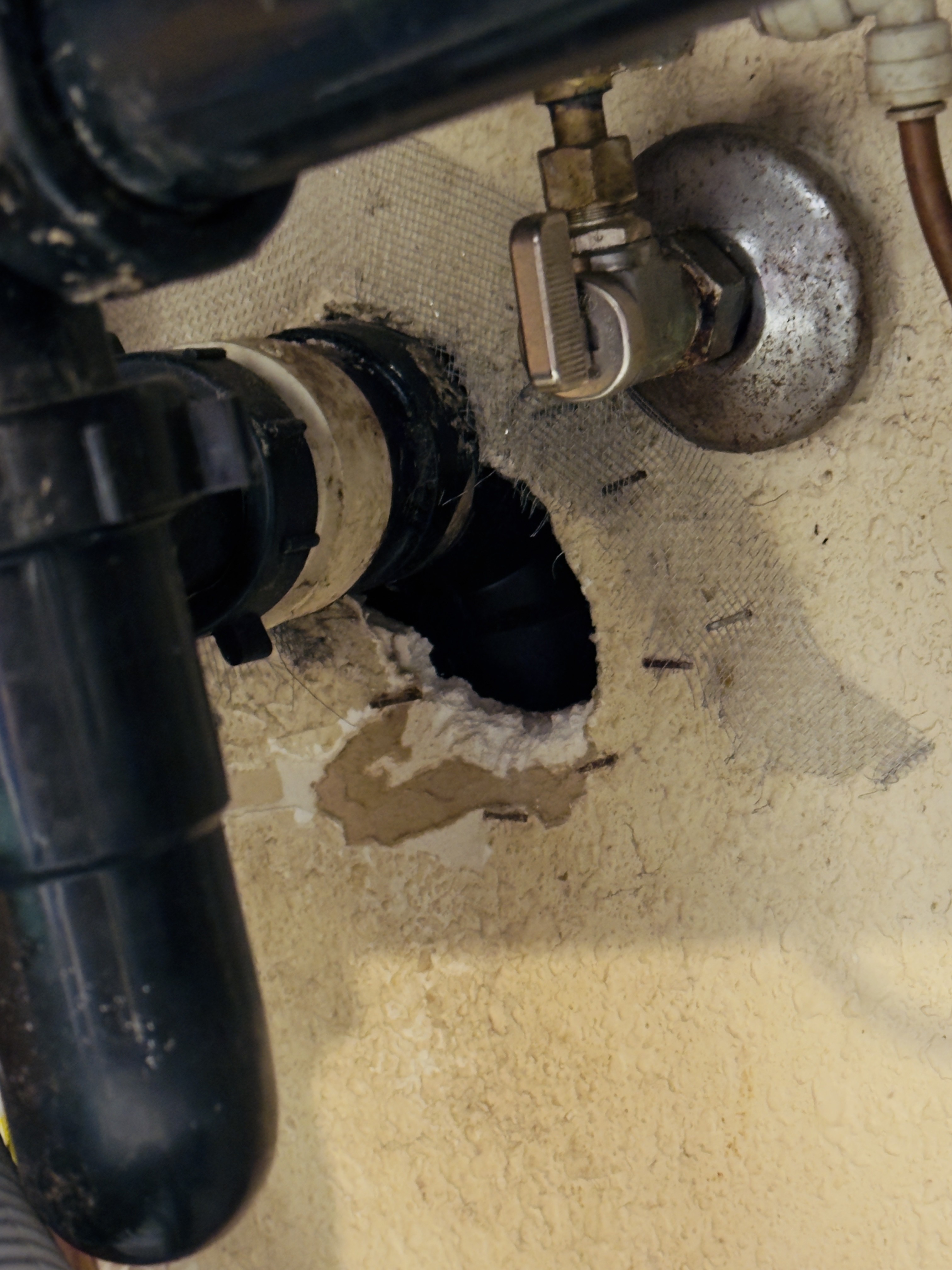
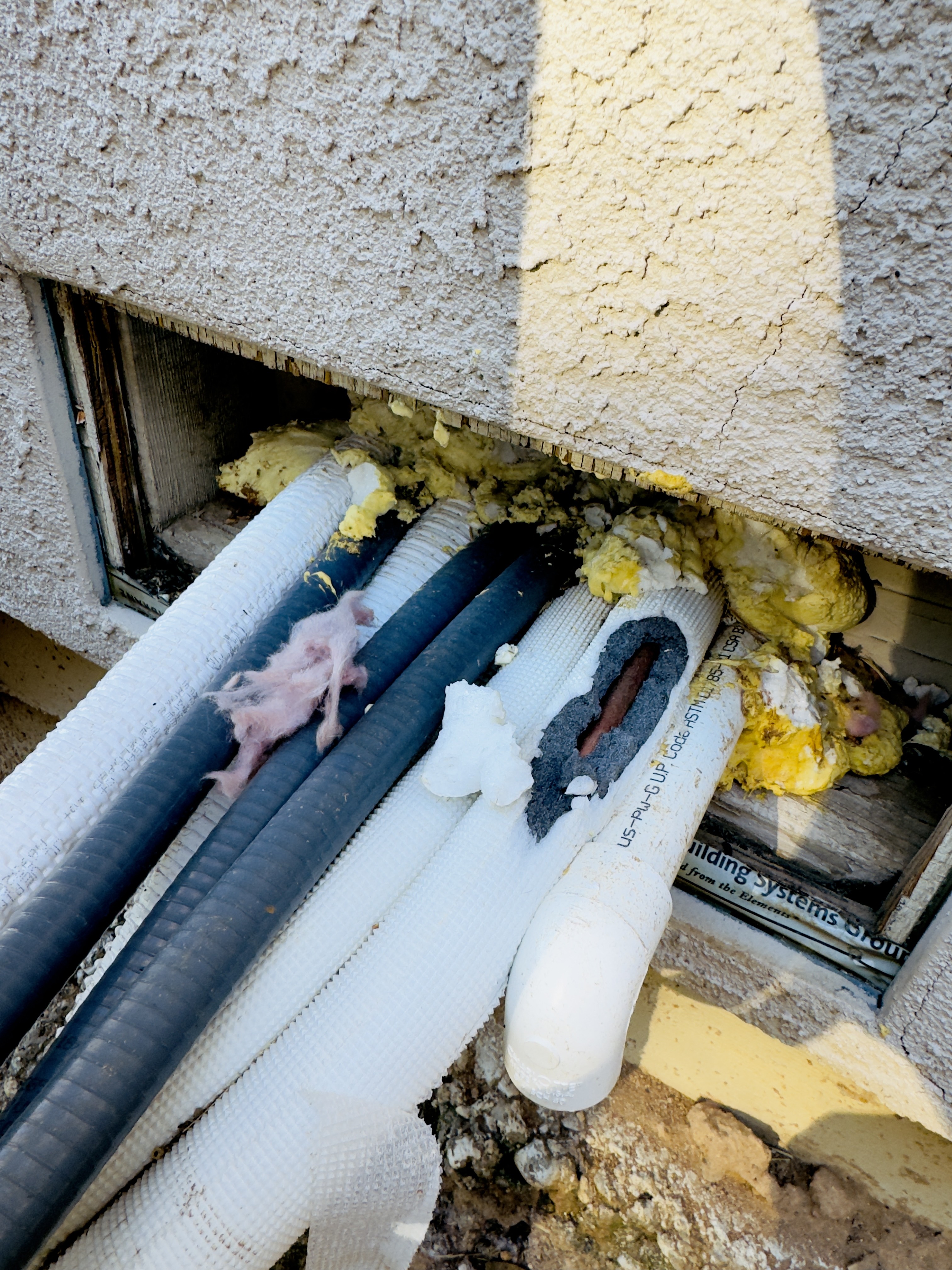
Entry points from outside matter just as much. Spiders move indoors through gaps around pipes, doors, and window frames. Consistent activity in one room often traces back to an entry point on the exterior wall nearby. For a closer look at which species are most active in this area, this guide on spiders in Lincoln, CA, breaks it down by local species and behavior.
How to Get Rid of Spiders
Getting spiders out of your home means breaking the cycle; removing nests, cutting off food sources, and closing entry points. For low-level activity caught early, a consistent approach handles it well.
How to Treat a Spider Infestation
Once you locate a spider's nest, work through these steps:
- Wear gloves before touching any web or sac, especially if you haven't confirmed the species
- Use a vacuum with a hose attachment to remove webs, egg sacs, and spiders, then seal and dispose of the bag right away
- Wipe treated surfaces with diluted white vinegar. This works as a natural spider repellent and discourages rebuilding
- Apply a residual insecticide spray along baseboards, corners, and entry points for longer-lasting results. This is consistently the best thing to get rid of spiders when you need more than surface removal
- Seal cracks around windows, doors, and pipes to cut off access
- Reduce clutter in storage areas and garages where spider activity tends to concentrate most
Choosing DIY vs. professional help comes down to scale and species. Surface-level removal is manageable on your own. But when nests keep returning, egg sacs are showing up in multiple rooms, or you're dealing with a high-risk species, general pest control treatment reaches what a spray bottle and vacuum can't.
Household spider control at that level means treating harborage areas throughout the structure, not just the webs you can see.
When to Call Gingerly Pest Control
If nests keep coming back after cleaning, egg sacs are appearing in more than one area, or you've confirmed a black widow somewhere in your home, professional spider pest control is the right call. Recurring activity means the infestation has a source that your current approach isn't reaching.
Gingerly Pest Control serves Placer County homeowners with targeted spider removal, entry point sealing, and treatment plans built around what's actually active in your home.
Contact Gingerly Pest Control today and get your home back.

.jpg)












.jpeg)