
Everything to Know About Wolf Spiders in Placer County, CA
Wolf spiders often surprise people in Placer County, CA. They move fast, look large, and show up in places you don’t expect. Yet these spiders play an important role in local ecosystems. They help control insects and rarely cause harm. Still, many homeowners want to understand them better so they can keep their homes comfortable. This guide covers wolf spider size, habits, lifespan, and how to handle a wolf spider bite. It also explains how Gingerly Pest Control can help with spider control and spider exclusion.
What Wolf Spiders Look Like
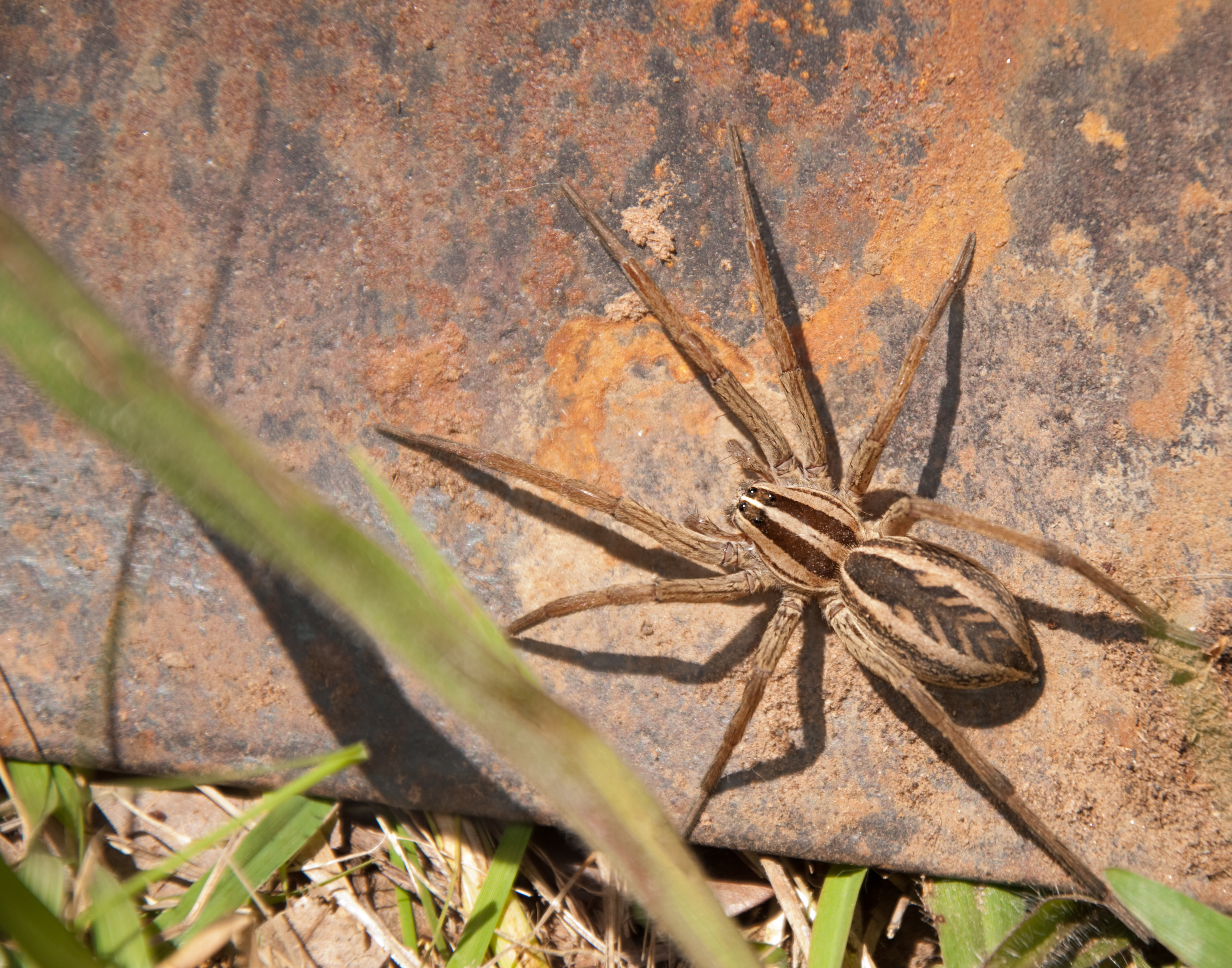
Wolf spiders stand out because of their size. Most measure between half an inch and two inches. Their bodies appear thick and strong. Many people notice the dark stripes running along their bodies. These markings help them blend with dirt, leaves, and rocks.
Common Features of Wolf Spiders
- Thick, sturdy bodies
- Long, powerful legs
- Dark brown or gray coloring
- Distinct stripes on the cephalothorax and abdomen
- Eight eyes arranged in three rows
- Large middle eyes that glow when light reflects off them
- Fast, agile movements
Their eyes also draw attention. Wolf spiders have eight eyes arranged in three rows. The large middle eyes shine when hit by light. This gives them excellent night vision and makes them effective hunters.
Because of their size and speed, many people mistake them for more dangerous species. However, wolf spiders are not aggressive. They usually run when disturbed.
Where Wolf Spiders Live
Wolf spiders prefer outdoor environments. They thrive in grass, mulch, wood piles, and gardens. You may see them in backyards, parks, or nature trails throughout Placer County. They do not spin webs to catch prey. Instead, they hunt insects directly. Their speed helps them capture many types of bugs.
During hot summers or cold winters, wolf spiders sometimes move indoors. They look for shade, moisture, and safe hiding spots. Basements, garages, and storage areas attract them. Even though they may startle you, they do not want to stay near people.
Wolf Spider Lifespan and Behavior
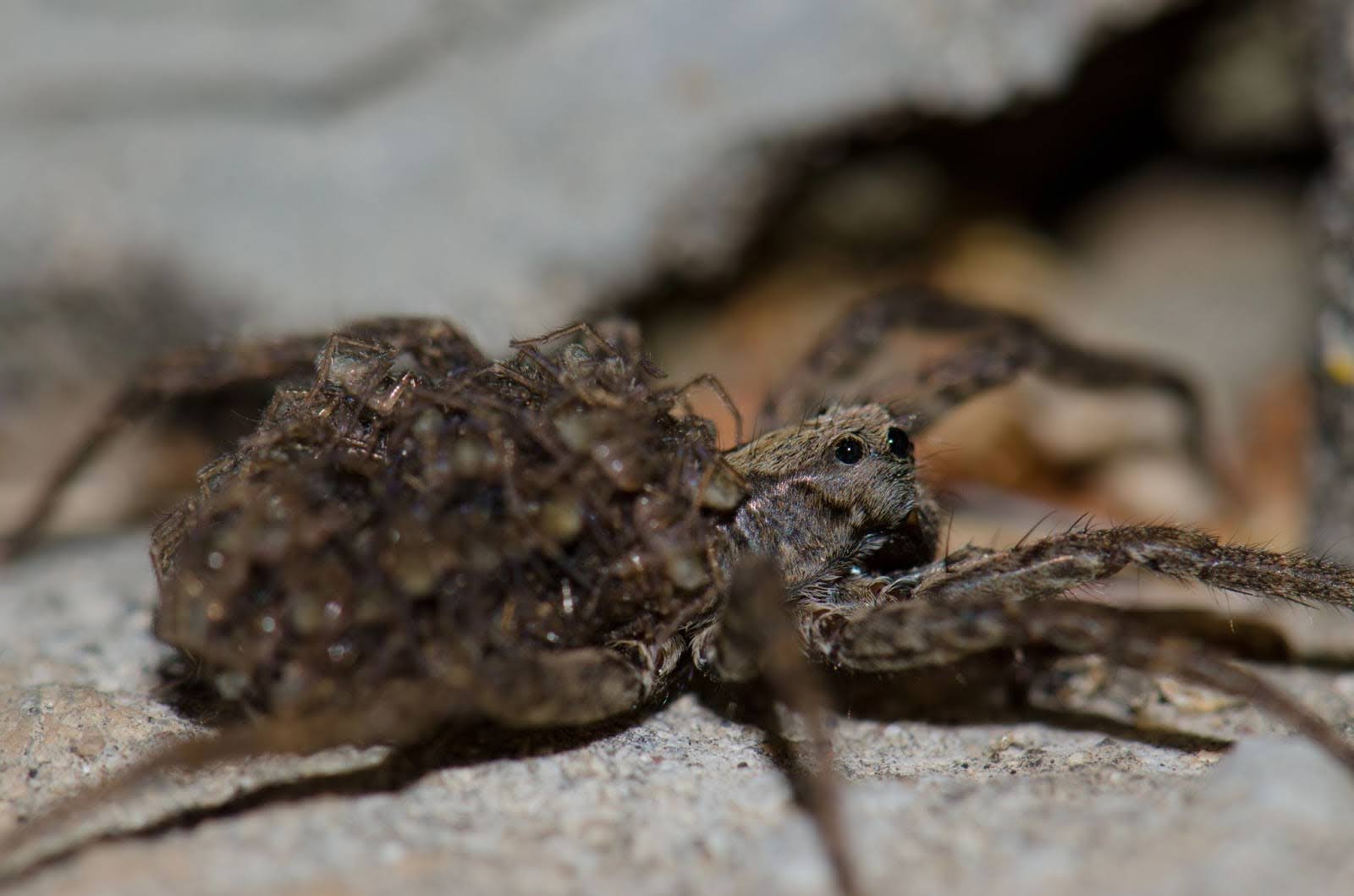
The wolf spider lifespan ranges from one to two years. Females often live longer than males. Female wolf spiders also carry their egg sacs, which makes them more noticeable. After the eggs hatch, the spiderlings climb onto the mother’s back. They stay there for several days before moving off on their own. This behavior is unique and often surprises homeowners.
Wolf spiders stay active most of the year in California’s mild climate. You may see them most often during late summer and fall. This is when many young spiders leave their birth sites to find new territory.
Are Wolf Spider Bites Dangerous?
A wolf spider bite rarely causes serious reactions. These spiders prefer to run and hide. They bite only when they feel trapped or pressed against the skin. Most bites lead to mild redness, swelling, or itching. The symptoms usually disappear in a short time.
However, any insect or spider bite can vary between people. If someone experiences strong pain, spreading redness, or signs of infection, medical attention is the safest choice. Yet most wolf spider encounters end with no bite at all.
Understanding their behavior helps reduce fear. Wolf spiders want to avoid people. They usually stay focused on hunting insects, not interacting with humans.
Why You See More Wolf Spiders Indoors
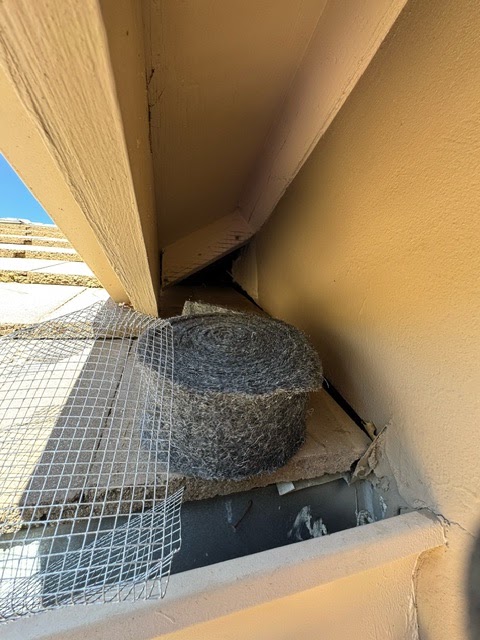
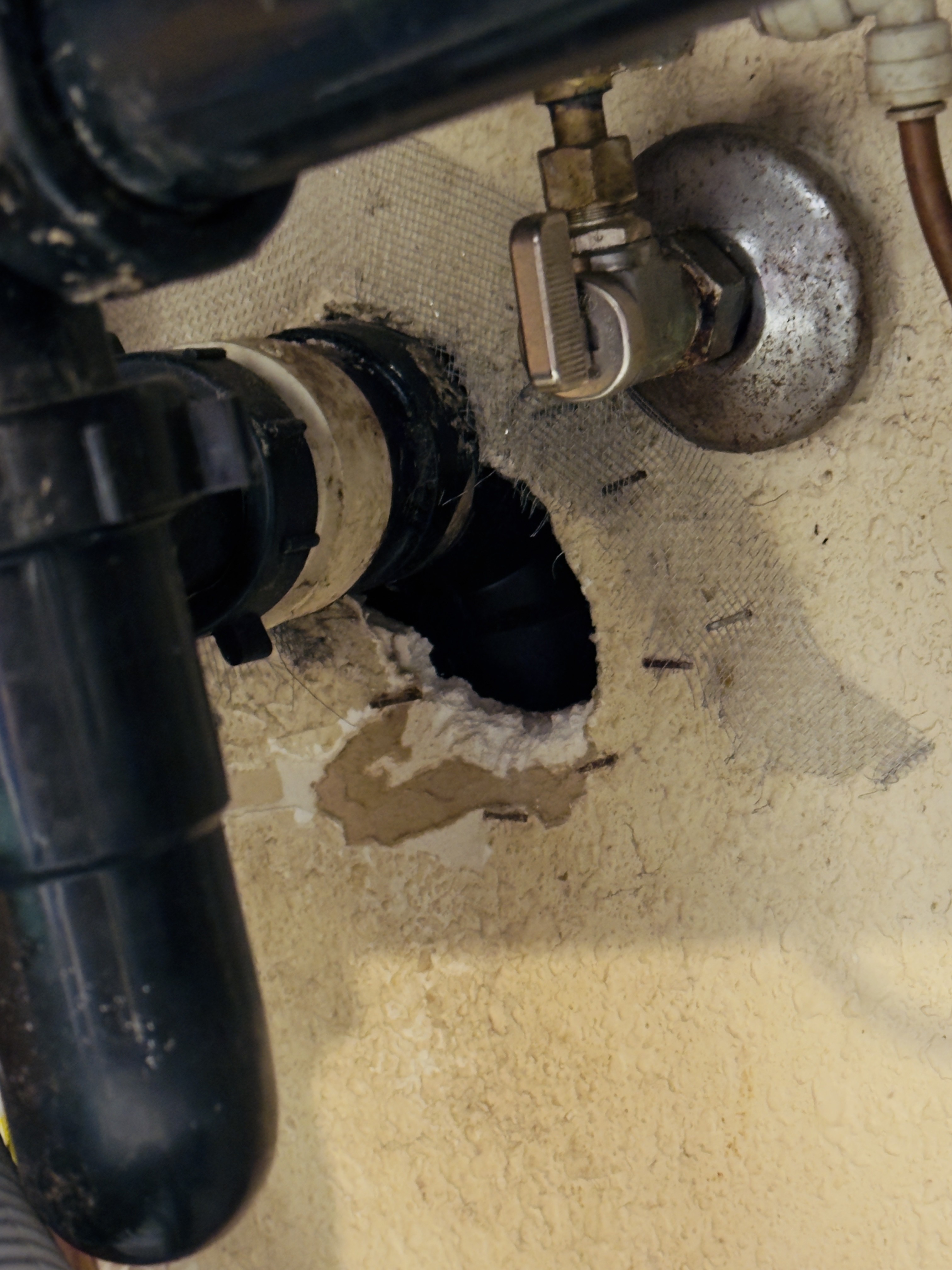
Seeing a wolf spider inside does not mean you have an infestation. Often, a single spider wanders in by accident. Still, patterns can develop when properties offer easy access points. Gaps under doors, cracks in foundations, torn screens, and unsealed vents invite spiders inside.
Food sources also matter. Homes with many insects will attract spiders. Even though wolf spiders help reduce pest numbers, most people do not want them indoors. Proper spider exclusion and spider control help keep them out of your living space.
How to Reduce Wolf Spiders Around Your Home
You can take simple steps to make your home less inviting to wolf spiders. These steps include:
- Remove clutter in and around the home.
- Keep storage boxes sealed.
- Reduce outdoor debris such as leaves and wood piles.
- Seal cracks, gaps, and openings around windows and doors.
- Fix screens and weatherstripping.
- Reduce outdoor lighting that attracts insects.
These steps help lower both insect populations and spider activity. Even small improvements can make a noticeable difference.
What Wolf Spiders Eat
Wolf spiders hunt many types of insects. Their diet includes ants, beetles, crickets, moths, and small flying pests. Because they do not rely on webs, they depend on their strong vision and quick movement. Their hunting style helps reduce insect populations around homes and gardens. This natural pest control makes them helpful outdoors, even if they sometimes startle people.
Natural Ways to Discourage Wolf Spiders
Simple outdoor habits can make your property less appealing to wolf spiders. Trim vegetation around the home and keep grass short. Clean up leaf piles, wood stacks, and dense ground cover where spiders hide. Sweep patios and entryways often to remove insects and debris. These steps lower food sources and shelter, which encourages spiders to stay farther from your home.
Professional Spider Control in Placer County CA
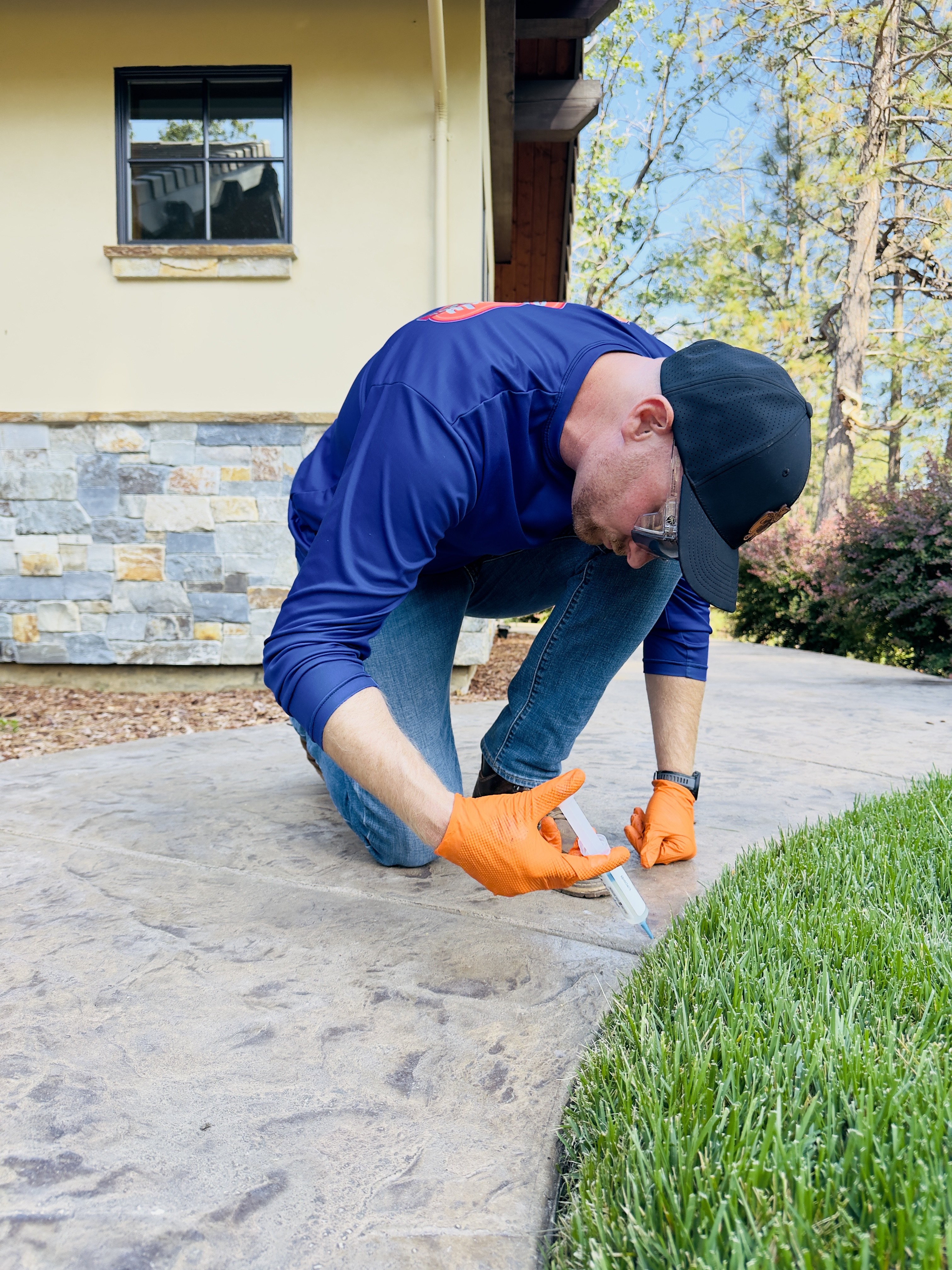
Professional pest control offers stronger, longer-lasting help with wolf spiders. Gingerly Pest Control provides targeted treatments that reduce the insects spiders feed on, which naturally lowers wolf spider activity. We also look for gaps, cracks, and hidden openings that spiders use to get inside, so we can help keep more of them outdoors where they belong.
Wolf spiders play a useful role outdoors, yet homeowners want to avoid surprise encounters inside. With the right prevention plan, you can enjoy a balanced environment. Gingerly Pest Control supports homeowners across Placer County, including Meadow Vista, Rocklin, Penryn, Lincoln, Granite Bay, Newcastle, Roseville, Loomis, and Auburn.
If you want fewer spiders in your home, now is a good time to act. Gingerly Pest Control offers spider exclusion, spider control, and a careful look at your whole property. Reach out today and we'll talk through what you're seeing.



.jpeg)













.jpeg)