
Spider Eggs: How to Identify Them and What to Do
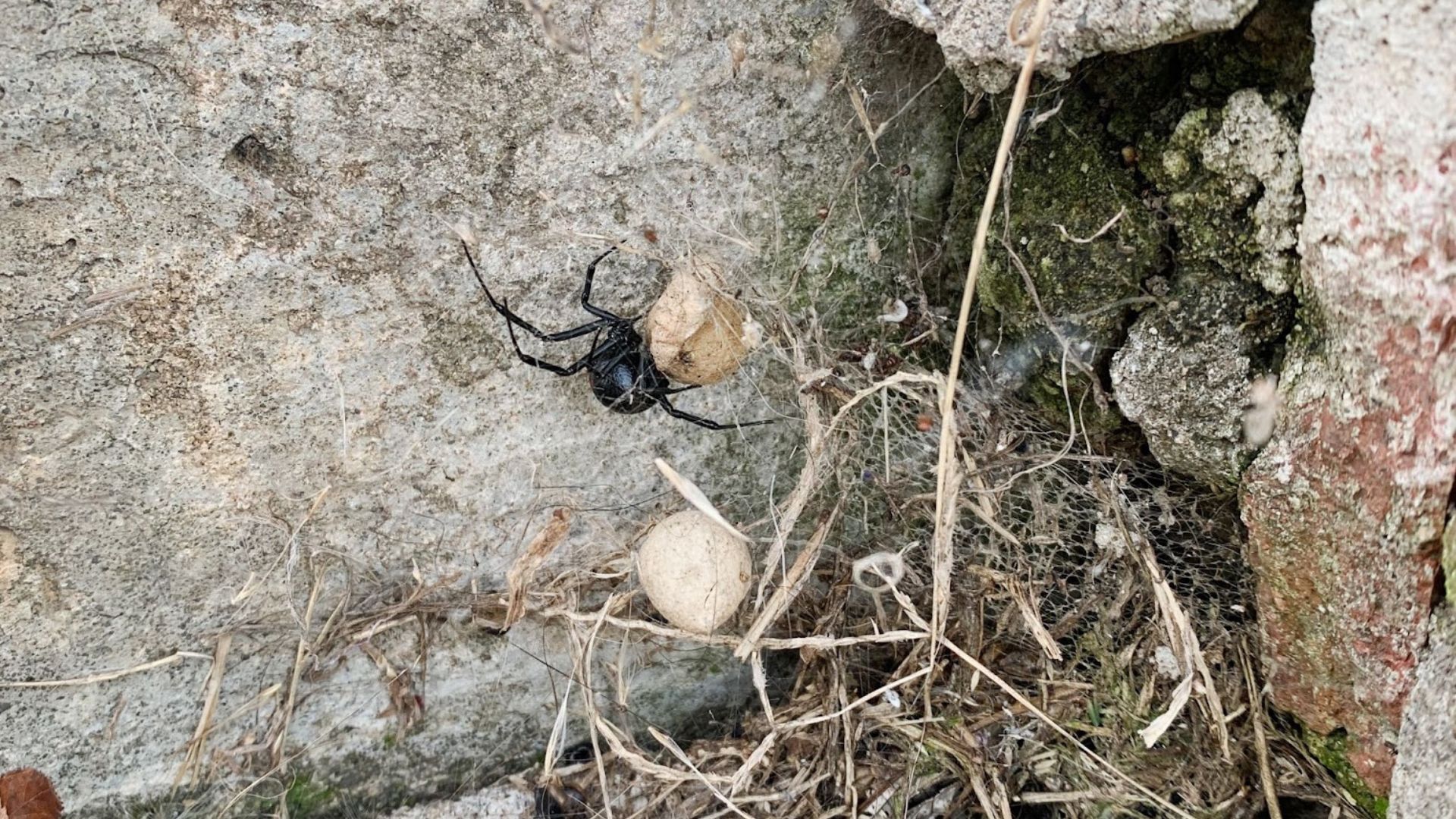
Most people don't realize what they're looking at the first time they find one. A silky, off-white cluster tucked behind a storage box or pressed into a garage corner doesn't immediately read as a spider egg sac to most homeowners. It gets mistaken for debris, insulation fluff, or an old web.
By the time someone takes a closer look, the sac has often been sitting there for weeks. Knowing what spider eggs actually look like and where to check for them puts you ahead of a problem that multiplies fast.
What Do Spider Egg Sacs Look Like?

There's no single description that covers every species, which is exactly what makes spider egg sac identification frustrating. Silk is the common thread, but the construction varies more than most people expect. Some sacs are tightly wound and smooth. Others look almost papery, or have a fuzzy outer layer that feels like it shouldn't belong to a spider at all.
Color ranges from bright white to tan to brownish-grey, depending on the species. Size is just as variable. Don't assume something is too small to be a sac, and don't assume something is too large. Identifying spider egg sacs reliably means paying attention to placement and construction together, not just appearance.
Black Widow, Wolf Spider, and House Spider Egg Sacs

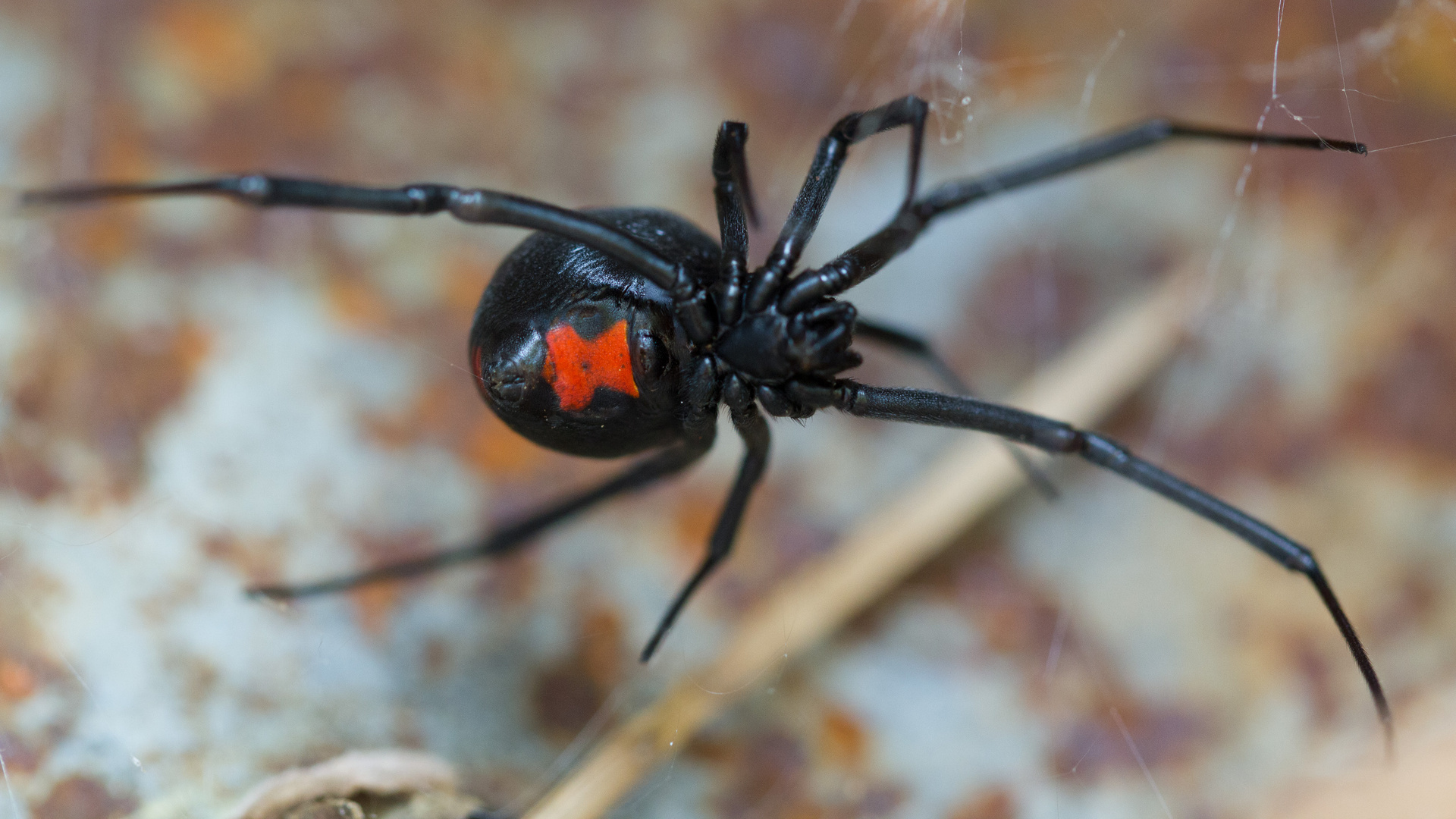
Black widow spider egg sacs are round, papery, and usually off-white to tan, roughly the size of a marble. They sit inside the tangled, low-to-the-ground webs black widows build in dark, sheltered spots.
Garages, woodpiles, and storage sheds in Placer County are the most common locations. Black widows are active year-round here, so finding a sac in a corner of your garage that doesn't get much foot traffic isn't unusual, even in winter.
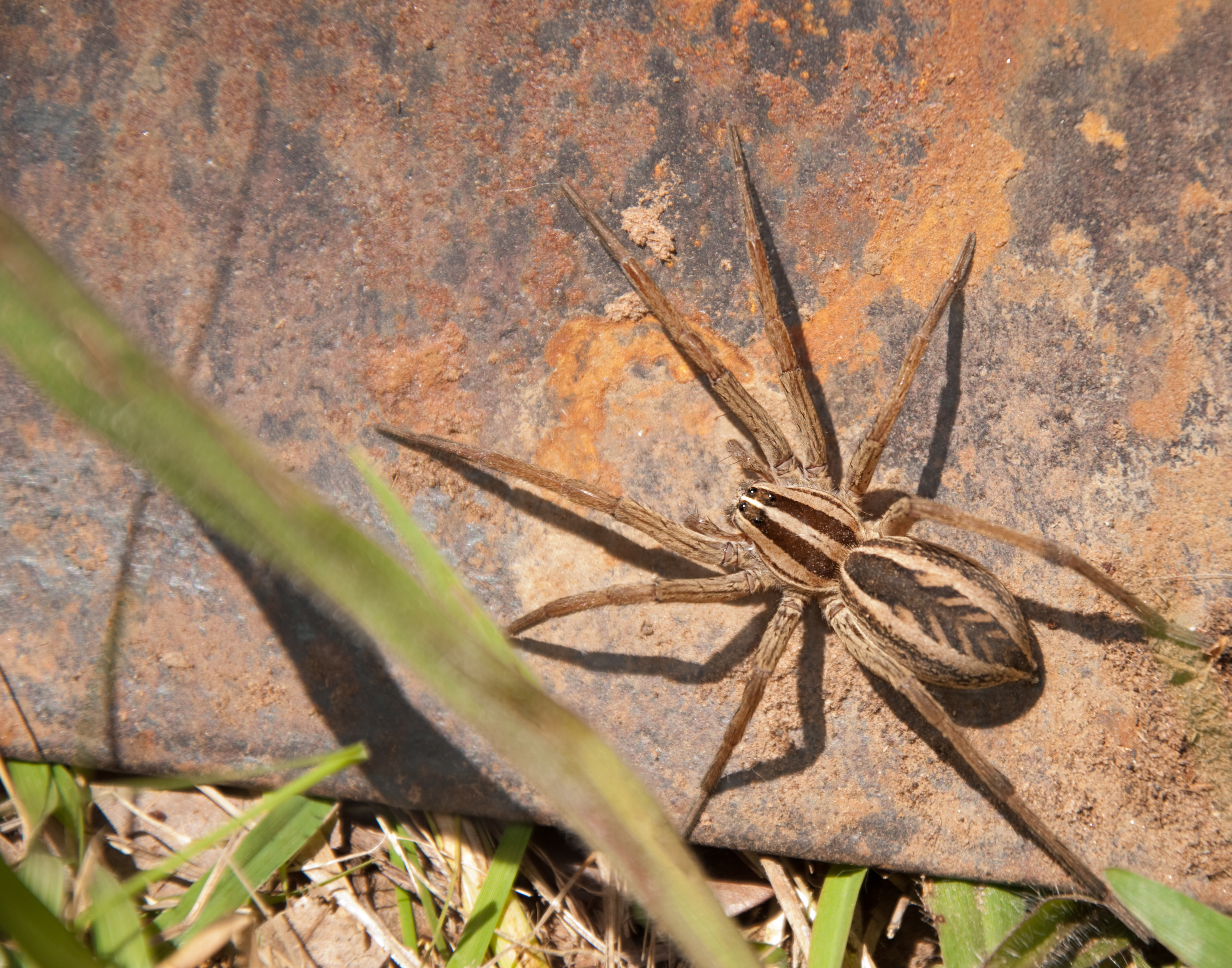
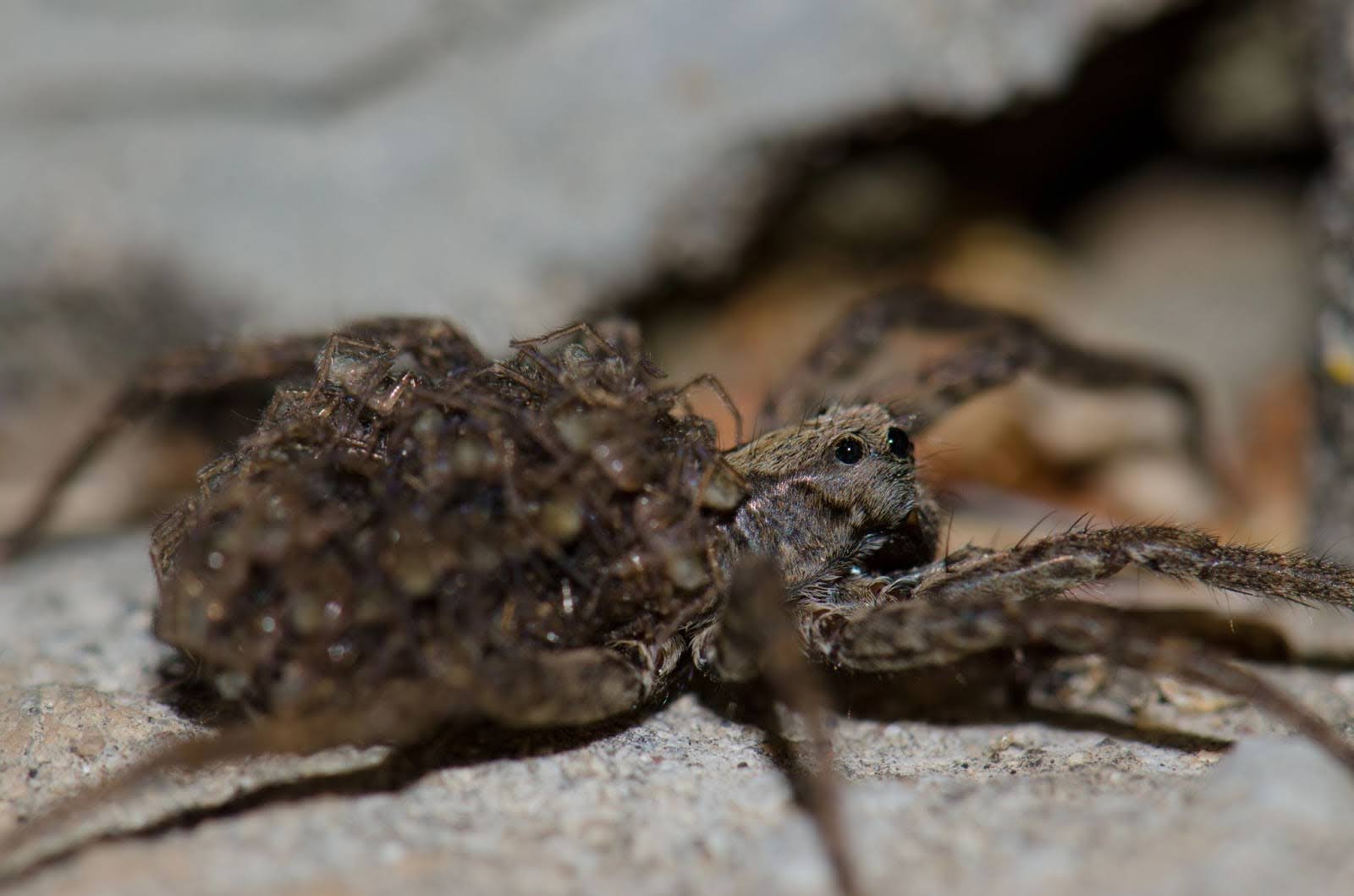
Wolf spider egg sacs are harder to find in a fixed location because the female doesn't leave hers behind. She carries it attached to her spinnerets, a round, pale bluish-white ball trailing beneath her abdomen as she moves. It's striking once you know what you're seeing.
Wolf spiders in California are more common indoors than most homeowners expect, and a female carrying eggs means she's already comfortable enough in your home to reproduce.
Common house spider egg sacs are smaller and brownish, with a loosely papery texture. You'll often find several in the same web because a single female can produce multiple sacs over her lifetime. If you're seeing clusters of small brownish pouches in the same corner, that's almost certainly what you're dealing with.
Where in Your Home Do Spiders Lay Eggs?
Spiders don't lay eggs randomly. They pick spots that stay undisturbed, stay dark, and stay close to wherever they've been catching food consistently. In Placer County homes, that points to a fairly predictable set of locations, though not always the ones people check first.
Garages and basements are the most common. Not because spiders prefer them aesthetically, but because those spaces tend to have cluttered corners, boxes that don't get moved for months, and enough insect activity to keep a spider fed.
Inside the main living area, check behind furniture pushed against walls, under bathroom and kitchen sinks, and inside closets at floor level. They can also be found along the upper corners of rooms that don't get much natural light or airflow.
The part that surprises most homeowners is how consistent spider placement is within a single home. Once a spider finds a location that works, it stays. Spider nesting behavior explains why infestations cluster in one area of a home rather than spreading evenly, and it's worth understanding before you start treating.
How Long Do Spider Eggs Take to Hatch?
Somewhere between two and eight weeks, depending on species and temperature. Placer County's warm summers push hatching toward the shorter end of that range, which matters more than people realize.
Here's the part that catches people off guard: spiderlings don't scatter the moment they hatch. Many species cluster inside or near the sac for several days before dispersing. A sac that looks inactive might still contain eggs. Or it might be full of spiderlings that haven't moved far yet. You won't always be able to tell from the outside, which is reason enough not to leave it in place.
How to Get Rid of Spider Eggs and Egg Sacs
Don't crush it. That's the first thing. Pressing a sac against a surface without containing it first can release hundreds of spiderlings at once into whatever room you're standing in. It's a fast way to make the situation significantly worse.
A vacuum with a hose attachment is the most controlled removal method. Pull the sac directly into the canister or bag, then seal the bag immediately and take it outside. Don't set it in an open trash can inside the house.
Killing spider eggs using a residual insecticide spray is possible as a follow-up step, but sprays don't penetrate the silk casing consistently enough to be a first response. They also do nothing about why that sac was there in the first place.
If you're finding sacs in more than one location, surface removal won't resolve the underlying population. General pest control that targets both spiders and the insects they feed on tends to produce far better results than sac-by-sac removal.
Spiders around Placer County build up indoors when prey populations are high, so managing the food source is just as important as treating the spiders themselves.
Found Spider Eggs in Your Home? Get Help Today.
One sac can hold several hundred eggs. A single female can produce multiple sacs. If you're finding them in more than one spot around your Placer County home, what's visible is almost certainly not the full picture.
Gingerly Pest Control can assess what's actually going on and clear it properly, not just the sacs you've already spotted. Contact our team today, and let's take a look.









.jpeg)