
Where Do Bugs Go in the Winter in Placer County?
.jpg)
As the weather turns in Placer County, it's easy to assume pest season is simply over. There's some truth to that — wasp and yellowjacket calls drop off considerably once temperatures cool. But "the bugs are gone for winter" is an oversimplification: different pests respond differently to cooling temperatures, rain, moisture, and shelter.
Short answer: some pests genuinely decline this time of year, while others simply become less visible, moving into protected spaces in and around structures rather than disappearing. Here's what's actually happening, pest by pest, and what it looks like around Auburn, Lincoln and Rocklin specifically.
What Actually Happens to Bugs When Temperatures Drop?
It depends on the pest. A few, like social wasps and yellowjackets, are genuinely seasonal — their colonies typically don't survive winter. Beyond that, there's no single pattern: some pests slow down and become less active, some simply become harder to spot while staying in the same outdoor harborage, and others may move toward structures as rain, temperature, and available shelter change. That's why outdoor activity often appears to drop in winter while, on some properties, indoor activity becomes more noticeable instead.
Wasps and Yellowjackets Slow Down Dramatically
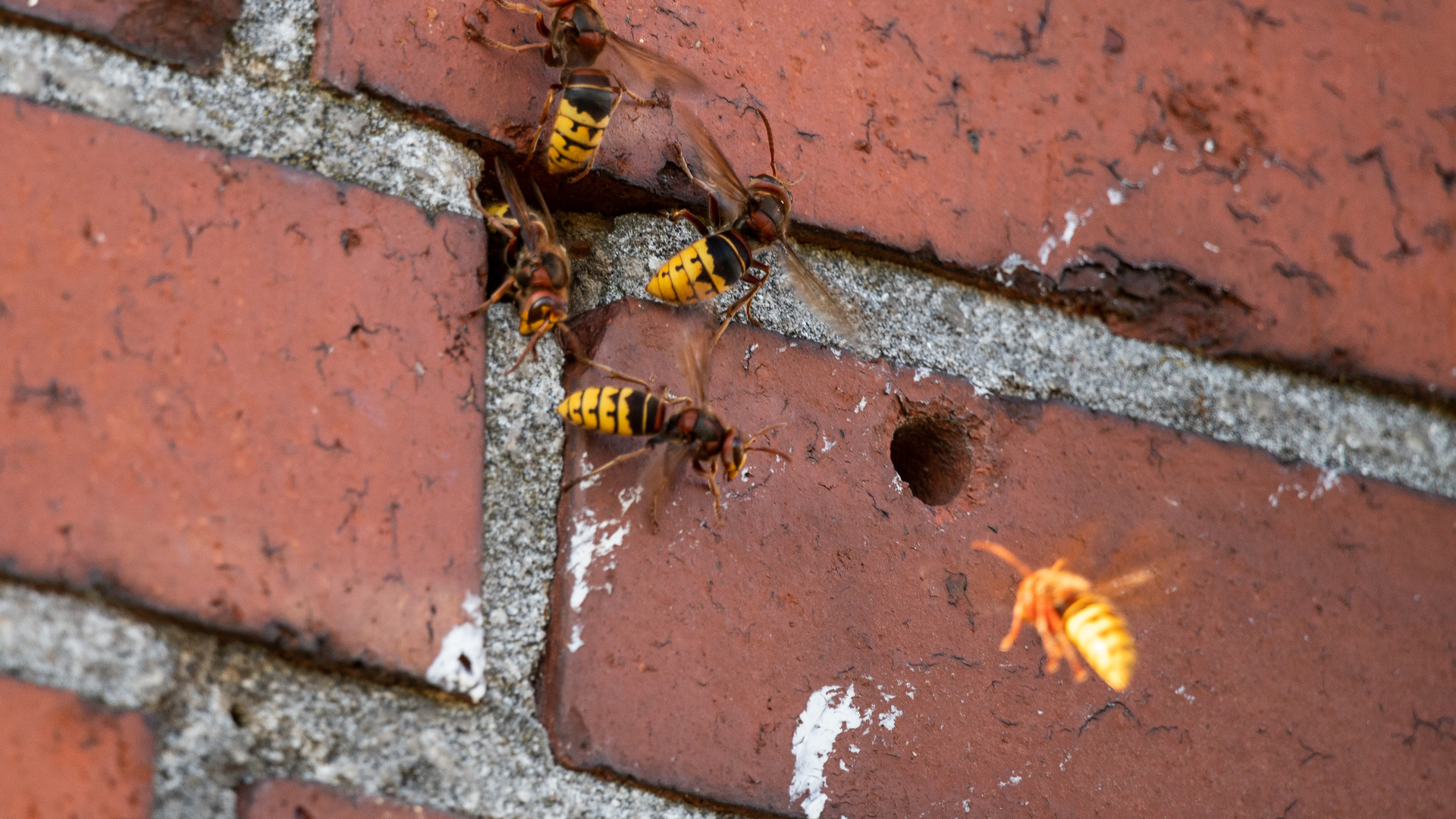
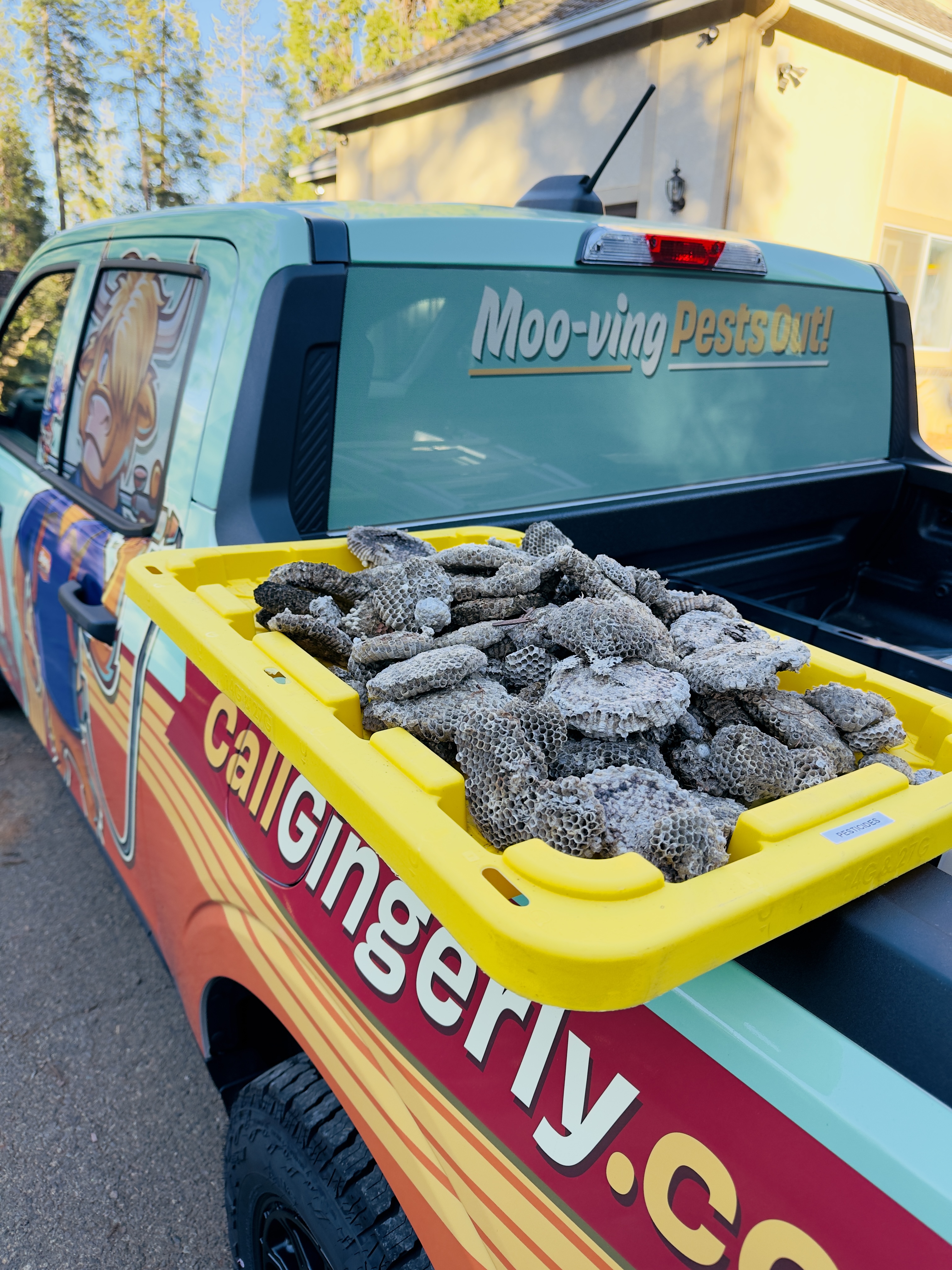
Wasps and yellowjackets are the pests most associated with a genuine seasonal decline in Placer County, and what we see in the field lines up with that. Colony activity drops sharply as the weather cools, and by winter most yellowjacket and paper wasp colonies have died off completely. These are annual colonies — a single mated queen starts a new nest each spring, the colony builds through summer, and it declines as the season turns.
What doesn't disappear is the queen. Before a colony dies off, it produces new mated queens, which survive winter in protected spots like woodpiles, bark, or attics before emerging in spring to start next year's nests. Nests that were active during the warmer months generally decline along with the colony and are typically no longer active once winter conditions set in — but that doesn't mean wasps are gone from a property altogether; the queens that may start next year's colonies can already be overwintering nearby. For help telling an old nest from a current one, see How Do I Know If I Have a Wasp Nest on My Property?
Rain Can Push Ant Activity Toward Homes
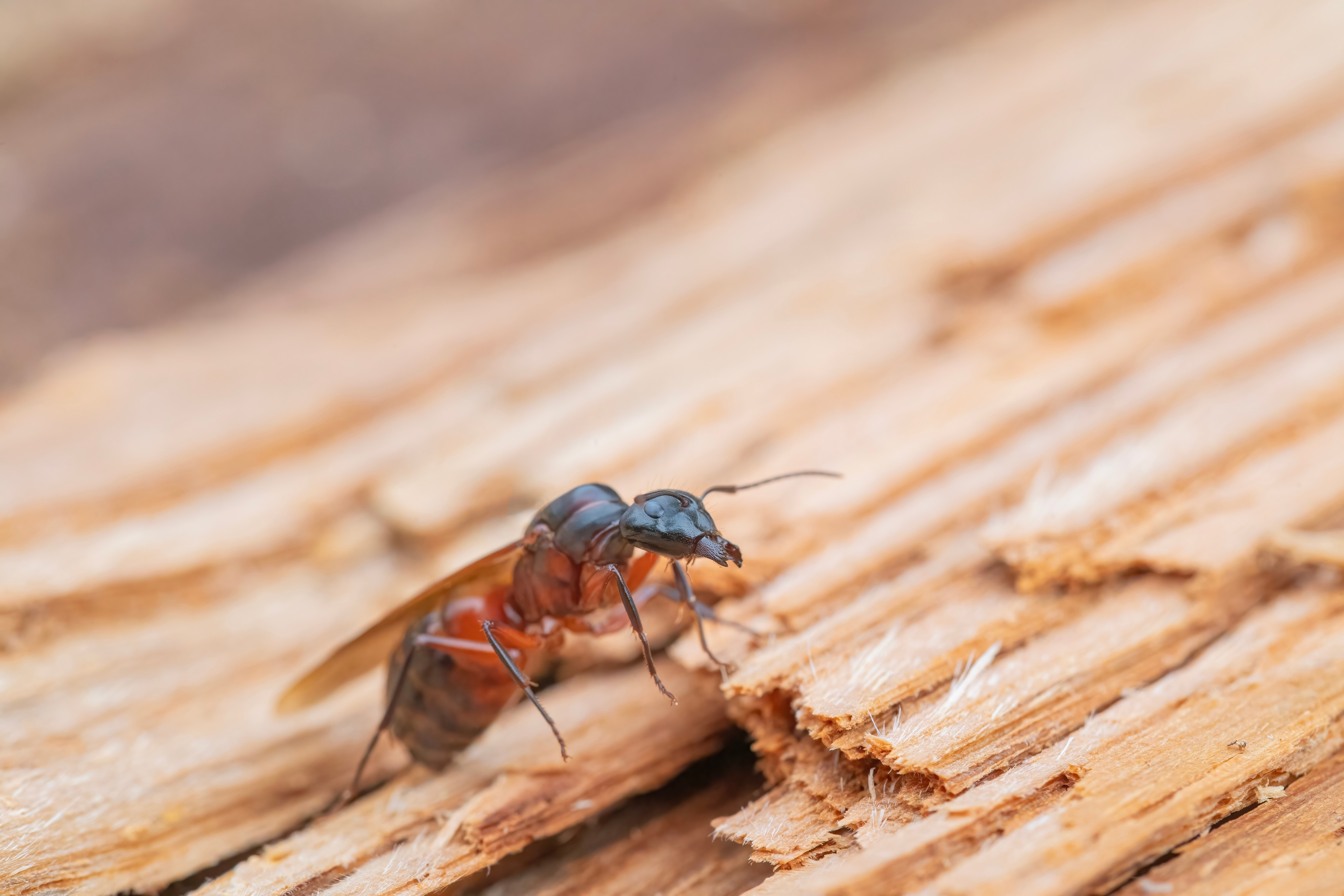
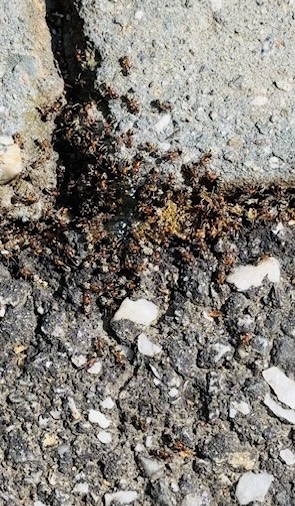
Ants are one of the clearest examples of a pest that doesn't disappear in winter — it just changes where it forages. Around Placer County, we commonly see ant activity pick back up during cooler, rainier stretches, which catches homeowners off guard if they assumed ant season ended with summer.
Ants move into structures for a combination of reasons: food and water, warmth, shelter, or outdoor conditions turning unfavorable — saturated soil, shifting temperatures, or a disrupted food supply outside. Rain doesn't create a colony that wasn't already there; it changes foraging conditions enough that an established colony's workers start showing up somewhere visible, like a kitchen counter or windowsill. Not every species behaves identically, but it's consistent enough that we plan winter visits around it. We've written more on why ant activity suddenly increases after a shift in weather.
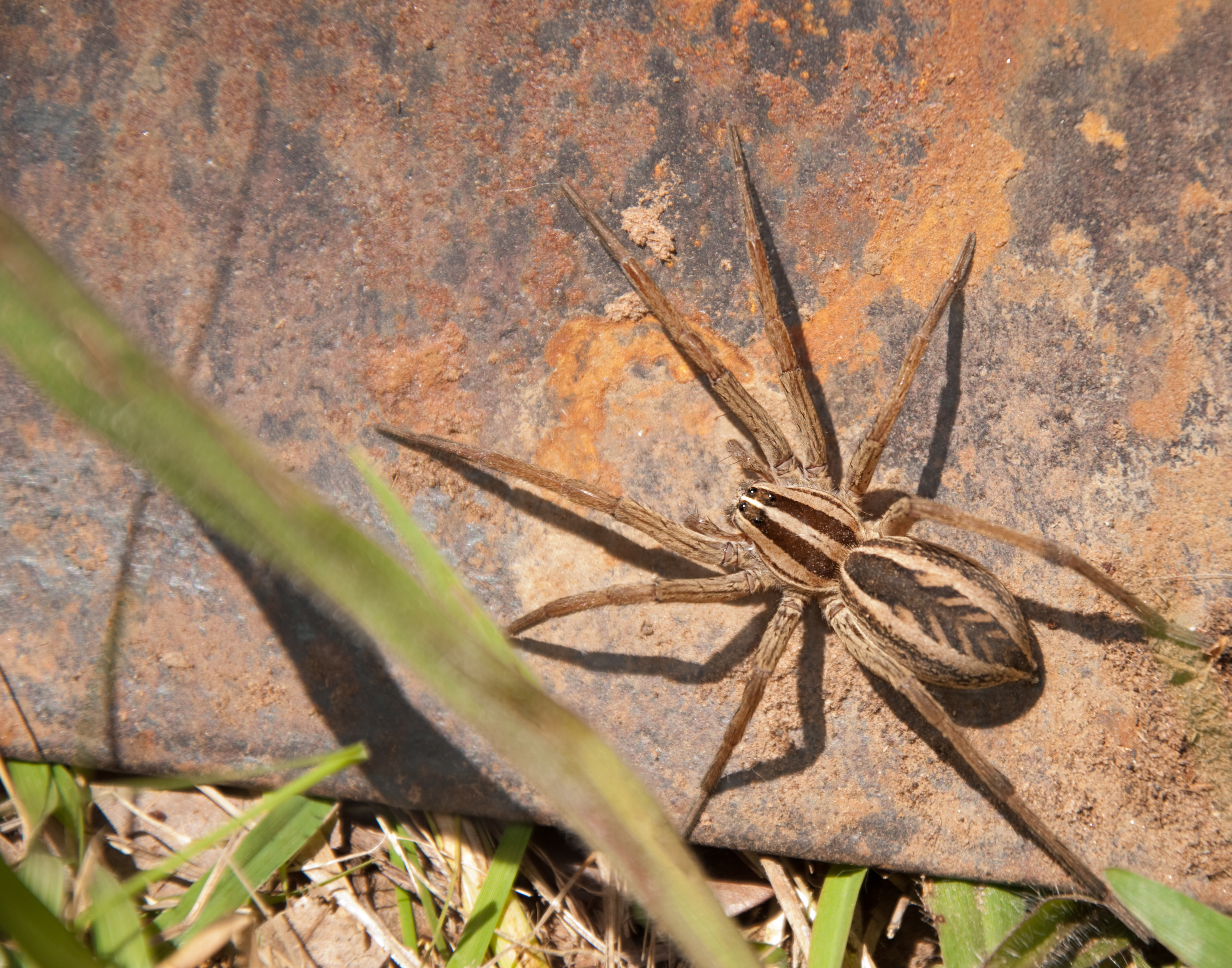
Spiders Don't Simply Disappear
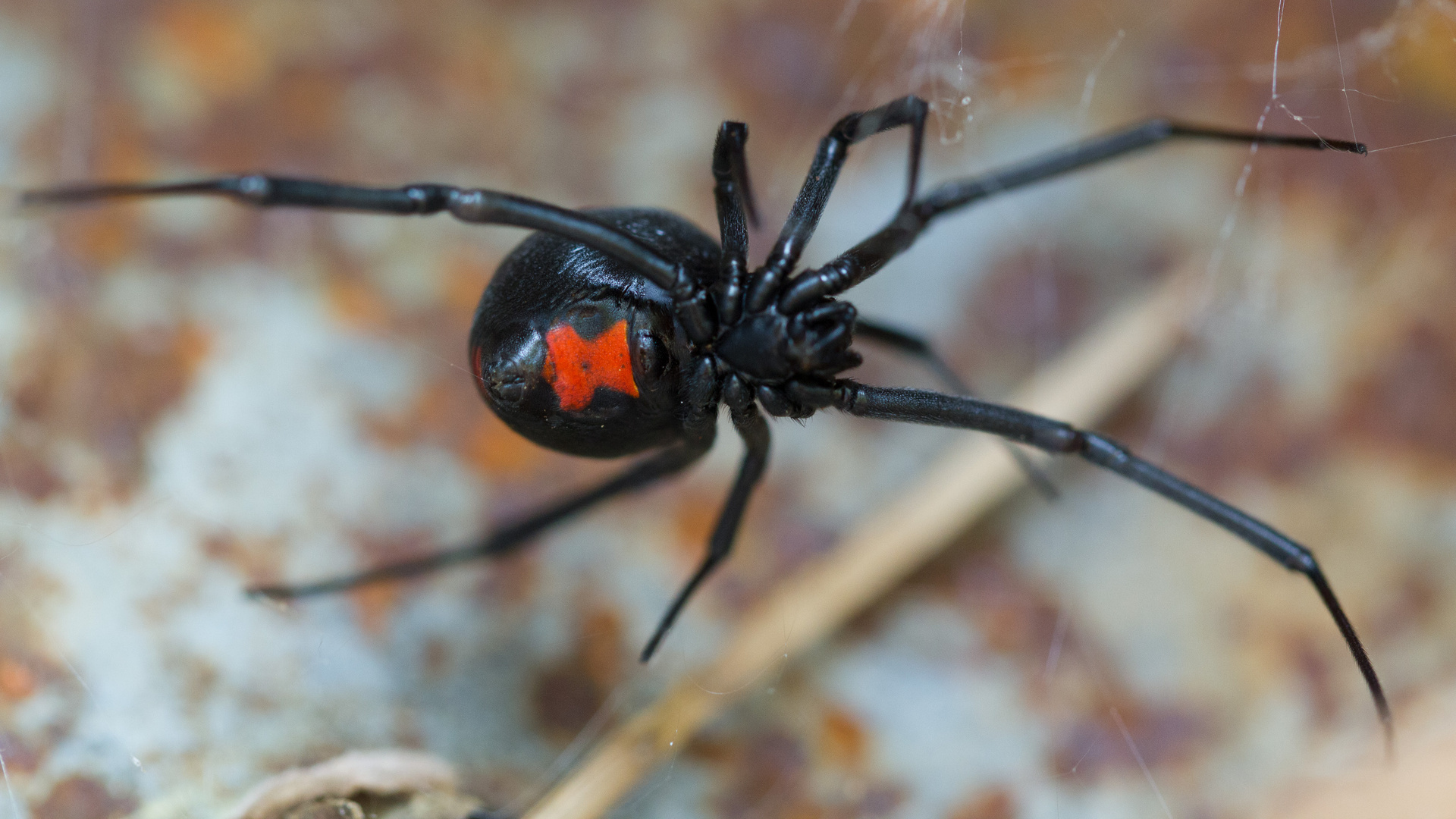
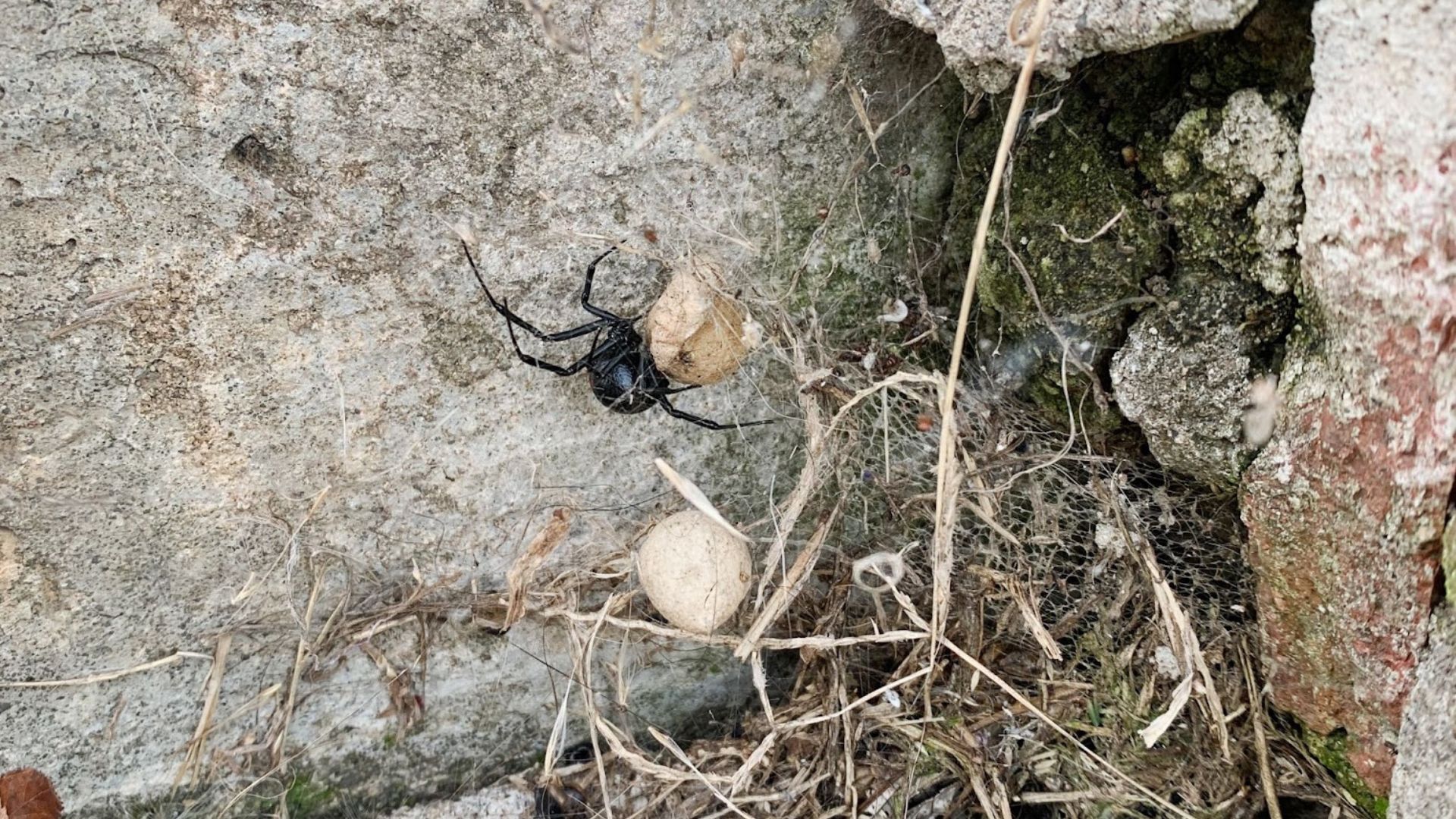
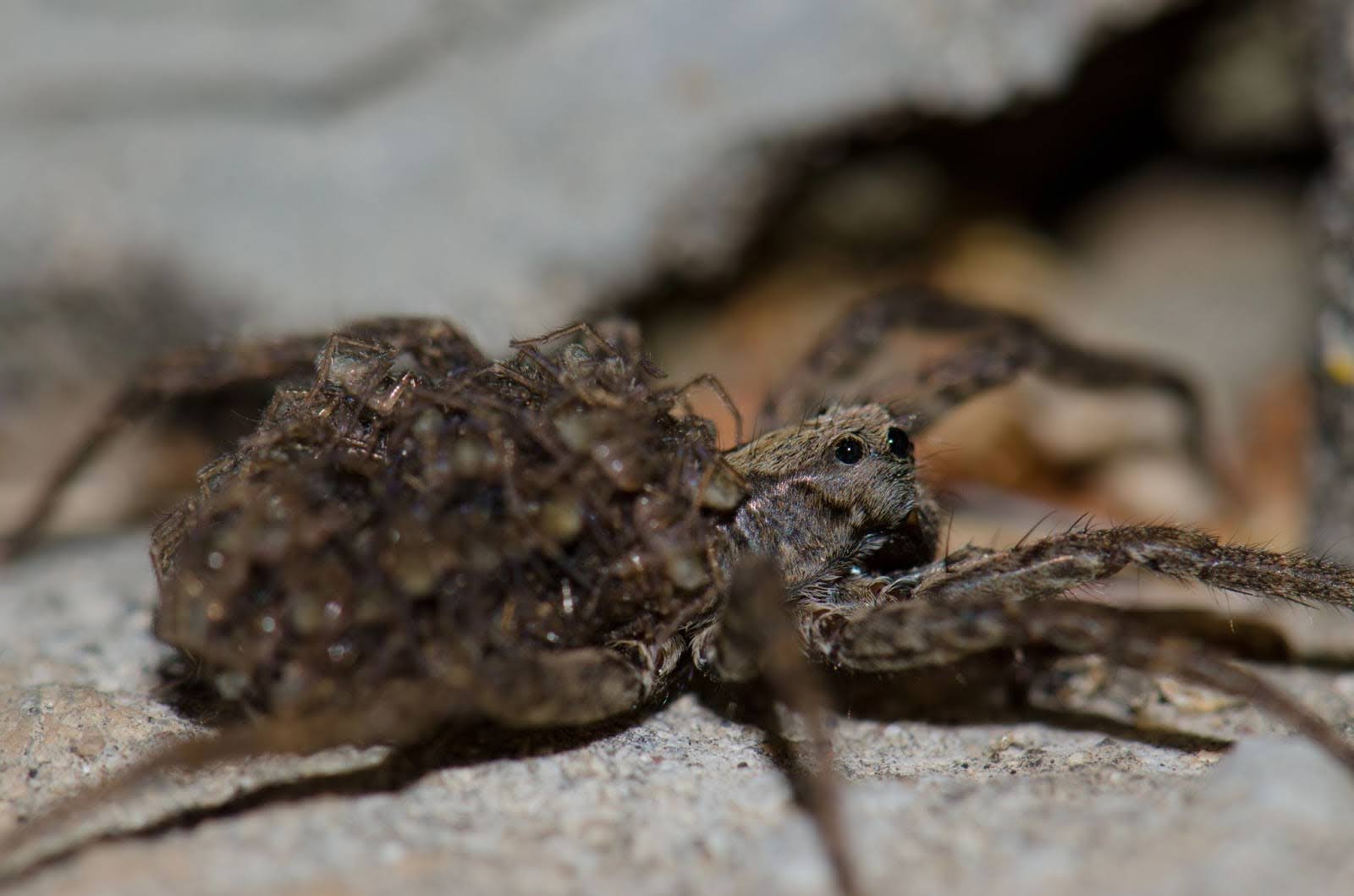
Spider activity doesn't stop in winter, but exterior activity becomes much less visible, which is part of why people assume spiders "go away." Behavior varies by species, so it isn't accurate to say all spiders migrate indoors once it gets cold. Many persist in the same outdoor harborage year-round — under eaves, in woodpiles, in undisturbed corners of a yard. Others may be displaced from an outdoor burrow by heavy rain and wander before resettling.
Seeing less obvious exterior spider activity doesn't necessarily mean spiders are gone. Depending on species and conditions, they may simply remain in the same protected harborage they use year-round, and we do regularly encounter spiders in protected structural areas during cooler months — crawl spaces, attic edges, garages, and similar spots that stay dry and undisturbed. For more on identification and behavior, see Spider Control 101: Everything You Need to Know About Spiders.
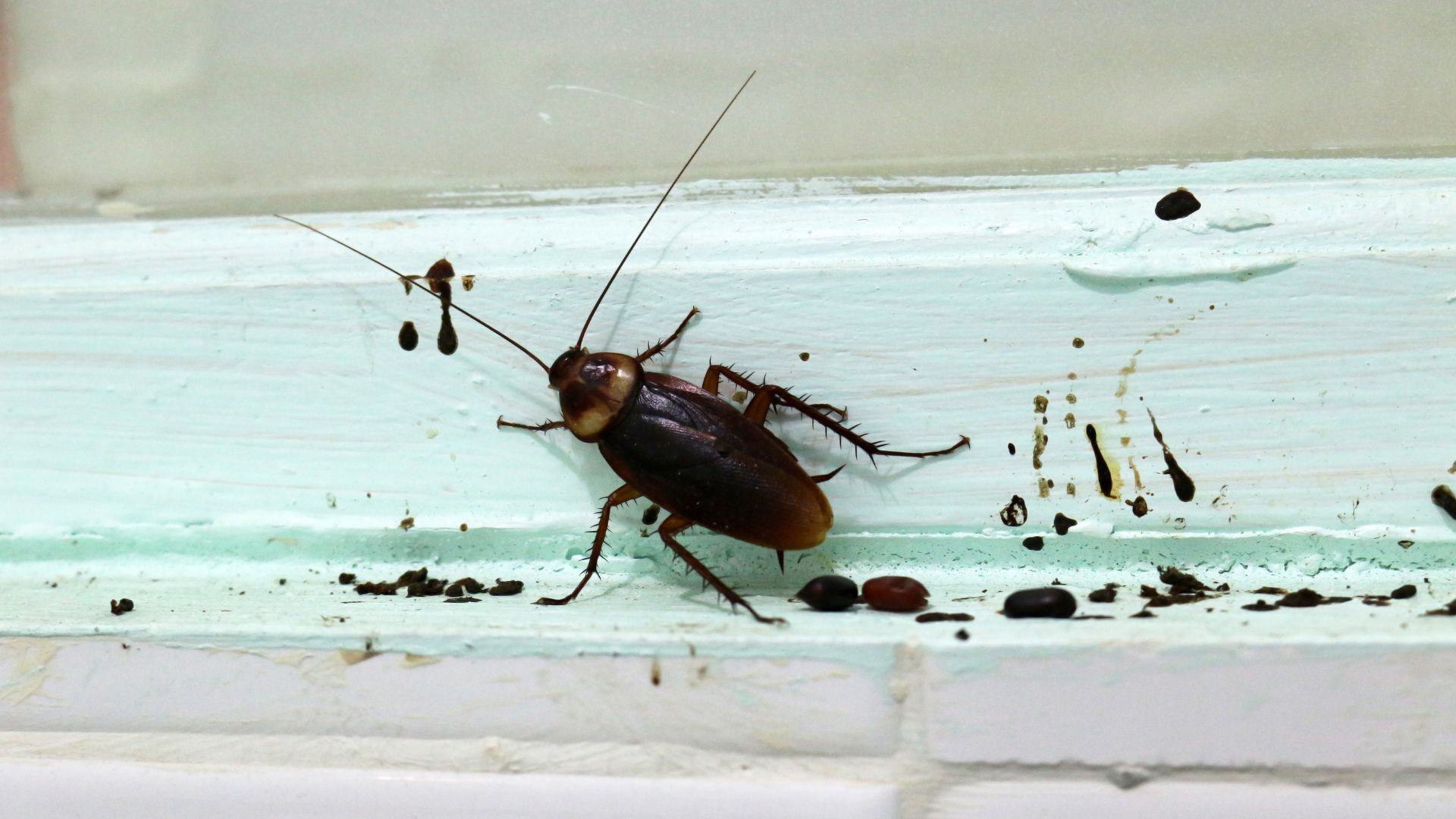
Cockroaches Can Remain Active in Protected Areas
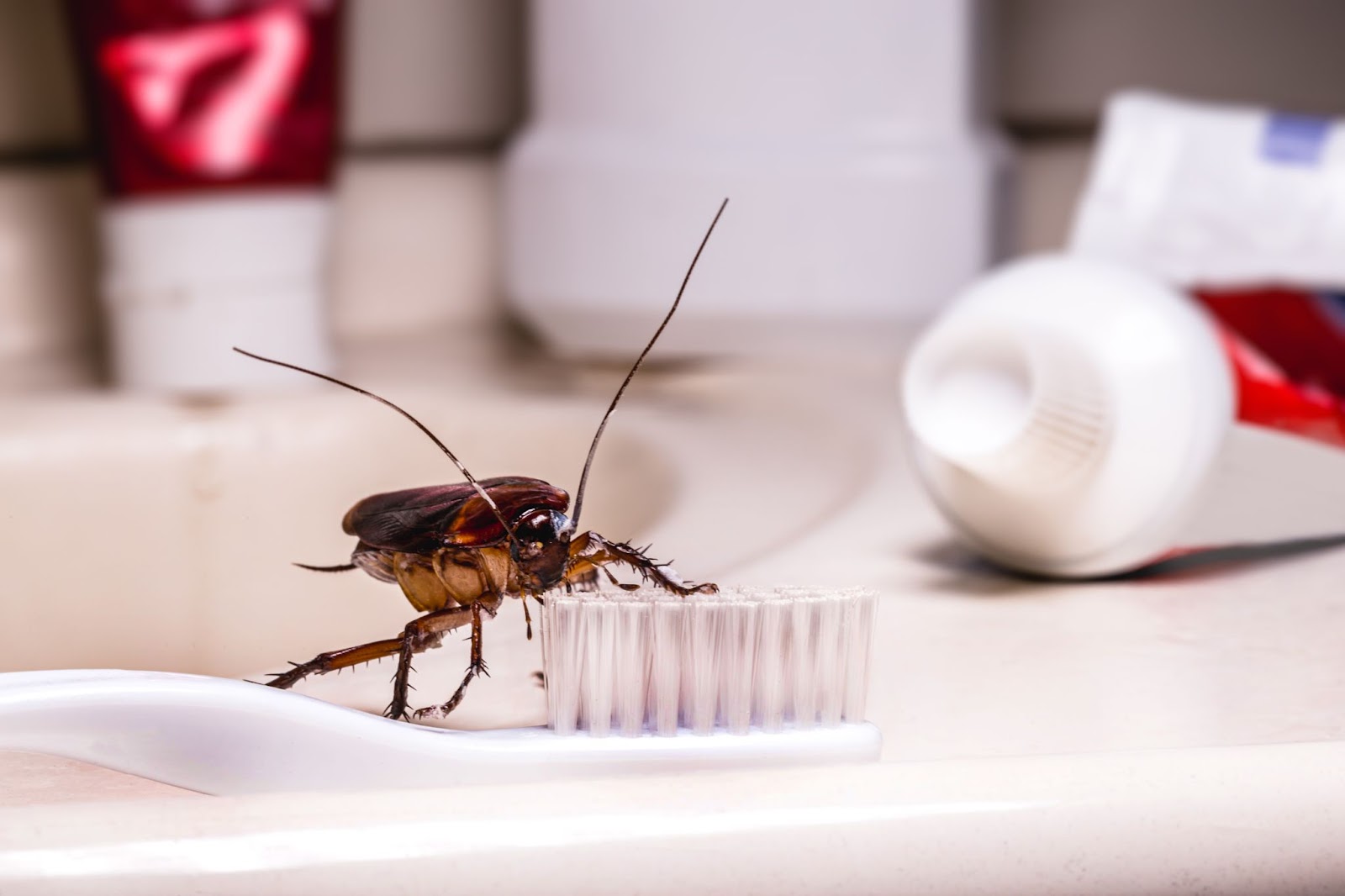
Cockroaches tend to get lumped together as one pest, but temperature and moisture preferences vary by species. It isn't accurate to say cockroaches simply "like cold places" — different species have different temperature and moisture preferences.
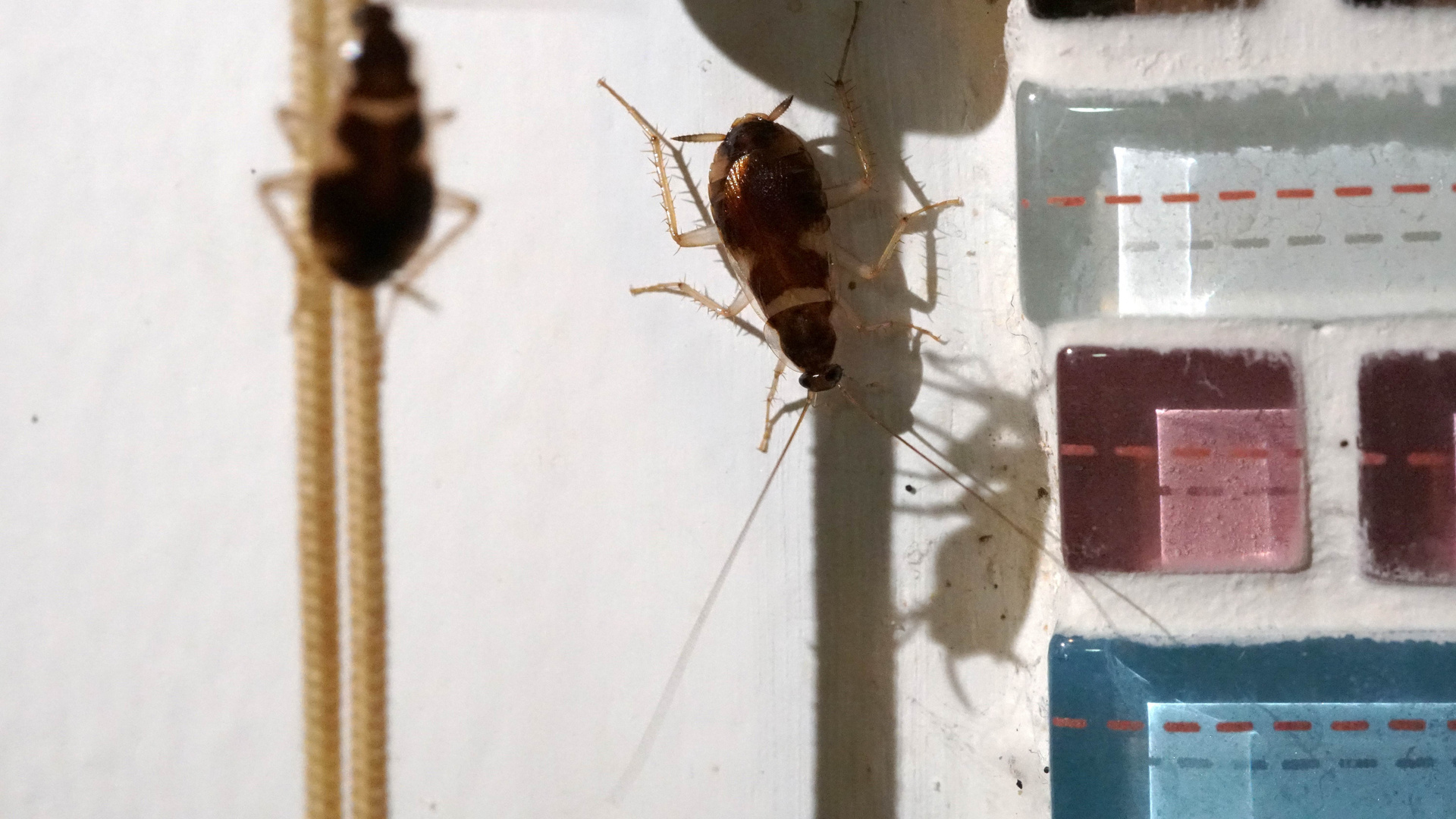
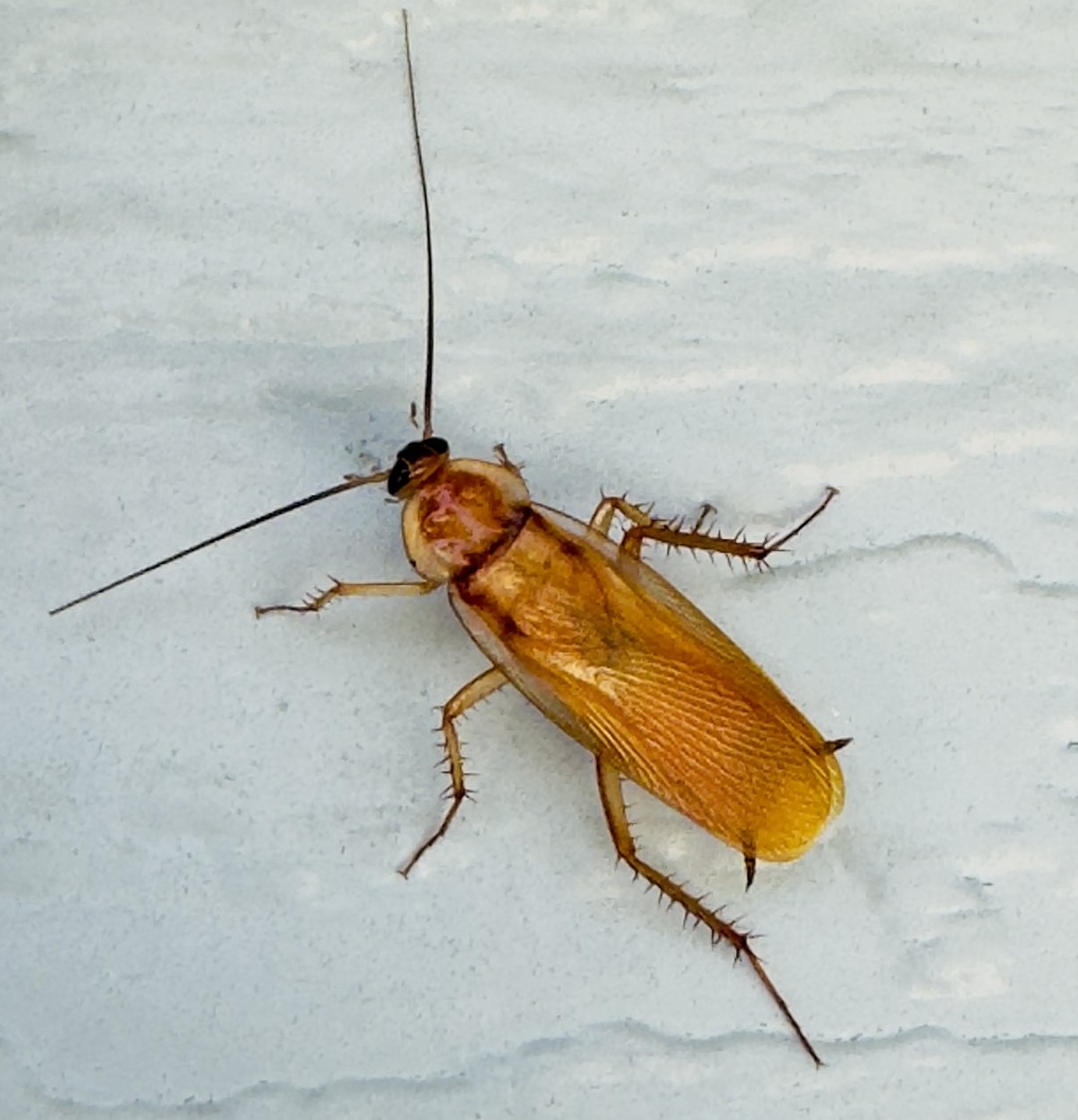
Different cockroach species respond differently to temperature, but protected, dark harborage tied to moisture — water meter boxes, drains, garages, basements, and similar spots — can continue supporting activity during cooler months. Oriental cockroaches in particular are associated with cooler, damp environments, which is part of why we've fielded more of these calls out of Lincoln, Rocklin, and Roseville as the weather turns.
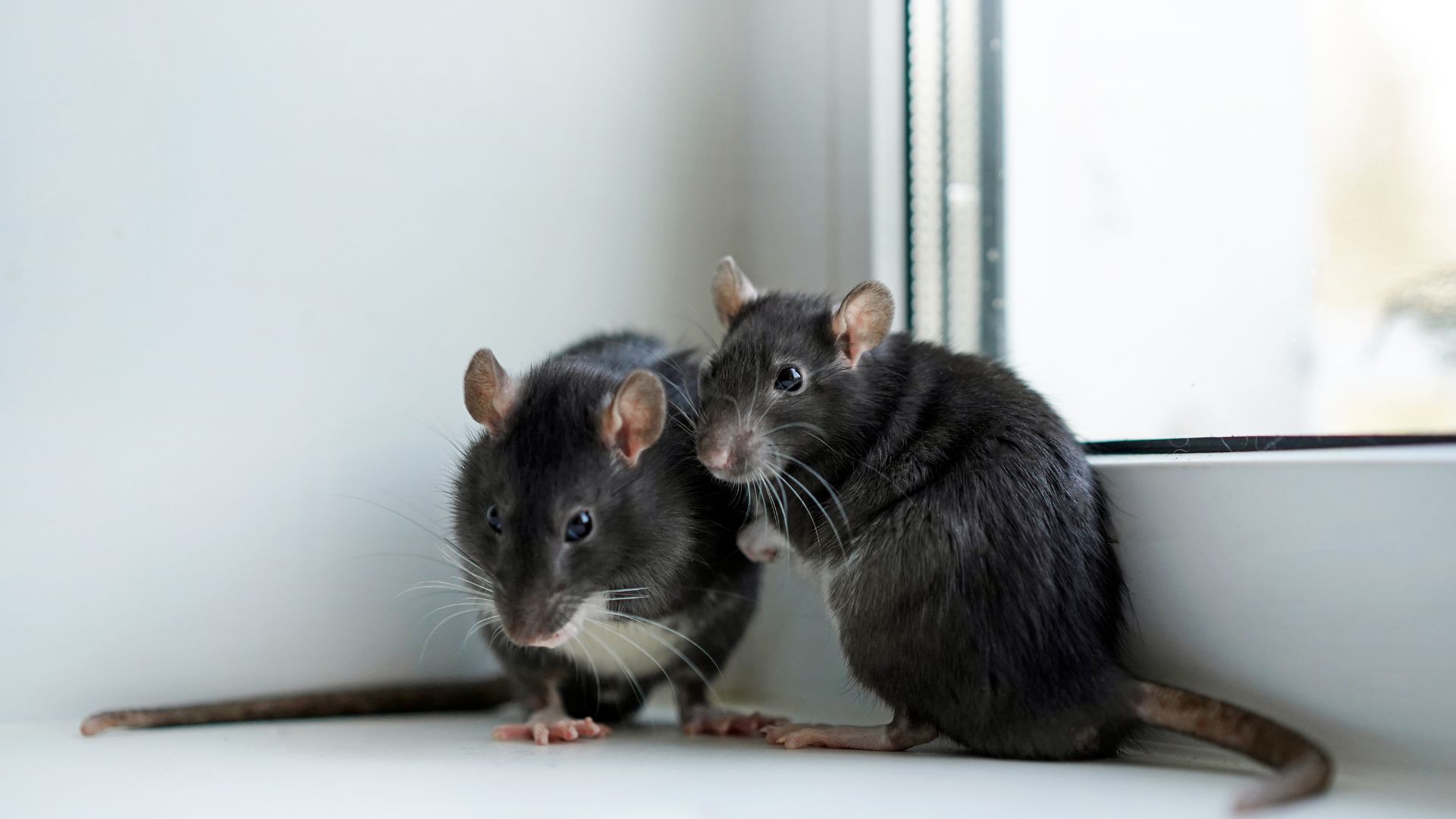
Cold and Wet Weather Can Bring Rats and Mice Toward Structures
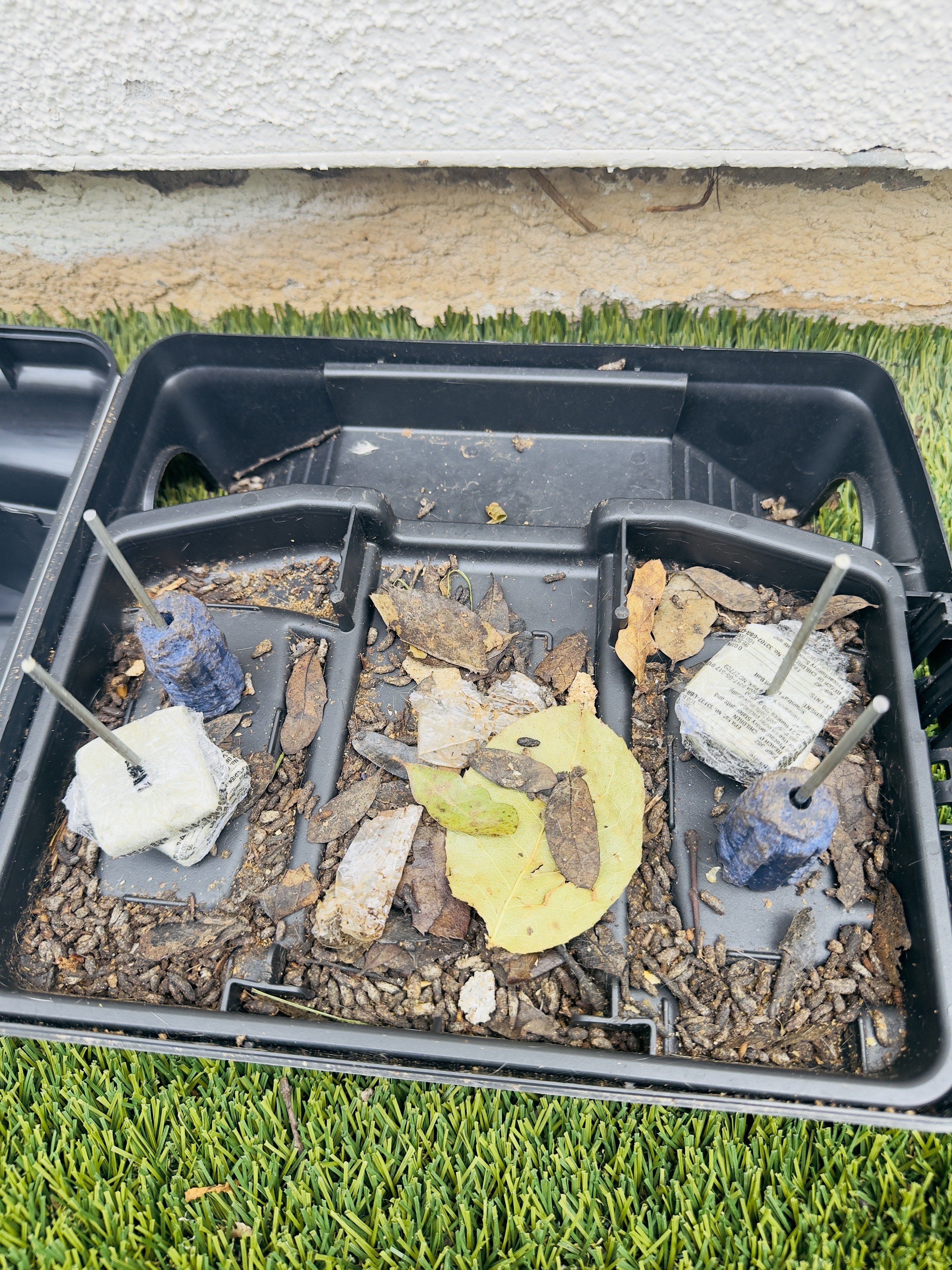
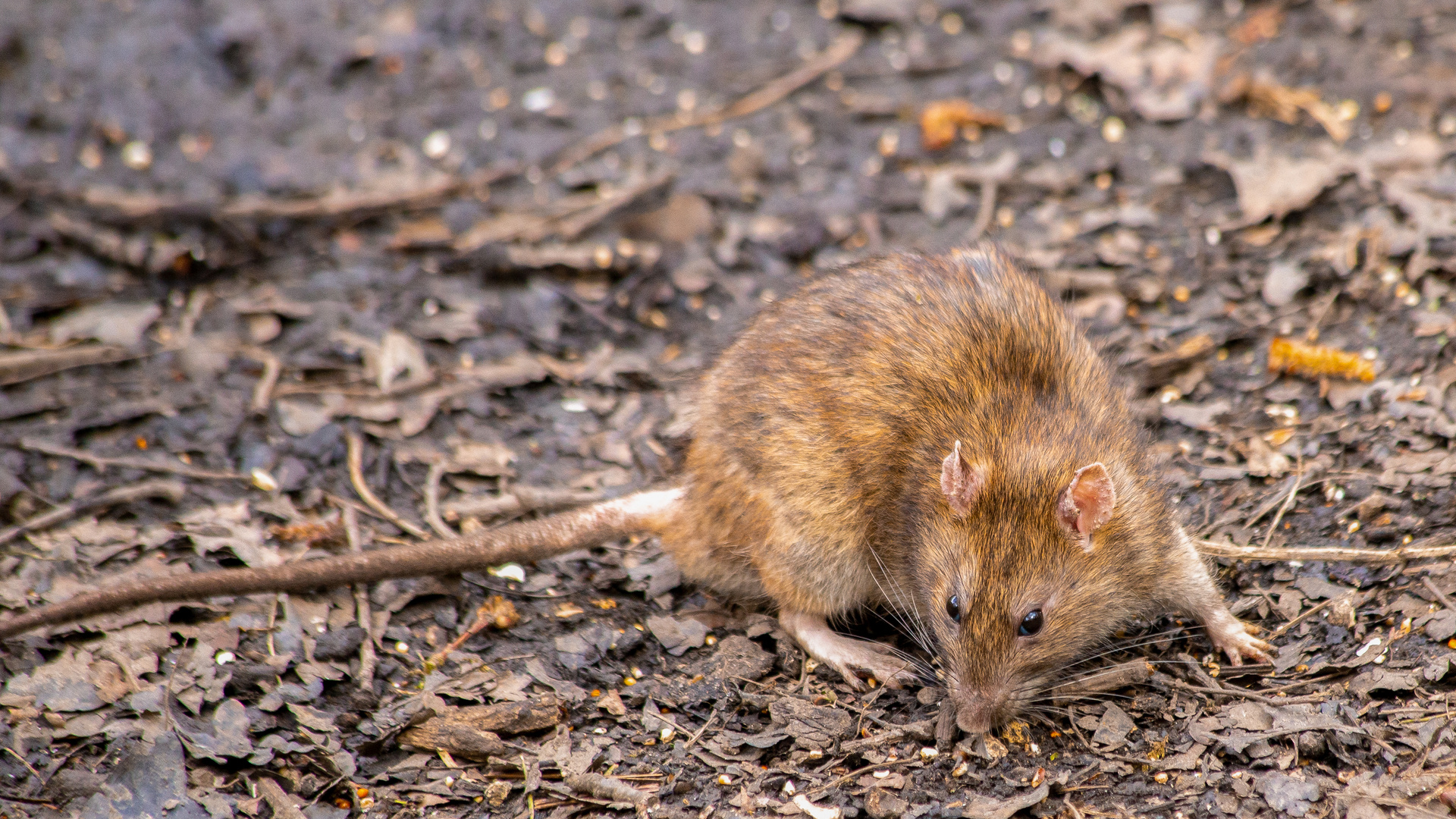
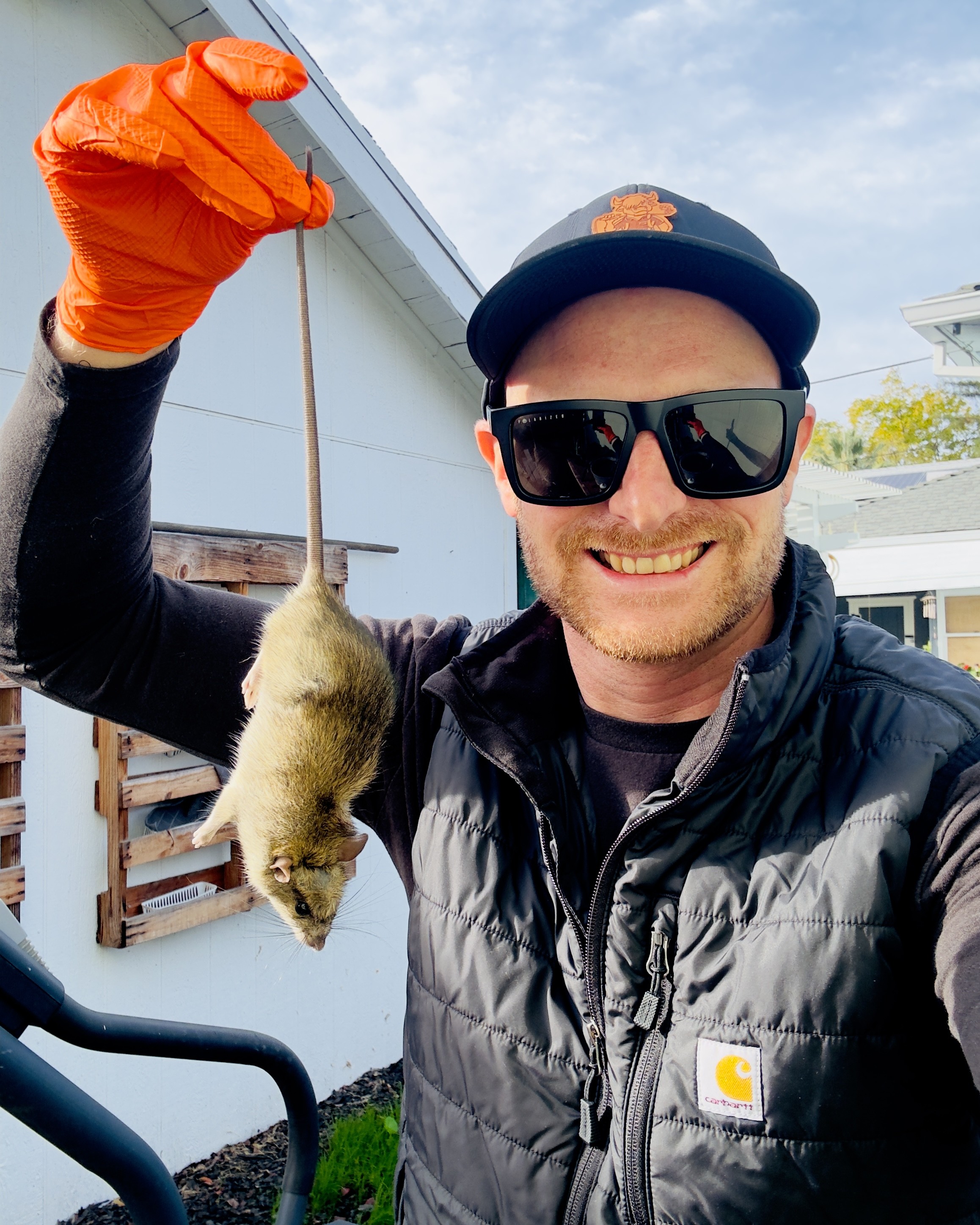
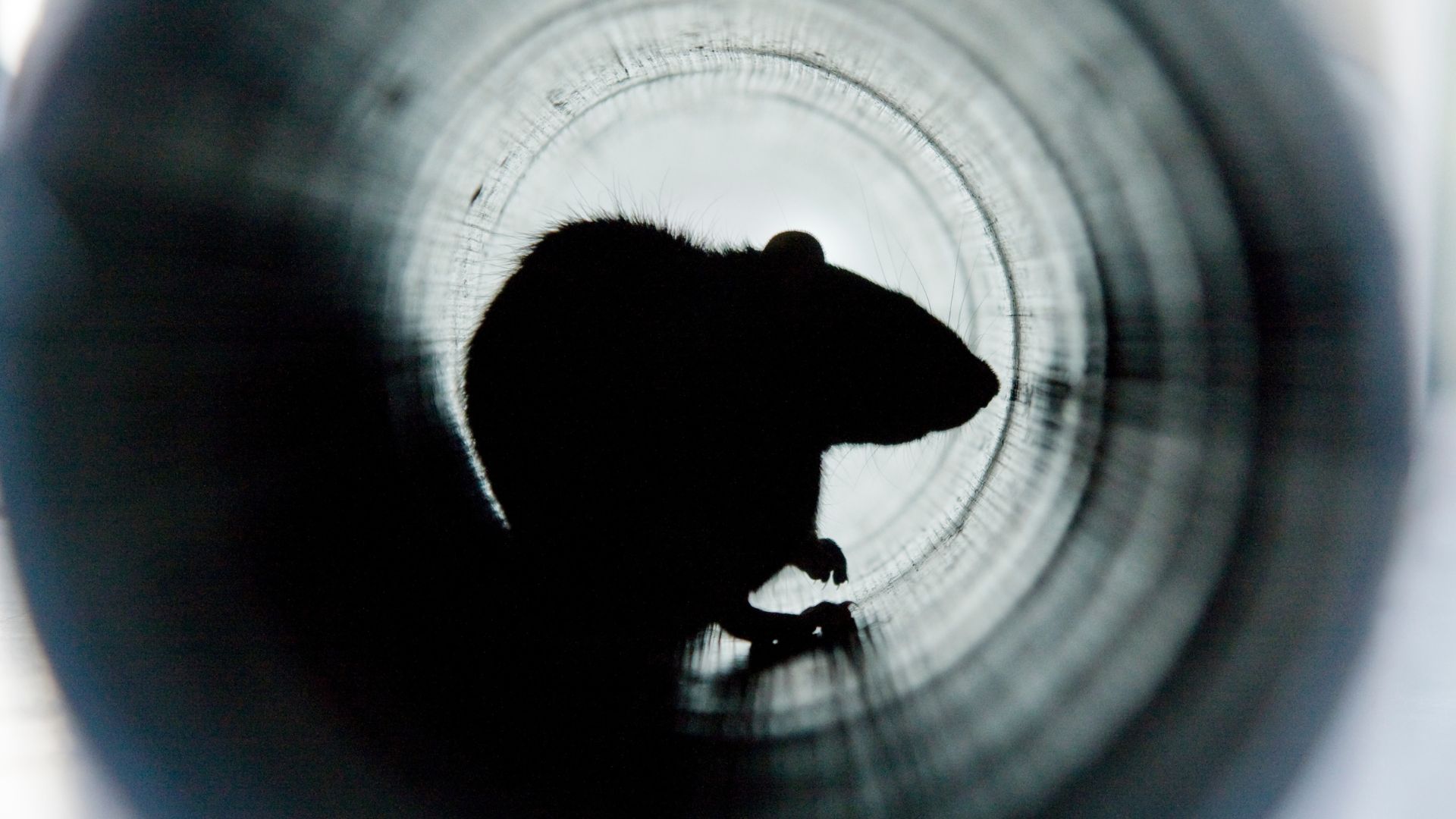
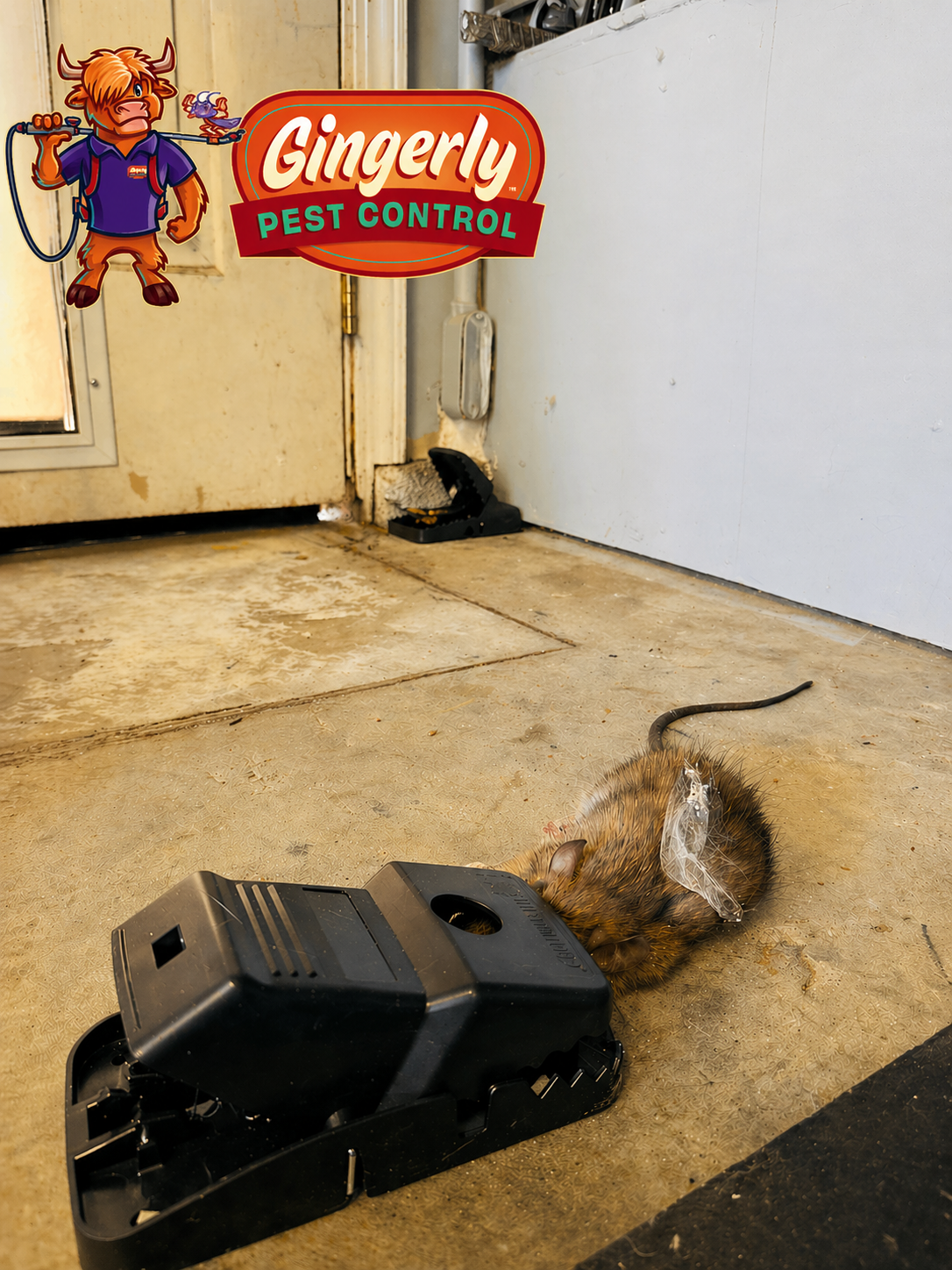
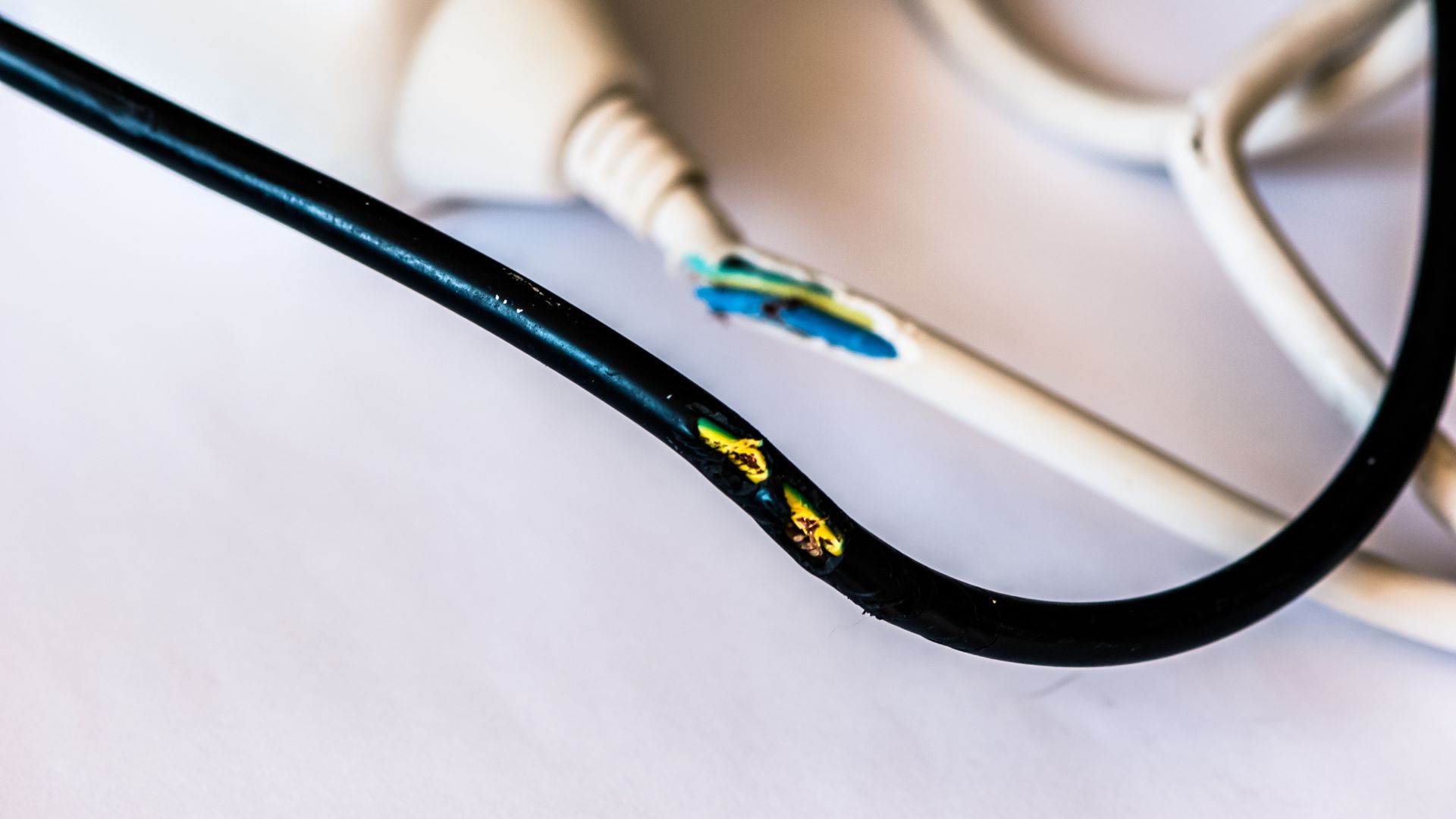
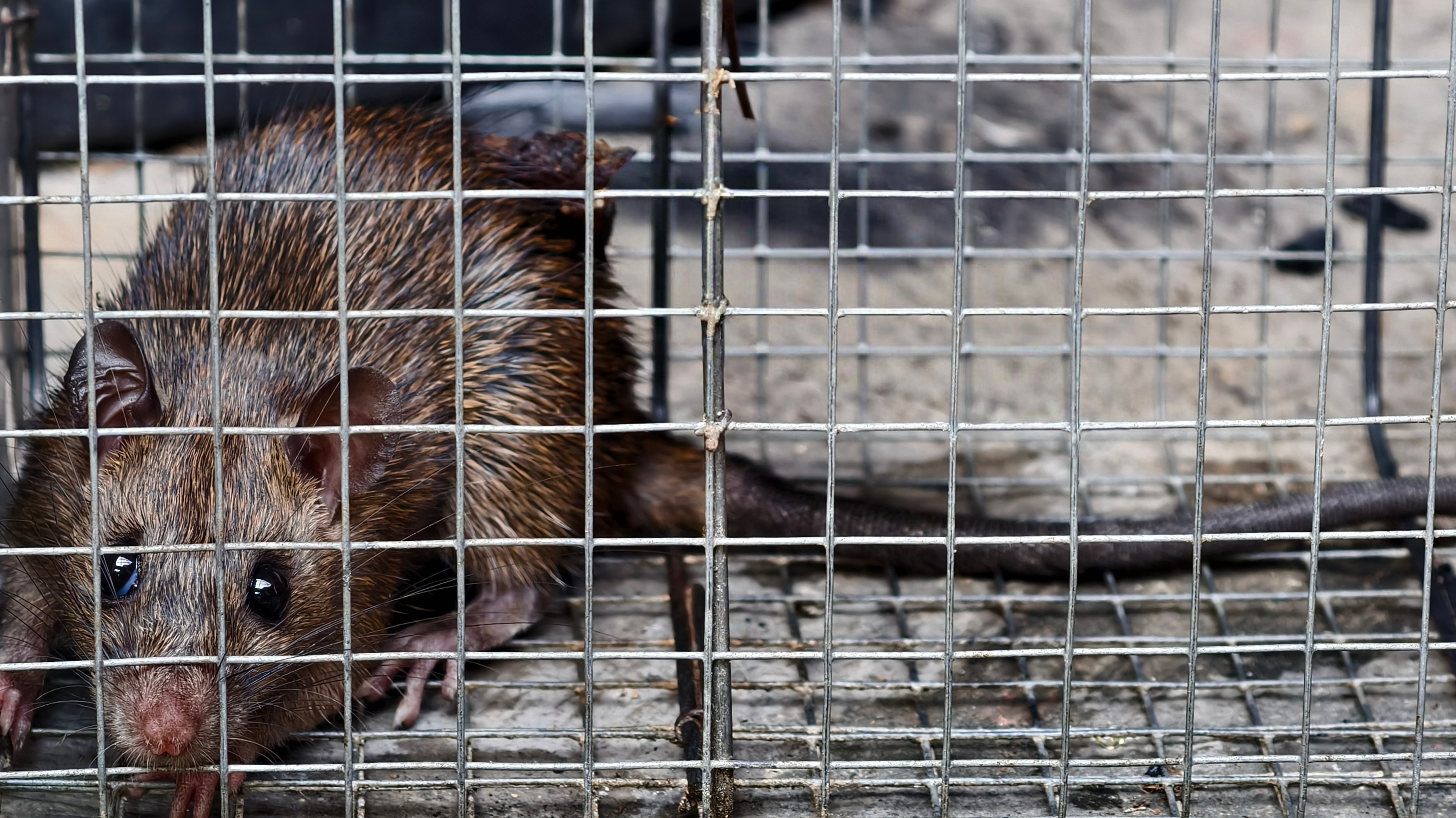
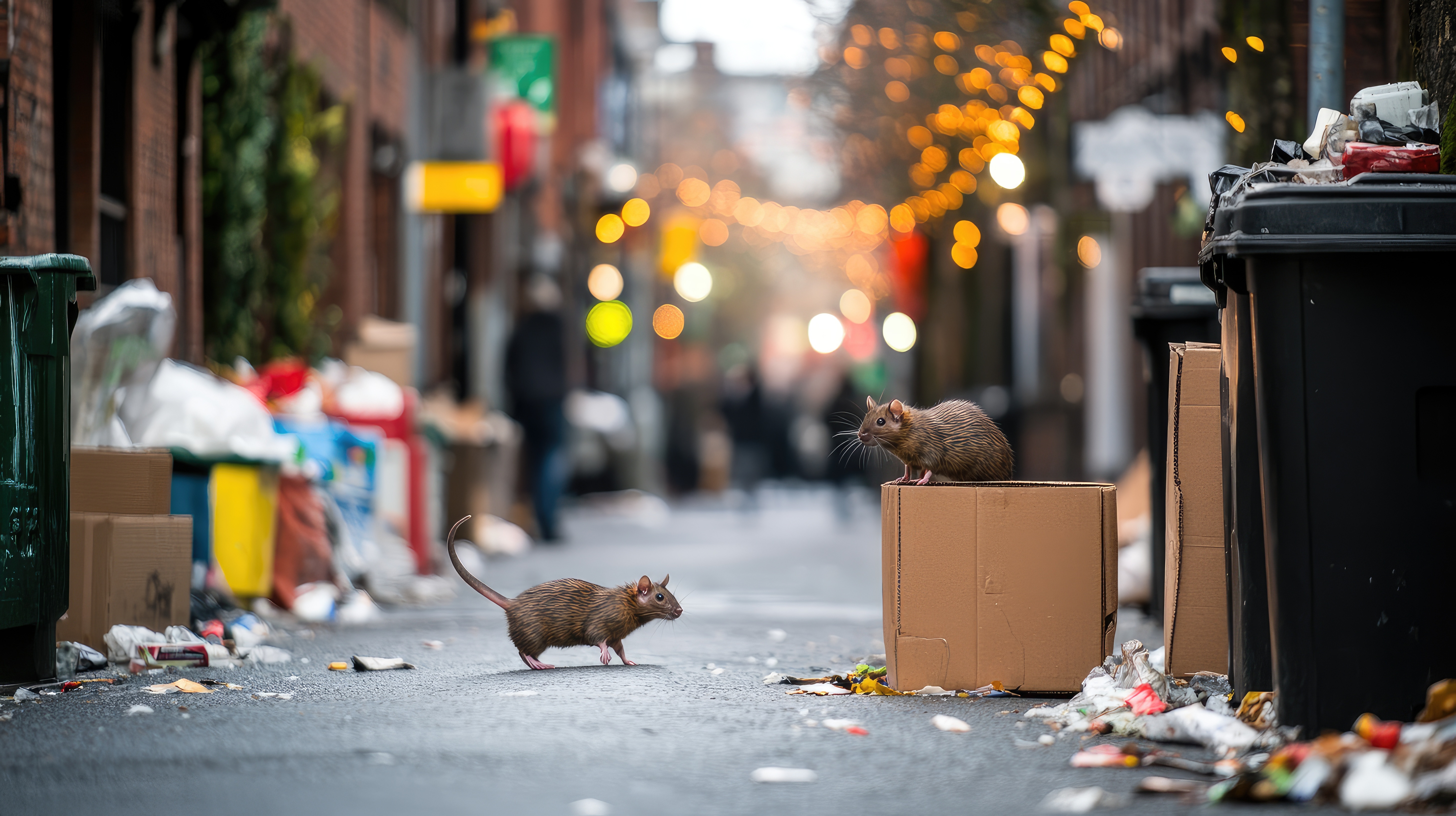
Winter pest pressure in Placer County isn't limited to insects. Rats and mice are active year-round, but colder, wetter conditions can make protected structural areas — crawl spaces, attics, garages, and wall voids — attractive shelter compared to what's available outdoors. In most cases, this isn't rats and mice appearing out of nowhere; they've often been present nearby already and simply gravitate toward warmer, drier cover as conditions shift. Our rat and mouse control service is built around identifying how a specific property's activity is actually getting inside, rather than treating every property the same way.
Why Winter Pest Control Looks Different
Every property is different, and pest pressure doesn't hold steady across twelve months — which is why a winter visit doesn't look the same as a July one. Gingerly generally services recurring customers on an approximately 60-day schedule, so depending on timing, a property might only see one or two regularly scheduled visits during the coolest stretch of the year.
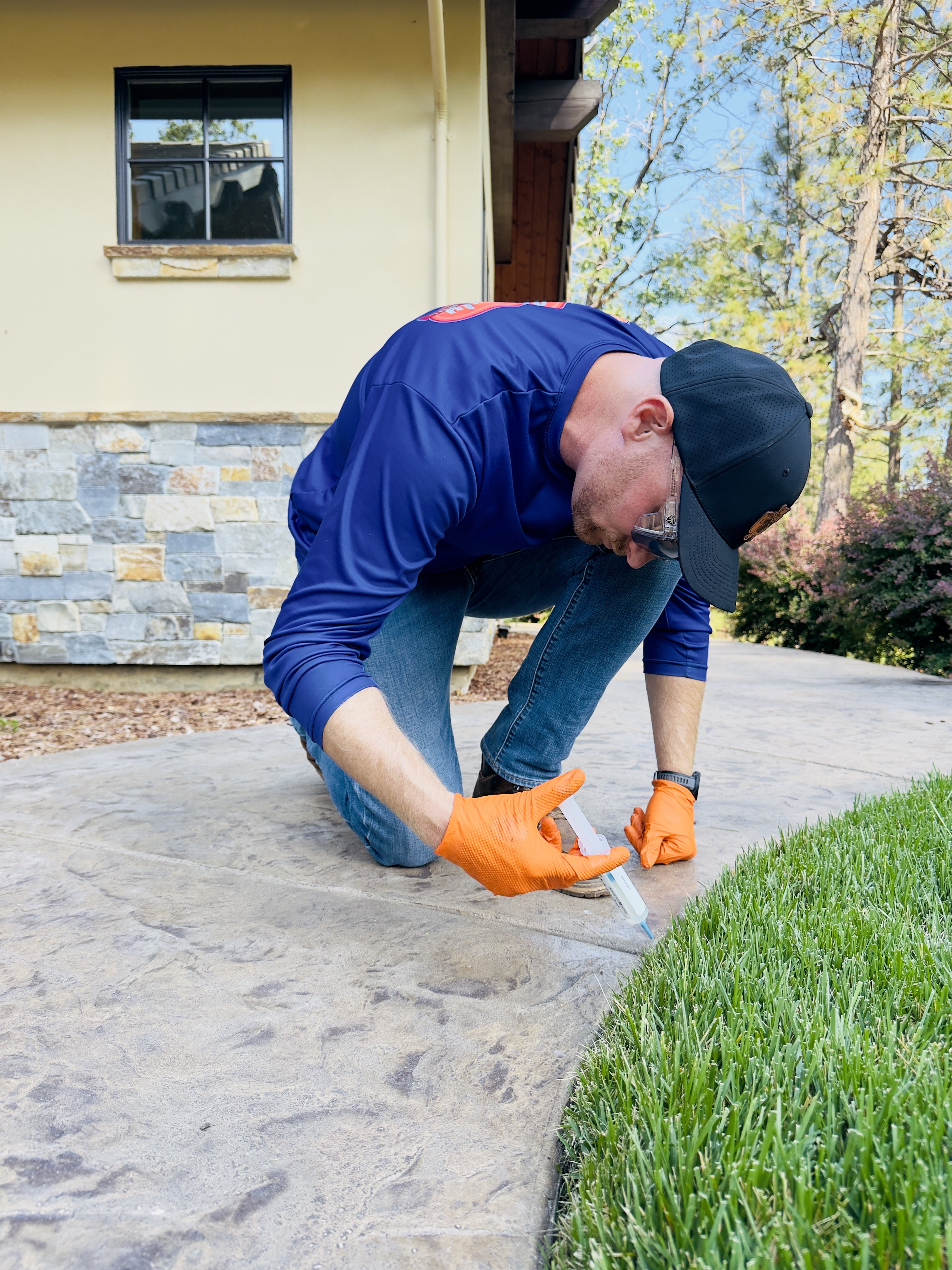
Winter service changes with the conditions we're seeing. The goal isn't to apply the exact same treatment every visit; it's to maintain consistency, monitor changing pest pressure, and stay ahead of activity as conditions shift. Our approach is inspection-first: we look at what's actually changed on a property rather than applying a blanket treatment out of habit.
If service is discontinued and a customer later wants to restart, we typically treat that as a new initial service, with the applicable initial service fee, since the property needs to be evaluated and brought back under an active service program.
What Gingerly Looks for During Cooler-Month Services
A winter visit isn't just a routine spray. Depending on what inspection turns up, a cooler-month service can include:
- Checking for new or returning ant activity, especially after recent rain or weather changes
- Inspecting eaves, corners, and other protected areas, de-webbing where appropriate, and addressing any remaining wasp activity when present
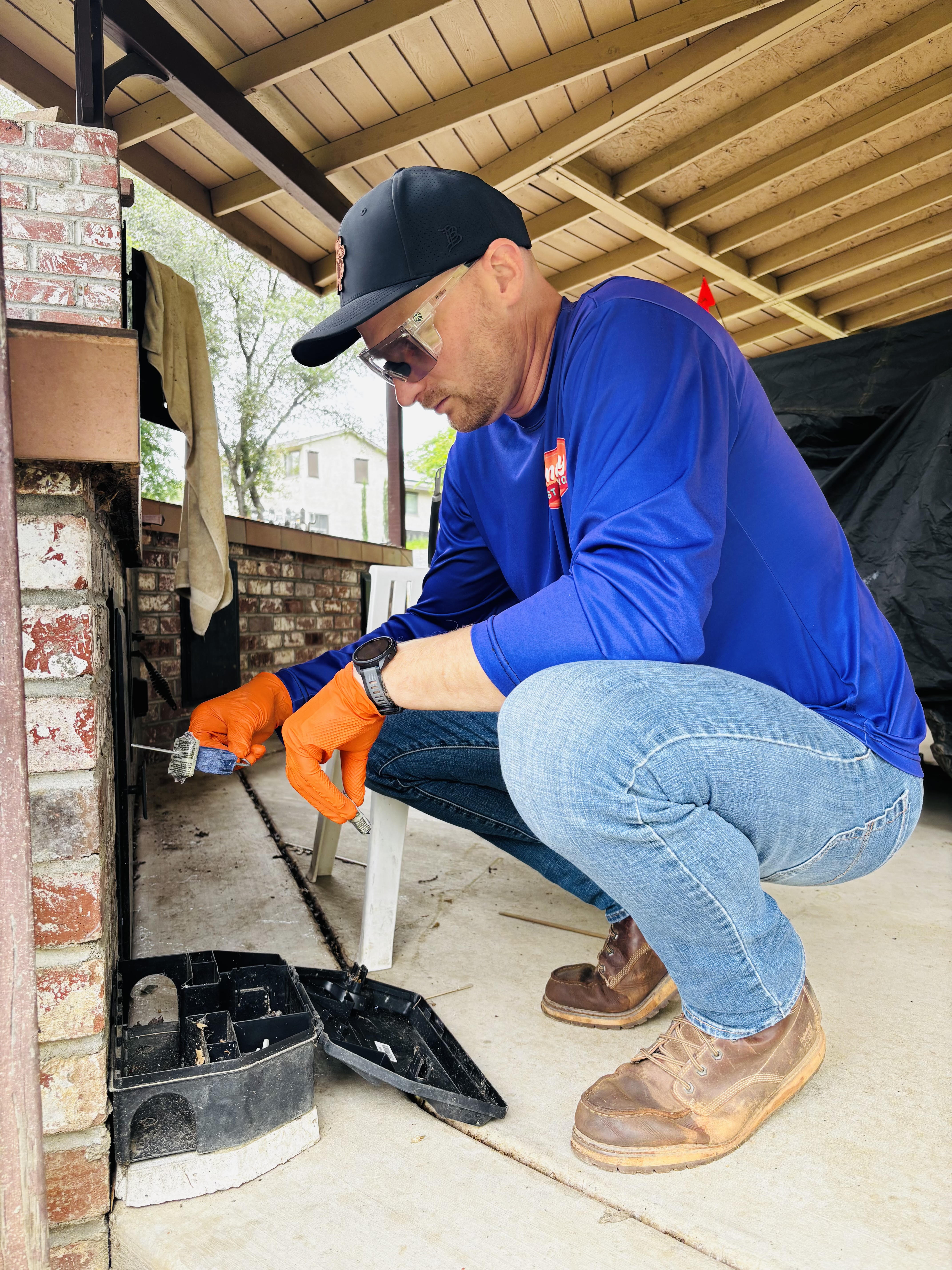
- Looking for signs of rat or mouse activity around crawl spaces, garages, and attics
- Inspecting protected, moisture-prone areas for cockroach harborage
- Identifying changing conditions on the property
- Applying targeted treatment where inspection shows an actual need, not a blanket application
Not every visit needs every item on that list. Our general pest control service is built around that same inspection-first principle year-round.
Seasonal Pest Activity in Auburn, Lincoln and Rocklin
Placer County covers a lot of different terrain, and pest pressure doesn't play out the same way on every property. Across Auburn, Lincoln, and Rocklin, factors like landscaping, moisture, surrounding habitat, structural condition, and existing pest activity all shape what a given property experiences as the seasons change.
We see seasonal shifts throughout these communities, but we don't assume every property — or every neighborhood — is dealing with the same pests in the same way. A foothill property in Auburn, where Gingerly is based, can behave very differently from a suburban property in Lincoln or Rocklin. That's exactly why our approach starts with the individual property rather than a one-size-fits-all seasonal treatment.
Frequently Asked Questions
Do bugs die in the winter in California?
Some do — social wasp and yellowjacket colonies are a good example, since they're typically annual. Other pests respond differently: some slow down, some stay in the same protected harborage, and others become more noticeable in different areas as conditions change.
Why do ants come inside when it rains?
Rain changes soil moisture and outdoor conditions enough to shift how an already-established ant colony forages, often bringing workers indoors in search of food, water, or shelter.
Where do spiders go during winter?
Behavior varies by species. Many stay in the same outdoor harborage year-round, while others may turn up in protected areas like crawl spaces or attics during cooler months.
Are cockroaches still active during winter?
Yes, in protected, moisture-associated harborage. Species vary — some need real warmth, while others, like Oriental cockroaches, are associated with cooler, damp conditions.
Do rats and mice come inside when it gets cold?
Colder, wetter conditions can make crawl spaces, attics, and garages attractive shelter, especially for rats and mice already present nearby.
Is pest control still useful during winter?
Yes. Pest pressure changes seasonally rather than disappearing, and staying on a consistent schedule helps catch changing conditions early.
What happens if I stop recurring pest control for winter and restart later?
We typically treat the restart as a new initial service, with the applicable initial service fee, since the property needs to be evaluated again.
Winter doesn't erase pest activity in Placer County — it changes it. Some pests become dramatically less active, while others remain in protected areas or respond to rain, moisture, and changing temperatures. That's why Gingerly approaches cooler-month service the same way we approach every property: inspect what's actually happening, treat what needs attention, and stay consistent as conditions change across Auburn, Lincoln, Rocklin, and the rest of Placer County.




.jpeg)