
Rats and Mice in Placer County: What We're Seeing in the Field as Fall Approaches

Here in Placer County, we've noticed rat and mouse activity picking up earlier than we'd typically expect at this point in the season. This is what we're seeing firsthand — on suburban lots in Lincoln, wooded foothill properties around Auburn, and larger acreage near Loomis — not a claim that every property across the county is experiencing the same thing. It's simply what's showing up on the properties we currently service, and it felt worth writing about before fall and winter conditions fully settle in.
This article covers what we're seeing right now across the different types of properties we service in Placer County, how established rat and mouse behavior typically shifts as the weather changes, what NOAA is — and isn't — forecasting for this winter, and what we'd suggest homeowners keep an eye on over the next couple of months.
Rats and Mice Are Active Year-Round — Here's What Changes
One thing we like to be clear about with customers: fall and winter don't create rats and mice. Here in Placer County, they're active all year long. What changes as temperatures cool and rain returns is where they travel, where they look for shelter, and how visible their activity becomes.
Rats and mice both need three things — food, water, and cover. In the warmer, drier months, a lot of that is available outdoors, so activity can be spread across a property and easy to miss. As the weather shifts, a structure starts to look like a more attractive option for warmth and dry shelter. That's a well-documented pattern — the University of California's Integrated Pest Management Program notes that where outdoor mouse populations already exist, mice frequently move into structures in autumn as nighttime temperatures drop. We see the same general shift with rats across the properties we service in Placer County: less a matter of new rats appearing out of nowhere, and more a matter of existing populations changing their habits.
That's the piece we want homeowners to understand. If you start noticing activity in October or November that you didn't notice in July, it's rarely because rats or mice just showed up. More often, they've been present in the surrounding environment for a while, and the season is changing where they're choosing to spend their time.
Rain, Cooling Temperatures, and a Developing El Niño Winter
This year, there's an additional factor worth separating out carefully, because it's easy to blur together what's actually known versus what's still uncertain. Here's how we'd break it down.
What we're seeing in the field: rat and mouse activity is picking up earlier than usual on the Placer County properties we currently service. That's a firsthand observation from our own work this season — not a countywide or officially measured trend, and not something we're seeing on every property we visit.
What's established about rat and mouse behavior: regardless of any particular winter's weather, rats and mice consistently respond to cooling temperatures and sustained wet weather by shifting toward drier, more sheltered ground. Prolonged rain doesn't change how much food is available outdoors so much as it disrupts normal travel routes and harborage, and it tends to make dry, protected areas around a structure — garages, sheds, crawlspaces, attics, wall voids — more attractive by comparison.
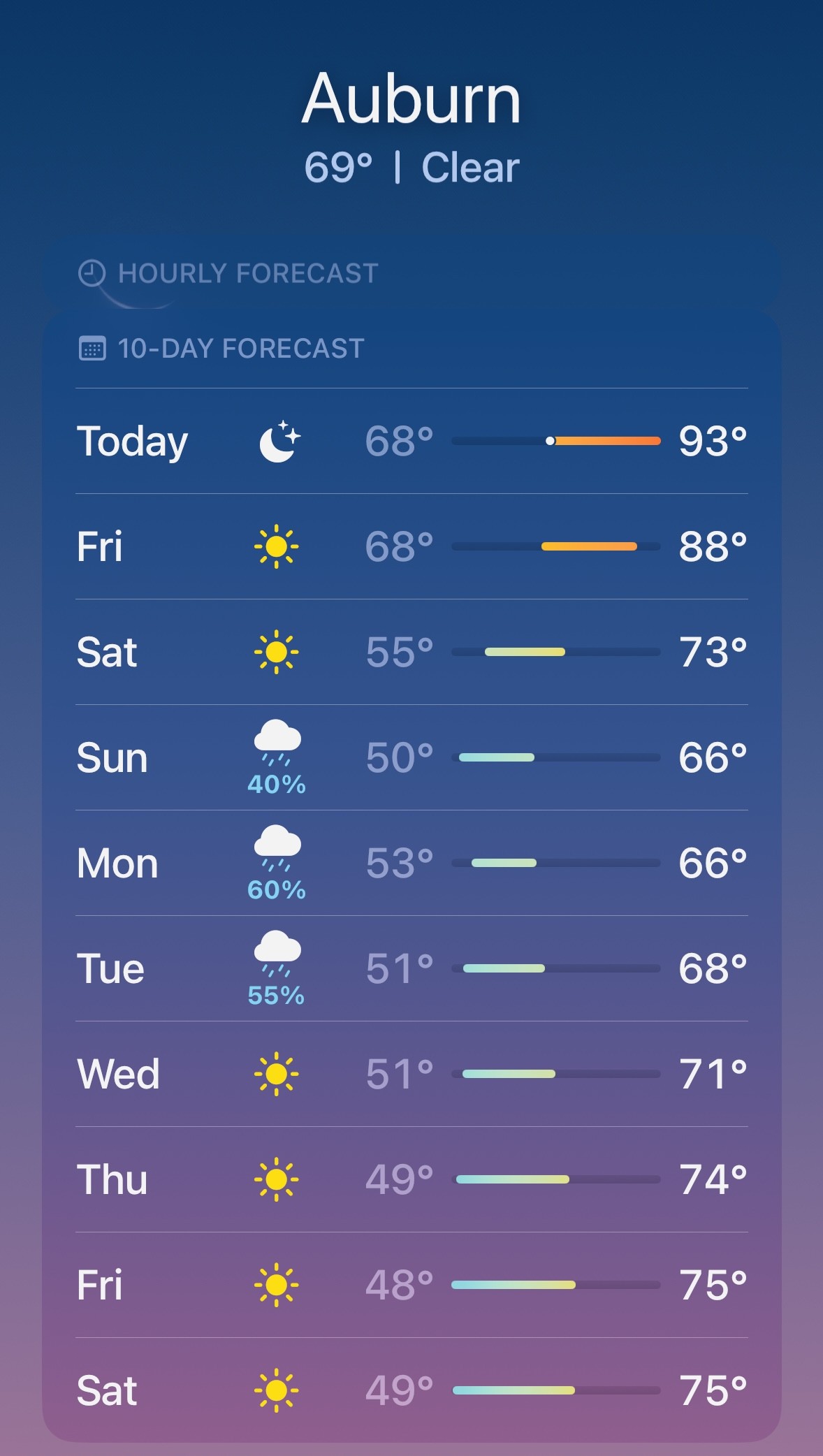
What NOAA is actually saying: NOAA's Climate Prediction Center currently has an El Niño Advisory in effect, with forecasters expecting a strong event through the 2026–27 winter, and CPC's seasonal outlook shows elevated odds — above 50% in places — of above-normal precipitation across a good part of California this winter. Strong El Niño events can influence winter weather patterns across California, but they don't guarantee a wetter winter in Placer County or Northern California specifically. A seasonal outlook shifts the odds over a three-month window; it isn't a forecast of any one storm, and NOAA is explicit that outcomes still vary season to season.
What we can reasonably infer: if Placer County and Northern California do see a wetter, more active winter this year, it's reasonable to expect the seasonal shift in rat and mouse movement toward structures to be more noticeable than in a drier year — prolonged wet conditions can disrupt outdoor travel and harborage and make dry, protected areas around a home more appealing by comparison. That's an inference based on established behavior, not a prediction that El Niño will cause a rat or mouse outbreak in Placer County. We'll be watching how the season actually unfolds rather than assuming a particular outcome, and we'd encourage homeowners to do the same.
Suburban vs. Foothill and Country Pressure in Placer County
One thing that stands out to us across the different types of properties we service in Placer County is how differently rat and mouse pressure shows up depending on where a property sits. It's rarely just about how clean or well-maintained a property is — the surrounding environment plays a big role.
In Lincoln's suburban neighborhoods, pressure often comes from the surrounding landscape more than the individual lot. Greenbelts, drainage corridors, protected or open space, established landscaping, and neighboring properties can all support rat and mouse populations that persist even when a homeowner keeps their own yard clean and clutter-free. Newer development in and around Lincoln hasn't eliminated this — in some cases, the mix of established landscaping next to open corridors keeps steady pressure on nearby homes, garages, and sheds. We provide pest control in Lincoln and see this pattern regularly.
Auburn and the surrounding foothill areas bring a different set of conditions — wooded lots, mature oak trees, larger parcels, sheds, and other outbuildings. Roof rats in particular are strong climbers, and foothill properties with mature trees and rooflines close to the tree canopy give them plenty of climbing opportunities toward attics and eaves. We handle pest control in Auburn and run into this foothill pattern often.
Loomis and the surrounding country and equestrian properties often add livestock and feed into the picture — barns, horses, chicken areas, livestock and pet feed, hay storage, tack rooms, and multiple outbuildings. Feed and water sources for animals can support rat and mouse populations at a scale that's hard to fully eliminate, even with excellent property management. That's not a reflection of how a property is run — it's simply what that kind of land and use naturally supports. Our pest control in Loomis work reflects this regularly.
To be clear, we're not saying every property in these communities has these exact conditions — plenty don't. These are examples of the different environments we encounter while servicing Placer County, not a description of any specific property.
Common Harborage Areas We're Finding
Across the suburban and country properties we service throughout Placer County, the harborage spots we run into most often include:
- Attics and roof voids
- Crawlspaces and sub-area vents
- Wall voids
- Garages, especially those with stored boxes or infrequently used items
- Cabinets and low kitchen voids
- Sheds and outbuildings
- Barns, tack rooms, and feed rooms
- Stored building materials and firewood or wood piles
- Dense, low landscaping and vegetation against the structure
- Feed storage areas for livestock, poultry, or pets
None of these automatically mean a property has a problem. But they're the areas we check first, because they consistently show the most activity when a property does have pressure.
How Rats and Mice Actually Get Into a Structure
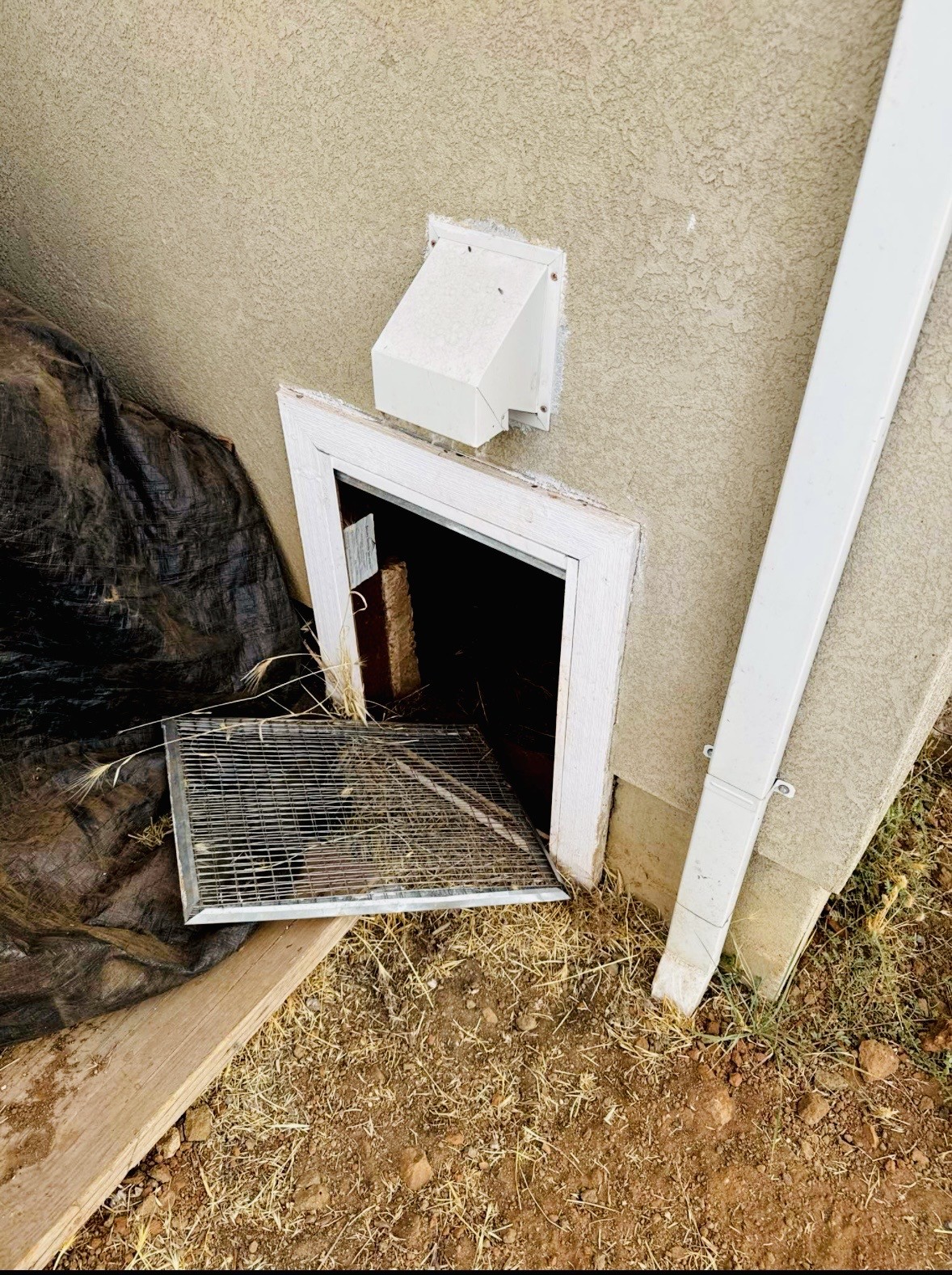
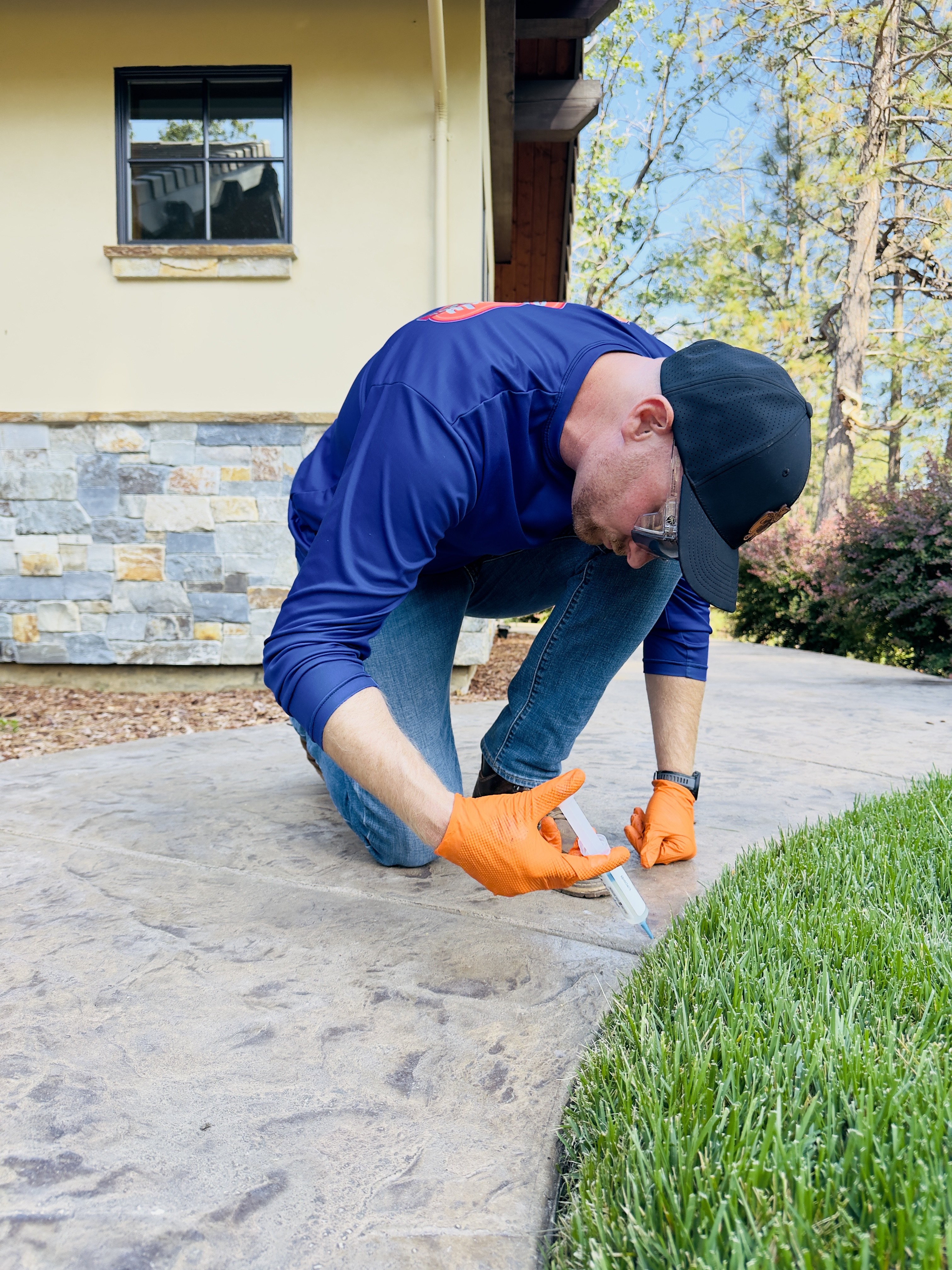
We get asked fairly often whether the fix is just to "seal everything up," and it's a fair question — but it oversimplifies things. Mice can enter through surprisingly small openings, and rats can exploit gaps that homeowners may not initially recognize as significant. Given that, treating exclusion as a matter of caulking every visible crack isn't realistic, and it isn't really the goal.
What matters more is understanding how a given property's rats or mice are actually using the structure — which gap they're favoring, which route gets them from harborage to a food source, and where that route crosses the building. The access points we see most often include:
- Damaged or missing crawlspace screens and vent covers
- Gaps around foundation vents and other sub-area openings
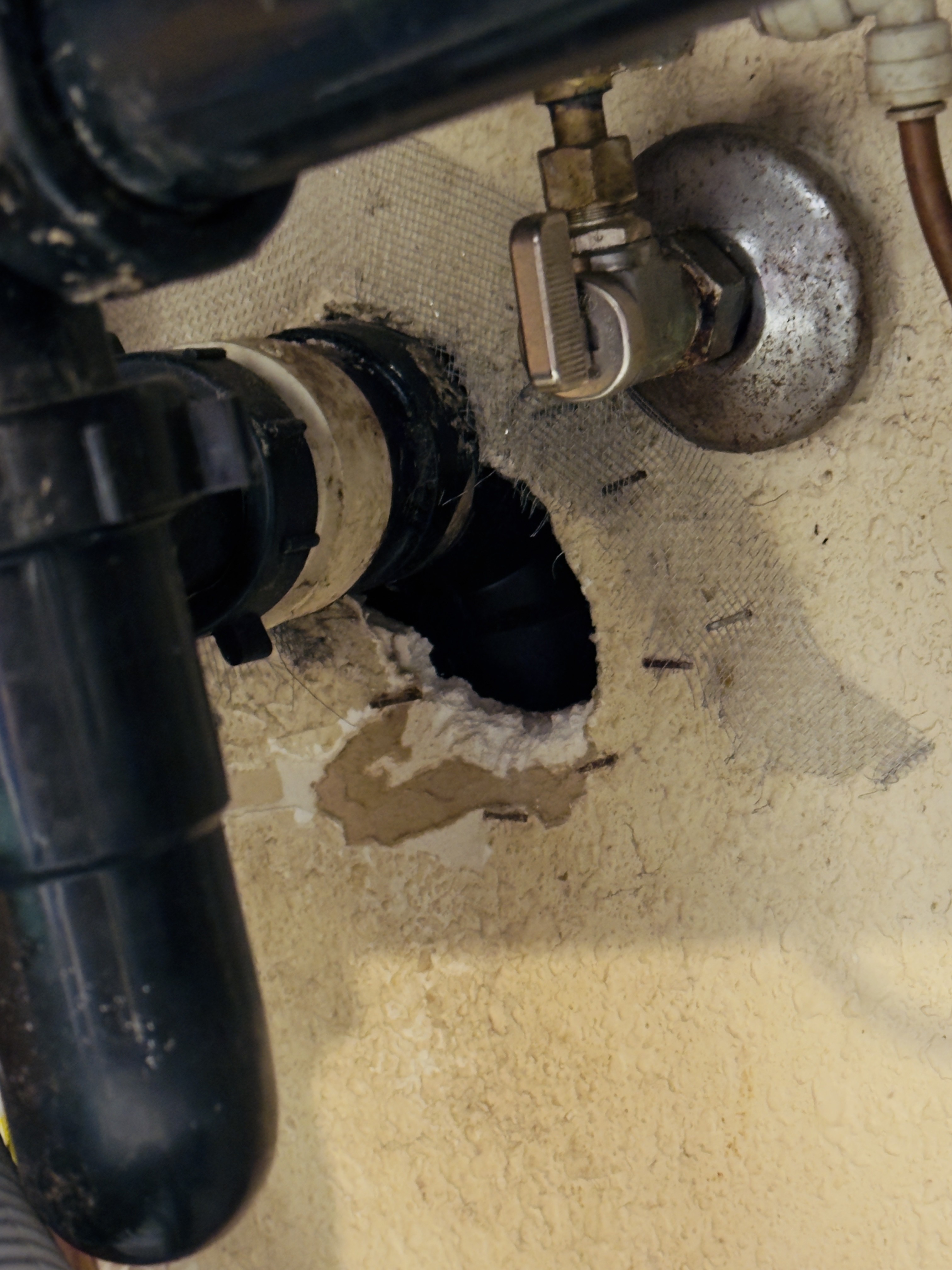
- Utility penetrations — where pipes, wires, or lines pass through a wall
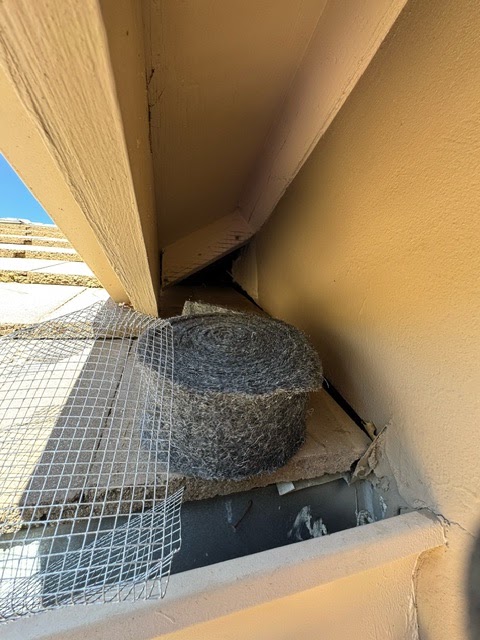
- Gaps along the roofline and eaves
- Garage door corners and worn weatherstripping
- Construction gaps left from additions, siding, or trim work
- Damaged or corroded vents
A property might have several of these present and only one of them actually in use. That's the difference between guessing and inspecting — and it's a big part of why we start with a look at the property rather than jumping straight to equipment.
Exterior Bait Stations: What They Do and Why Placement Matters
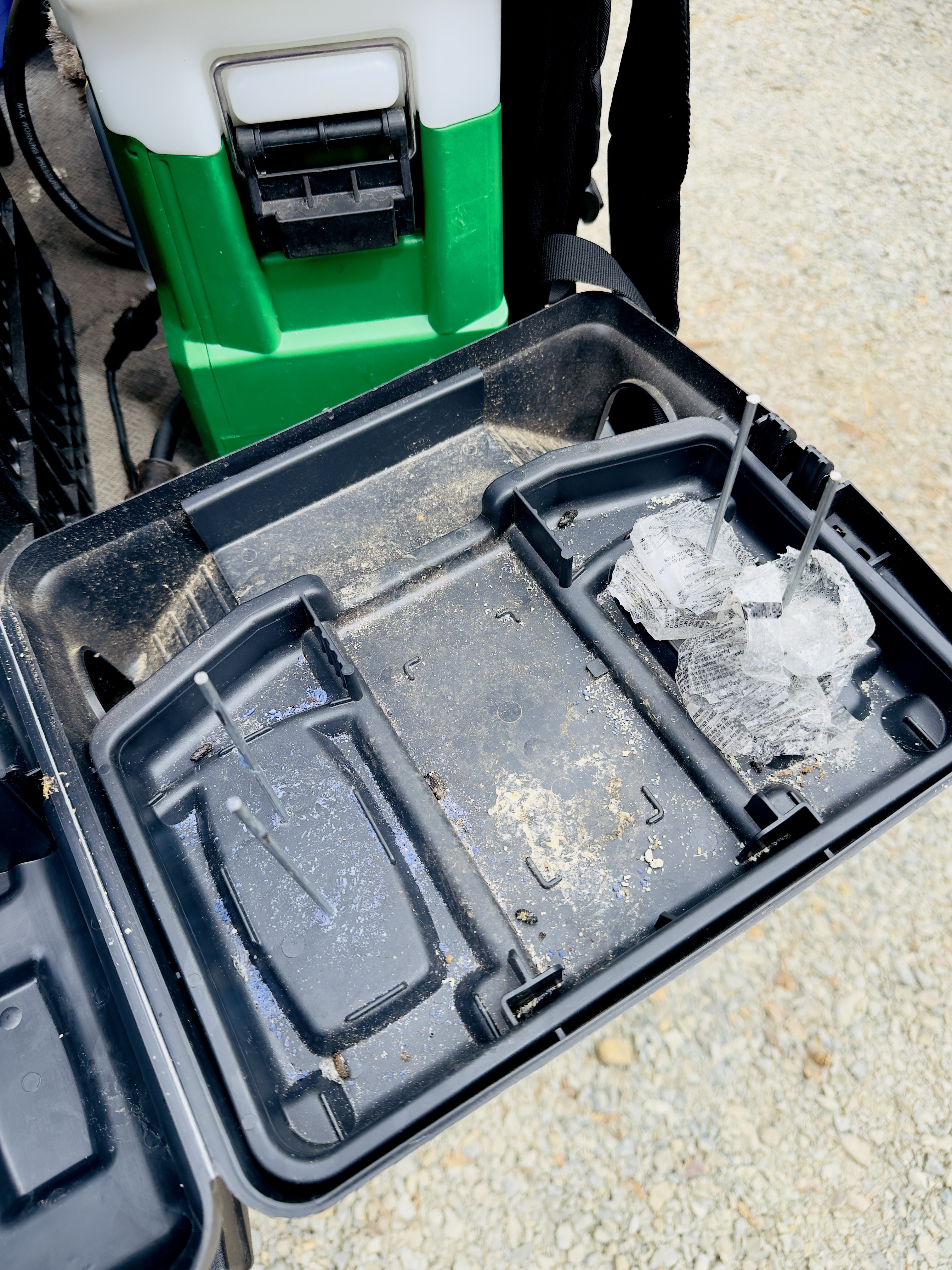
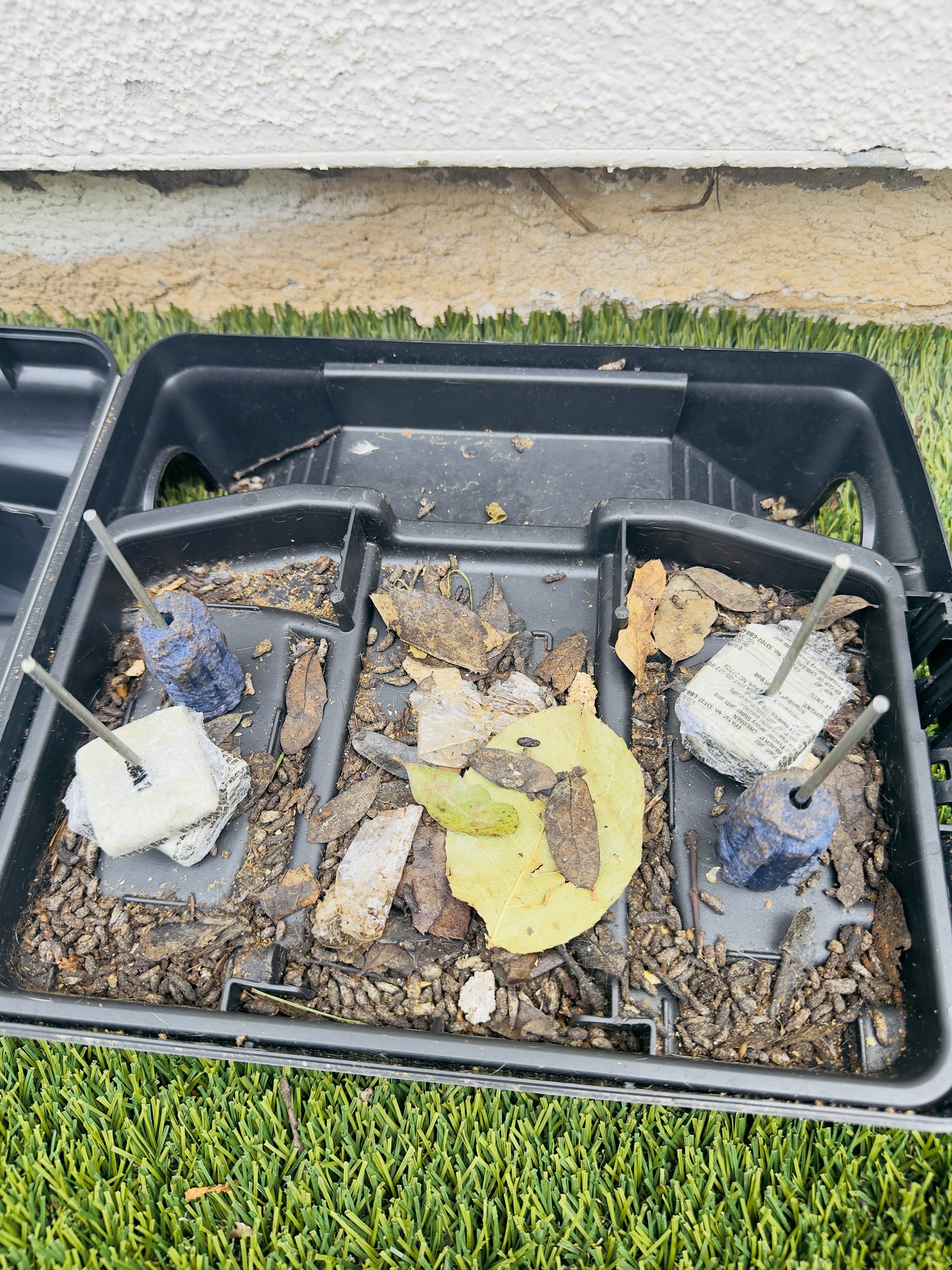
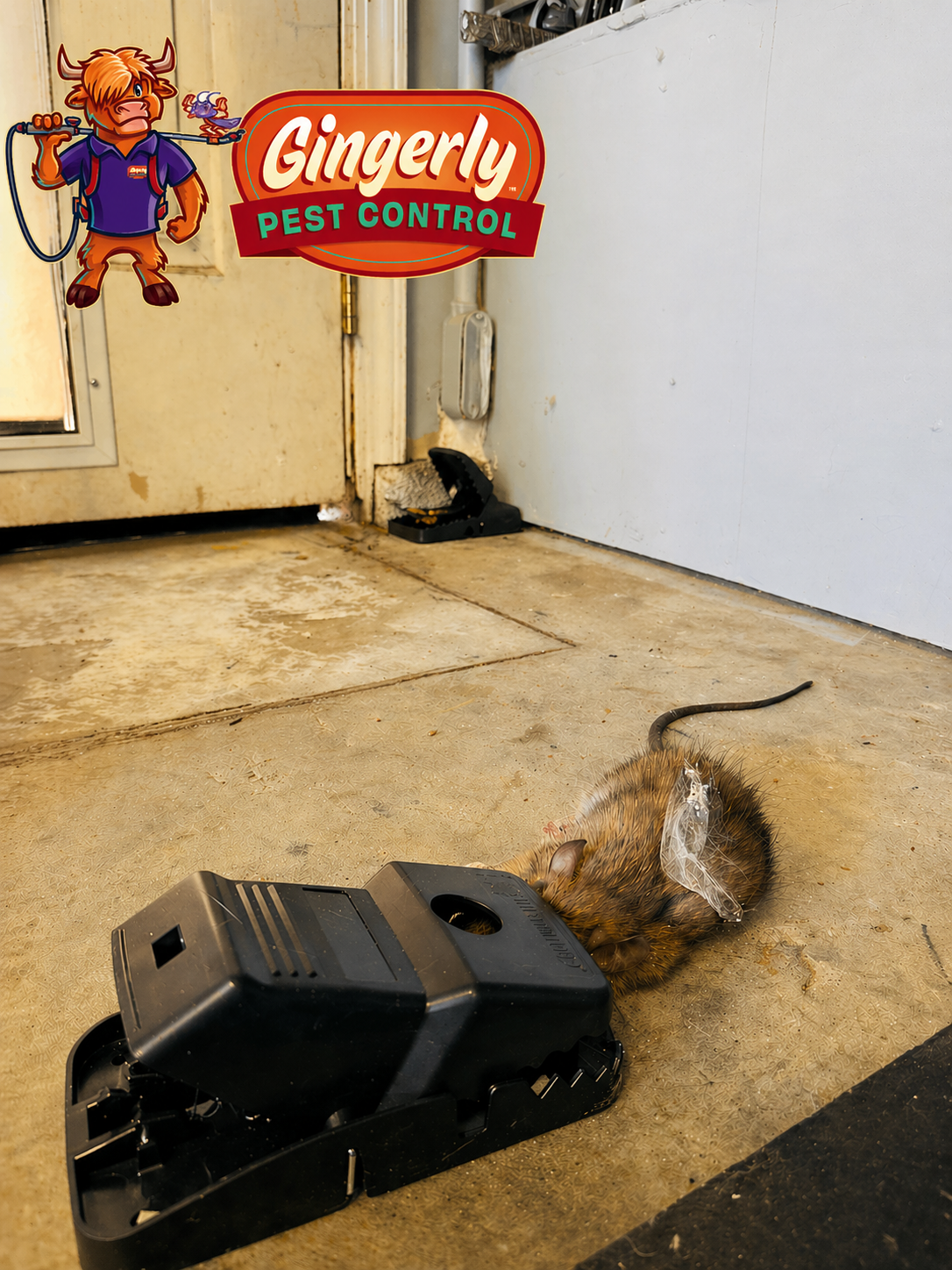
Exterior bait stations are a regular part of how we manage rat and mouse pressure, and they do a few specific things well. Properly placed stations can help reduce pressure around a structure over time, and just as importantly, they give us an ongoing monitoring point. When we check a station and see feeding activity, we're not just refilling it — we're learning something about where pressure is concentrated on that property, and we can adjust placement based on what we're seeing.
That monitoring piece is especially useful on properties where the surrounding habitat — a greenbelt, a wooded lot, a barn and feed area — means rats or mice are likely to be present in the environment more or less continuously. On those properties, bait stations aren't a one-time fix; they're a way to keep tabs on activity levels over the course of a service relationship, so we can tell whether pressure is holding steady, increasing, or easing off.
Placement is the part that actually determines whether a station is useful. A station sitting somewhere because it's convenient to access isn't the same thing as a station placed along an established travel path, near confirmed harborage, or at a point we've identified through inspection as an active route. We place stations based on what we find — droppings, gnaw marks, rub marks, tracks, or direct signs of travel — not on a generic perimeter pattern.
All of our exterior stations are tamper-resistant, locked units. We select, place, secure, and service them according to applicable product-label requirements — both a safety standard and a practical one, since a station that's been disturbed by weather, wildlife, or anything else isn't giving us reliable information.
Bait Stations Aren't a Substitute for an Inspection
This is worth saying plainly, because it's central to how we approach this service: a bait station can't repair an open crawlspace vent. It can't fix spilled chicken feed sitting in a coop. It can't seal an attic entry point, and it can't correct a gap under a garage door.
Bait stations manage pressure around a structure. They don't address why that pressure exists in the first place. Before we rely on bait stations as part of an ongoing plan, we want to understand where the activity is coming from, what's likely attracting rats or mice to the property, where they're traveling, and whether they're actually getting inside — not just present in the yard. From there, we can figure out what combination of monitoring, trapping, exclusion work, and exterior baiting actually makes sense for that specific property.
Our approach to rat and mouse control goes into more detail on how we structure that process from the initial inspection forward. The short version is that we'd rather build a plan around what's actually happening at a property than put out equipment and hope it's enough.
What to Look For Before Fall and Winter Arrive
You don't need to wait for an obvious problem to take a look around. A few things worth checking now, while the weather's still cooperative — especially here in Placer County, where properties range from tight suburban lots to acreage with multiple outbuildings:
- Droppings in garages, attics, crawlspace access areas, or along baseboards in storage areas
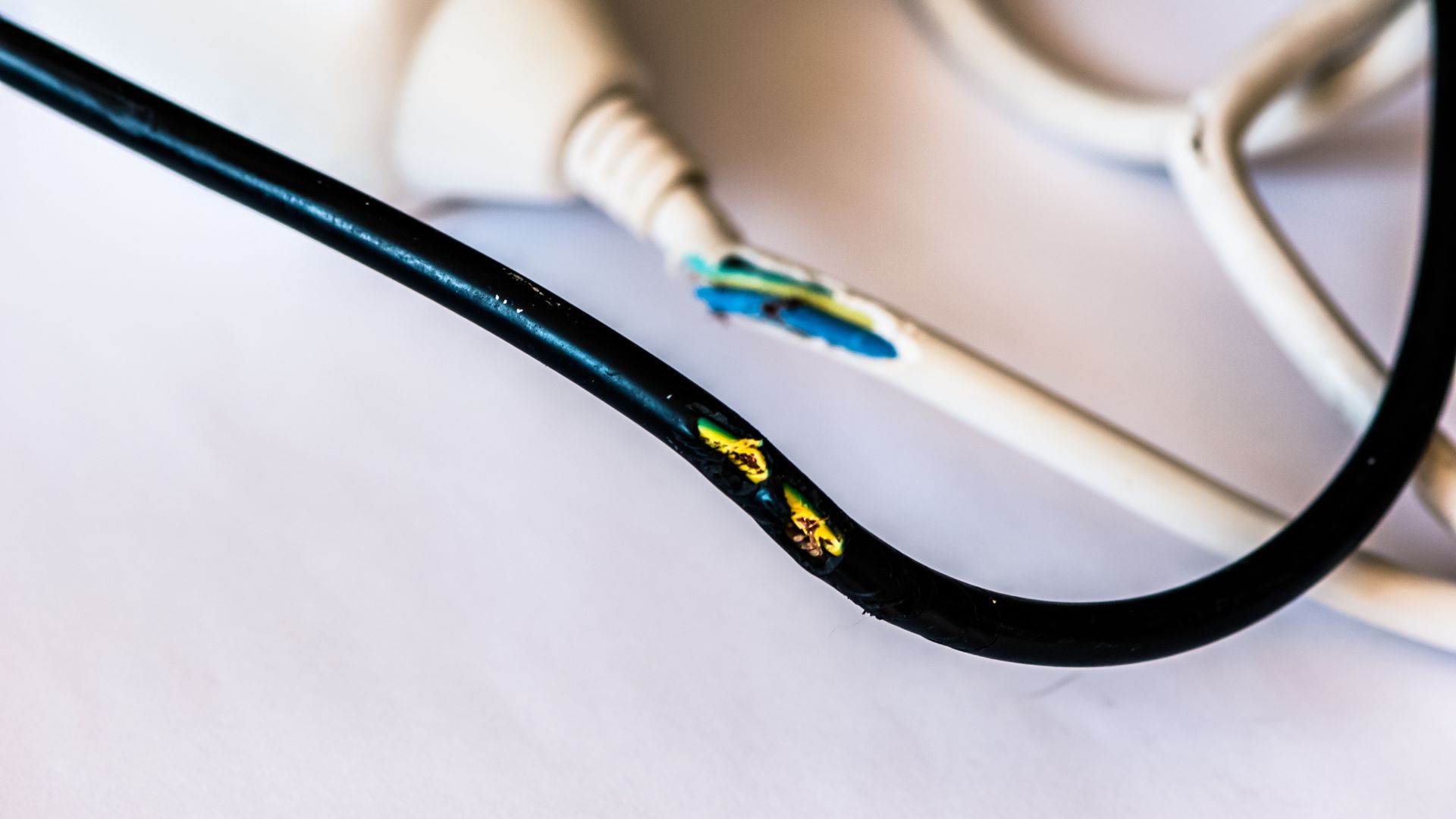
- Gnaw marks on stored boxes, wiring, wood trim, or feed bags
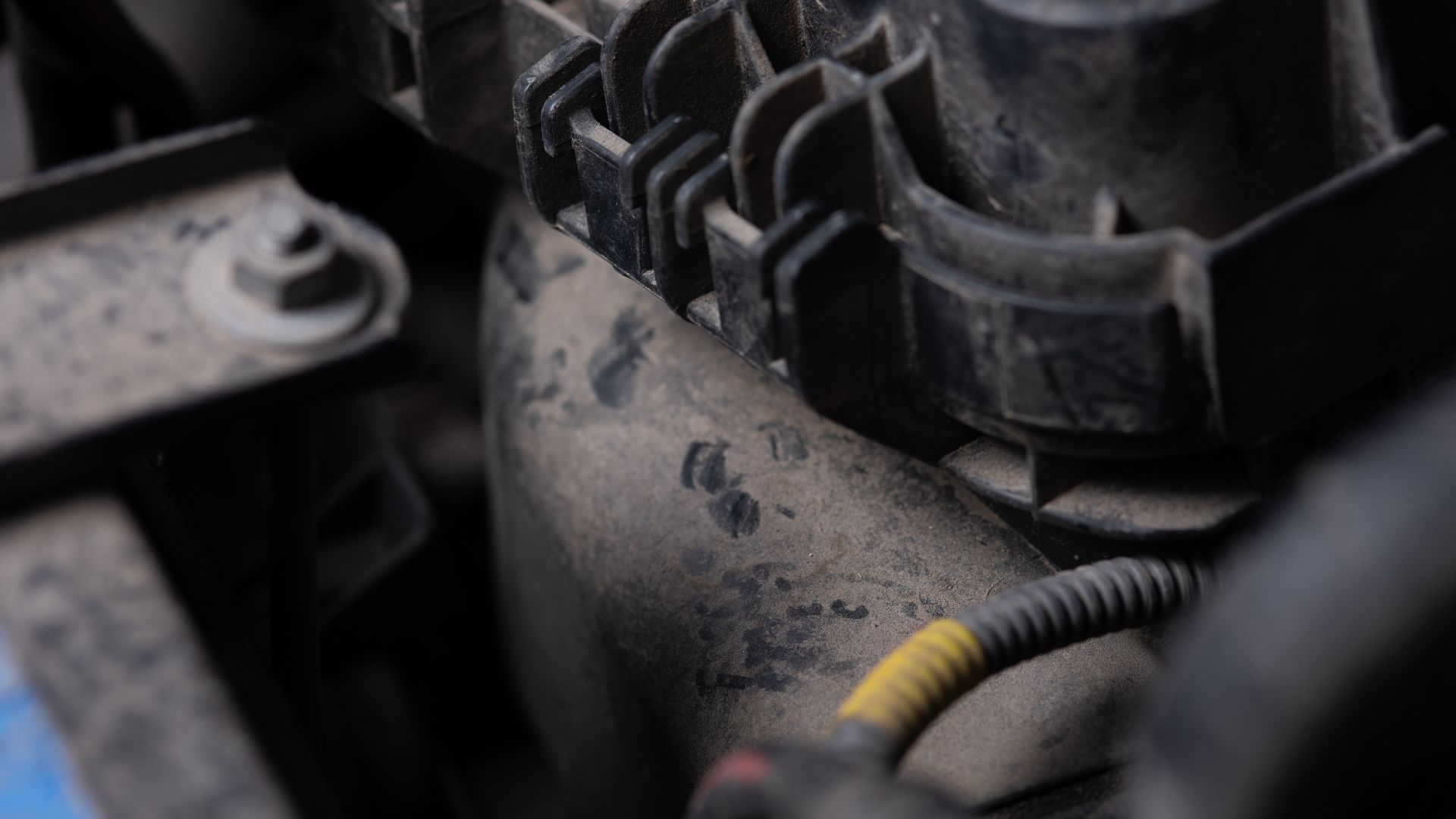
- Rub marks or smudges along walls or beams where rats travel repeatedly
- Sounds in a wall, ceiling, or attic space, especially at night
- Damaged or open crawlspace screens and vents
- Gaps around utility lines where they enter the house
- Spilled or improperly stored pet food, birdseed, or livestock feed
- Dense vegetation or wood piles sitting directly against the structure
Finding one of these doesn't necessarily mean you have an active infestation — but it's a good reason to have a closer look before fall and winter conditions fully arrive.
Frequently Asked Questions
Do rats and mice become more active when it rains?
Not exactly more active — more likely to shift toward shelter. Prolonged wet weather can disrupt rats' and mice's normal travel routes and harborage, and tends to make dry, protected areas around a structure more appealing by comparison.
Why do rats come into homes during fall and winter?
Usually because outdoor conditions become less favorable, not because rats suddenly appear. Cooling temperatures and changing outdoor conditions make an insulated structure more attractive to populations that were already present nearby — a pattern we see consistently here in Placer County as the weather turns.
Do bait stations actually work for rats?
Properly placed and monitored exterior bait stations can help reduce pressure around a structure and give real insight into where activity is concentrated. They work best as part of a broader plan that includes inspection and, where needed, exclusion and trapping — not as a standalone fix.
Why do I have rats even though my property is clean?
A clean property helps, but it doesn't control what's happening on neighboring lots, in a greenbelt, along a drainage corridor, or on nearby agricultural or equestrian land. Rat and mouse pressure is often driven as much by the surrounding environment as by an individual property's condition.
Can rats get into a crawlspace?
Yes. Crawlspace vents and screens are common access points, especially when they're damaged, warped, or missing. Roof rats are also capable climbers and can access a structure well above ground level, not just through the foundation.
Are bait stations enough to solve a rat problem?
On their own, usually not. Bait stations manage pressure around a structure, but they don't fix the conditions causing that pressure — an open vent, a feed source, or an active entry point. We treat bait stations as one part of a plan that starts with an inspection.
When should I have my property inspected for rats or mice?
Anytime you notice droppings, gnaw marks, sounds in a wall or attic, or feeding activity around the property. Heading into fall is also a reasonable time for a look here in Placer County, even without obvious signs, given how activity tends to shift this time of year.
If You're Noticing Activity
If you're seeing droppings, hearing activity in a wall or attic, noticing feeding around your property, or you'd just like to understand where rat or mouse pressure might be coming from, we provide rat and mouse inspections and control across Placer County — including Auburn, Lincoln, Loomis, and the surrounding communities. Our goal is to understand what's actually happening around a property and build the service around that, rather than putting out equipment and hoping for the best.



.jpeg)










.jpeg)