
How Does a Pest Control Company Handle Rats and Mice in Placer County?

The first sign is rarely a sighting. It's a scratching sound in the attic around dusk, a few dark droppings along the edge of the garage, or a bag of dog food that's been chewed into overnight. By the time most Placer County homeowners call us about rats or mice, they've usually noticed one or two of these signs and are trying to figure out how big the problem actually is — and what it's going to take to deal with it.
That question — how does a pest control company actually handle rats and mice — comes up a lot, and the honest answer is that it's rarely one single treatment. It's a process: inspect first, figure out what's actually happening on that specific property, and then combine a few different methods based on what we find. Here's what that process looks like in practice, and how it plays out a little differently on a tight suburban lot versus a wooded foothill property.
It Starts With an Inspection, Not a Treatment
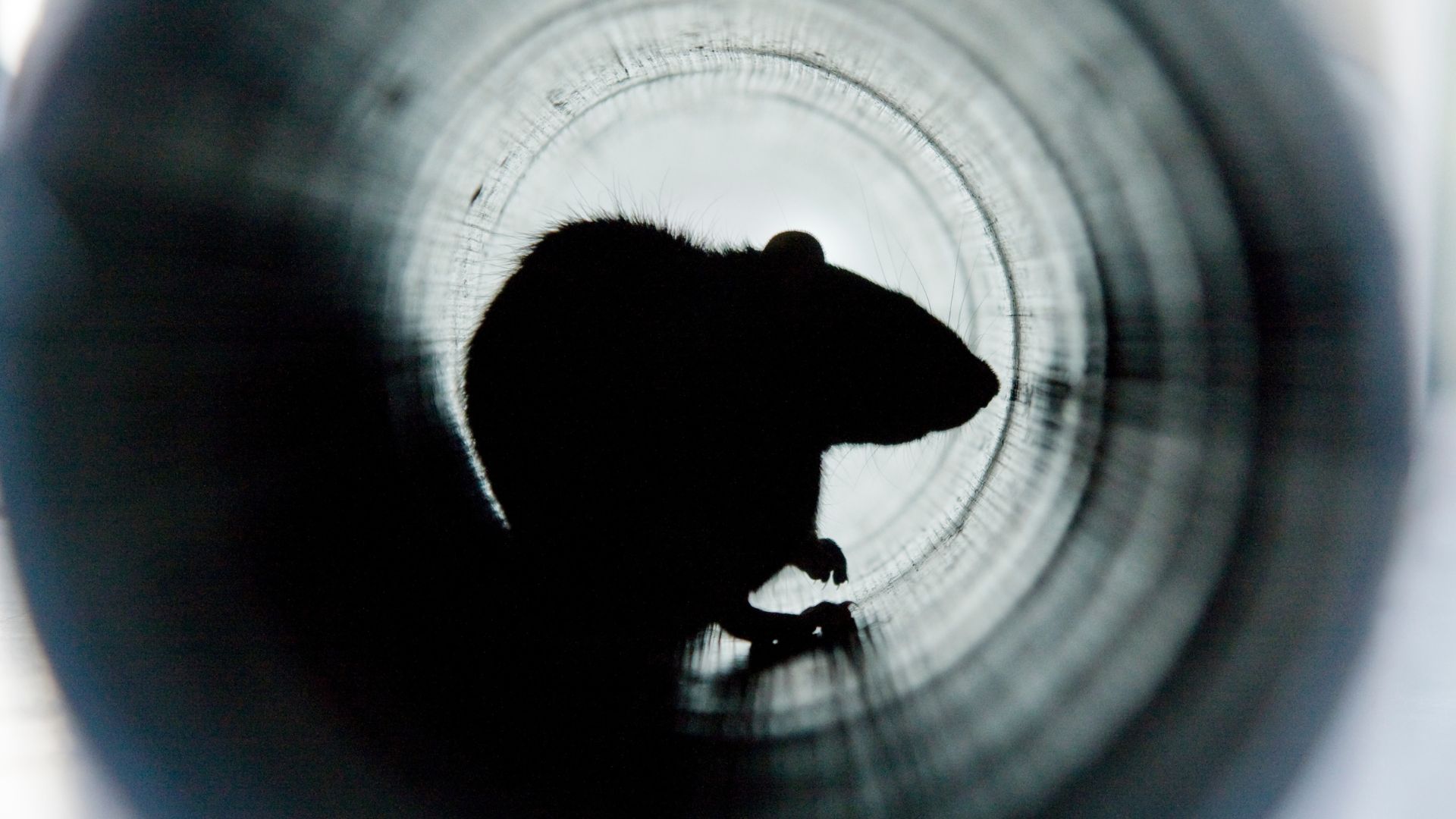
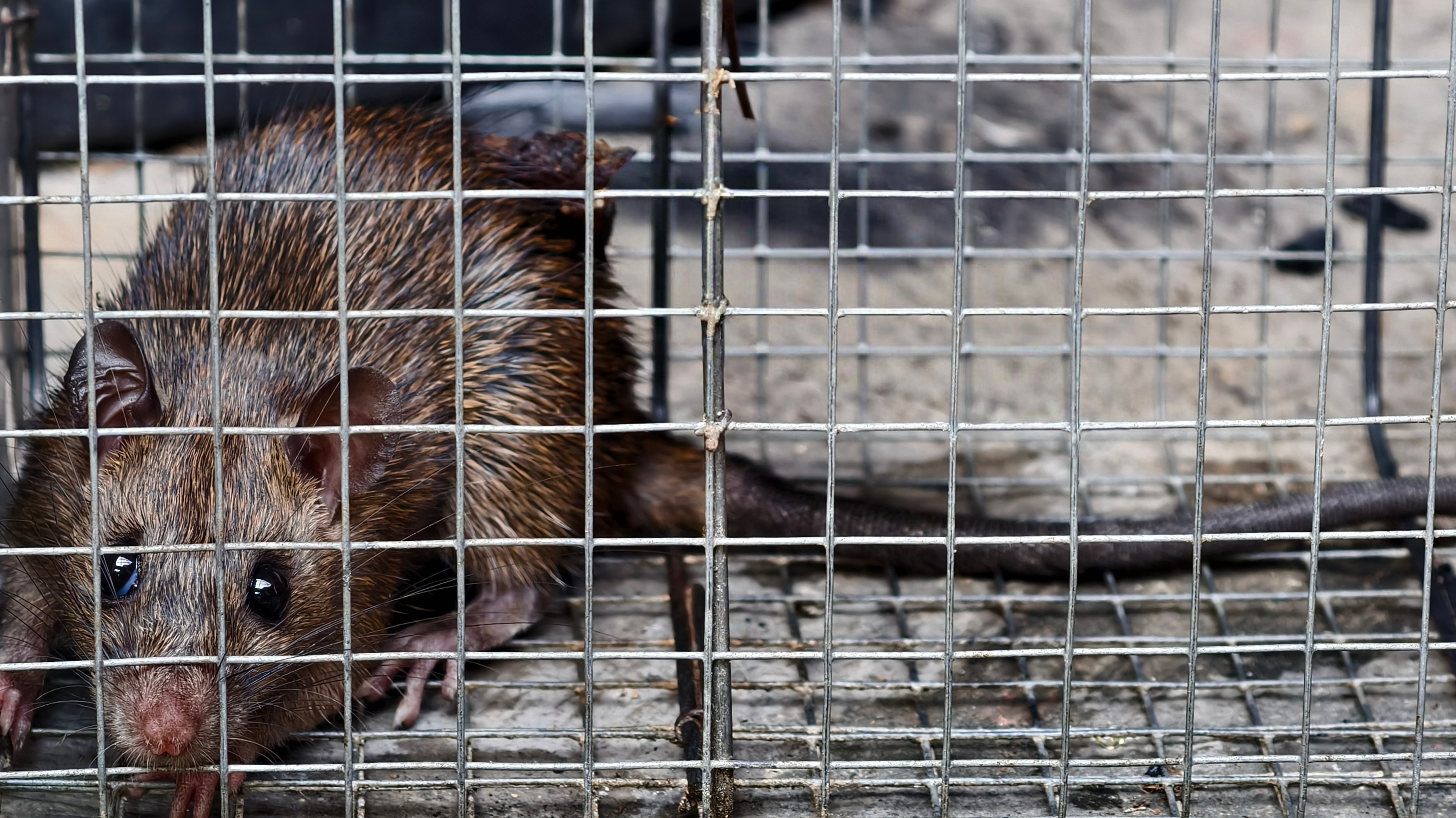
We don't set traps or place bait before we've looked at the property first. A full inspection is where we figure out whether we're dealing with mice, roof rats, or Norway rats, because the three behave differently enough that it changes the plan. Roof rats are the better climbers and tend to nest higher up, in attics, palm trees, or dense vegetation. Norway rats are the stockier burrowers, more likely to be working along a foundation, woodpile, or under a shed. Mice fit through gaps only about a quarter-inch tall and can turn up almost anywhere there's food, water, and cover.
During the inspection, we're walking the exterior and interior looking for the same things: droppings, gnaw marks, greasy smudge marks where fur has repeatedly rubbed against a surface, and the access points that are letting activity in. Rats and mice both tend to travel along walls and edges rather than crossing open floor space, which is exactly why a lot of the physical evidence shows up in the same low, tucked-away spots along baseboards, in corners, and against foundations.
Reading the Signs Correctly
Not every sign of rats or mice means the same thing. Fresh droppings that are still soft and dark point to current activity; old, dried-out droppings suggest activity that's slowed down or moved elsewhere. Gnaw marks on wood or the corner of a stored box tell us rodents have been working on an entry point or a food source, since their front teeth grow continuously and gnawing is partly how they keep them worn down. Grease marks along a wall or rafter usually mark a runway that's been used repeatedly, which is often the best place to set a trap.
We also listen to what the homeowner has already noticed, whether that's scratching in a specific part of the attic, a pet suddenly fixated on one cabinet, or noise that's louder at night. None of that replaces a physical inspection, but it usually points us toward where to look first.
Why We Combine Methods Instead of Picking One
A common question is why we don't just put down bait and call it done. The short answer is that bait alone doesn't fix the reason rats or mice got in, and it doesn't do anything about the ones that are bait-shy or simply never find the station. Sealing entry points without also reducing the population that's already inside can leave rodents trapped indoors working their way back out, or chewing a new hole. Trapping without exclusion just means new rats or mice can move into the same opening later.
In practice, that's why our approach on an active rat or mouse job usually combines three things: closing off how they're getting in, removing the rodents that are already inside or immediately around the structure, and then watching the property afterward to see whether activity actually stopped or just moved.
Exclusion: Closing the Entry Points We Find
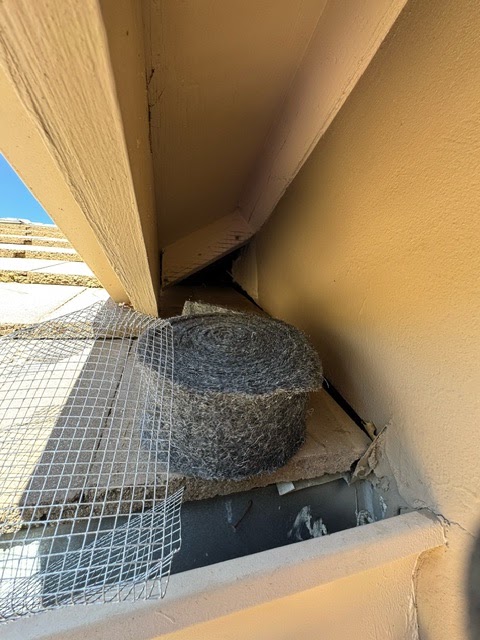
Exclusion is the part of the job that actually stops rats and mice from getting back in, and it only works if the materials used can't just be chewed through again. Mice can squeeze through gaps around a quarter-inch tall, and rats through gaps around half an inch — openings that are easy to overlook around utility penetrations, vents, garage door corners, and roof lines. Soft materials like caulk or spray foam on their own don't hold up well against a determined rat or mouse; they're built to gnaw through wood, soft plastic, and rubber without much trouble.
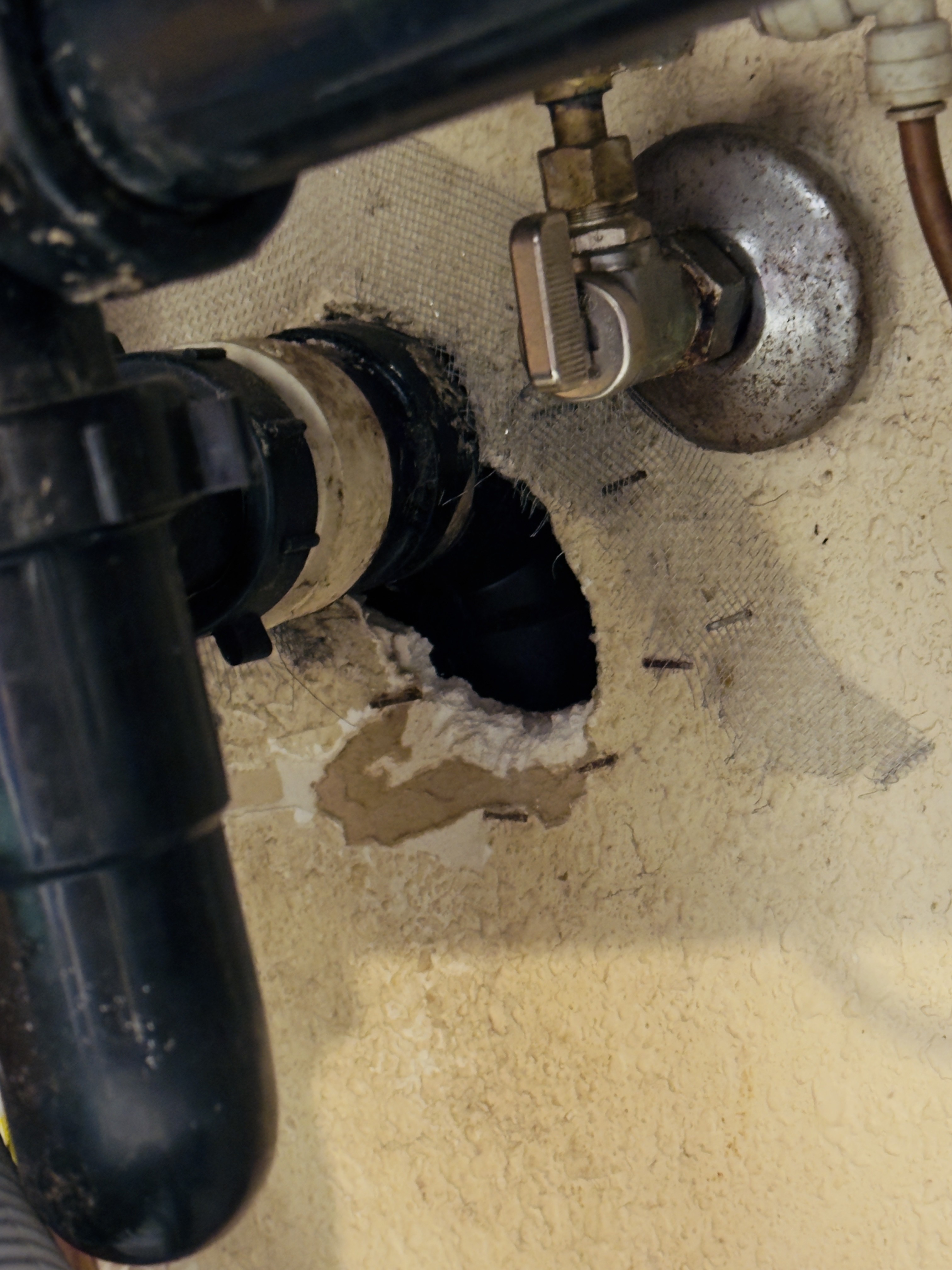
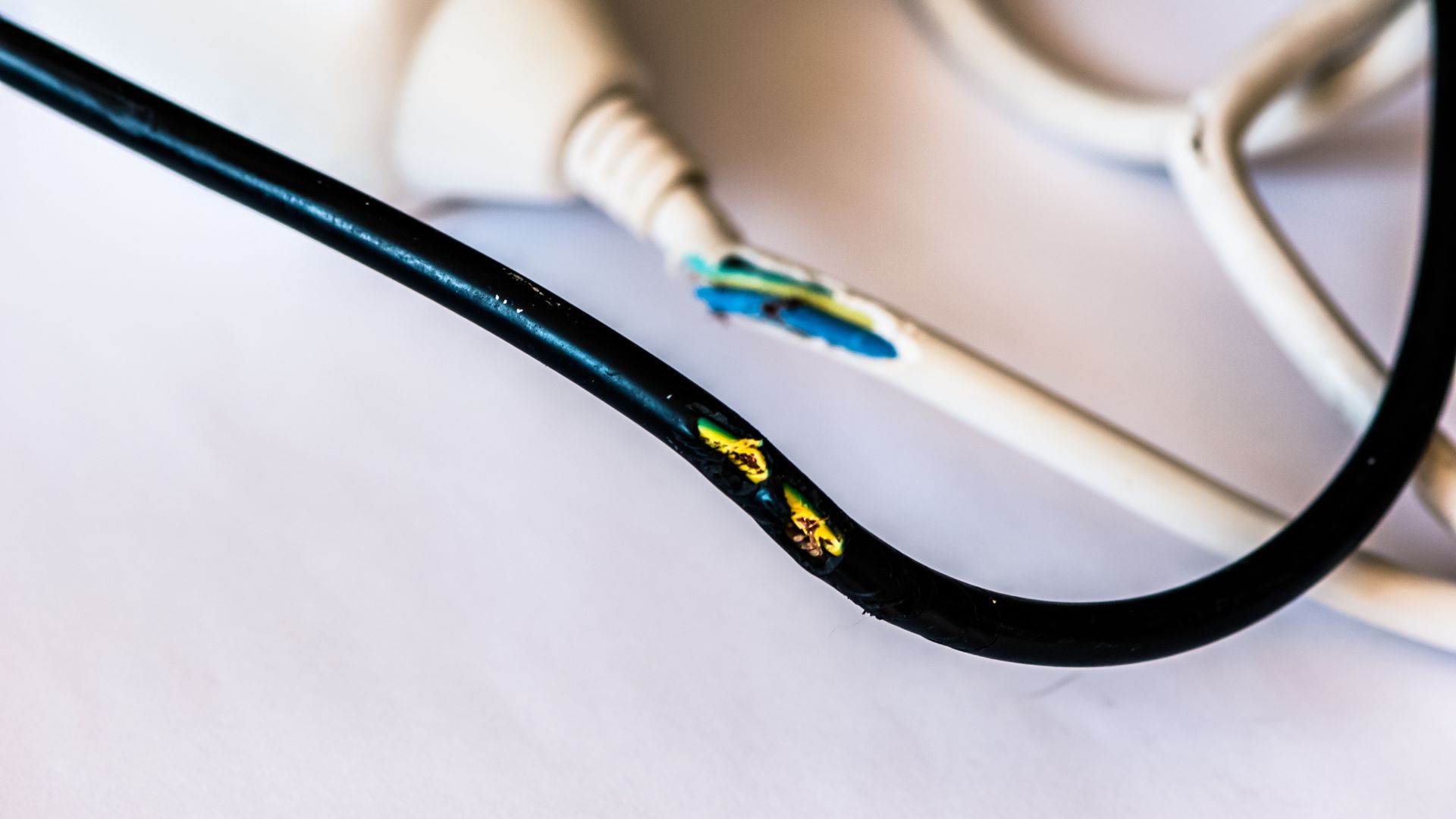
That's also part of why openings around plumbing and wiring penetrations tend to be repeat entry points. The utility line itself often runs through the same gap a rodent first used to get in, and the soft insulation packed around it doesn't hold up any better than the wall material next to it. What does hold up is heavier-gauge sheet metal, hardware cloth, and copper or stainless steel mesh packed tightly into the gap, materials that are hard enough that gnawing through them isn't practical for a rodent. Exclusion work means finding every one of those openings, not just the obvious one, and sealing them with something durable enough to actually last.
Strategic Trapping, Not Random Trapping
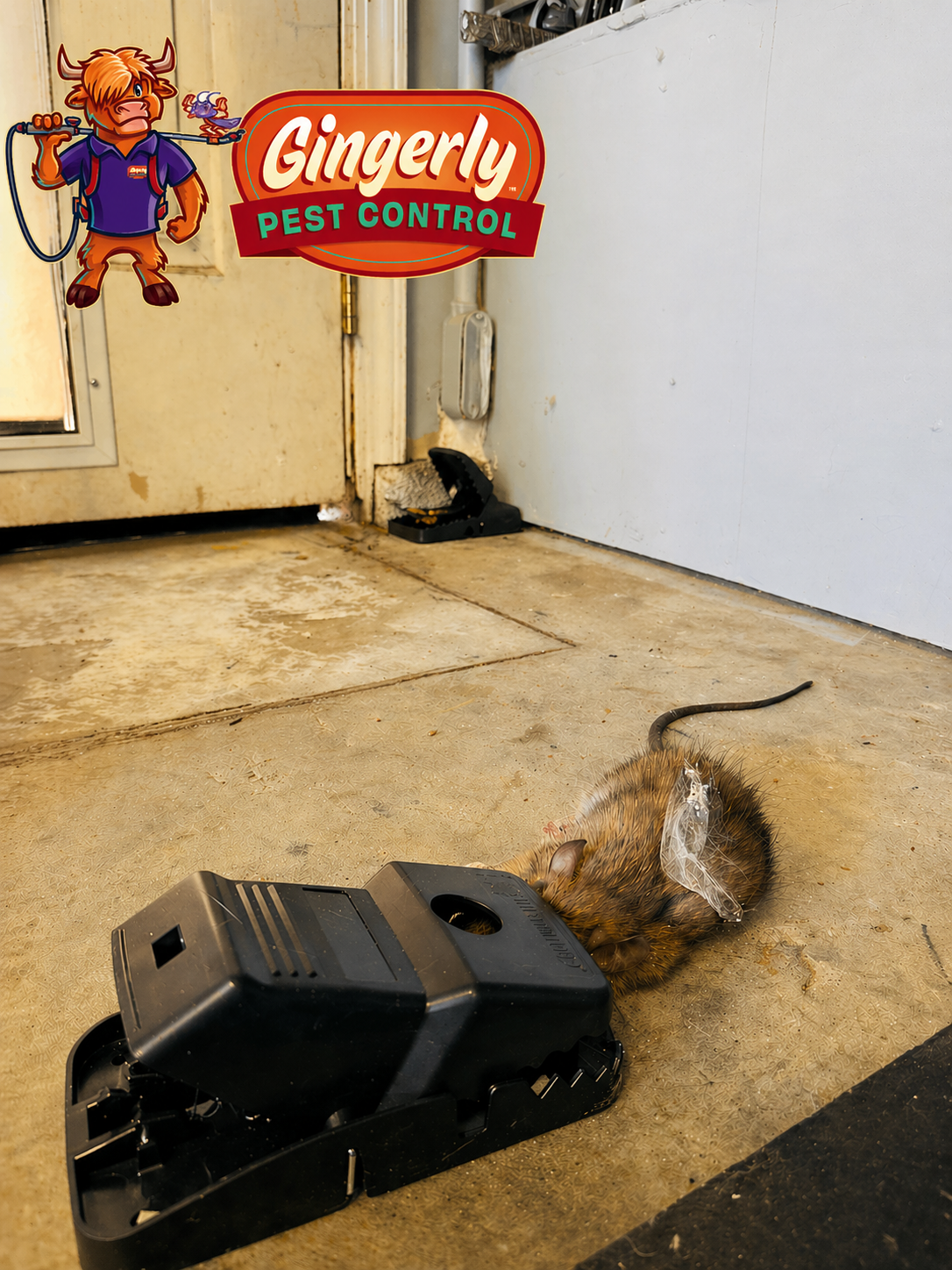
Traps placed in the middle of a garage floor or a random attic corner usually just sit there empty. Because rats and mice travel along edges and walls, trapping works best when it's placed directly on those runways: tight against a wall, along a beam, or right where droppings or grease marks show consistent traffic. Snap traps, placed and checked correctly, are one of the more reliable tools we have, and they let us confirm what's actually being caught rather than guessing.
Placement is informed directly by what the inspection turned up. A property with rat activity along the attic rafters gets a different trap layout than one with mouse activity concentrated near a kitchen baseboard, and we adjust as we go based on what's actually getting caught, not a one-size-fits-all setup.
Exterior Bait Stations, Used Selectively
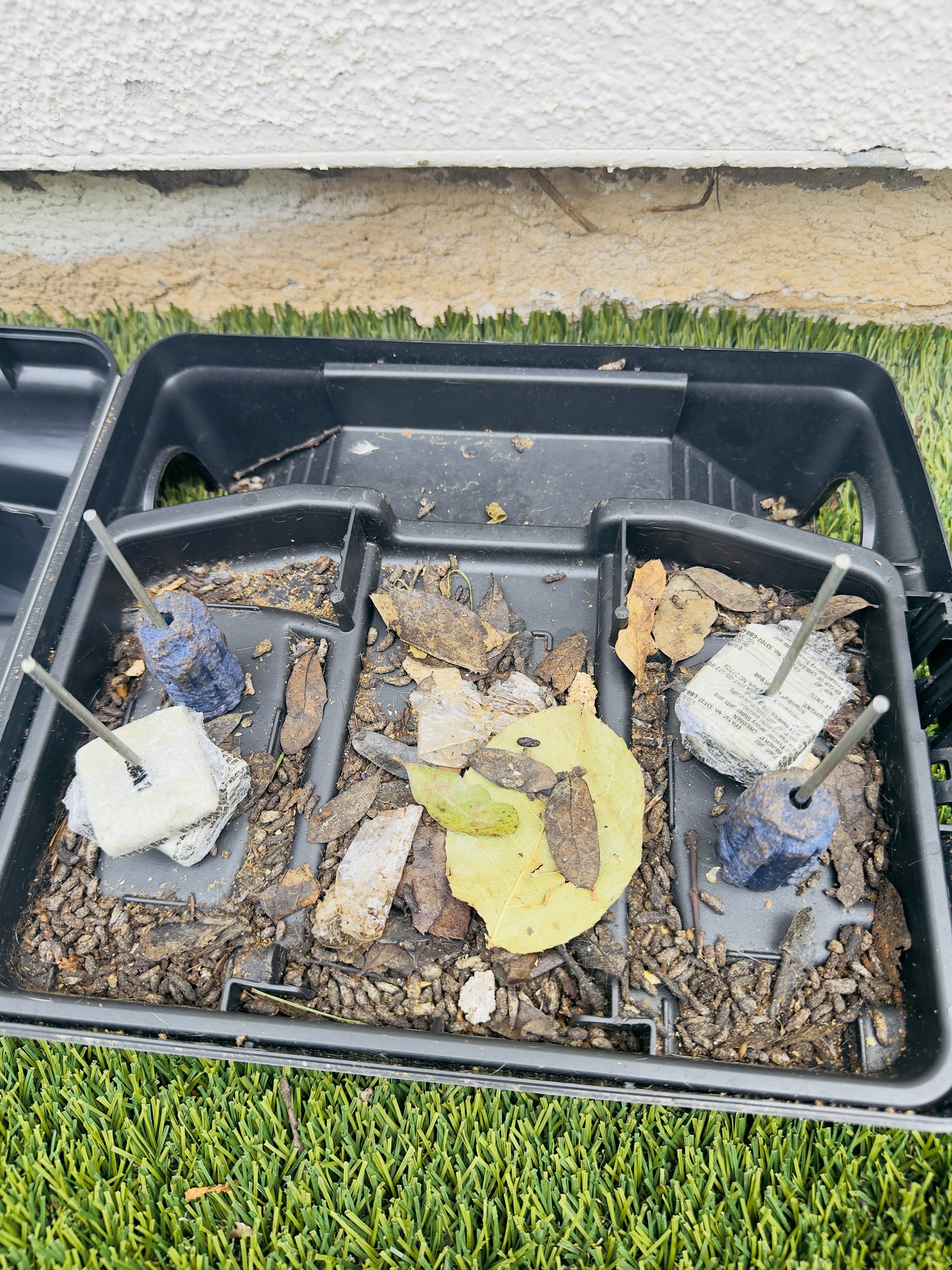
When we do use rodenticide, it's typically in exterior bait stations placed away from the home rather than loose bait indoors. Tamper-resistant stations are built to keep bait accessible to rats and mice while restricting access for children, pets, and non-target wildlife, and EPA guidance is specific about which stations qualify for that and where they can be placed. We don't treat bait stations as a standalone fix. They're one part of the plan, placed based on where activity is actually occurring and checked over time rather than left out indefinitely.
Activity and bait acceptance can also vary quite a bit from property to property. We don't assume one bait formulation or trap setup will work the same way on every job; part of monitoring is checking what's actually being taken or triggered and adjusting from there.
Monitoring and Adjusting, Not Set-and-Forget
The inspection tells us where to start, but it doesn't tell us the whole story. We go back and check traps and bait stations, look for new droppings or gnaw marks, and confirm whether the exclusion work actually held. If activity keeps showing up somewhere we didn't expect, that changes the plan. Maybe there's a second entry point we missed, or the population was larger than the first inspection suggested. This step is usually the difference between a job that actually resolves and one that just quiets down for a few weeks before activity picks back up.
Mistakes We See With DIY Rat and Mouse Control
Most of the DIY attempts we get called in after weren't unreasonable. They just missed a piece of the process. A few patterns come up often:
- Traps or bait set in open areas instead of along the walls and edges rodents actually travel.
- Entry points sealed with caulk or foam alone, which can get re-chewed through within days.
- Bait used indoors in open, non-tamper-resistant containers, which is both a safety concern around kids and pets and not how consumer rodenticide products are labeled to be used.
- Stopping after catching one rat or mouse, without checking whether the entry point that let it in has actually been closed off.
"It's Probably Just One" — Why That's Rarely the Full Picture
One rat or mouse is almost never actually one. House mice can have five to ten litters a year, with roughly five or six pups each, and reach reproductive maturity in a matter of weeks. Rats reproduce more slowly but still average several litters a year. That doesn't mean every sighting adds up to a full-blown infestation, but it's part of why we treat a single mouse dropping or one gnaw mark as a reason to inspect further rather than something to write off.
There's also a health side to this worth taking seriously without overstating it. Rodent droppings, urine, and nesting material can carry pathogens, including hantavirus, which the CDC notes spreads to people mainly through contact with those materials rather than through bites. That's part of why we're careful about how droppings and nesting material get handled during a job, and why we'd rather a homeowner not sweep up a heavy accumulation without taking basic precautions first.
What This Looks Like Across Placer County
The biology of rats and mice doesn't change from one Placer County community to the next, but the properties themselves often do, and that shapes where we look and what kind of pressure a home is under. On tighter suburban lots, the kind we see a lot of around Lincoln, activity tends to concentrate around garages, foundations, and closely spaced structures, with fewer outdoor hiding spots overall. Out on more wooded, foothill acreage, like what we work on around Auburn, Colfax, and Foresthill, there's more cover, more attic and outbuilding access, and often more consistent activity simply because there's more habitat surrounding the structure.
That's why an inspection matters just as much everywhere in the county. The process is the same, but what it turns up on a half-acre suburban lot and a heavily wooded foothill property can look pretty different.
Bringing It Back to the Original Question
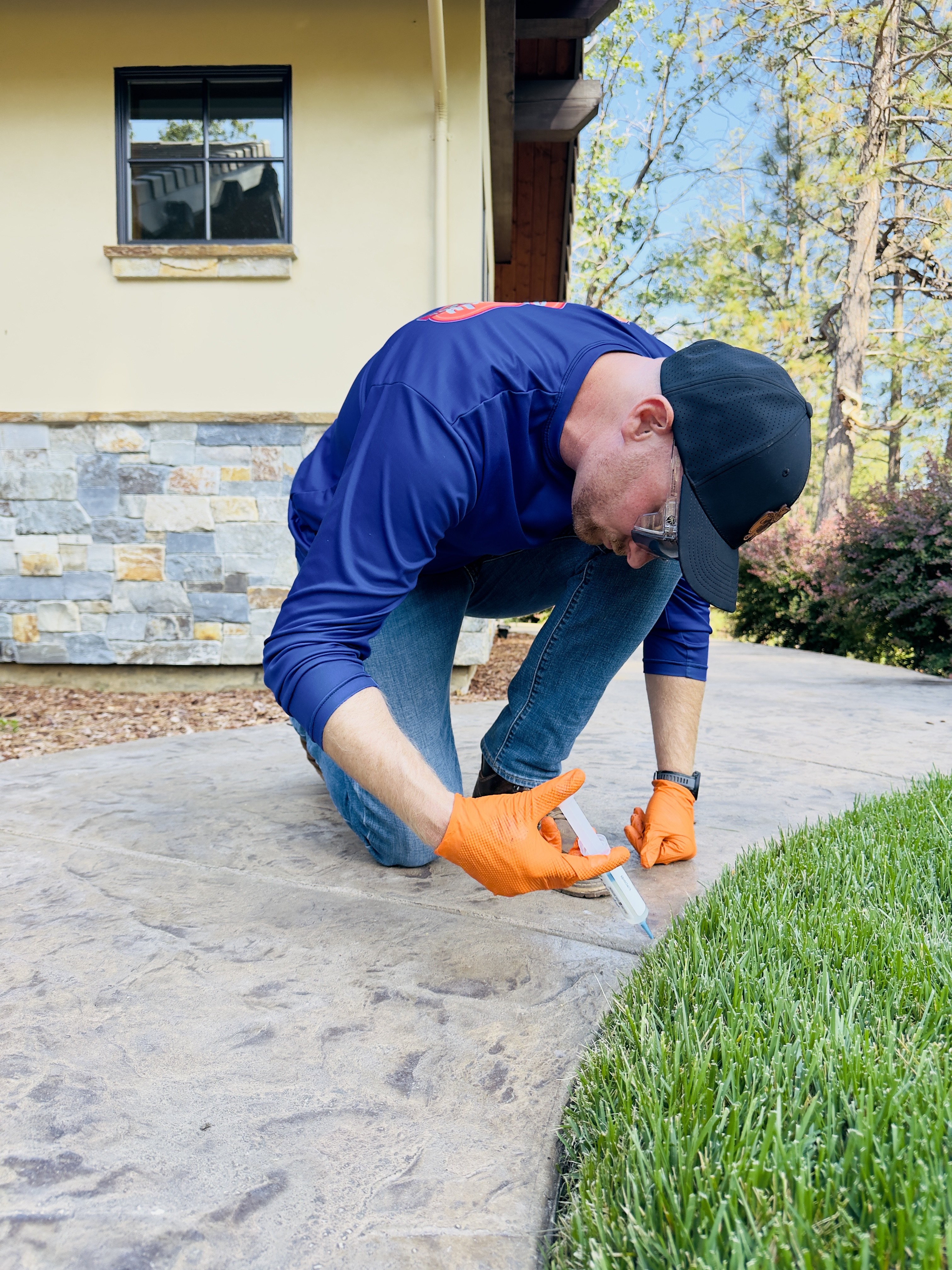
So how does a pest control company handle rats and mice in Placer County? Not with a single treatment, and not with bait alone. It's inspection first, then a combination of exclusion, strategic trapping, and, where it makes sense, exterior bait stations, followed by monitoring to confirm the work actually held. If you're seeing droppings, gnaw marks, or hearing activity in the attic or walls, our rat and mouse control service starts with that same inspection, so we're working from what's actually happening on your property rather than guessing.
A Few Common Questions
Is one mouse or rat sighting a reason to call someone?
It's reasonable to take a closer look yourself first: check for droppings, gnaw marks, or a nest. But given how quickly mice in particular can reproduce, a single sighting is often worth a proper inspection rather than waiting to see if more show up.
Are exterior bait stations safe with kids and pets around?
Tamper-resistant stations are designed specifically to restrict access for children and pets while staying accessible to rats and mice, and EPA labeling requirements govern how and where they can be placed. We factor in where kids, pets, and other animals spend time on the property before deciding on placement.
How long does it take to fully resolve a rat or mouse problem?
It depends on how established the activity is, how many entry points there are, and how the property responds to exclusion and trapping, which is exactly why we don't give a fixed timeline before the inspection. What we can say is that monitoring after the initial work is part of the process, not an afterthought.





.jpeg)











.jpeg)