
Does Rodent Bait Hurt Wildlife? What California Homeowners Should Know
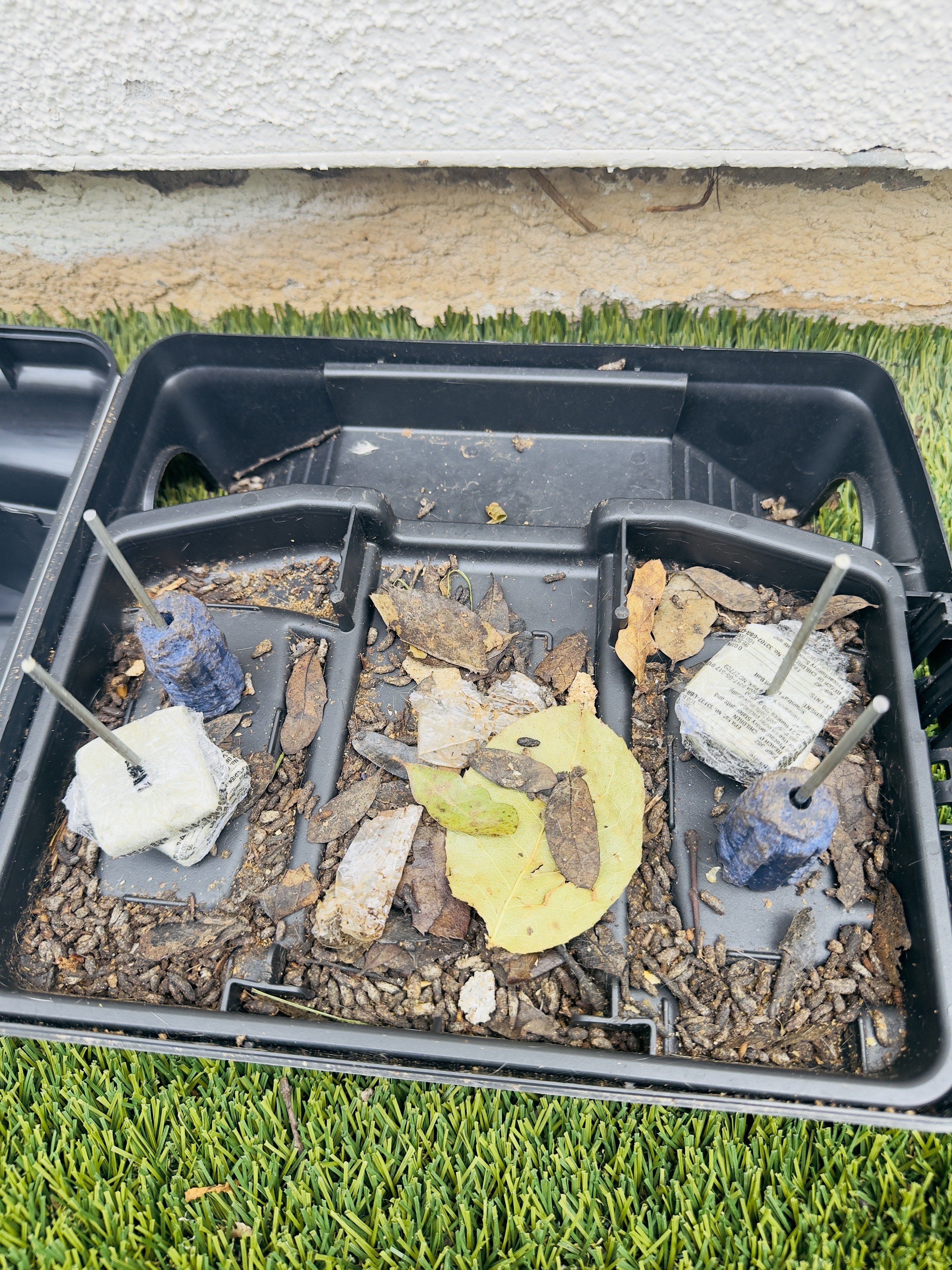
"Will this hurt the owls?" is one of the most common questions we get when a homeowner sees us open a rodent bait station. Sometimes it's the dog or the neighbor's cat they're worried about. Sometimes it's the hawks, bobcats, or foxes that are a normal part of living in Placer County. It's a fair question, and it deserves a straight answer rather than a sales pitch.
The short version: yes, rodent bait can hurt wildlife and pets. Any rodenticide is a pesticide designed to kill a mammal, and that means it can harm other animals if they eat it directly or, with some products, if they eat a poisoned rat or mouse. What has changed a lot is California law, the products residential pest professionals are allowed to use, and how those products are supposed to be placed. Here's what that looks like in plain language.
Does Rodent Bait Hurt Wildlife?
It can. Rodent bait harms non-target animals in two main ways:
- Direct exposure: an animal eats the bait itself. That could be a dog, a cat, a squirrel, or a bird. Young children fall into this category too, which is a big part of why bait placement rules exist.
- Secondary exposure: a predator or scavenger eats a rat or mouse that has already eaten bait. Owls, hawks, bobcats, coyotes, foxes, and outdoor cats all fall into this group.
How much risk there is depends on which active ingredient is being used, how much bait is out, where it's placed, whether it's contained, and how the property is monitored. That's why "does rat bait hurt wildlife" and "does mouse bait hurt wildlife" don't have a one-word answer. The rest of this article walks through why.
What Is Secondary Poisoning?
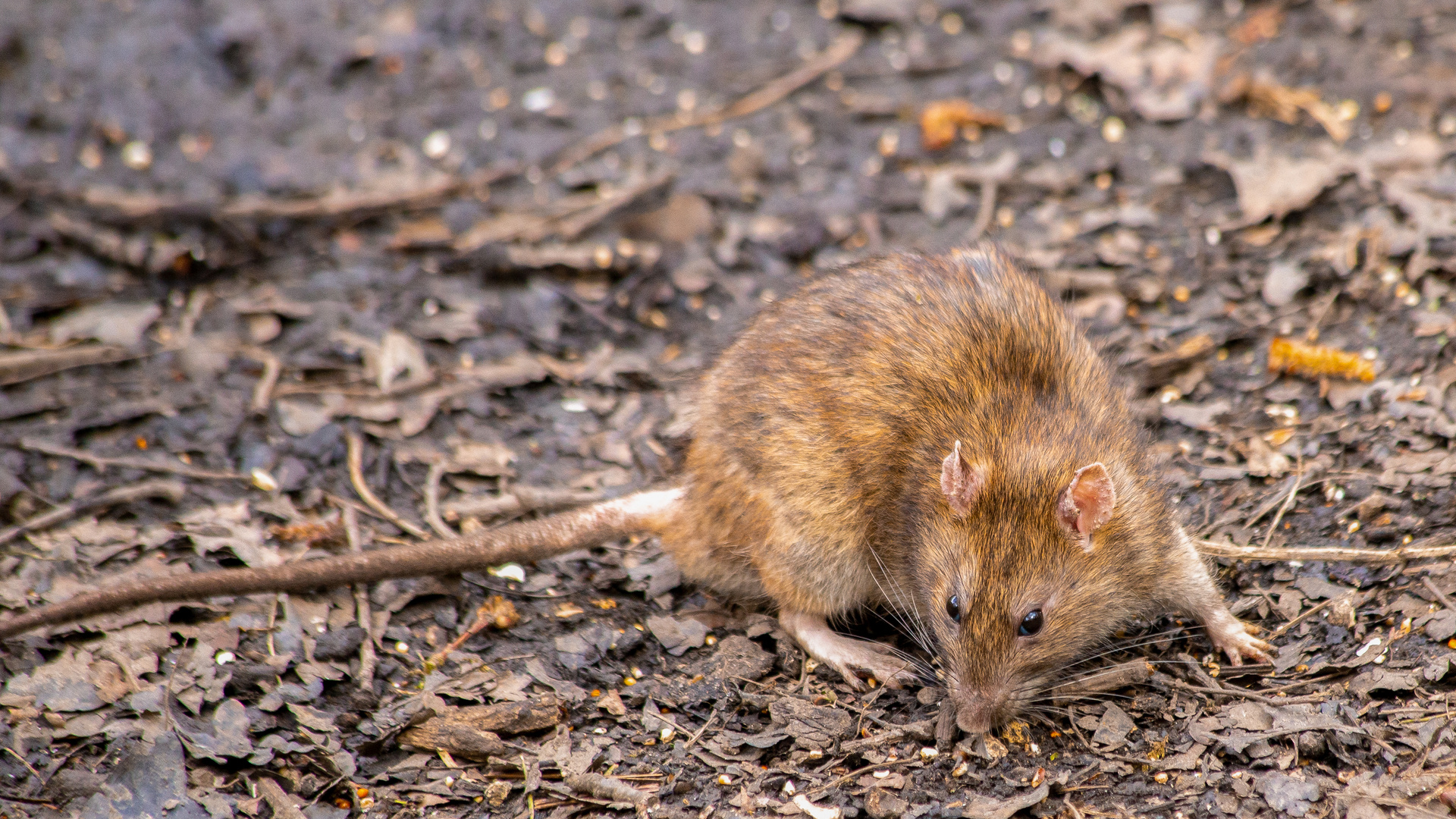
Secondary poisoning happens when an animal is harmed by eating another animal that was poisoned. With rodent bait, the usual path is a rat or mouse that eats bait, becomes slow or disoriented, and gets caught by an owl, hawk, bobcat, or cat.
Secondary exposure to predators and other wildlife was a major concern behind California's rodenticide restrictions. It's also why the type of bait matters so much. Some rodenticides break down relatively quickly in a rodent's body. Others linger in tissue, especially the liver, and can build up in a predator that eats several exposed rodents over time.
How Anticoagulant Rodenticides Work
For decades, most rat and mouse bait in the U.S. was an anticoagulant. These products interfere with the body's ability to recycle vitamin K, which blood needs in order to clot. After enough exposure, the animal can't form clots normally and dies from internal bleeding, usually several days later.
Anticoagulants are generally split into two groups:
- First-generation anticoagulants (FGARs) such as warfarin, diphacinone, and chlorophacinone. These usually require a rodent to feed more than once.
- Second-generation anticoagulants (SGARs): brodifacoum, bromadiolone, difenacoum, and difethialone. These are more potent and are more likely than first-generation anticoagulants to be lethal after a single feeding.
Why SGARs Became So Controversial
The same things that made SGARs effective made them a problem for wildlife. According to the U.S. EPA, SGARs persist in body tissues for a long time, and because death takes several days, a rodent can keep feeding well past a lethal dose. The result can be a rat or mouse carrying far more poison than it needed to die, still moving around where a predator can catch it.
In California, testing by the Department of Fish and Wildlife has repeatedly found anticoagulant residues in wildlife. In CDFW's 2022 wildlife pesticide report, most of the birds of prey submitted for testing had detectable anticoagulant residues, and more than half of the exposed raptors had two or more SGARs in their livers. Those are animals sent to the lab for investigation, not a random sample of every owl in the state, but the pattern has been consistent enough to drive major policy changes.
Why Did California Restrict Second-Generation Anticoagulant Rodenticides?
To reduce wildlife exposure. California has restricted anticoagulant rodenticides in several steps:
- SGARs (AB 1788, effective January 1, 2021): Most uses of brodifacoum, bromadiolone, difenacoum, and difethialone are prohibited, including use at homes and most businesses. The law includes specific exemptions, such as certain agricultural sites, food and drug manufacturing facilities, medical waste generators, protection of water supply infrastructure, vector control district work, and public health emergencies. The California Department of Pesticide Regulation (DPR) has stated that licensed structural pest control companies are prohibited from using SGARs outside those limited exemptions.
- Diphacinone (AB 1322, effective January 1, 2024): Most uses of this first-generation anticoagulant are now prohibited as well, including residential use, again with limited exemptions.
- Chlorophacinone and warfarin (AB 2552, effective January 1, 2025): The remaining common first-generation anticoagulants were restricted in the same way. The law also prohibits anticoagulant use in designated wildlife habitat areas unless an exemption applies (DPR guidance).
So it isn't accurate to say these ingredients are simply "illegal" everywhere in California. They're restricted materials with narrow allowed uses. But for a typical home in Placer County, anticoagulant rodenticides are off the table for a residential pest control company. DPR is also still reevaluating anticoagulant rodenticides, so these rules could tighten further in the next few years.
What Rodent Bait Can Pest Control Professionals Use in California Today?
For residential rat and mouse work, what remains are mostly non-anticoagulant active ingredients. The two you'll hear about most often are bromethalin and cholecalciferol. They aren't covered by California's anticoagulant restrictions, and products containing them remain registered and available in California, though each product has its own label, and the label is the law for how it can be used.
These ingredients work very differently from the older anticoagulants, so it doesn't make sense to lump them in with SGARs:
- Bromethalin is a nerve toxin. It disrupts energy production in nerve cells, which leads to swelling in the brain and spinal cord.
- Cholecalciferol is a concentrated form of vitamin D3. At toxic doses it drives calcium in the blood to dangerous levels, affecting the kidneys, heart, and other organs.
Because they work differently, their risk profile for pets and wildlife is different too. The National Pesticide Information Center rates the secondary poisoning risk of both as low, but notes that rating is "based on limited evidence." That caveat matters, and we'll come back to it.
Does California-Legal Rodent Bait Mean There Is Zero Risk?
No. Legal and harmless are not the same thing. Every rodenticide is designed to kill a mammal, and dogs, cats, and many wild animals share much of the same basic biology.
Being honest about the newer products means acknowledging a few things:
- Direct poisoning of pets is serious. Bromethalin and cholecalciferol can both badly hurt a dog or cat that eats the bait, and unlike anticoagulants, neither has a specific antidote. Veterinarians treat the symptoms, and early treatment matters.
- Secondary risk is lower, not absent. Researchers have started finding bromethalin in wildlife. CDFW testing has detected bromethalin exposure in some of the wild mammals submitted to its lab, and a 2023 Tufts University study found evidence of it in about 30 percent of the birds of prey it sampled in the Northeast. How often that exposure causes harm is still being studied.
- How bait is used matters as much as what it is. Product selection, placement, securing the bait, following the label, and ongoing monitoring are all important parts of responsible rodenticide use.
We'd rather a homeowner understand that clearly than assume "California-approved" means "safe for anything that eats it."
Will Rodent Bait Hurt My Dog or Cat?
It can if your pet gets to the bait. That's the most direct risk, and it's the one professional bait stations are built to reduce. Is rat bait safe for dogs? No bait is. Is mouse bait safe for cats? Same answer. The goal is to keep pets from reaching the bait in the first place.
A few practical steps help:
- If you have questions about the product being used at your home, we're happy to explain what we're using and why.
- If you ever think your pet ate rodent bait, call your veterinarian or an animal poison control line right away. Don't wait for symptoms, especially with bromethalin or cholecalciferol.
- Keep product names and labels handy so your vet knows exactly what they're treating.
- If you buy consumer bait for your own use, only use products sold in ready-to-use tamper-resistant stations, and follow the label.
We've also written more generally about pest control around pets and farm animals, which is a common concern on the larger foothill properties we service.
Can an Owl, Hawk, Bobcat, or Cat Be Harmed by Eating a Poisoned Rat?
Yes, that's possible, and it's exactly what secondary poisoning refers to. The risk was highest with SGARs, which is why California restricted them. With today's non-anticoagulant baits, the risk is considered lower, but the research is still developing and it would be misleading to call it zero. Outdoor cats that hunt, and predators that live close to homes, are part of why we think carefully about how much bait goes out and whether baiting is the right tool at all.
Why Are Professional Rodent Bait Stations Locked?
To keep bait away from everything that isn't a rat or mouse. Under the EPA's rodenticide risk mitigation decision, professional rodenticide labels require tamper-resistant bait stations anywhere children under six, pets, or non-target wildlife could reach the bait, and for all outdoor, above-ground placements.
You may also see the term "Tier 1." That comes from EPA's testing standards for ready-to-use bait stations: Tier 1 stations have been shown to resist tampering by young children and dogs and are weather-resistant, so they can be used indoors and outdoors within 50 feet of a building. Many professional refillable stations are designed to a similar standard, and each rodenticide label spells out the station requirements for that product.
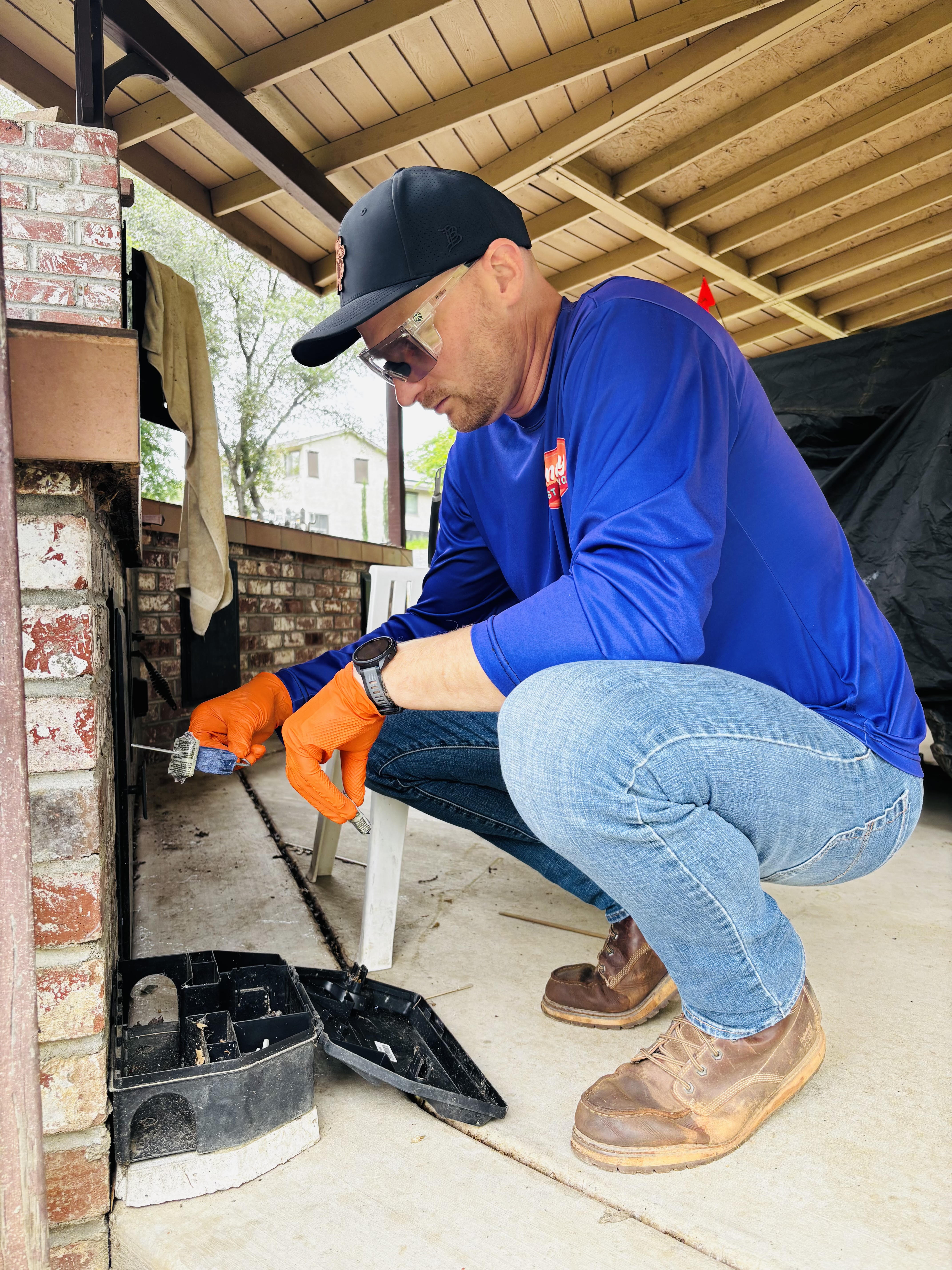
The stations we use at Gingerly require a key to open. Bait is secured inside the station rather than left loose, usually held in place on internal rods so it can't be carried or shaken out, and the stations are weighted or anchored appropriately for where they sit. In practice, the station is designed to substantially restrict direct access to the bait by children, pets, and non-target wildlife while allowing rats and mice to enter and feed.
One important distinction: a locked station is designed to reduce direct exposure. It does nothing to change the active ingredient, and it can't control what happens after a rodent eats bait and leaves. That's why station design is only one part of responsible rodent control, not a guarantee.
What Rat and Mouse Bait Stations Can't Do
Exterior bait stations are not a force field around a house. They help manage rodent populations outside, but having professionally maintained stations doesn't guarantee you'll never see or hear a rat or mouse inside.
Exterior baiting, interior trapping, inspection, and exclusion are different tools for different problems:
- Inspection tells us what species we're dealing with (roof rats, Norway rats, or mice), where they're active, and how they're getting in.
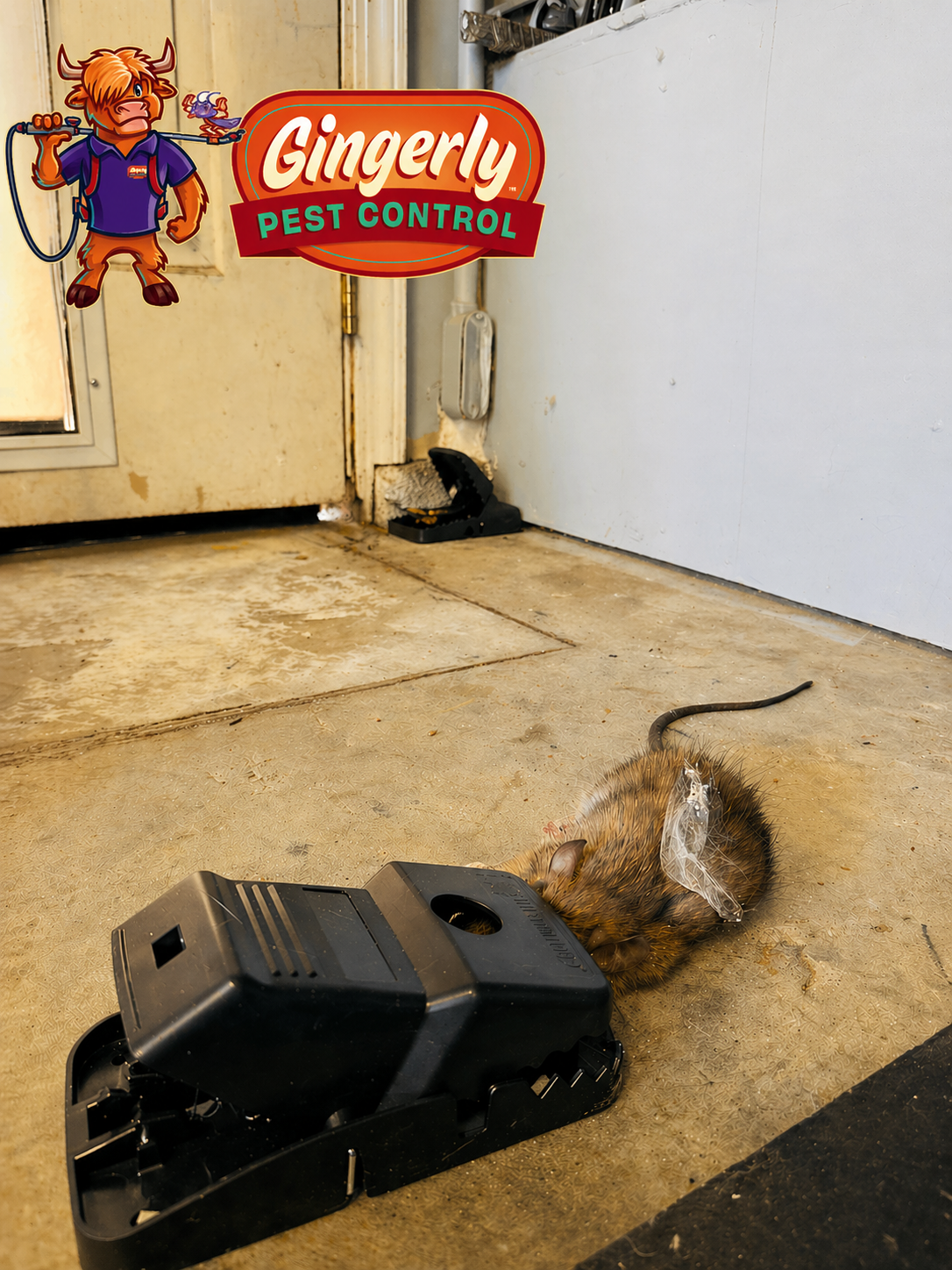
- Interior trapping removes rodents that are already inside, usually without putting any bait in the living space.
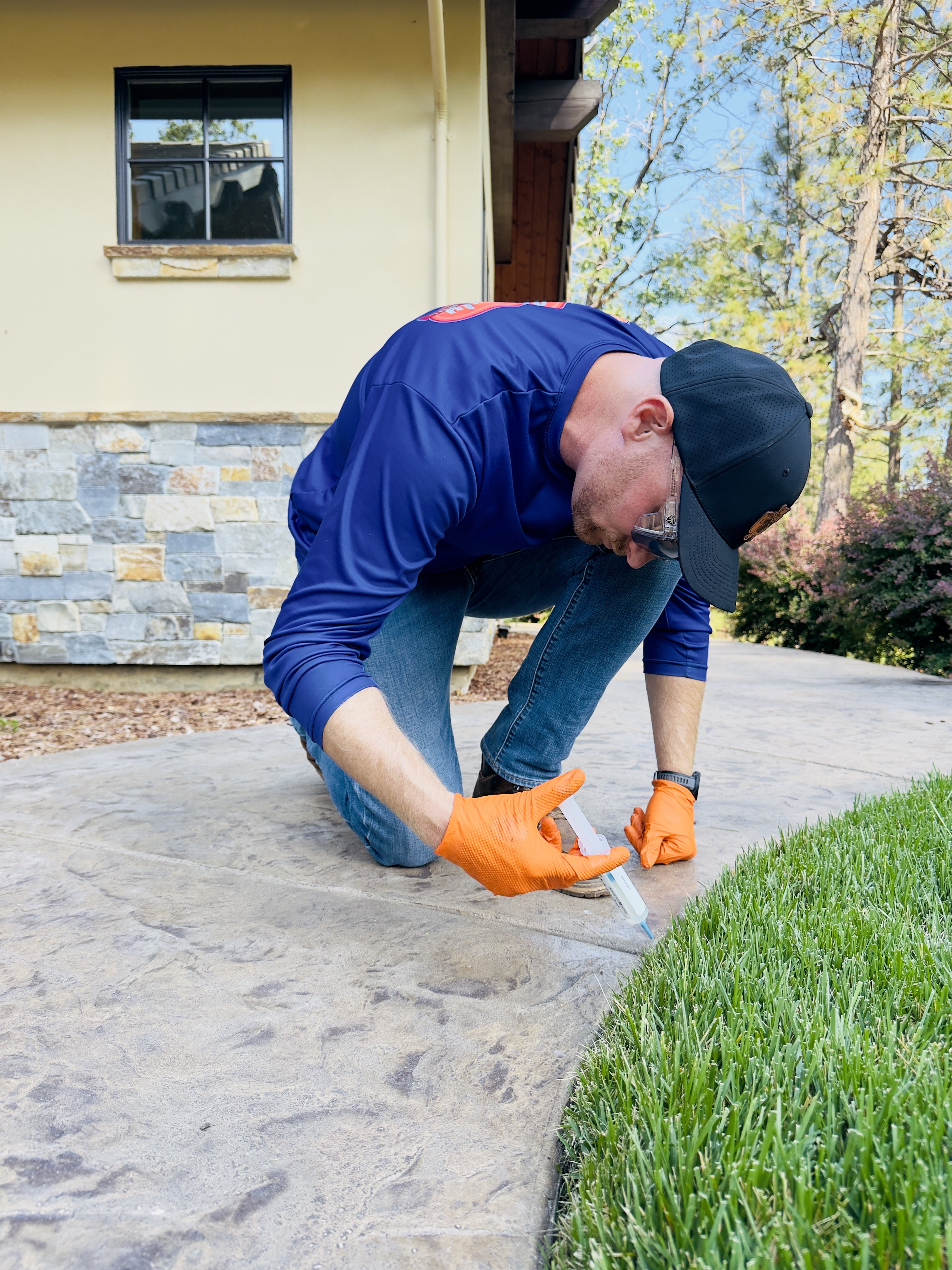
- Exclusion addresses the openings that allow new rodents into the structure.
- Exterior bait stations help reduce pressure around the outside of the structure, where they make sense.
If rats or mice are already in the attic, walls, or garage, adding more exterior bait usually isn't the answer. That's an inspection, trapping, and exclusion problem. We explain that full process in how we handle rats and mice in Placer County, and if you're not sure what you're dealing with, our guide to mice vs. rats is a good place to start.
Right Tool, Right Place, Right Problem
Our philosophy is simple: rodent control shouldn't be about putting out as much bait as possible. It should be about using the right tool, in the right place, for the right problem.
In practice, that means bait isn't automatic. On some properties, especially in wooded foothill areas around Auburn and Meadow Vista where owls, hawks, and bobcats are regular neighbors, we think carefully about whether exterior baiting is needed, how many stations make sense, and where they go. On a tight suburban lot in Rocklin or Roseville, the pressure and the right mix of tools can look quite different. Either way, stations get checked and serviced rather than forgotten, and we adjust based on what's actually happening.
People who worry about rodenticides and wildlife aren't being unreasonable. That concern is a big part of why California's rules changed, and we think the industry is better for it.
Frequently Asked Questions
Does rodent bait hurt wildlife?
It can. Wildlife can be harmed by eating bait directly or by eating a poisoned rodent. California's restrictions on anticoagulant rodenticides were designed to reduce that risk, and tamper-resistant stations help limit direct access, but no rodenticide is risk-free for non-target animals.
Is rat bait safe for dogs?
No rat bait is safe for a dog to eat. Professional tamper-resistant stations are designed to keep dogs from reaching the bait. If you think your dog ate rodent bait, contact your veterinarian or an animal poison control line immediately and have the product information ready.
Is mouse bait safe for cats?
No. Mouse bait can poison a cat that eats it, and outdoor cats that hunt rodents may also face some secondary exposure risk. Locked stations reduce direct access, which is why placement and product choice matter.
Can rat bait poison owls?
Yes, owls and other raptors can be poisoned by eating rodents that consumed bait. The risk was highest with second-generation anticoagulants, which California has restricted for residential use since 2021. Newer non-anticoagulant baits are considered lower risk for secondary poisoning, but not zero.
What are California's rodent bait laws?
California restricted second-generation anticoagulants in 2021, diphacinone in 2024, and chlorophacinone and warfarin in 2025. Most uses, including residential use, are prohibited, with limited exemptions for places like certain farms, food facilities, and public health work. DPR is still reevaluating anticoagulant rodenticides.
Are bromethalin and cholecalciferol legal in California?
Yes. They are not anticoagulants and aren't covered by California's anticoagulant restrictions, and registered products are available. That doesn't make them harmless. Both can seriously injure pets that eat the bait, and neither has a specific antidote.
Do exterior bait stations stop rats and mice from getting inside?
Not by themselves. Exterior stations help manage populations outside, but rodents already inside usually call for inspection, trapping, and sealing entry points.
Not Sure What Your Rodent Problem Needs?
If you're seeing droppings, hearing scratching in the attic, or finding chewed food bags around your Placer County home, and you aren't sure whether baiting, trapping, inspection, or exclusion makes sense, we're happy to help you figure it out. You can learn more about our rat and mouse control service, reach out online, or call us at 916-625-6741. We'll talk through what's going on and recommend the approach that fits your property, including when bait isn't the right tool.
.jpg)




.jpeg)