
Is It Mice or Rats?

The fastest way to tell mice from rats is by their droppings and the damage they leave. Mouse droppings are small and pointed, about the size of a grain of rice, while rat droppings are much larger and closer to a raisin. Mice are curious and stay near their nest, so the signs cluster in one spot; rats are cautious and travel farther, leaving greasy smudges on the surfaces they run along. Faint, quick scratching overhead usually means mice, while a heavier, slower sound points to rats. The signs overlap, and fall is when both start pushing indoors here in the foothills.
The first cold nights of fall usually bring the first scratching in the attic. You're lying in bed, the house is quiet, and something small is moving over your head. By morning, there are a few dark droppings behind the pantry or along a baseboard, and the question is the same one we get every October: is it mice or rats? Which one you're dealing with changes how worried you need to be and where we go looking.
We take these calls from Auburn down through Rocklin and Roseville as soon as the weather turns. Rodents moving indoors in fall isn't bad luck; it's the season. Once the nights cool off, both mice and rats start hunting for a warm, dry place to wait out the winter, and an attic full of insulation is about as good as it gets.
Why Rodents Move Into Attics in Fall
Mice and rats spend the warm months outside, living off seeds, fruit, and whatever the yard offers. When the foothill nights drop into the 40s, that food thins out and the cold sets in. A house leaks warm air through every gap around a vent, a pipe, or a roof edge, and a rodent can feel it. Attics win because they're quiet and rarely disturbed, with insulation to burrow into. Most people don't notice the tenants until the scratching starts or the droppings show up.
The gaps they slip through are smaller than you'd guess:
- A mouse only needs a hole the size of a dime
- Rats want a bit more, about the width of a quarter
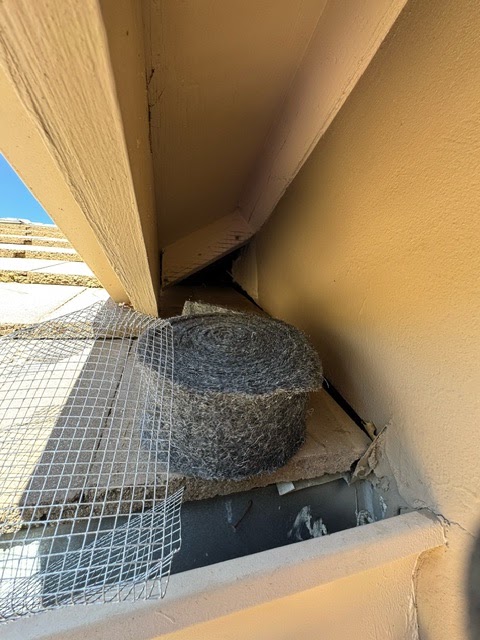
- Roof edges and overhangs, where the framing meets the vents, are a favorite
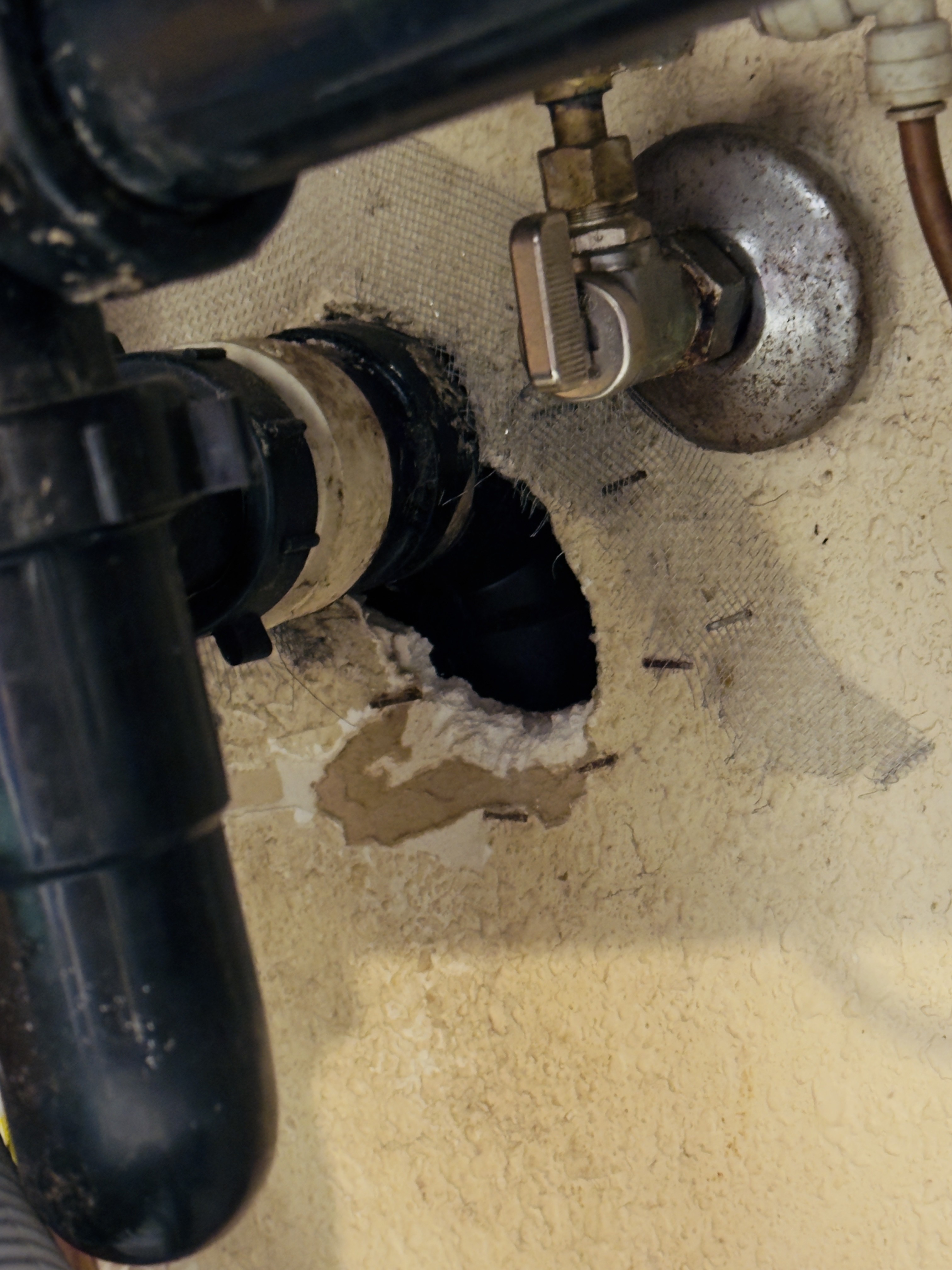
- Anywhere a pipe or wire passes through an exterior wall
Mice vs Rats: The Quick Differences

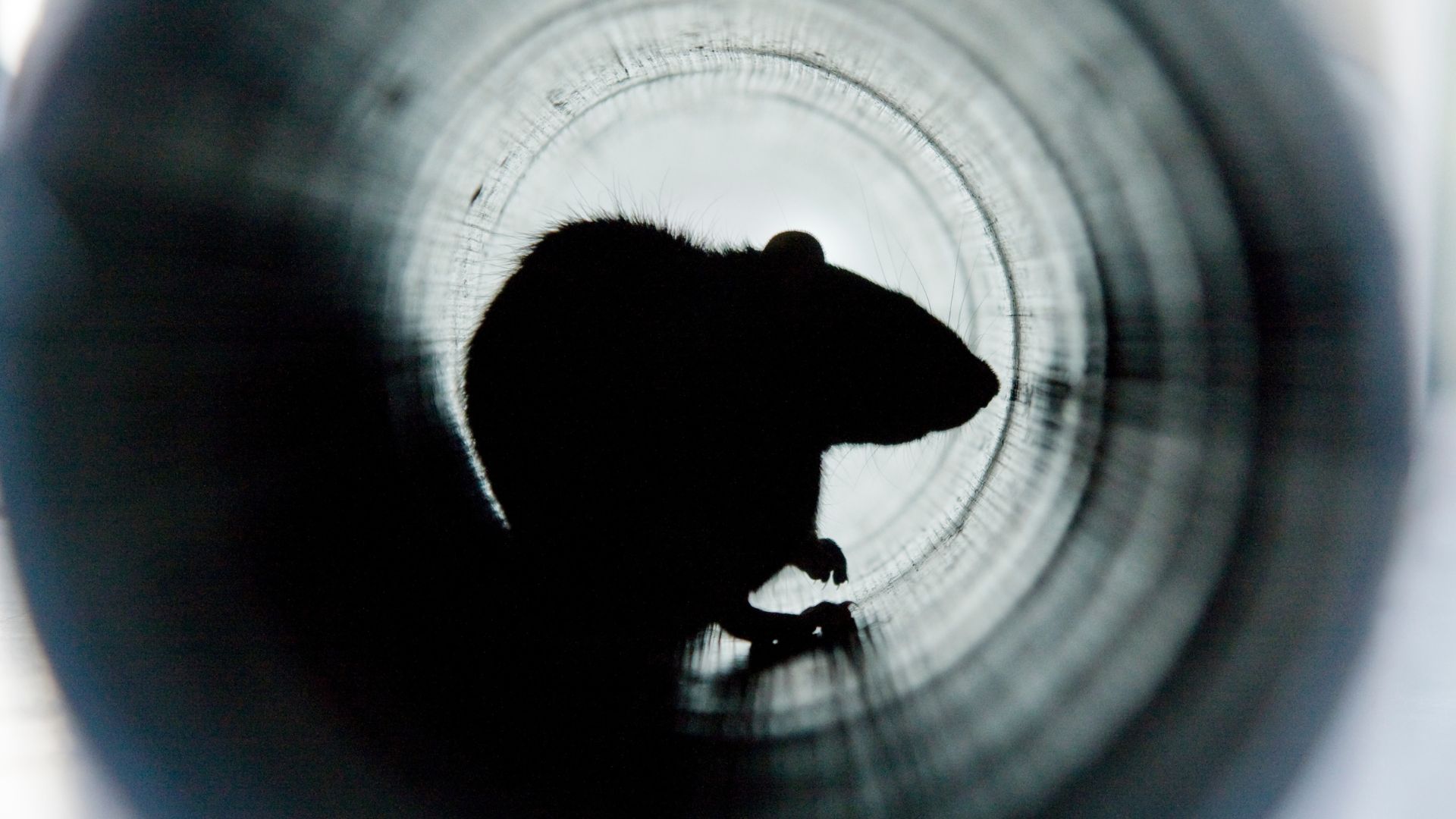
Sorting out mice vs rats starts with size, though people guess wrong more than you'd expect, because a big mouse and a young rat can look a lot alike. A house mouse is small, two to four inches in body length, with large ears, a thin tail as long as its body, and a pointed little face. A rat is heavier and blockier, with a thicker tail and a blunter nose, and it feels substantial when it moves. The two rats we see in Placer County are roof rats, which climb and favor attics, and Norway rats, which keep lower in crawlspaces and walls. Both mice and rats are rodents, so both gnaw around the clock to keep their teeth worn down, and that's where a lot of the damage starts.
Mouse Droppings vs Rat Droppings
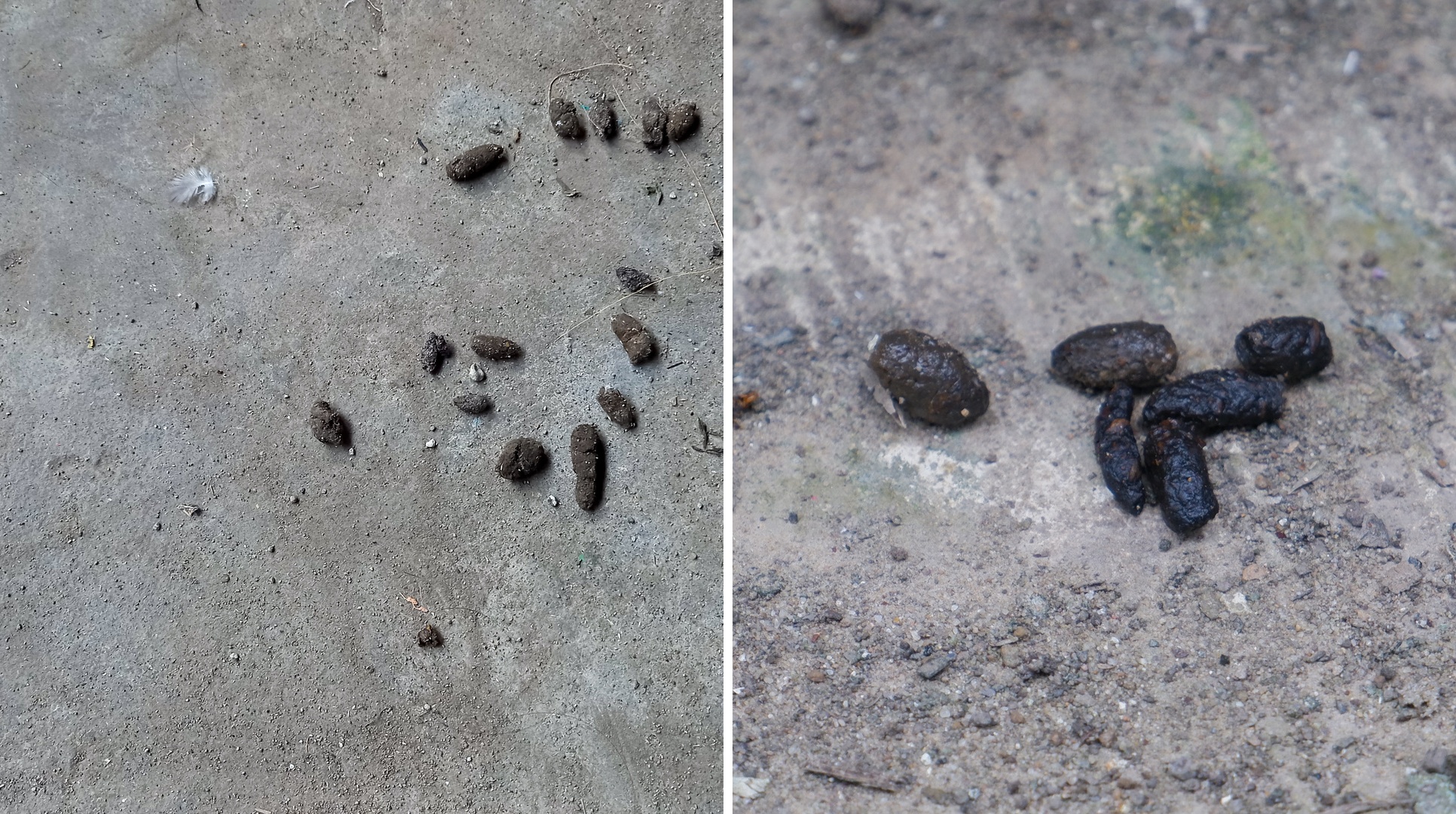
If you only get one clue, make it the droppings, because mouse droppings vs rat droppings is the tell that rarely lies. Mouse droppings are small and dark, pointed at the ends, about the size of a grain of rice, and you find a scatter of them close together near the nest. Rat droppings are much bigger, closer to a raisin or an olive pit, with blunt or rounded ends, and they turn up more spread out. Fresh droppings are soft and dark; older ones dry out and go gray. That difference tells us how long something's been up there before we set foot in the attic.
Other Signs of Mice in the House
Droppings aren't the only thing rodents leave behind, and the other signs of mice in the house point to how they live. A few are easy to spot once you know to look:
- Faint grease marks along baseboards where the same route gets run every night
- Light, fast scratching in the walls or ceiling after dark
- Shredded paper, fabric, or insulation balled up into a nest
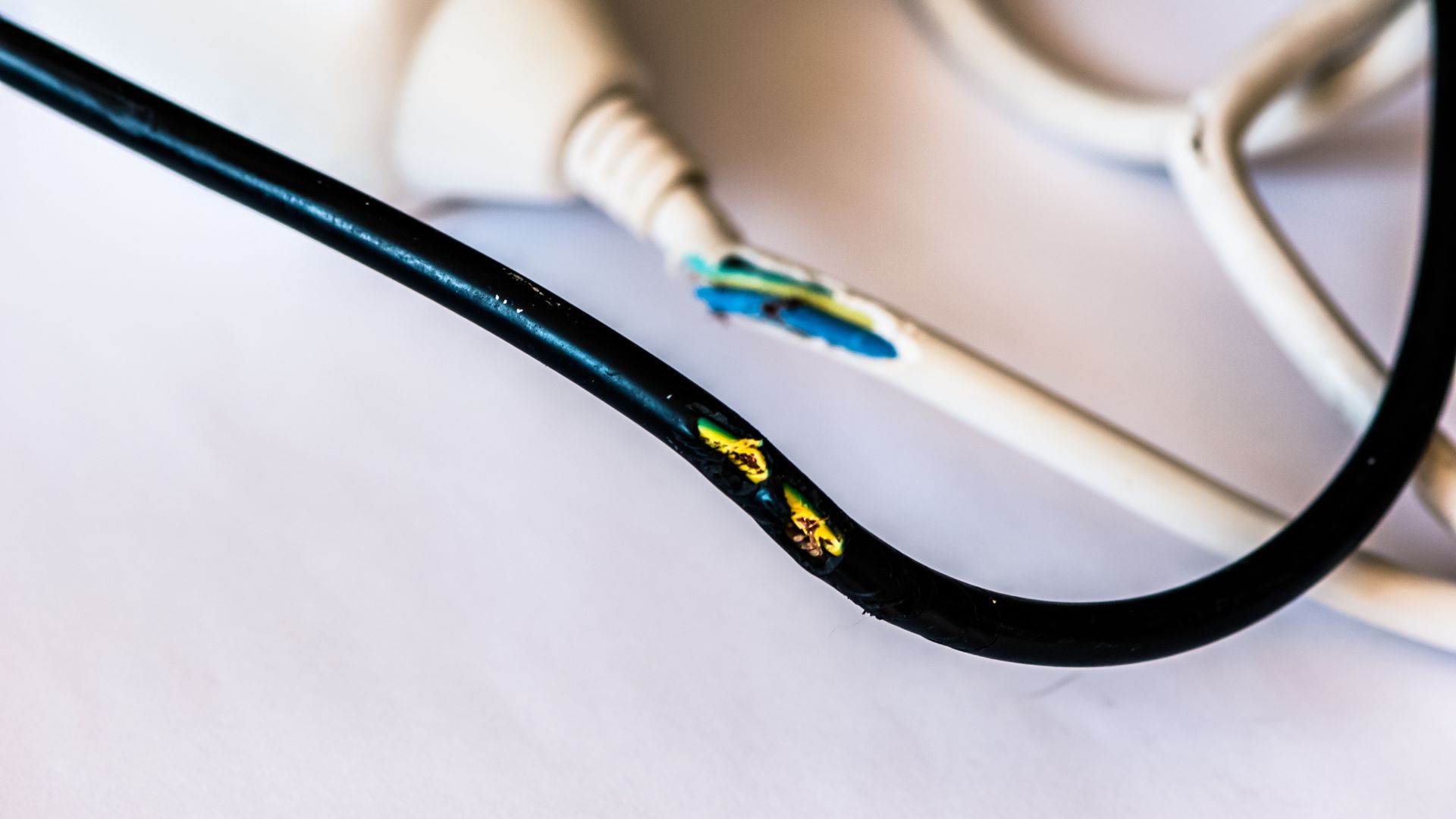
- Gnaw marks on a food box, a cabinet corner, or a run of wiring
Rats leave the same kinds of clues, just bigger and lower, and their grease marks are darker because a bigger, oilier animal rubs the wall. Here's the part that surprises homeowners: a few droppings usually means more than a few animals. Mice breed fast, and by the time signs are showing up in more than one room, the group has already grown.
What Kills Rats and Mice Immediately?
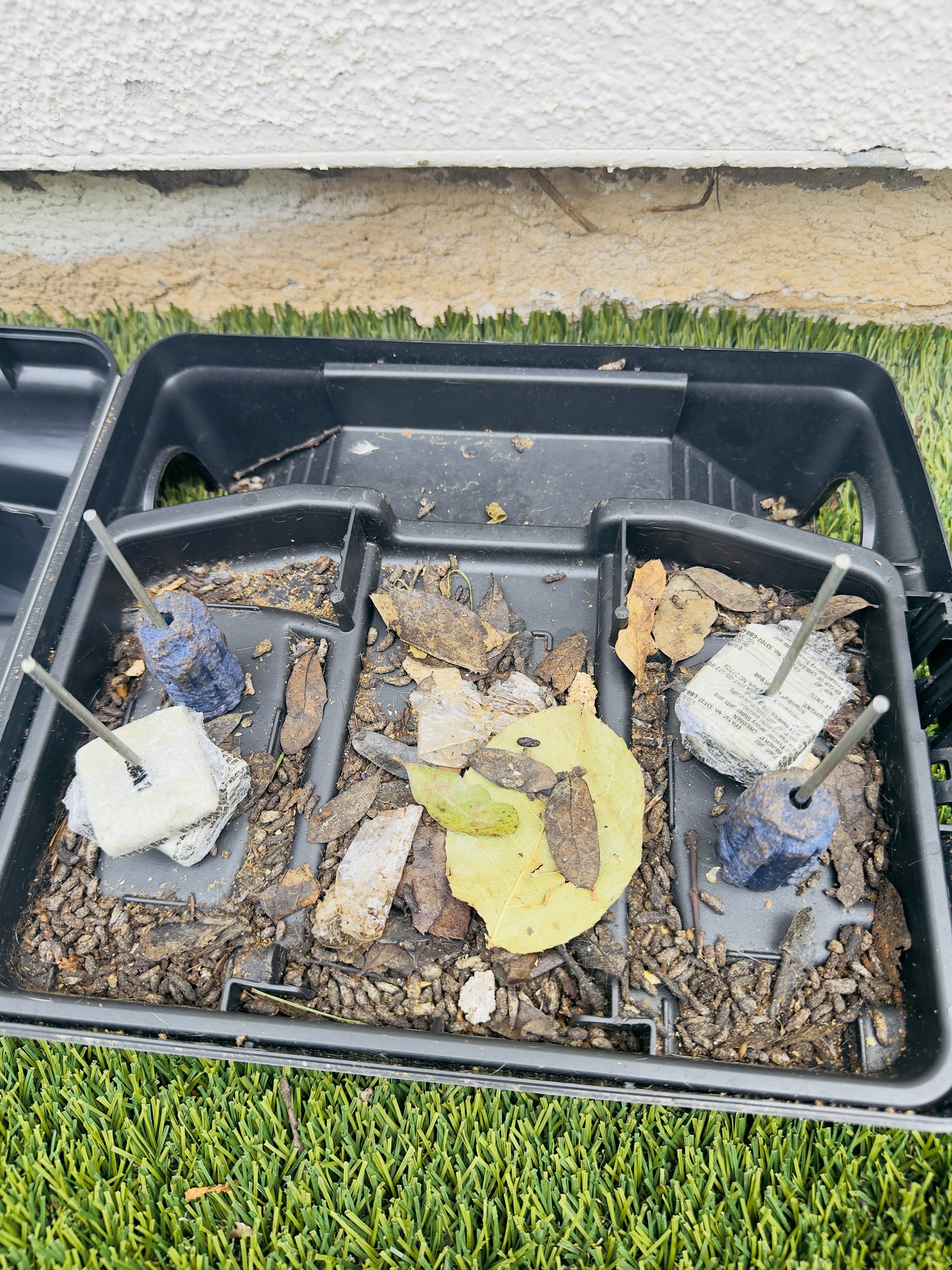
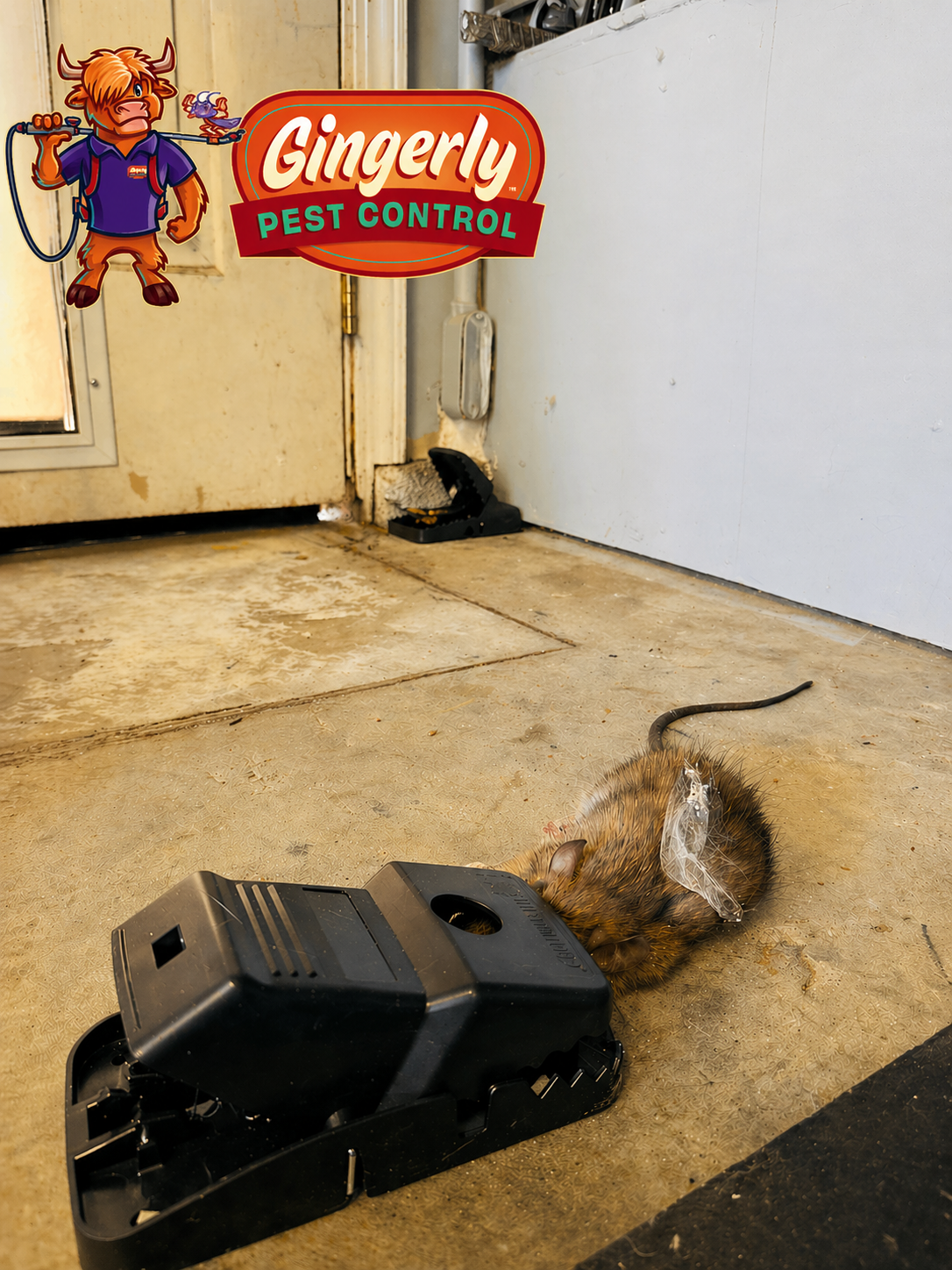
Snap traps and some baits kill quickly, but "immediately" is the wrong thing to chase. A rodent that dies inside a wall or under the floor is a worse problem than the live one you started with, between the smell and the flies and beetles it pulls in. Store-bought poison is the bigger danger in a house with kids or pets, and it can reach the hawks and cats that catch a poisoned rat outside. The fix that holds is sealing the entry points first, then trapping out whatever's already inside. That's the heart of our rodent control service: find the way in, close it, and clear out the animals without leaving poison where your family lives.
When to Call Us About Rodents
One or two droppings by the stove might be a single mouse and a quick seal-up. An attic that's been ticking and scratching for a couple of weeks, or droppings showing up in more than one room, has usually moved past the weekend-project stage. When we come out, we start with a walk around the house, not a bait box. We check the vents, the foundation, and the gaps where pipes and wires enter to find how they're getting in, and we seal those openings before a single trap goes down. That sealing work, what we call exclusion, is the part that keeps the problem from coming back next fall, and we lean on Integrated Pest Management (IPM) so the treatment stays targeted instead of blanketing your home.
We're a family-owned company, owned and led by Stephani and Tyson, and we live in these same foothills where the rodents head indoors every fall. We keep the products light around your kids and pets; there are no contracts and no upsells, and our eco-friendly, natural-first approach was built for exactly this kind of job. If you're hearing something in the attic on these cooler nights, that's the time to call, before a couple of rodents turn into a nest. Reach us at (916) 625-6741, and we'll come out, show you where they're getting in, and give you an honest read on what it takes to keep them out.
We serve:





.jpeg)











.jpeg)