Getting Ready for Winter: Norway Rat Control in Placer County
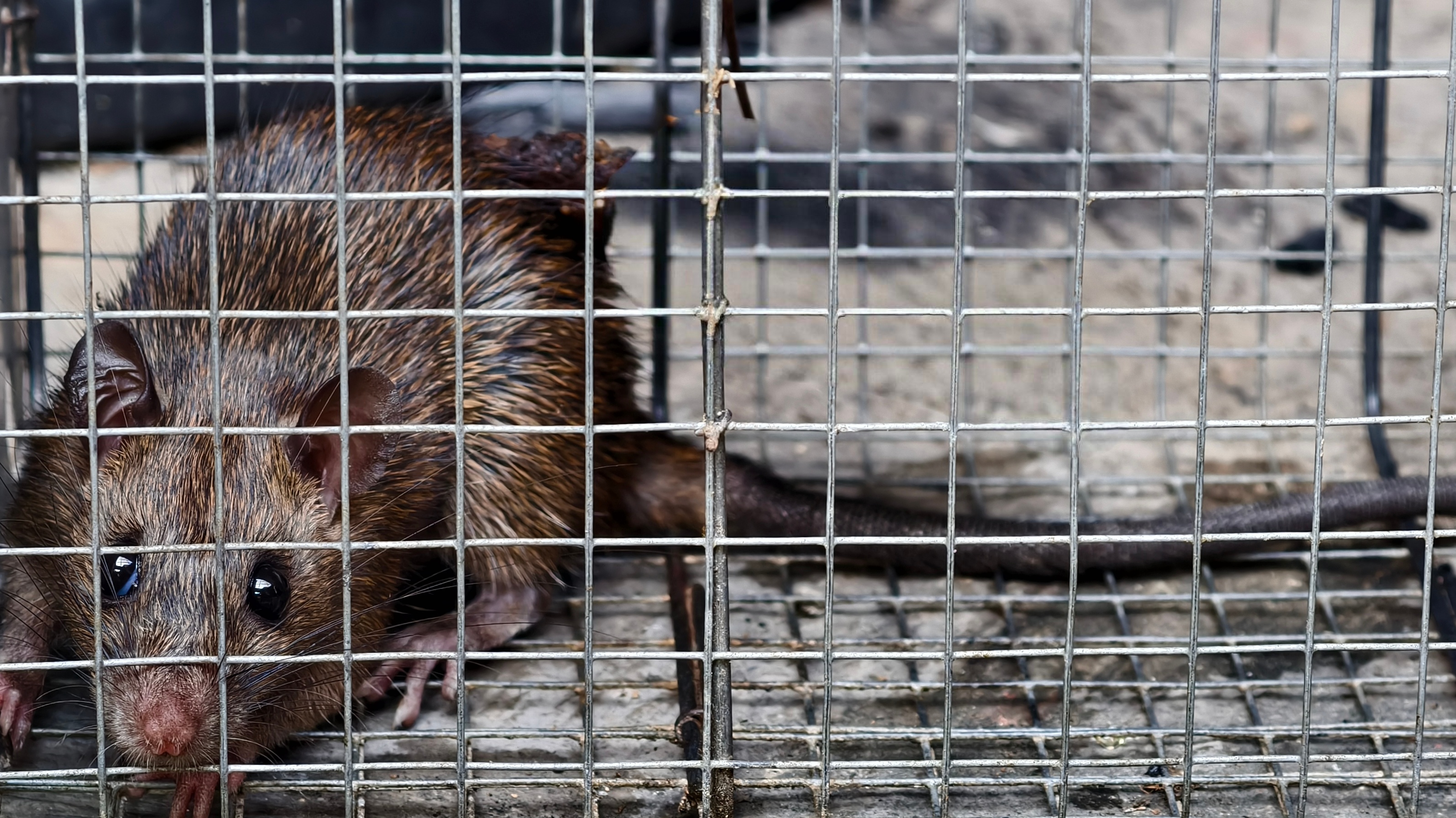
Winter in Placer County brings more than just cooler temperatures and occasional snow in the foothills. As the weather changes, unwanted guests often seek shelter in our homes and businesses. Norway rats, also known as brown rats, become particularly active during this season as they search for warm places to nest and reliable food sources.
Understanding these common rodents and taking preventive action now can save you from a serious infestation later. Therefore, let's explore what makes Norway rats such persistent pests and how you can protect your property this winter.
What Are Norway Rats and Why Do They Invade in Winter?
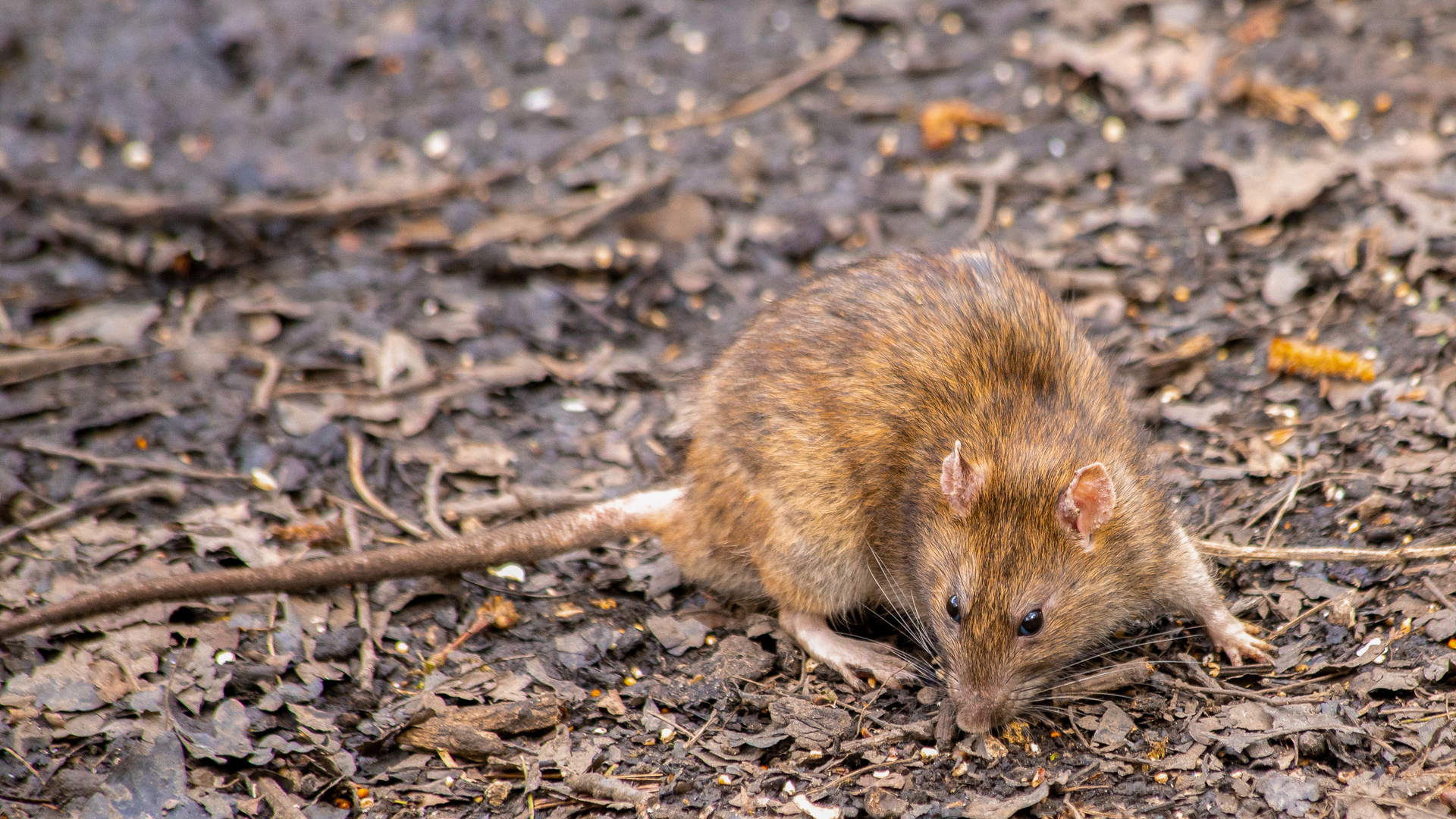
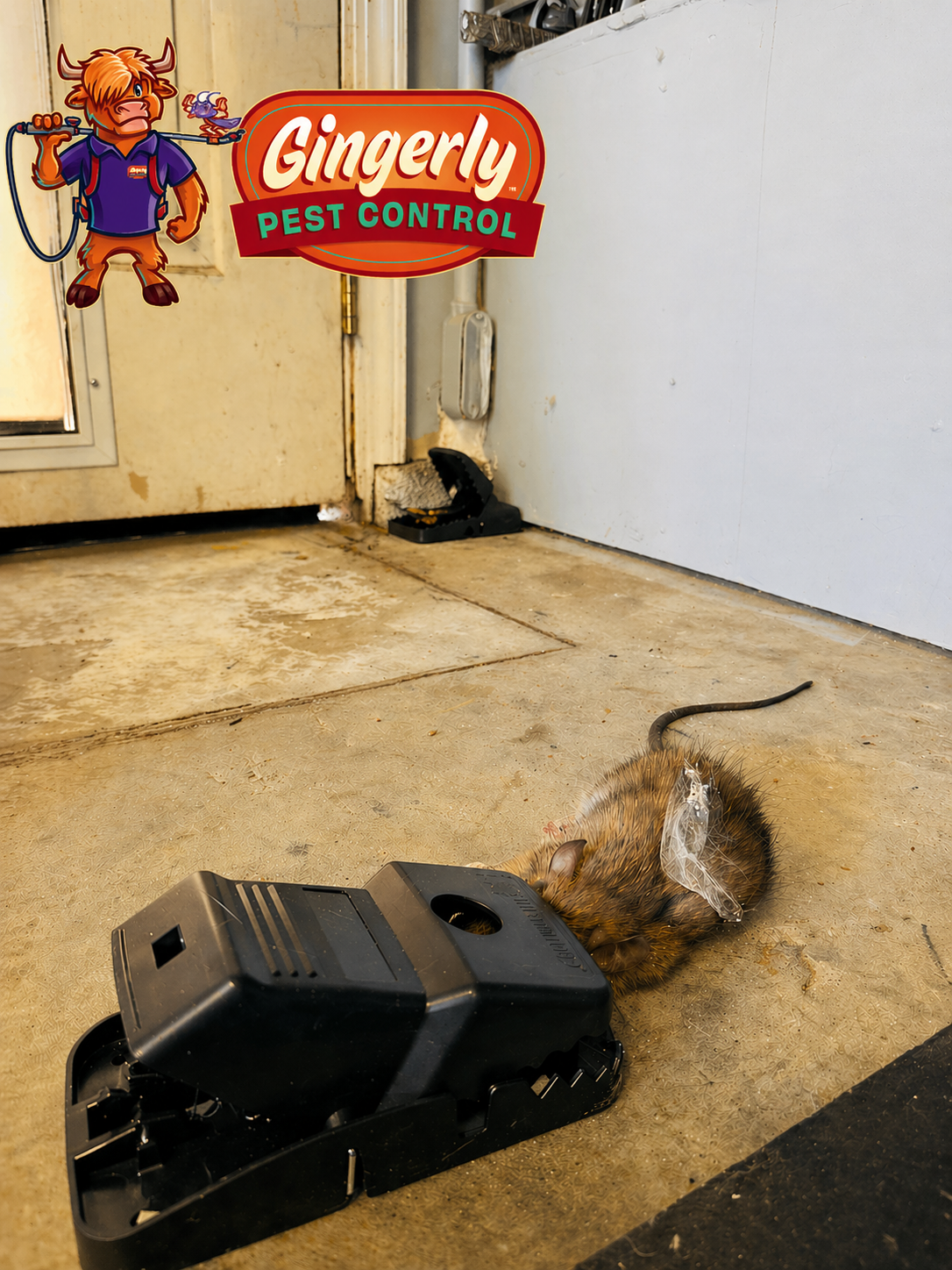
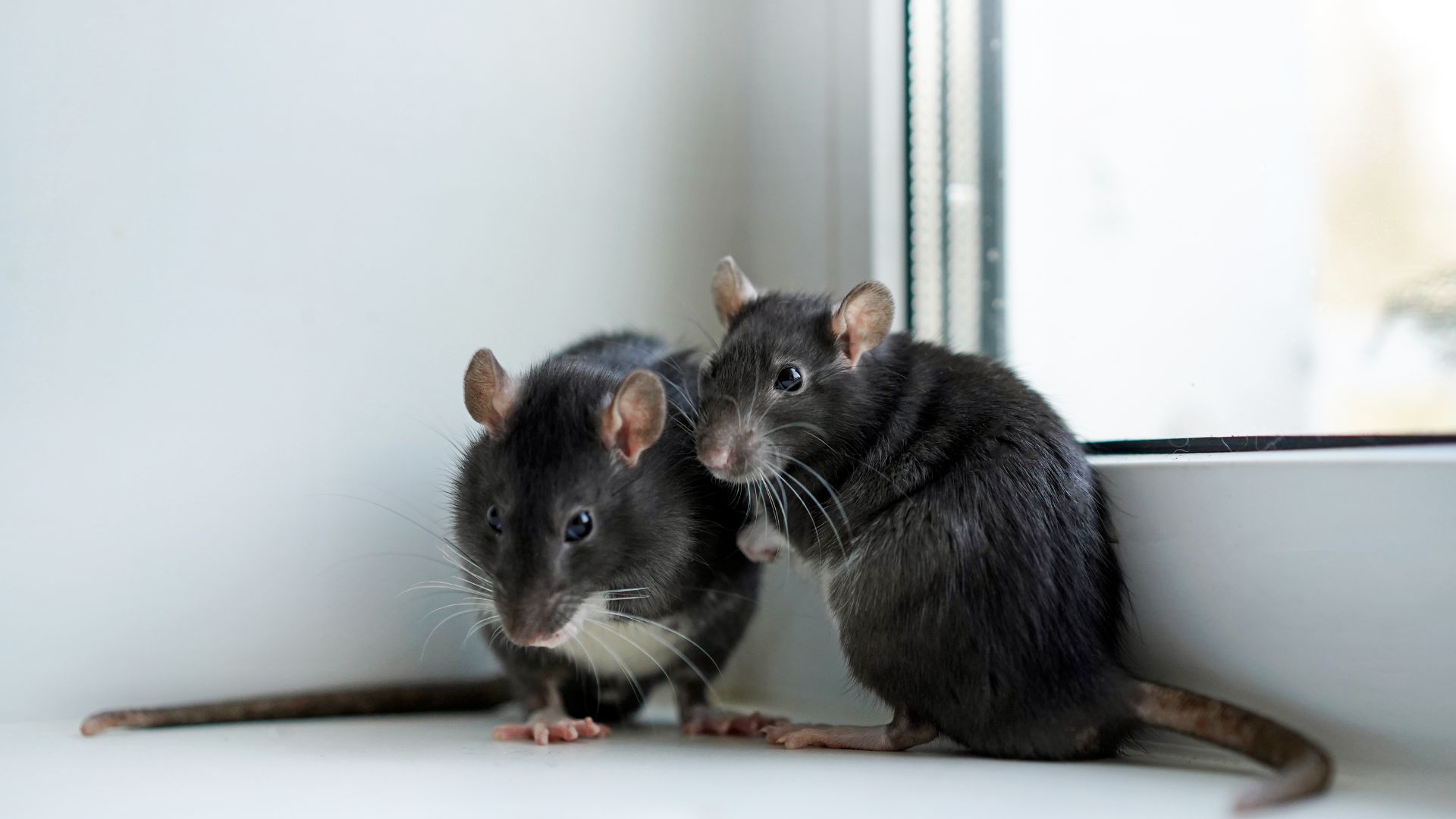
Norway rats are large, burrowing rodents that have adapted remarkably well to living near humans. Despite their name, these rodents originally came from Asia but have spread worldwide. You might also hear them called brown rats, sewage rats, or wharf rats, depending on where they're found.
These robust rodents have several distinctive physical characteristics:
- Their coarse brown or gray fur helps them blend into various environments, from sewers to gardens.
- Small ears and eyes compared to their body size distinguish them from other rat species like roof rats.
- Blunt noses and thick, heavy bodies give them a stocky appearance that's easy to recognize.
- They possess excellent swimming abilities and can tread water for up to three days if necessary.
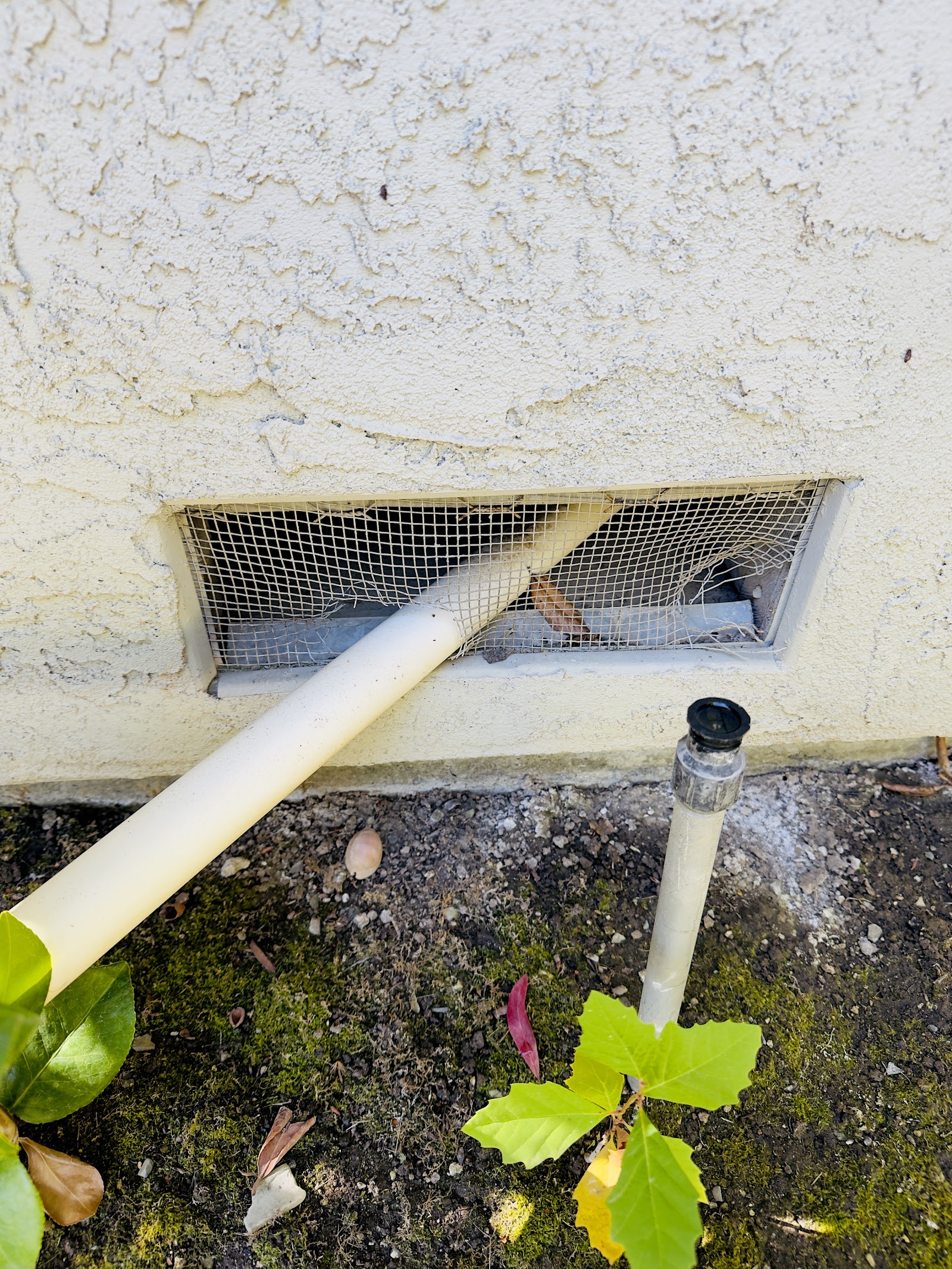
Unlike their cousins the roof rats, Norway rats prefer staying close to ground level. They dig extensive burrow systems in soil, beneath buildings, and along foundations. Consequently, they often enter homes through basements, crawl spaces, and ground-floor openings.
Cold weather drives Norway rats indoors for several compelling reasons. First, they need to maintain their body temperature in a warm environment. Second, outdoor food sources become scarce as plants die back and insects disappear. Third, female rats seek safe, protected places to give birth and raise their young. Placer County's winter conditions create ideal circumstances for indoor invasions, as our homes offer everything rats need: warmth, shelter, water, and abundant food.
Norway rats reproduce quickly throughout the year. A single female can produce up to five litters annually, with each litter containing 6 to 12 pups. As a result, a small problem can escalate into a major infestation within weeks if left unaddressed.
Recognizing the Signs of a Rat Problem
Early detection is crucial for effective Norway rat control. However, these nocturnal creatures are skilled at staying hidden during daylight hours. Fortunately, they leave telltale signs of their presence that homeowners can identify.
Common indicators of Norway rat activity include:
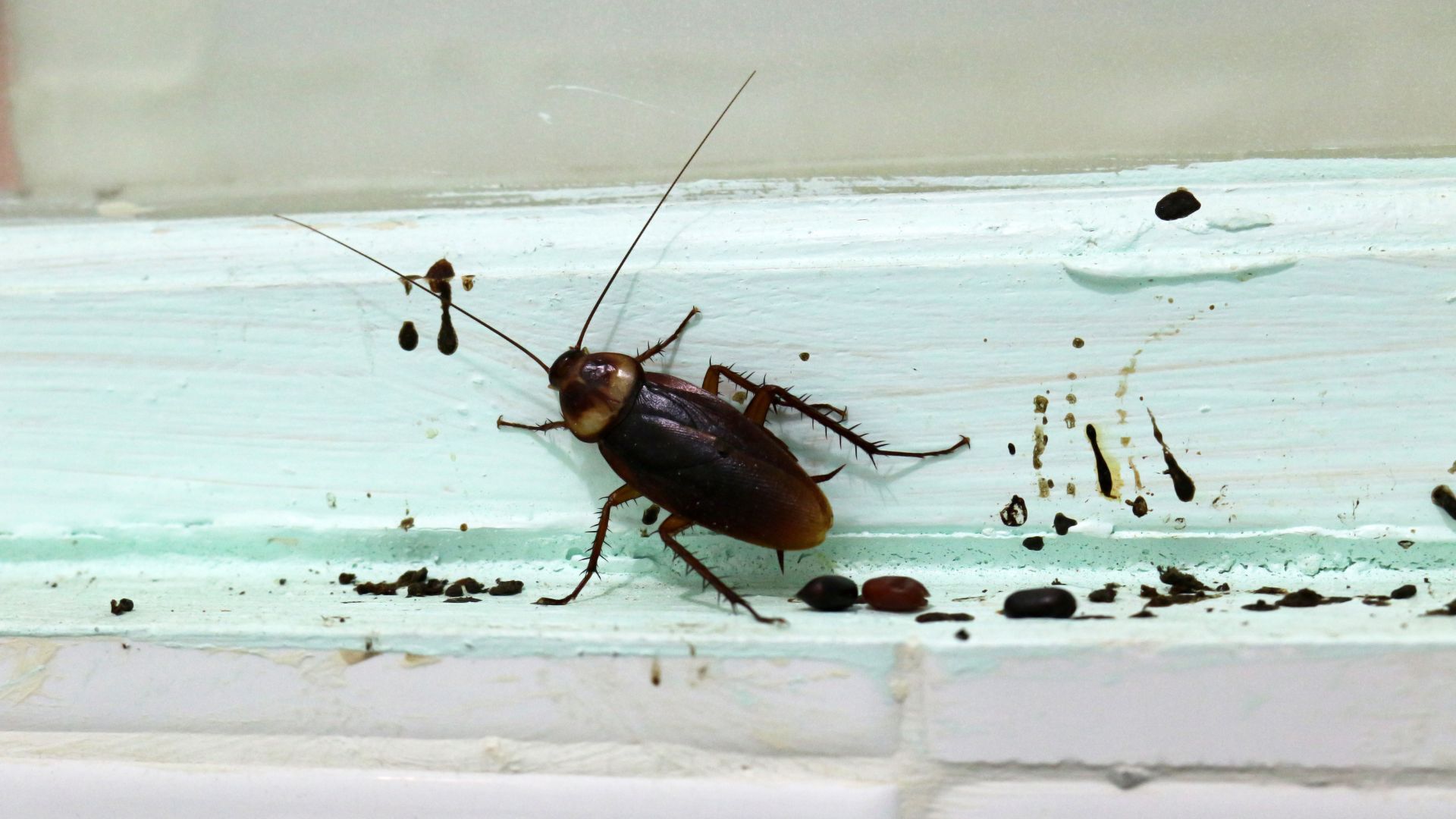
- Droppings: Dark, capsule-shaped pellets resembling grains of rice, typically measuring about three-quarters of an inch long, appear along walls and in corners where rats travel regularly.
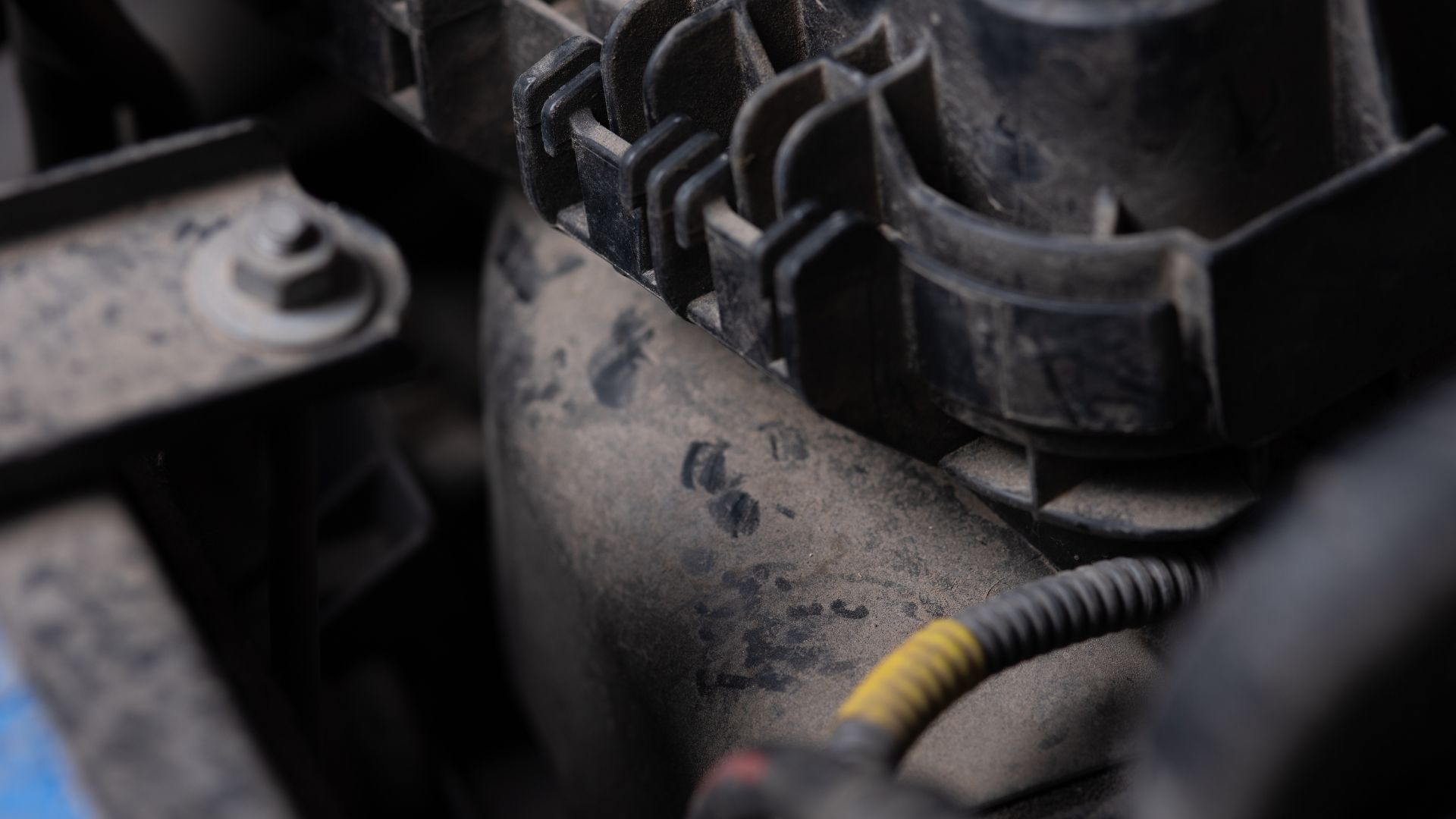
- Rub marks: Greasy, dark smudges along baseboards and walls result from oils in rat fur transferring to surfaces they brush against repeatedly.
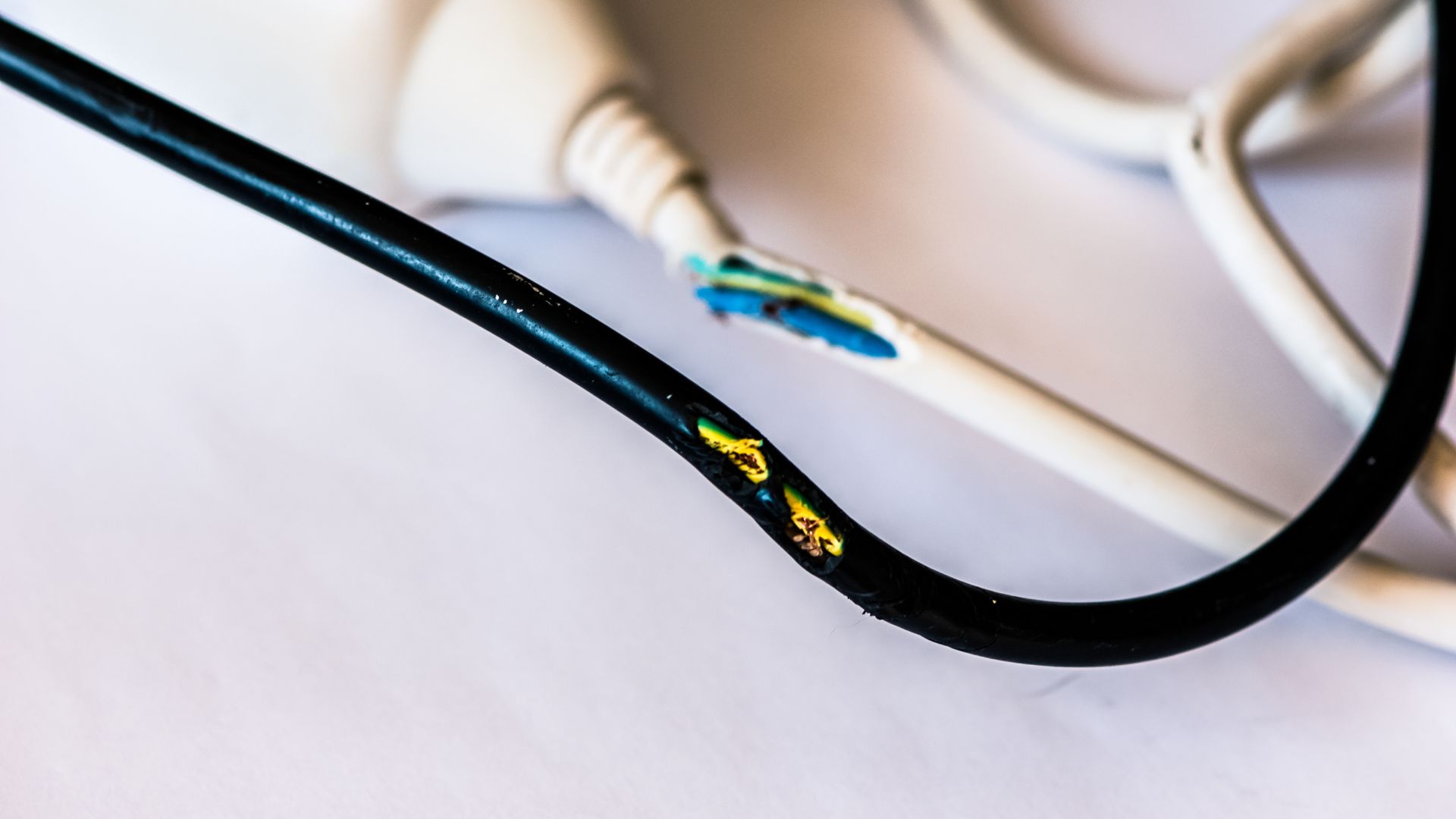
- Gnaw marks: Fresh chewing damage on food packaging, wood, plastic, and electrical wires shows distinctive tooth marks from their powerful incisors.
- Sounds: Scratching, scurrying, or squeaking noises in walls, ceilings, or beneath floors during nighttime hours indicate active movement.
- Nesting materials: Shredded paper, fabric, insulation, or plant material gathered in hidden areas signals that rats are establishing homes.
- Burrows: Entrance holes measuring 2 to 4 inches in diameter near foundations or under debris piles suggest an established outdoor population.
Outside your home, look for worn pathways through grass or along fences where rats repeatedly travel. These trails often connect burrows to food sources and entry points into buildings. If you notice any of these warning signs, it's time to take action before the problem grows worse.
Professional Rodent Control from Gingerly Pest Control
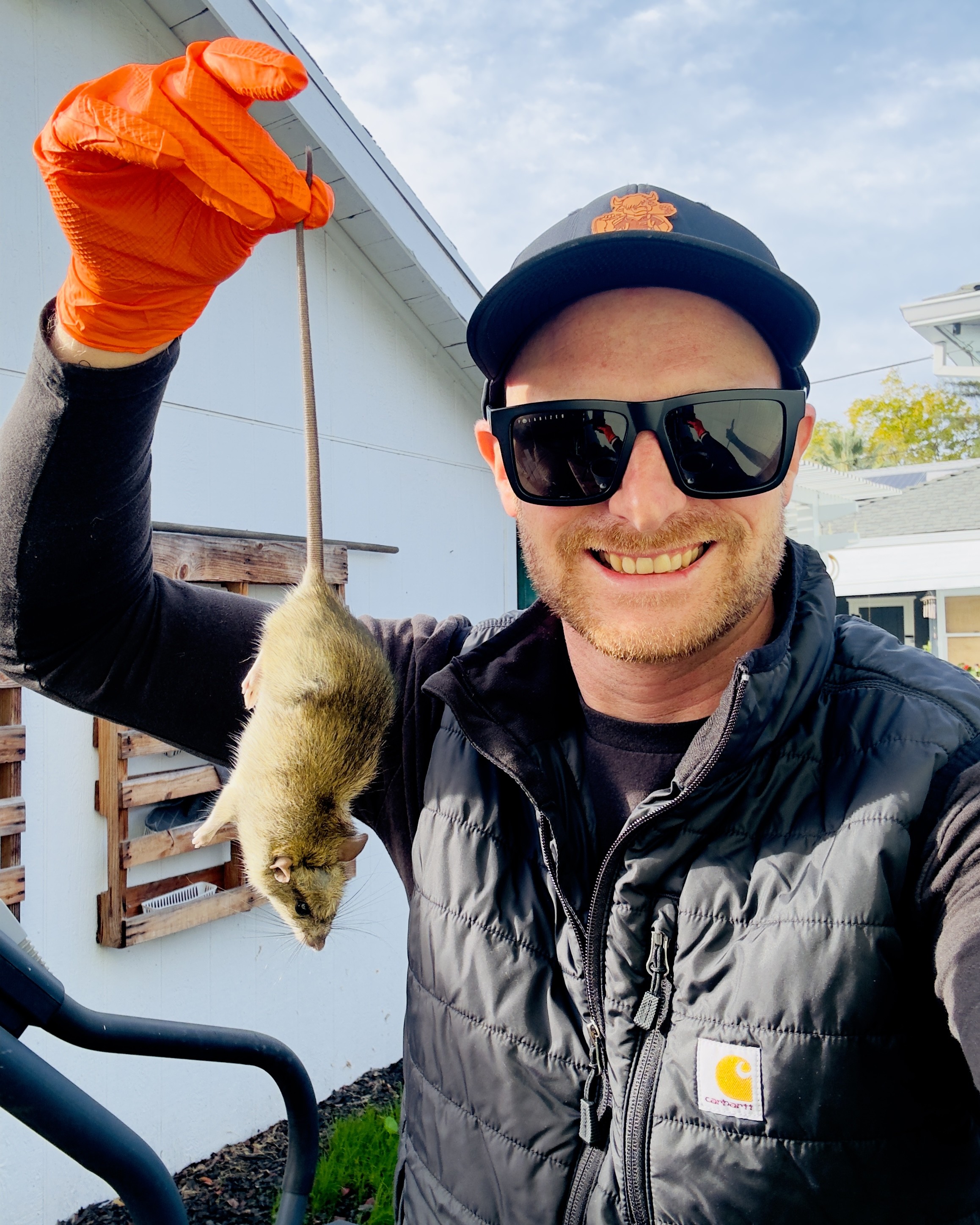
Don't let Norway rats take over your Placer County home this winter. Gingerly Pest Control provides rodent inspection, removal, and exclusion services for homes across the county. We understand how brown rats behave and focus on removing the rats already inside while reducing the chance of new ones getting in.
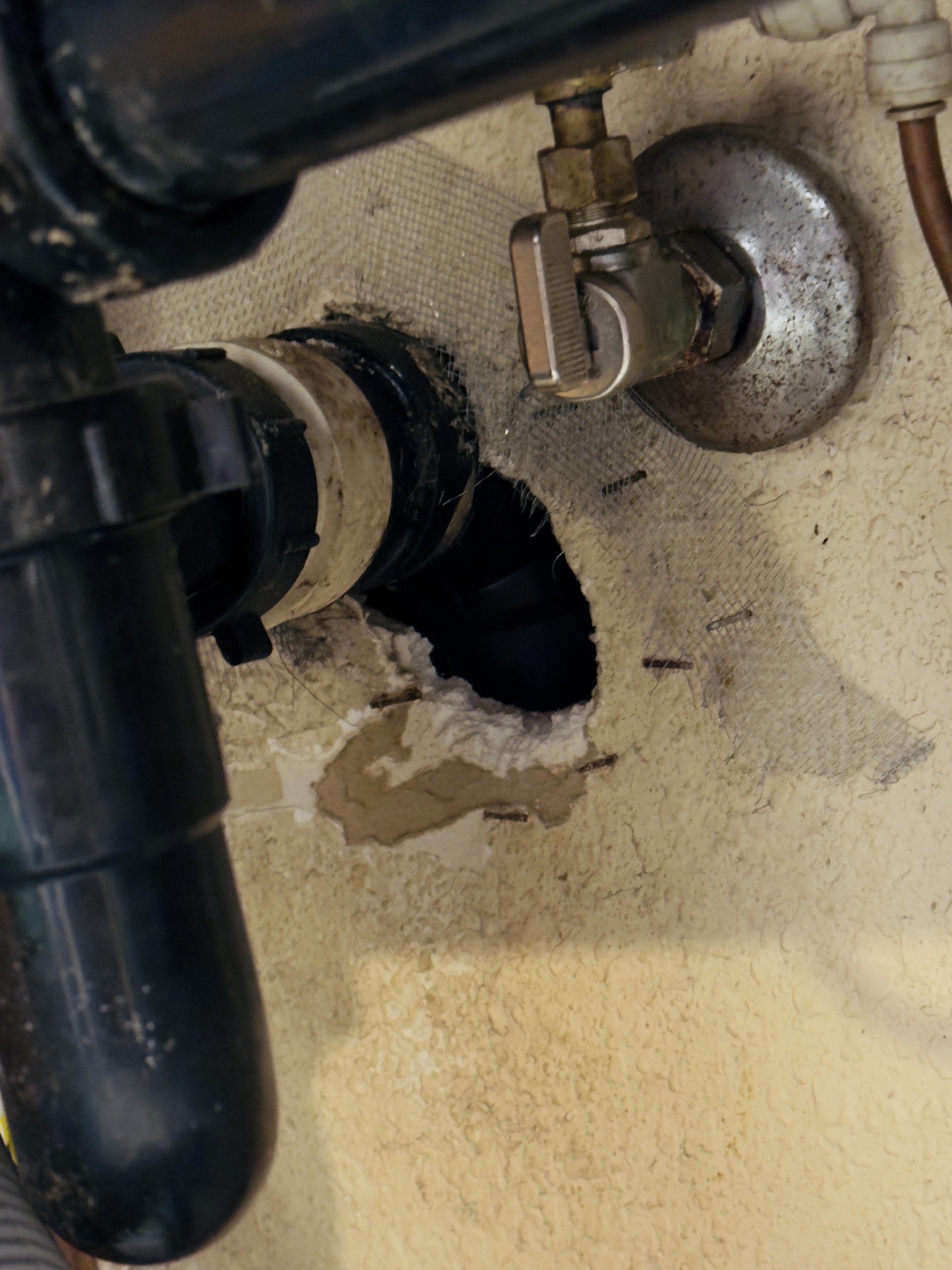
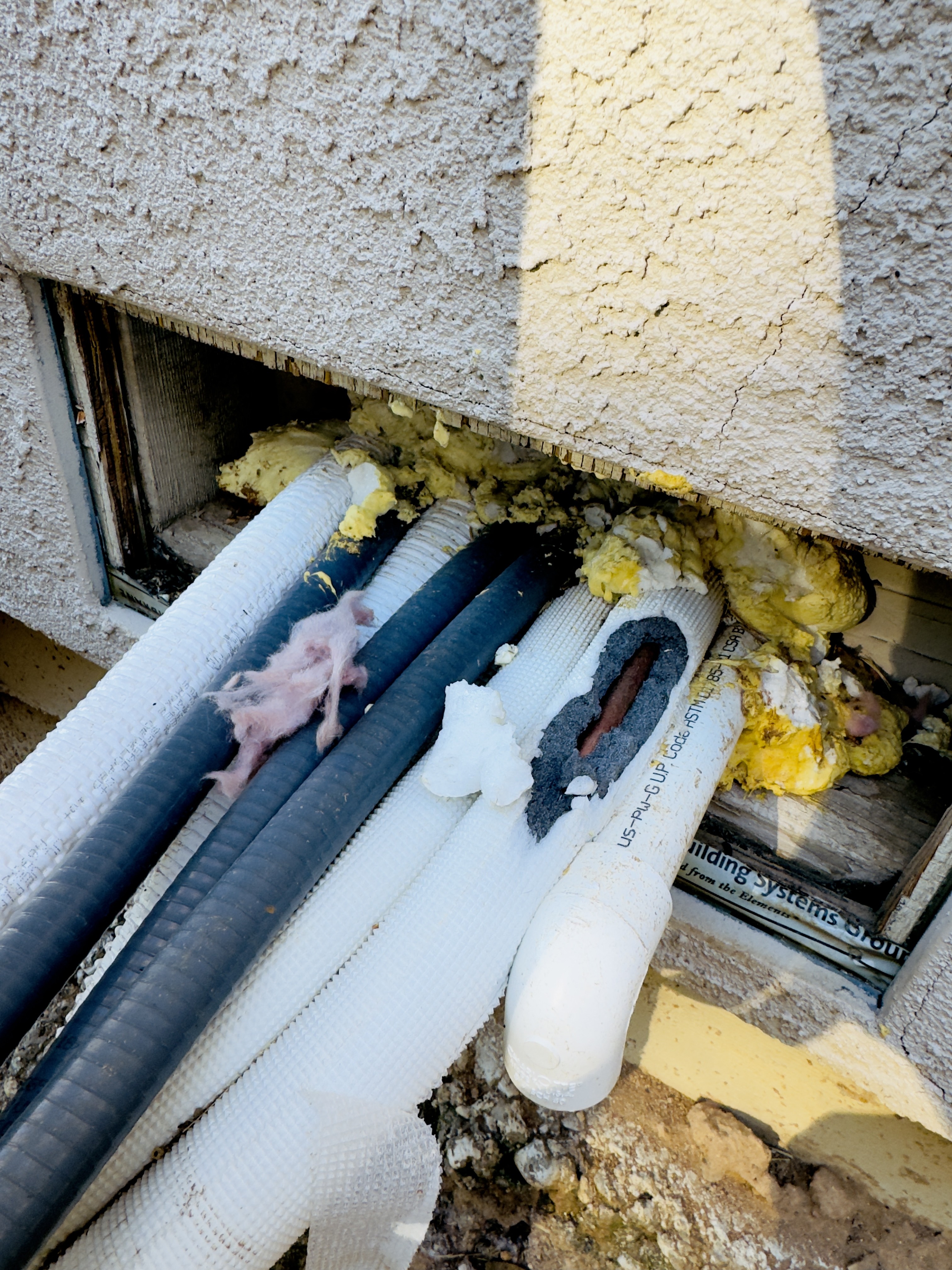
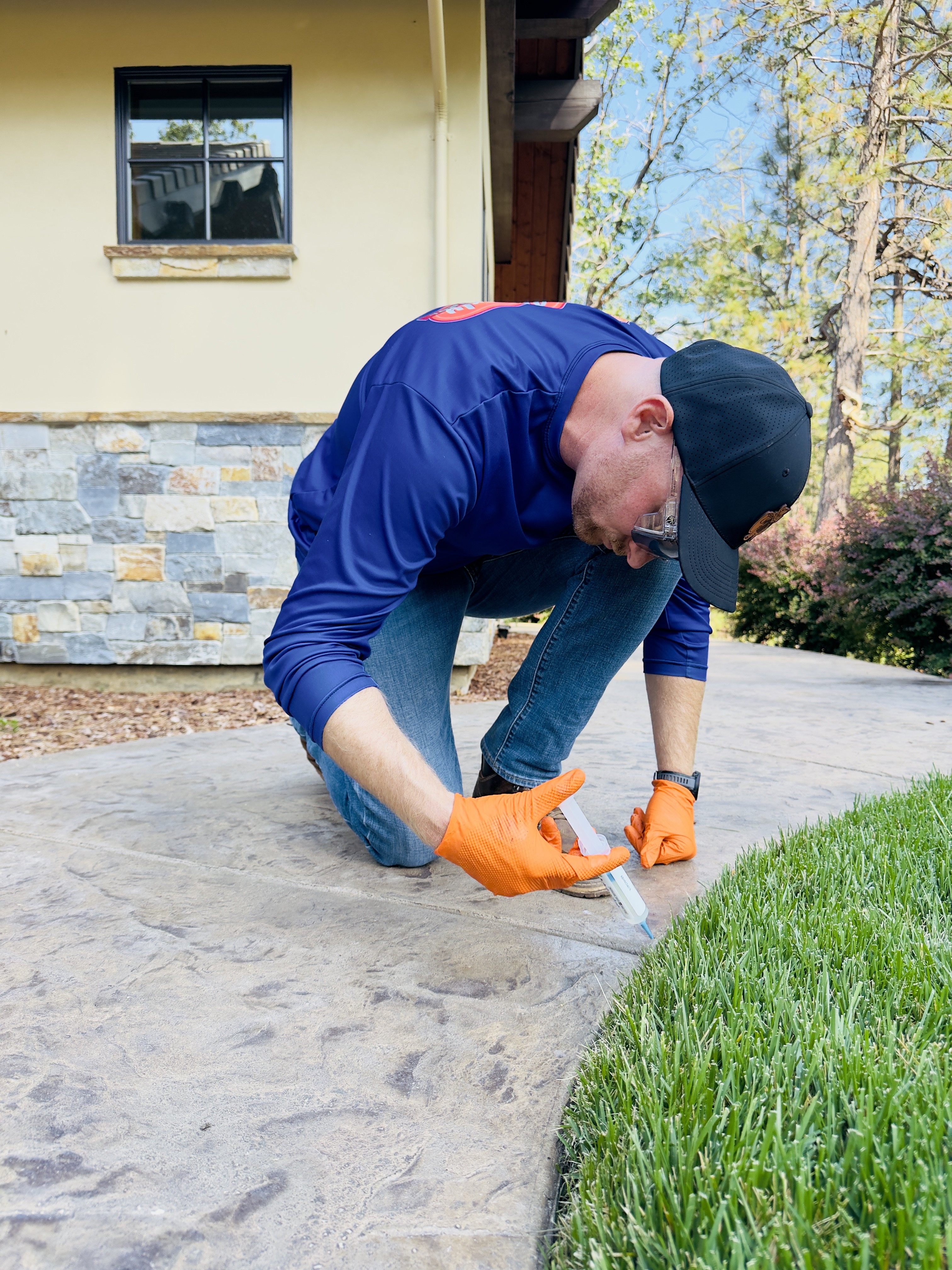
We begin every service with a thorough look at the property to identify entry points, nesting areas, and conditions that attract rats. From there, we build a plan that fits your specific situation. From sealing vulnerable access points to setting up trapping where it's needed, we handle Norway rat control with care.
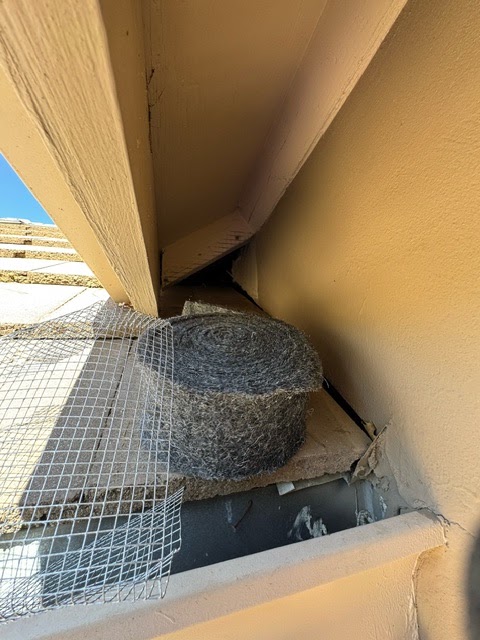
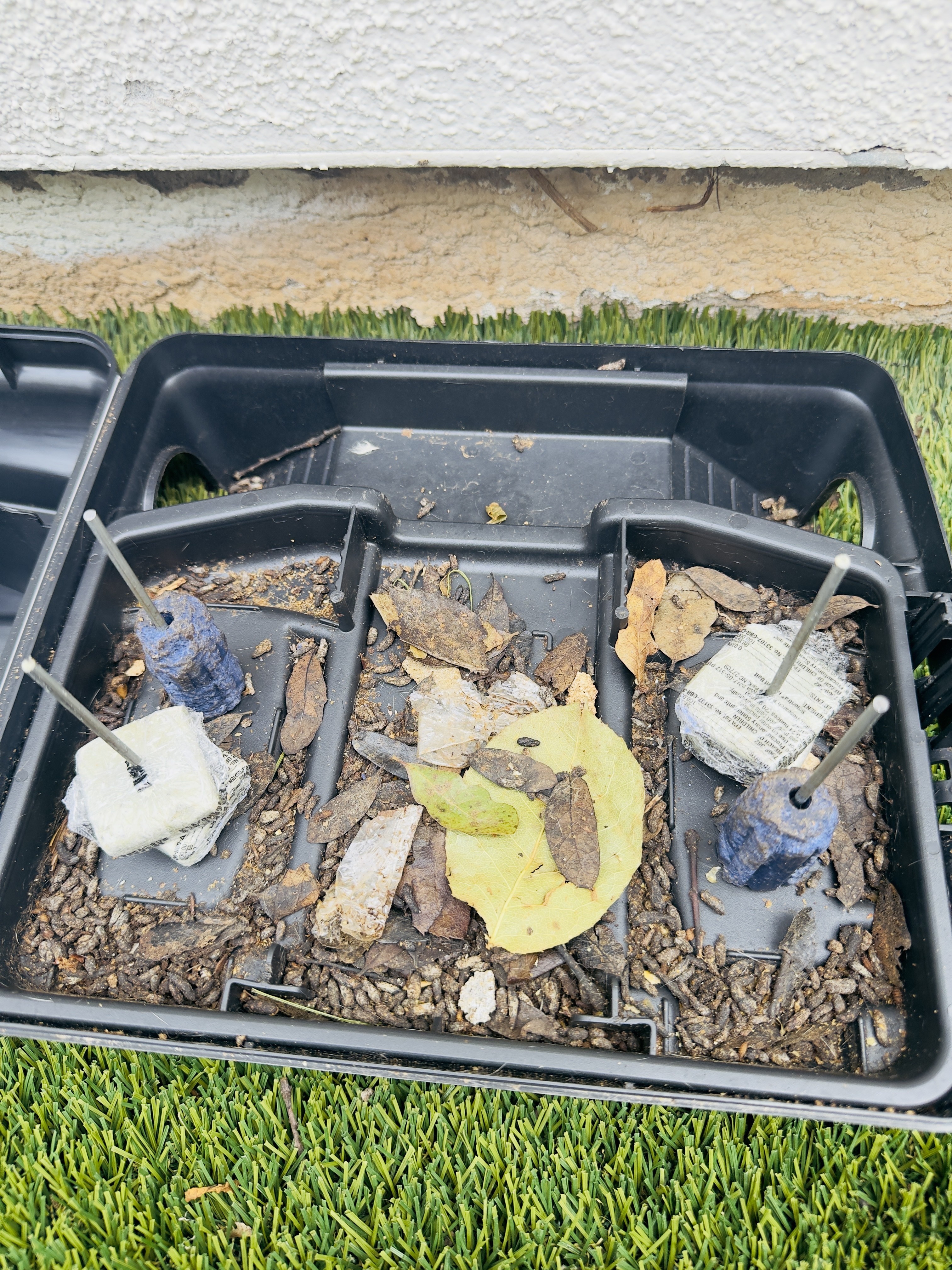
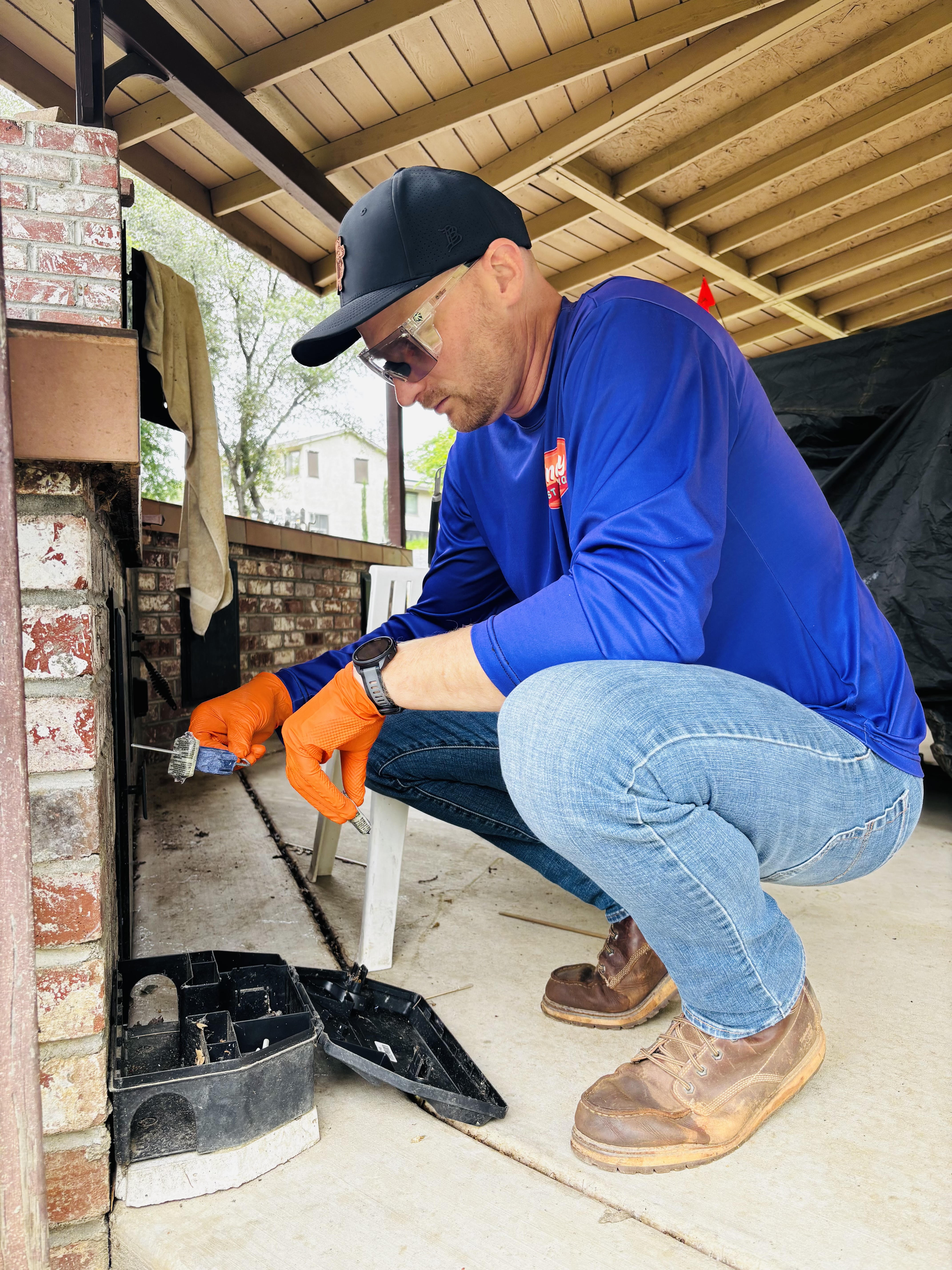
Our exclusion work seals the openings rats use to get into your home. We'll seal cracks and gaps and give you practical recommendations for keeping rats out going forward. For properties with ongoing outdoor pressure, exterior bait station service can help us catch new activity early.
Ready to reclaim your home from Norway rats? Reach out to Gingerly Pest Control and we'll talk through what you're seeing and what your home needs. We serve Placer County communities with honest, hands-on service. Let us help you head into winter with fewer surprises from unwanted rodent guests.
Not sure yet if what you're seeing is rodents? Start with our walkthrough on what to do when you find signs of rodents. Finding young ones is a sign of an established nest, which we cover in baby rats in your home.