
What Is a Rodent, Exactly?

A rodent is any mammal in the order Rodentia, the largest group of mammals on Earth. What defines the group isn't size or where they live — it's a single pair of front teeth, top and bottom, that never stop growing. Everything else about a rodent's behavior, from constant chewing to how fast they can take over a space, traces back to managing those teeth.
Rats and mice are rodents. So are squirrels, gophers, chipmunks, and voles. That's a wider category than most homeowners expect, and it's usually where the confusion starts — something shows up in the yard or the attic, gets called a "rodent," and the next question is whether it's actually the kind of problem a pest control company handles.
Here's the short version: if what you're dealing with is a rat or a mouse, that's exactly what our rodent control work in Placer County is built around. If it's something else — a gopher working over the lawn, a tree squirrel in the eaves — it's still technically a rodent, but it's a different animal with different habits, and not something we treat the same way.
What Actually Makes an Animal a Rodent?
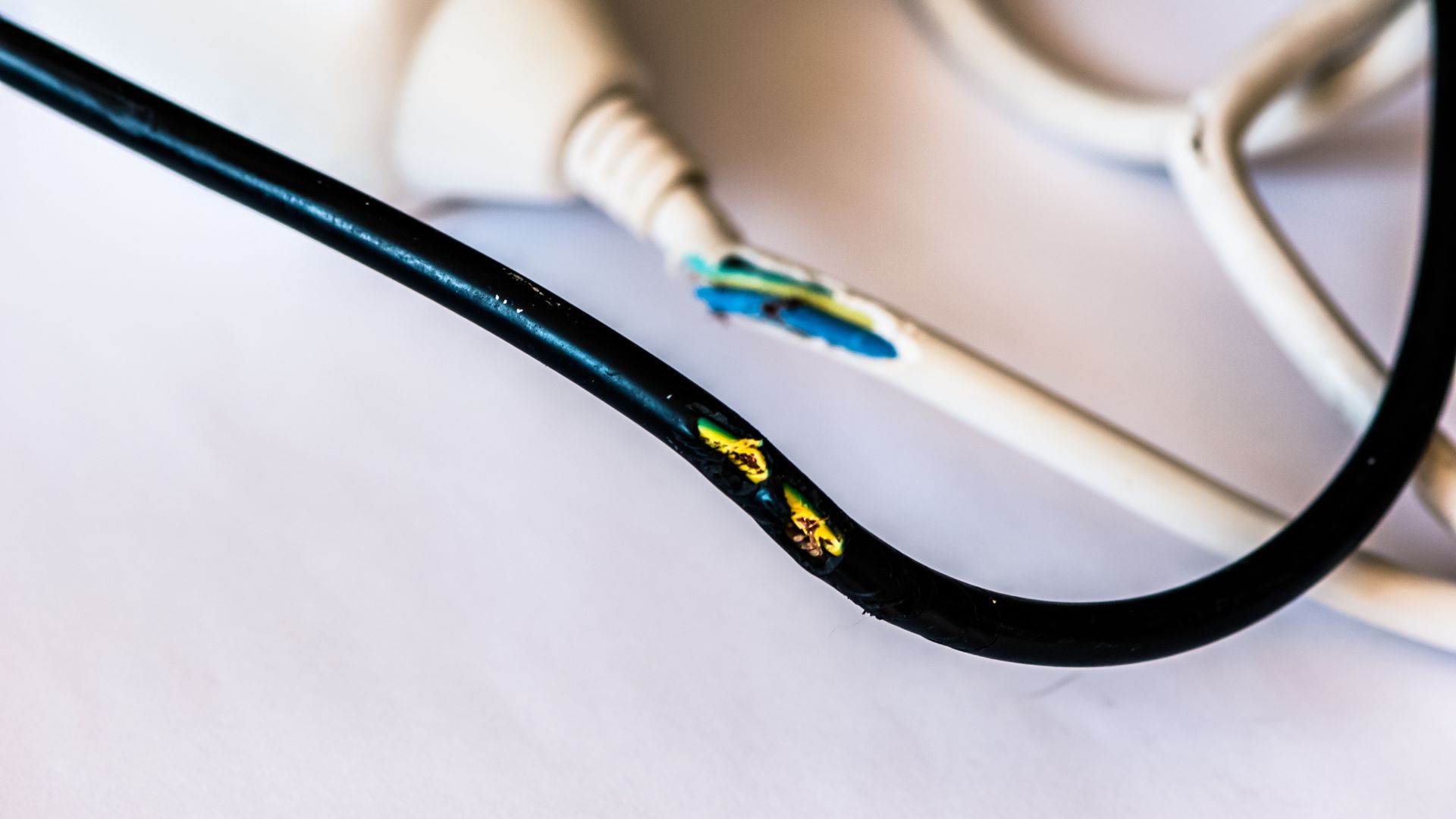
The name comes from the Latin rodere, "to gnaw," and that's the whole story. A rodent's incisors grow continuously through its life, so it has to gnaw on something — wood, wiring, drywall, stored food, concrete siding — just to keep them worn down to a usable length. That single trait is also why rodent damage tends to look the way it does: not random destruction, but a steady, repeated wearing-away at whatever's nearby.
Rodents make up close to half of all mammal species worldwide, which is part of why the category covers so much ground. A house mouse and a California ground squirrel aren't closely related in any way that matters to a homeowner, but biologically they're both rodents.
Are Rats and Mice Rodents?
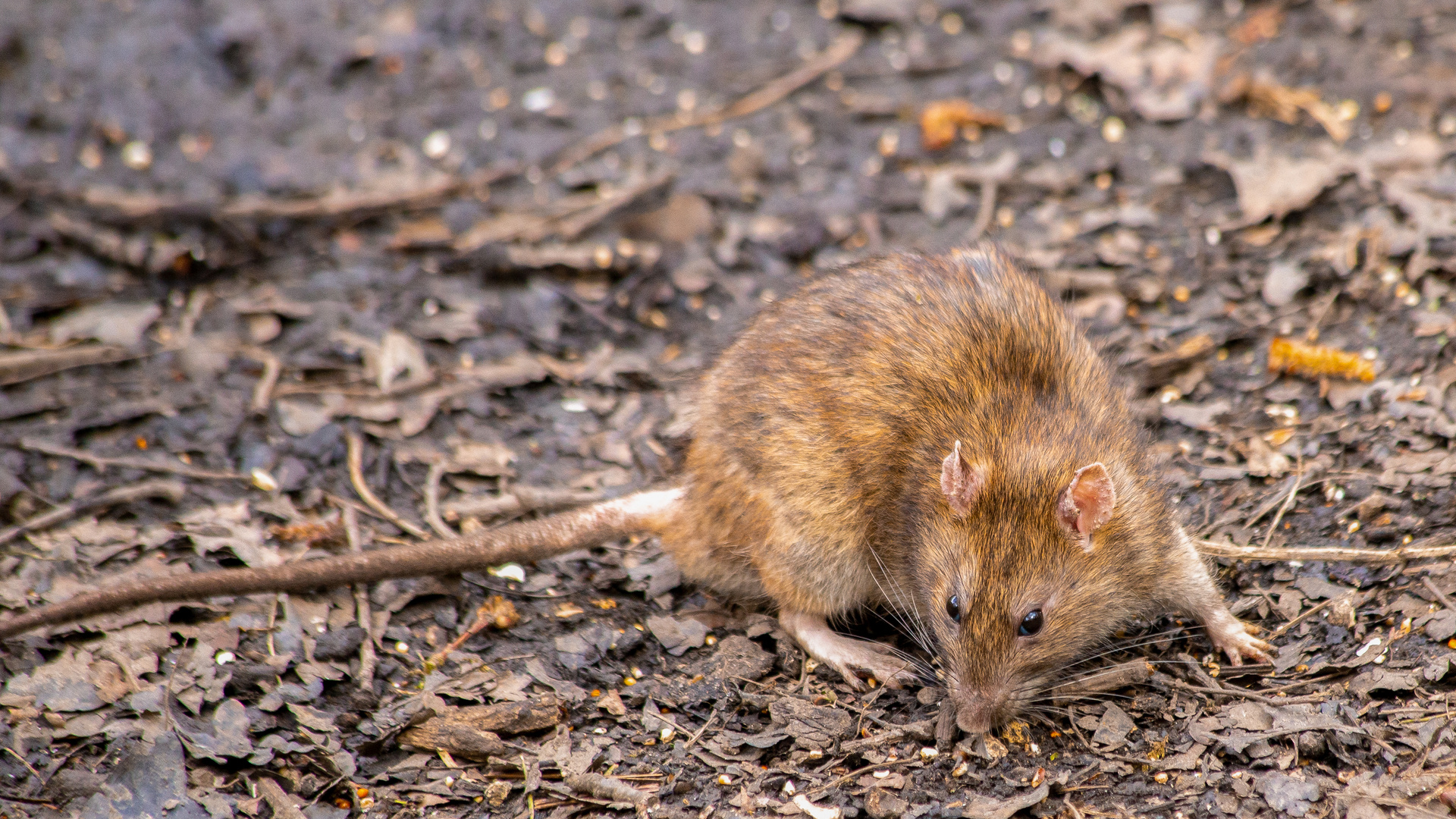
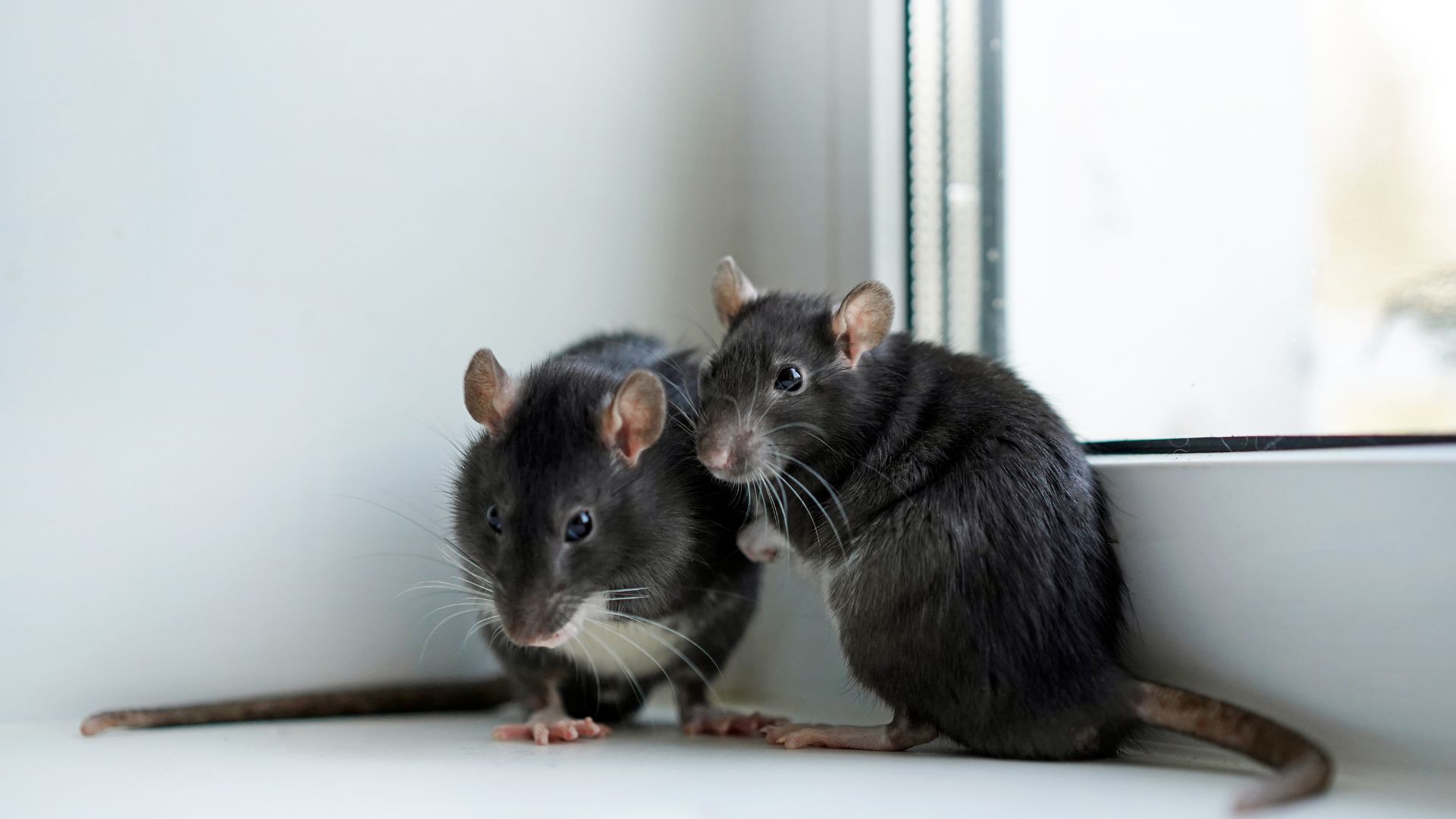
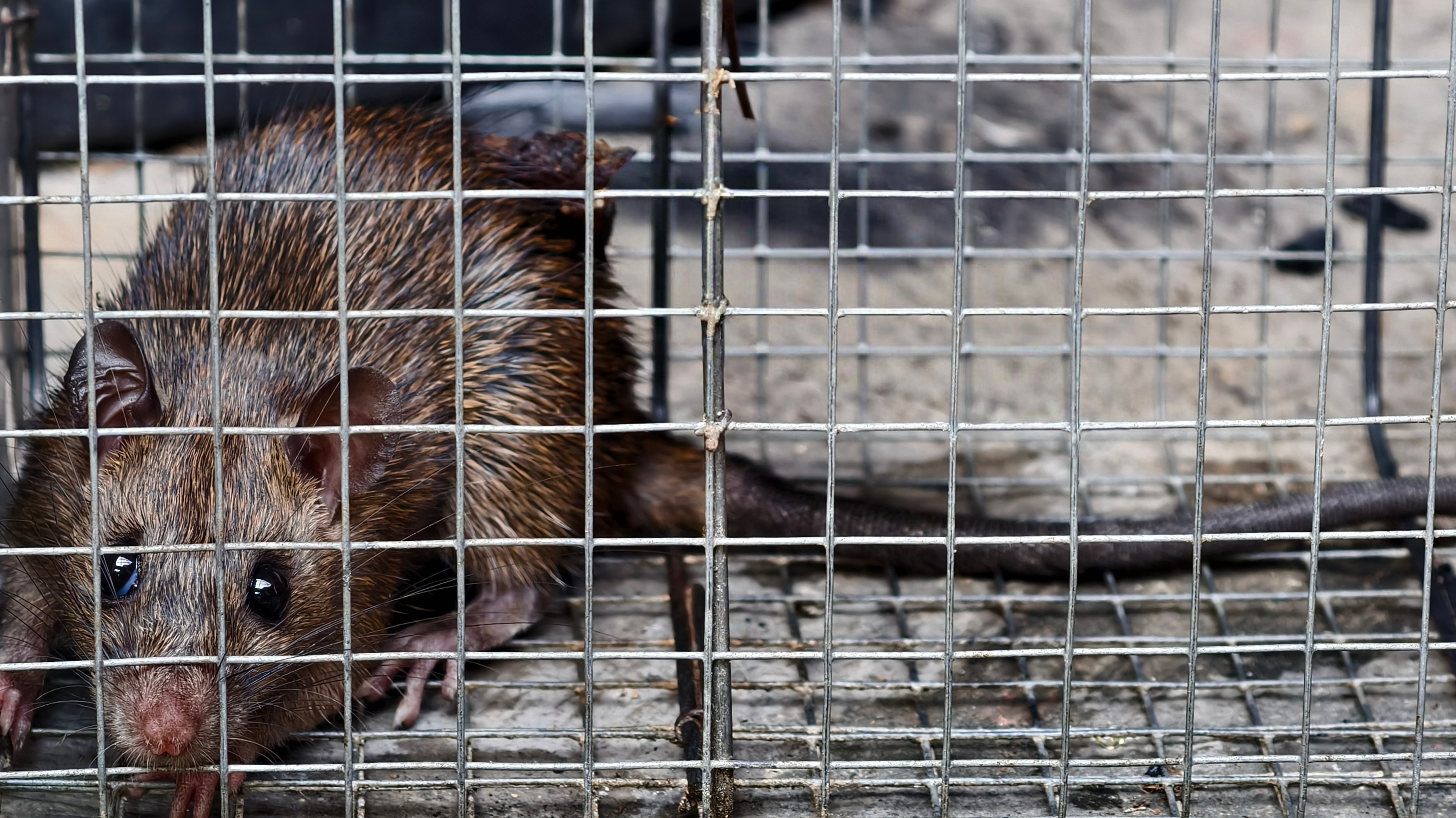
Yes, and they're the two rodents our rat-and-mouse work is actually about. Around Placer County, that's mostly roof rats, which climb and tend to nest up in attics, palm trees, and rooflines, and Norway rats, which stay lower — burrows, crawlspaces, woodpiles, foundations. House mice show up everywhere in between, since they can fit through a gap about a quarter-inch tall and don't need much to settle in. If you're trying to figure out which of the two you actually have, we've written a separate guide on telling mice and rats apart that goes through the droppings, sounds, and other signs in more detail than makes sense to repeat here.
Other Rodents You Might Run Into (That Aren't Rats or Mice)
A few other rodents show up regularly on Placer County properties, and it's worth knowing what you're actually looking at before assuming it's a rat or mouse problem:
- Tree squirrels — active during the day, often heard running across a roofline or moving through attic space, and generally larger and bushier-tailed than anything a rat or mouse call turns up.
- Ground squirrels — burrow in open yards and along fence lines, more of an outdoor nuisance than a structure problem.
- Gophers — never come inside; the giveaway is mounded dirt in the lawn or garden beds, not attic noise or droppings.
- Voles — small, mouse-like, but stay outdoors in grass and mulch, leaving visible surface runways rather than getting into the house.
All of these are rodents in the same biological sense a rat is. None of them are what our rodent control service is built to handle, and we'd rather tell you that up front than have you book an inspection for a gopher problem we're not set up to solve. If you're not sure which one you've got, that's a reasonable thing to call and ask about — we can usually tell from a description, and point you in the right direction either way.
So What Kind of Rodent Is Actually in Your House?
If the activity is genuinely inside the structure — attic, walls, garage, kitchen — droppings, gnaw marks, and nighttime scratching almost always mean rats or mice rather than one of the outdoor species above. Tree squirrels are the one exception that regularly gets into attics too, but they're active in daylight and considerably louder and heavier-sounding than a rat. Gophers and voles don't come inside at all, so activity in the house rules them out on its own.
Once you've narrowed it down to "it's a rat or a mouse in there somewhere," the next useful question is which one — and that changes where it's likely nesting and how we'd approach it. That's covered in full in our guide above on telling the two apart.
Why It's Worth Identifying the Animal Before Doing Anything About It
Sealing an entry point that a squirrel is using isn't the same job as sealing one a mouse is using — the materials and the size of the gap are different. Bait made for rats and mice isn't going to do anything about a gopher. Getting the species right first is what makes the rest of the plan actually work, rather than treating a symptom and having the activity show back up a few weeks later somewhere else.
What We Actually Do When It's Rats or Mice
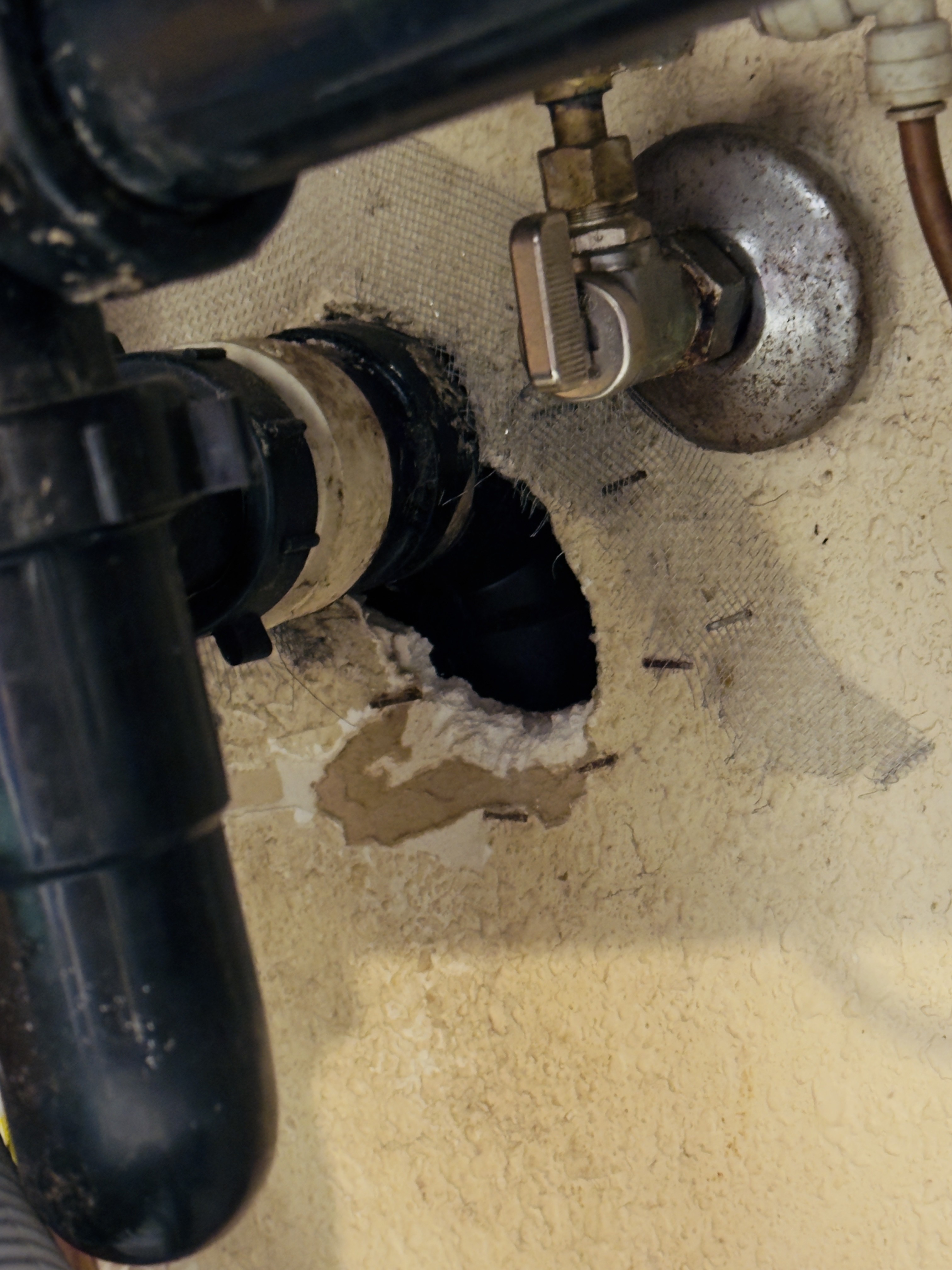
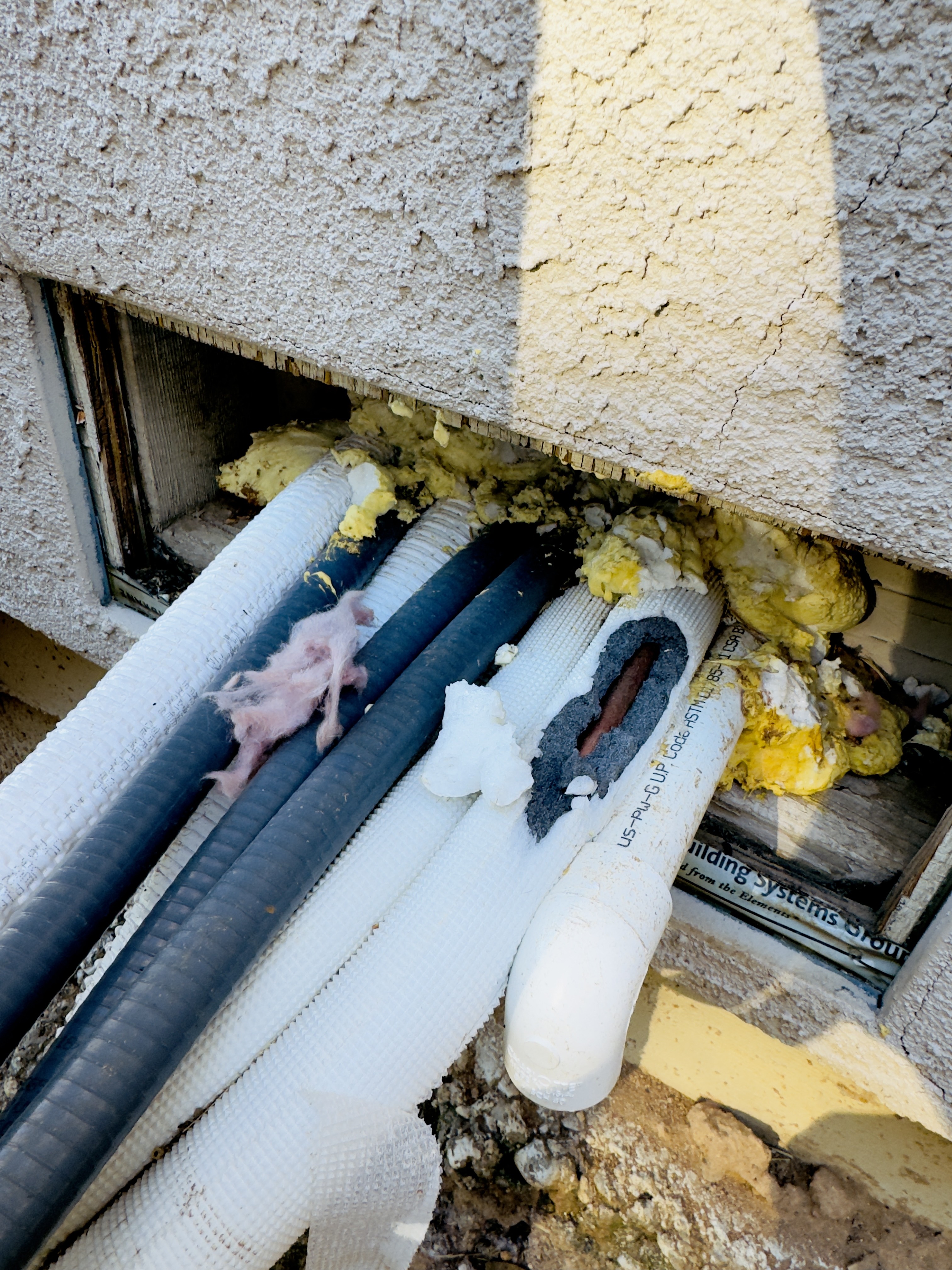
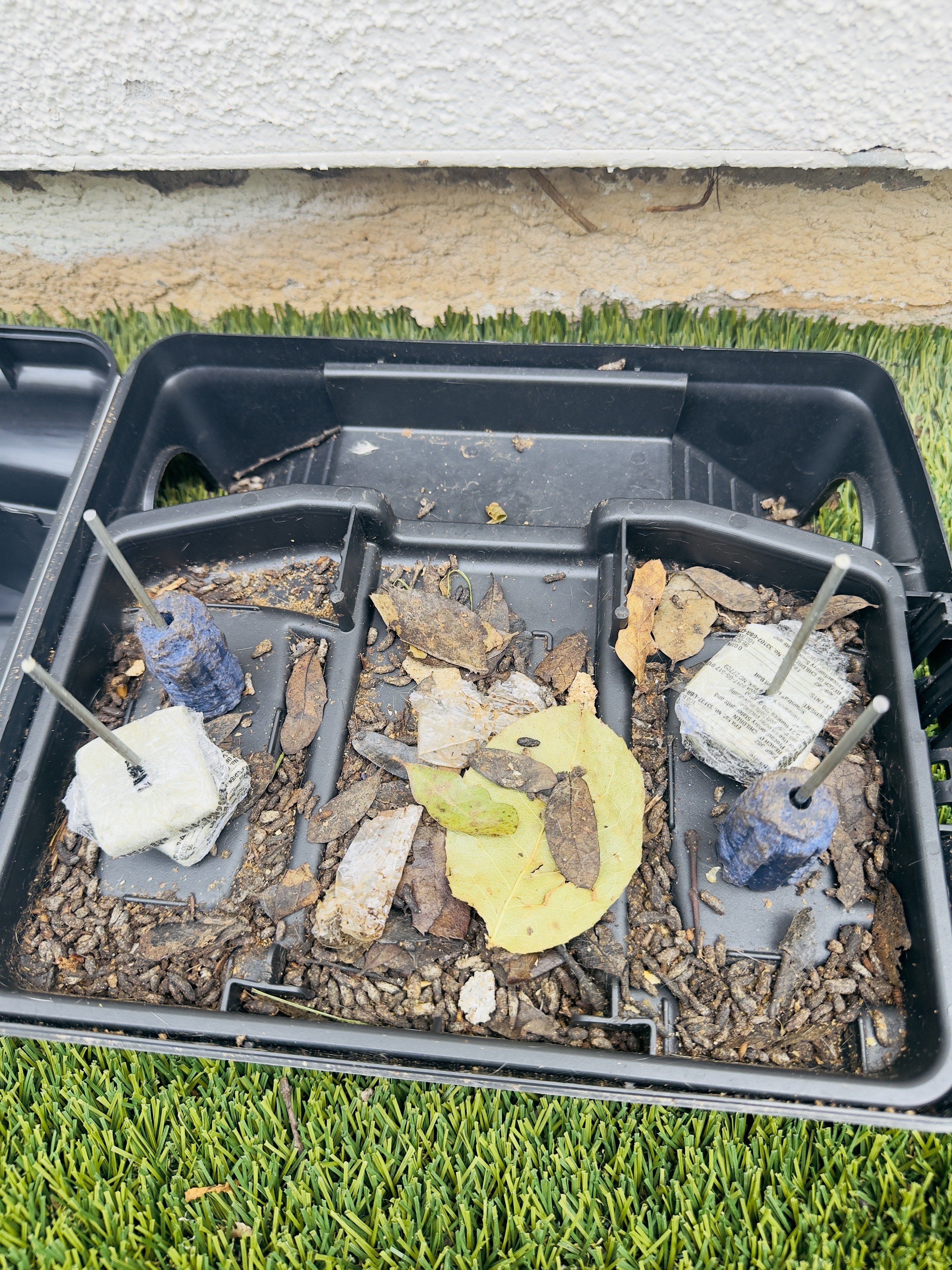
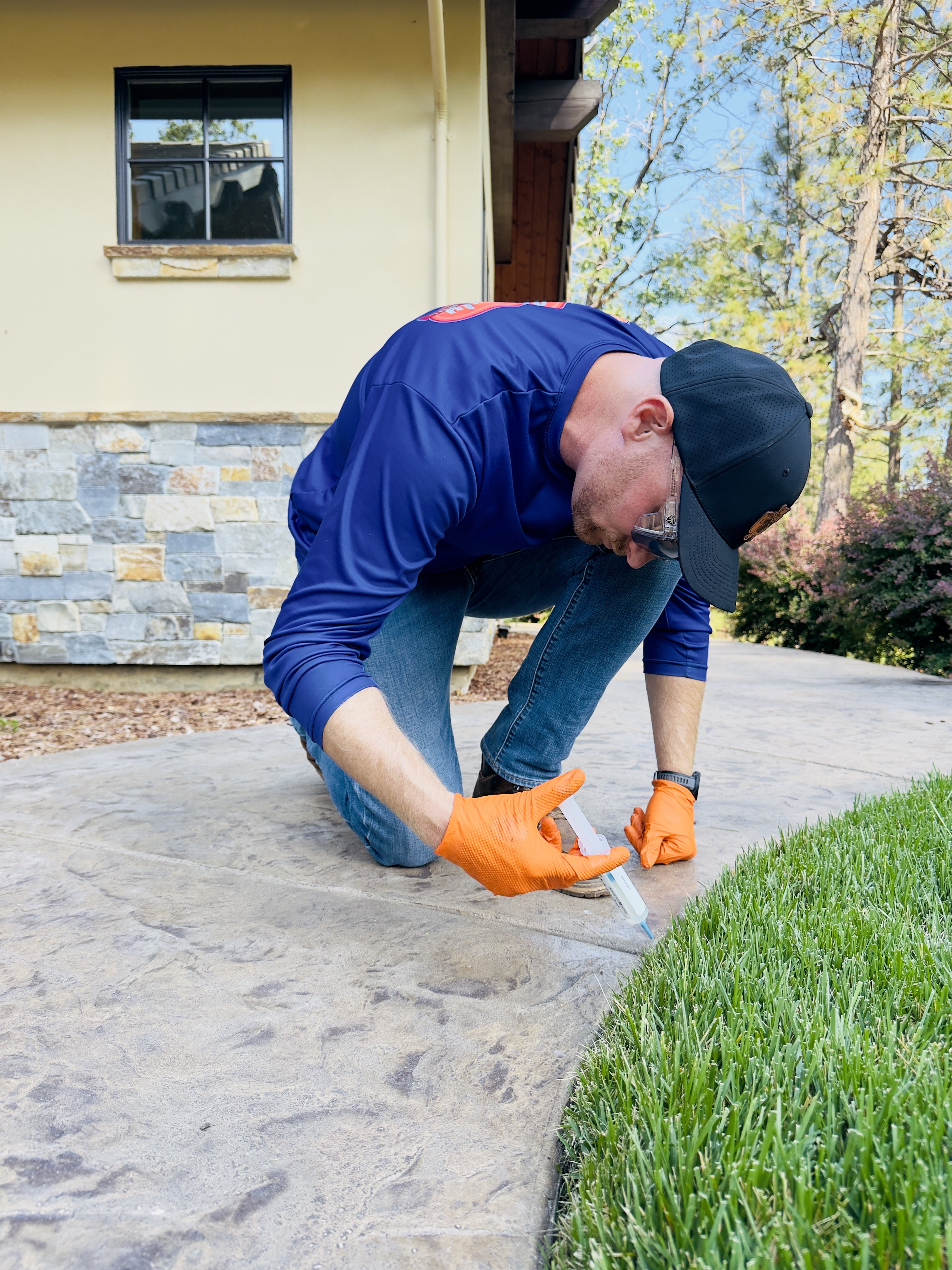
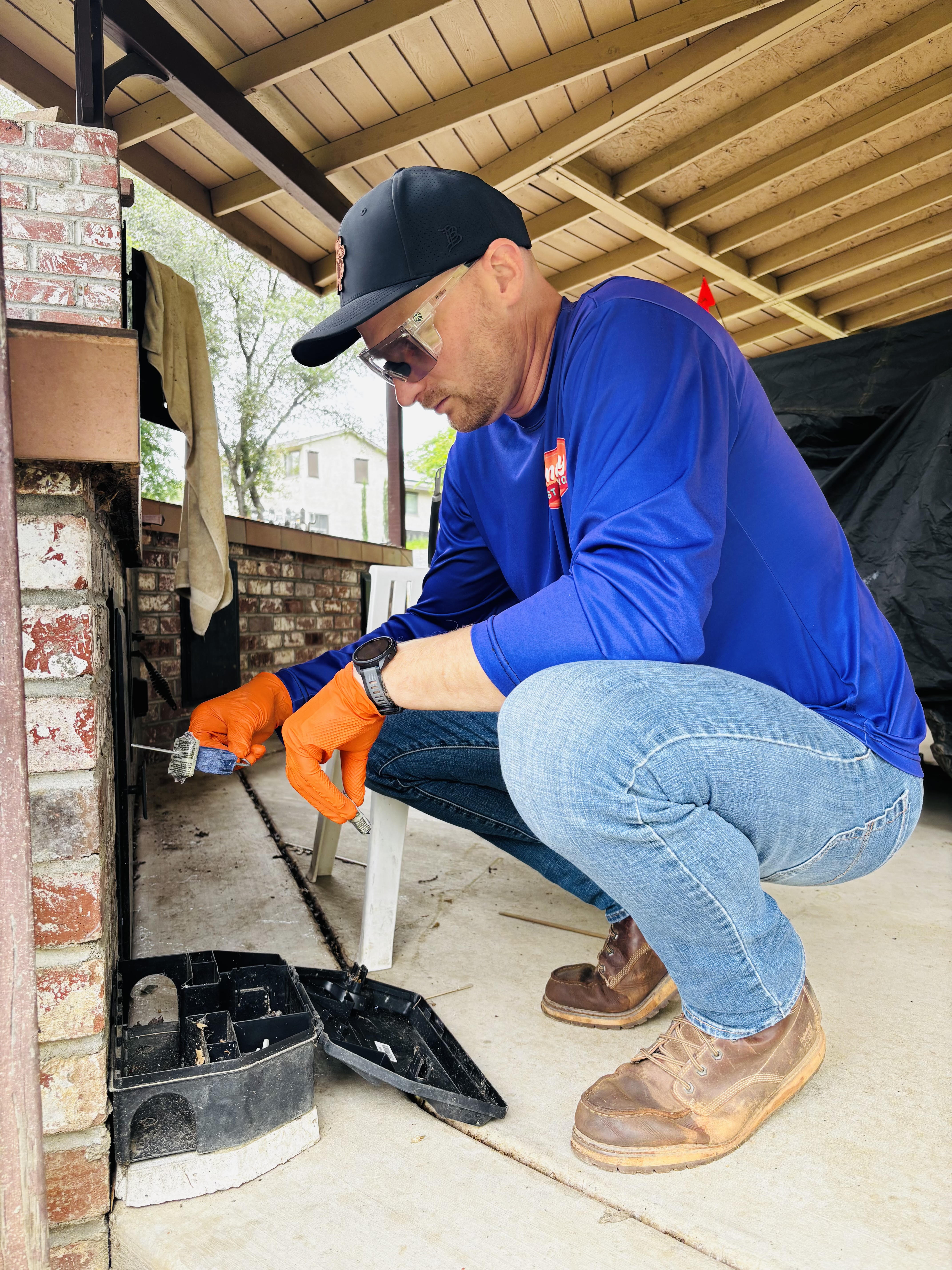
Once we've confirmed it's rats or mice, the approach is inspection first, then a combination of methods based on what that inspection turns up — not a single fixed treatment. That usually means exclusion where we can confidently identify entry points, trapping when rodents may already be inside or the entry point isn't obvious, and exterior bait stations used selectively to manage pressure around the property, with monitoring and adjustment afterward rather than a one-time visit. We go through that process in more detail, including the specific mistakes we see with DIY attempts, in how we handle rats and mice in Placer County.
Suburban Lots vs. Foothill Acreage: Does It Change Which Rodent Shows Up?
It does, somewhat. On tighter suburban lots — the kind we see a lot of around Lincoln and Rocklin — rat and mouse activity tends to concentrate around garages, foundations, and closely spaced structures, and ground squirrels or gophers are more of an occasional yard issue than a constant one. Out on more wooded, foothill acreage, like what we work on around Auburn and Foresthill, there's more cover, more outbuildings, and more attic access, so it's common to see rat activity alongside ground squirrels and gophers on the same property — not the same animal, just more habitat overall. Homes around Meadow Vista, Colfax, and Cool tend to fall somewhere in between, depending on how much of the lot is still open land.
A Few Common Questions
Are rats rodents?
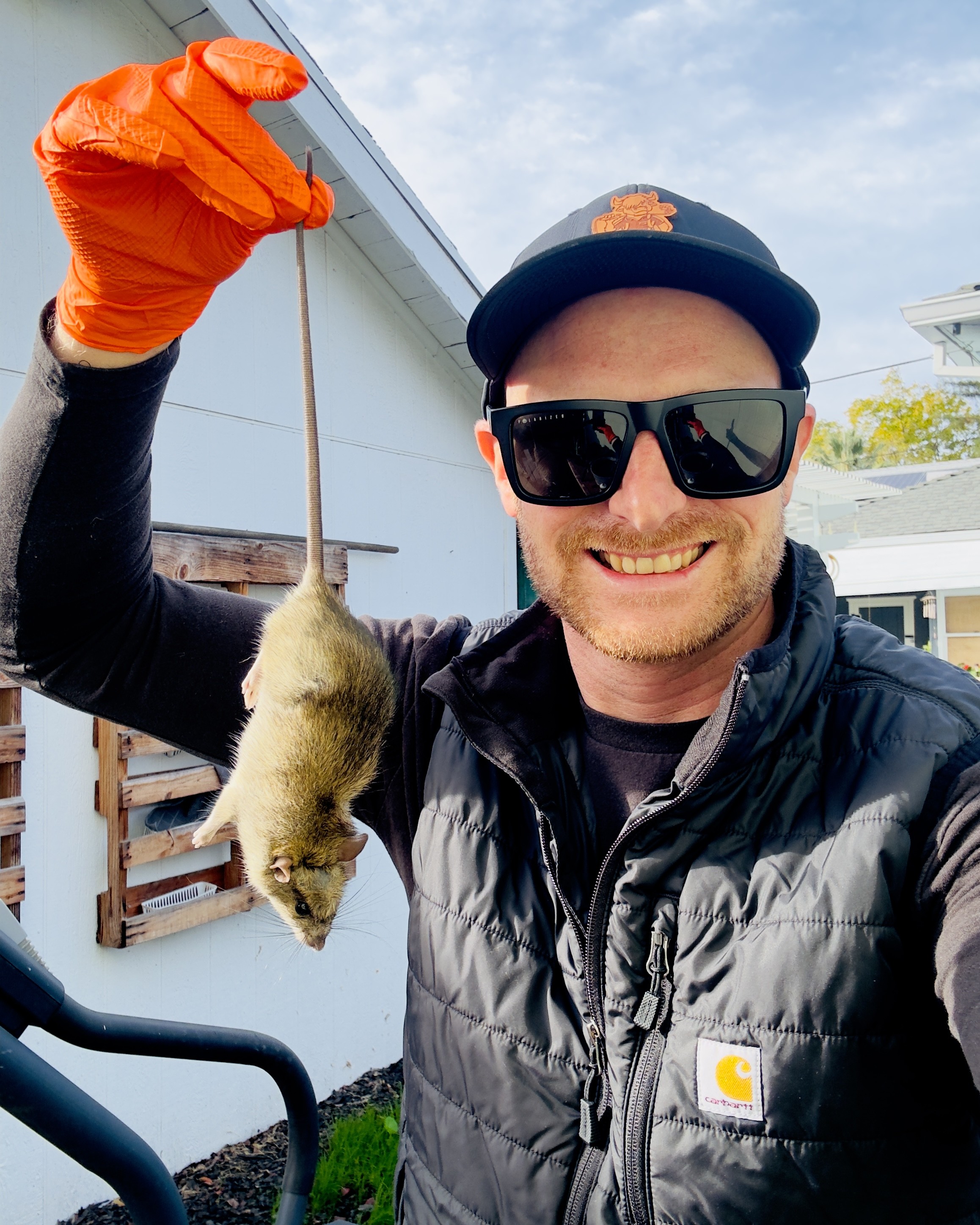
Yes. Rats are rodents in the same order as mice, squirrels, and gophers, but "rat" refers specifically to the larger, thicker-tailed rodents — in our area, mainly roof rats and Norway rats.
Are mice rodents?
Yes. House mice are the smallest rodent most Placer County homeowners deal with, and usually the fastest to turn a small entry point into an established problem because of how quickly they reproduce.
I have a gopher or squirrel problem — is that the same as calling about rats or mice?
Not quite. They're both rodents biologically, but our rodent control service is built around rats and mice specifically. If you're dealing with gophers or squirrels, give us a call anyway — we'd rather have a quick conversation and point you in the right direction than have you guess.
What should I do if I think I have rats or mice?
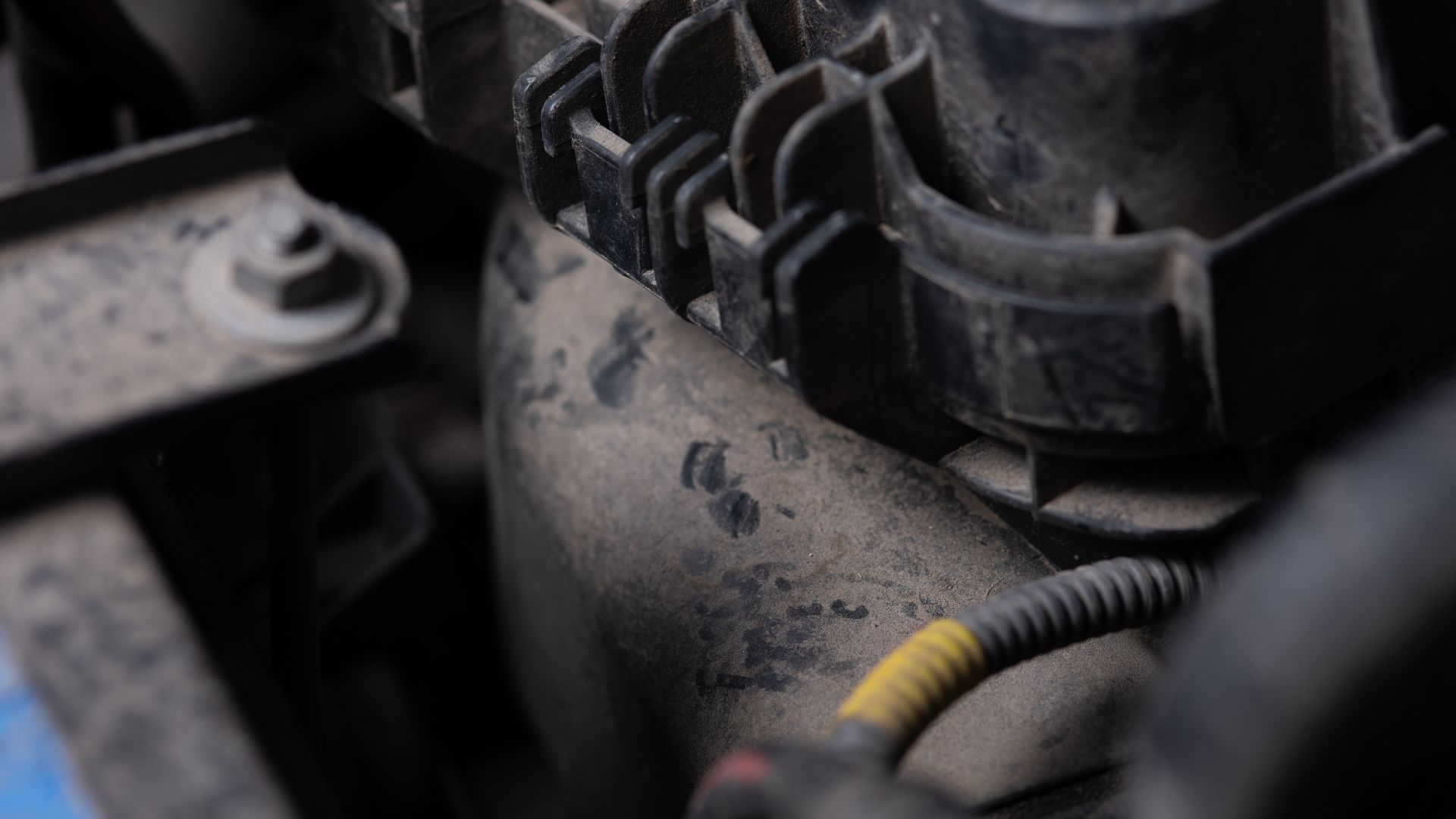
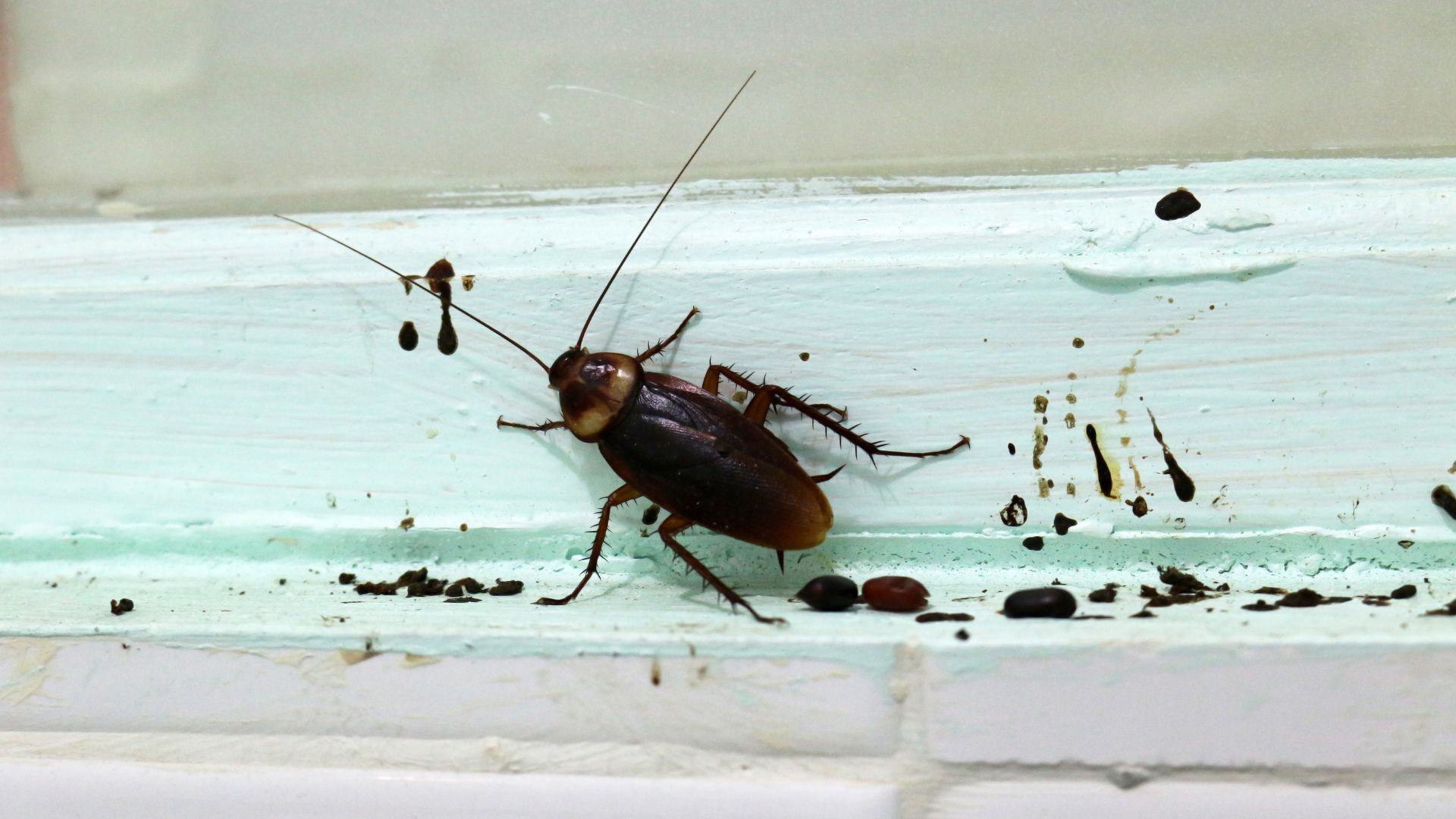
Start with a look yourself — droppings, gnaw marks, grease marks along a wall, or scratching that's consistently coming from the same spot. Given how quickly mice especially can multiply, a single confirmed sign is usually worth a proper inspection rather than waiting to see if it gets worse.
If that's where you're at, that's exactly what our rodent control service is for — an inspection to see what's actually happening at your property, followed by whatever combination of exclusion, trapping, and bait stations actually fits what we find. We'd rather build an ongoing relationship with your property than just show up once, so the visit after the first one matters just as much as the first.

.jpg)





.jpeg)