
Roof Rats in Placer County: What Homeowners Need to Know

Roof rats are a growing concern for many homeowners in Placer County. These agile rodents can invade homes quickly and cause serious damage. Understanding their behavior helps you protect your property and family.
At Gingerly Pest Control, we often see roof rats mistaken for other rodents. That confusion delays proper treatment. This guide explains how to identify roof rats, the risks they create, and why professional rodent control matters.
What Are Roof Rats?
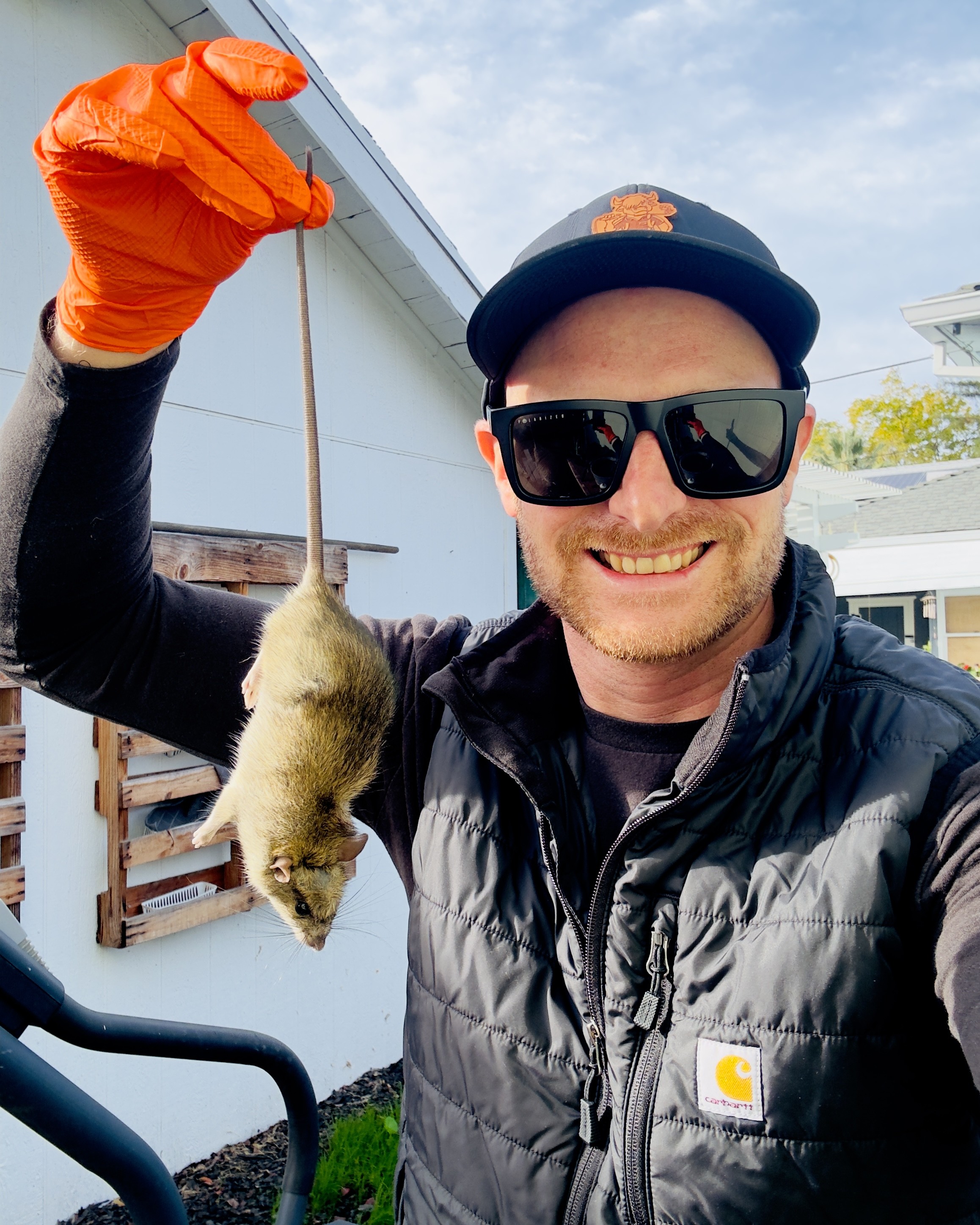
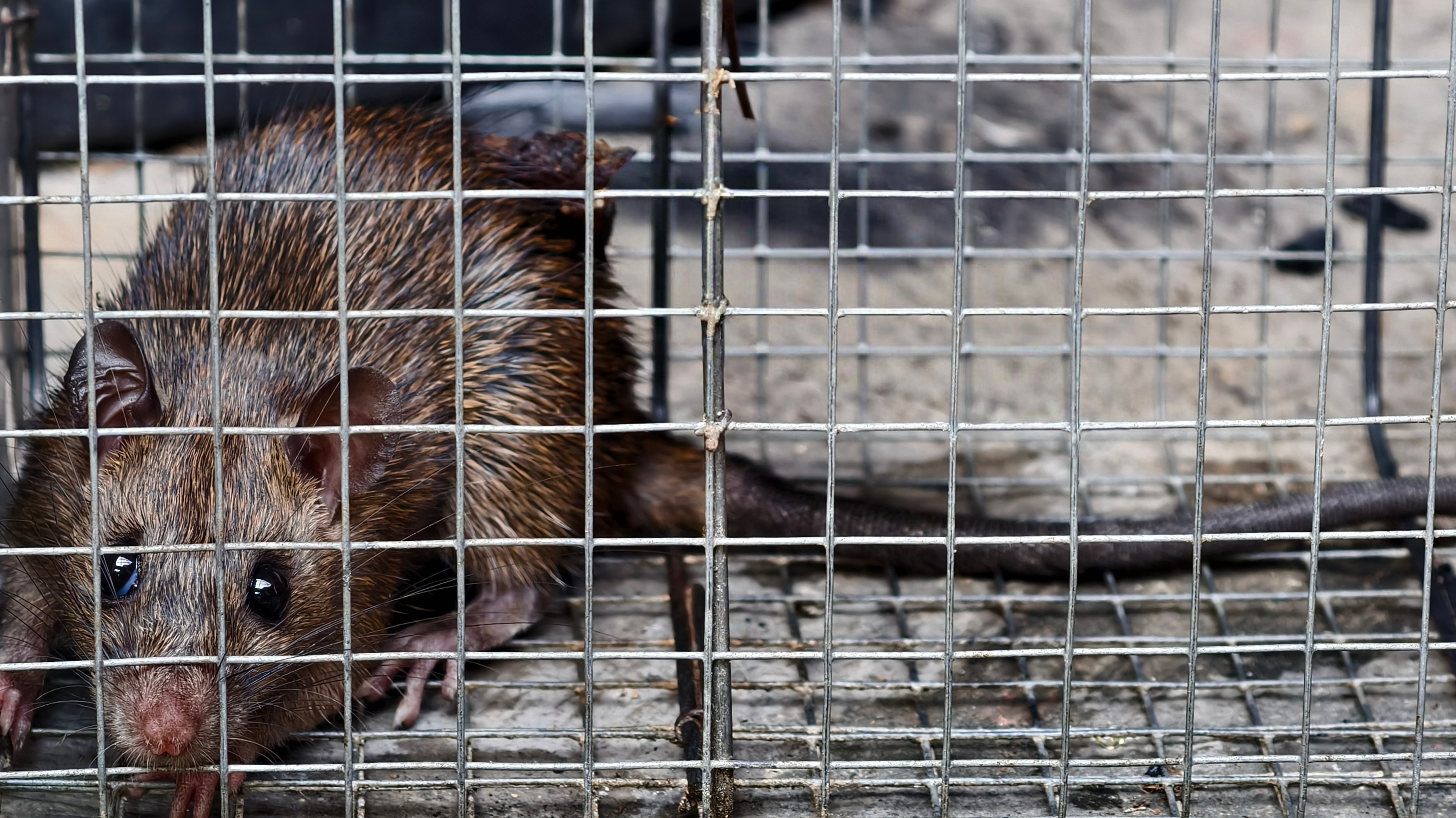
Roof rats, also called black rats, are slender rodents with long tails. They are excellent climbers and prefer elevated areas. You often find them in attics, trees, and roofs.
Unlike some rodents, roof rats rarely stay on the ground. They enter homes through branches, power lines, or roof gaps. Once inside, they nest in quiet, hidden spaces.
Roof rats are nocturnal. That means you may hear them before you see them. Scratching sounds at night often signal an infestation.
Roof Rat vs. Norway Rat: Key Differences
Many homeowners confuse roof rats with Norway rats. Knowing the difference helps ensure proper rodent control.
Roof rats
- Slender body with a pointed nose
- Tail longer than the body
- Excellent climbers
- Prefer attics, trees, and roofs
- Common in warmer climates
- Stocky body with a blunt nose
- Tail shorter than the body
- Poor climbers but strong diggers
- Prefer basements and ground burrows
- More common in colder areas
If rodents are active above ground or in your attic, roof rats are usually responsible.
Why Roof Rats Are Common in Placer County
Placer County provides ideal conditions for roof rats. Mild weather supports year-round activity. Mature trees and citrus plants also attract them.
Homes near open space face higher risk. Roof rats use branches as natural highways to rooftops. From there, small gaps allow easy entry.
Urban growth also plays a role. Construction displaces rodents and pushes them into nearby homes. As neighborhoods expand, infestations increase.
Signs of a Roof Rat Infestation
Early detection limits damage. Watch for these common warning signs:
- Scratching or scurrying sounds at night
- Droppings in attics or garages
- Gnaw marks on wood or wiring
- Grease marks along walls or beams
- Nests made from shredded materials
Roof rats reproduce quickly. A small problem can escalate fast. Acting early protects your home and saves money.
Rodent Damage: Why Roof Rats Are Dangerous
Roof rats cause more than annoyance. They create serious structural and safety risks.
Rodent damage often includes chewed insulation and wood. This weakens building materials over time. Roof rats also contaminate stored food.
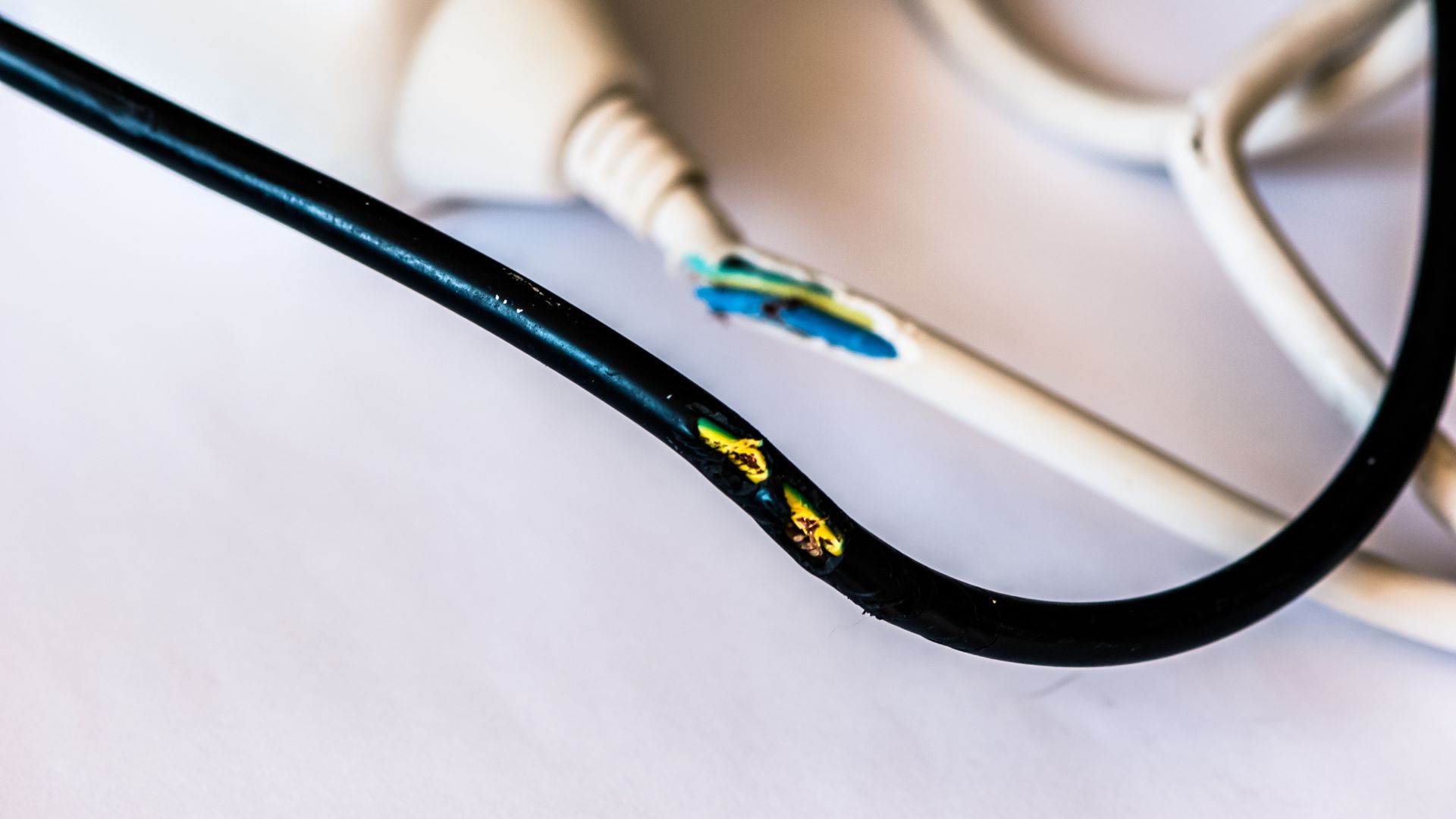
Many homeowners ask, do rats chew wires? The answer is yes. Roof rats gnaw constantly to wear down their teeth. Electrical wiring is a frequent target.
Chewed wires increase fire risk. In fact, rodent damage is a known cause of residential fires. Addressing infestations quickly is essential.
Health Risks Linked to Roof Rats
Roof rats carry bacteria and parasites. Their droppings and urine contaminate surfaces.
Diseases spread through direct contact or airborne particles. Fleas carried by rats also pose risks to pets and people.
Children and elderly residents face higher exposure risks. Proper rodent control protects household health.
Why DIY Methods Often Fail
Store-bought traps and poisons seem appealing. However, roof rats are cautious and intelligent.
Improper placement reduces effectiveness. Poison can also create secondary problems. Rats may die in walls or attics, causing odor issues.
DIY approaches often treat symptoms, not the source. Without sealing entry points, rats return.
Professional rodent control addresses behavior, access, and nesting sites together.
Preventing Roof Rats Around Your Home
Prevention reduces infestation risk. Simple steps make a big difference.
Trim tree branches away from roofs. Remove food sources like fallen fruit. Store pet food in sealed containers.
Inspect your roof regularly. Small gaps and damaged vents invite rodents. Prompt repairs block entry points.
Consistent maintenance supports professional rodent control efforts and protects your home year-round.
Professional Roof Rat Control in Placer County
Effective roof rat control requires a strategic and timely approach. At Gingerly Pest Control, treatments focus on long-term prevention while addressing active infestations quickly.
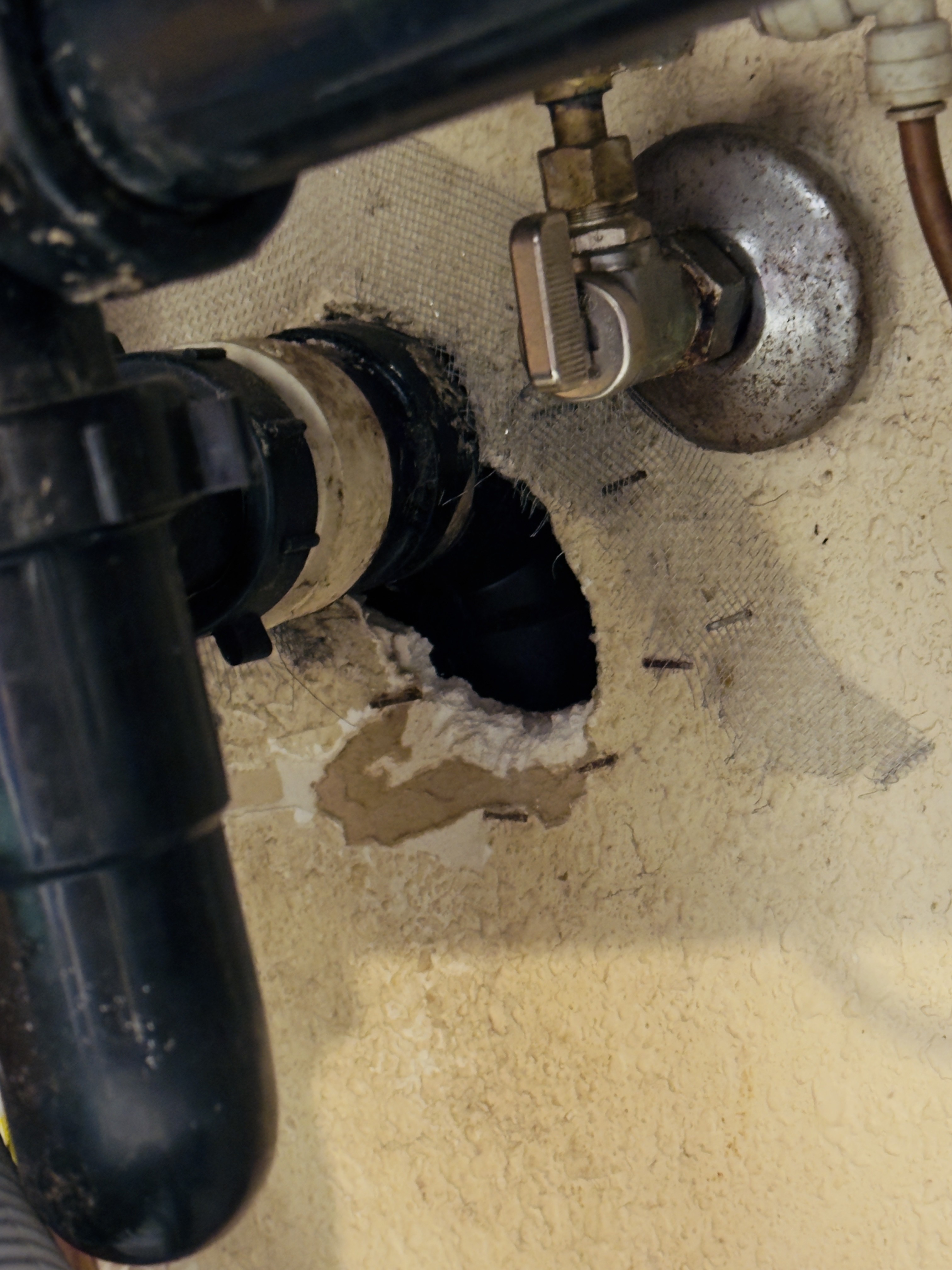
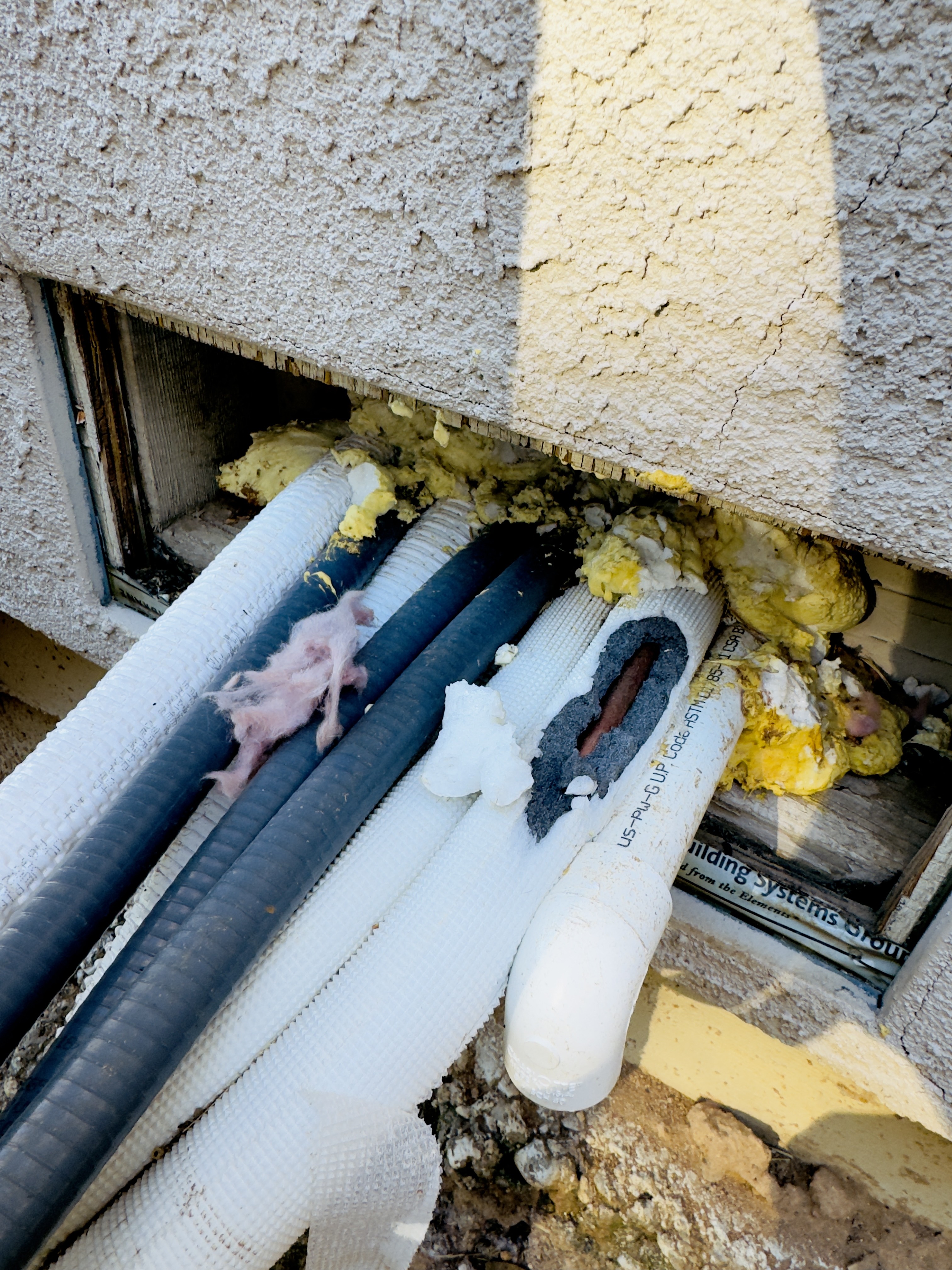
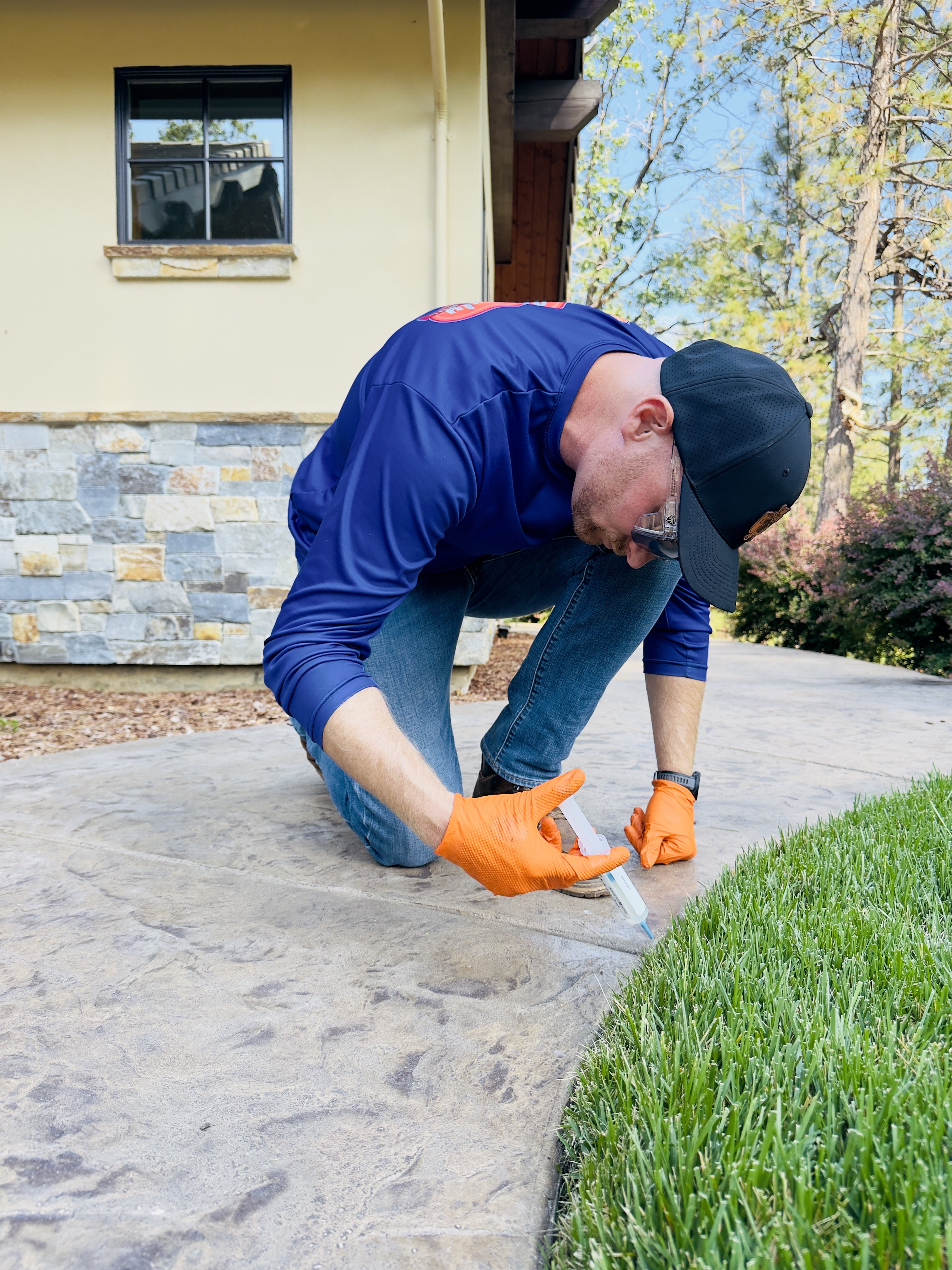
The process begins with a detailed inspection of your home. Entry points, travel paths, and nesting areas are carefully identified. This step is critical because roof rats use predictable routes to access attics and rooflines.
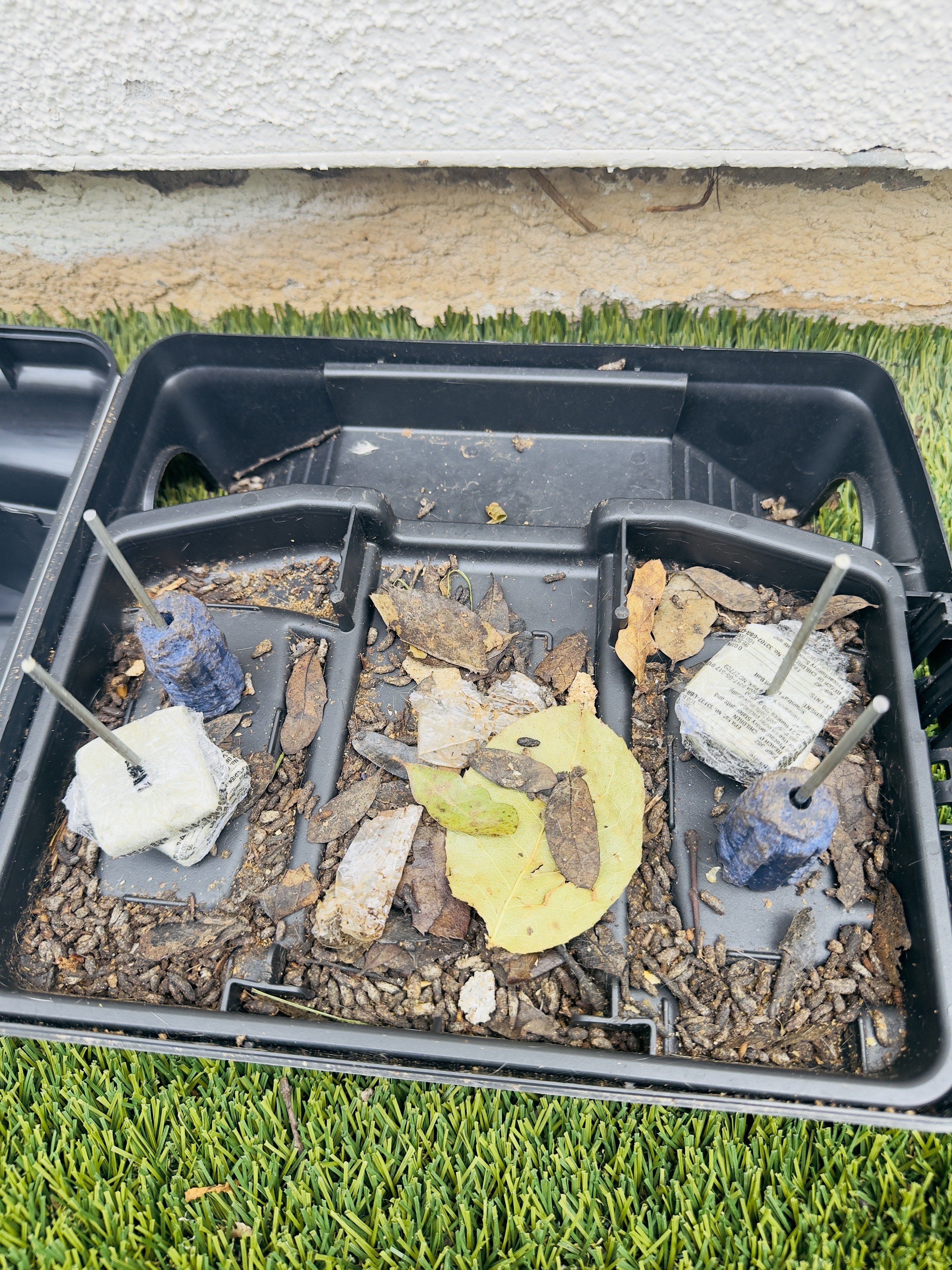
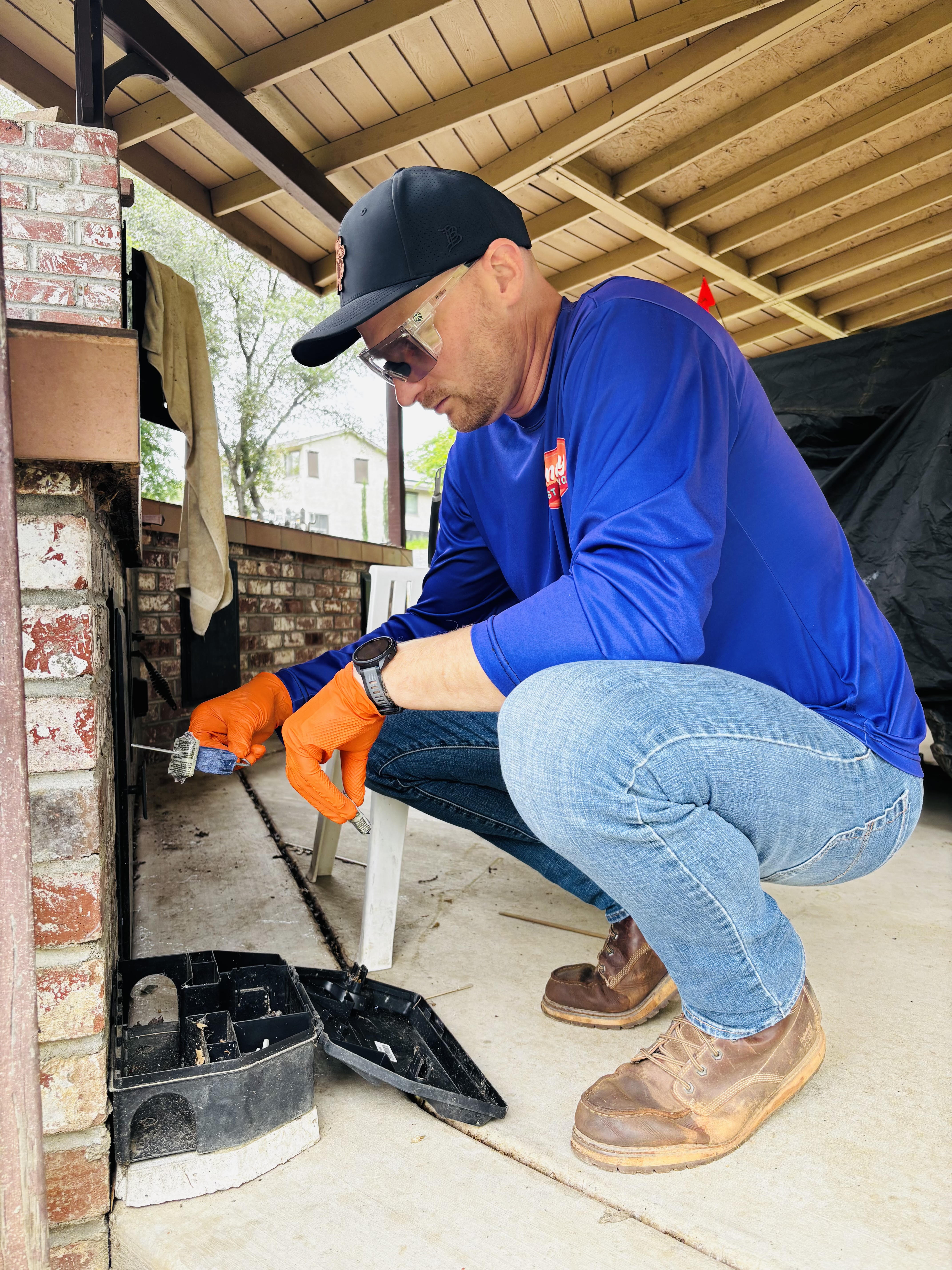
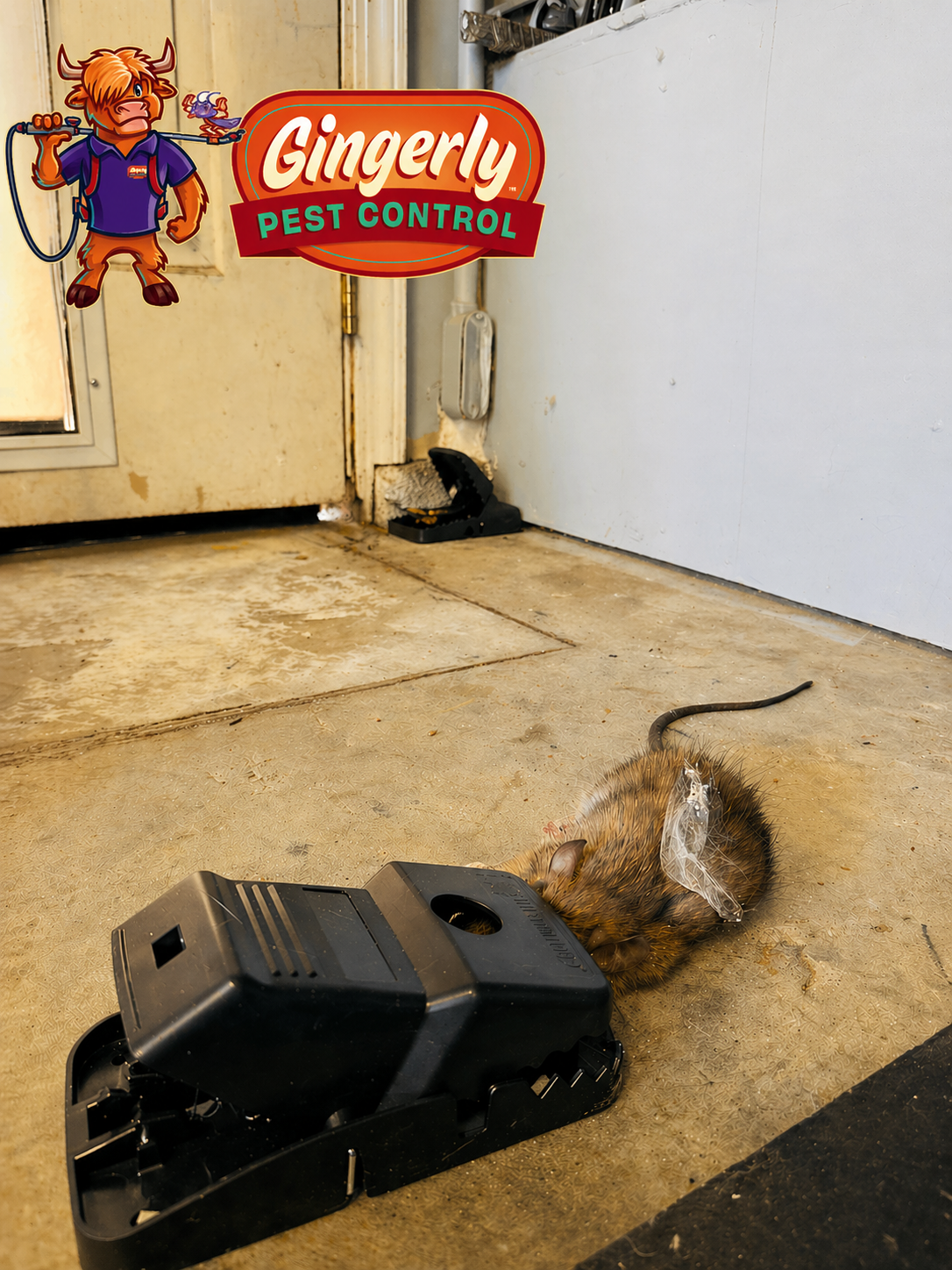
Next comes targeted trapping and exclusion. Removing active rats reduces immediate risk and limits ongoing rodent damage. At the same time, sealing access points helps prevent re-entry and future infestations.
Sanitation and habitat modification follow. These steps reduce attractants around your property and discourage roof rats from returning. Together, this comprehensive method delivers lasting results.
Our roof rat control process includes:
- Thorough home and roof inspections
- Identification of entry points and nesting areas
- Targeted trapping to remove active roof rats
- Exclusion work to block re-entry
- Sanitation and habitat modification recommendations
If you hear rodents at night, it is important to act quickly. Visible damage, droppings, or gnawed wires signal an active problem. Roof rats do not leave on their own, and waiting allows populations to grow. Early intervention limits damage and lowers long-term costs.
Roof rats pose serious risks to homes throughout Placer County. Their climbing ability and destructive habits make them especially challenging pests. Gingerly Pest Control understands local rodent behavior and uses proven methods to protect homes and families.
If you suspect roof rats, professional rodent control is the smartest solution. Addressing the problem early helps safeguard your property and provides peace of mind for the long term.
Proudly Serving:


.jpg)








.jpeg)