
How Gingerly Gets Rid of Carpenter Ants
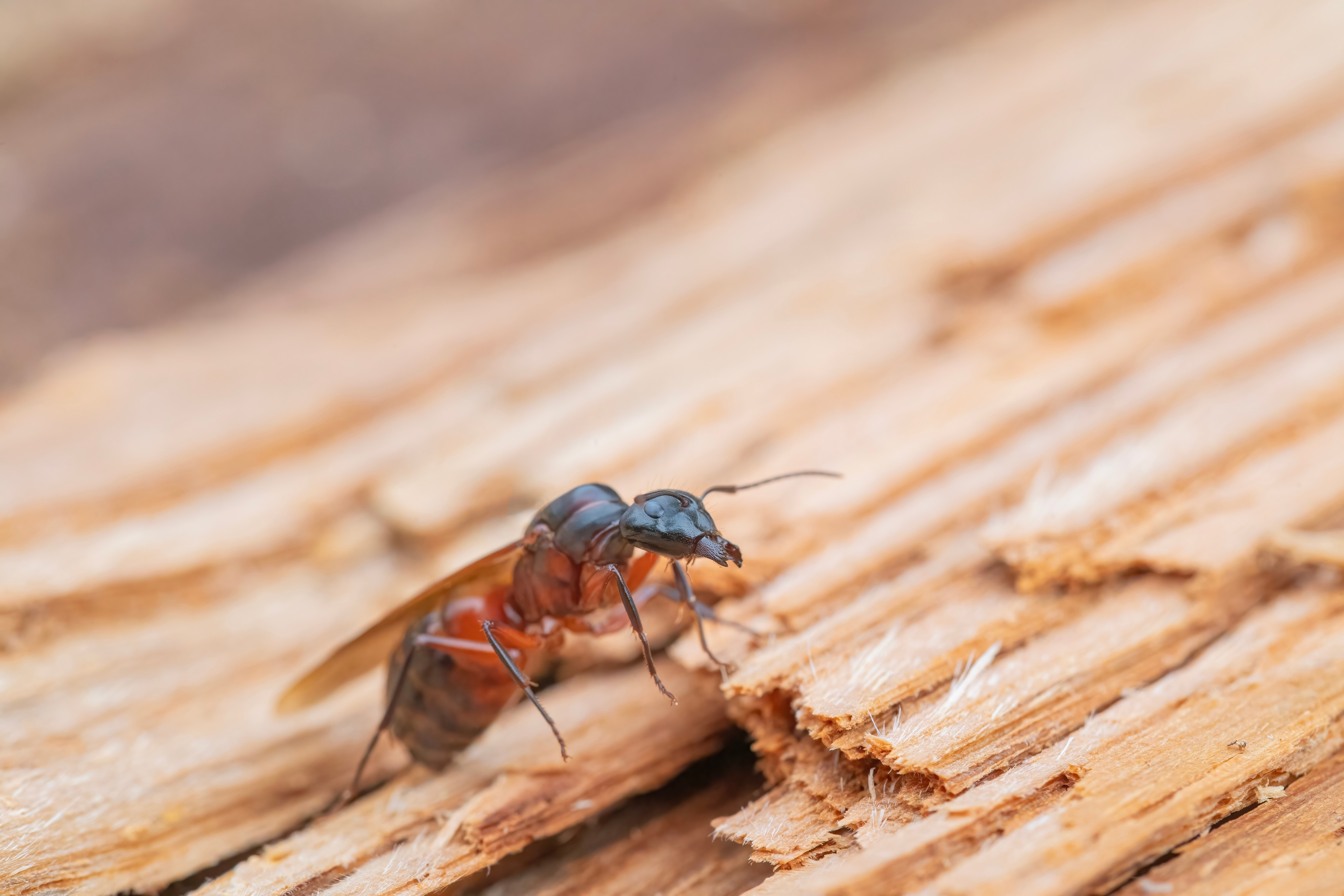
Carpenter ants are one of the more misunderstood pests we deal with in California. They're big, they move slowly, and homeowners often assume they should be easy to get rid of. They're not. Unlike most ants, carpenter ants are building a home. When a colony establishes itself inside your walls, under your floors, or in a rotting window header, you have a structural pest problem on your hands. This is how we handle it.
What Carpenter Ant Problems Look Like in California
Most customers spot them the same way: ants crawling around window sills or showing up in the kitchen or bathroom with no obvious source. Many homeowners do a bit of research before calling. Carpenter ants are noticeably large, and that size tends to get people's attention. But there's another sign that often gets overlooked: frass.
Carpenter ant frass isn't like typical pest debris. It's light, fluffy, and fibrous, similar to pencil shavings. If you're seeing small piles of that material near baseboards, in window frames, or along door headers, there's an active colony excavating somewhere nearby. That frass is your clearest early warning that damage is already happening inside the wood structure, well below what's visible from outside.
California homes are particularly susceptible because this pest follows moisture. Window sills, kitchens, bathrooms, and behind tubs are common nesting zones. Anywhere wood stays damp, retains water, or has had any kind of water intrusion is a likely target. Beyond the interior, carpenter ants frequently nest in oaks and pine trees close to the structure before moving indoors.
How We Assess the Problem
The first thing we want to establish is whether the activity is isolated or has spread across multiple areas. A single trail near a kitchen window is a different job than an infestation working through a crawlspace, a deck, and a tree at the property line. Both need treatment, but the approach and the product mix differ.
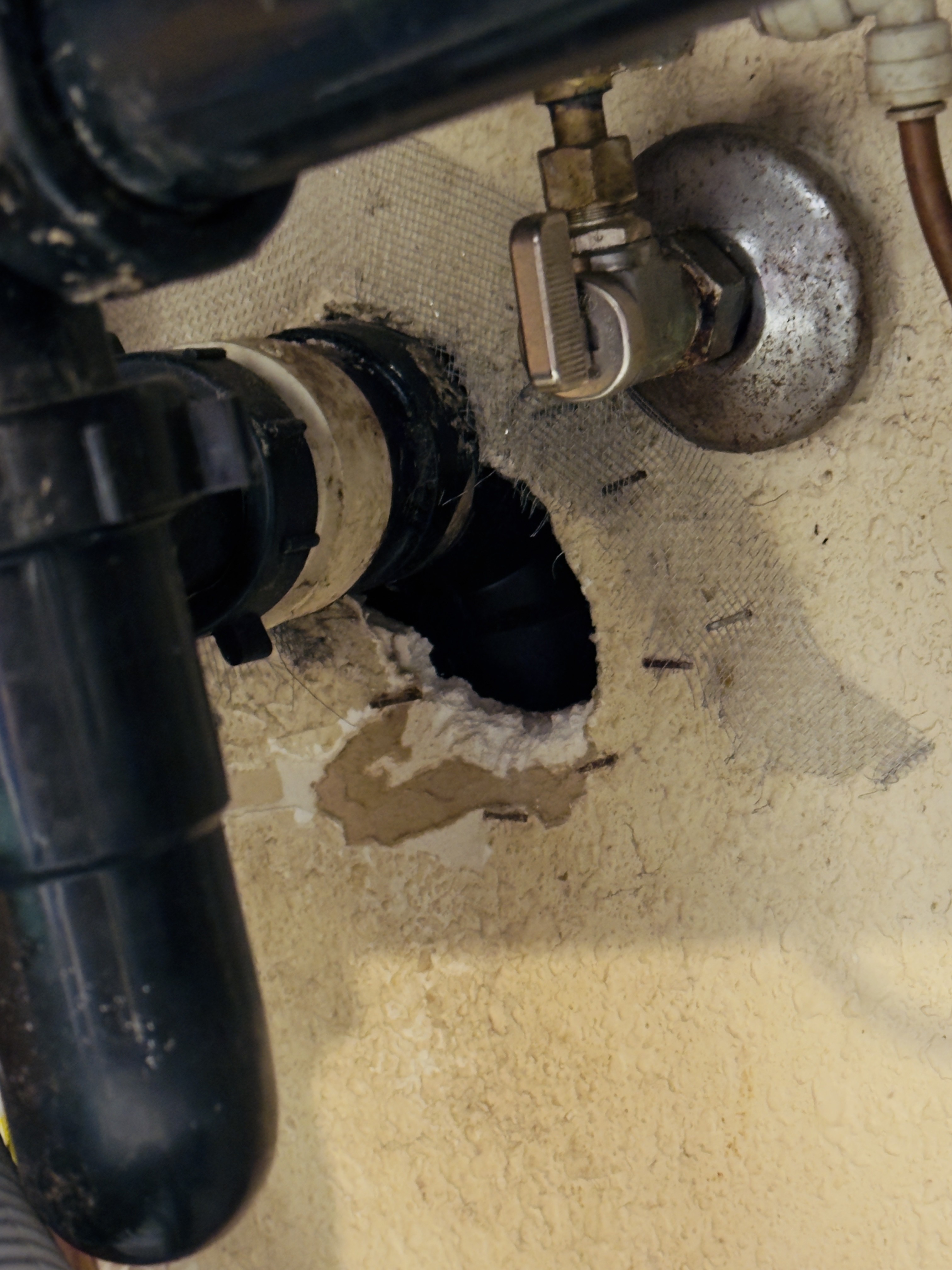
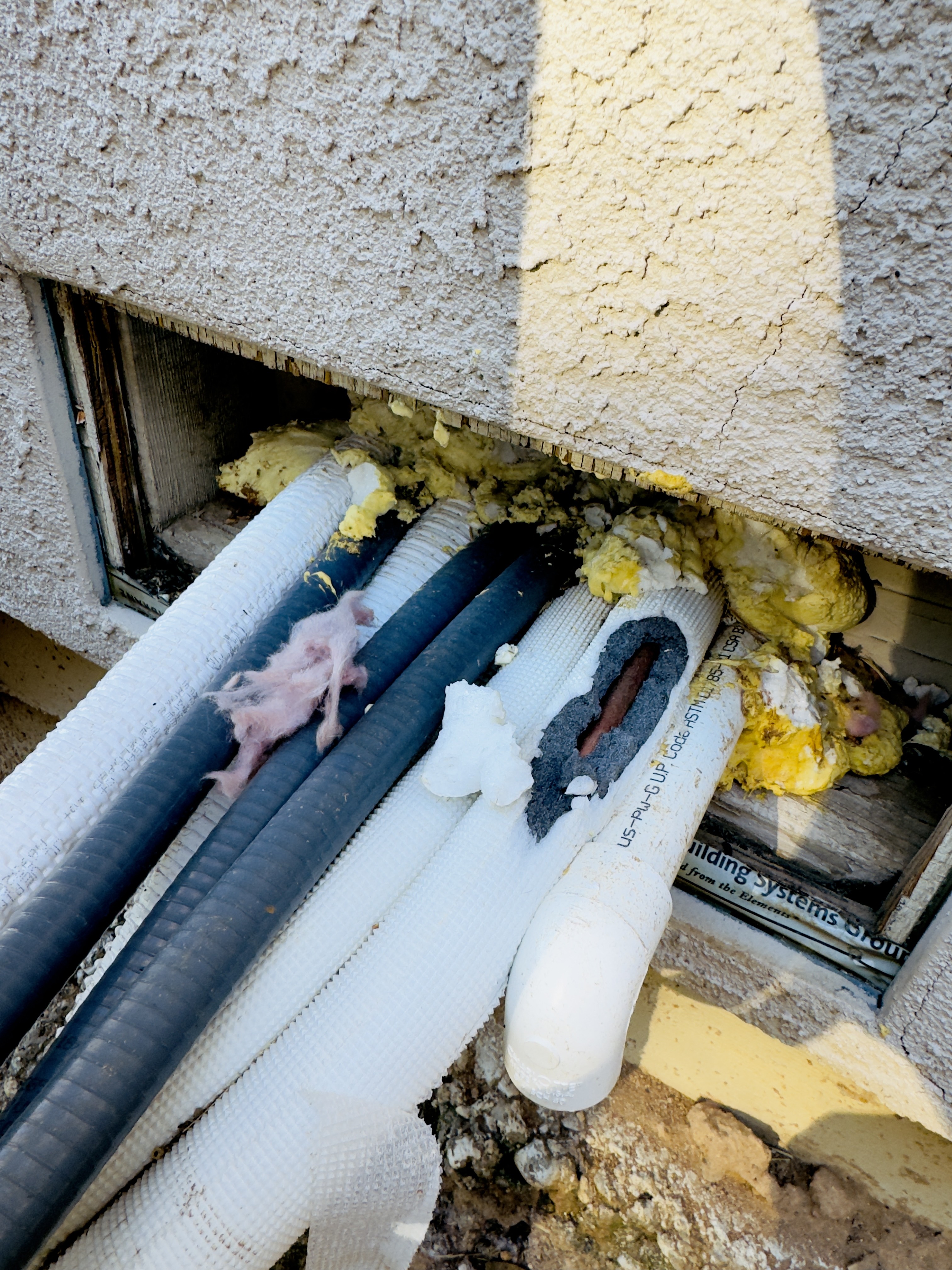
Our inspection covers crawl spaces and attics, where carpenter ants prefer to nest undisturbed, as well as the exterior, with close attention to any oak or pine trees within range of the structure. Trees are commonly used as staging areas before colonies move indoors. We also check wall voids, fascia boards, foam board insulation, and window headers, all of which can harbor nesting activity that's invisible from the surface.
One part of our inspection process that matters a lot: we scrape down to the dirt level to get an accurate read on activity. Disturbing the surface reveals fresh frass, active tunneling, and live movement that a visual sweep alone would miss. That assessment shapes where we focus treatment.
Carpenter ants are nocturnal, which means you're rarely observing them at full activity. Thorough inspection is what separates a targeted treatment plan from a guesswork application. A quick visual sweep rarely tells the whole story.
Our Approach to Carpenter Ant Treatment
Carpenter ant treatment requires working on multiple fronts simultaneously because the colony can be spread across several nesting locations at once. A single-product application rarely resolves the problem. Effective treatment requires exterior coverage, bait that reaches the colony, and interior protection working in combination.
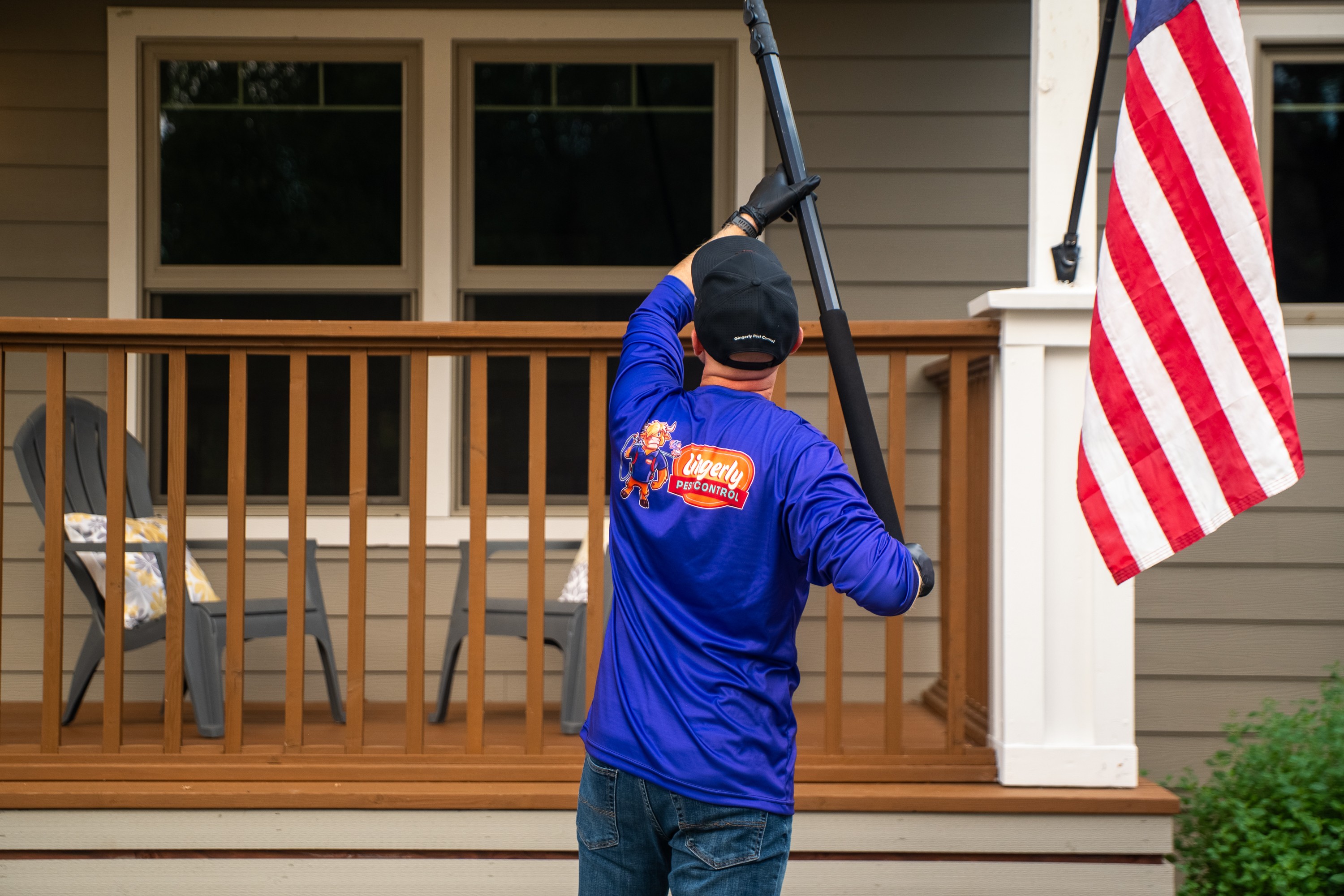
On the exterior, we apply Taurus SC, a liquid non-repellant containing fipronil. The non-repellant formulation is important: carpenter ants cannot detect it, so they walk through treated zones, pick up the active ingredient on their bodies, and transfer it back to the colony. We pair this with Niban granular bait, a boric acid-based product that targets foraging ants working through mulch beds and perimeter areas.
For interior activity, we use Alpine WSG, which handles ants moving through living spaces. Where there's confirmed activity within a wall void, we add Termidor foam, injected directly into the void to reach the colony at its source.
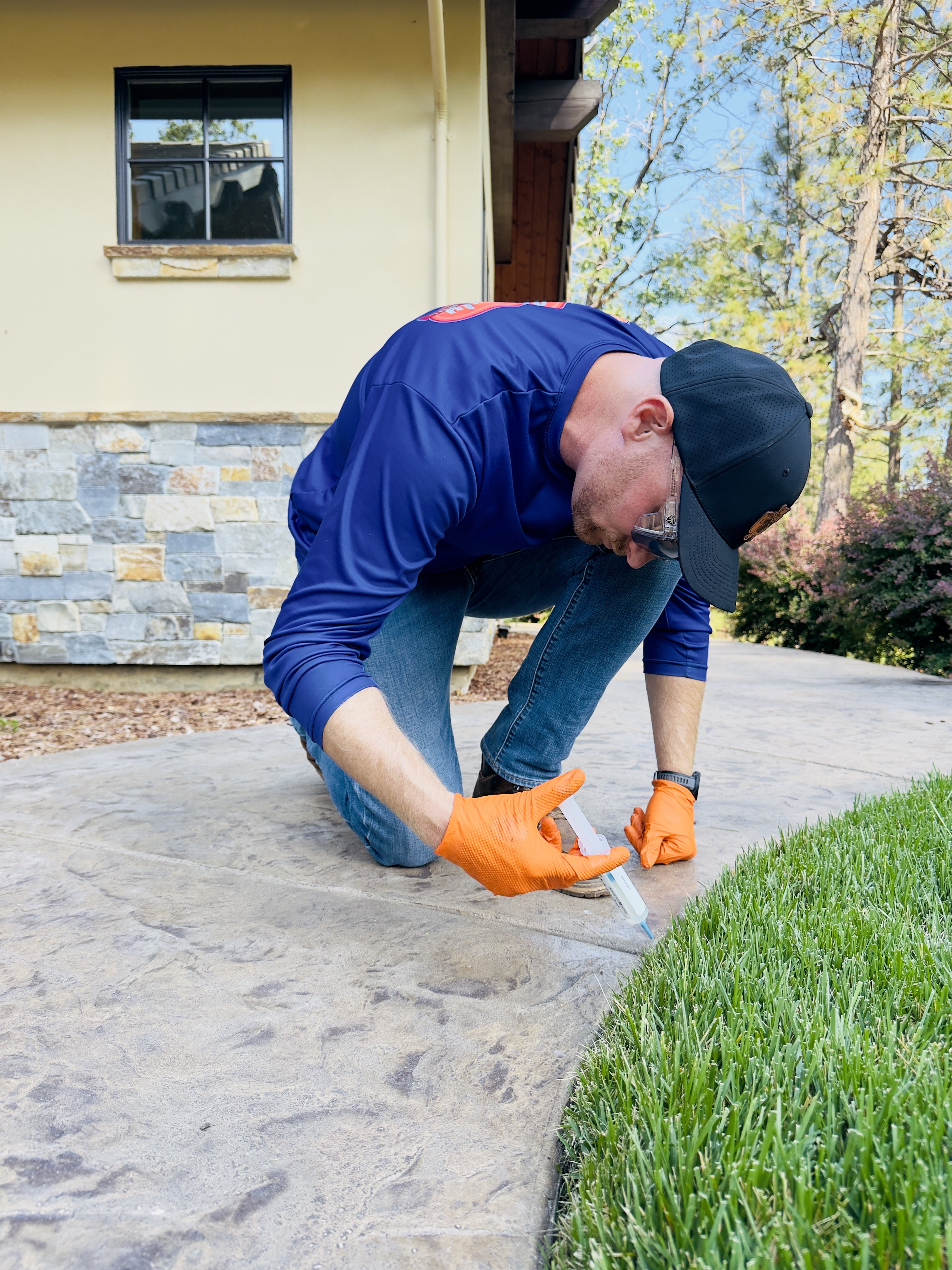
The product that has produced the most consistent results on carpenter ants is Advion Ant Gel. Its active ingredient, Indoxacarb, works on the same delayed-transfer principle as Taurus SC: ants pick up the gel and carry it back to the nest, ultimately eliminating the colony at the source. That slow-kill mechanism is actually what makes it work. If ants died on contact, you'd only eliminate foragers. The colony would keep sending more.
What Property Owners Can Do
Before a treatment, we ask homeowners to avoid disturbing any suspected nesting areas and not to apply retail ant sprays ahead of our visit. Repellant-based products can scatter the colony, which makes it significantly harder to track activity and get product where it needs to go.
After treatment, the most important thing is to let the products work. We tell customers to expect full suppression within ten days, though the actual timeline is usually closer to five to seven. In the days immediately following treatment, activity may appear to increase. Ants are still foraging while the delayed-action products take effect.
Part of our follow-up process involves frass removal. Once we're confident the treatment has run its course, we clear away any existing frass so that any new frass found afterward indicates the colony is still active. It's a more accurate way to determine whether additional treatment is needed rather than relying on visual sightings alone.
What Success Looks Like and How Long It Takes
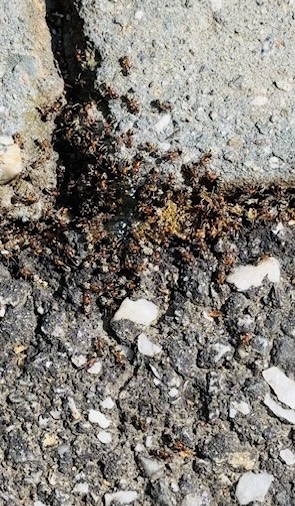
The clearest sign a carpenter ant treatment has worked is dead ants. In the days following a treatment, homeowners typically find a substantial number of carcasses: along baseboards, in crawlspaces, and in the kitchen. This is expected, and it's a good sign. The delayed-action products are doing their job.
One customer we treated turned this into something of an occasion. By day three, they'd found so many dead carpenter ants around the house that they made a counting game out of it and reportedly went through an entire bottle of vodka keeping score. We counted that as a successful outcome.
Most carpenter ant jobs resolve in one to two visits. Infestations involving multiple nesting sites, structural voids, or exterior trees may require additional follow-up. We reassess after the initial treatment window and make the call from there.
The Real Cost of Waiting
The most important thing we tell homeowners calling about carpenter ants: catching this early matters. Carpenter ant damage doesn't look dramatic until it is. They excavate wood slowly over months or years, and by the time frass appears near a window frame or bathroom, there's often more going on behind the wall than anyone realizes.
"A pest control professional is a lot less expensive than a contractor. The sooner you get on the issue, the more affordable the fix is. A good pest control company will prevent pests from ruining the inside of your house. There is always damage that is not visibly right in front of you."
If you're seeing carpenter ants or finding frass anywhere in your California home, learn more about Gingerly's ant control services or schedule an inspection to get started.
Carpenter Ant Control Across Placer and Sacramento Counties
Gingerly provides carpenter ant control and general pest services throughout Placer and Sacramento counties. If you're in one of the communities below, Gingerly serves your area:
Frequently Asked Questions
How do I know if what I'm seeing is carpenter ants?
Carpenter ants have a defined waist and elbowed antennae, and they leave behind frass that looks like sawdust or pencil shavings near baseboards, window frames, or door headers. If you're unsure, a professional inspection will confirm it quickly.
Why do carpenter ants keep coming back after treatment?
Persistent re-infestation usually means a nesting site was missed. The overlooked spot is often a tree, crawlspace, or wall void that didn't get treated. Moisture conditions that attracted them in the first place also matter. If the underlying moisture issue isn't addressed, new scouts will find the same entry points over time.
How long does it take for carpenter ant treatment to work?
Expect visible results within five to seven days, though we tell customers to plan for up to ten. The products we use are delayed-action by design. Ants carry the active ingredient back to the colony before it takes effect. You may see increased activity in the first couple of days, which is normal.
Can I treat carpenter ants myself?
Retail products are mostly repellant-based, which tend to scatter carpenter ant colonies rather than eliminate them. Without identifying all the nesting sites, which often requires a crawlspace inspection and exterior assessment, treatment is likely to suppress visible activity temporarily without resolving the underlying infestation. Professional treatment is almost always more cost-effective than repeated DIY attempts.
.jpg)








.jpeg)