Does Steel Wool Keep Mice and Rats Out? The Truth Behind an Old Pest Control Myth
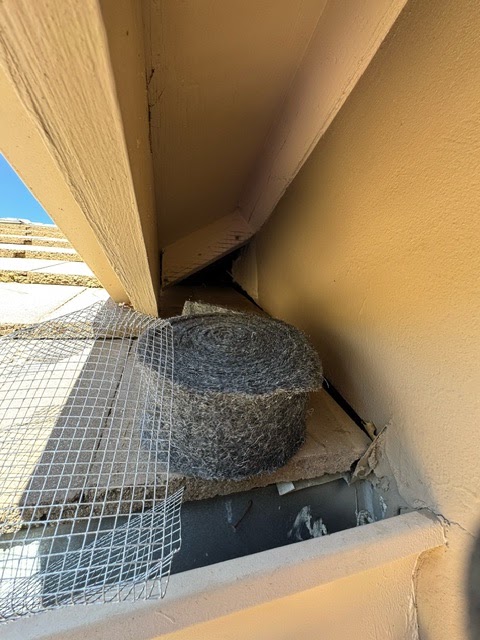
Short answer: Steel wool can block a small hole, but it isn't a dependable long-term way to keep mice and rats out. Ordinary steel wool rusts, a wad pushed into a gap isn't fastened to anything, and it's the wrong material for vents and larger openings. University of California guidance calls steel wool pads a good temporary plug. Keeping rodents out long term means finding the openings they're actually using, matching each one with a durable material like stainless steel fill fabric, ¼-inch hardware cloth, or sheet metal, and securing it so it stays put.
Stuffing steel wool into a mouse hole is one of the most repeated pieces of rodent advice out there. It isn't bad advice. It just gets treated as a finished repair when it's really a stopgap. Here's where steel wool holds up, where it doesn't, and what we use instead when we seal rat and mouse entry points on homes around Placer County.
Does Steel Wool Actually Keep Mice and Rats Out?
Sometimes, for a while. Steel wool is hard for rodents to chew, and packed tightly into a small gap it can physically block a mouse or a rat. That's why it shows up in public health advice. The CDC's seal-up guidance says to fill small holes with steel wool held in place with caulk or foam, and to use hardware cloth, metal sheeting, or cement for bigger holes.
The University of California's Statewide IPM Program is more specific. Its 2025 house mouse Pest Notes describe steel wool scouring pads as a good temporary plug that may rust over time, and recommend sealing openings around pipes, vents, and utility lines with metal or concrete.
So the myth isn't that steel wool does nothing. The myth is that a wad of it pushed into a hole is a permanent fix.
Why Has Steel Wool Been Recommended for So Long?
On paper it checks the right boxes. It's cheap, every hardware and grocery store sells it, you can tear it to fit an odd-shaped gap, and rodents don't like chewing metal. The "fill it with steel wool" tip has also been repeated on county and city rodent flyers for years. What tends to get lost along the way is the rest of the guidance: the sealant that's supposed to hold it in, the note that it's temporary, and the separate instructions for anything bigger than a small hole.
Why Steel Wool Is a Poor Long-Term Fix
Does steel wool rust?
Ordinary steel wool does. Most pads sold for cleaning and refinishing are plain steel, not stainless, and moisture breaks them down. That's the caveat UC IPM attaches to it. A rusting plug thins out, crumbles, and can stain stucco, siding, and concrete.
That matters because of where rodent entry points tend to be. Exterior gaps get rain, sprinkler overspray, and condensation. Crawl spaces, foundation areas, and the cabinet under the kitchen sink can stay damp. The places rats and mice use most are often the places plain steel wool holds up worst.
Can rats or mice pull steel wool out?
The bigger issue is that nothing holds it in. Steel wool stays in a hole by friction, which is why the CDC pairs it with caulk or foam. But UC IPM's rat guidance lists caulk and foam, along with plastic and wood, among the materials rats can chew through. If the only thing keeping a plug in place is gnawable, the repair is only as strong as that seal. A loosely packed plug can also shift as wood shrinks and swells, leaving a gap around its edges.
Can mice chew through steel wool?
Usually that isn't how it fails. UC's homeowner quick-tip sheet describes coarse steel wool as something mice can't chew through. The common failures are rust, a loose fit, and a soft seal around it. Grade matters, too. The ultra-fine 0000 pads some online articles recommend are the flimsiest grade and, as covered below, the easiest to ignite.
It's the wrong tool for a lot of openings
Stuffing works, at best, for small gaps. Many real entry points aren't that:
- Vents need to keep breathing. Foundation, crawl space, and attic vents are there for airflow. UC IPM recommends repairing or replacing damaged vent screens, not packing the vent shut.
- Larger holes need a rigid patch. The CDC and UC both point to hardware cloth, sheet metal, or cement.
- Roof rats get in up high. Roof rats are strong climbers, so openings above ground level matter too, and UC notes their entry points usually take longer to find than a Norway rat's.
- Chicken wire isn't a substitute. UC IPM warns against lightweight chicken wire because rats can get through the openings.
It doesn't deal with rodents already inside
Sealing an opening while a rat or mouse is still in the attic, a wall, or the crawl space can trap it inside, where it may chew a new way out or die somewhere hard to reach. That's true of any material. It's why we pair exclusion with interior trapping when something may still be in the house, as in this example of what to do after finding signs of rodents.
Is Steel Wool a Fire Hazard?
It can be under certain conditions, but it's easy to overstate. Under normal conditions, a coarse steel wool plug in a foundation gap isn't a fire risk by itself. The risk depends on what it's near.
Steel wool conducts electricity, and its thin strands heat up fast when current runs through them. The Colorado Springs Fire Department warns that if metal like steel wool touches both posts of a 9-volt battery, the short circuit can make enough heat to start a fire. Sparks are the other concern. An insurer's garage safety article describes a house fire that started when a grinder spark landed on fine steel wool on a workbench. The finer the grade, the more easily it ignites.
For rodent work, that comes down to a few practical rules:
- Don't pack steel wool against electrical boxes, exposed wiring, or wire penetrations.
- Keep it away from water heater and furnace flues, dryer vents, and fireplace areas.
- If you use it as a temporary plug, use a coarse grade, not fine 0000 finishing pads.
- When a gap sits next to wiring, a gas line, or a vent connector, the right repair may call for an electrician or HVAC contractor.
Rodents are an electrical risk of their own, which we cover in why rats chew wires.
What Works Better Than Steel Wool?
There's no single best material. The right choice depends on the size of the opening, where it is, and what it's made of:
- Ordinary steel wool: A short-term stopgap for small indoor gaps. Rusts with moisture and depends on a soft sealant to stay in place.
- Stainless steel fill fabric (such as Xcluder): Coarse stainless steel fibers woven with poly fibers into a dense roll. The manufacturer describes it as rust-proof and chew-proof. It compresses into irregular gaps and springs back to grip the opening, which makes it useful around pipes, line sets, and other odd-shaped penetrations. It still needs to be cut to size, packed deep, and finished properly.
- Copper mesh: Doesn't rust and packs into small gaps. Copper is a softer metal, though, and UC IPM notes Norway rats can gnaw soft metals like copper and lead, so it's not our first choice where rats are active.
- ¼-inch hardware cloth: Galvanized welded wire mesh for vent screens, crawl space openings, and larger gaps. UC recommends sealing openings larger than ¼ inch to keep out both rats and mice. It only works when it's cut to overlap the opening and fastened with screws and washers or similar hardware, not just tucked in.
- Sheet metal and flashing: For larger holes, gnawed edges, and spots where rodents keep chewing around a repair.
- Cement or mortar: For holes in foundations and masonry.
- Expanding foam, caulk, plastic, or wood on their own: Not rodent barriers, since UC IPM lists them as gnawable. Foam and sealants are useful as a weather seal over or around a metal barrier, not as the barrier itself.
Our rat and mouse exclusion service uses these kinds of materials, chosen opening by opening rather than one product for everything.
Why Installation Matters as Much as the Material
A good material installed poorly fails the same way a poor material does. The parts of exclusion that matter most usually aren't visible once the job is done:
- Find the openings that are actually in use. Droppings, rub marks, gnawing, and where activity shows up inside point to the real routes. The most obvious hole isn't always the one being used. Here's how we handle rats and mice, starting with that inspection.
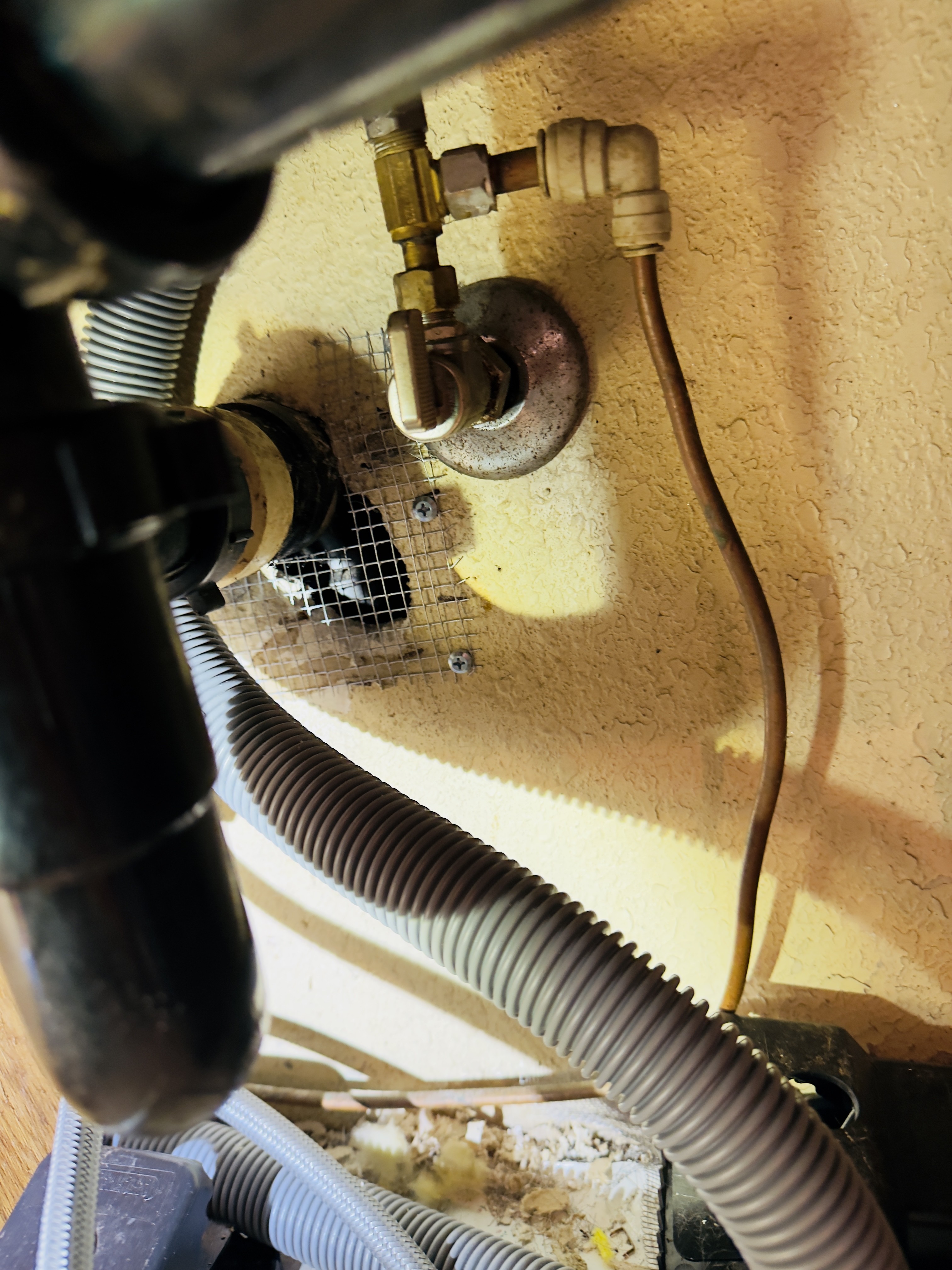
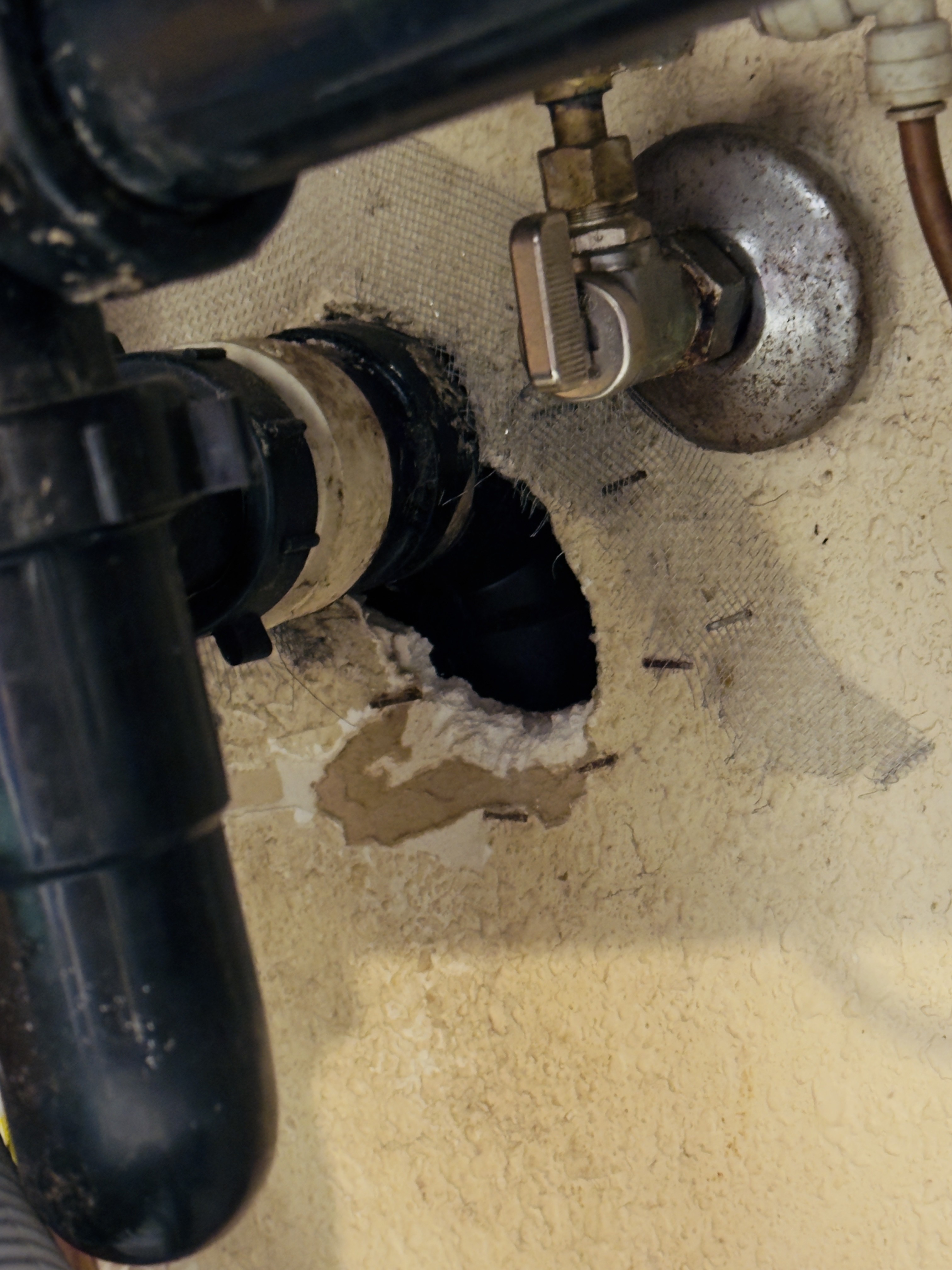
- Match the repair to the opening. A gap around a pipe gets packed fill fabric. A torn vent screen gets new hardware cloth. A gnawed corner may need sheet metal.
- Pack fill material tight and deep, not just flush with the surface, and seal over it where weather is a factor.
- Fasten mesh mechanically, overlapping the edges of the opening so there's no gap at the seam.
- Screen vents instead of closing them.
- Set traps when rodents may still be inside.
- Check it afterward. New activity after sealing usually points to another route.
We're also upfront that exclusion lowers the odds of rodents getting in. It doesn't guarantee they never will. Houses settle, materials age, and some openings are hard to see or reach. Some gaps are really structural repairs that belong with a contractor, and we'll say so when that's the case.
Foothill Homes vs. Newer Neighborhoods
The materials don't change from town to town, but the openings we're looking for often do.
Around Auburn and Meadow Vista, many homes are older, sit on raised foundations with crawl spaces and foundation vents, and share the property with sheds, rock walls, and oak trees. That usually means more vent screens to check, more gaps where plumbing comes up from below, and, where roof rats travel through trees, openings higher on the structure. Crawl spaces and shaded foundations can also stay damp, which is hard on plain steel wool.
In newer subdivisions around Lincoln and Roseville, the openings tend to look different: gaps where air conditioning line sets and utility lines pass through stucco, garage door corners with worn weatherstripping, and penetrations hidden behind landscaping. Irrigated planter beds keep the base of many walls wet, another reason a rust-prone plug near ground level doesn't last. Neighborhoods that back up to open fields, greenbelts, or creek corridors also give rats and mice an easy route toward the house.
None of this describes every home, which is why we look at the specific property instead of assuming based on the zip code.
When to Consider Professional Rodent Exclusion
Steel wool as a stopgap until a proper repair is fine. It's worth bringing someone in when:
- You've plugged a hole and the activity came back
- You're finding droppings or hearing movement in walls, the attic, or the crawl space
- You can't tell which openings rodents are actually using
- The openings are around vents, wiring, or gas lines
- Rats or mice may still be inside the house
Gingerly Pest Control is a family-owned company based in Auburn, serving homes across Placer County. Our rat and mouse control starts with finding where rats and mice are active and how they're getting in, then combines exclusion, trapping, and other tools based on what we find. You can reach out online or call or text 916-625-6741.
Frequently Asked Questions
Is it OK to use steel wool as a temporary fix?
Yes, as long as it's treated as temporary. Use a coarse grade, pack it tightly, keep it away from wiring and heat sources, don't stuff it into vents, and plan a permanent repair. If rats or mice might still be inside, deal with them before closing their way out.
Does stainless steel wool rust?
Stainless steel resists rust far better than ordinary steel wool, which is why purpose-built fill fabrics use it. Check the label, though. Most "steel wool" sold for cleaning and refinishing is plain steel.
How small of a gap do I need to seal?
UC IPM notes that house mice can squeeze under gaps about ¼ inch tall and through openings about ⅜ inch wide, and that young rats can fit under a door with a ½-inch gap. Its guidance is to seal openings larger than ¼ inch. If you're not sure which one you have, here's how to tell mice and rats apart.




.jpeg)







.jpeg)