
Why Do Rats Chew Wires? A Hidden Danger in Your Home
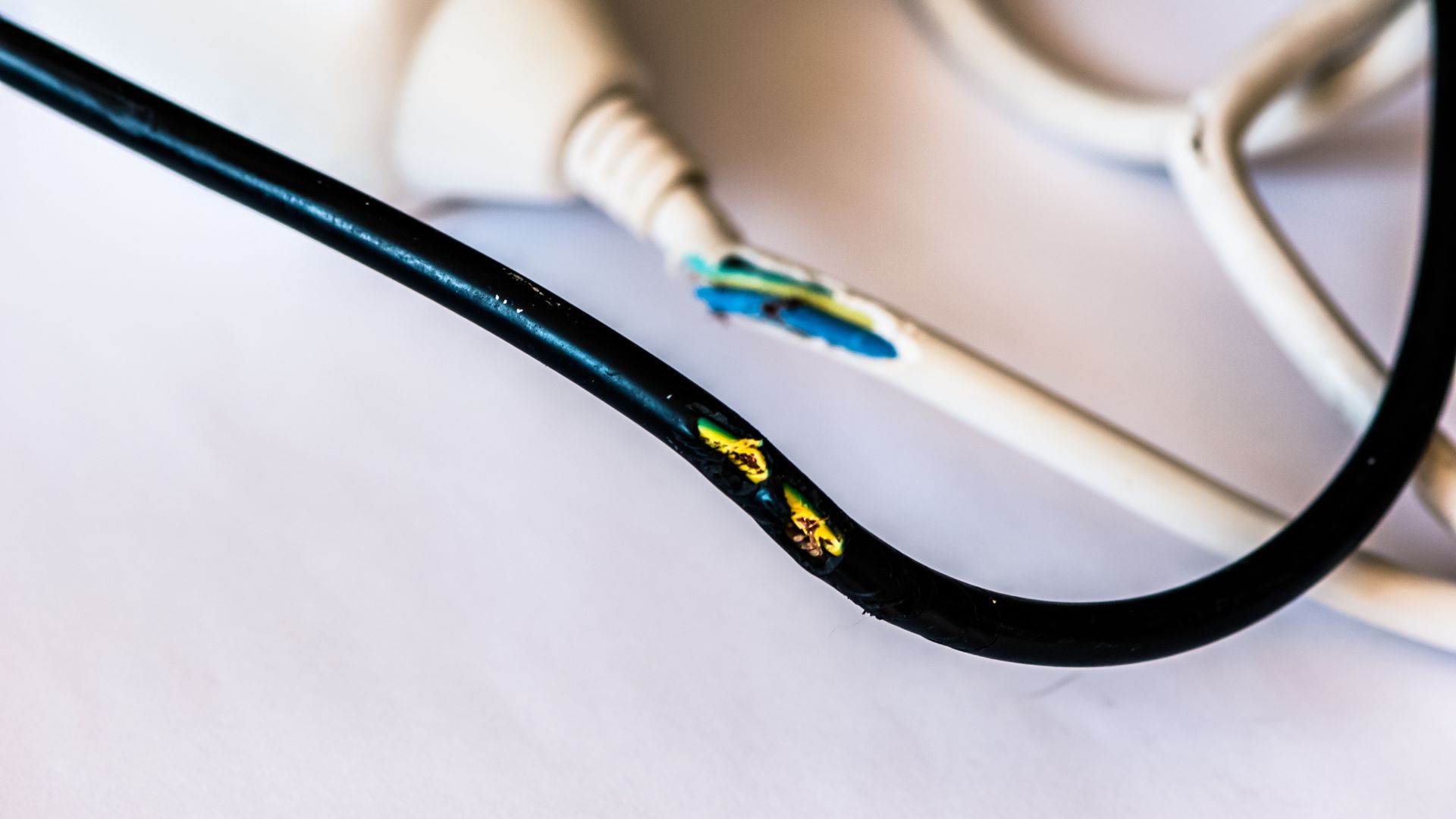
Rats chewing wires is a serious problem in many homes. This behavior goes beyond simple damage. It creates real safety risks that should not be ignored.
Rats often stay hidden for long periods. By the time damage appears, a rodent infestation may already be established. Understanding this behavior helps you act before the damage becomes severe.
Why Do Rats Chew Wires?
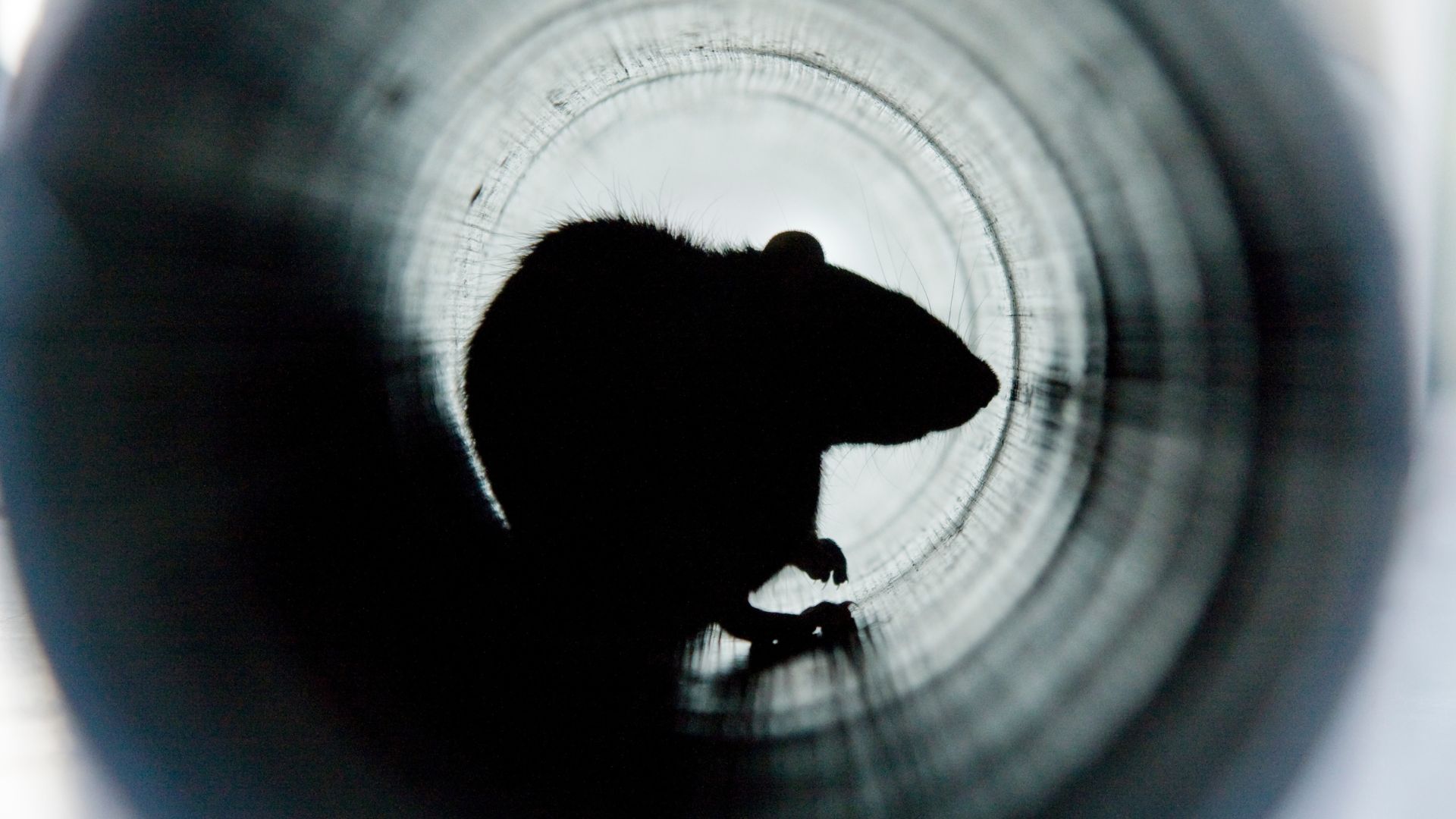
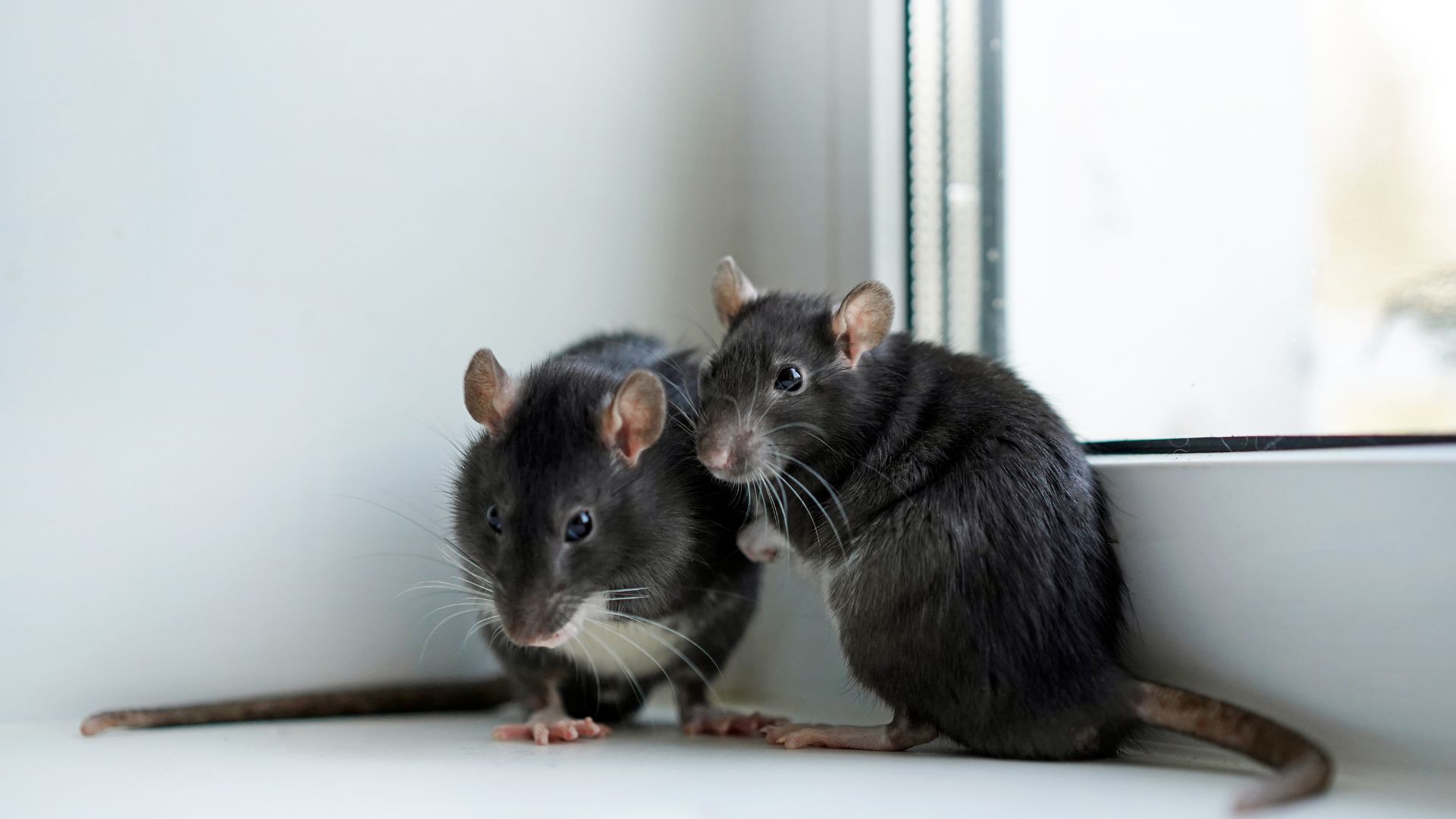
Rats chew wires because their teeth never stop growing. To keep their teeth at a usable length, they must gnaw constantly. Chewing is not optional for them.
Electrical wires are easy targets. The plastic coating offers little resistance, and wires are often hidden in quiet areas. As a result, rats encounter wiring frequently while nesting.
The Biology Behind Rat Chewing Behavior
A rat’s front teeth grow throughout its entire life. Without regular wear, those teeth can overgrow and interfere with eating. Chewing prevents that problem.
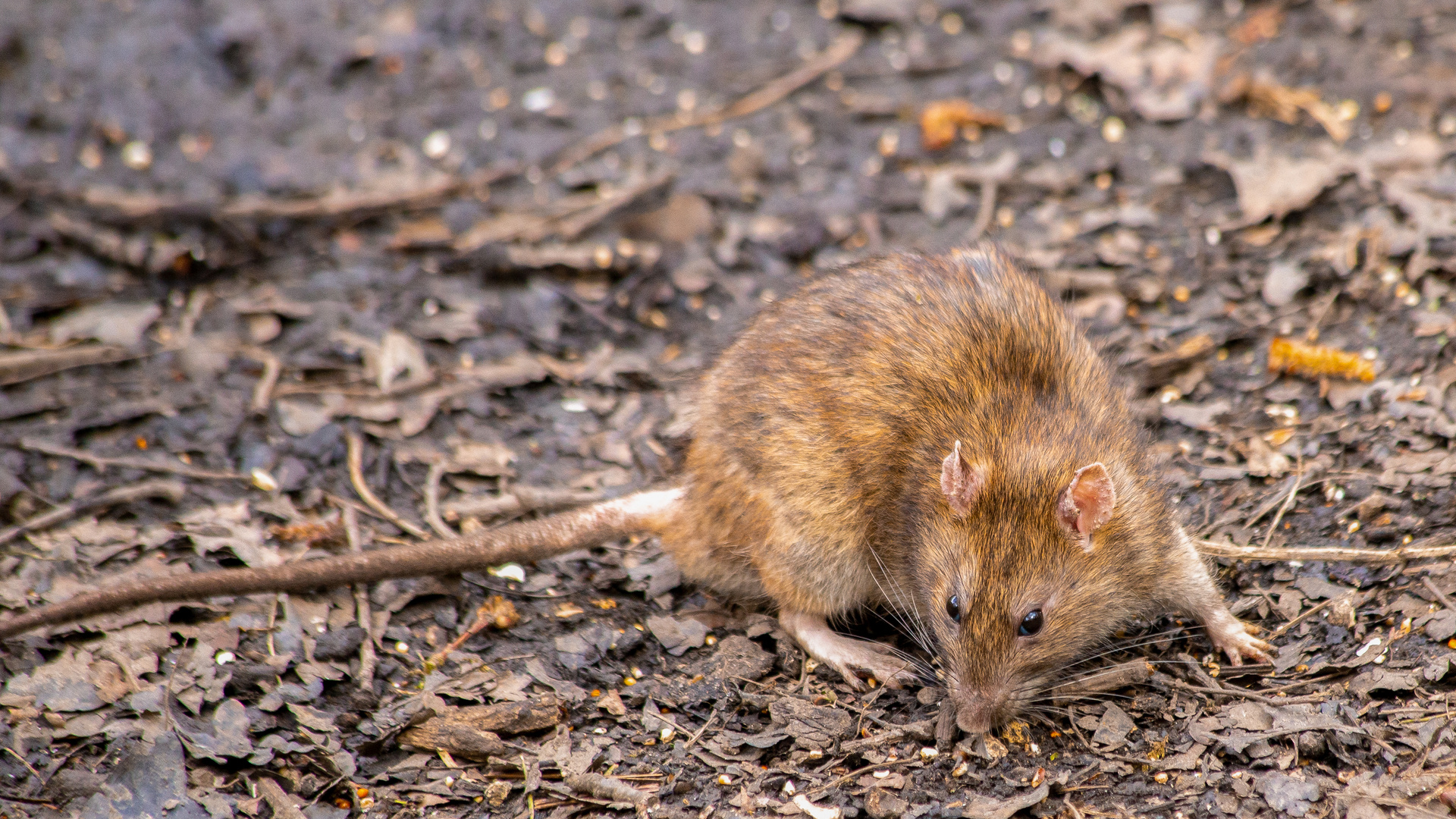
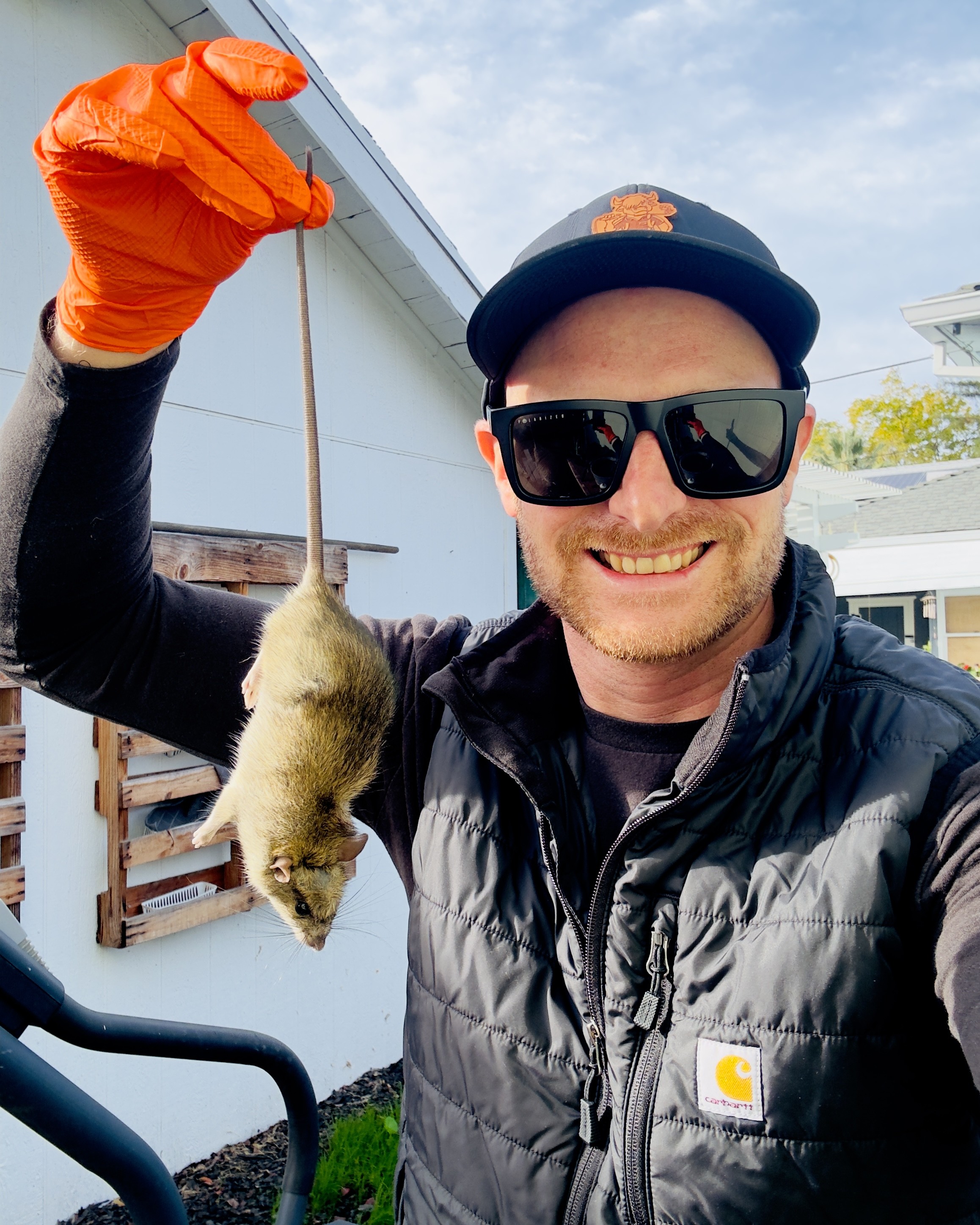
Rats will gnaw on almost anything available. Wood, drywall, plastic, and even metal are common targets. During a rodent infestation, chewing activity increases significantly. Both roof rats and Norway rats are known to gnaw on electrical wiring when they invade residential spaces.
Why Electrical Wires Are Especially Attractive
Electrical wires run through walls, attics, and crawl spaces. These locations also provide warmth, darkness, and protection. That combination makes them ideal for rats.
When a rat in walls encounters wiring, chewing becomes inevitable. Over time, repeated gnawing exposes bare metal. This exposure creates serious hazards inside the home.
The Real Dangers of Chewed Wires
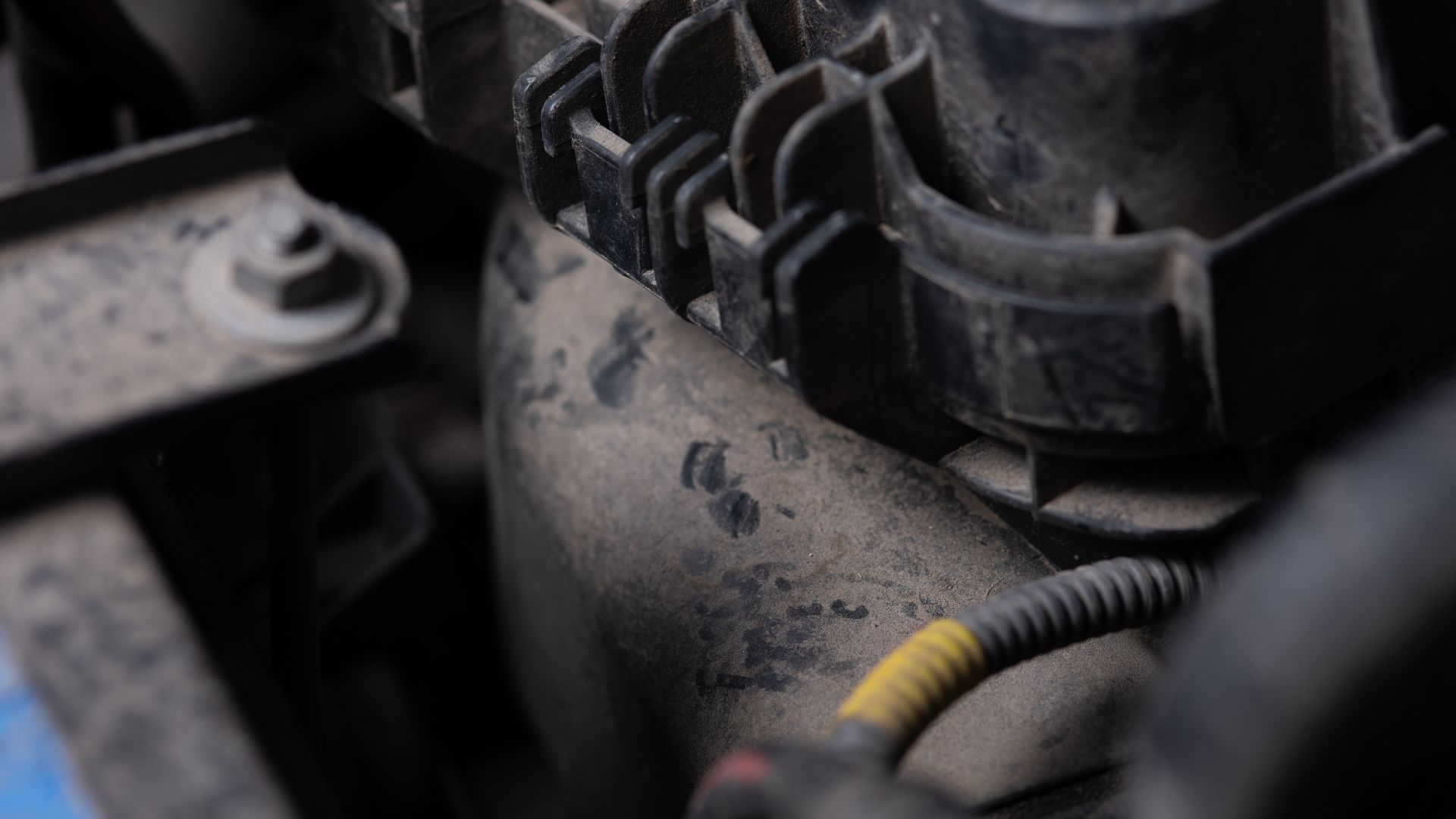
Chewed wires are far more than cosmetic damage. Exposed wiring can spark and overheat. That heat may ignite insulation or nearby materials.
Electrical shorts are another concern. Power outages, tripped breakers, and appliance failures often follow. In many cases, the damage remains hidden until a serious issue occurs.
Signs Rats Are Chewing Wires
You may never see the rats themselves. However, electrical symptoms often appear first. These warning signs should never be ignored.
Common signs rats are chewing wires include:
- Flickering or dimming lights
- Frequently tripped breakers or blown fuses
- Burning or melting plastic smells
- Unexplained power outages in certain rooms
- Scratching or gnawing sounds inside walls at night
If these issues appear alongside rodent activity, wiring damage is likely already occurring.
How Rodent Infestations Lead to Electrical Damage
One rat can cause damage, but a rodent infestation multiplies the risk. Rats reproduce quickly, and populations grow faster than most homeowners expect.
As numbers increase, rats expand into new areas of the home. Wiring in multiple rooms may be affected. This widespread damage raises both repair costs and safety risks.
Common Areas Where Rats Chew Wires
Certain parts of the home are more vulnerable than others. These spaces offer both access and shelter for rodents. Once rats settle in, wire damage often follows.
The most common areas where rats chew wires include:
- Attics with exposed wiring and insulation
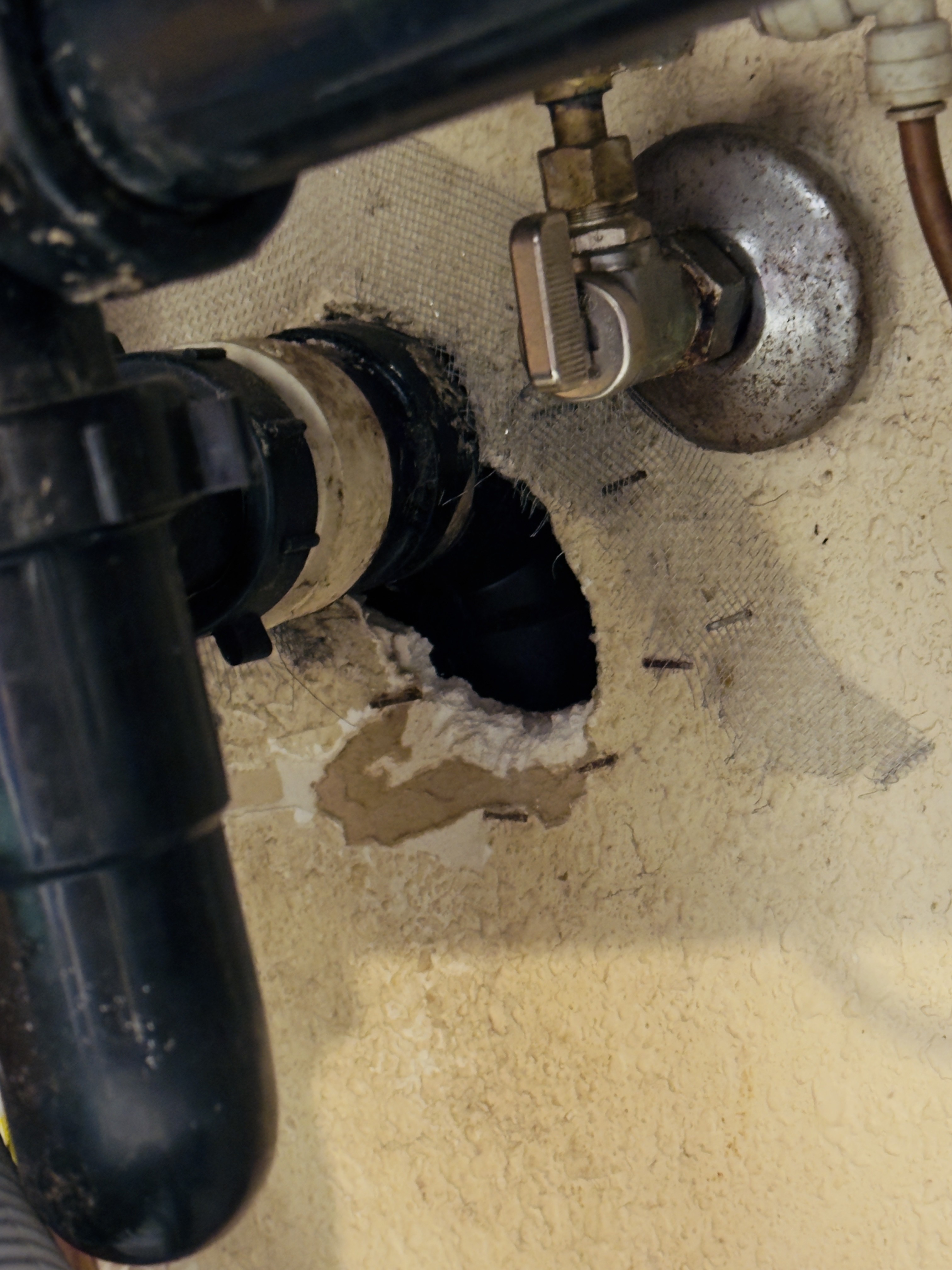
- Wall cavities where a rat in walls can remain hidden
- Basements and crawl spaces
- Garages and storage areas
- Behind appliances and electrical panels
Because these areas are rarely inspected, damage often goes unnoticed.
Why DIY Solutions Often Miss the Problem
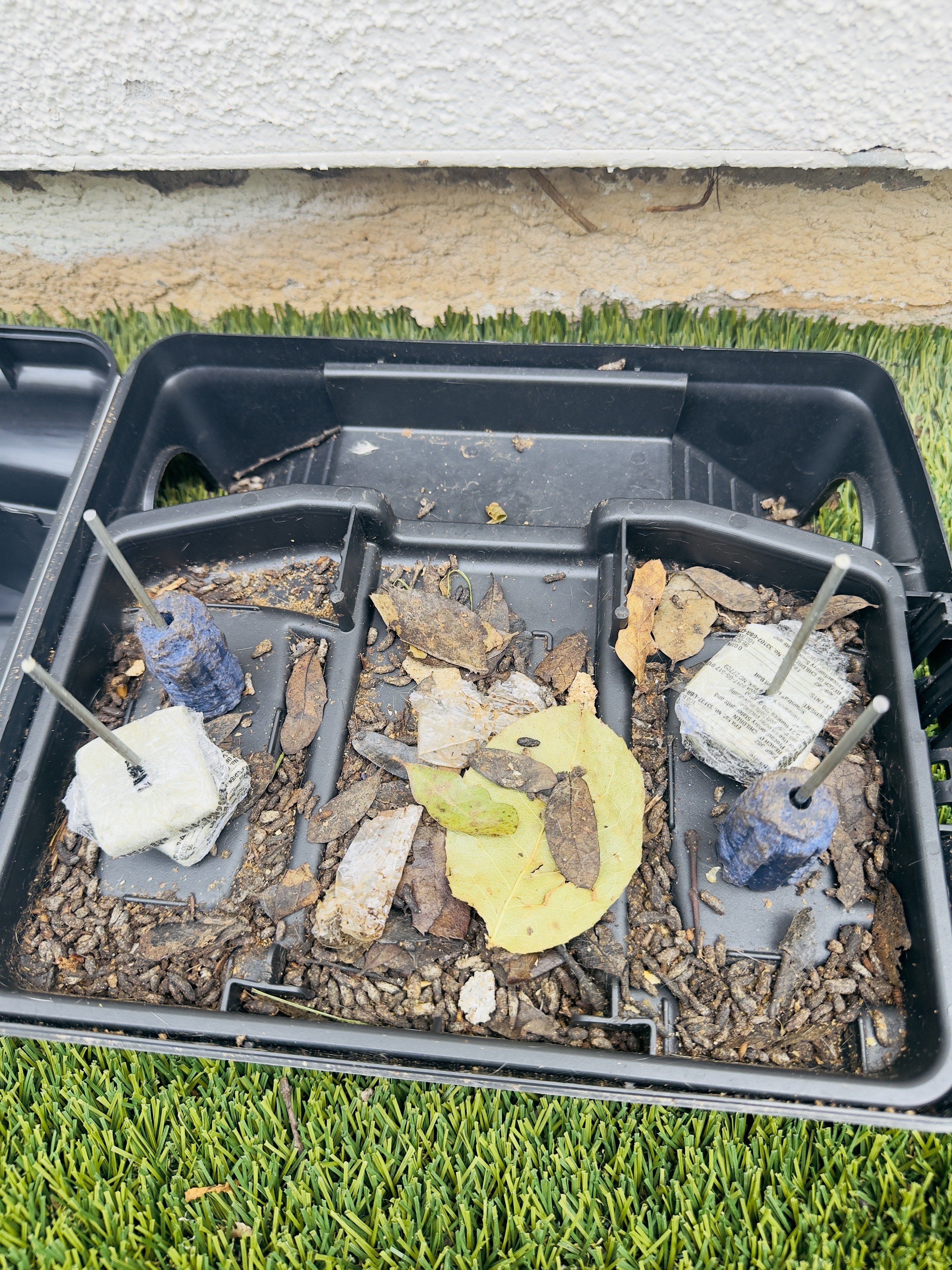
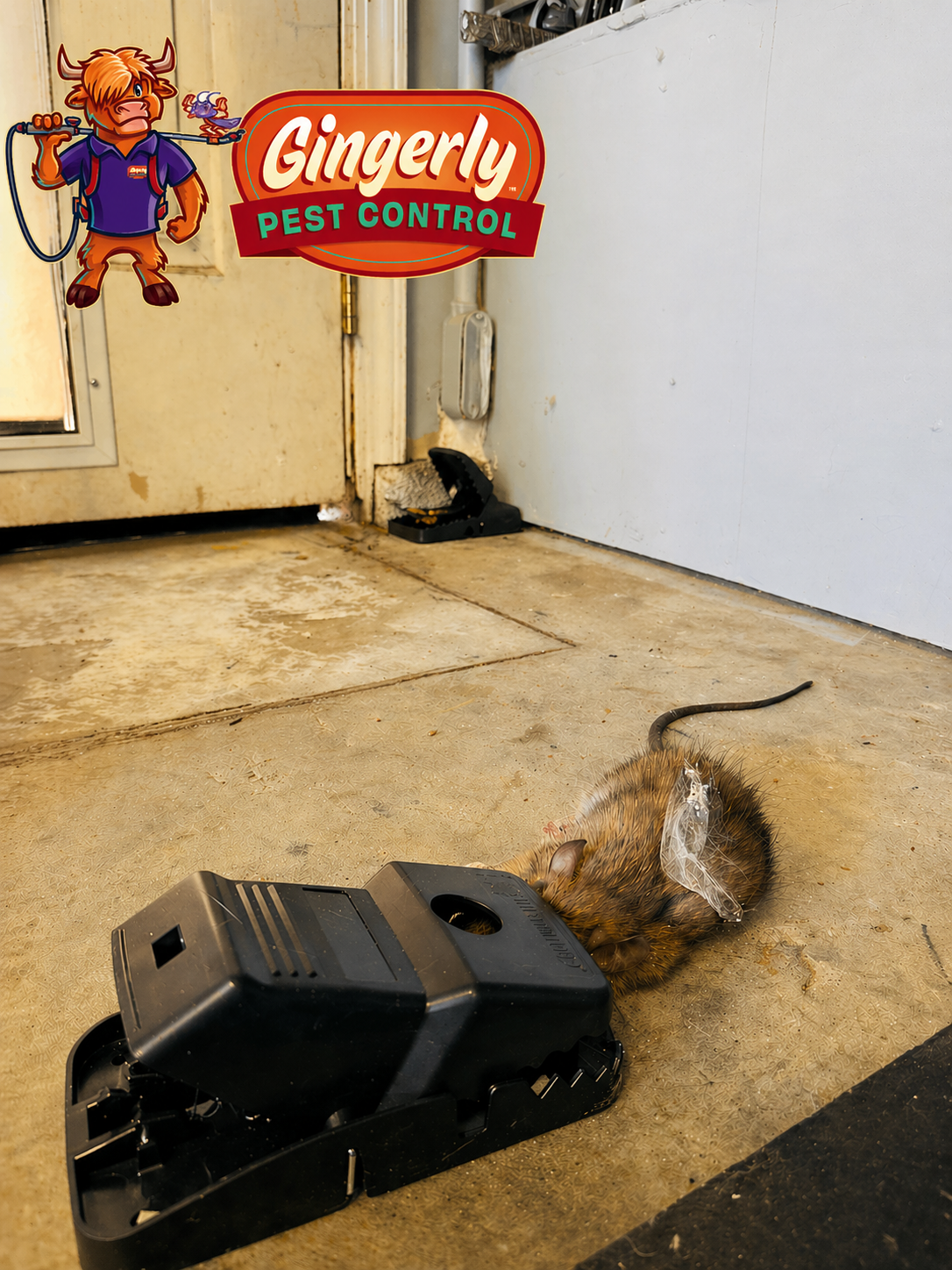
Many homeowners try traps or poison first. While these methods may remove individual rats, they rarely stop the infestation. Entry points often remain open.
DIY methods also miss hidden damage. Chewed wires behind walls go unnoticed. Poison can create new problems when rats die inside inaccessible areas.
How Professionals Address Wire-Chewing Rats and Prevent Damage
Professional rodent control focuses on removal and prevention. The process starts with a detailed home inspection to identify entry points, nesting areas, and electrical damage.
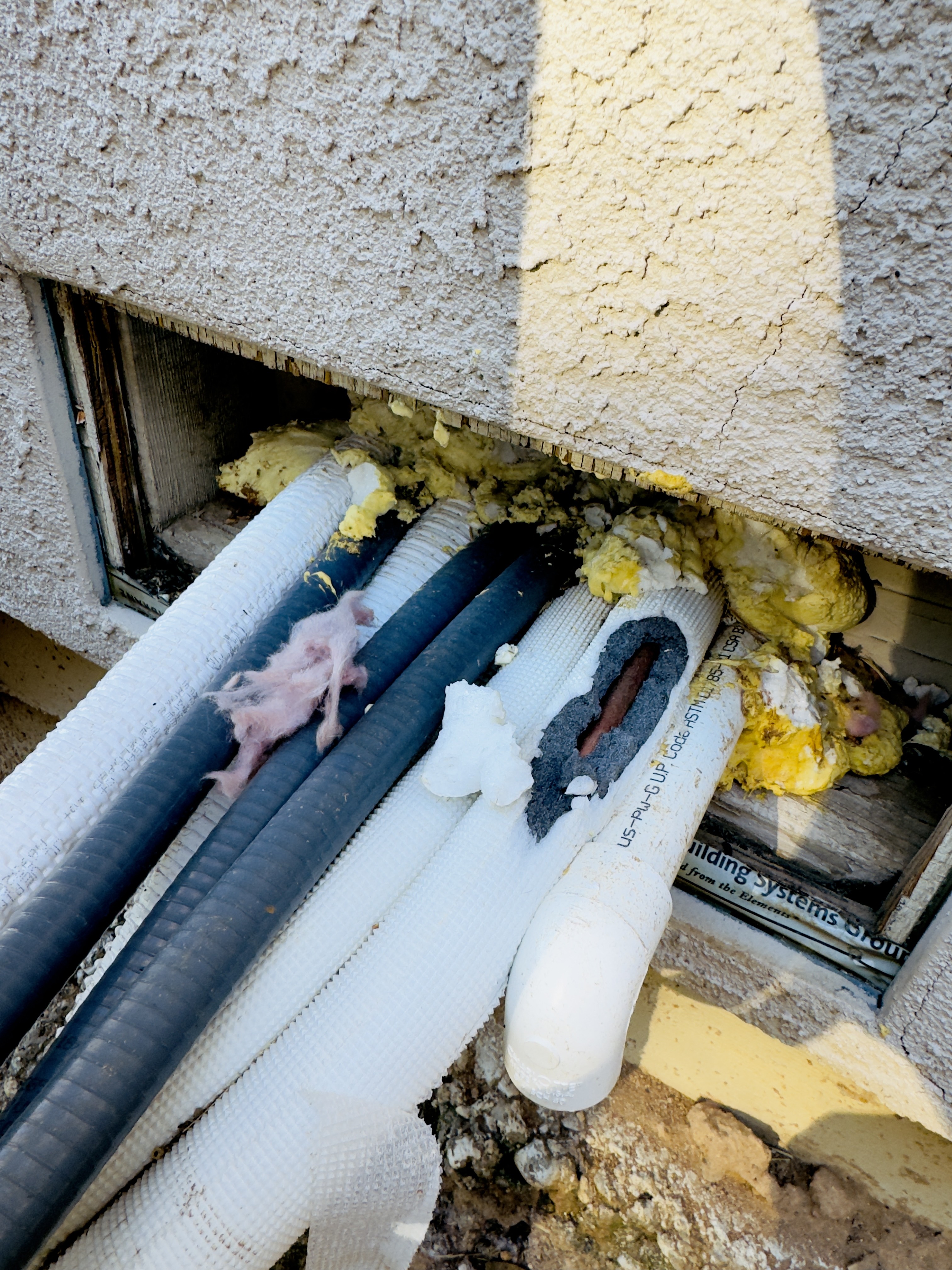
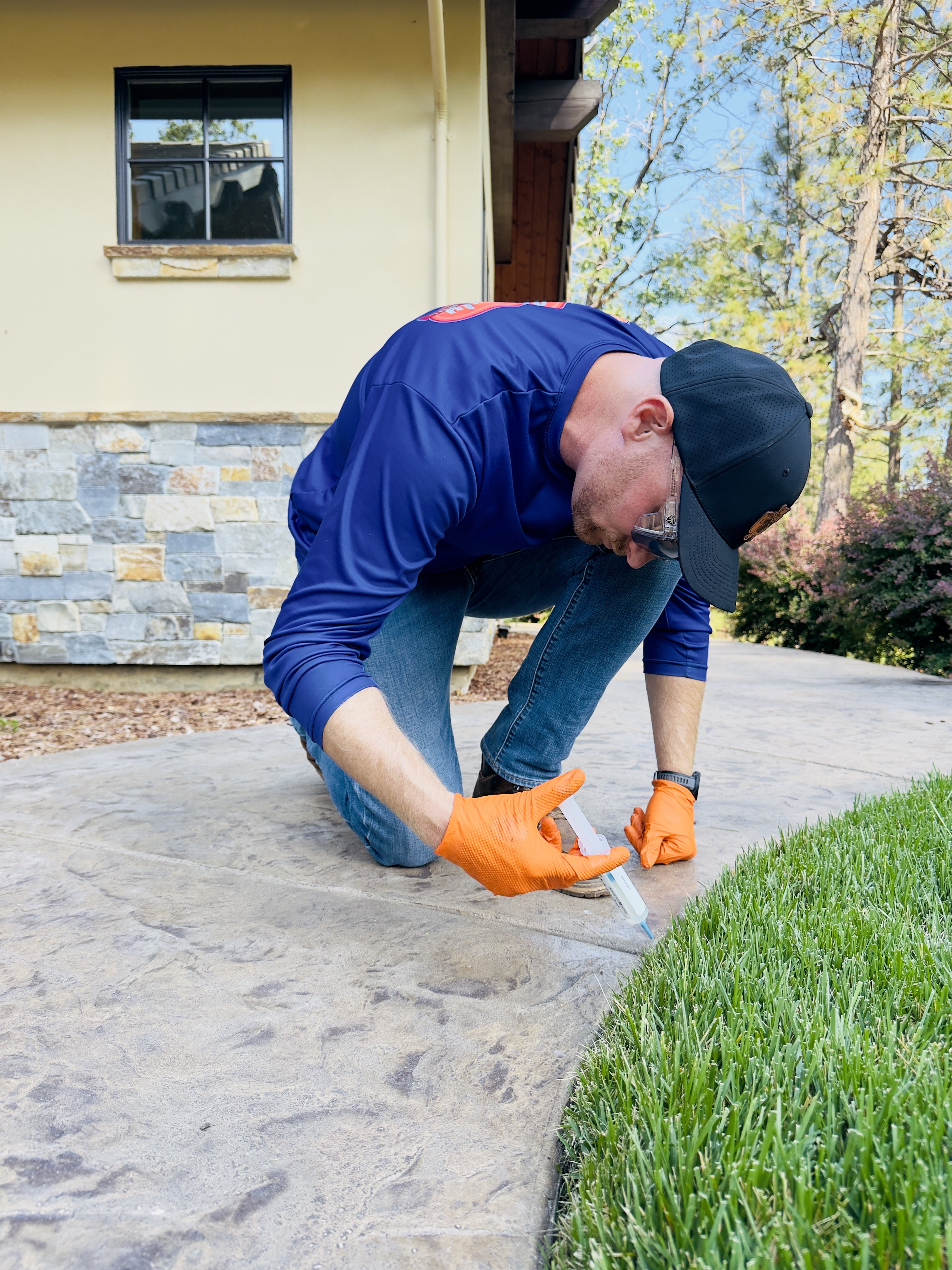
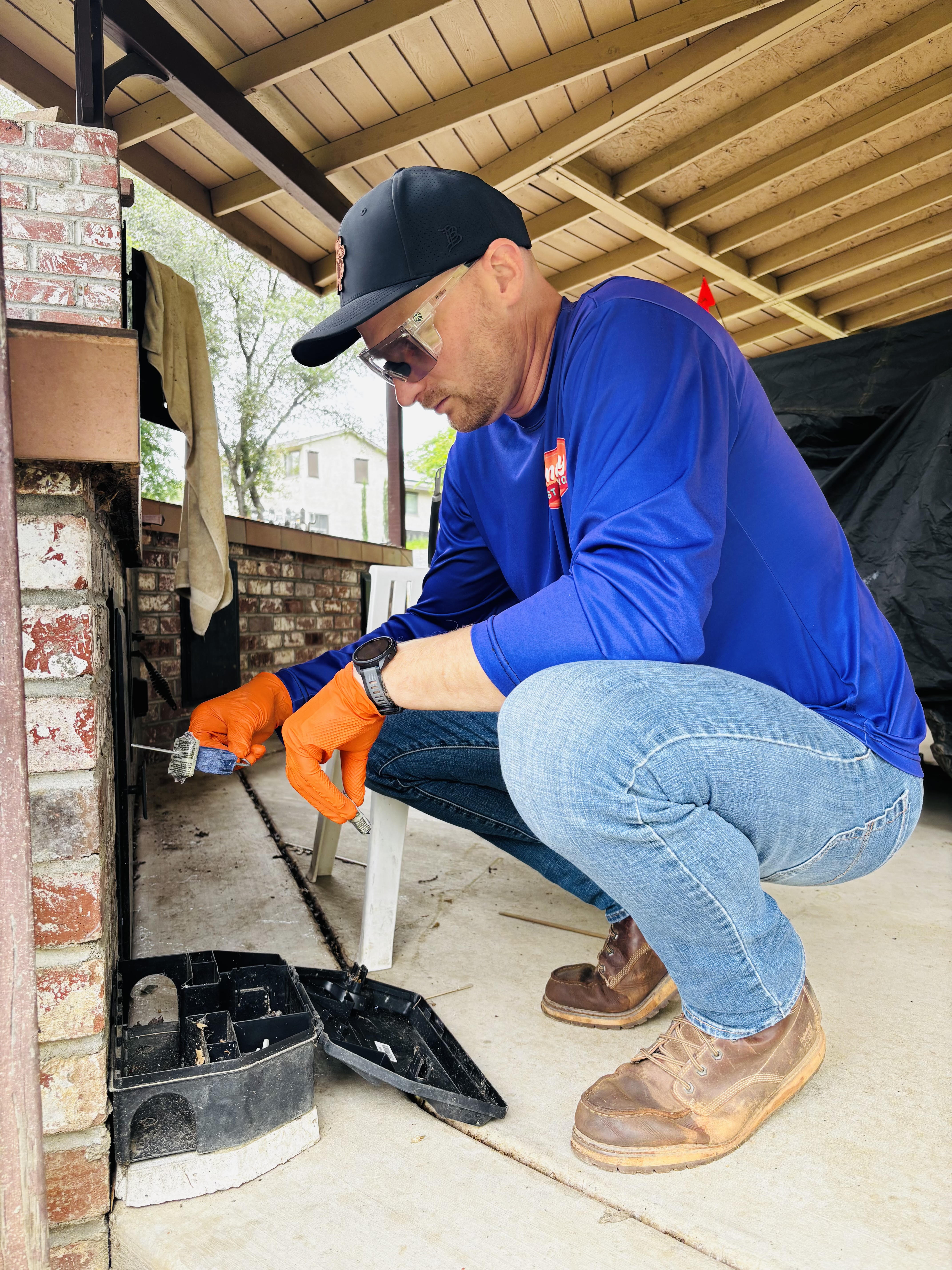
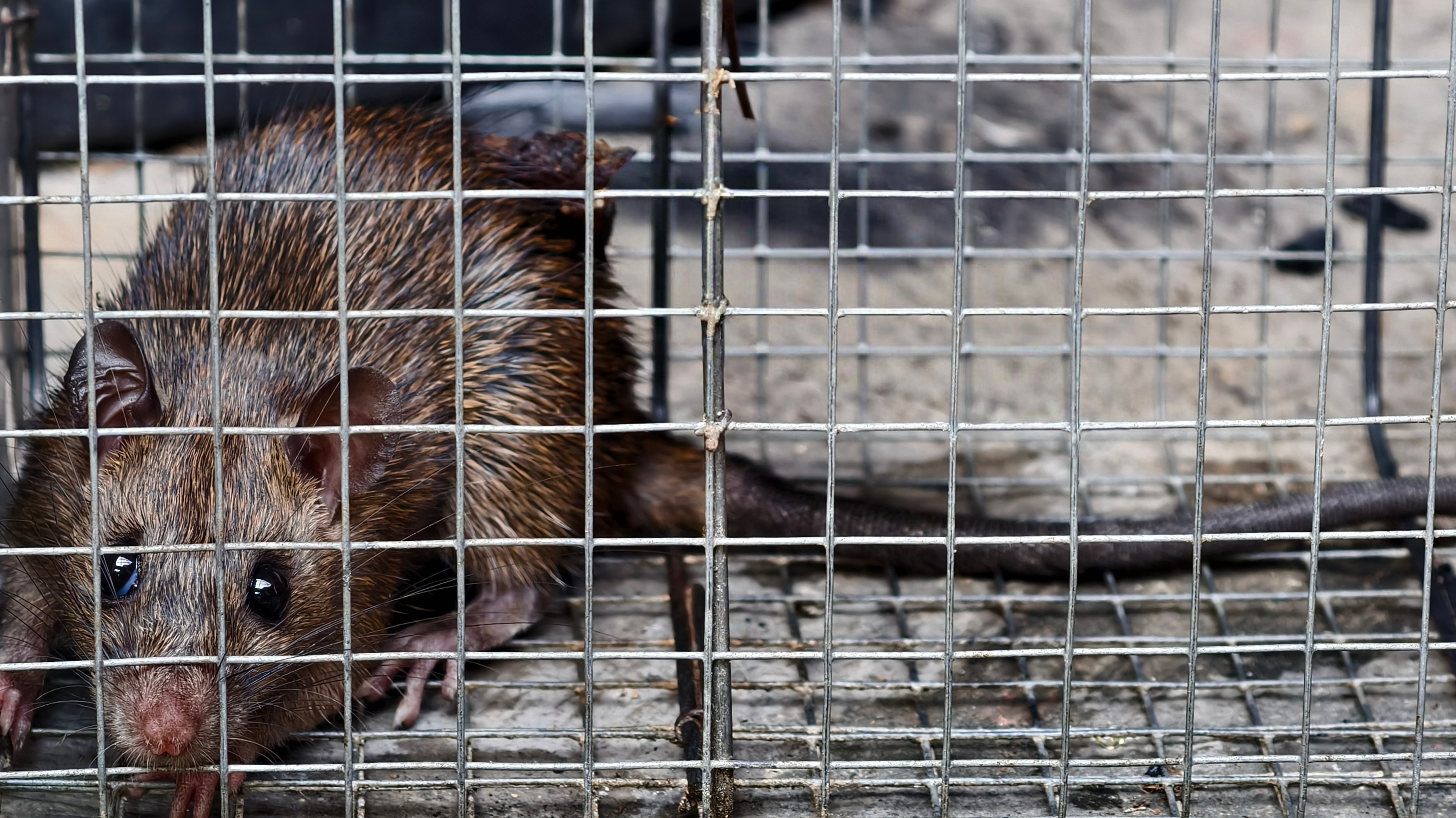
Targeted trapping removes active rats. Exclusion work then seals access points to stop new rodents from entering. Together, these steps reduce fire risk and protect electrical systems.
Prevention is equally important. Sealing gaps, repairing vents, trimming trees, and reducing indoor clutter make homes less attractive to rodents. Regular inspections help catch problems early.
Professional rodent control typically includes:
- Home and electrical area inspections
- Identification of entry points and nesting sites
- Targeted trapping to remove rats
- Exclusion to prevent re-entry
- Prevention steps to reduce future activity
Gingerly Pest Control proudly serves homeowners throughout Placer County and surrounding communities. Our team understands local rodent behavior and the conditions that lead to infestations in this region.
Our service areas include:
So, why do rats chew wires? They do it to survive. Unfortunately, that instinct creates serious dangers for homeowners. Addressing the problem early is the safest solution.

.jpg)





.jpeg)