What's Scratching in My Walls or Attic at Night?
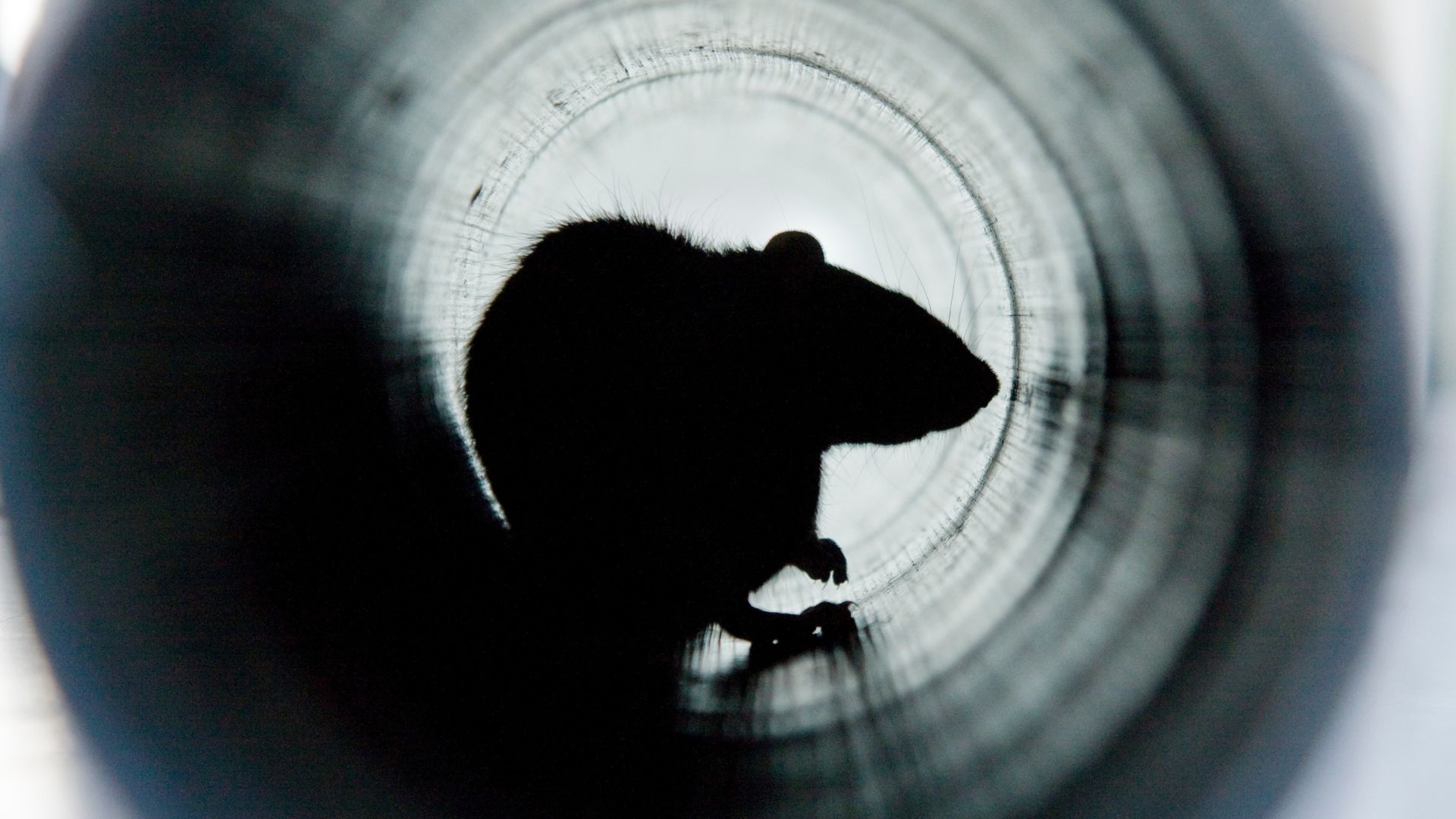
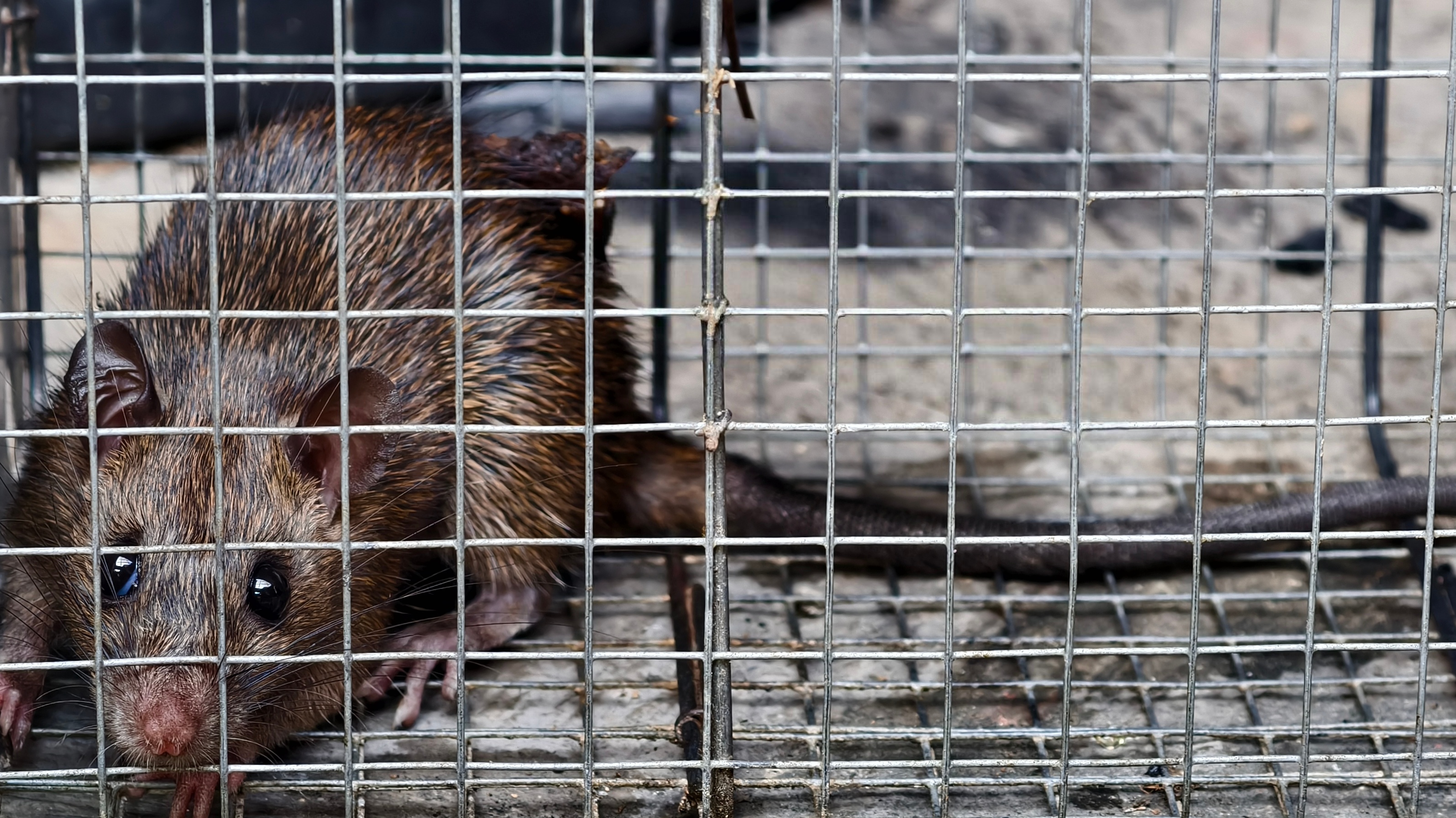
Short answer: Scratching, scurrying, or light gnawing in your walls or attic at night is most often rats or mice. Both are mostly active after dark, and fall is when many of them move from outdoor cover into attics, wall voids, crawl spaces, and garages. Before you seal holes or set out poison, figure out what it is and where it's coming from: listen for when and where you hear it, look for droppings and gnaw marks, and don't close any openings until you know nothing is still inside.
Nighttime noises are one of the most common reasons people call us about rats and mice this time of year. Here's how to read what you're hearing, and what to do next.
Why Do I Hear Scratching in My Walls at Night?
Rats and mice are nocturnal. UC Integrated Pest Management (UC IPM) notes that rats do most of their feeding and traveling at night, which is why the house can be quiet all day and busy after you go to bed. You also notice sounds more at night because the house is quiet.
The season matters too. According to UC IPM's house mouse guidance, mice that live outdoors often move into homes in autumn as nights get colder. Rats look for the same thing: dry, protected space close to food.
Is It Rats or Mice?
Sound alone won't give you a sure answer, but a few clues help:
- Where you hear it. Movement overhead in the attic or ceiling is often associated with roof rats, which tend to nest up high. Sounds low in the walls, under floors, or near the crawl space can point to mice or Norway rats, which usually stay lower in a structure.
- How it sounds. Light, quick scratching often points to mice. Heavier scurrying, thumping, or something that sounds like it's being dragged is more often rats.
- When you hear it. Activity right after dark and again before sunrise is typical of both.
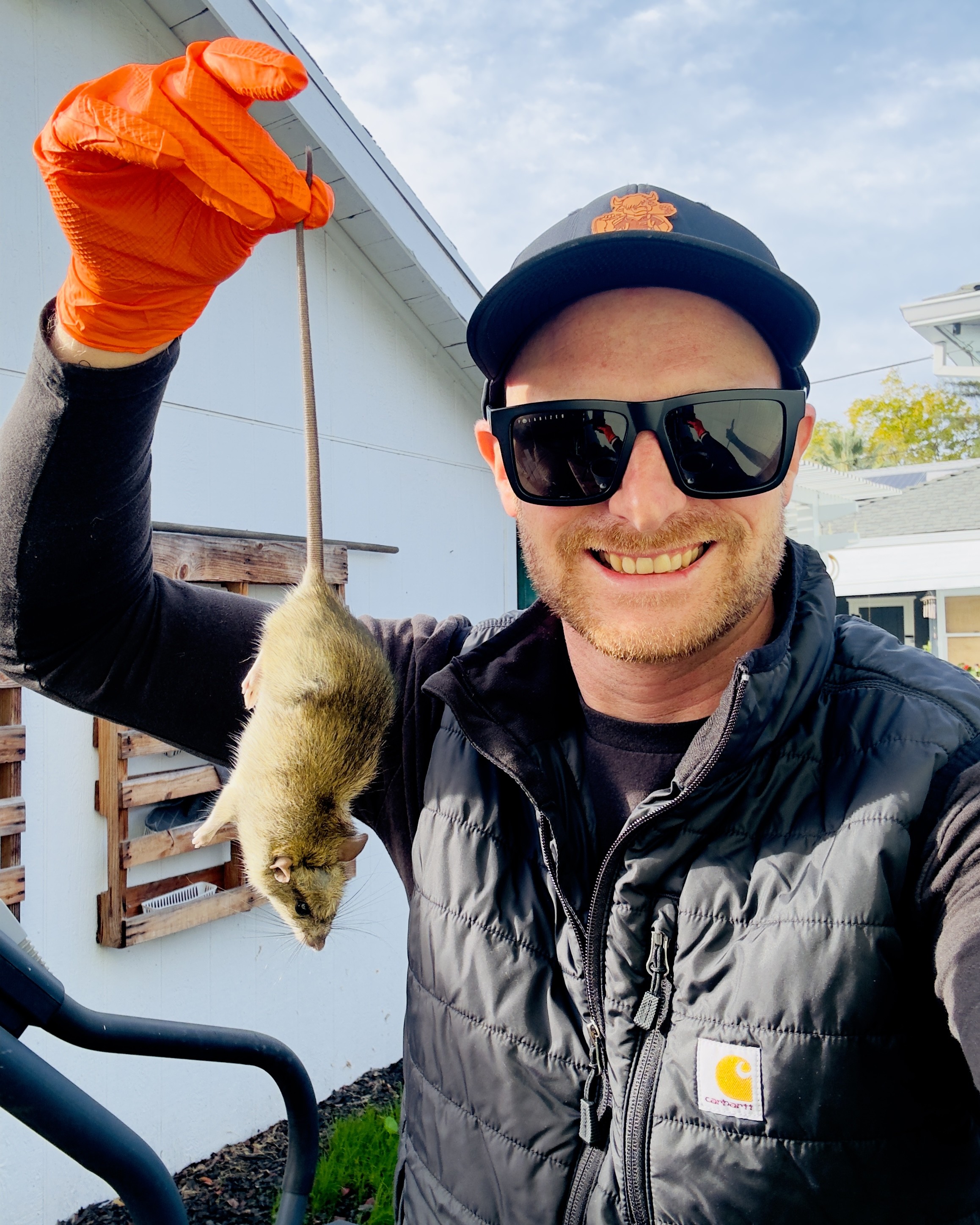
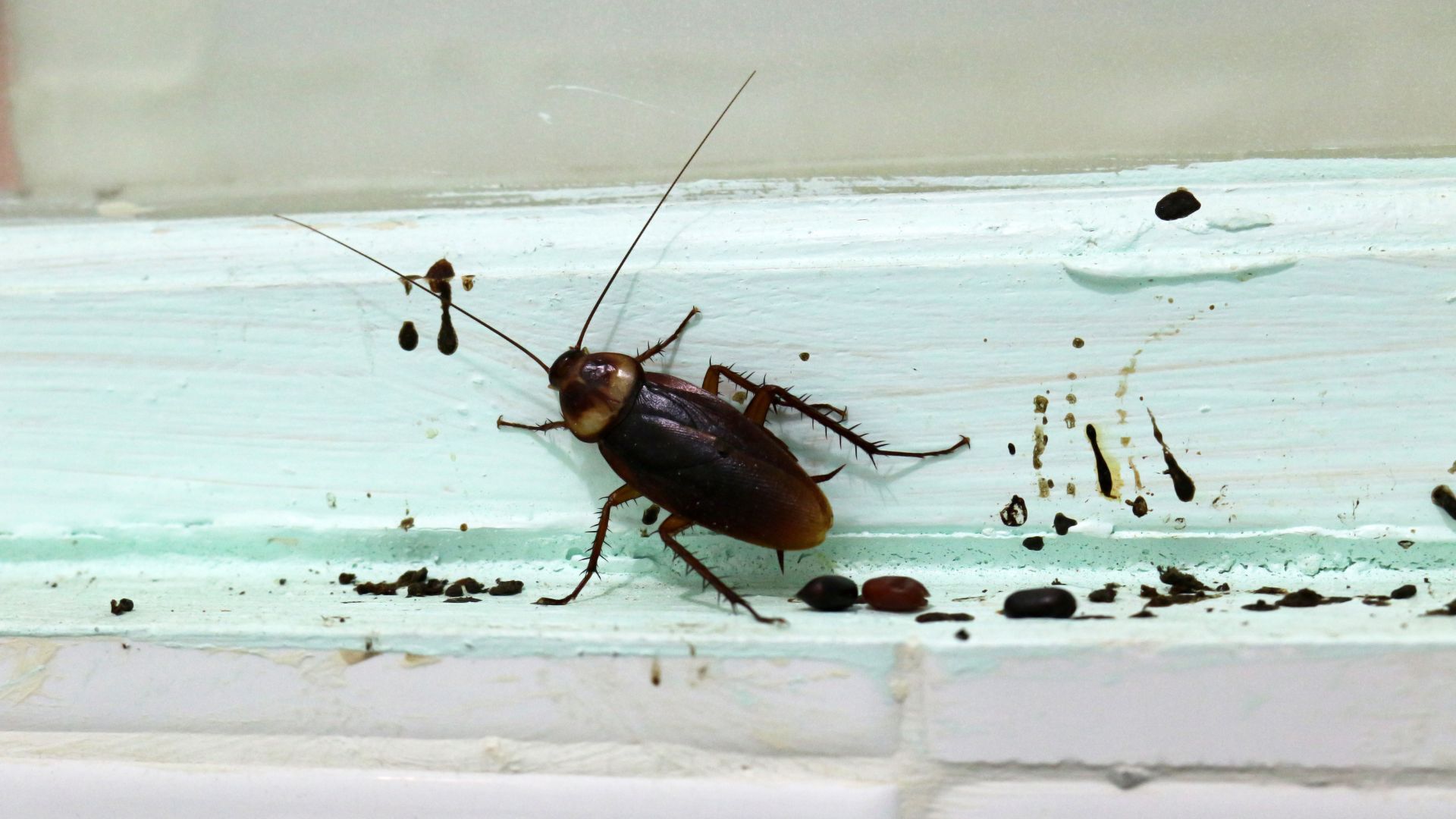
- What you find. Droppings are the best clue. Mouse droppings are small, about 1/4 inch. Roof rat droppings are about 1/2 inch with pointed ends. Our guide to telling mice and rats apart has more detail.
If it's overhead, our article on roof rats in Placer County covers how they travel and nest. If it's lower, see Norway rat control.
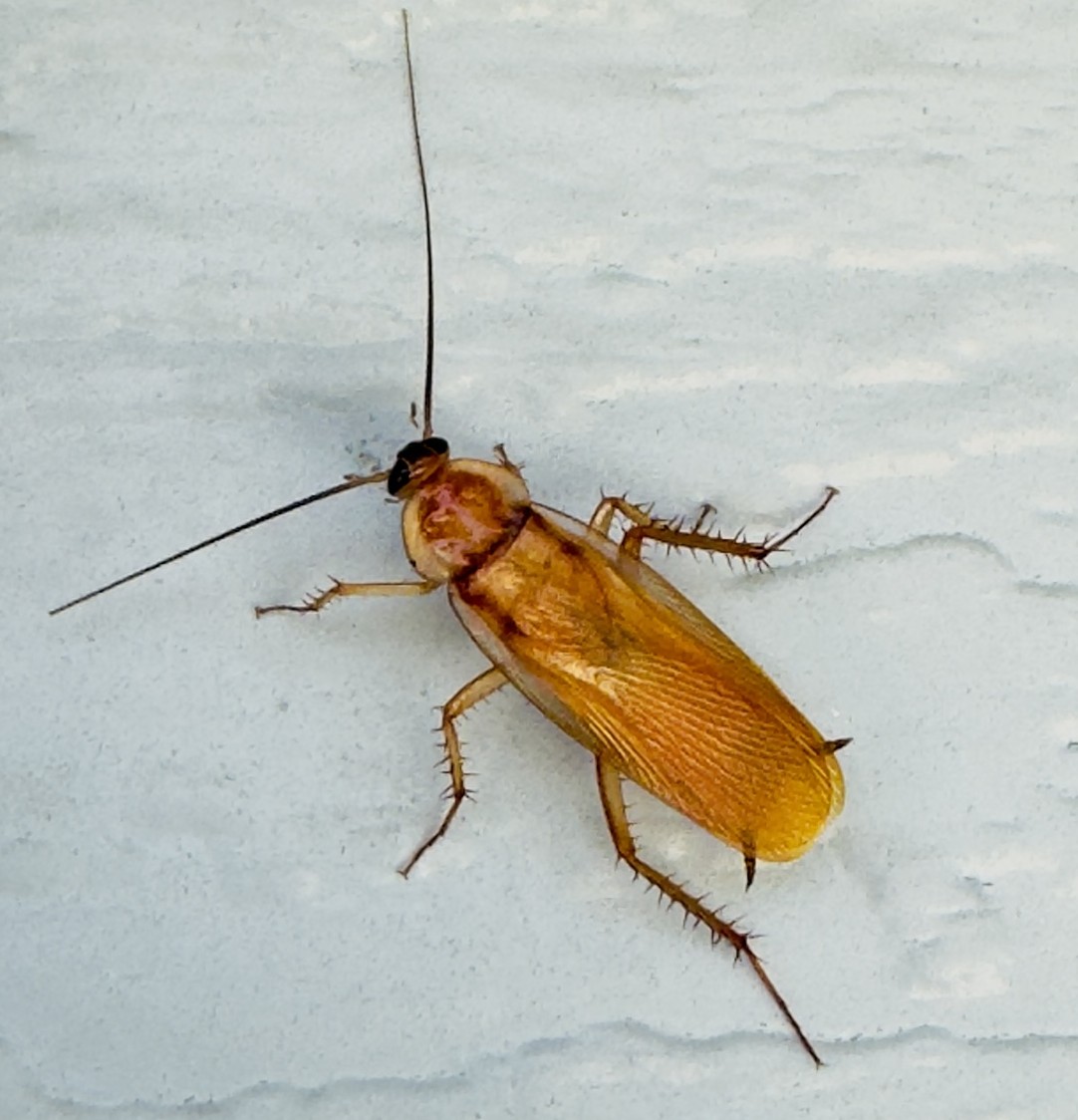
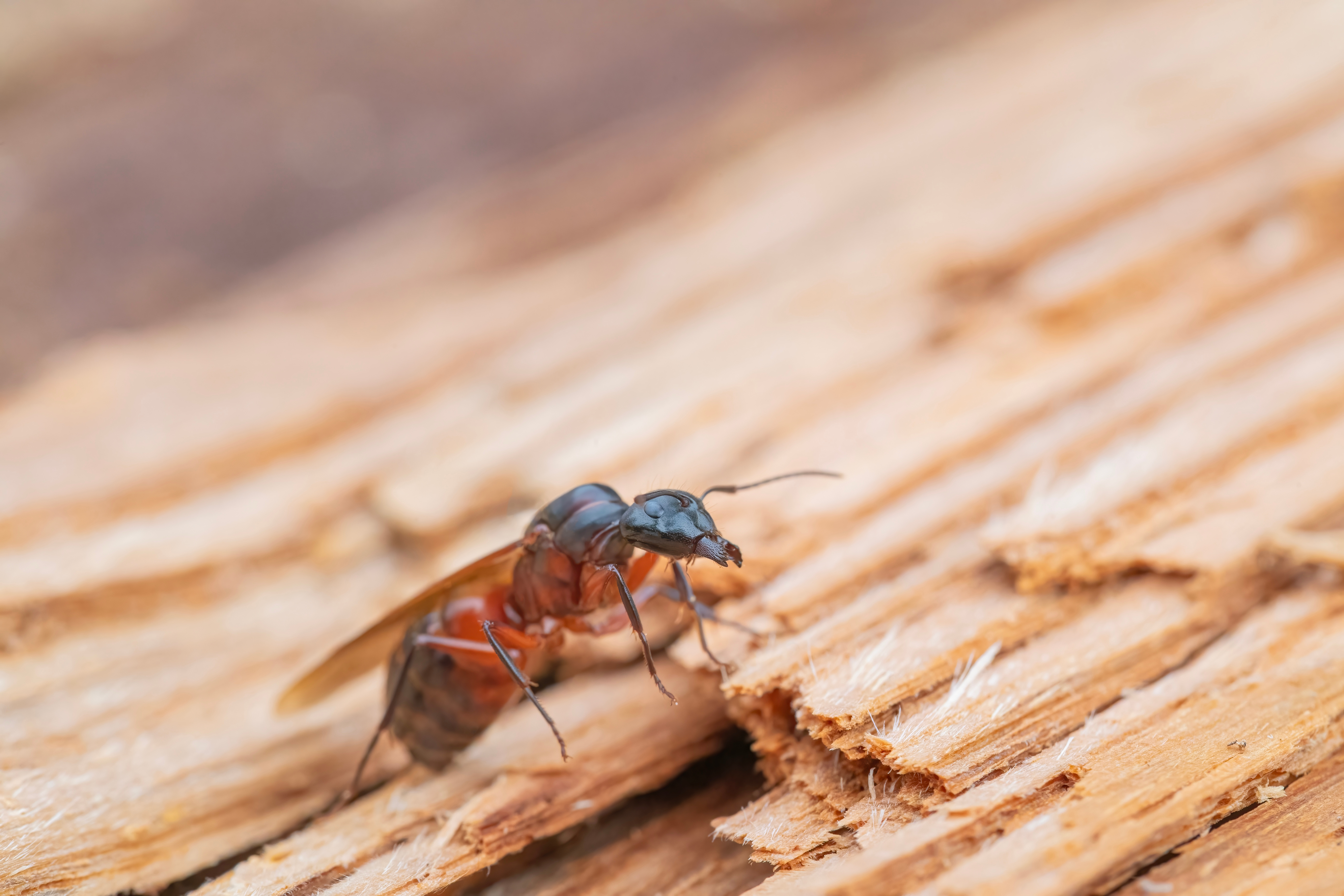
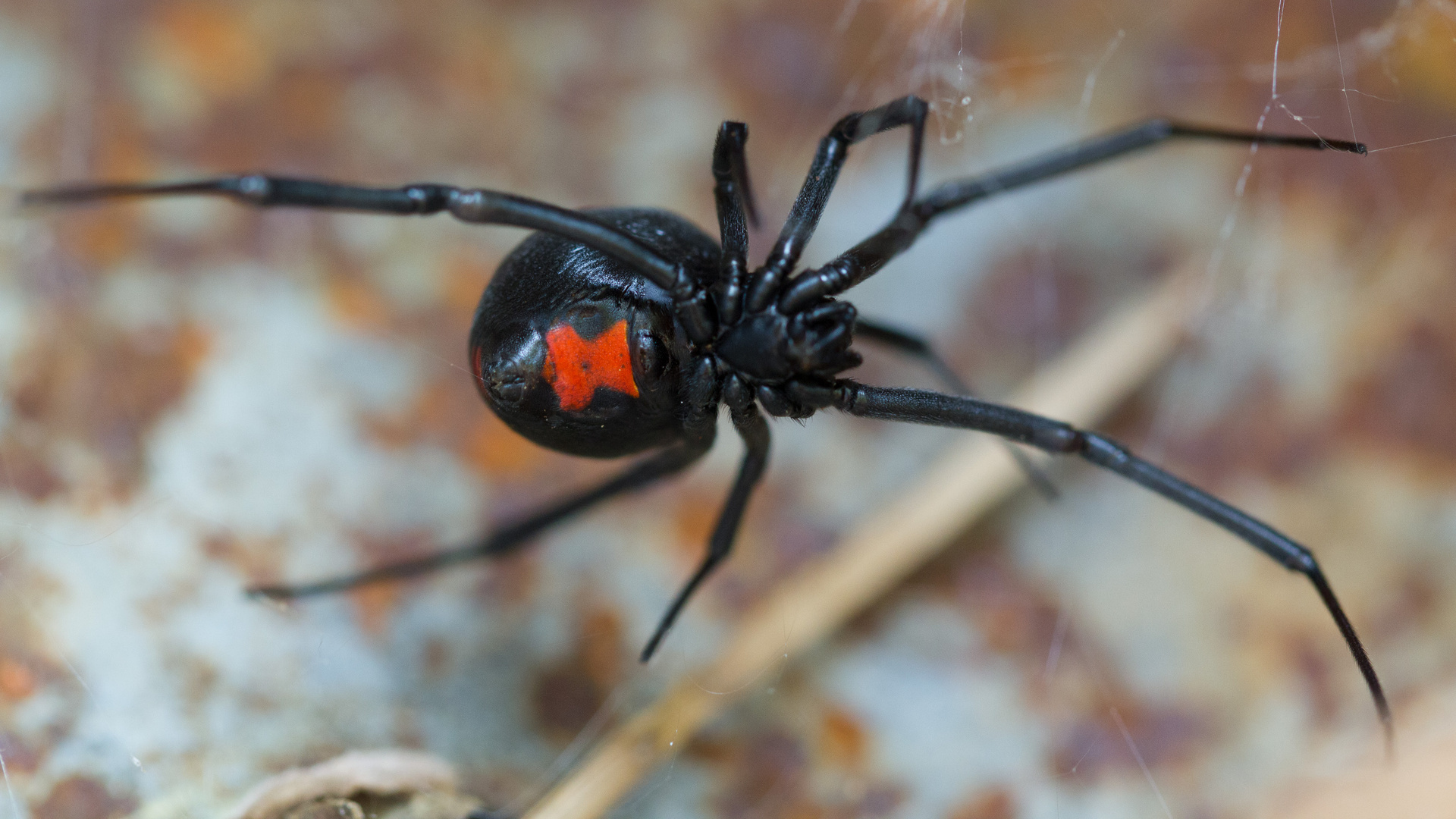
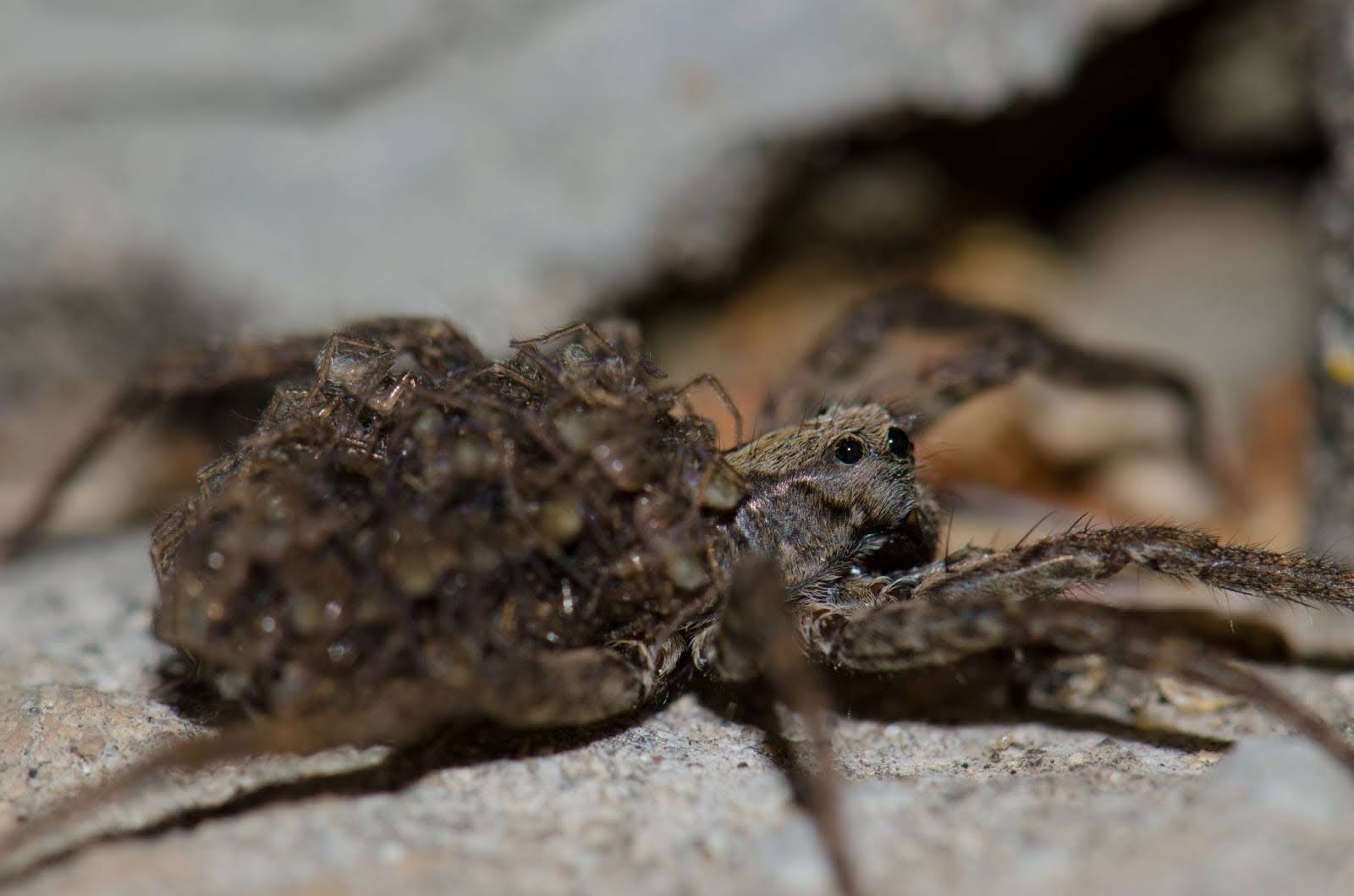
Could It Be Something Other Than a Rodent?
Yes. A few common look-alikes:
- Squirrels are mostly active during the day. Noise that's loudest in the morning and quiet overnight is less likely to be rats or mice.
- Larger animals like raccoons make heavy thumps and bangs rather than light scratching.
- The house itself. Attics creak and tick as temperatures swing between warm afternoons and cold nights, and loose ductwork or pipes can tap when the heat kicks on.
Gingerly handles rats and mice. If it turns out to be squirrels or other wildlife, a wildlife specialist is the right call, and we'll tell you if that's what we see.
What Should I Do First?
- Write down when and where you hear it. A rough log ("kitchen wall, 11 p.m. and 5 a.m.") is surprisingly useful for finding the active area.
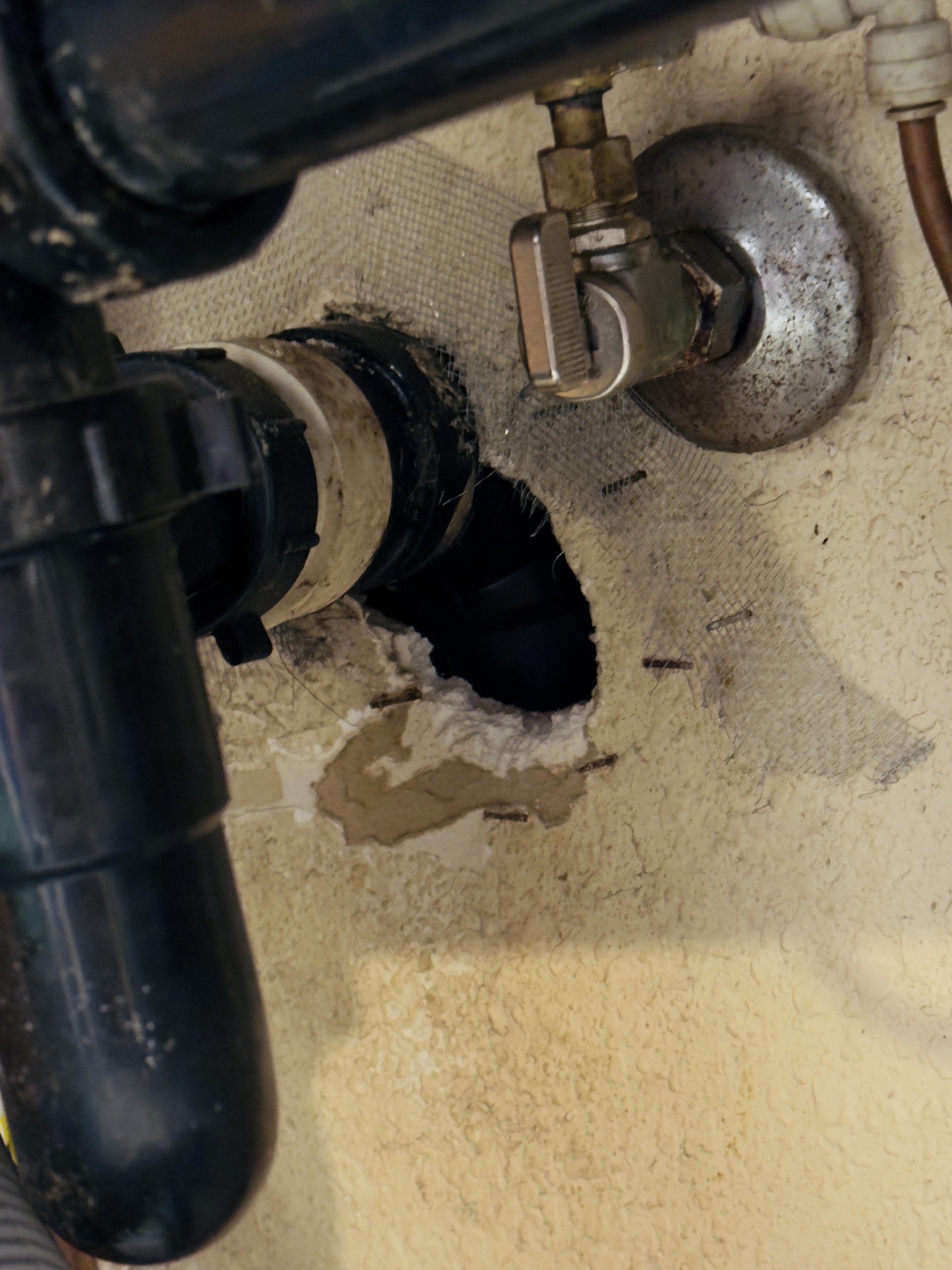
- Look for physical signs. Check the garage, under sinks, the pantry, around the water heater, and anywhere pipes come through walls. Look for droppings, gnaw marks, shredded insulation or paper, and greasy rub marks along edges.
- Clean up safely. The CDC advises against sweeping or vacuuming droppings. Wear gloves, spray with disinfectant or a diluted bleach solution, let it soak, and wipe it up with paper towels.
- Put food away. Pet food, birdseed, and anything in paper or thin plastic should go into sealed, hard-sided containers.
- Hold off on sealing holes. If a rat or mouse is still inside, closing its way out can leave it chewing a new exit or dying somewhere hard to reach. We walk through a real example of this in I Found Signs of Rodents in My House. Now What?
- Skip poison indoors. A rodent that eats bait and dies inside a wall leaves a smell that can last for weeks. Bait also carries risks for pets and wildlife, which we cover in Does Rodent Bait Hurt Wildlife?
Why It's Worth Dealing With Sooner
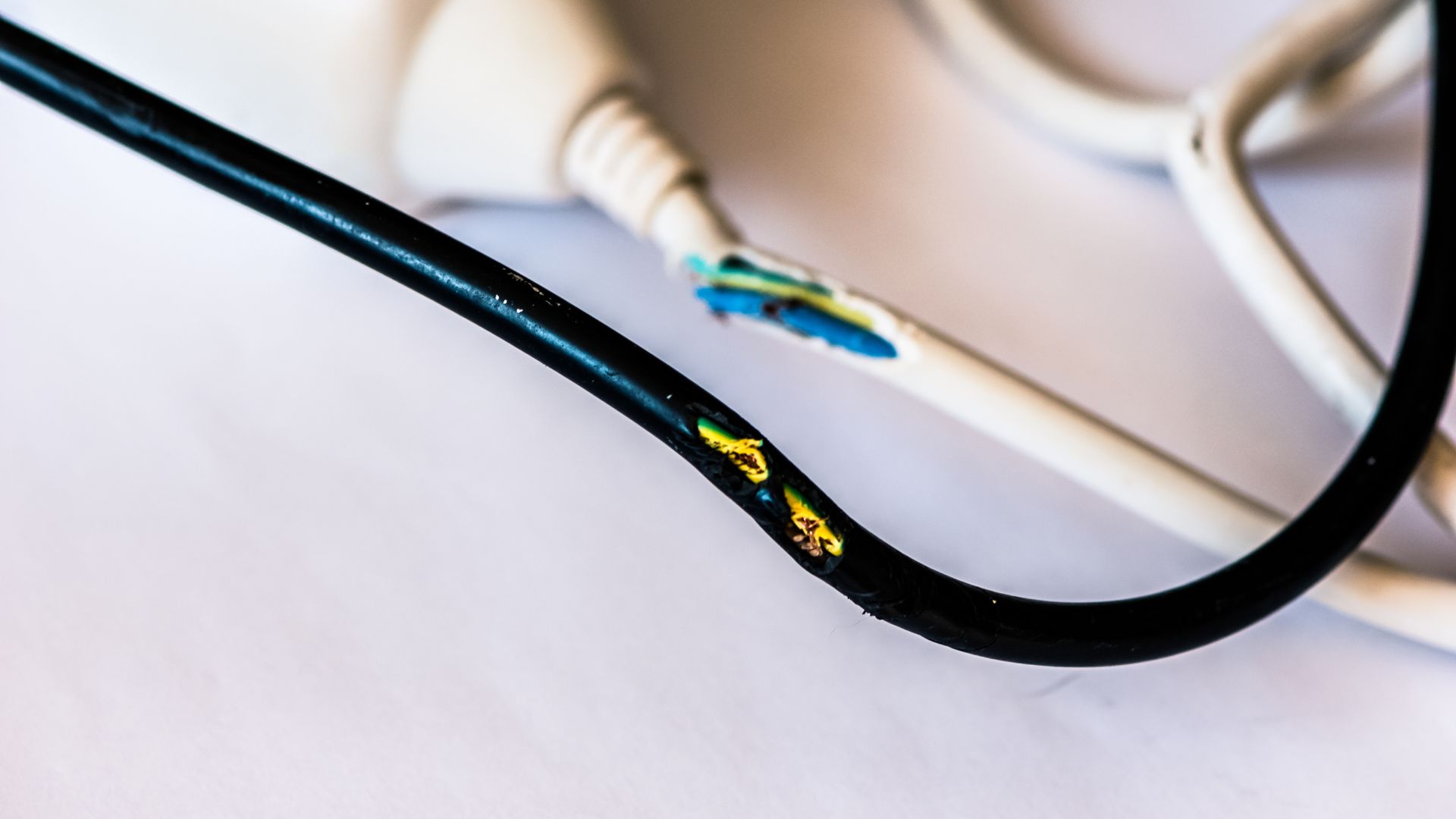
Rats and mice gnaw constantly, and wiring, insulation, and ductwork in attics and walls are easy targets. Chewed wiring is a real concern, as we explain in why rats chew wires. Mice can also build numbers quickly when they have food and shelter, so a few sounds in October can turn into more activity by winter.
What This Looks Like Around Placer County
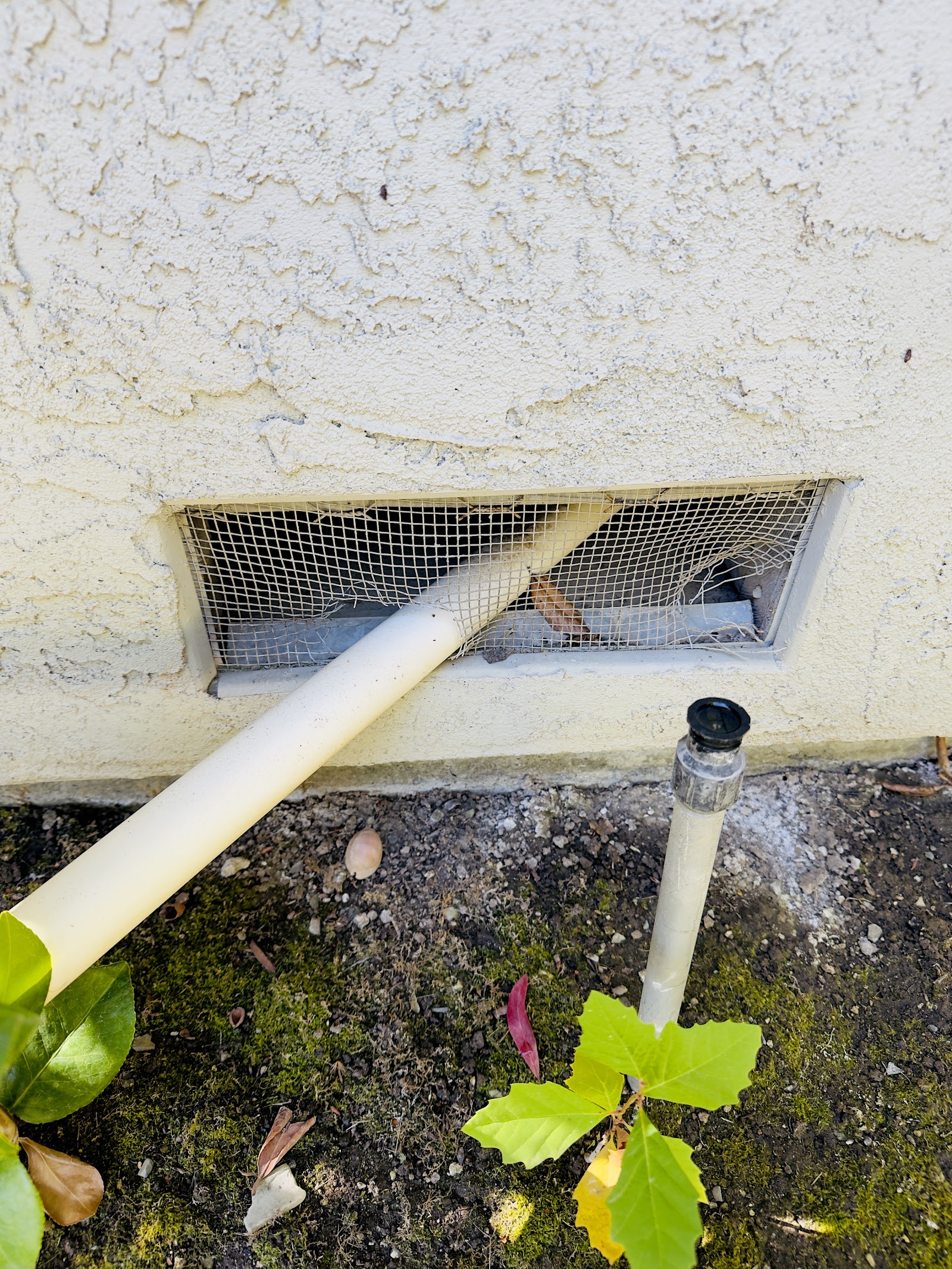
In Auburn and Meadow Vista, many homes sit under oaks and near open land, with crawl spaces, foundation vents, decks, and outbuildings. Rats can travel through trees and along fences, so activity overhead is common, and crawl space vents are worth checking for damaged screens.
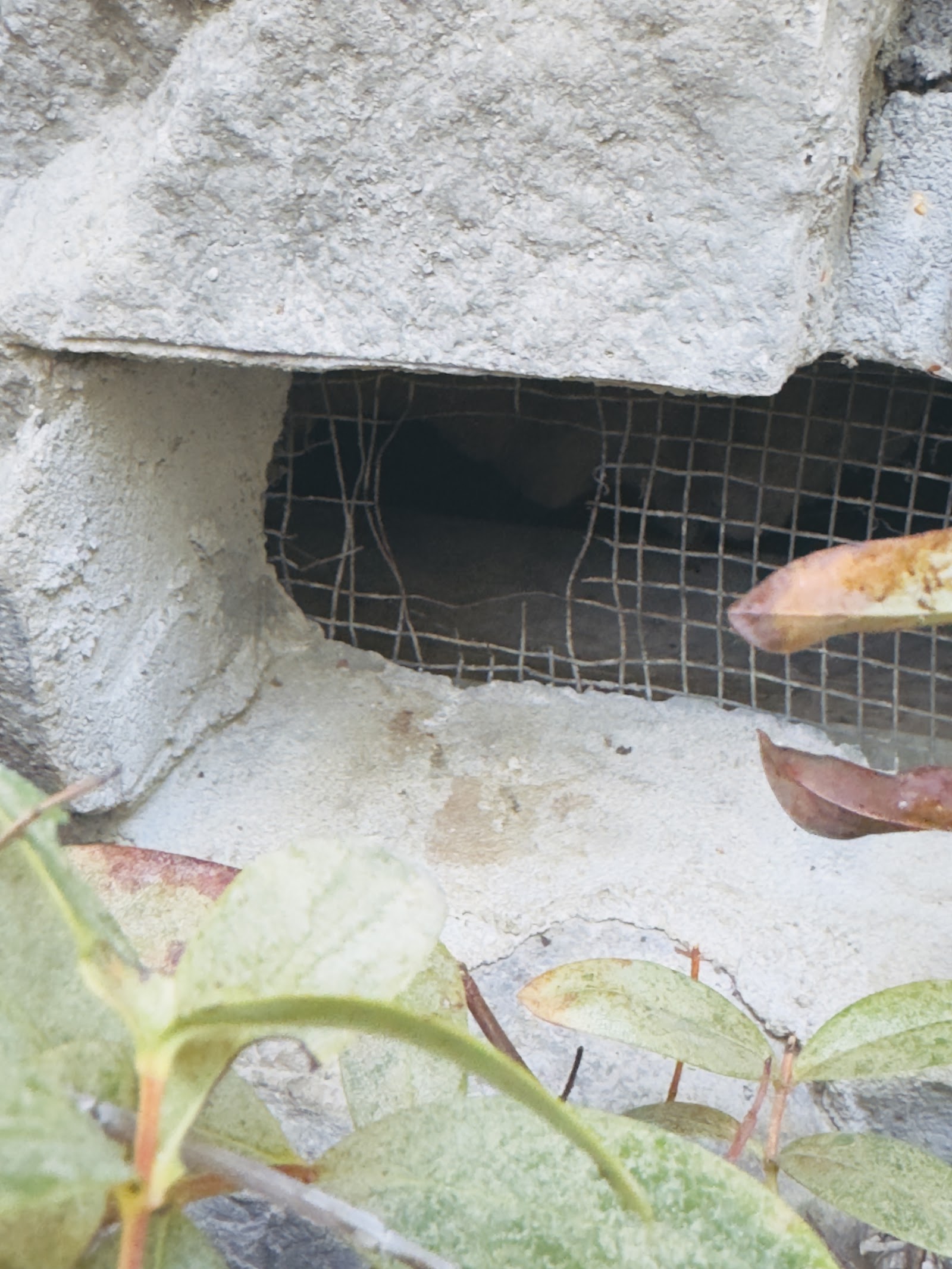
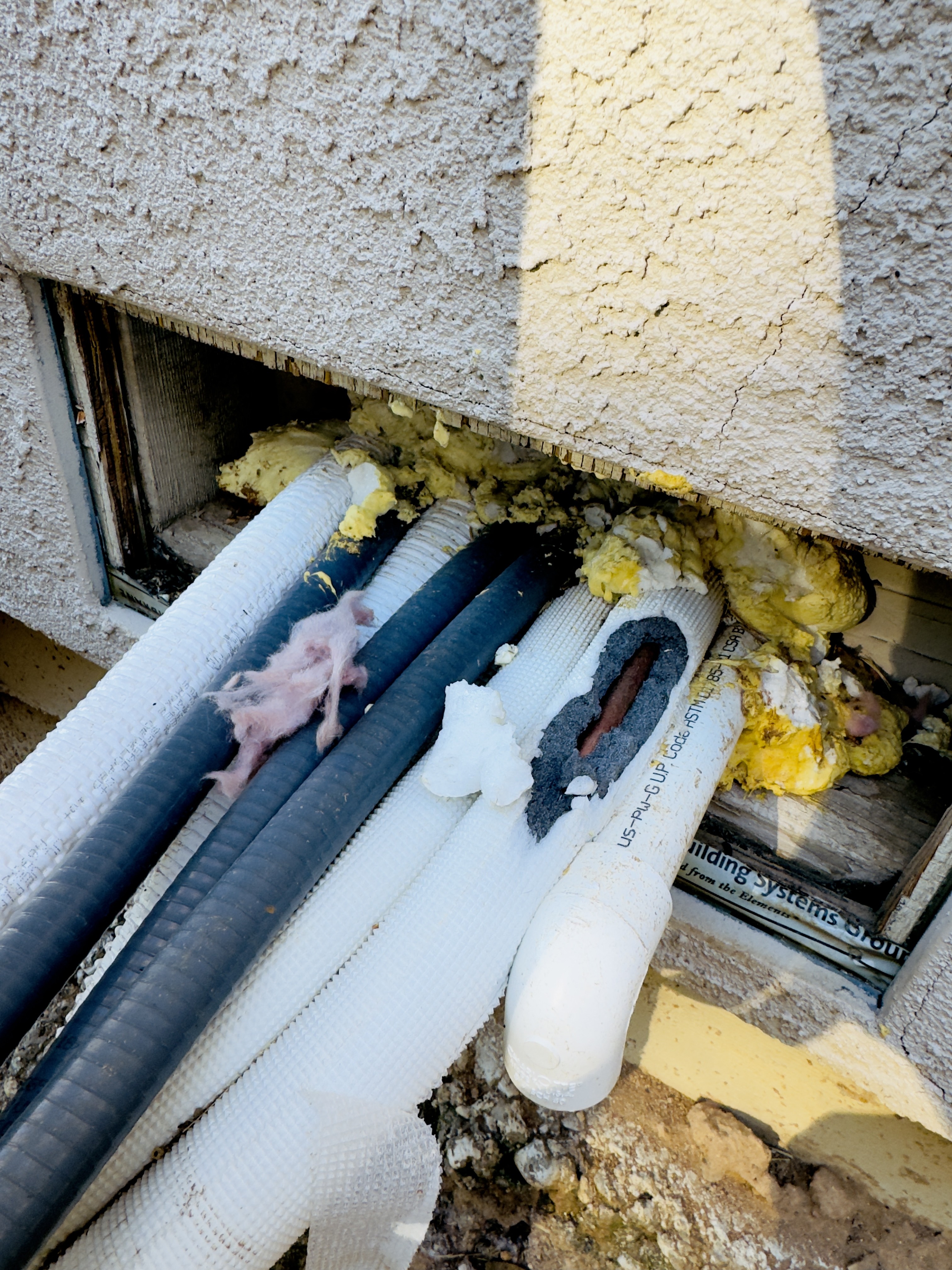
In newer neighborhoods in Lincoln, Rocklin, and Roseville, we more often look at garage door corners, gaps where air conditioning lines and utilities pass through stucco, and homes that back up to greenbelts, fields, or creek corridors. Garages are often where evidence shows up first.
None of this describes every home, which is why we look at the specific property.
How We Track Down Nighttime Noises
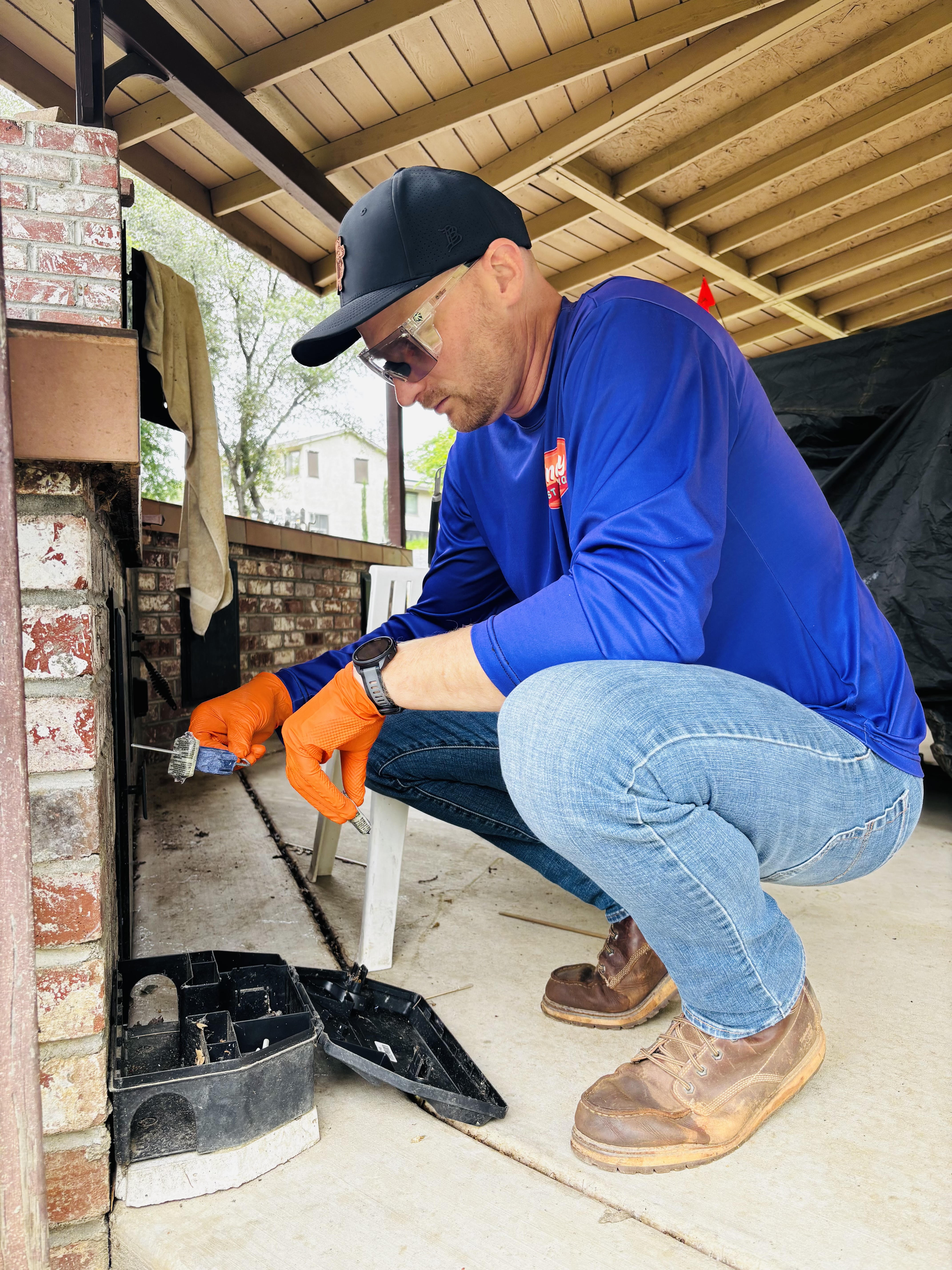
Our rat and mouse control starts with an inspection, not a guess. We follow the evidence from where you're hearing activity to the areas rodents are using and how they're getting in. From there, the plan fits what we find:
- Interior trapping for rats or mice already inside, with follow-up visits to check and adjust
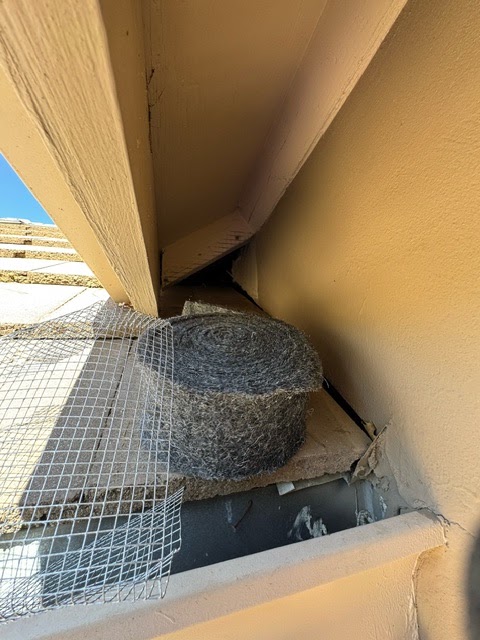
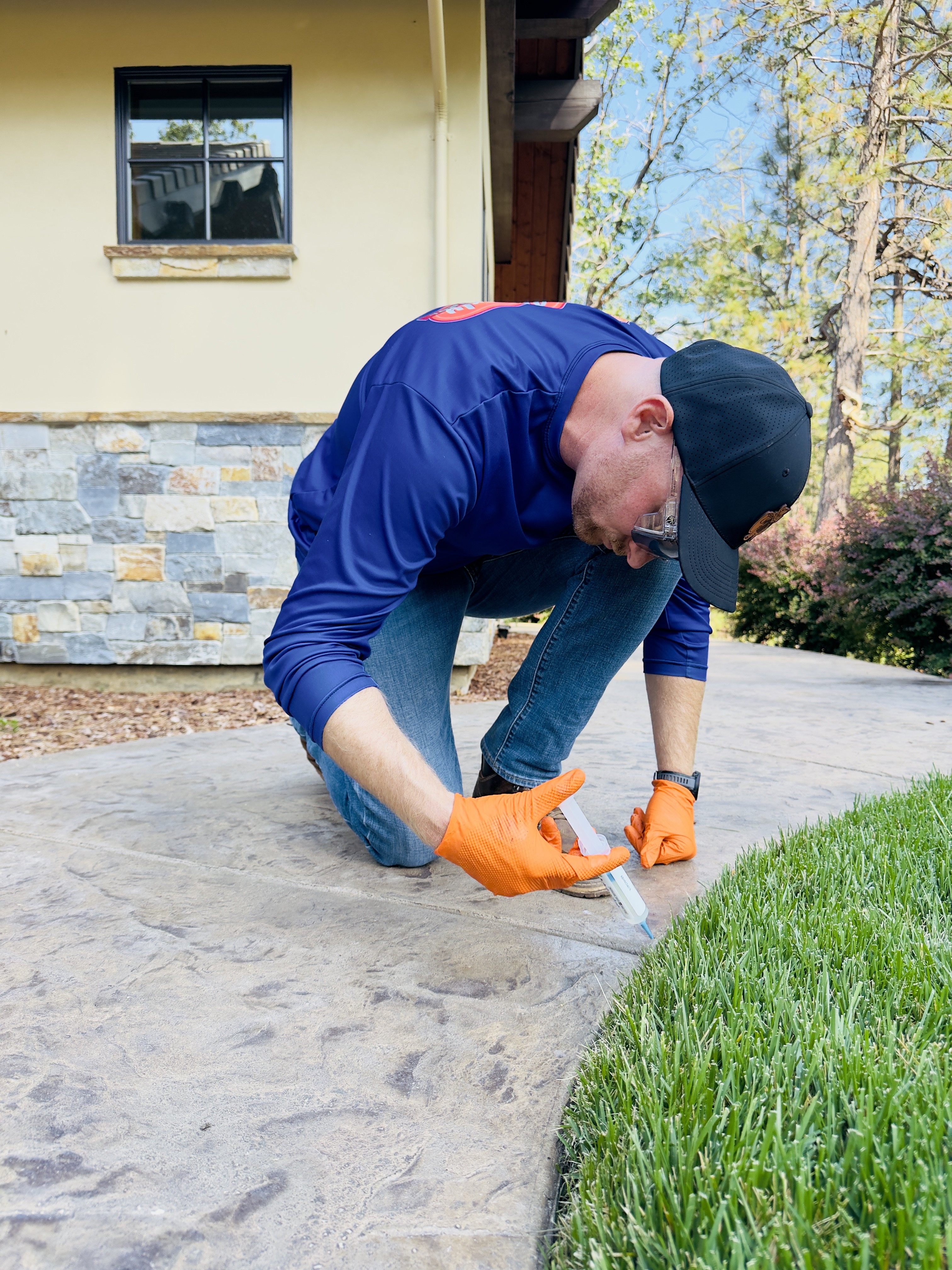
- Exclusion to seal the openings they're using with materials they can't chew through
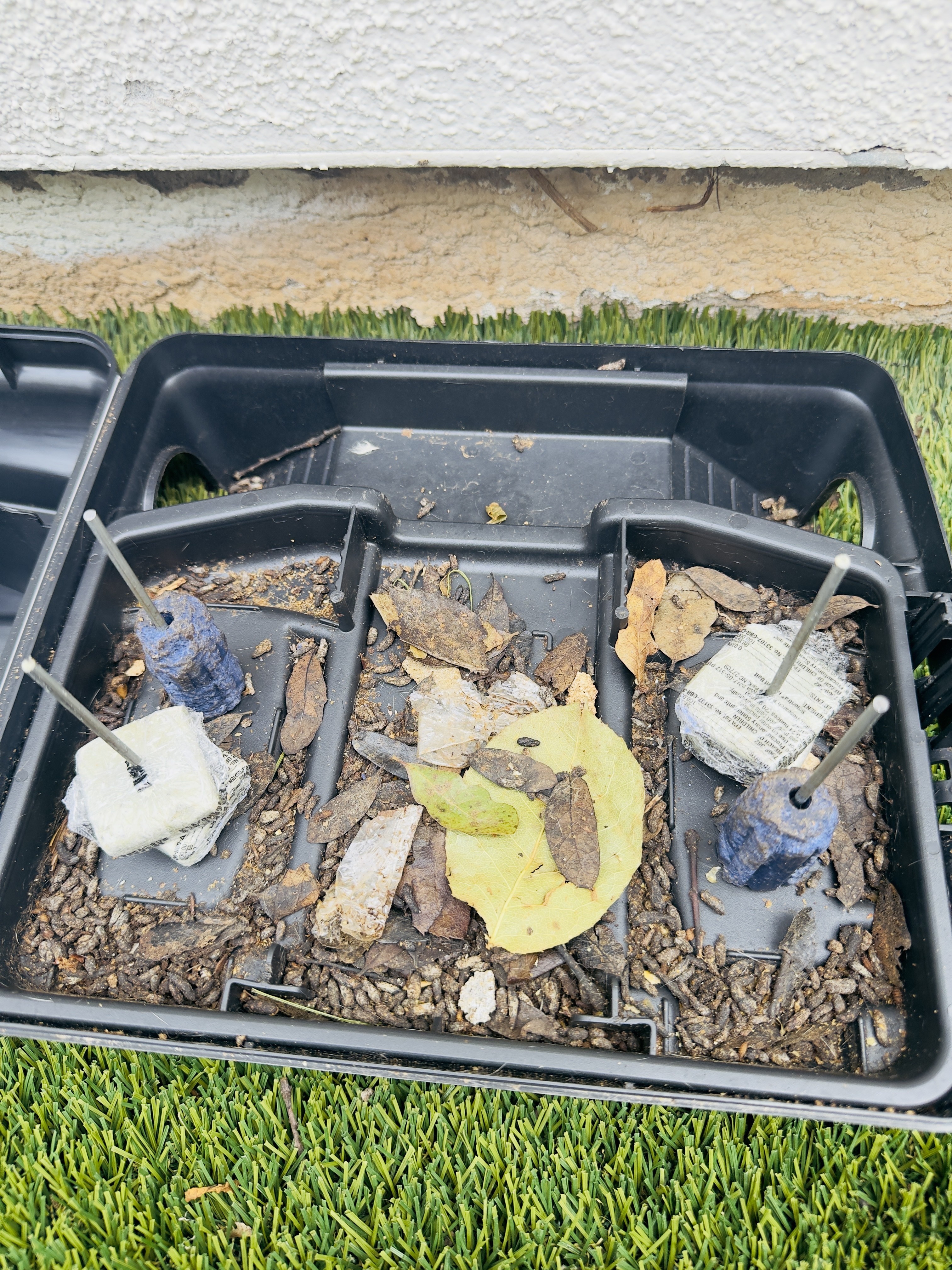
- Exterior bait stations on properties where outdoor pressure makes them a reasonable part of the plan, not automatically
For the full picture, see how we handle rats and mice in Placer County.
Frequently Asked Questions
What does a rat in the attic sound like?
Usually scurrying, scratching, or light thumping across the ceiling, most often after dark and again before sunrise. Gnawing can sound like a steady scraping.
Can mice climb inside walls?
Yes. Mice climb well and move through wall voids, around pipes, and along wiring. House mice can squeeze under gaps about 1/4 inch tall.
Will rats leave on their own?
Rarely, once they've found food and shelter. Without removing the ones inside and addressing how they got in, activity usually continues.
Why do I only hear it at night?
Rats and mice are nocturnal, and your house is quiet enough at night to hear them. Daytime noise is more likely squirrels or something else.
Should I go into the attic to look?
If you do, go during the day with a flashlight, gloves, and a mask, and don't disturb droppings or nests. Don't reach into insulation or tight spaces bare-handed.
Hearing Something in the Walls?
If you're hearing scratching at night and want to know what it is and how it's getting in, we're happy to take a look. Gingerly Pest Control is a family-owned company based in Auburn, serving homes across Placer County. Call or text 916-625-6741, or reach out through our contact page.