
Why Am I Seeing More Rats and Mice Around My House This Year?
If it feels like you're seeing more rats or mice around your Auburn-area home this year, there's usually a reason behind it, and often more than one. Rat and mouse activity rises and falls with weather, food, water, vegetation, nearby construction, available shelter, and the conditions on and around an individual property. Seeing more activity outside doesn't necessarily mean rats or mice have moved into your house. But understanding why they're around is the best way to figure out whether anything actually needs to be done.
Why Am I Seeing More Rats and Mice This Year?
Usually because something changed, either in the environment that supports rats and mice or in how easy they are to notice. The most common reasons we run into:
- More food is available. A heavy acorn drop, fallen fruit and nuts, a new bird feeder, or a new chicken coop.
- Water and shelter changed. Irrigation, thick new growth, ivy, stored materials, or a new shed close to the house.
- Something nearby was disturbed. Construction, land clearing, or a neighbor tearing out a woodpile can push rodents next door.
- The season is shifting. As fall arrives, rats and mice often move toward sheltered spots around structures.
- You're simply noticing more. A new dog, a security camera, or more time spent in the yard can reveal activity that was already there.
It's often a combination, and it can look completely different on two properties on the same road.
Why Does Rodent Activity Change From Year to Year?
Rats and mice respond quickly to their surroundings. According to the University of California Statewide IPM Program, an average female Norway rat has 4 to 6 litters a year, and roof rats typically have 3 to 5. When food and shelter are plentiful, more of those young survive and local numbers can build within a single season. When resources tighten, numbers drop and the animals that remain move around more looking for what they need.
That's why a property can be quiet one year and noticeably busier the next, even when the homeowner hasn't changed anything. Rodent pressure depends on the whole neighborhood, not just one yard.
Could This Year's Weather Be Playing a Role?
It's possible, and it's something we've been thinking about. One thing we've noticed in the field this year is repeated stretches where we'd get some rain or cooler weather, then it would warm back up, then turn cool or wet again, during parts of the year when we'd normally expect a steadier transition into warm, dry weather. That has made us wonder whether those back-and-forth conditions helped keep things favorable for rats and mice over a longer portion of the year.
What We're Observing vs. What Can Be Established
What we're observing in the field: a year with repeated shifts between cooler, wetter periods and warmer ones. That's our firsthand experience working outdoors across our service area, not a measured weather study.
What's well established: weather affects the resources rats and mice depend on, including how much vegetation grows, how many seeds and fruits are produced, how much water is around, and how much cover there is near homes. Rats and mice aren't limited to a single breeding season here, and when food and shelter are adequate, more young tend to survive. Weather also affects where they travel and shelter.
What can't be established: we can't point to this year's weather and say it created more rats and mice. We're not aware of any data showing that Auburn, Loomis, Lincoln, or Placer County as a whole has a larger rodent population in 2026. What we can say is that repeated favorable stretches may have supported conditions that help rats and mice, or simply made their activity more noticeable around homes. That's one reason rodent pressure can look so different from one year to the next.
What About El Niño?
This year also brought a shift in the Pacific. La Niña conditions faded to neutral in the spring, and in June NOAA announced that El Niño had formed. As of NOAA's September 2026 update, an El Niño Advisory is in effect and forecasters expect a strong event through the 2026–27 winter.
El Niño's influence on California weather is mostly a winter story, and even then it shifts the odds rather than guaranteeing an outcome. We aren't aware of evidence tying the specific swings we noticed around Auburn this year to El Niño, and we're not suggesting El Niño caused more rats or mice. Large climate patterns and local conditions both shape the environment rodents live in. We looked at what this winter's outlook could mean for rodent movement toward homes in our fall field update on rats, mice, and El Niño in Placer County.
What Attracts Rats and Mice to a Property?
Every property that holds rats or mice is offering some combination of three things: food, water, and shelter. UC IPM notes that roof rats prefer fruits, tree nuts, berries, snails, and slugs, and that climbing plants like ivy, star jasmine, and honeysuckle make good habitat. Around Placer County homes, that often looks like:
- Food: acorns from oak trees, fallen fruit and nuts, bird seed, pet food left outside, chicken feed, vegetable gardens, and compost.
- Water: drip irrigation, sprinklers, leaky hose bibs, pet and livestock water, birdbaths, and ponds.
- Shelter: dense vegetation and ivy, rock walls, woodpiles, stored materials, sheds and outbuildings, the space under decks, cluttered garages, and crawl spaces.
Around the homes we service in Auburn, it's common to find several of these on one lot: mature oaks, a few fruit trees, a rock wall or ivy-covered slope, a shed or two, and open land or a ravine nearby. That foothill setting is a big reason rats and mice can find everything they need without ever coming near the house. Plenty of Auburn properties don't fit that description, of course.
On larger properties around Loomis, chickens, horses, feed storage, and multiple outbuildings can add steady food and shelter. That isn't a reflection of how well a property is kept. It's what that kind of land naturally supports.
Construction, Clearing, and Changes Next Door
Sometimes the change isn't on your property at all. Nearby construction, grading, brush clearing, a neighbor removing an old shed or woodpile, or new development next to open land can disturb rodents or change the food and shelter available to them. In Lincoln, where newer neighborhoods border open land, greenbelts, and ongoing development, changes nearby can affect what shows up in a backyard even if nothing on the lot itself has changed.
Does Seeing Rats Outside Mean They're Inside My House?
Not necessarily. Many properties have rats or mice living outdoors, in vegetation, woodpiles, rock walls, or around coops, without any inside the structure. What matters is whether they're finding a way in.
Rats and mice investigate homes because houses offer warmth, dry shelter, and food smells, and because foundations, fences, and rooflines make natural travel routes. Roof rats are strong climbers and can reach rooflines from overhanging trees, fences, and utility lines, so entry points aren't always at ground level.
Signs Activity May Have Moved Inside
These are the signs we look for when deciding whether rats or mice have gotten into the structure itself:
- Droppings in cabinets, drawers, the garage, the attic, or along baseboards
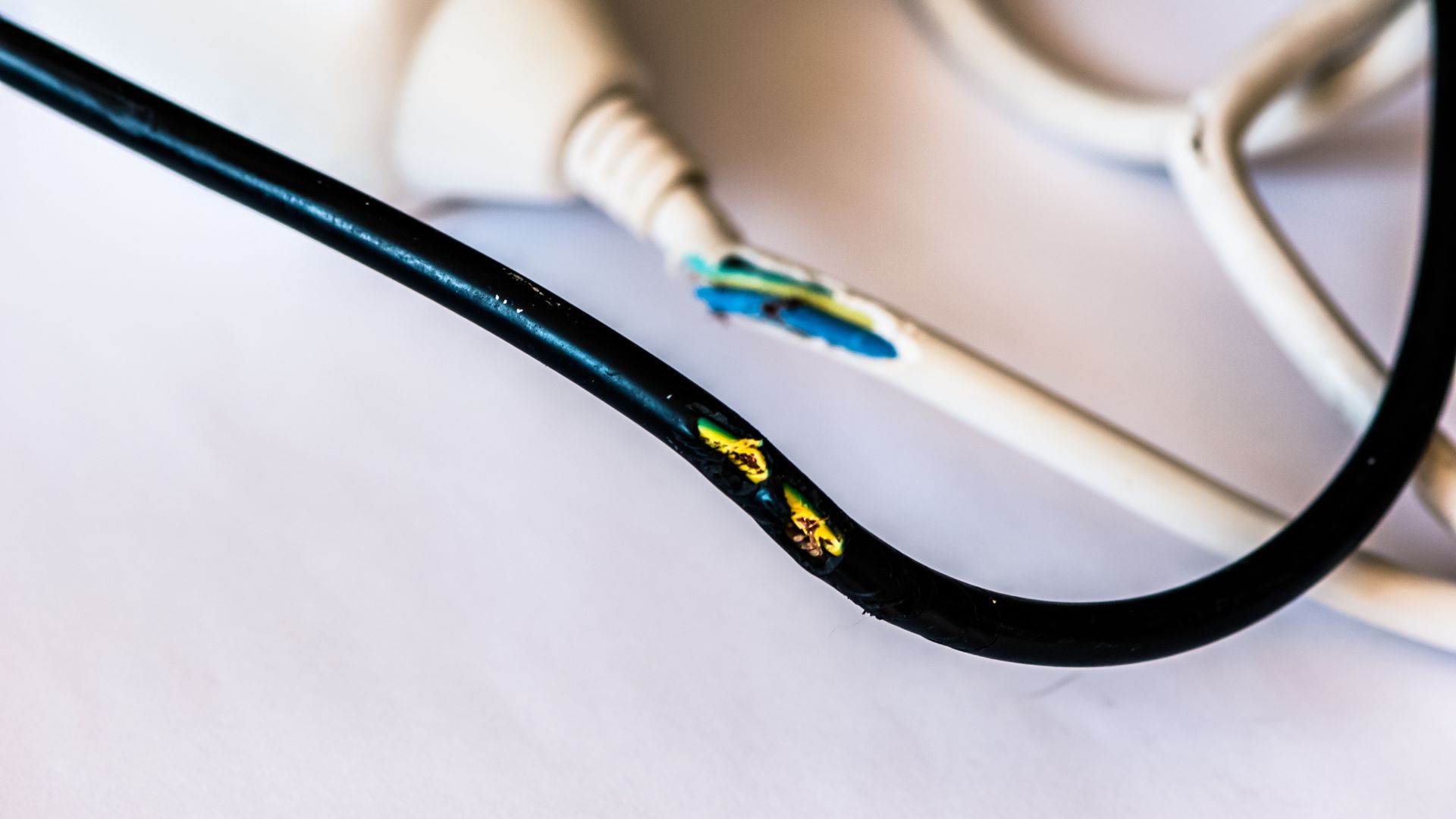
- Gnaw marks on wood trim, stored boxes, wiring, or plastic
- Disturbed insulation in the attic or crawl space, including tunnels or matted runways
- Noises in walls, ceilings, attics, or crawl spaces, especially at night
- Damaged food packaging, pet food bags, or bird seed bags
- Nesting material such as shredded paper, fabric, or insulation
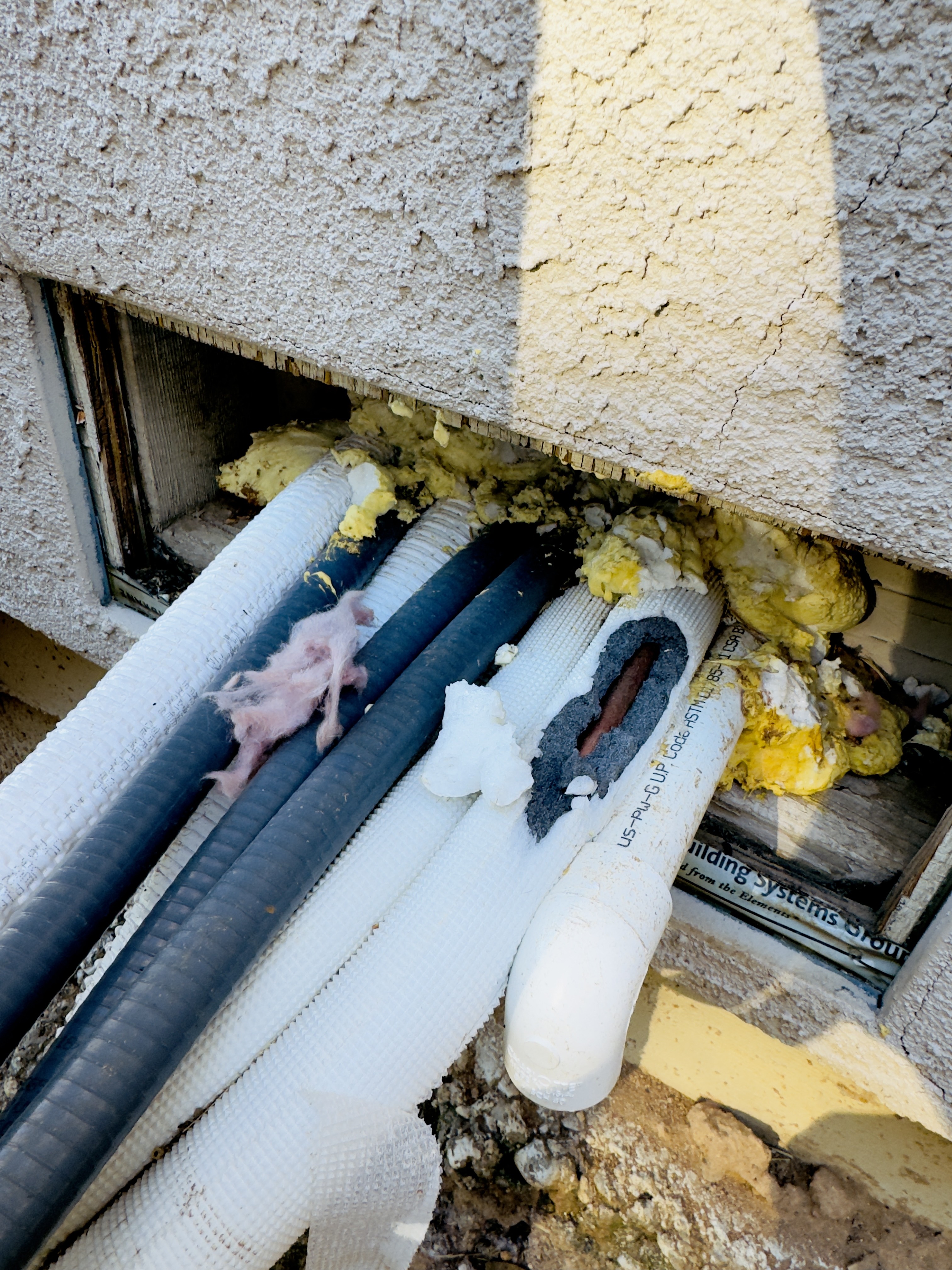
- Evidence around penetrations, like chewed or pulled-back insulation on HVAC and refrigerant lines, or gaps around plumbing and utility lines where they enter the house
- Repeated sightings inside rather than a single one
A few old droppings or one sighting doesn't automatically mean there's an active problem. If you're not sure what left them, our guide to telling mice and rats apart can help.
What You Can Do to Make Your Property Less Attractive
You can't make a foothill property unappealing to every rodent, but you can reduce what it offers:
- Pick up fallen fruit and nuts regularly.
- Store bird seed, pet food, and chicken feed in sealed metal or heavy-duty containers.
- Feed pets indoors, or pick up leftover food at night.
- Clean up spilled seed under feeders, or pause feeding if activity is high.
- Trim shrubs and tree limbs back from the house and roofline, and thin ivy growing against walls and fences.
- Keep firewood and stored materials off the ground and away from the house.
- Fix leaks and check irrigation for standing water.
- Keep garage doors closed and check weatherstripping at the corners.
- Look over crawl space vents and screens for damage.
If you're only seeing an occasional rat out by the back fence and nothing points to activity inside, these steps may be all you need.
Inspection, Bait Stations, Trapping, and Exclusion: What Makes Sense?
There isn't one universal rodent control solution. The right approach depends on where the activity is, what's attracting it, and whether rats or mice are already inside.
Inspection
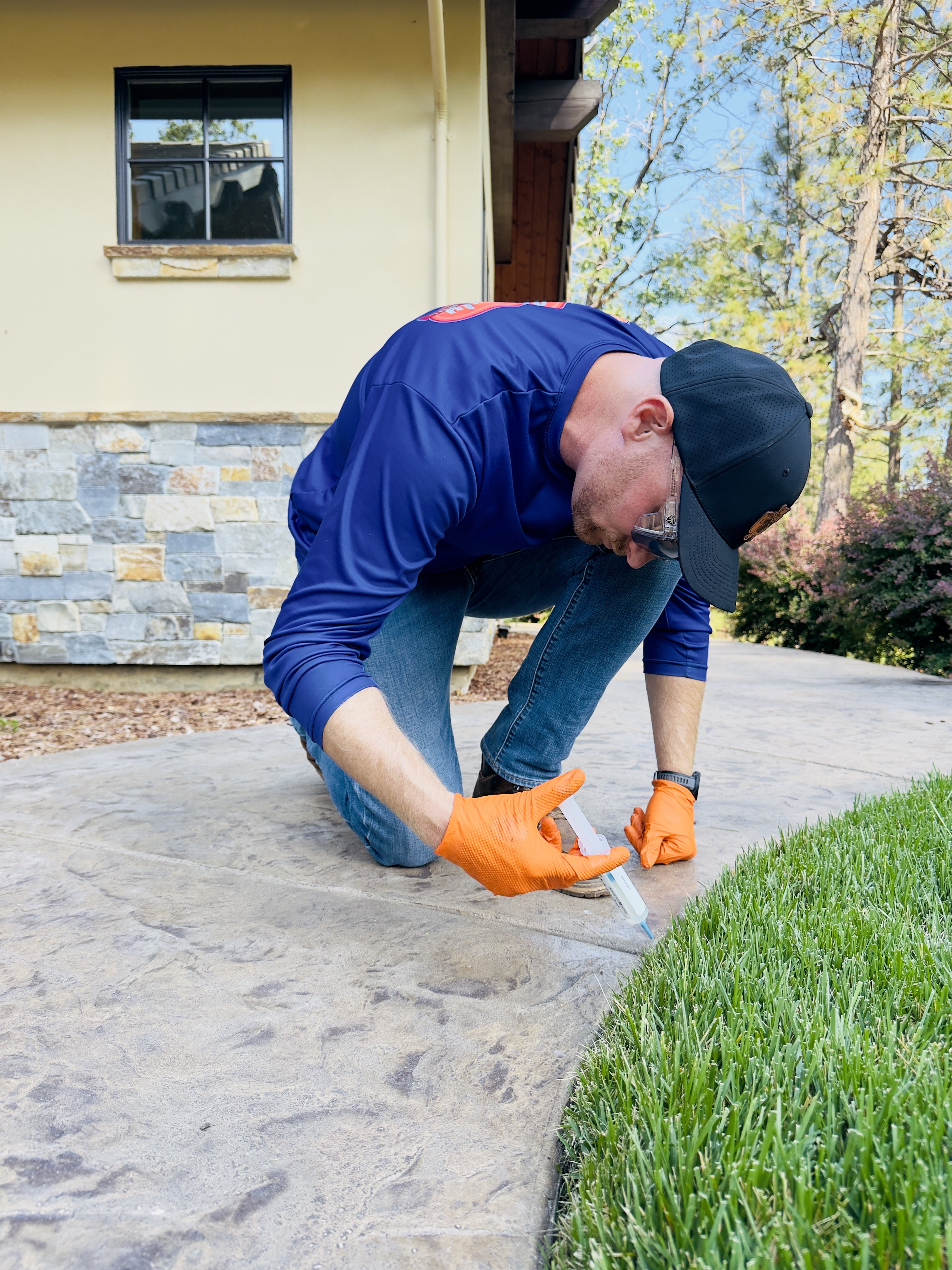
An inspection helps determine where activity is happening, what conditions may be drawing rats or mice to the property, whether there's evidence inside the structure, and where potential entry points are. It's the step that keeps everything else from being guesswork. We walk through how that process works in how we handle rats and mice in Placer County.
Exterior Bait Stations
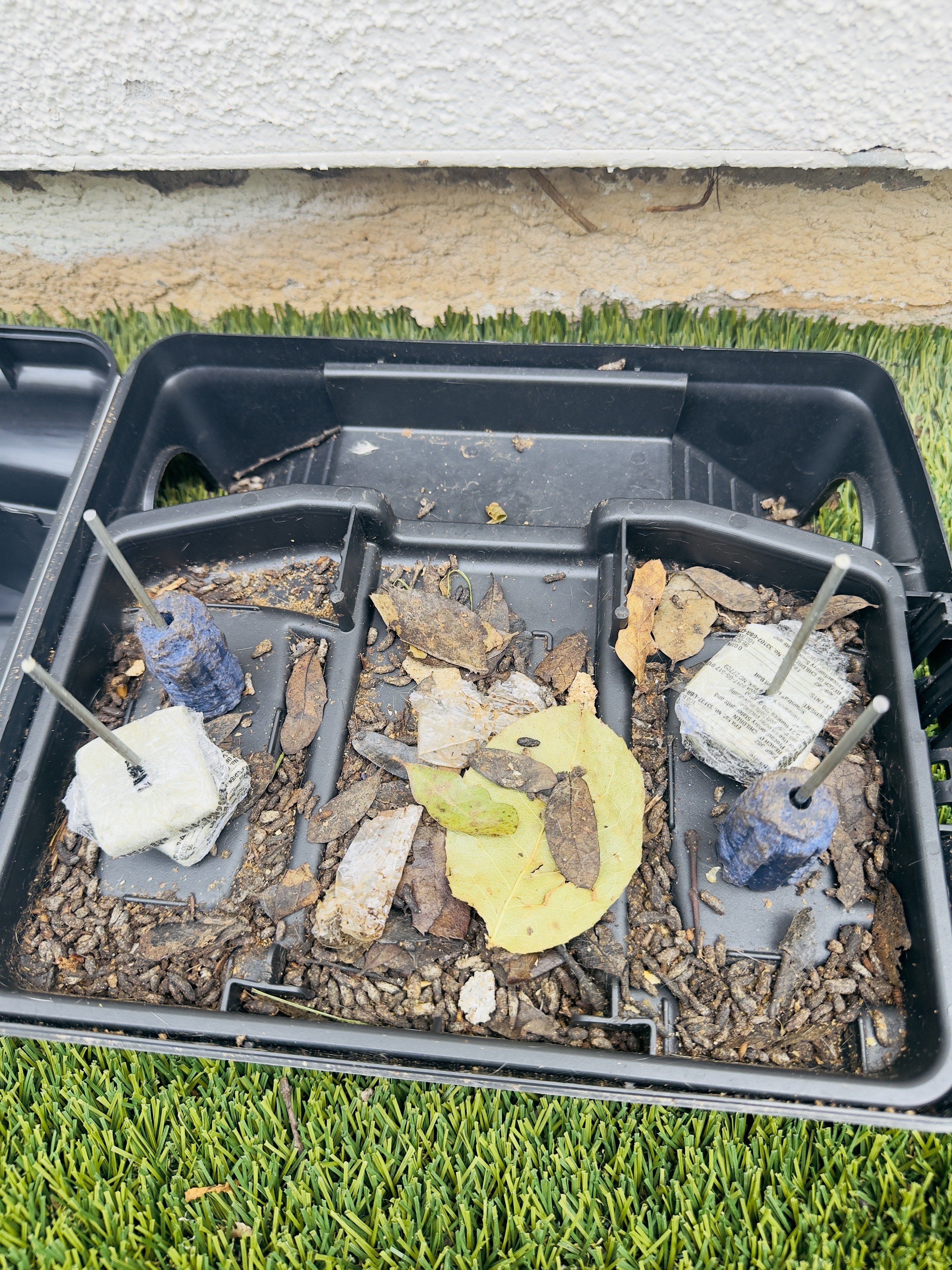
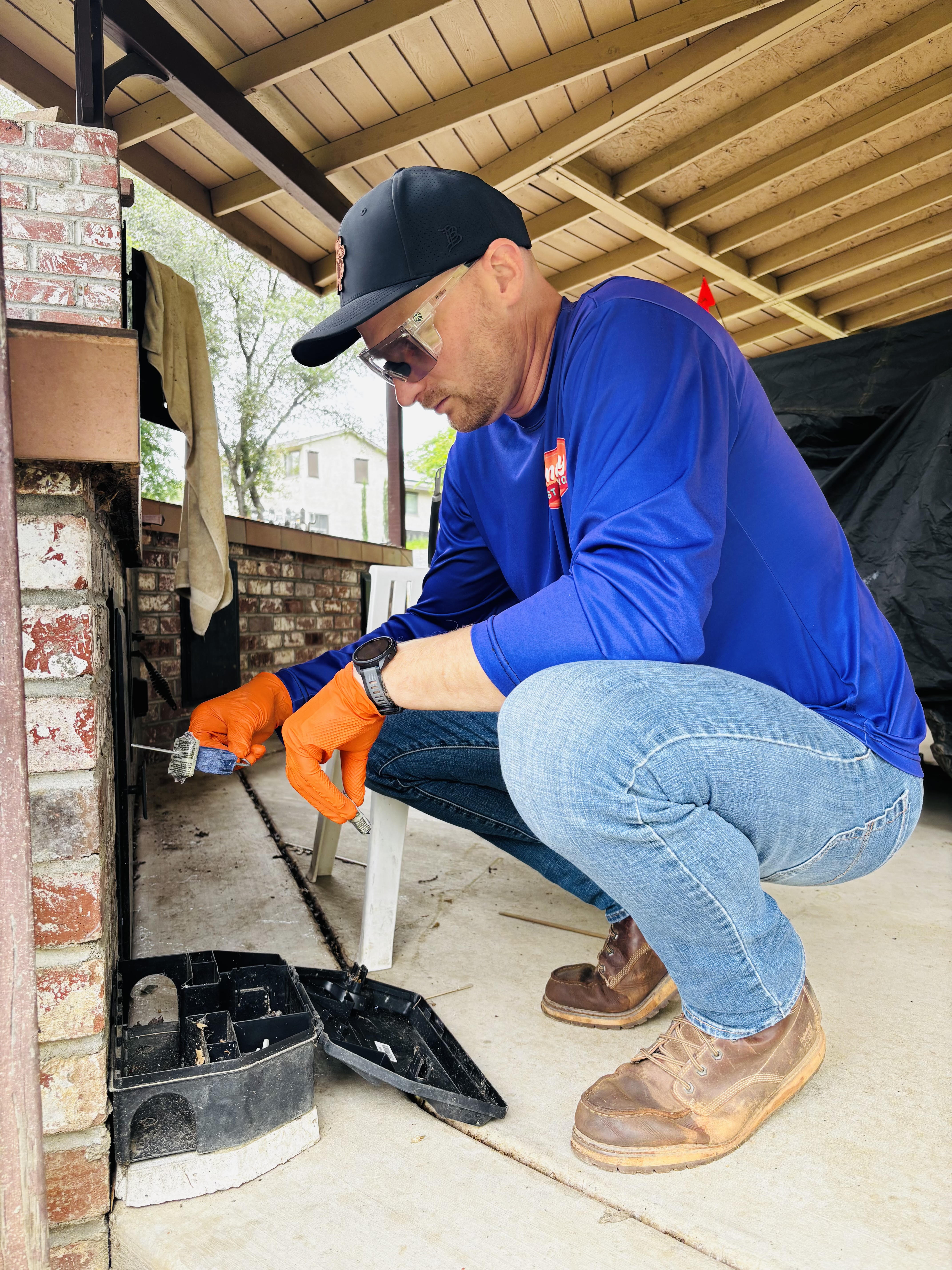
On appropriate properties, professionally placed and monitored exterior bait stations can help manage rat and mouse pressure around the outside of a home. They're not a guarantee that rodents will never get inside. Whether they help depends on placement along real travel routes, product selection, securing the bait inside a locked, tamper-resistant station, following the product label, and checking and servicing stations over time.
The product matters too. California has restricted anticoagulant rodenticides for residential use, and any rodent bait carries some risk to pets and wildlife. If that's a concern for you, we explain California's rules and what stations can and can't do in Does Rodent Bait Hurt Wildlife? It's also why exterior baiting isn't automatic on every property.
Trapping
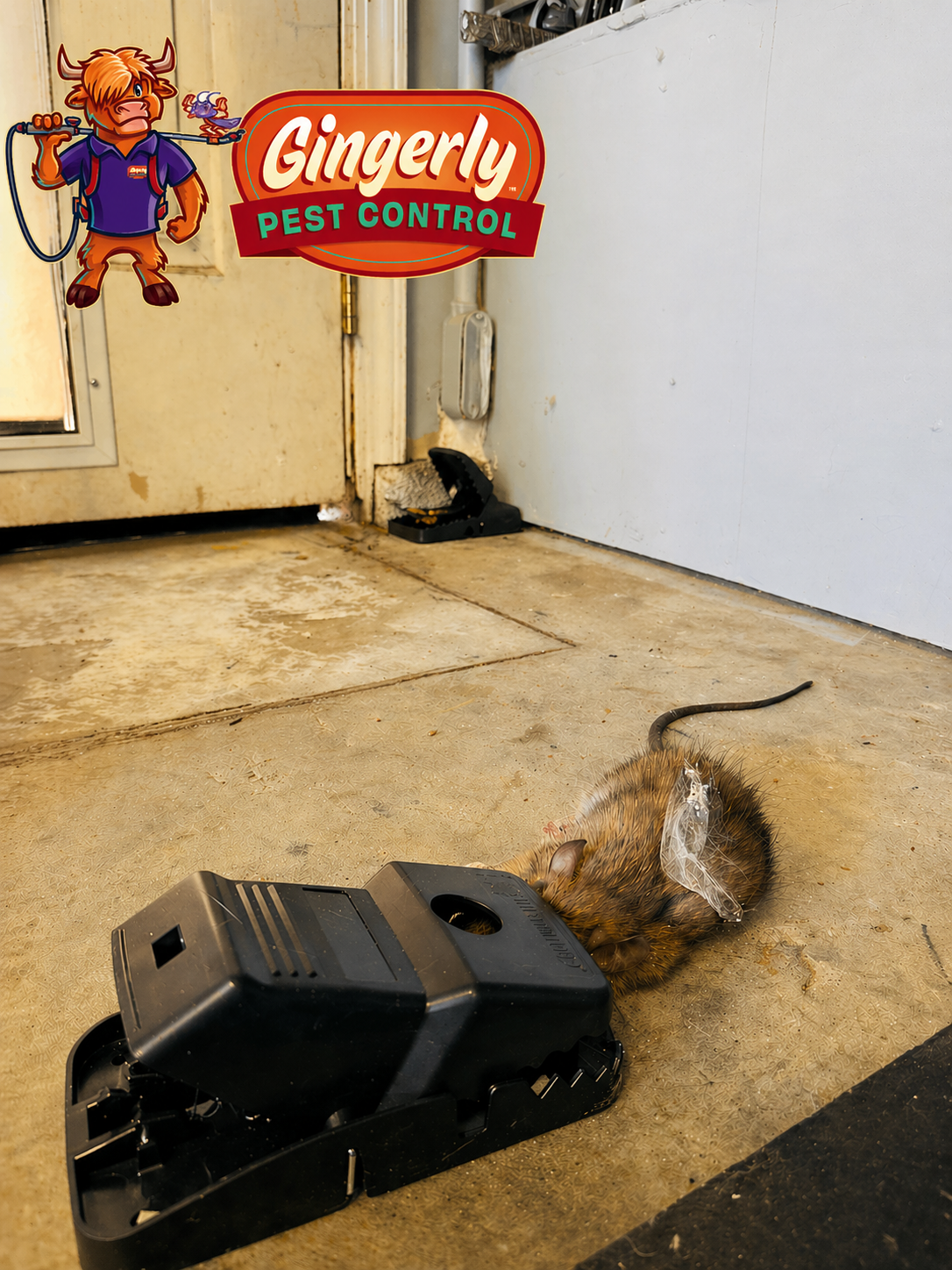
When rats or mice are already inside an attic, garage, crawl space, or wall void, trapping usually becomes the main tool for removing them. Exterior bait stations don't replace interior trapping when there's an active problem inside. Trap placement should be based on where the evidence is, and traps need to be checked regularly.
Exclusion
If rats or mice have a way into the structure, finding and properly sealing those openings is an important part of long-term control. Common spots include crawl space vents, gaps around utility and HVAC penetrations, rooflines, and garage door corners. Exclusion reduces the chances of rodents getting in, but it isn't a promise a home will never see another one. Materials age, new gaps form, and conditions change.
If you've moved from researching the problem to wanting help, our rat and mouse control service explains how we put these pieces together.
When Should You Have Your Home Inspected?
An inspection makes sense when you're seeing signs of indoor activity, hearing movement in the attic, walls, or crawl space, finding droppings again and again in the garage, or noticing damage to wiring, HVAC line insulation, or stored items. It's also worth having someone look before you seal openings yourself, so you don't close rodents in.
Frequently Asked Questions
Why am I seeing more rats around my house this year?
Usually because something changed: more food, water, or shelter nearby, construction or clearing, seasonal movement, or simply more chances to notice them. Activity naturally varies from year to year and property to property.
Can weather cause more rat and mouse activity?
Weather affects the food, water, and shelter rats and mice depend on, and where they travel. That can support rodent populations or make them more noticeable, but no single weather event or season can be shown to create more rats and mice on its own.
Why am I seeing rats outside during the day?
Rats are mostly active at night, so dusk sightings are fairly normal. Daytime sightings can happen when their shelter is disturbed, competition for food is higher, or an easy food source like spilled bird seed or chicken feed is available by day. It's worth watching, but it doesn't prove rats are inside your home.
Does seeing a rat outside mean I have rats inside?
No. Many properties have rats or mice outdoors without any in the structure. Droppings, gnawing, disturbed insulation, nighttime noises, and damaged food packaging are better indicators that activity has moved inside.
Do exterior rodent bait stations work?
Professionally placed, locked, and regularly serviced exterior stations can help manage pressure around appropriate properties. They don't guarantee rodents won't get inside, and they don't replace trapping and exclusion when there's an indoor problem.
Should I use traps or bait stations?
It depends on where the activity is. Trapping is usually the main tool when rats or mice are inside the home. Exterior bait stations are used to help manage pressure outside. Many properties need neither, and some need a combination along with exclusion.
How do rats and mice get into houses?
Common entry points include damaged crawl space vents and screens, gaps around plumbing, utility, and HVAC lines, openings along rooflines and eaves, and worn garage door weatherstripping. Roof rats can also climb trees and utility lines to reach the roof.
Not Sure What You're Seeing?
If you're noticing more rats or mice around your home in Auburn, Loomis, Lincoln, or elsewhere in Placer County and aren't sure whether it's an outdoor issue or something inside, we're happy to help you sort it out. You can reach out online or call us at 916-625-6741, and we'll recommend what fits your property, including when you don't need us.
.jpg)











.jpeg)