
Is Our Weather Making Bugs Worse?
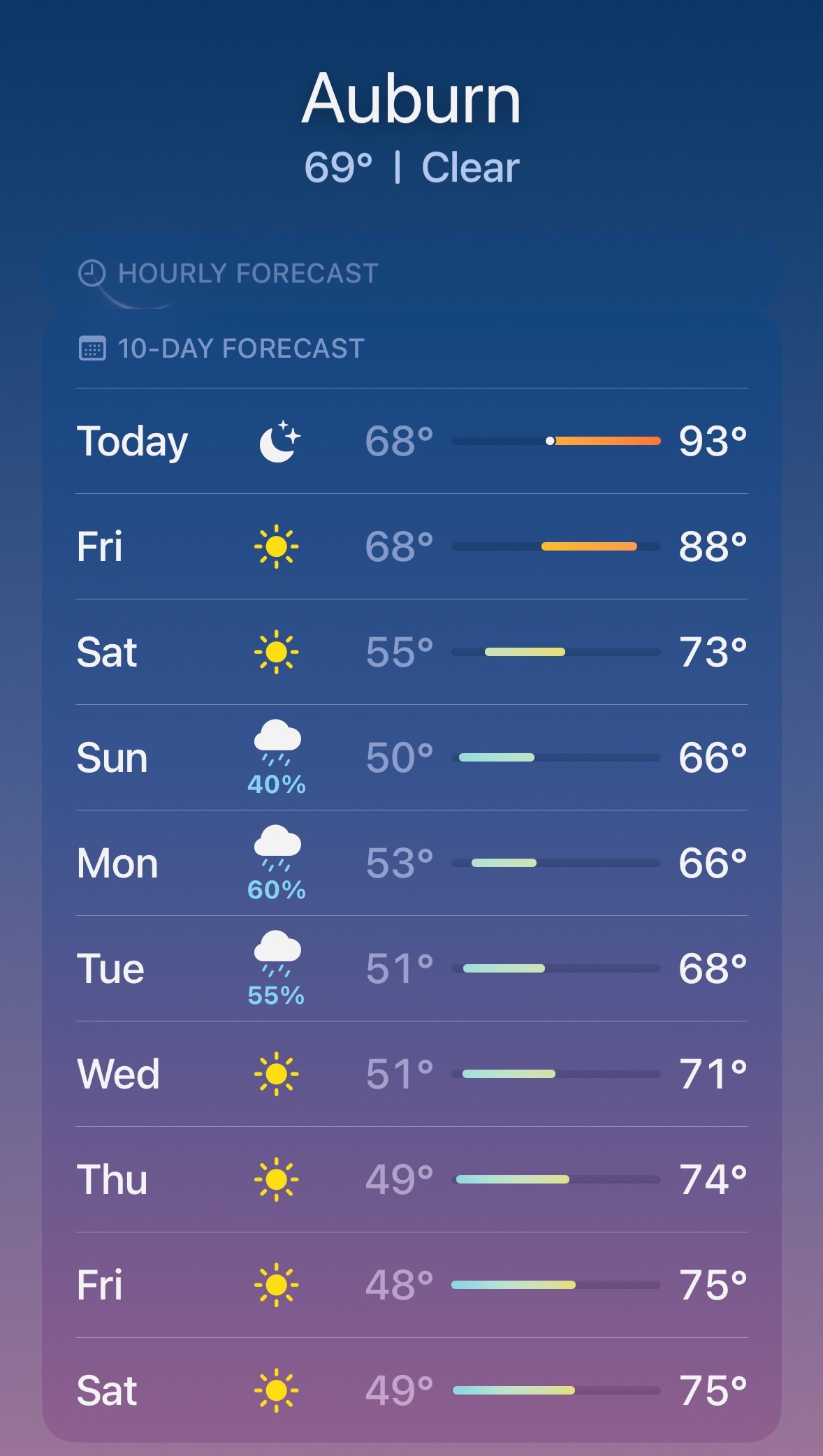
This week's 10-day forecast for Auburn looked more like two seasons than one: a high of 93°F on Thursday, October 8, then highs in the mid-60s by Sunday, with a 40 to 60 percent chance of rain from Sunday through Tuesday. Forecasts shift, and this one may not play out exactly as shown, but the swing is hard to miss. If you've noticed more ants on the counter or a spider in the garage this week, it's fair to wonder whether the weather has something to do with it.
Short answer: Weather can change pest activity, but it usually changes where pests go and how visible they are, not how many exist. Heat, dry soil, a sudden cooldown, and rain can all push ants, spiders, cockroaches, rats and mice toward homes in search of moisture, food, or shelter. More sightings during a week like this don't prove there are more pests. More often, the pests that were already living around the property have changed their routes.
Can Changing Weather Make Bugs More Active?
Yes, though "more active" can mean a few different things. Insects and spiders are cold-blooded, so temperature directly affects how much they move and feed. Rats and mice are warm-blooded, but they respond to the same conditions in their own way: when outdoor shelter gets less comfortable, a house starts to look better.
What a single forecast can't tell us is whether this year has more pests than last year. A hot spell followed by a cool, wet one is a short-term event. It's a good reason to expect a burst of sightings, but it isn't evidence of a long-term trend, and we're not aware of any data showing that pest populations across Placer County are larger in 2026.
Seeing More Pests vs. Having More Pests
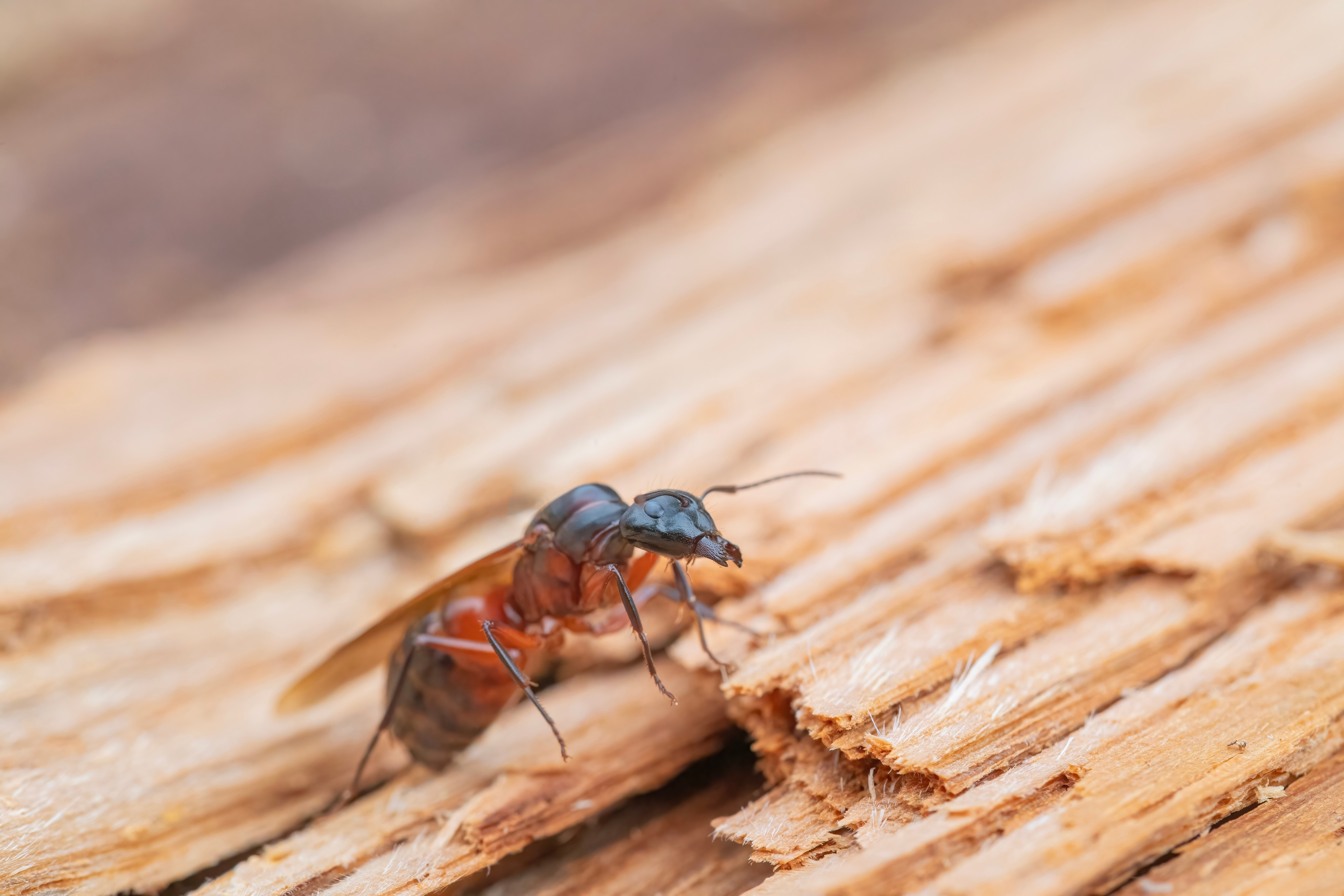
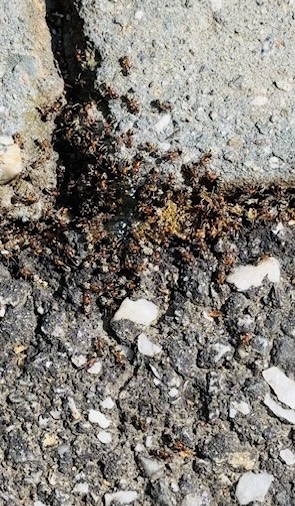
This distinction matters when you're deciding what to do. An ant colony that has lived under a planter bed all summer doesn't double overnight because it rained. But rain can flood its foraging routes and send workers up the foundation and through a gap by the kitchen window. From inside the house, that looks like an infestation appearing out of nowhere. Usually it's the same colony using a new path.
Why Do Ants Show Up When the Weather Changes?
Ants tend to appear indoors when outdoor conditions stop working for them. According to UC Integrated Pest Management (UC IPM), ants often come inside looking for food, water, warmth, or shelter, or to get away from hot, dry weather or flooding, and they can appear suddenly when the weather shifts.
A 90-degree stretch dries out soil and plants, so moisture inside a home, under a sink, around a dishwasher, or near a leaky irrigation line becomes more attractive. When rain follows, shallow nests can flood. Argentine ants, the most common household ant in California, often nest just below the soil surface and move deeper when the soil dries out, so both heat and soaking rain can change where they forage. We cover this pattern in more detail in why ants suddenly seem to be everywhere.
Does Warm Fall Weather Mean More Spiders?
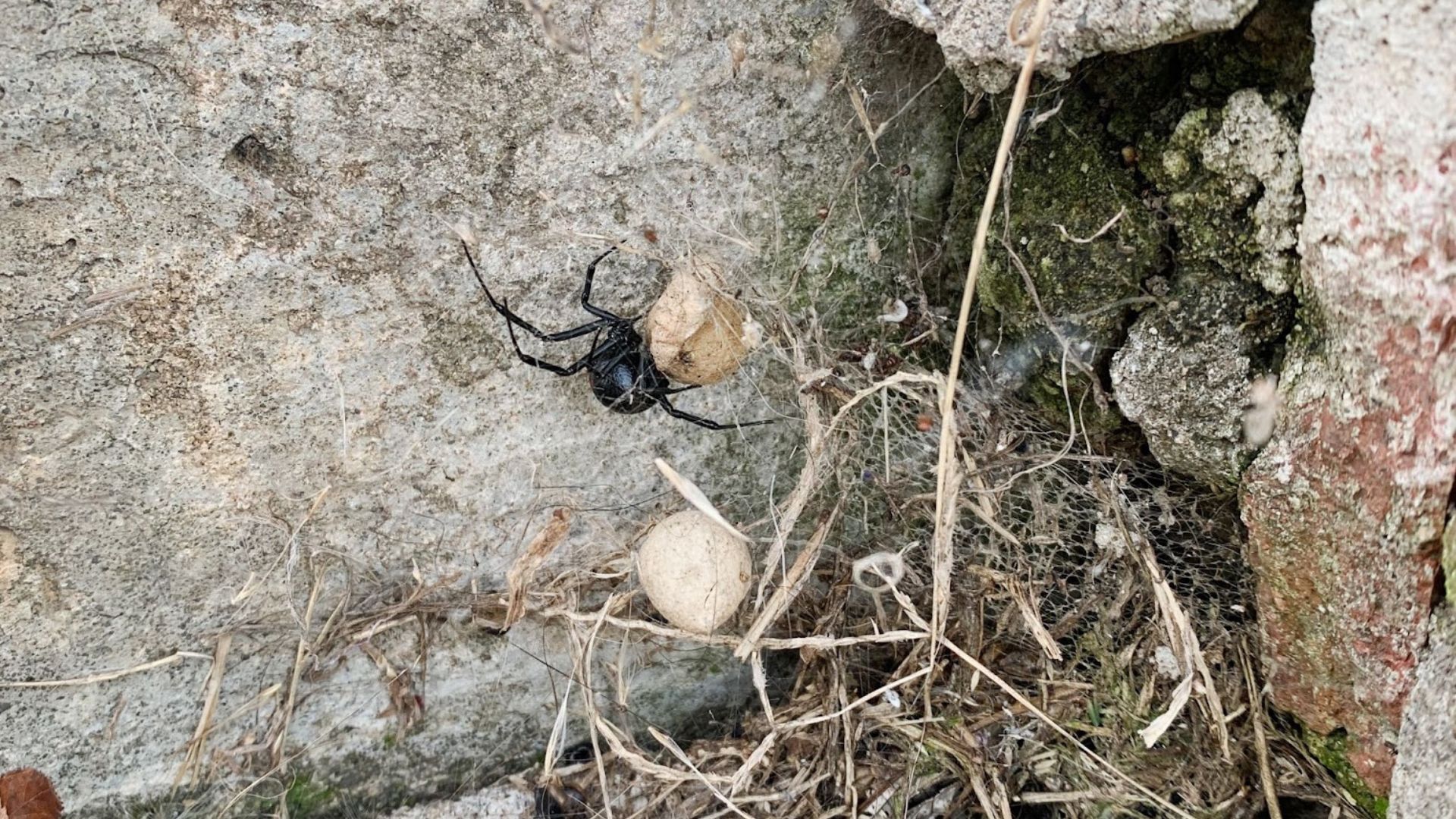
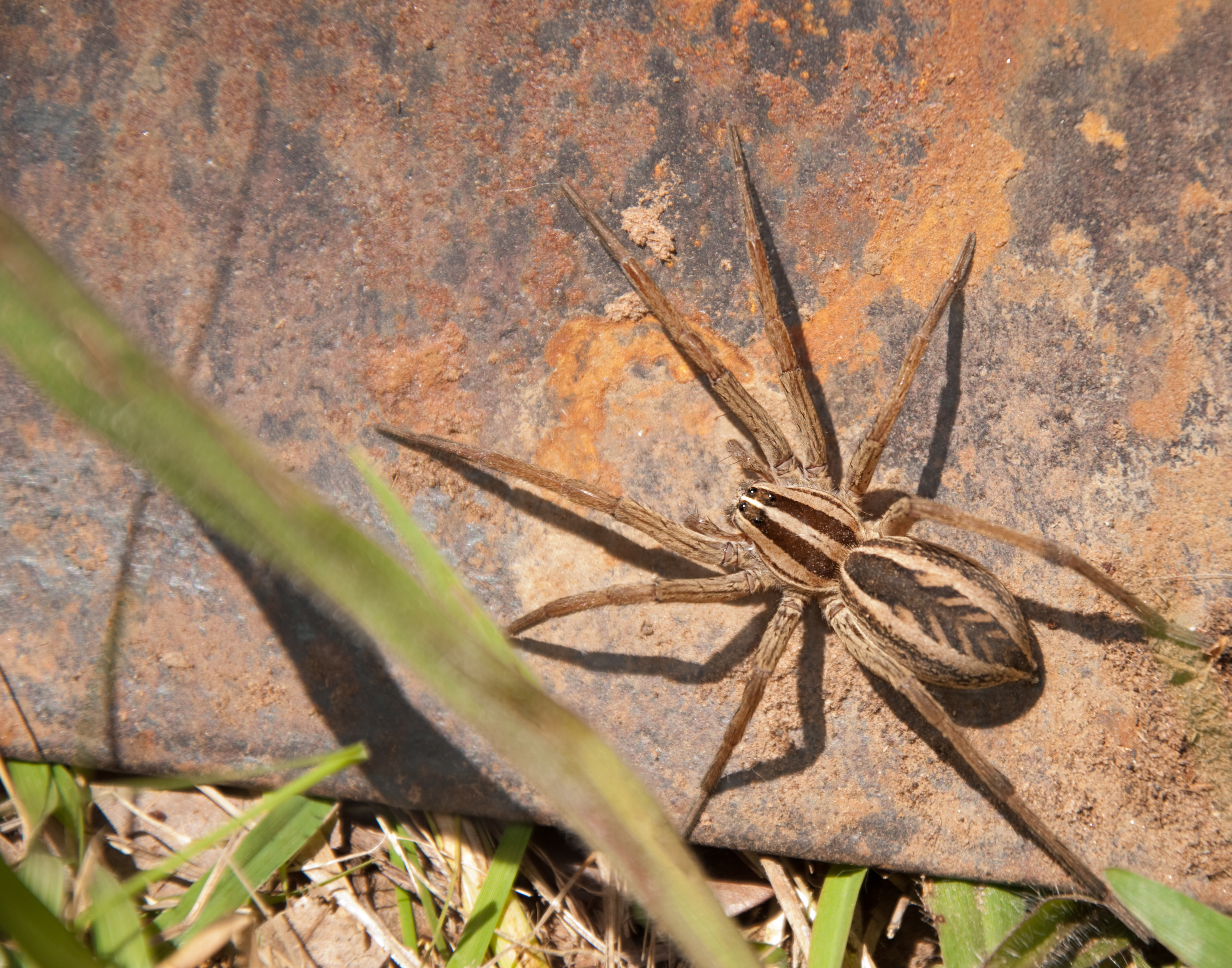
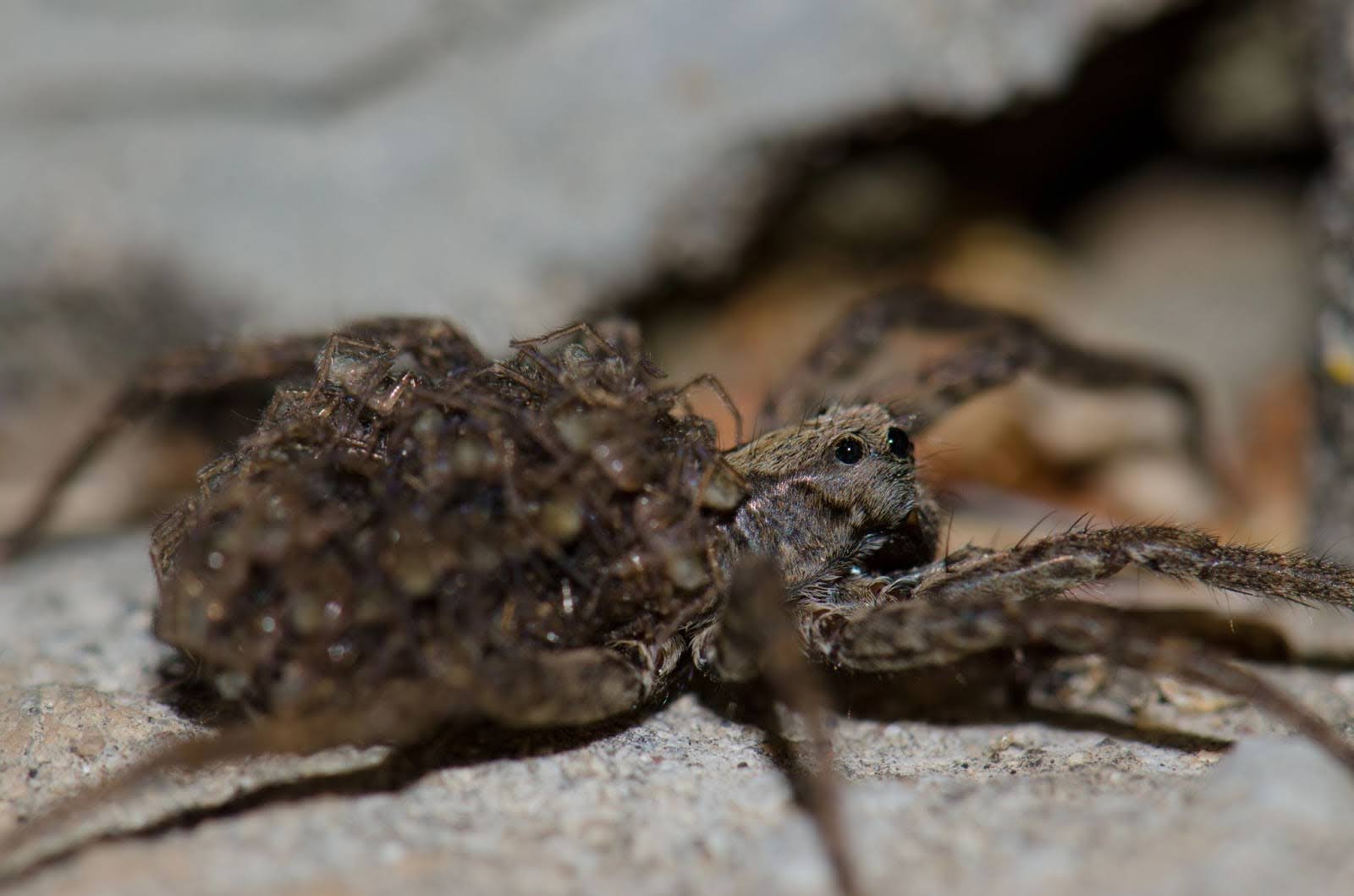
Not necessarily more spiders, but often more noticeable ones. UC IPM's spider guidance notes that the large hunting spiders people find indoors are often mature males that have wandered in while searching for females. Rain can add to it: burrow-living spiders such as wolf spiders sometimes abandon wet burrows and wander for a while.
Warm evenings also keep insects active around porch lights, eaves, and windows, and spiders settle where their food is. A web that keeps rebuilding in the same corner is usually telling you about the insects nearby, not about a sudden spider population boom.
What About Cockroaches?
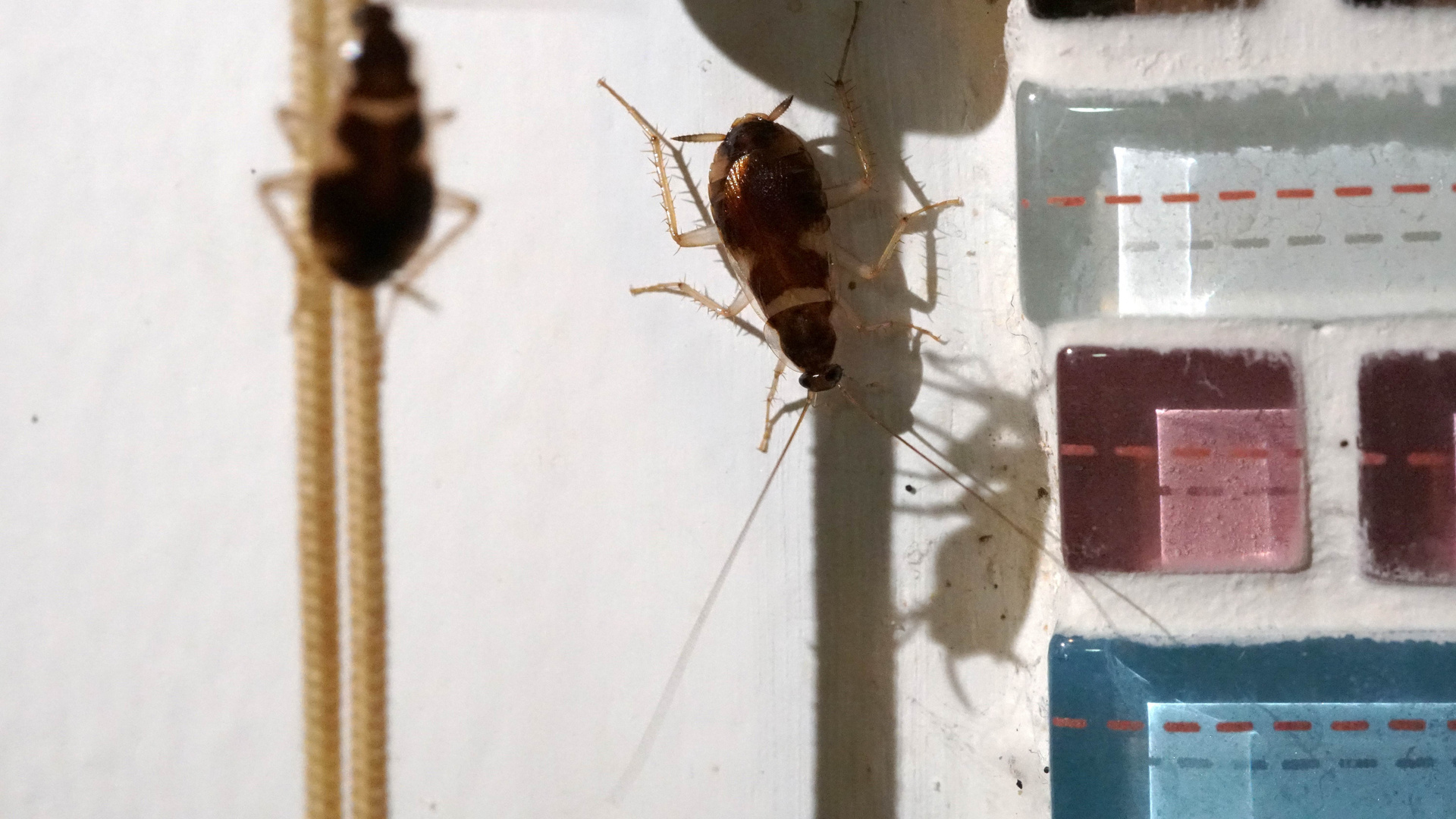
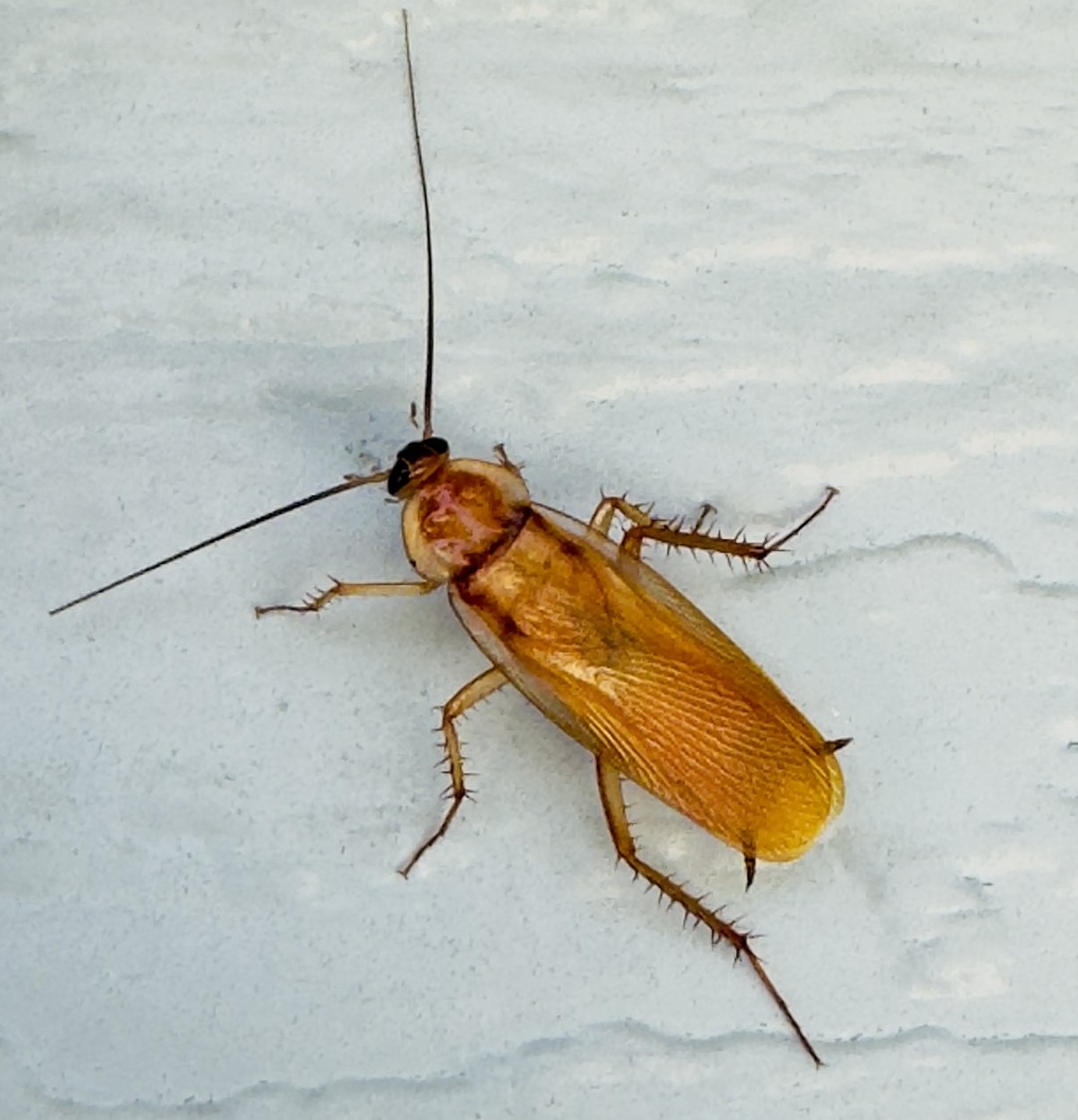
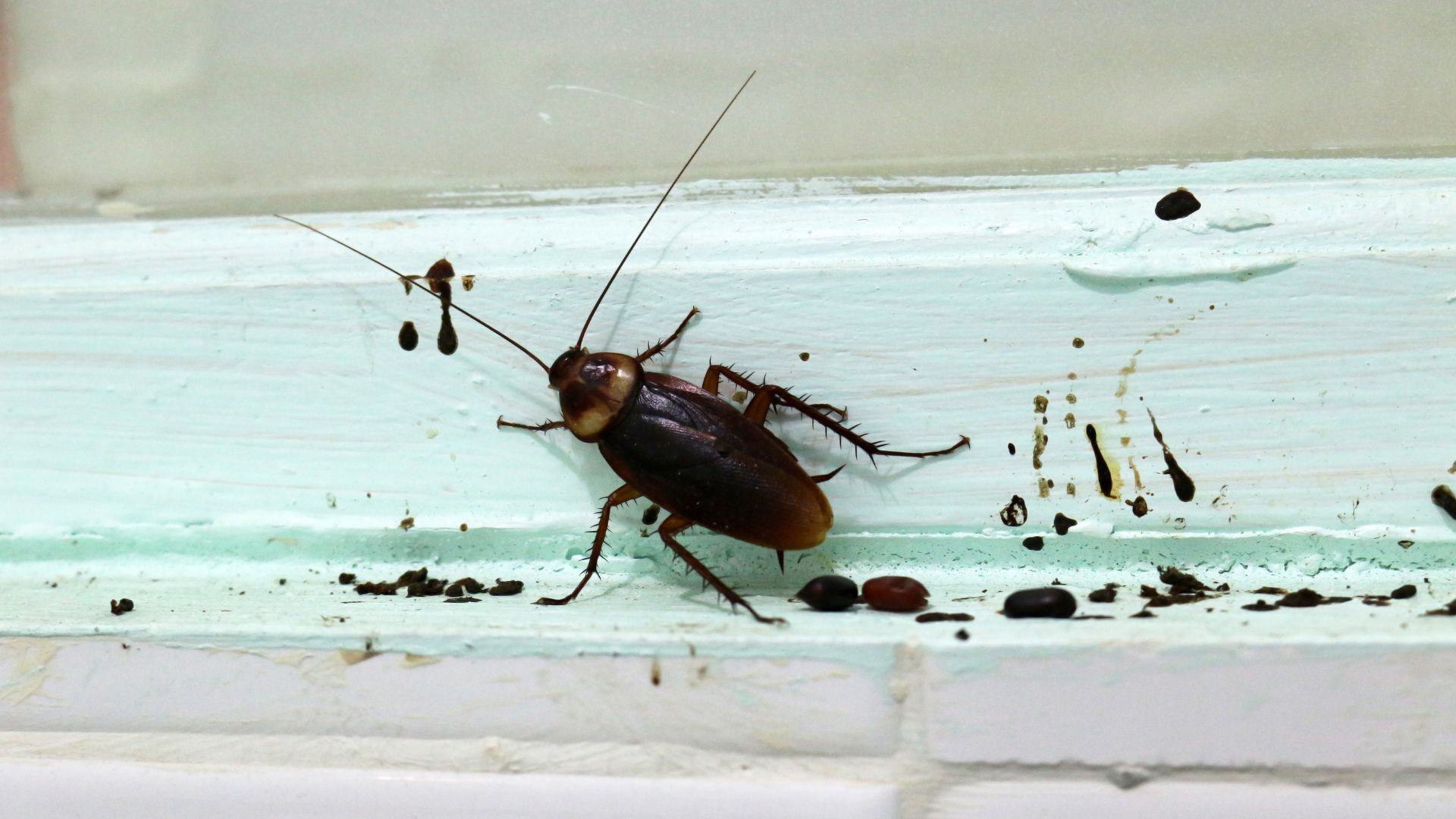
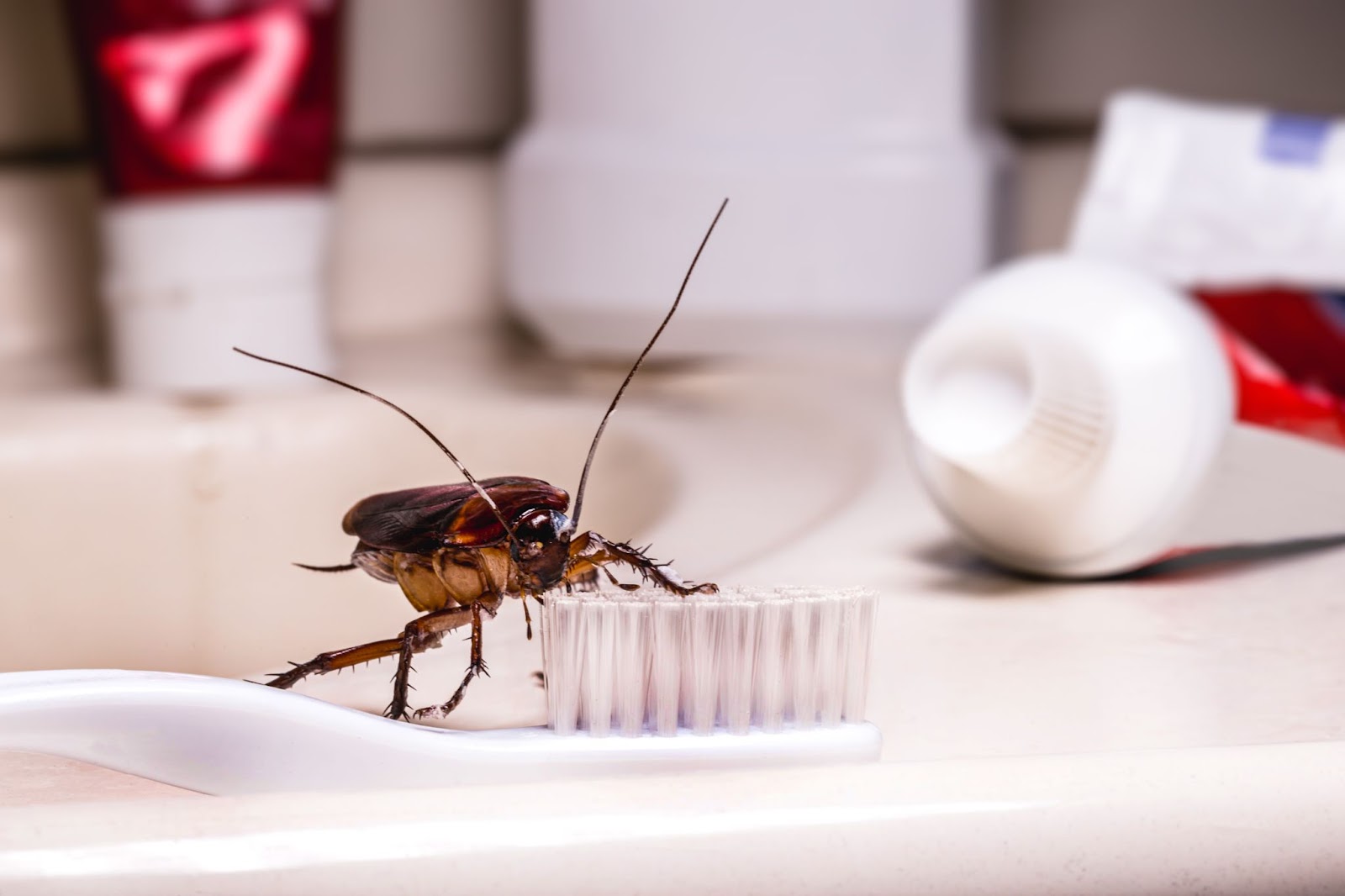
Cockroaches that live outdoors, including Oriental and Turkestan cockroaches, spend their days in places like water meter boxes, drains, and leaf litter. UC IPM's cockroach guidance notes that these outdoor species can temporarily move indoors in search of food, water, or mates, that Oriental cockroaches favor cool, damp spots, and that some outdoor species wander inside when it's hot or dry. A swing in the weather may bring a few into a garage or laundry room. A German cockroach problem in a kitchen is a different situation: that species lives and breeds indoors and isn't driven by the forecast.
Can Cooler Weather Drive Rats and Mice Toward Homes?
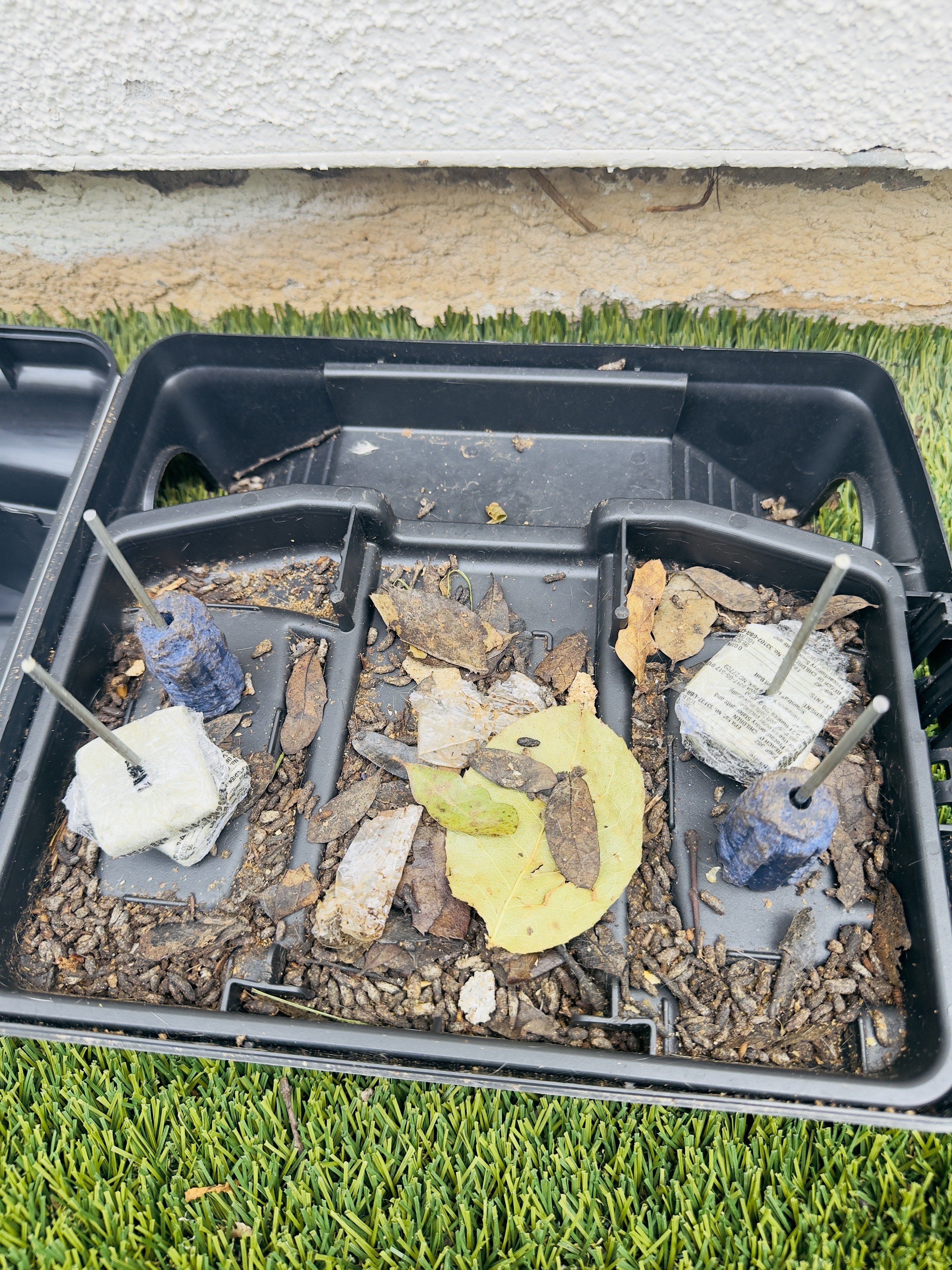
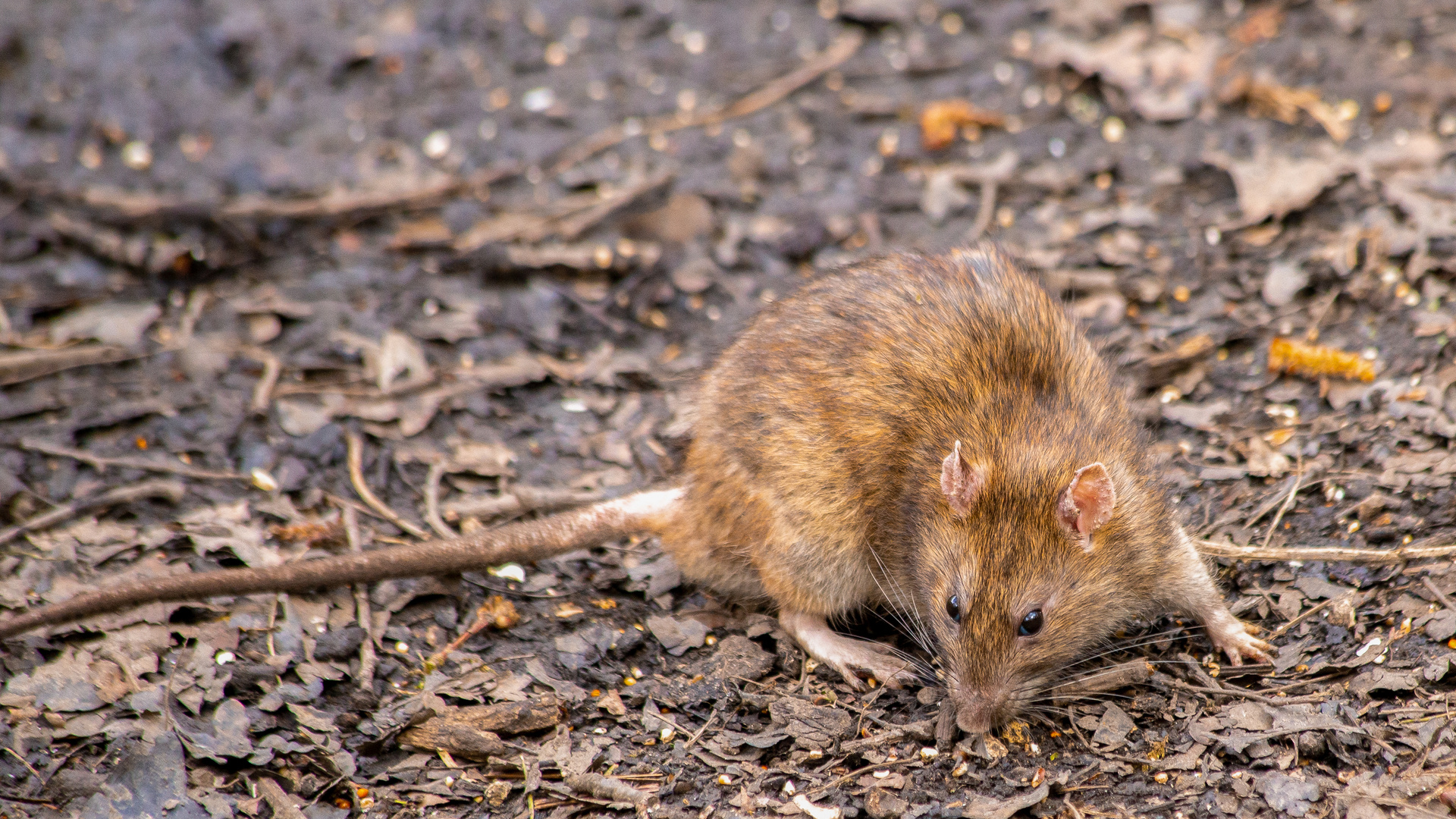
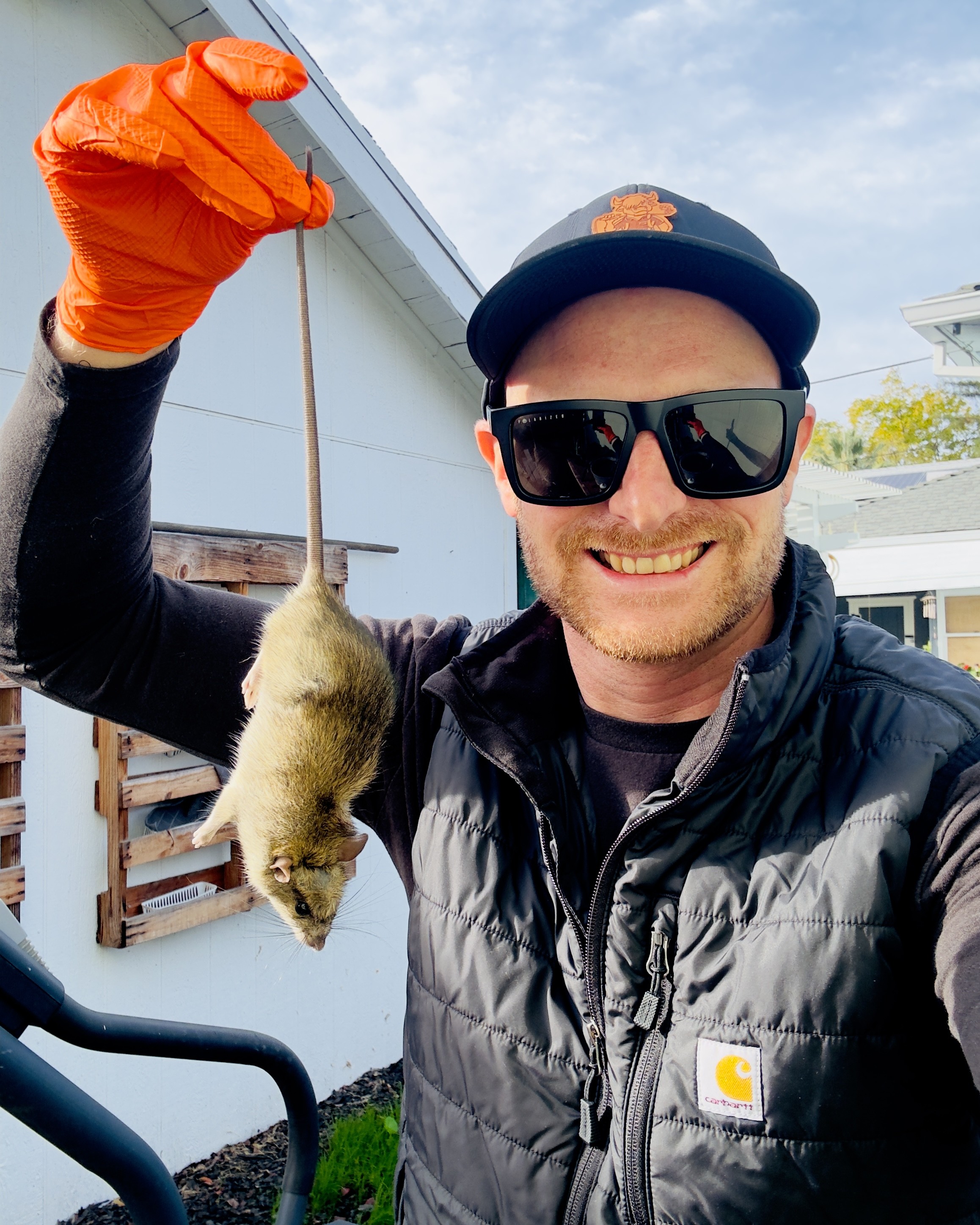
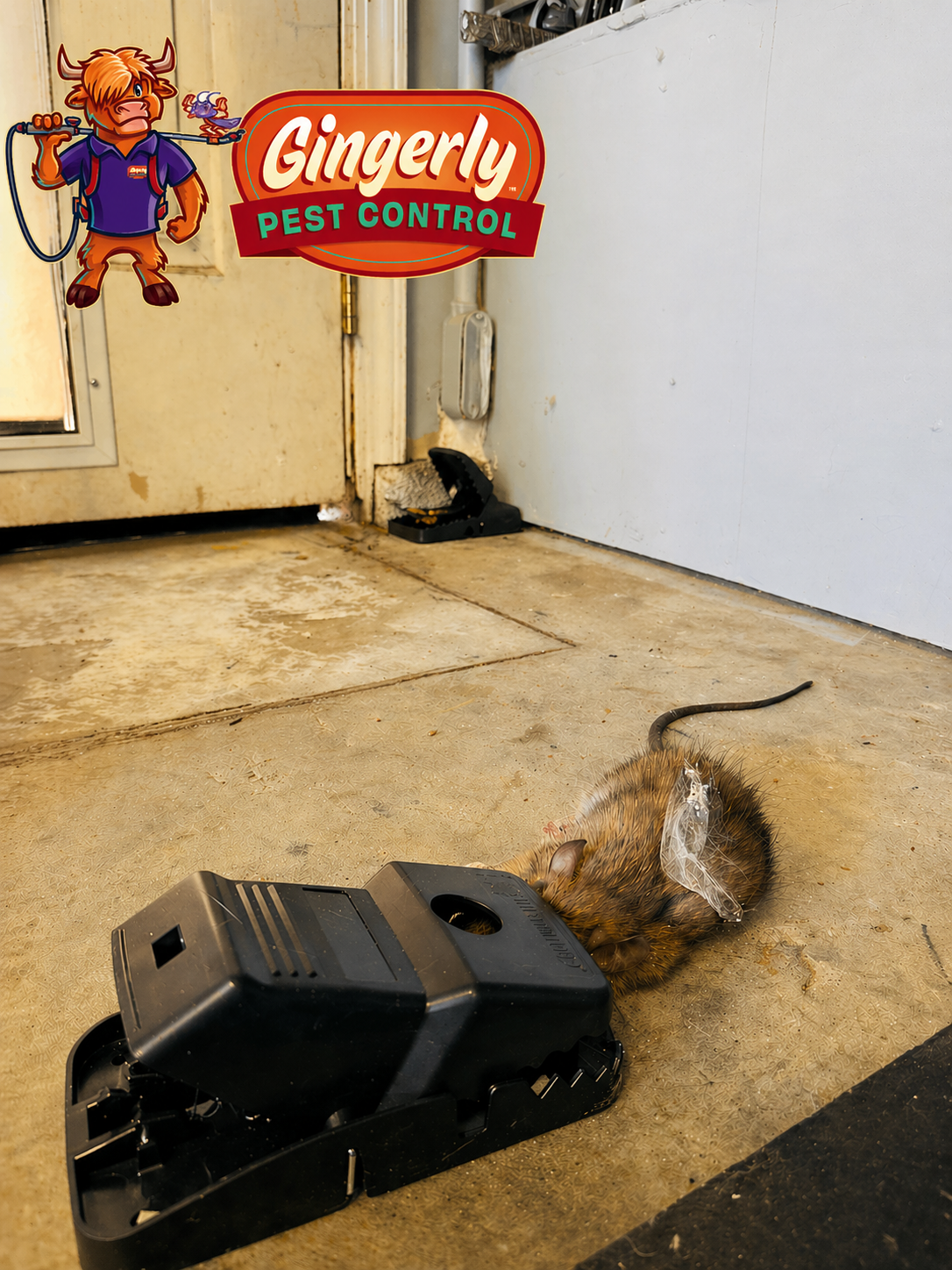
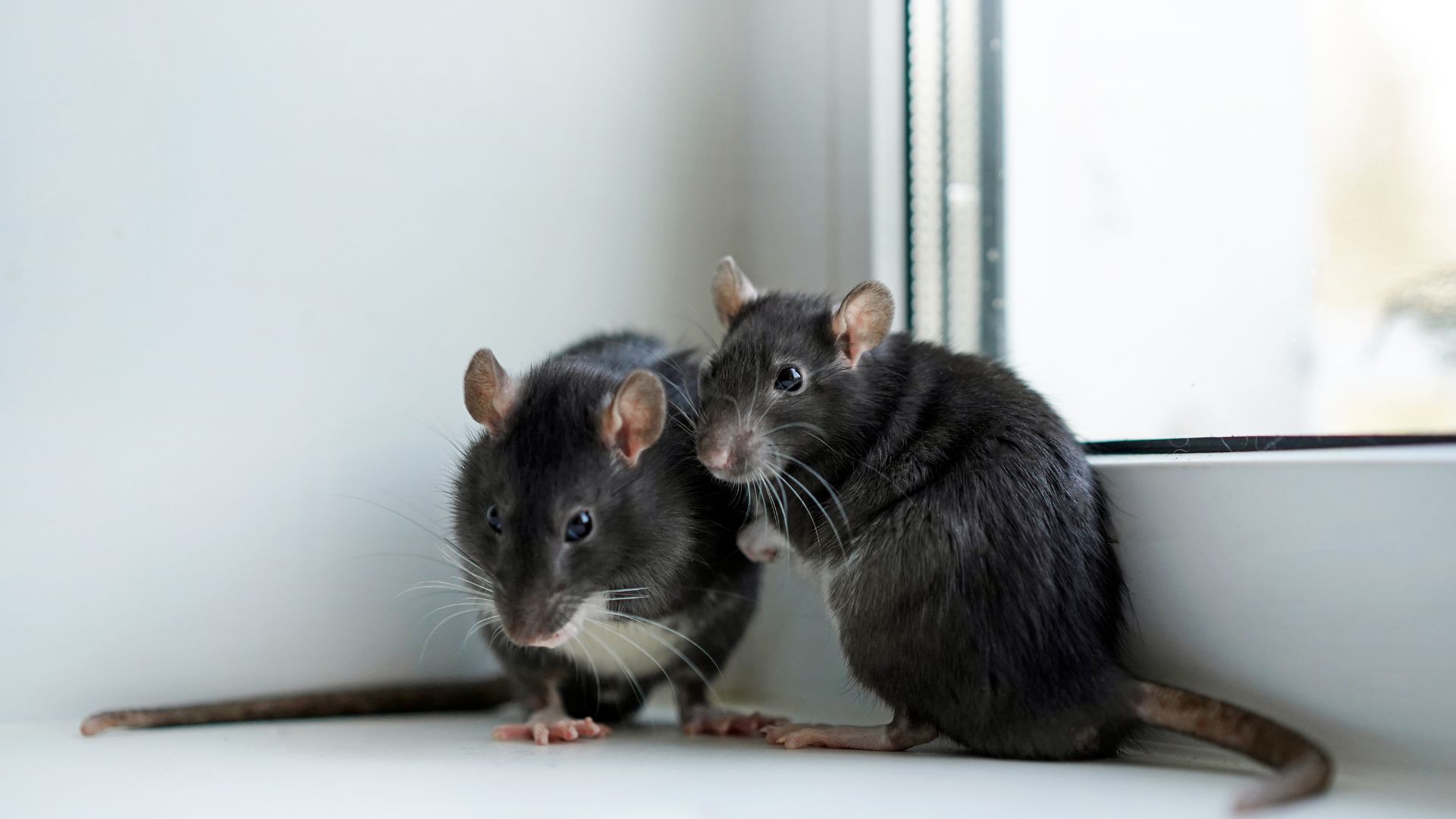
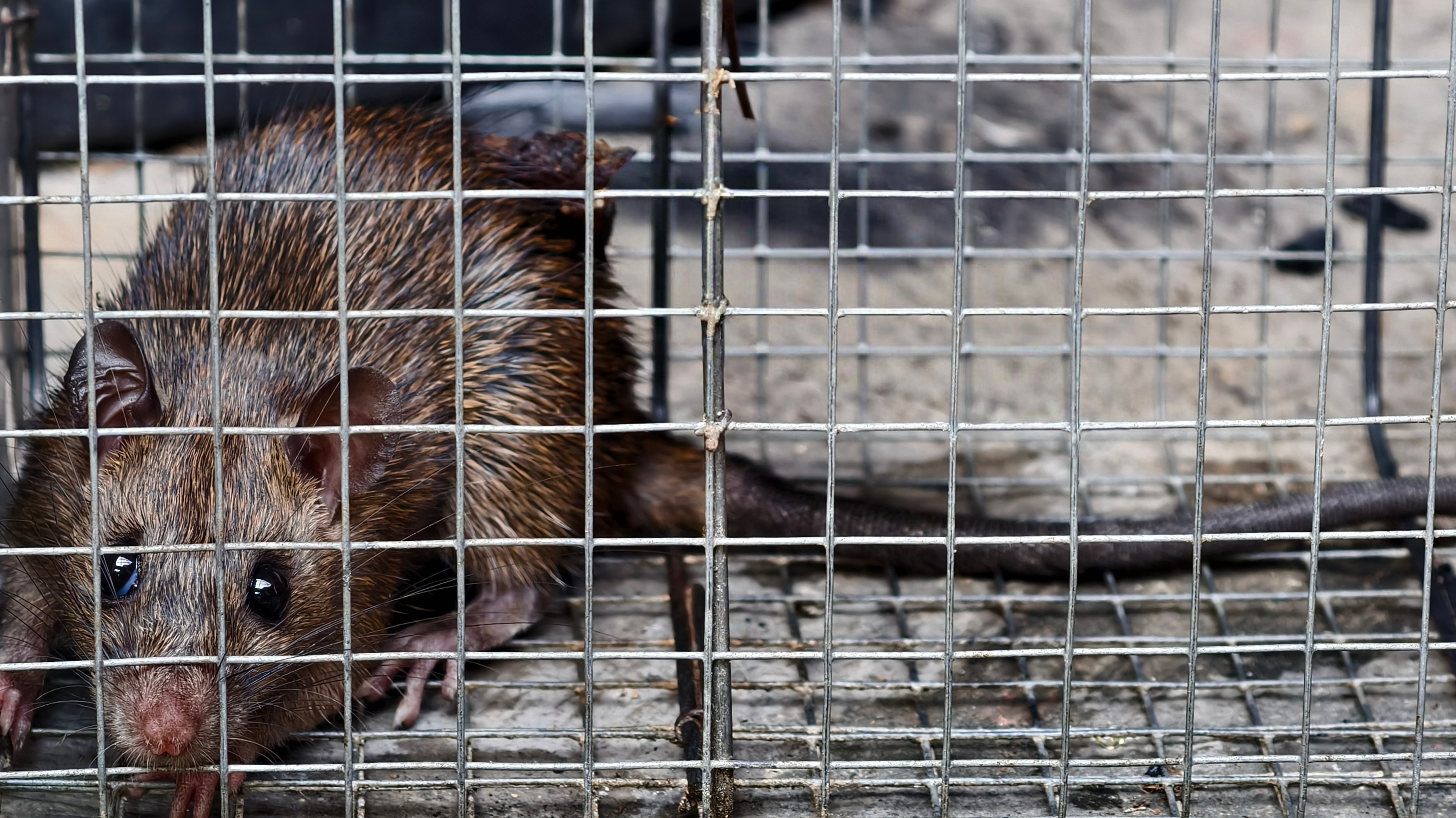
It can. UC IPM's house mouse guidance notes that where mice already live outdoors, they frequently move into homes in autumn as nighttime temperatures drop. Rats also look for dry, protected cover. Garages, attics, crawl spaces, and wall voids offer that kind of shelter when nights turn cold and wet.
The key words are "already live outdoors." A cold snap doesn't create rats and mice. It changes where the ones nearby choose to spend the night. If you're wondering whether the activity you're noticing is new or just newly visible, our article on why you might be seeing more rats and mice this year walks through what actually changes rodent numbers from one year to the next.
Does Rain Make Pest Problems Better or Worse?
Both, depending on the pest and the timing. In the short term, rain can make pests more visible around homes because it disrupts nests and burrows and makes dry indoor space more appealing. When the sun returns and temperatures climb again, ant foraging can pick back up. Over a longer stretch, steady moisture also supports the plant growth and insect life that many pests depend on.
Why Is Pest Activity Different Across Placer County?
The same storm can play out very differently from one property to the next. Placer County runs from irrigated suburbs up into oak woodland, and the setting around a home shapes what a weather swing does there.
- Auburn: Many Auburn properties sit on foothill terrain with mature oaks, natural vegetation, retaining walls, and wildlife habitat at the property line. That means more outdoor harborage close to the house: ant colonies tied to trees, spiders in rock and stacked stone, and rats and mice living in brush and woodpiles that may turn toward a crawl space when the nights get cold.
- Lincoln: In Lincoln's suburban neighborhoods, irrigated landscaping keeps planter beds damp even during a heat wave. Ants can stay active close to the foundation all summer, so a sudden change in conditions can push them indoors quickly.
- Rocklin: Rocklin mixes established neighborhoods, newer developments, landscaped yards, and homes bordering open space. Properties near greenbelts and open land may see rats and mice moving in from the edges, while landscaped lots share the irrigation-driven ant patterns common in Lincoln.
None of this describes every home in those towns. It's why we look at the individual property rather than assuming based on a zip code.
What Should Homeowners Do Before the Weather Changes?
A few low-effort steps make a property less inviting when conditions swing:
- Fix dripping faucets, leaky hose bibs, and irrigation heads that keep soil wet against the foundation.
- Trim plants and branches so they don't touch the house, and keep mulch and leaf litter pulled back from the foundation.
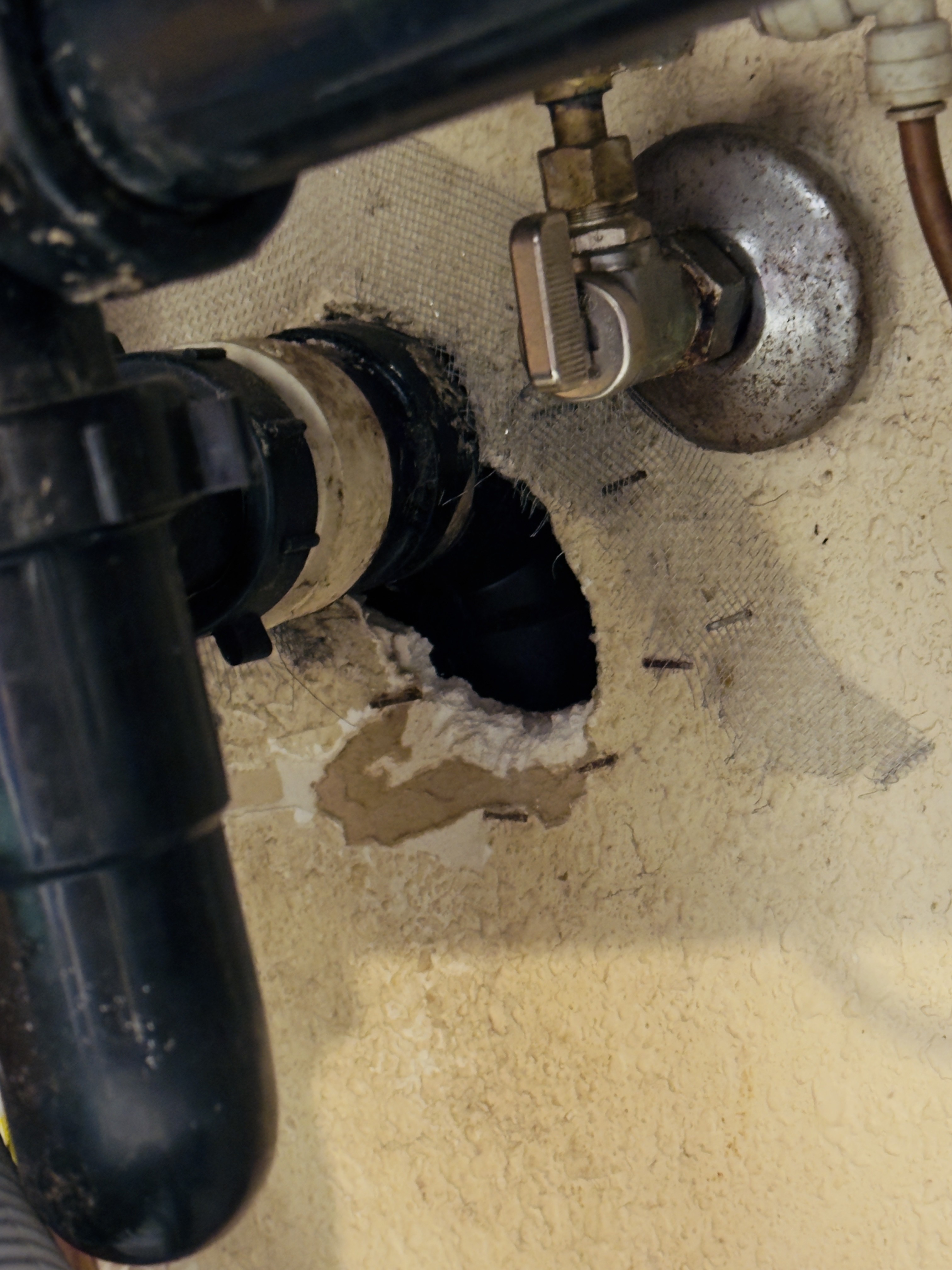
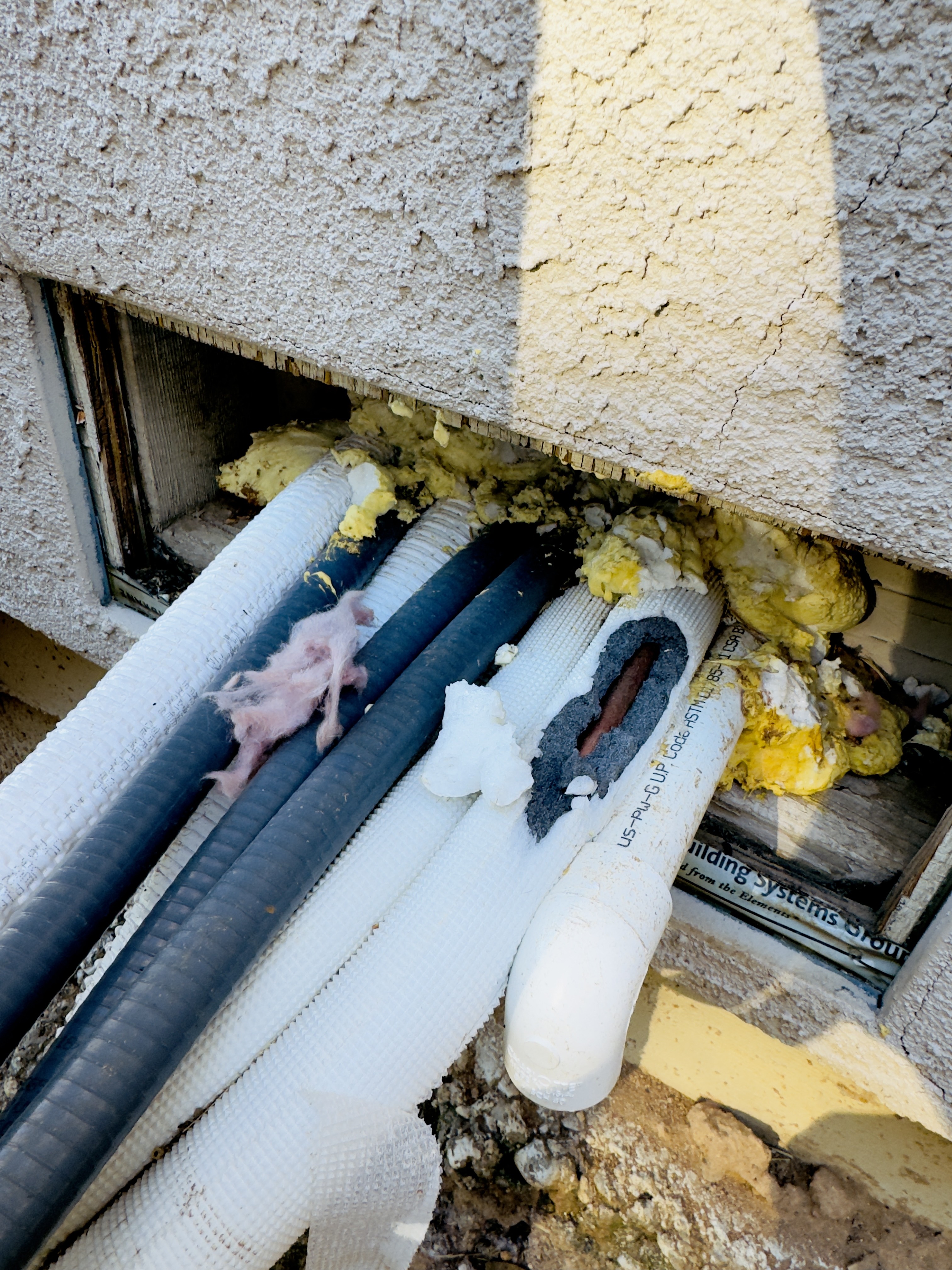
- Check door sweeps, garage door weatherstripping, and crawl space screens. House mice can squeeze through gaps as small as about 1/4 inch.
- Store pet food, birdseed, and animal feed in sealed, hard-sided containers.
- Wipe ant trails with soapy water to remove the scent trail. Spraying only kills the ants you can see.
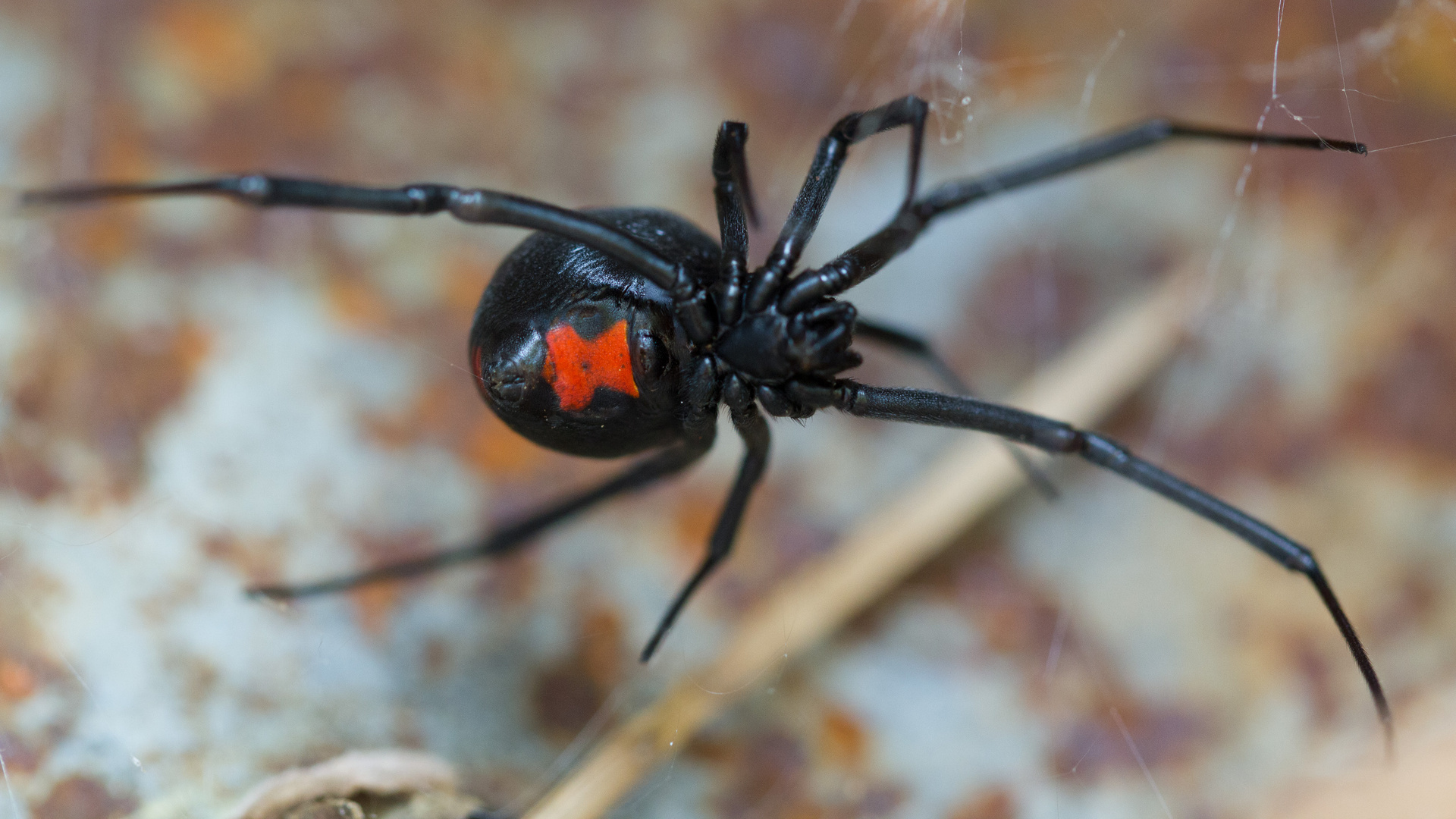
- Wear gloves and look before reaching into garage storage, woodpiles, or boxes, where black widows like to settle.
- Note where and when activity shows up. That record is useful if you ever bring someone in.
As temperatures keep falling, some pests slow down and others move into protected spaces. We've written more about where bugs go in the winter.
When Is It Worth Calling a Professional?
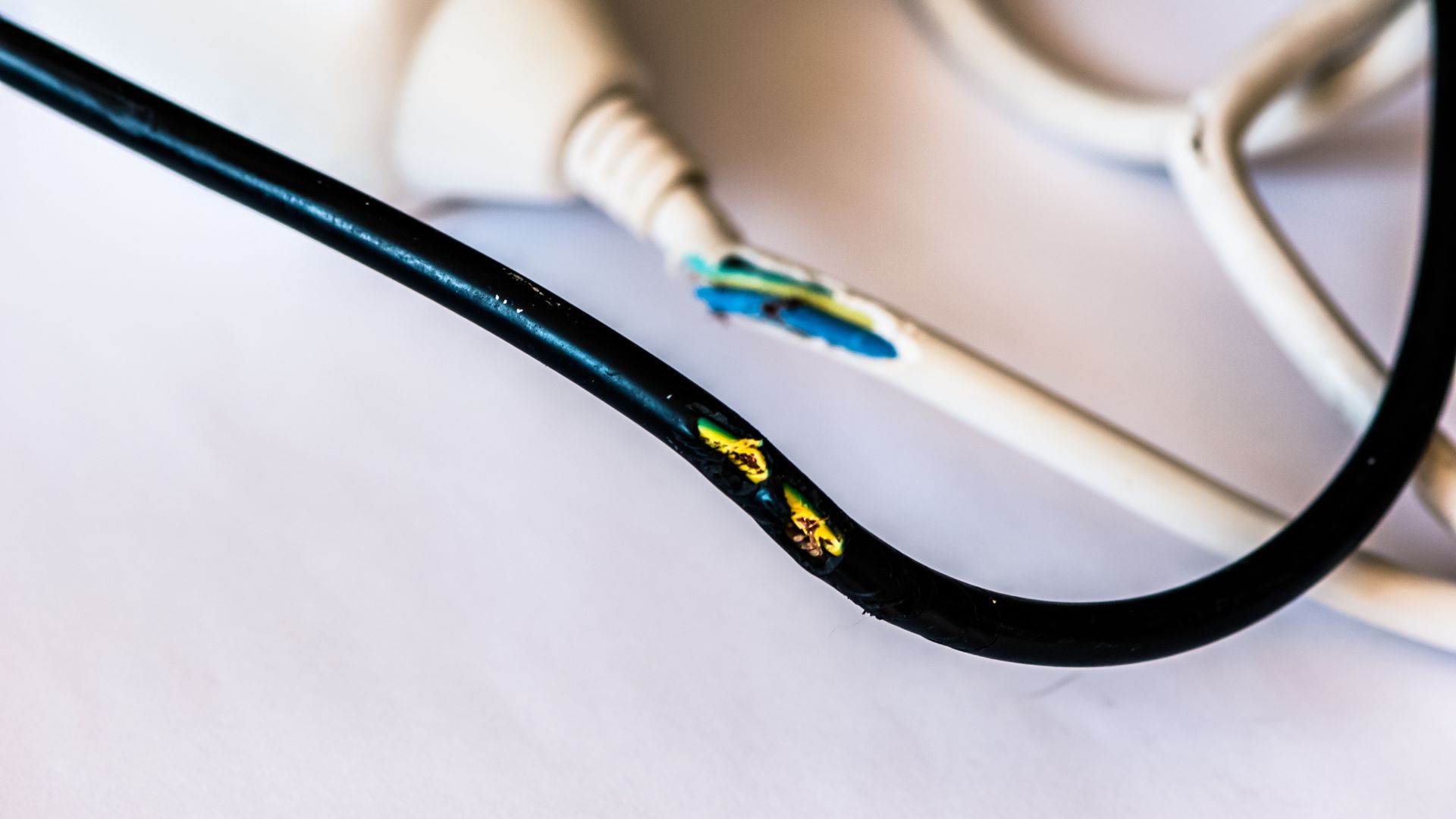
An ant trail after a rainstorm doesn't automatically call for pest control. It's worth a closer look when activity keeps coming back after the weather settles, shows up in several parts of the house, or includes signs of rats or mice inside, such as droppings, gnawing, or sounds in the walls or attic.
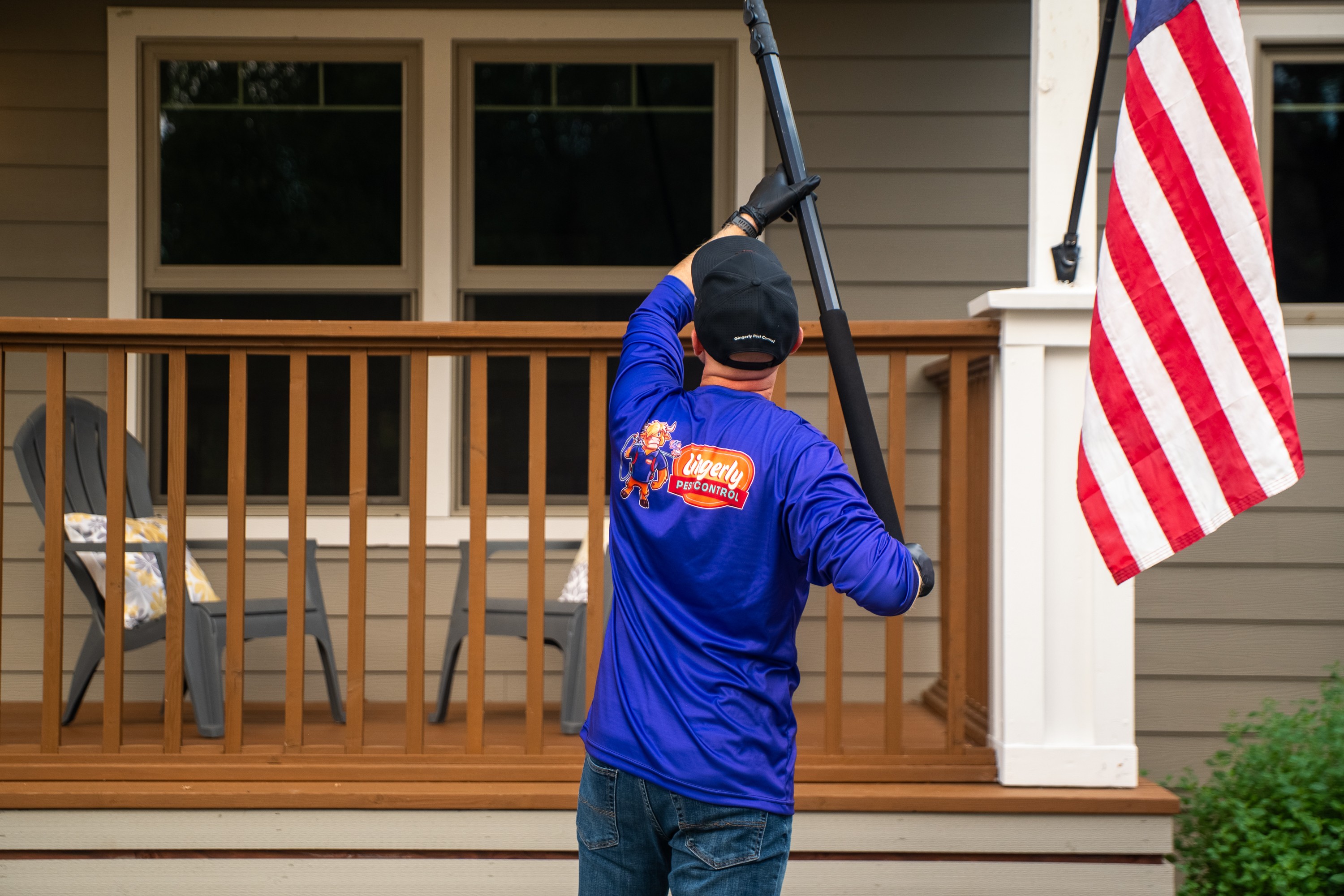
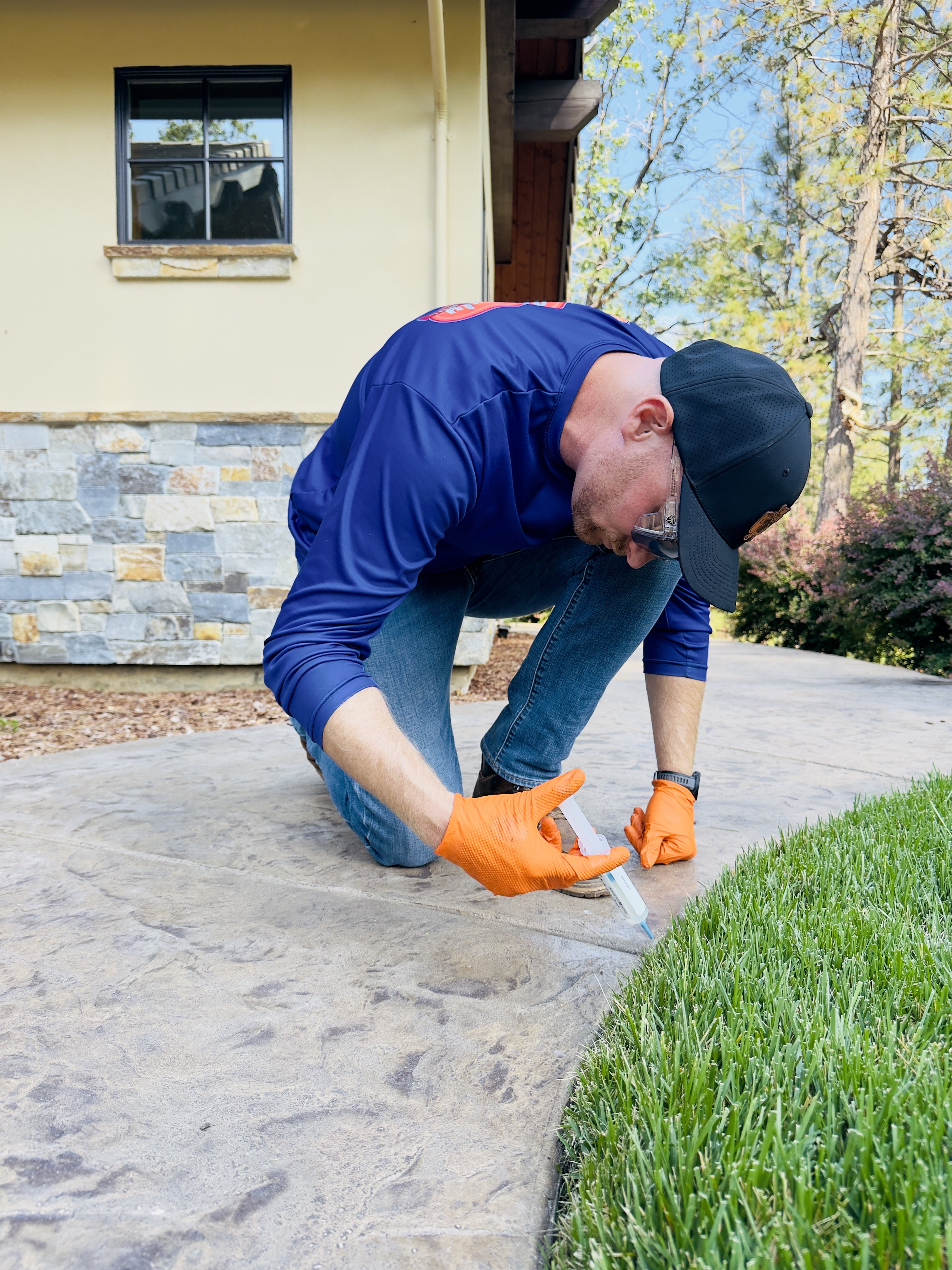
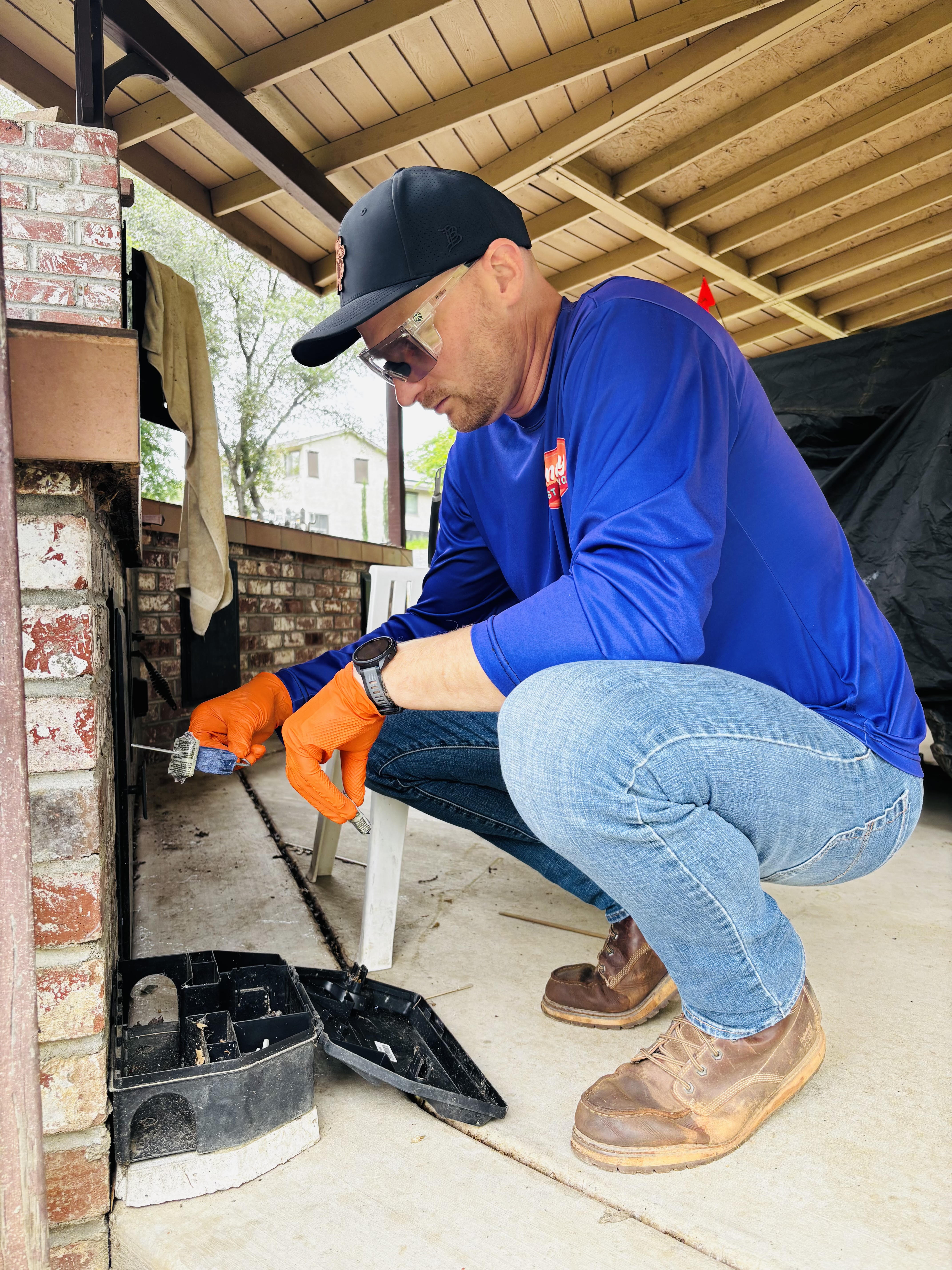
Gingerly Pest Control is based in Auburn and works with homeowners in Lincoln, Rocklin, and communities across Placer County. Our general pest control service starts with inspecting the property and adjusts with the seasons, and our rat and mouse control starts with finding out where activity is actually coming from. If you're not sure whether you're seeing a weather blip or something more, you can reach out online or call us at 916-625-6741.
.jpg)







.jpeg)