
How Do I Know If I Need Pest Control at My House?
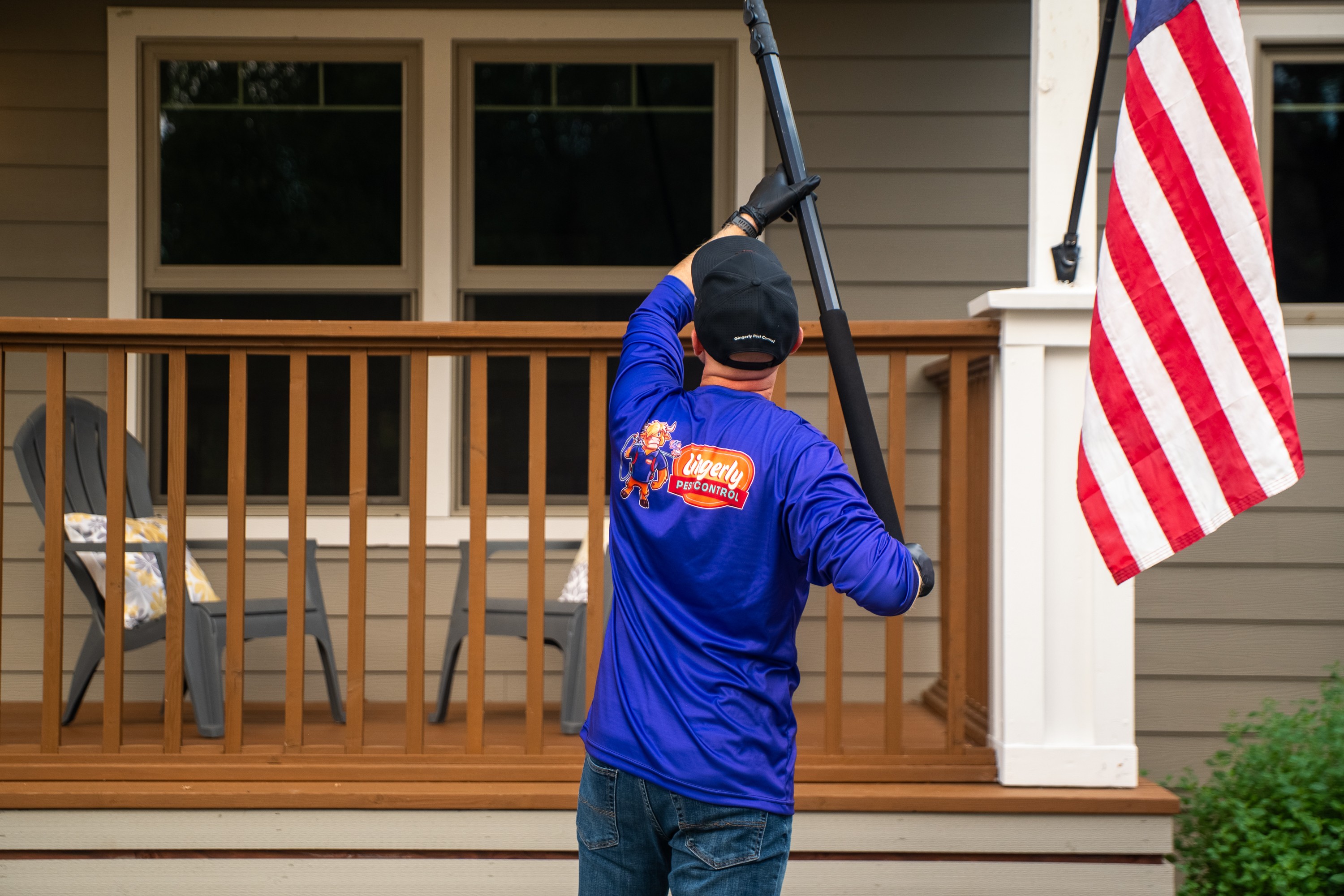
Not every bug around your house means you need pest control. The more useful question is whether you're looking at an isolated pest or at signs of continuing pressure around the property. The age of the house isn't always a good guide either. Some brand-new homes see a lot of pest activity, because construction, landscaping, and irrigation have just changed the environment around them.
Here's how we'd sort it out, based on what we commonly see servicing homes around Auburn and the rest of Placer County.
How Do I Know If I Actually Need Pest Control?
Professional pest control usually makes sense when activity is repeated, increasing, spreading to different parts of the home, or coming back after you've already dealt with it. If it's a single sighting with nothing after it, keeping an eye on things is often enough.
Three questions can help:
- Is it happening more than once? One ant on the counter is different from a trail every morning.
- Is it getting better or worse? Activity that builds over a few weeks is worth paying attention to.
- Is something about the property likely to keep it going? Heavy vegetation against the house, constant moisture, or a recent change like new landscaping can keep pressure steady.
Does Seeing One Bug Mean I Need Pest Control?
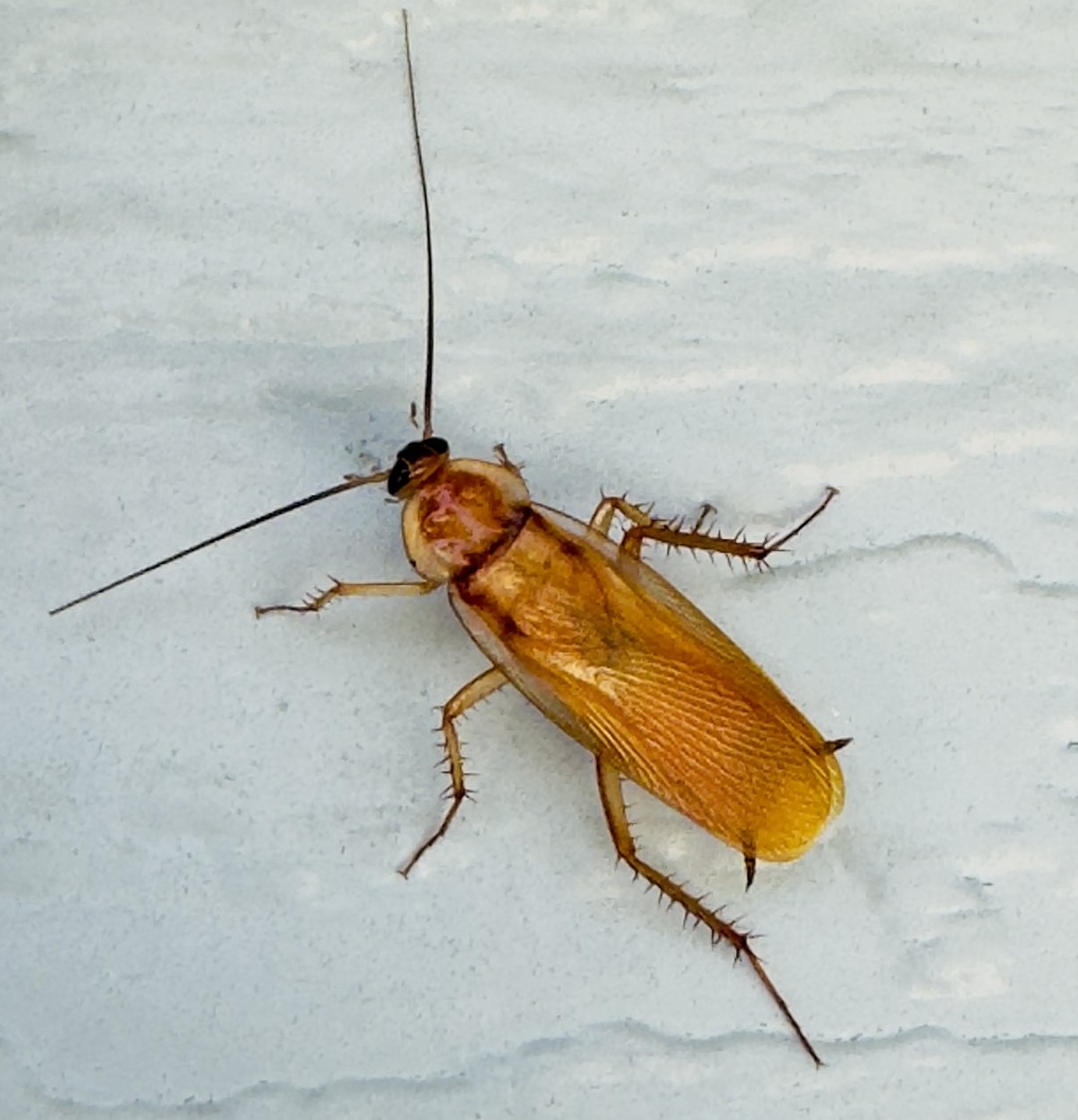
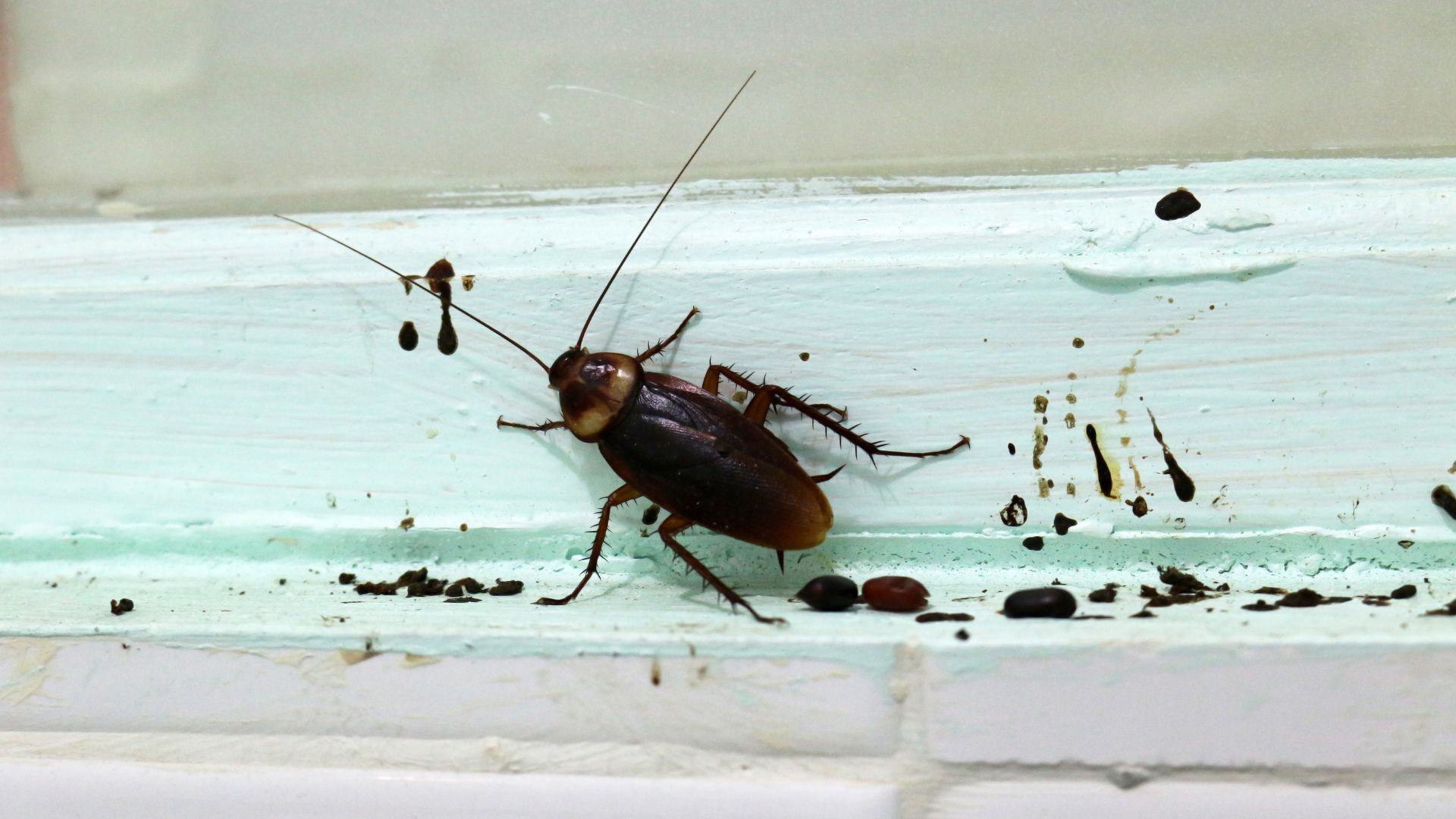
No. An insect that wandered in through an open door, a spider in the garage or on the patio where you'd expect one, or a single wasp in the yard on a summer afternoon is a normal part of living in the foothills. If you see it once and not again, monitoring is usually all it calls for.
Good pest control starts with understanding what's actually happening, not treating everything automatically. Sometimes the honest answer is that nothing needs to be treated, and that's a perfectly good outcome.
Signs Professional Pest Control May Make Sense
These are the patterns that tend to separate an occasional pest from ongoing pressure:
- The same pest keeps showing up, especially in the same spot.
- Activity is increasing instead of tapering off.
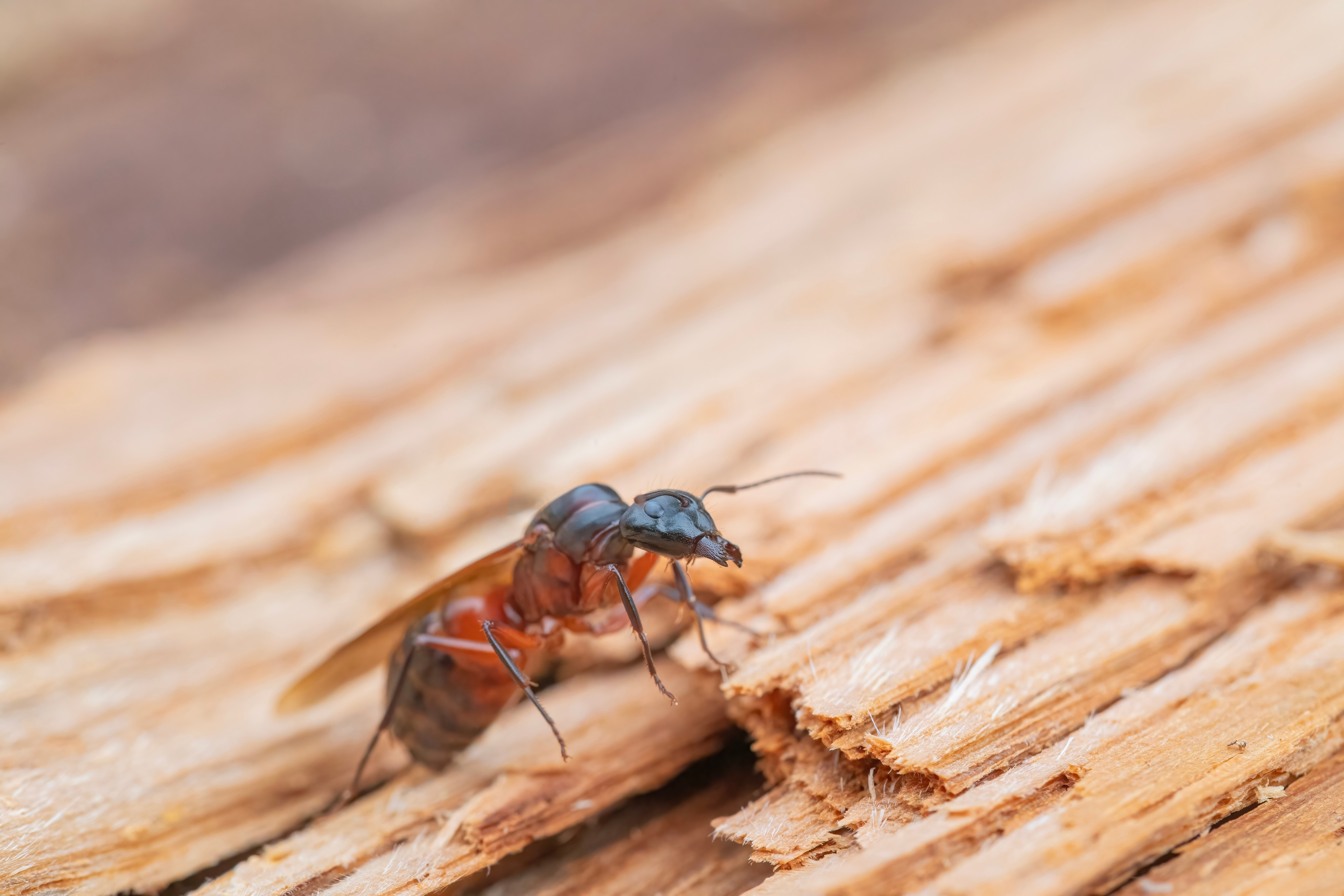
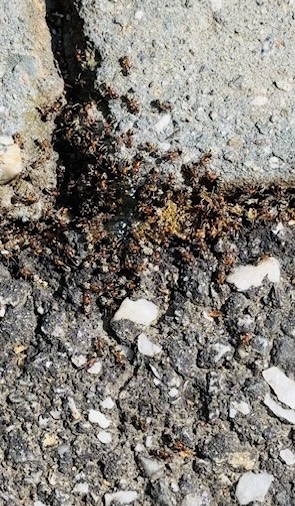
- Ants keep coming inside, often into kitchens and bathrooms. We explain why ants keep coming back into Auburn homes in more detail.
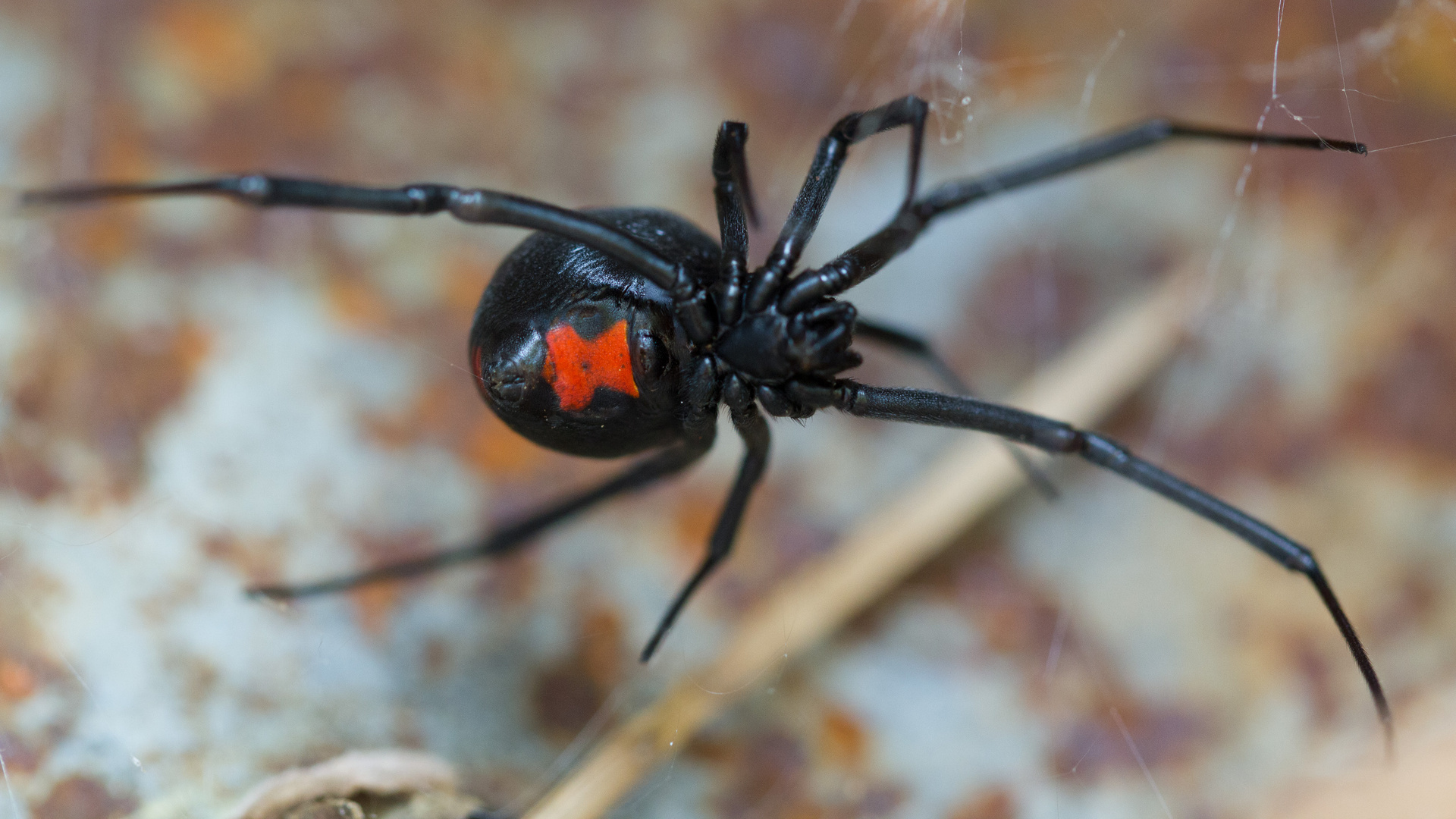
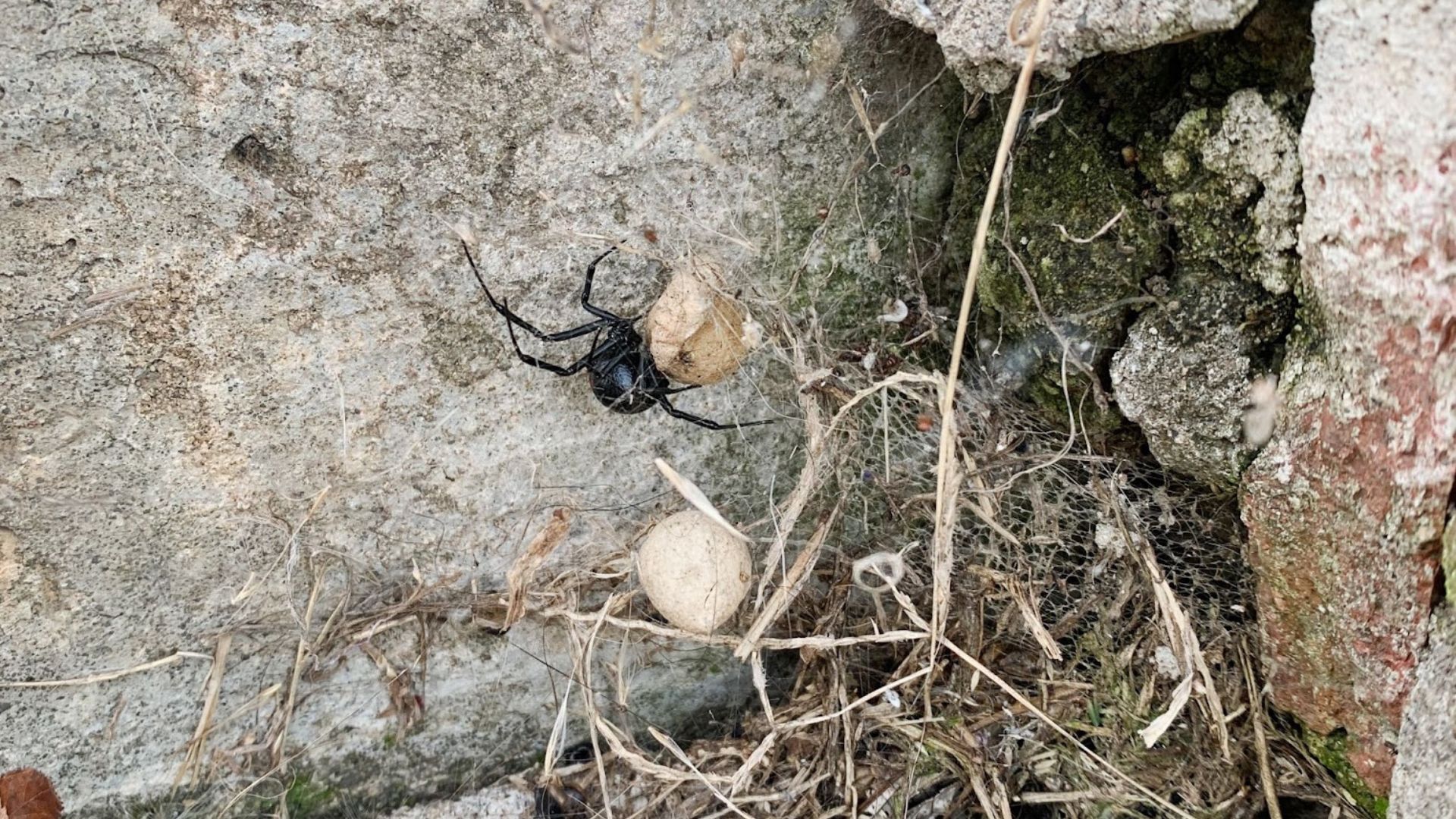
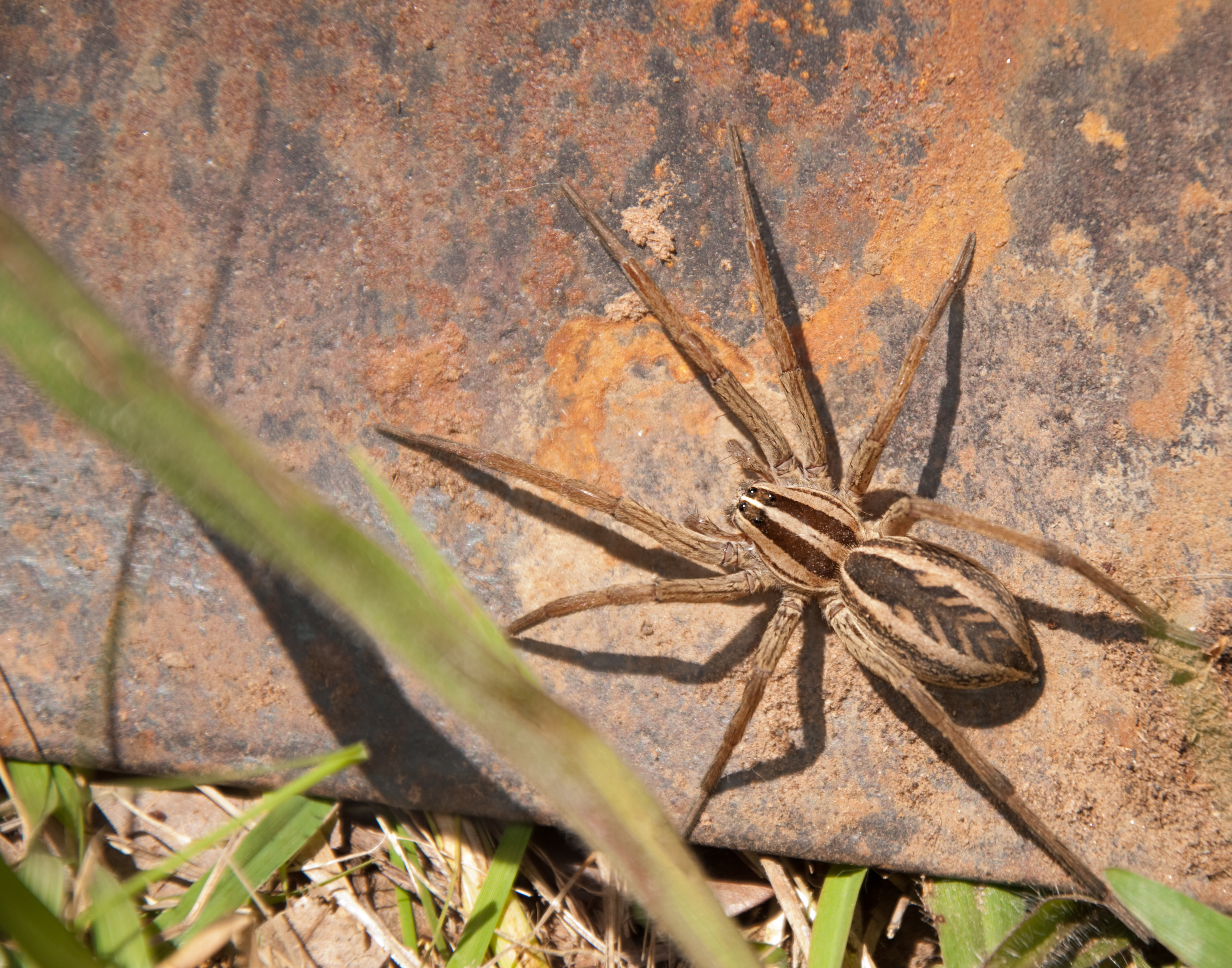
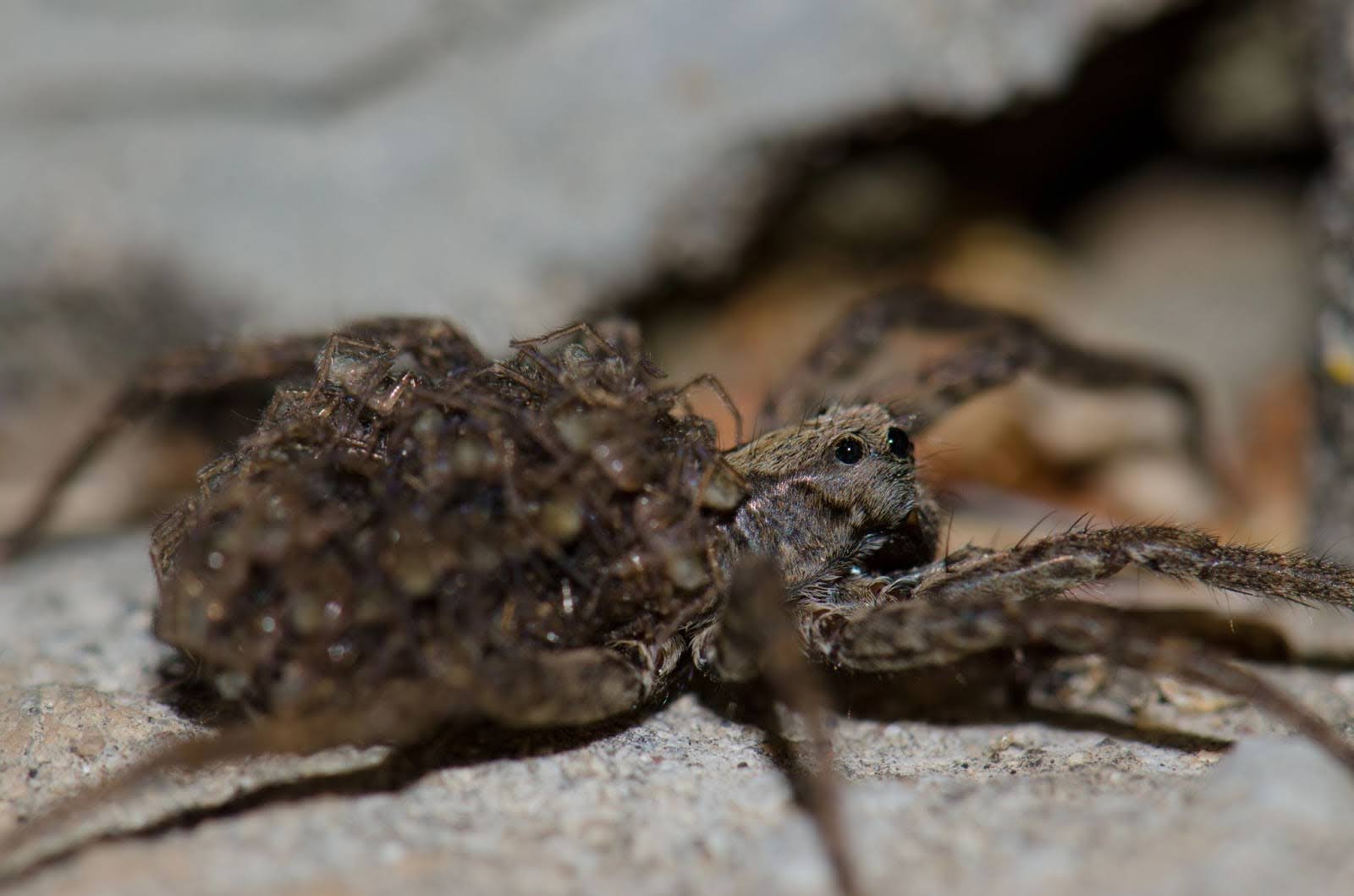
- Spider activity and webbing are heavy around eaves, windows, the garage, or outdoor lighting.
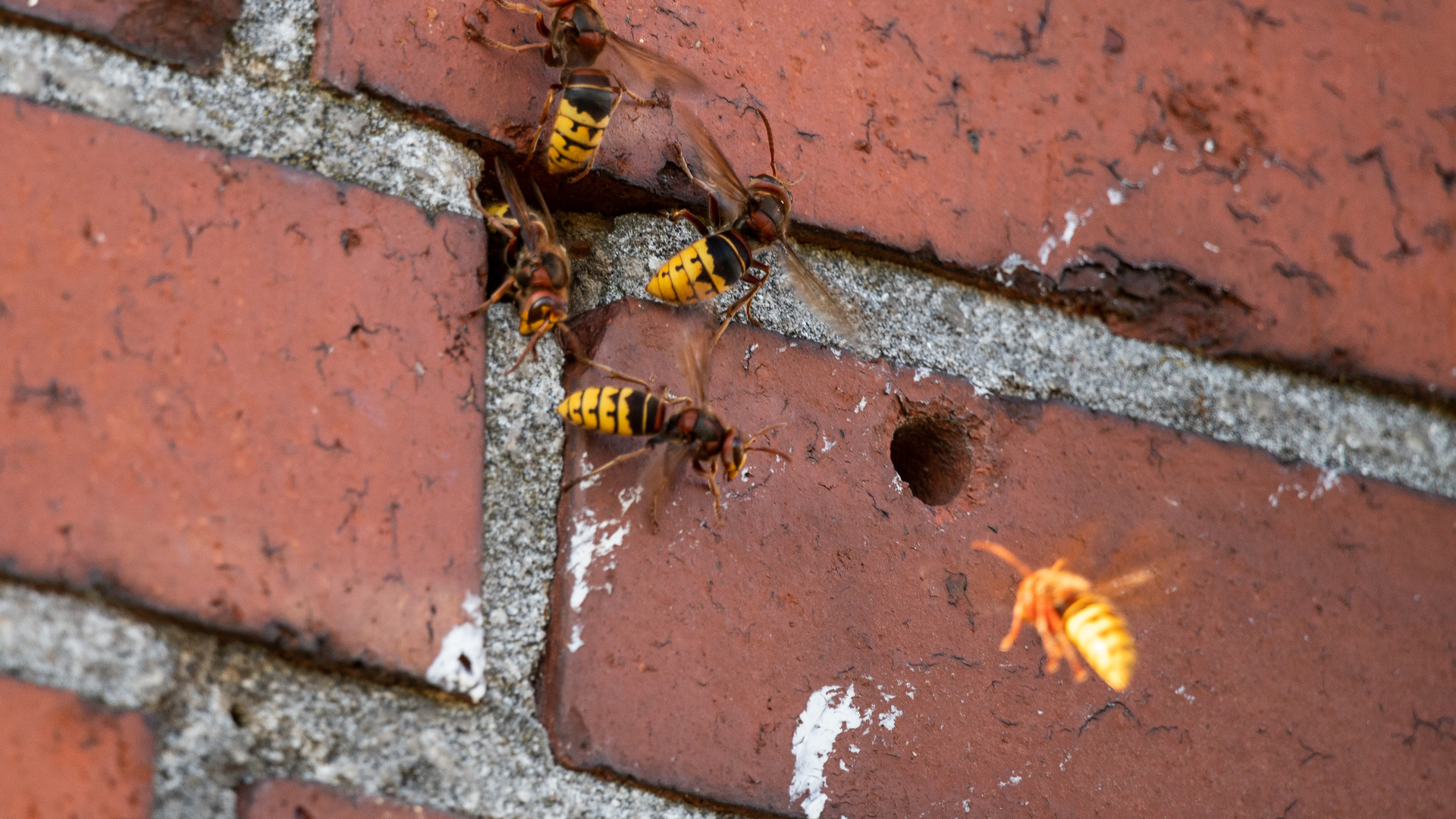
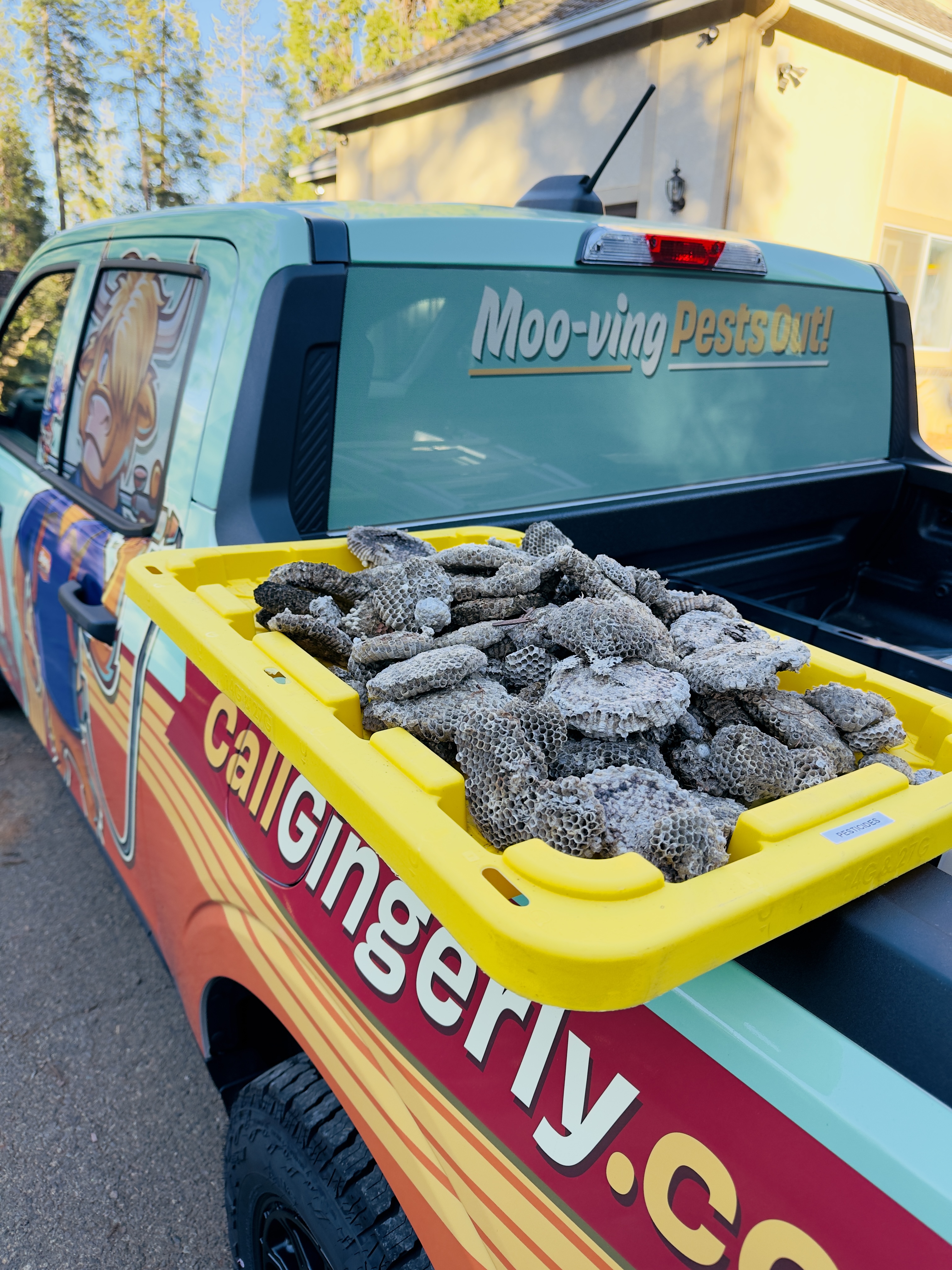
- Wasps keep building on the structure, under eaves, in play structures, or around the roofline. Our guide to finding wasp nests on your property can help you tell what you're dealing with.
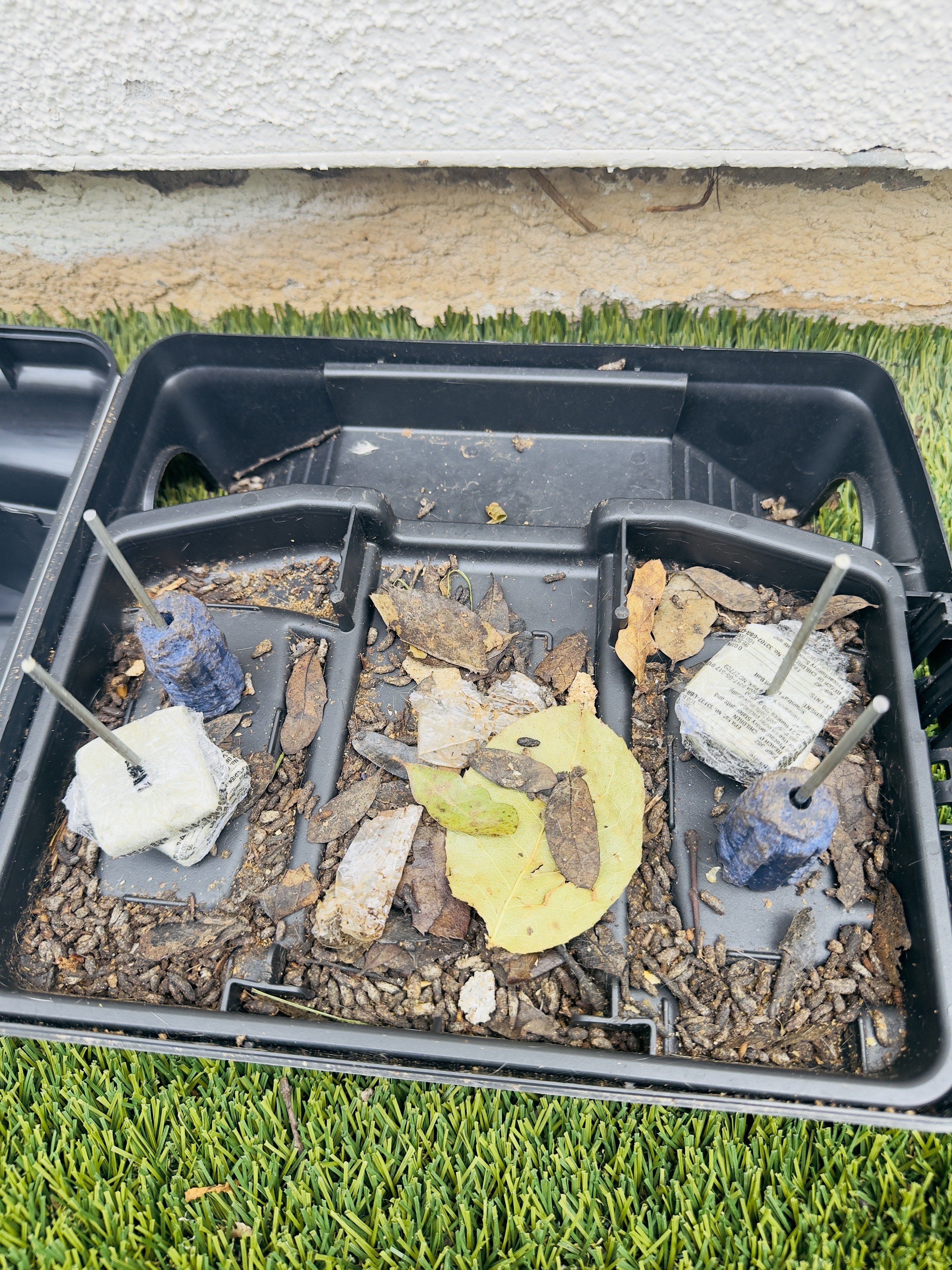
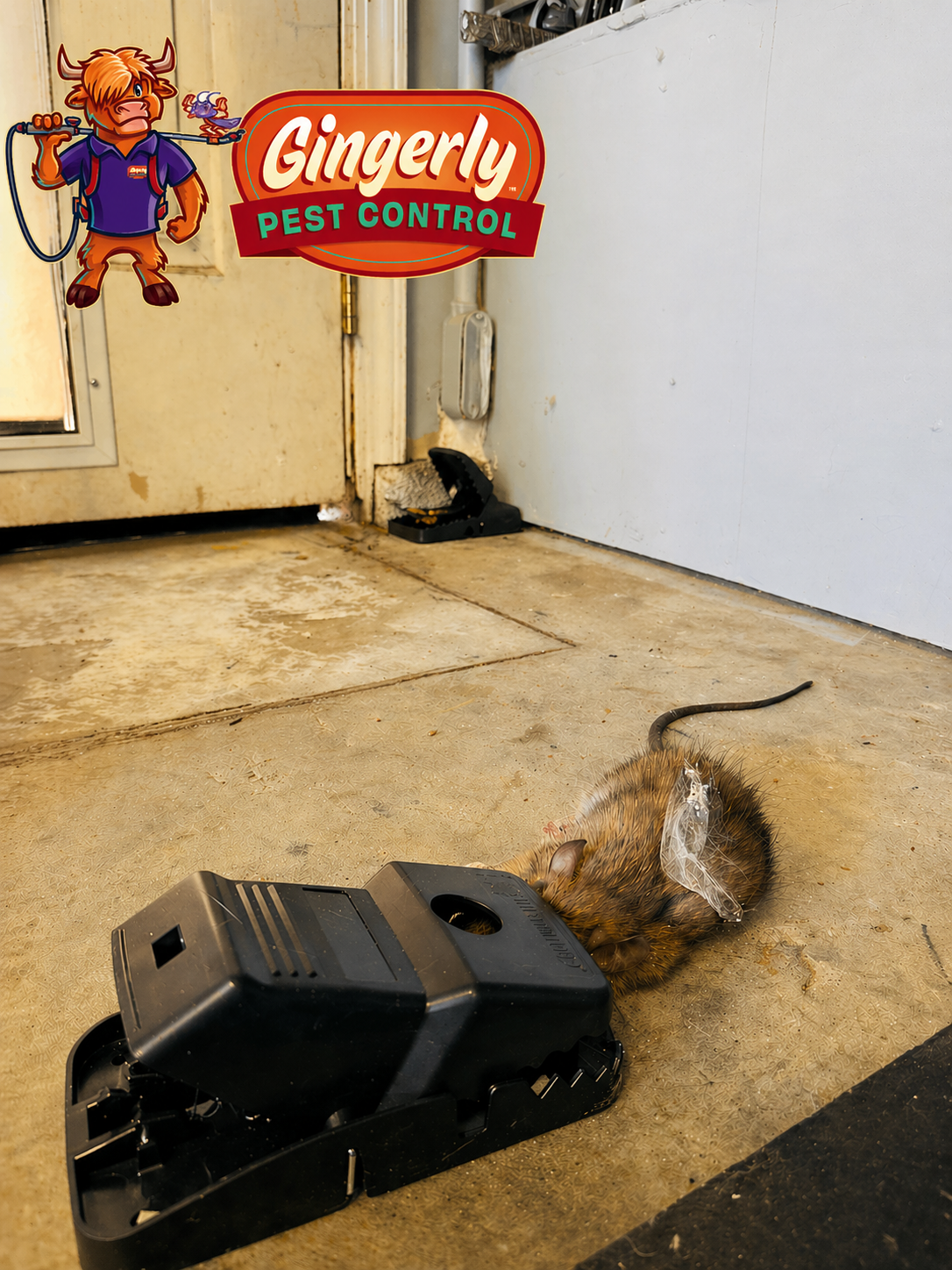
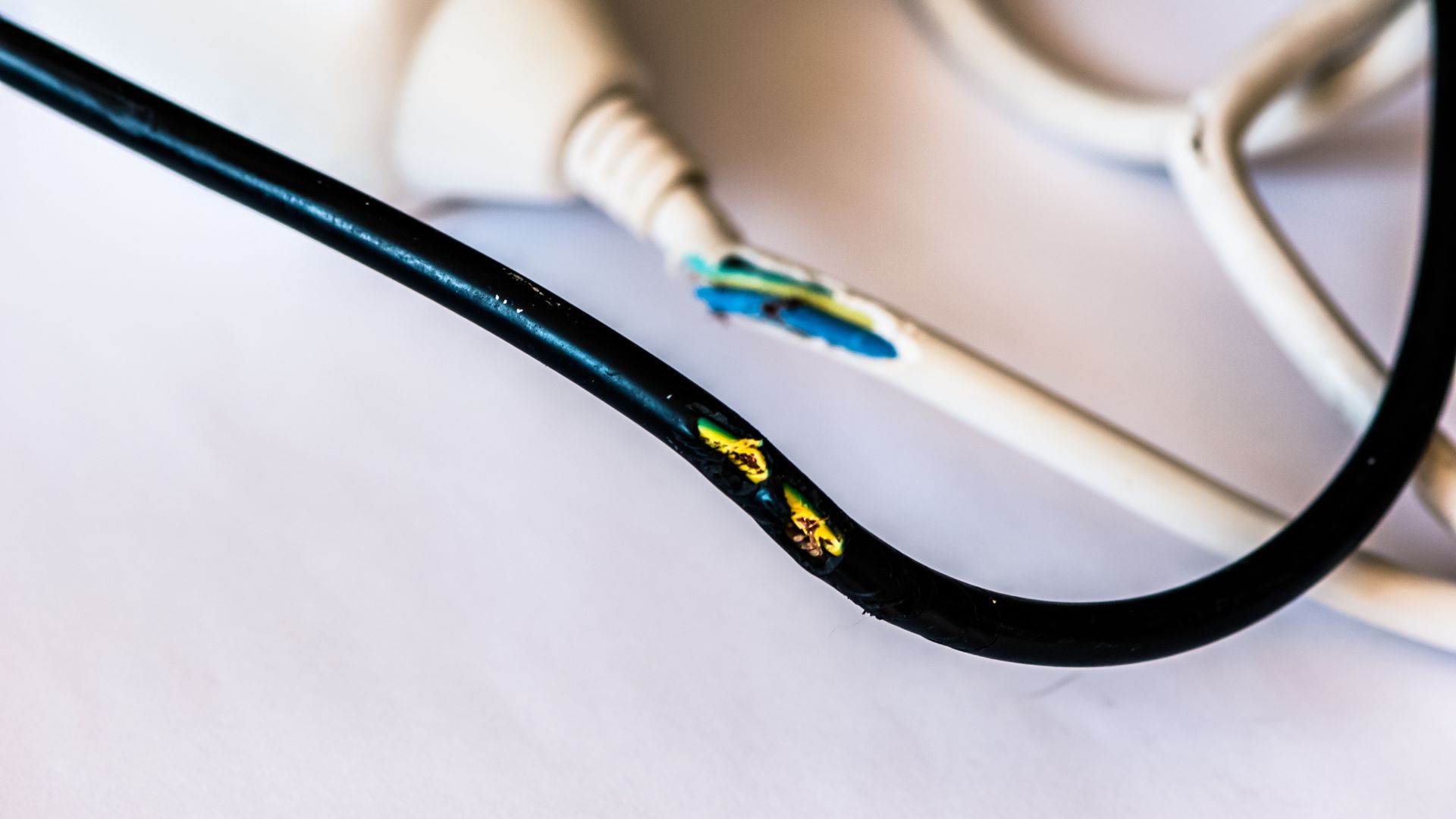
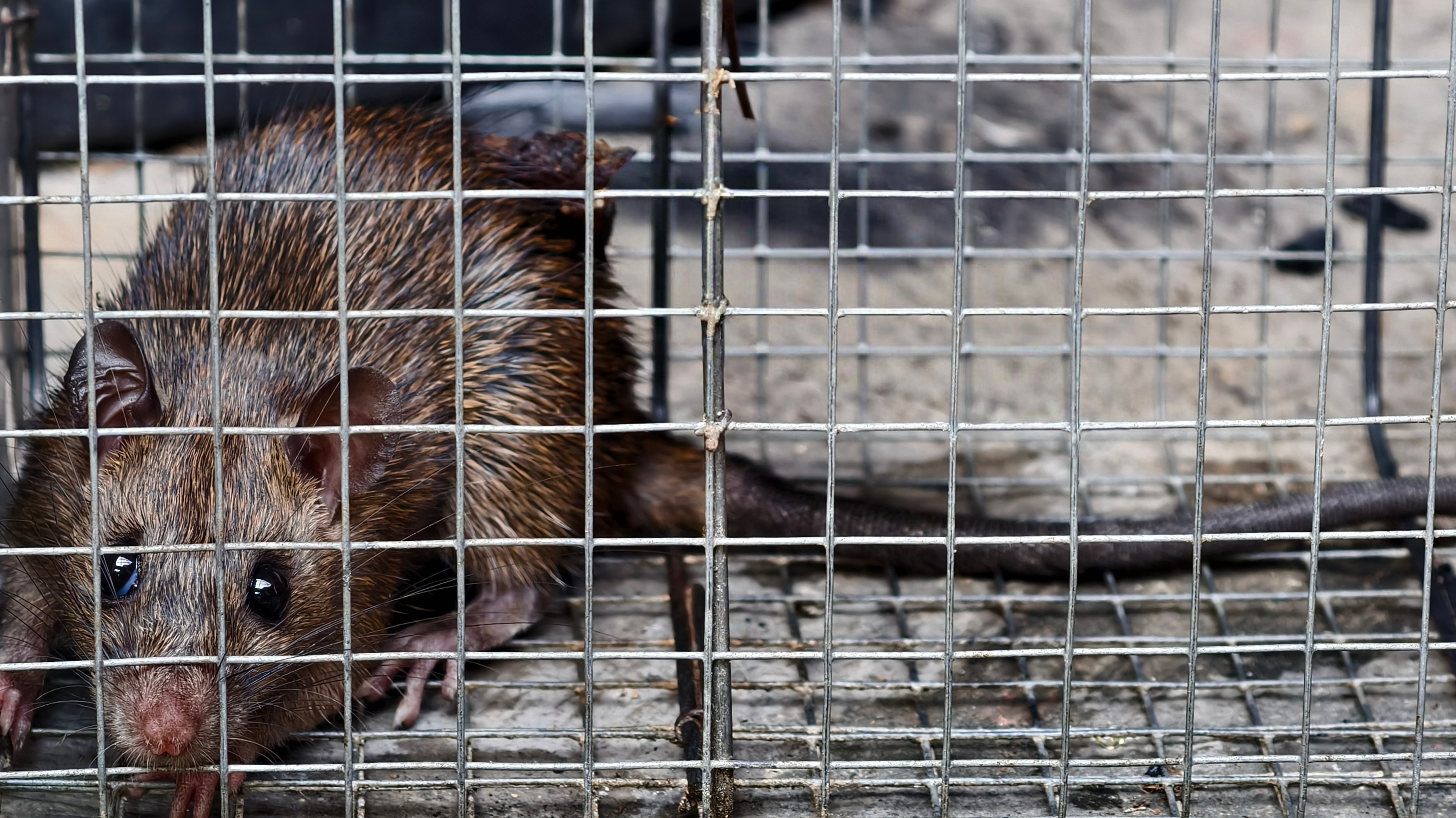
- You find signs of rats or mice, such as droppings, gnawing, disturbed insulation, or noises in walls, crawl spaces, or the attic.
- Pests appear in several areas of the home instead of one.
- Activity returns after store-bought treatments. Spraying an ant trail, for example, can scatter the ants rather than solve the problem.
- Conditions around the property keep supporting pests, like dense vegetation or leaf debris against the foundation, persistent damp spots, or stored materials stacked against the house.
One of these on its own doesn't necessarily mean there's a serious problem. A pattern of them is a good reason to have someone take a closer look.
Do New Homes Need Pest Control?
Not automatically, but new doesn't mean pest-free. Many homeowners assume a brand-new home should have fewer pest problems than an older one. In our experience, that isn't reliably true. Some of the heaviest pest pressure we've seen has been in brand-new neighborhoods, and it usually comes down to how much the environment around the house has recently changed.
Building on Previously Undisturbed Ground
Before a neighborhood goes in, the land may have been grassland, pasture, or oak woodland that had gone relatively undisturbed for years. That ground already supported ants, spiders, beetles, rodents, and plenty of other organisms. Grading, trenching, and construction disturb that habitat. Some of those animals move off, and some end up relocating into the new yards, landscaping, and structures.
The change doesn't always stop when your house is finished. New neighborhoods are often surrounded by remaining open land or later phases still under construction, so the habitat around the home can keep shifting for a while. In Lincoln, for example, many newer neighborhoods sit next to open space or active development, and that ongoing change can influence what shows up in a backyard.
How Landscaping and Irrigation Change the Environment
Once landscaping goes in, a lot that was hot and dry for most of the year suddenly has lawns, planter beds, mulch, shade, and regular water from sprinklers and drip lines. That's a big shift in a short time.
Irrigation doesn't create pests. What it does is add moisture, vegetation, and shelter close to the foundation, and those are conditions many common insects favor. Ants forage for moisture, and they also feed on the honeydew produced by aphids, which many landscape plants attract. Earwigs and other moisture-loving insects do well in damp beds and mulch. More insects can in turn support more spiders, which feed on them. The overall pest environment around the house can end up looking quite different from what was there before.
We're not going to tell anyone to stop watering a new lawn. Fixing leaks, avoiding overwatering, and paying attention to spots that stay damp near the foundation can all help.
Entry Points That Are Worth Checking
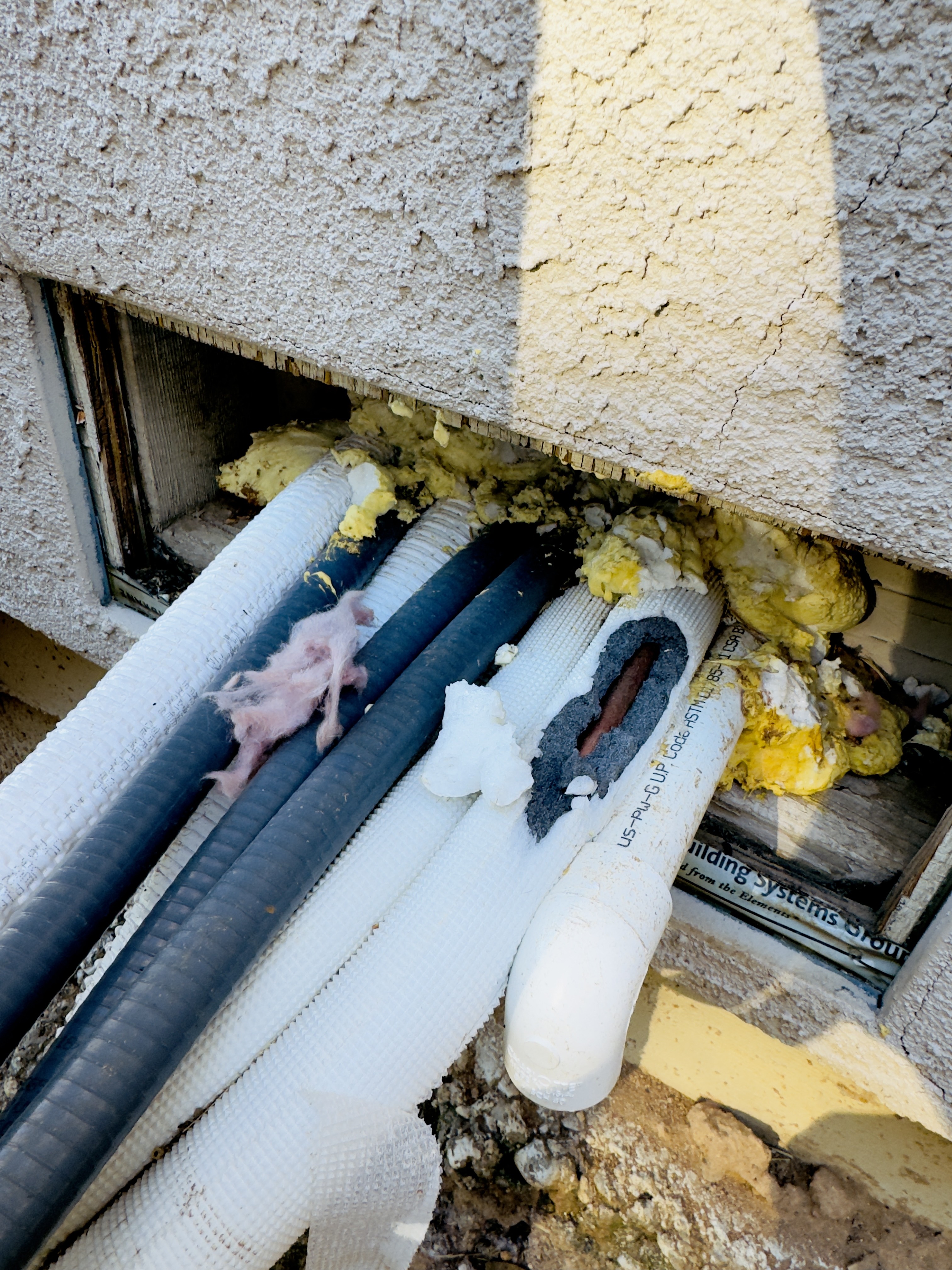
Every home, new or old, has openings by design: utility penetrations where lines enter the house, garage doors, vents, and doors that rely on sweeps and weatherstripping to seal. None of that is a sign of poor construction. These are simply normal places to check, because they're common routes for ants, spiders, and rodents to find their way inside.
Should I Get Pest Control When I Move Into a House?
Moving in, whether the house is brand-new or just new to you, is often a very good time to evaluate pest control. When you first move into a property, you don't know yet:
- where ants typically show up
- whether spiders get heavy at certain times of year
- whether wasps build around the structure every summer
- whether rats or mice travel through the property
- where the previous owners had pest issues
- what conditions around the landscaping or structure may be contributing
An inspection or initial service helps establish a baseline. Part of our approach is simple: it's often easier to establish control early than to wait until a pest population has become substantial. How much work the first visit takes depends on where the property is starting from. A home that's had consistent service may already be fairly stable, while one that hasn't been serviced in years can take more time and sometimes a follow-up visit.
That doesn't mean everyone who moves needs an ongoing service plan. Sometimes an inspection shows there isn't much going on, and monitoring makes more sense.
Can a Vacant House Attract Pests?
It can. A home that sits empty has less human activity and fewer disturbances, and that can give pests more opportunity to settle into quiet, protected areas. Depending on the property, that might be the garage, crawl space, attic, sheds, landscaping, or the areas around doors and windows. Webbing can build up, wasps may start nests under eaves without anyone noticing, and rats or mice may explore a structure or yard that's been relatively undisturbed.
That doesn't mean a vacant house automatically becomes infested. Plenty of empty homes are fine. But after a stretch of vacancy, it's worth having a look before you settle in.
Why an Empty Home Is a Good Time for a Thorough First Service
There's another side to vacancy that's easy to miss: an empty home is often the easiest time to do a thorough initial service. There's no furniture, no stacked boxes, and no people, pets, or daily routines to work around. Baseboards, closets, cabinets, and garage walls are easy to see, and crawl space and attic access points are easy to reach.
If you've just bought a home and have a short window before move-in, that can be a practical time to inspect the property, address any existing activity, and establish an initial treatment before your belongings go in. Once the garage is full of boxes, the same job gets harder.
Why Properties Around Auburn and Placer County Vary So Much
Around the homes we service in Auburn, two houses on the same road can have very different pest pictures. One might have mature oaks over the roofline, a rock wall, a deck, a crawl space, a shed, and open land behind it. Another might sit in a newer development with irrigated landscaping and neighbors on every side. Established neighborhoods, wooded lots, and new construction all bring different pressures.
On larger properties around Loomis, gardens, fruit trees, chicken coops, and outbuildings can add food and shelter that a typical suburban lot doesn't have. Seasonal vegetation plays a role on properties across Placer County. None of this describes every property, but it's why we look at each one individually rather than assuming.
Preventative vs. Reactive Pest Control
Reactive pest control means waiting until a problem is obvious and then treating it. For an occasional issue, that can work fine. Preventative pest control means maintaining the exterior environment to reduce pest pressure before it becomes significant.
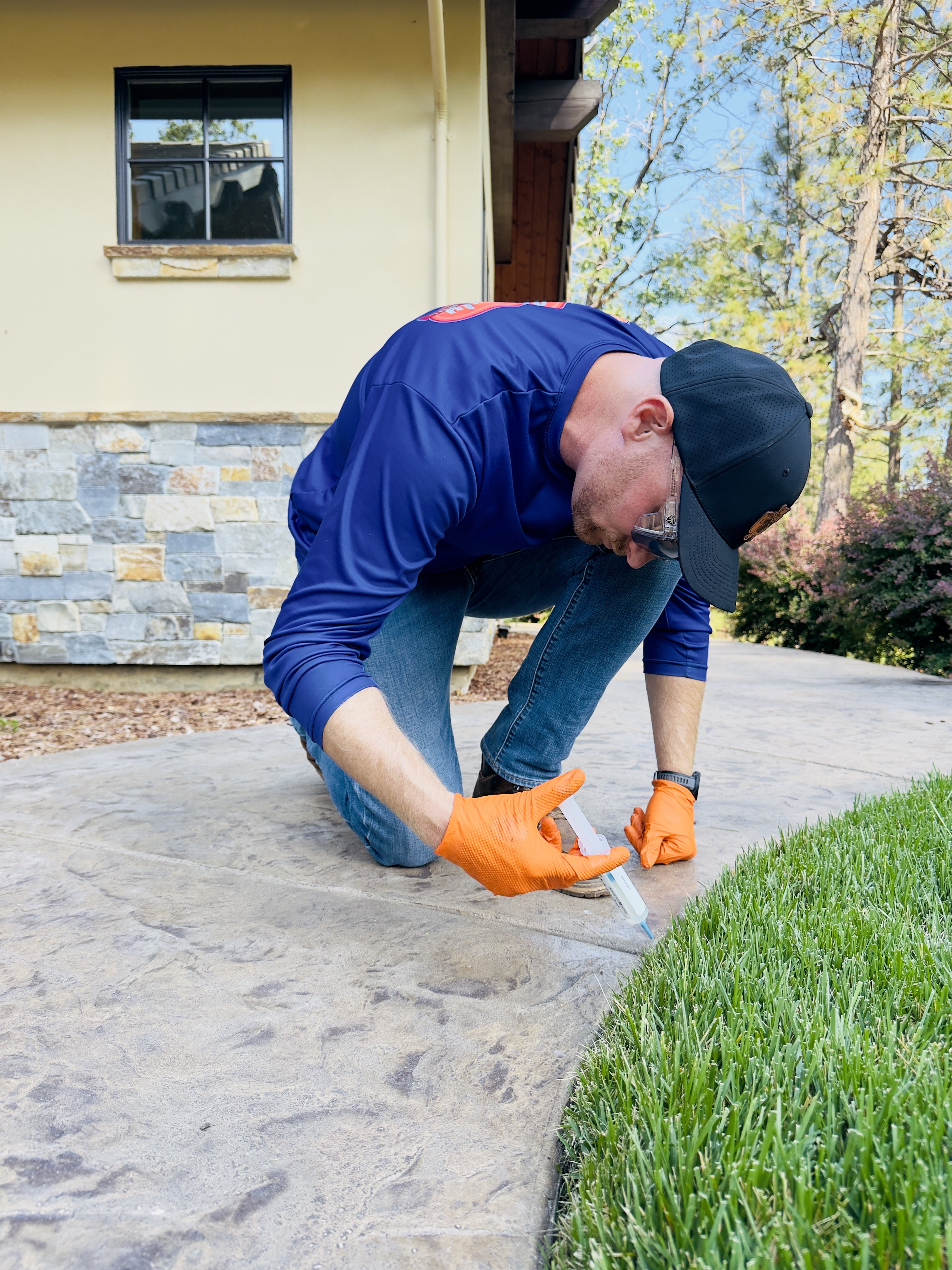
Our recurring general pest control service generally runs on a roughly 60-day cycle and is exterior-focused. Each visit starts with checking in and inspecting the property, including de-webbing, which doubles as a close look at the structure. Then we treat based on what we actually find. We treat inside when there's a reason to, like an active ant trail, rather than as a routine step.
It's worth being realistic about what that does. Recurring service can't guarantee you'll never see another insect, spider, rat, or mouse. Pests live in the surrounding environment, and neighbors, trees, and weather all keep influencing what shows up. What consistent service can do is help reduce pest pressure, catch developing issues earlier, and make the home less favorable to certain pests over time.
When Monitoring May Be Enough
Watching and waiting is a reasonable choice when:
- you saw a pest once and haven't seen it since
- the pest is outdoors where you'd expect it and isn't coming inside
- the activity is brief and seasonal
- you fixed an obvious cause, like a door left open or pet food left out, and the activity stopped
Keeping simple notes on what you saw, where, and when makes it much easier to tell whether something is a one-off or a pattern.
When an Inspection or Professional Service Makes Sense
An inspection makes sense when you're seeing the signs above, when activity keeps building in a newly built or newly landscaped home, when you've just bought a house or are about to move in, when a home has been sitting vacant, or when you simply aren't sure what you're seeing. Pest activity also shifts with the seasons, which we cover in where bugs go in winter in Placer County.
Frequently Asked Questions
How do I know if I need pest control at my house?
Look for patterns rather than single sightings. Repeated or increasing activity, pests in several areas of the home, signs of rats or mice, and activity that comes back after you've treated it yourself are good reasons to have a professional take a look.
Does seeing one bug mean I need pest control?
No. An occasional insect or an outdoor spider where you'd expect one is normal. If you don't see continued activity, monitoring is usually enough.
Do brand-new homes need pest control?
Not automatically, but a new home isn't necessarily pest-free. Construction disturbs existing habitat, and new landscaping and irrigation add moisture and shelter around the foundation, which can lead to noticeable pest activity in some new neighborhoods.
Why would a new construction home already have bugs?
The insects, spiders, and rodents that lived on the land before construction don't simply disappear. Some relocate into the new yards and structures, and irrigated landscaping creates conditions many common insects favor.
Should I get pest control before moving into a house?
It can be a good idea. An empty home is easier to inspect and treat thoroughly, and an initial service helps establish a baseline before your belongings go in. Whether you need ongoing service afterward depends on what the inspection finds.
Can a vacant house attract pests and rats or mice?
It can. Less human activity gives pests more chances to settle into garages, crawl spaces, attics, and other protected areas, and rats or mice may explore undisturbed properties. Vacancy doesn't automatically cause an infestation, but it's worth a look before move-in.
Is preventative pest control better than waiting for a problem?
It depends on the property. Where pest pressure is steady, recurring exterior service can help reduce it and catch issues earlier. It won't guarantee a pest-free home, and some homes only need occasional attention.
Not Sure Whether You Need Pest Control?
If you're in Auburn, Loomis, Lincoln, or elsewhere in Placer County and can't tell whether you're seeing an occasional pest or something ongoing, we're happy to help you figure it out. You can reach out online or call us at 916-625-6741, and we'll give you an honest recommendation, including when monitoring is all you need.
.jpg)









.jpeg)