
Are German Cockroaches Hard to Get Rid Of?
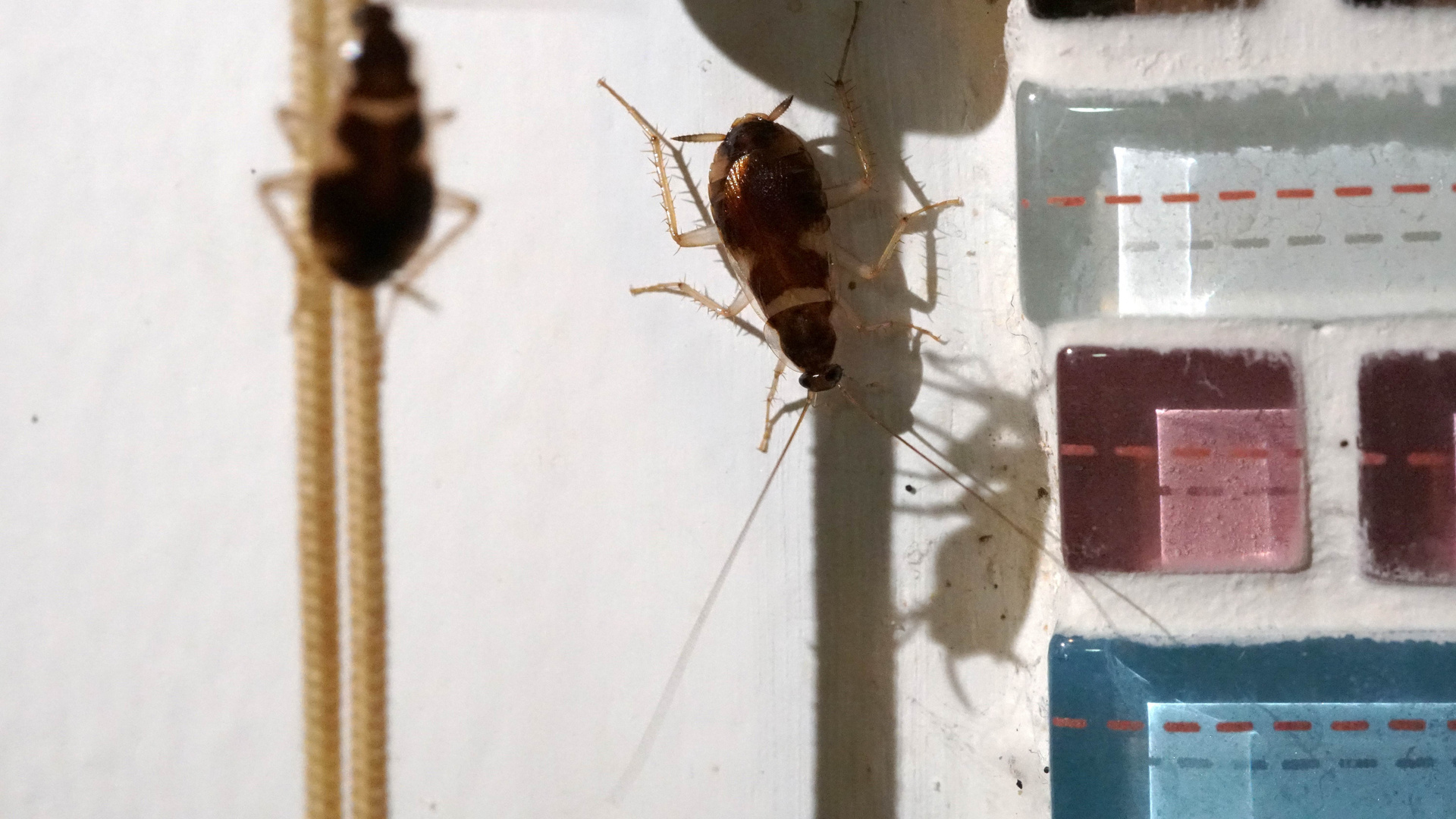
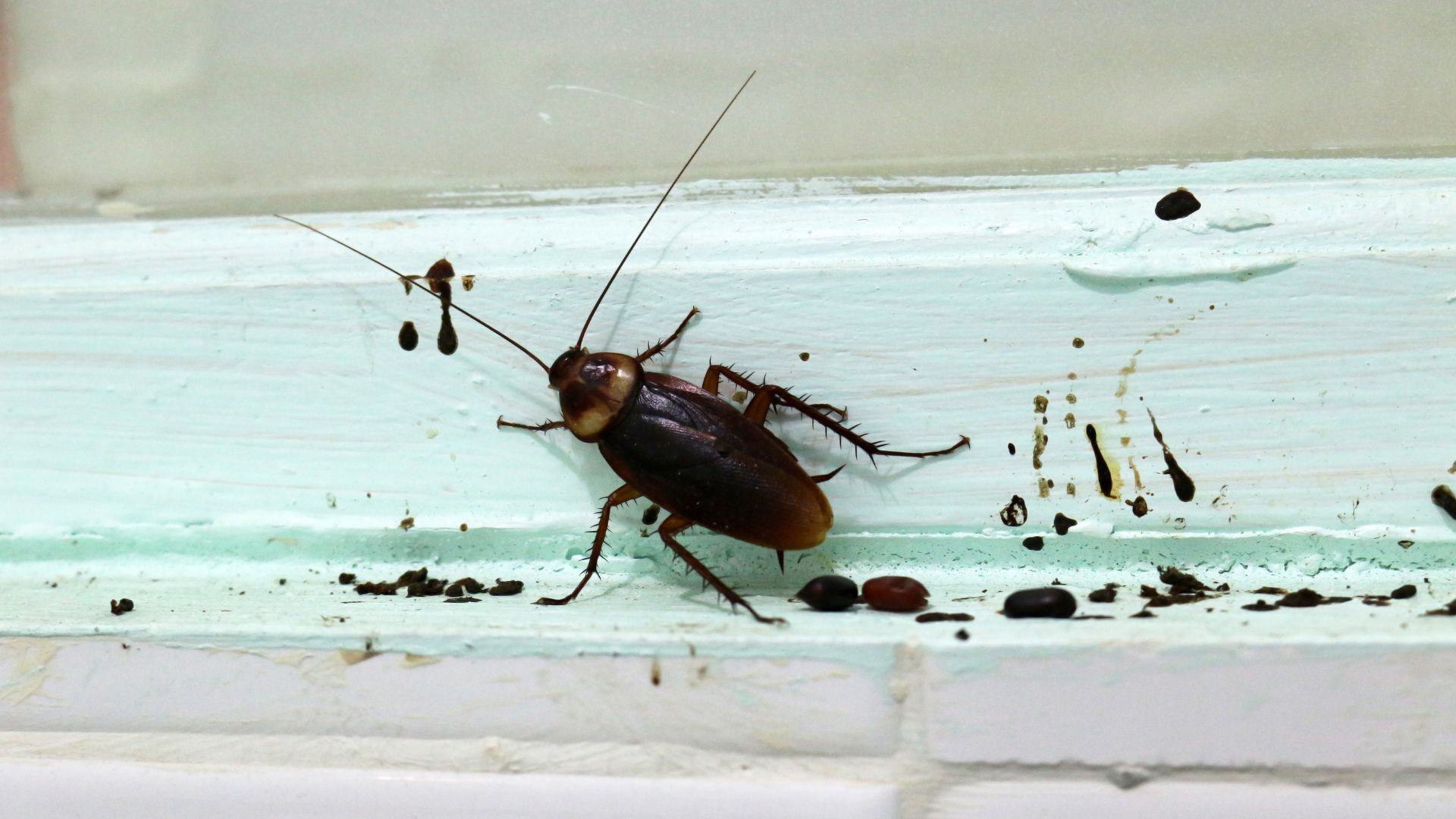
You spray under the sink, wipe out a few roaches, and the kitchen looks clear for about a week. Then they're back, usually in bigger numbers than before. We hear the same story on service calls from Auburn to Roseville: a homeowner spots one or two roaches at night, treats the visible area, and assumes the problem is handled.
How Fast a Single Female Can Multiply
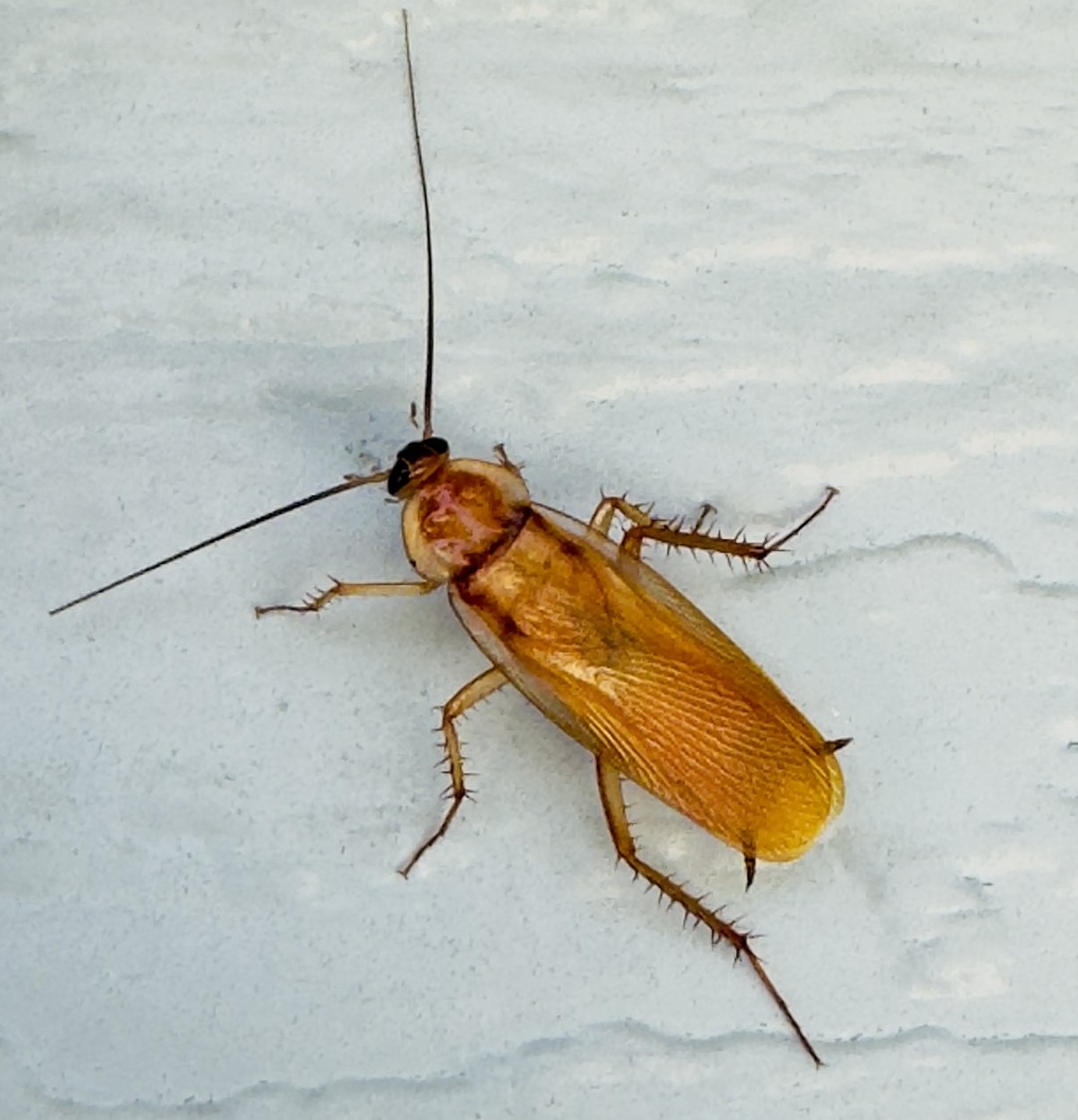
A female German cockroach carries her egg case until just before it hatches, unlike most other roach species that drop it early. Each case holds around 30 to 40 eggs, and a single female produces several of these over her life. Under the steady warmth of a kitchen or laundry room, nymphs, the juvenile stage after they hatch, reach adulthood in about six to eight weeks.
Run that math over a few months and one female's offspring can number in the hundreds before anyone in the house suspects a real problem. That's the pattern behind almost every kitchen infestation we walk into.
Young nymphs make the count even harder to track. They're smaller than a grain of rice, wingless, and darker in color, so they blend into shadowed corners more easily than the adults do, even when they're hiding in the exact same spot. A homeowner counting roaches by what's visible on the counter is usually only seeing a fraction of the actual population living in the walls and cabinets around them.
Where German Cockroaches Really Hide
Surface treatments only reach roaches that are out in the open, and German cockroaches spend most of their time somewhere else entirely. On a typical inspection, we find them in places most homeowners never think to check.
Spots Sprays and Traps Cannot Reach
- Behind electrical outlets and switch plates, warmth from the wiring keeps them comfortable
- Refrigerator and dishwasher motors give off that same warmth, so we check inside the housing on every visit
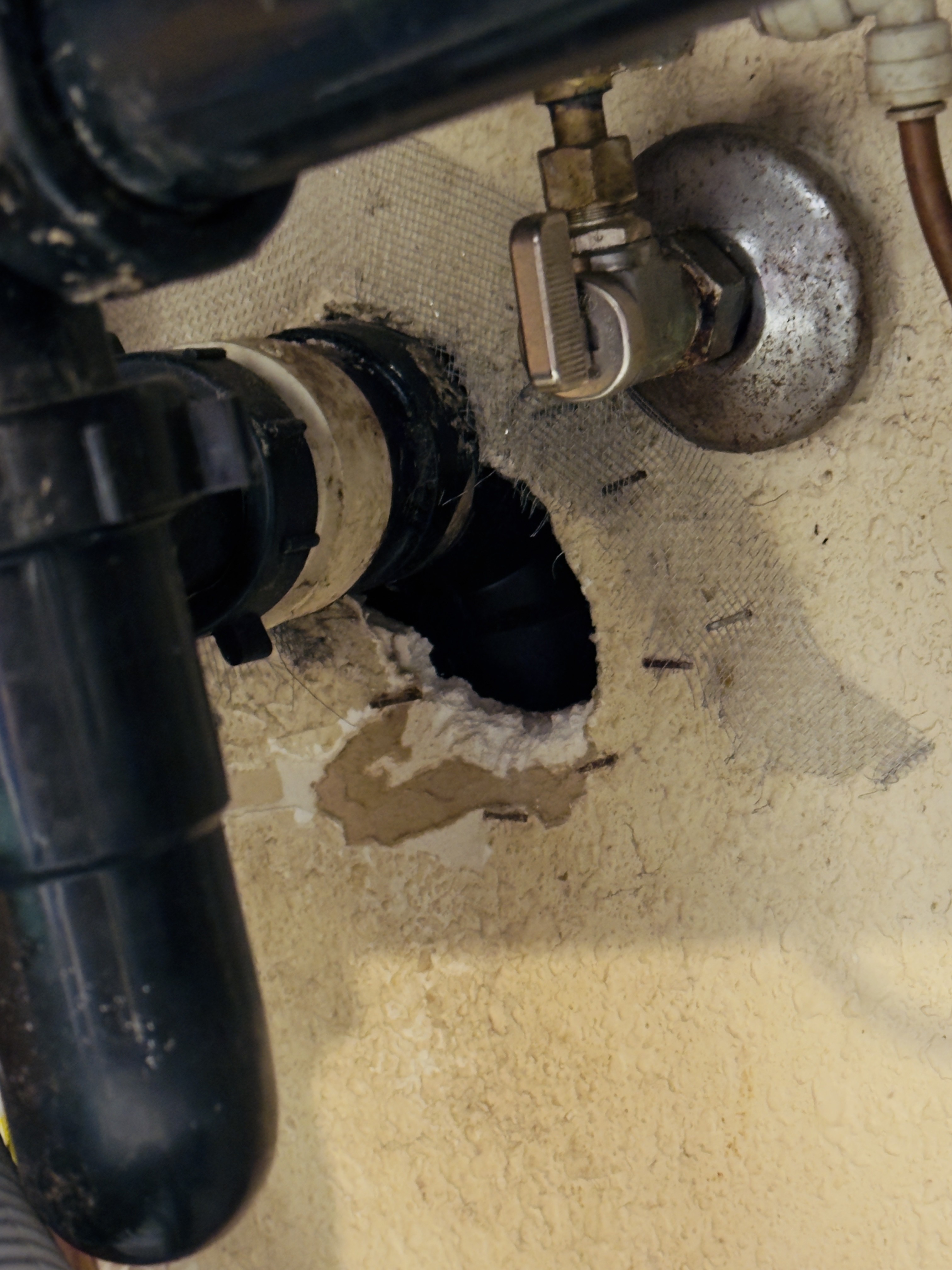
- If a sink has pipes meeting the cabinet wall, grease and moisture collect right where roaches want to be
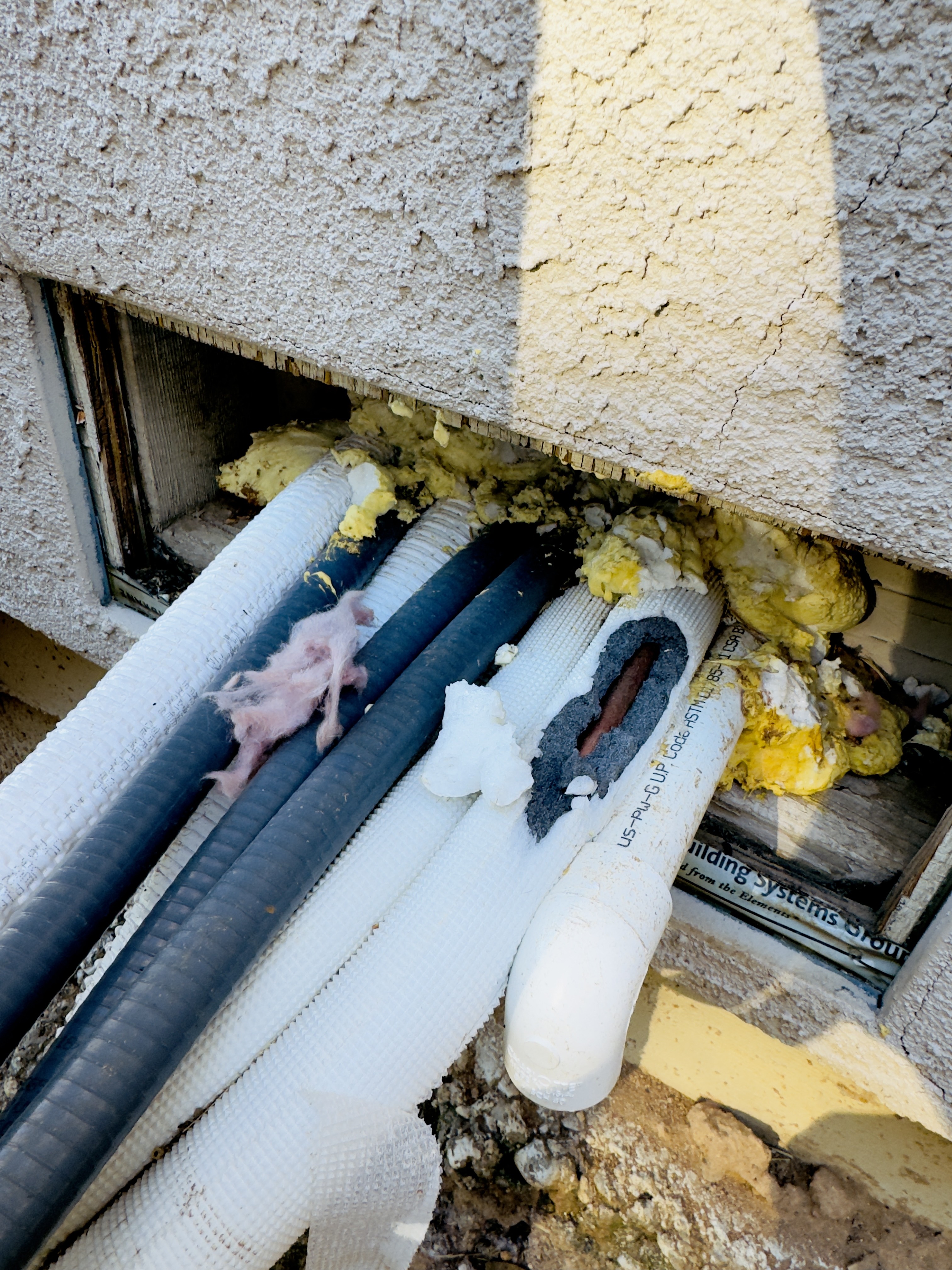
- Wall voids behind cabinets (the hollow space inside the wall), especially common in older Auburn and Newcastle homes with less sealed construction
We see the same pattern on calls throughout Loomis, where roaches settle in close to kitchens and bathrooms and rarely leave without help. A few roaches on the counter at night usually means a much larger group is active somewhere you can't see, and it's not uncommon for a single kitchen to have two or three separate hiding clusters going at once, each one needing its own attention during treatment.
Why Store Products Do Not Solve It
German cockroaches have been fighting off common household insecticides since the 1950s, and researchers have documented resistance to more than 40 different active ingredients in populations across the country. Spraying what's visible only removes roaches that are already exposed.
Resistance Built Up Over Generations
The egg case tucked behind an outlet or inside a wall void never comes into contact with the product at all. Once a colony has built resistance to one product, switching brands at the hardware store rarely helps, since many over-the-counter options share the same active ingredients under different labels.
Some populations have even developed an aversion to the glucose used to attract roaches into bait stations, so a product that worked at a neighbor's house two streets over can fail completely at yours. Getting ahead of a colony like this takes an inspection-first approach that goes beyond a one-time spray, one that identifies where the colony is living before any product goes down.
The Health Risk Behind an Ongoing Infestation
Shed skins and droppings from German cockroaches carry proteins that trigger allergic reactions, and pediatric researchers have linked cockroach exposure to higher asthma rates in children living with an active infestation.
Allergens That Build Up Indoors
The longer a colony goes untreated, the more that exposure builds up around the house:
- Shed skins and droppings that settle into carpet fibers and bedding over time
- Leaving food containers open overnight gives roaches a direct path to whatever is inside
- If someone in the home already has asthma, even light roach activity can be enough to trigger flare-ups
None of this shows up overnight. It's the kind of thing that accumulates quietly while the visible roach count stays low enough to ignore. Roaches also pick up bacteria while foraging through trash, drains, and decomposing food, then track it across countertops and dishes on their way to the next meal. Pediatric researchers watch this exposure closely in homes with young kids for exactly that reason.
What Changes with Professional Treatment
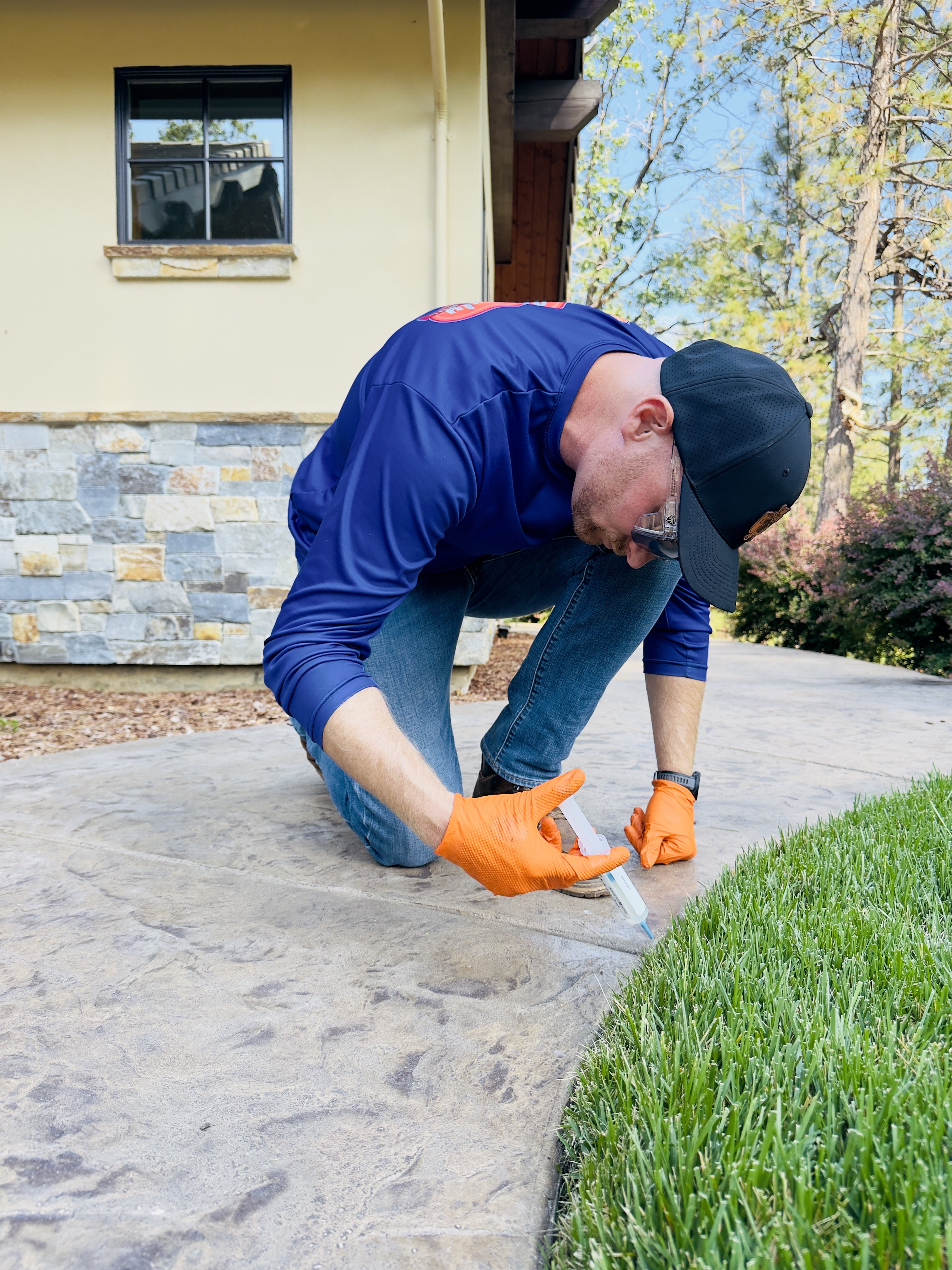
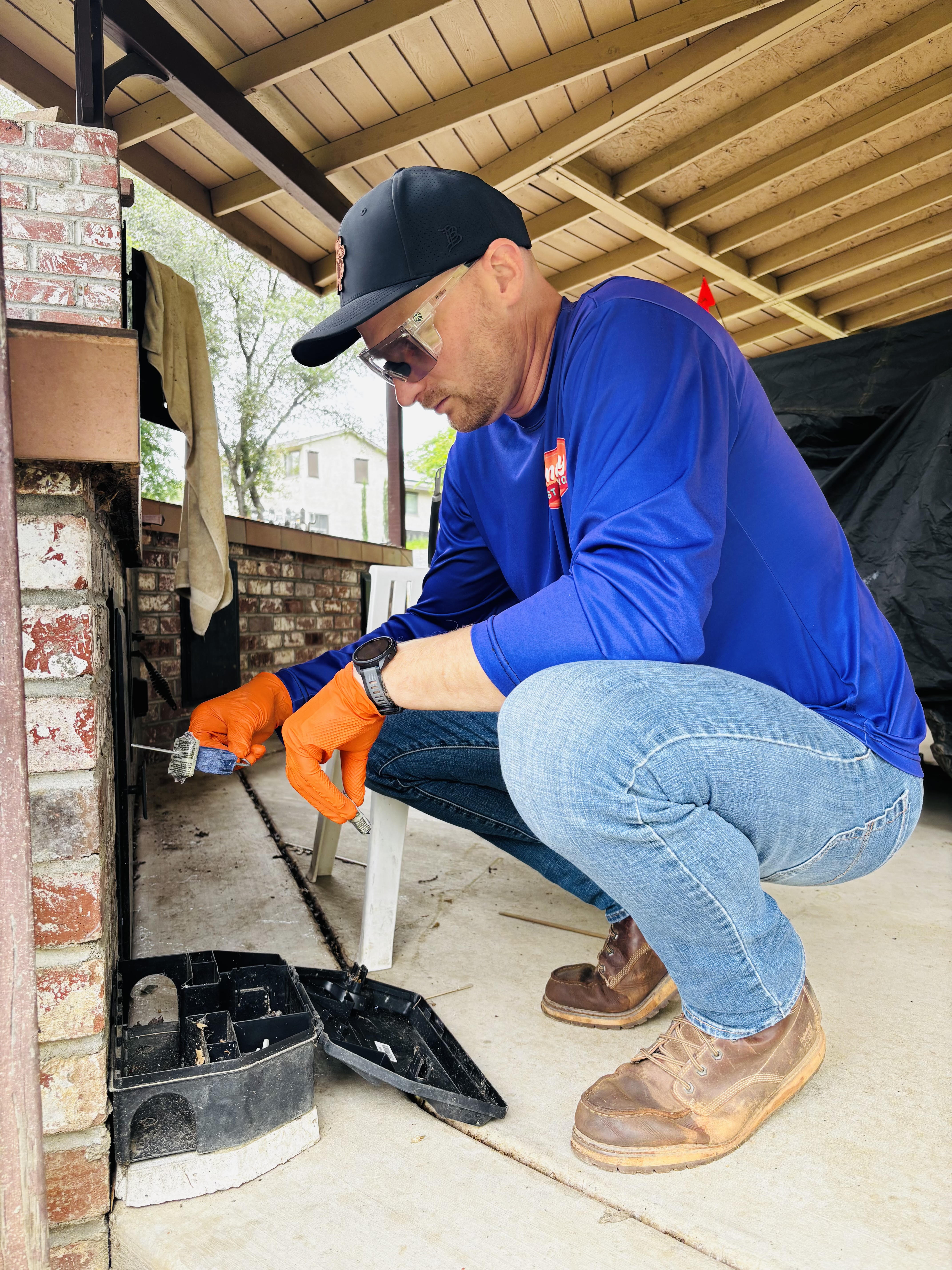
Professional treatment for German cockroaches works from the inside out. Instead of spraying visible surfaces, we place baits and dust directly into the hidden gaps, cracks, and appliance motor compartments where the colony lives.
Targeting the Colony, Not Just What You See
We target the egg cases specifically, so the reproduction cycle stops instead of just slowing down for a week. It's common to notice a short stretch of increased activity right after service, as disturbed roaches leave hiding spots before the treatment finishes its work. For households that want to limit chemical exposure around kids or pets, we also offer an eco-friendly treatment option built around the same targeted approach.
We start every roach call with an inspection, not a spray can. Walking through the kitchen, checking behind appliances, and looking at moisture points tells us how far the colony has spread before we recommend anything, and most homes need a short follow-up visit a few weeks later to confirm the egg cases we missed the first time never made it to adulthood.
If store-bought traps have stopped making a dent and you're still finding roaches in the kitchen at night, that's a sign the colony has moved past what surface products can touch. Give us a call at 916-625-6741 and we'll walk through what we're seeing and what a treatment plan looks like for your home. You'll get a straight answer about what it will take to fix it, without any pressure to buy more than you need. Roach activity is one of the most common reasons homeowners reach out for our general pest control service, and it's usually more manageable than people expect once someone treats the actual colony instead of just what's crawling across the counter.
We serve:
- Auburn, CA
- Granite Bay, CA
- Lincoln, CA
- Loomis, CA
- Meadow Vista, CA
- Newcastle, CA
- Penryn, CA
- Rocklin, CA
- Roseville, CA
.jpg)










.jpeg)