
Baby Rats in Your Home
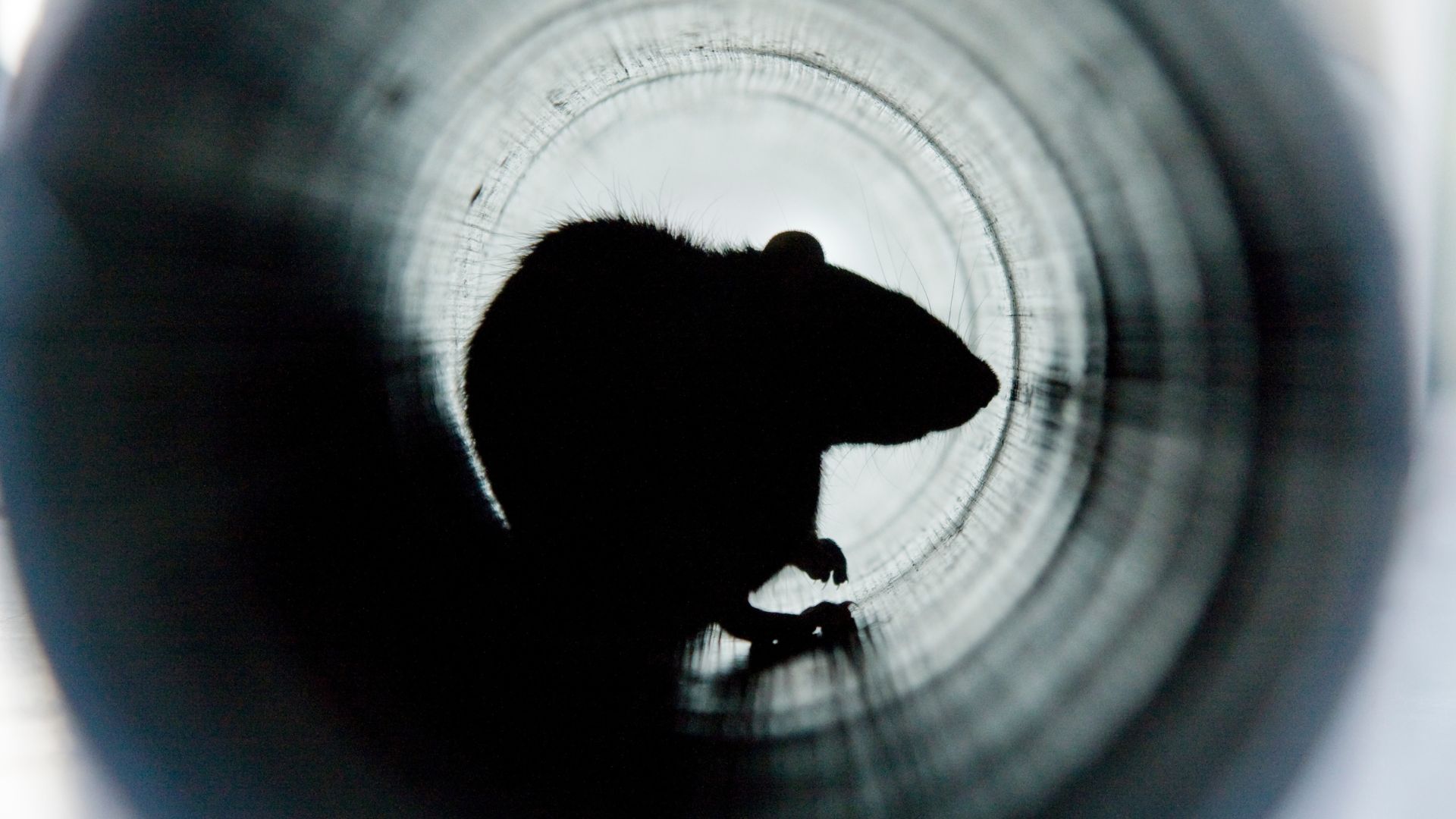
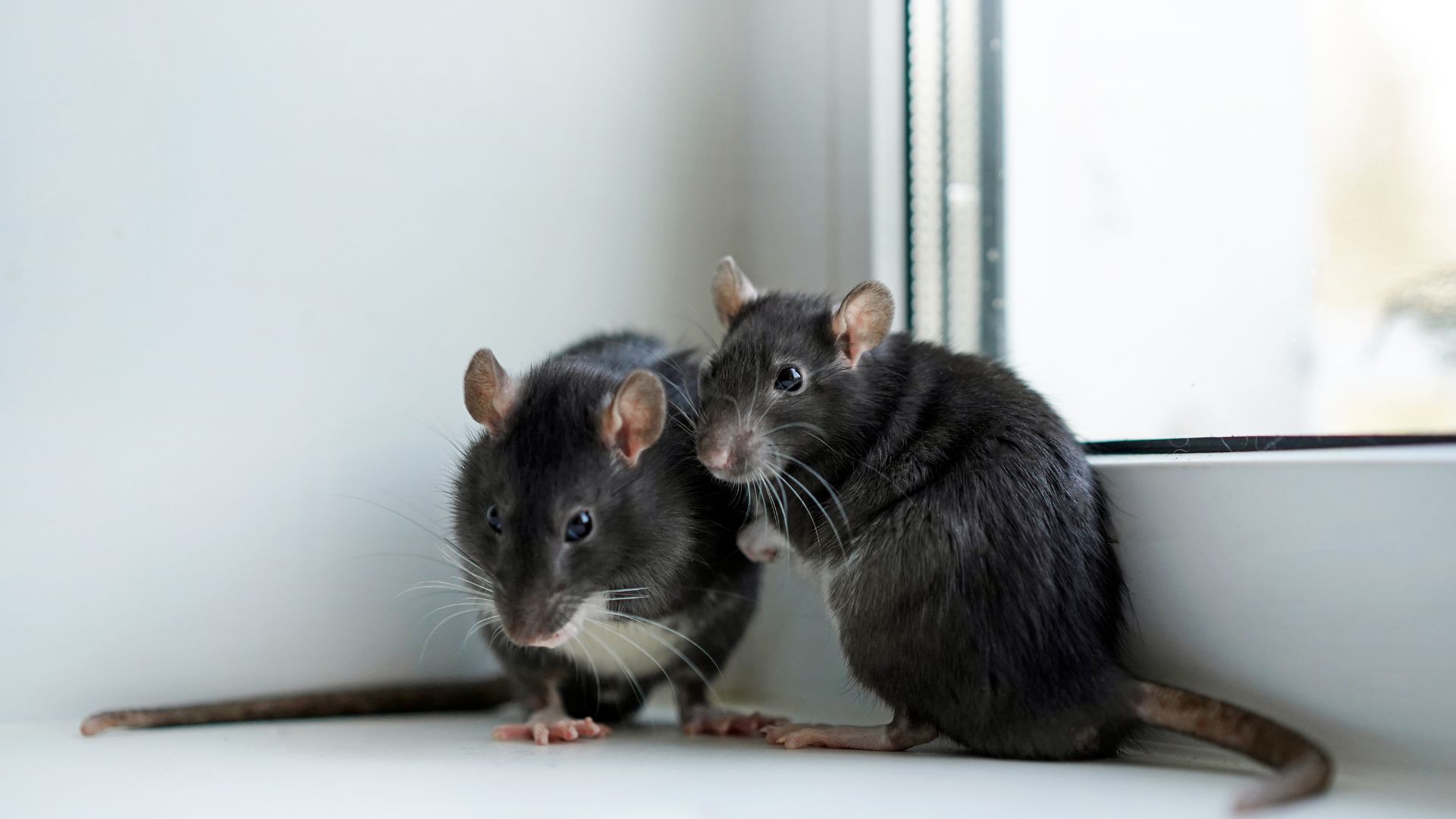
Most people don't go looking for a rat nest. They find one by accident, behind a box in the garage or inside a wall cavity they opened up for a different reason entirely. If you've spotted baby rats in your Placer County home, the problem is already more established than it looks.
Young rats don't appear without a breeding adult nearby, and that changes the urgency considerably.
What Does a Baby Rat Look Like?
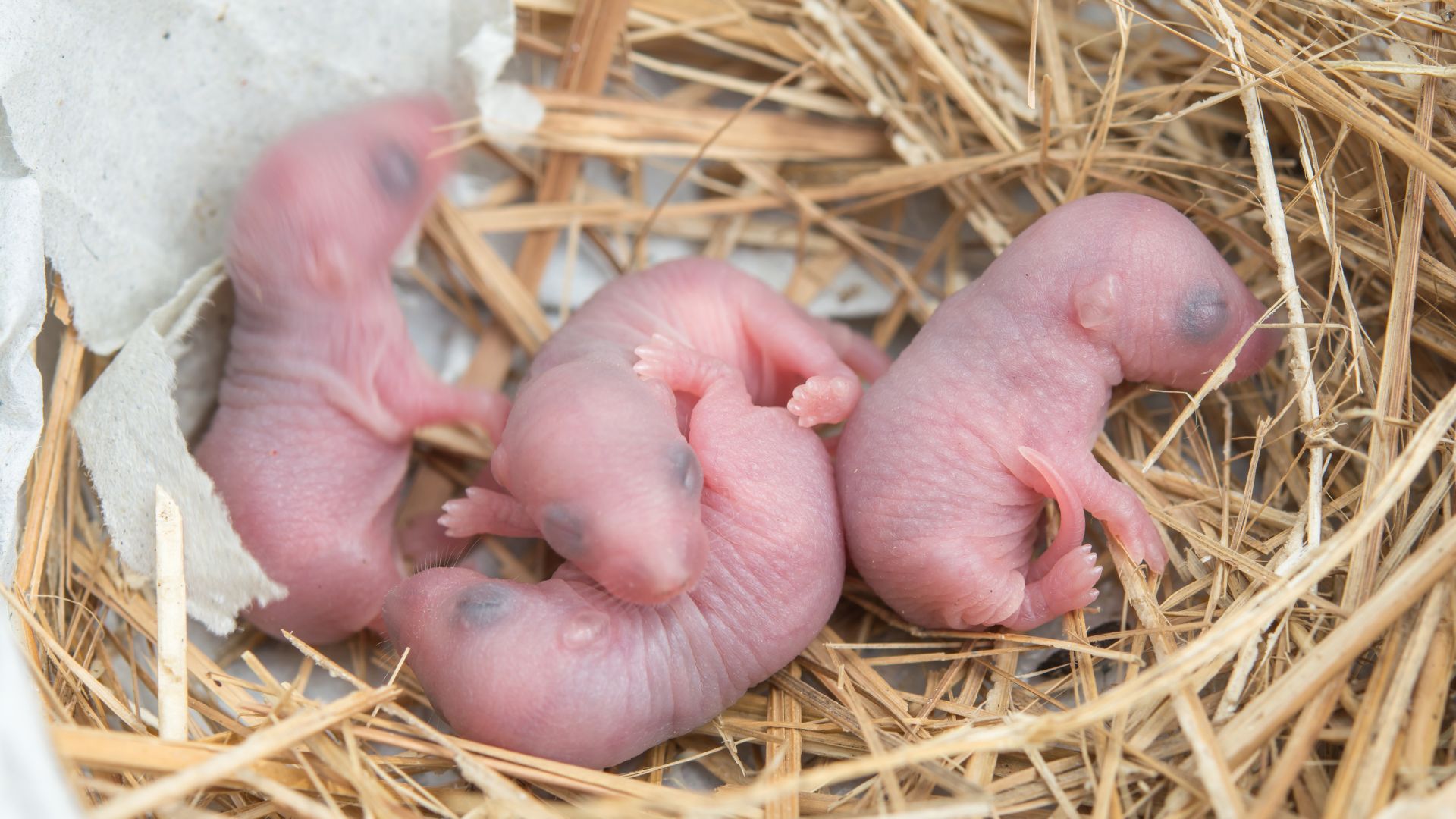
At birth, newborn rats are hairless, pink, and small enough to curl up in a teaspoon. Their eyes are sealed shut. They don't move much. For the first two weeks, they're entirely dependent on the mother, which means the nest is close by and actively being maintained.
When baby rats open their eyes, usually between day 14 and 17, they've already grown a full coat of fur. By week three, they're mobile and starting to explore. That's the stage where most homeowners first notice something moving that shouldn't be.
Signs You Have Baby Rats Living in Your Home
You probably won't see the young rats themselves, at least not at first. What you'll notice is the activity around them.
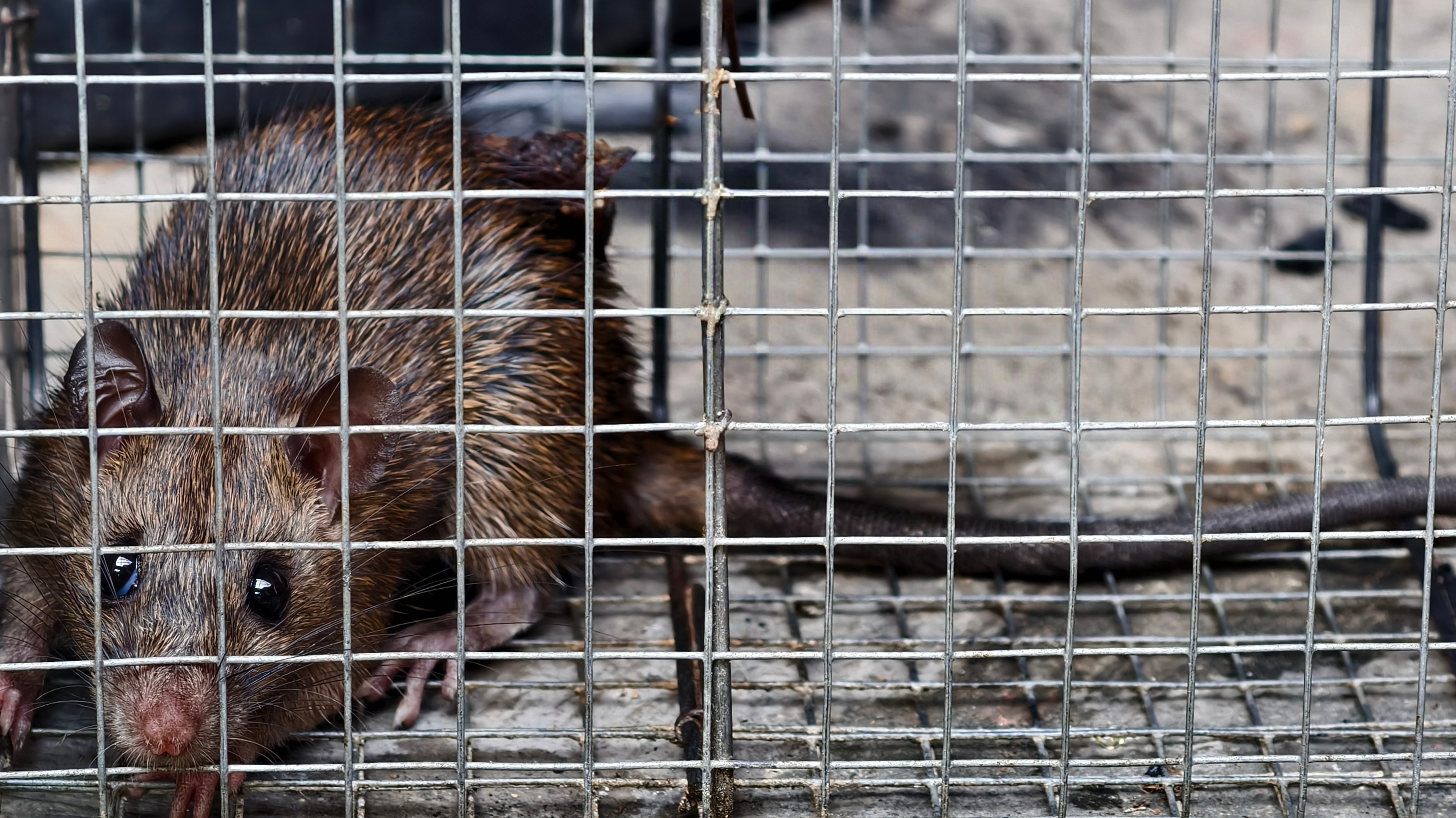
Shredded nesting material is usually the first sign. Rats pull apart insulation, cardboard, fabric, and dry plant matter to build nests in spots that stay warm and undisturbed. Attics and wall voids are the most common locations in Placer County, especially for roof rats, which favor elevated spaces and rarely nest at ground level.
Droppings near the nest area matter too, specifically the size variation. Juvenile rats produce smaller droppings than adults. Finding a mix of sizes clustered in the same spot is a strong indicator of a breeding group rather than a single adult moving through your space.
Nighttime scratching or movement sounds in the ceiling or walls are worth paying attention to. A nest with active young generates consistent noise during those hours. If you're also noticing gnaw marks on structural material nearby, that confirms something has settled in and isn't passing through.
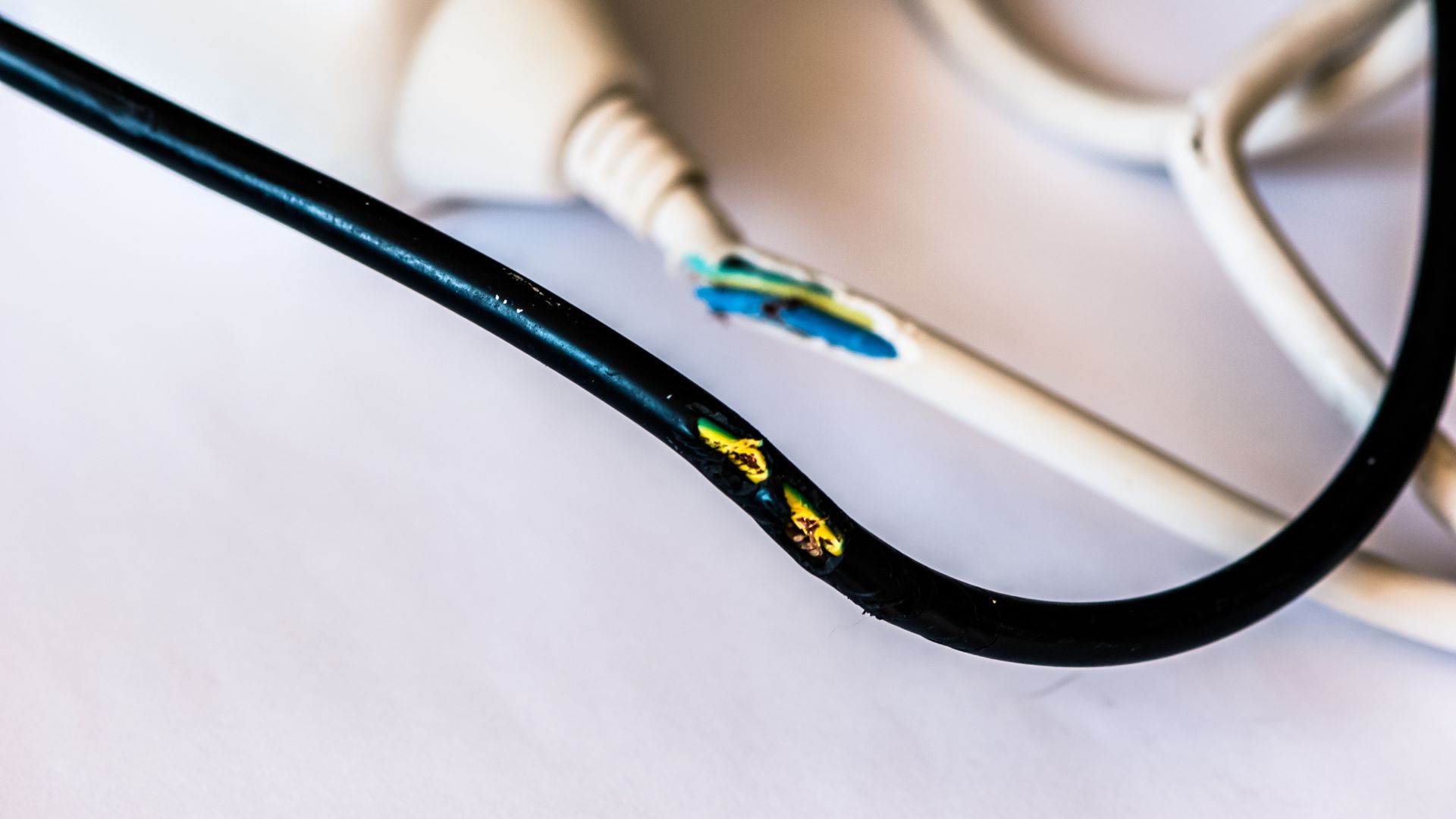
Rats chew through wires regularly, and the damage pattern they leave behind is one of the more reliable markers of an established presence.
How Fast Do Rats Reproduce?
Faster than most people expect, and that's not an exaggeration. The rat gestation period is only 21 to 23 days. A female can become pregnant again within 48 hours of giving birth. She doesn't need a long recovery window.
How many babies rats have per litter averages six to twelve. Sometimes more. In a warm, sheltered space with consistent food access, a single female can move through multiple litters in a matter of weeks.
Placer County's mild winters extend the breeding season well beyond what you'd see in colder climates. Norway rats take particular advantage of that. By the time you notice the signs of a nest, the population is rarely as small as it appears.
The speed at which rats multiply is the detail that catches homeowners off guard. What looks like a small problem in February can be a serious infestation by April.
What to Do If You Find Baby Rats in Your House
Don't disturb the nest before you have a plan. Removing young rats without addressing the adults first often causes the mother to move her remaining young somewhere deeper and harder to access. You end up with a more dispersed problem instead of a contained one.
Start by identifying how they got in. A young rat can squeeze through a gap roughly the size of a quarter. Check around utility pipes, roof vents, and the bottom edge of garage doors. Worn weatherstripping is a frequent entry point that's easy to overlook.
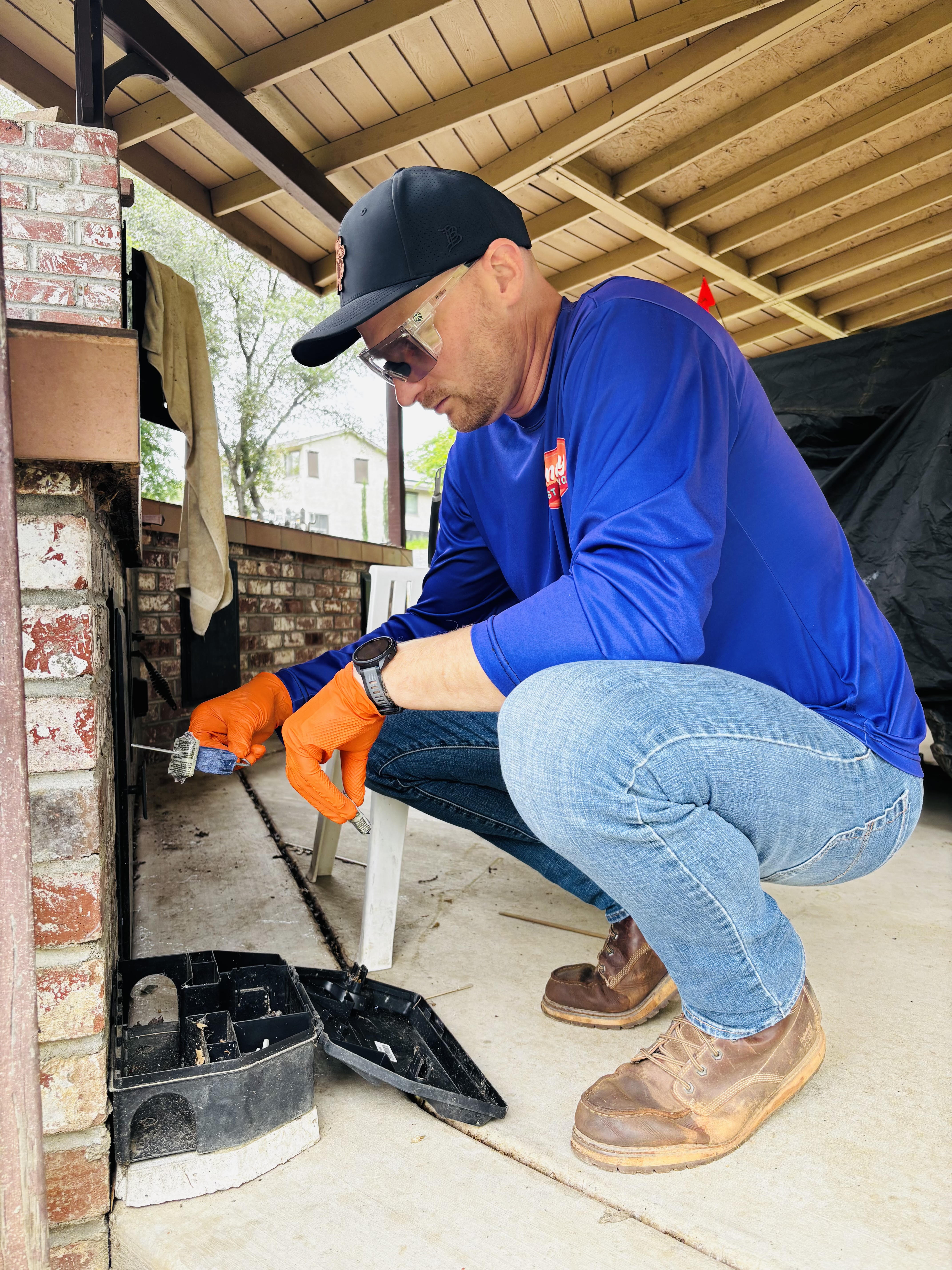
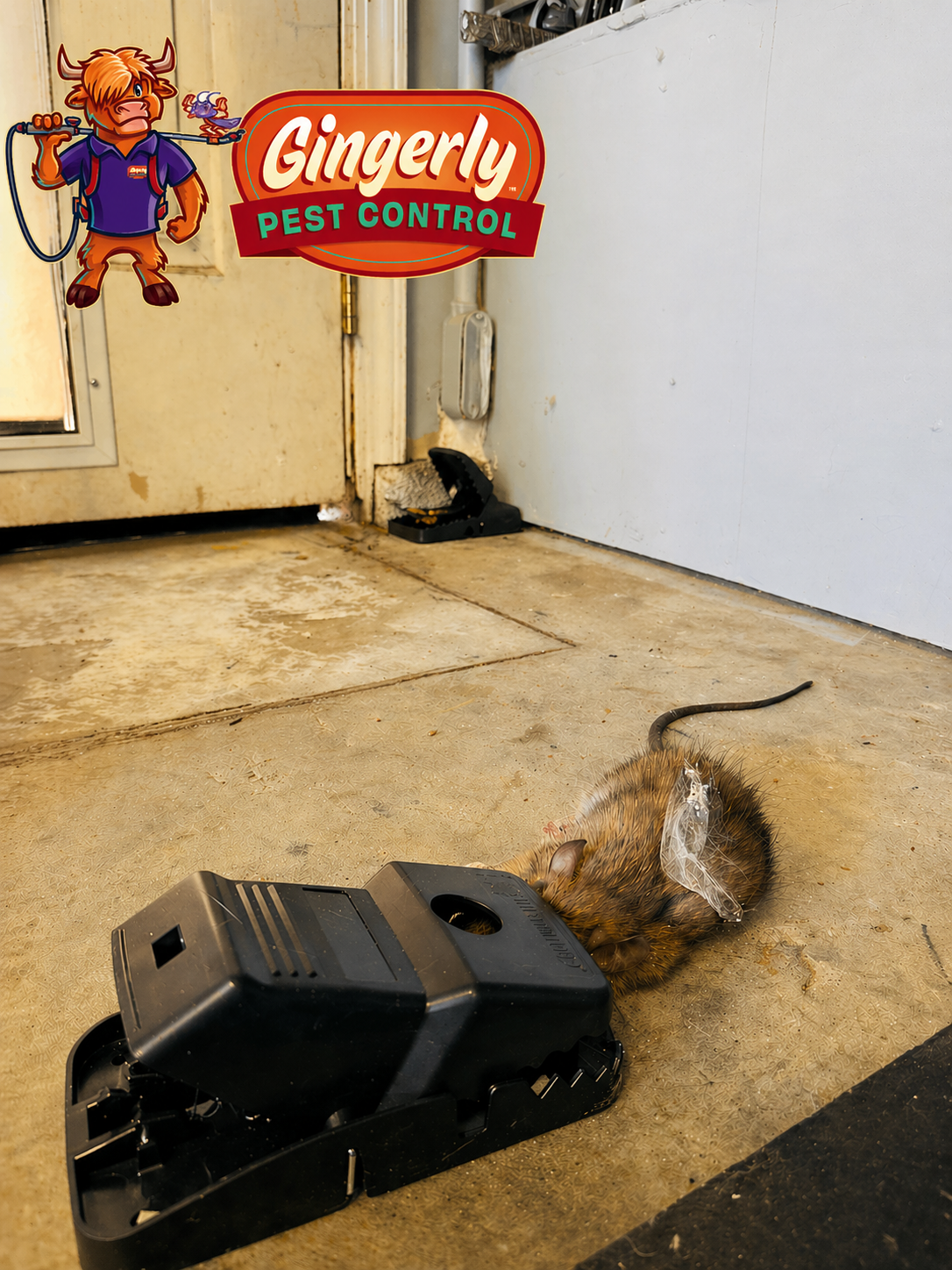
Snap traps placed flush against walls and along active travel paths outperform poison in most nest situations. Rodenticide kills rats but doesn't stop them from dying inside your walls. That creates an odor problem that can linger for weeks, sometimes longer, depending on where the carcass ends up.
Sealing entry points matters just as much as the traps themselves. Without closing access, new rats will eventually move into the space you've cleared out.
Anything beyond a single stray adult is worth getting professional eyes on. A trained technician can locate entry points you'd miss and assess how established the population actually is. Gingerly's rodent control services are built around treating the full situation, not just what's visible from the surface.
Get Professional Rat Control from Gingerly Today
A nest of baby rats doesn't stay small for long, especially heading into Placer County's warmer months when breeding activity picks up. If you've heard movement in your walls at night or found signs of nesting in your attic, don't wait to see how it develops.
Contact Gingerly today, and let's figure out exactly what you're dealing with.







.jpeg)