
Rat Removal From Cars in Lincoln, CA
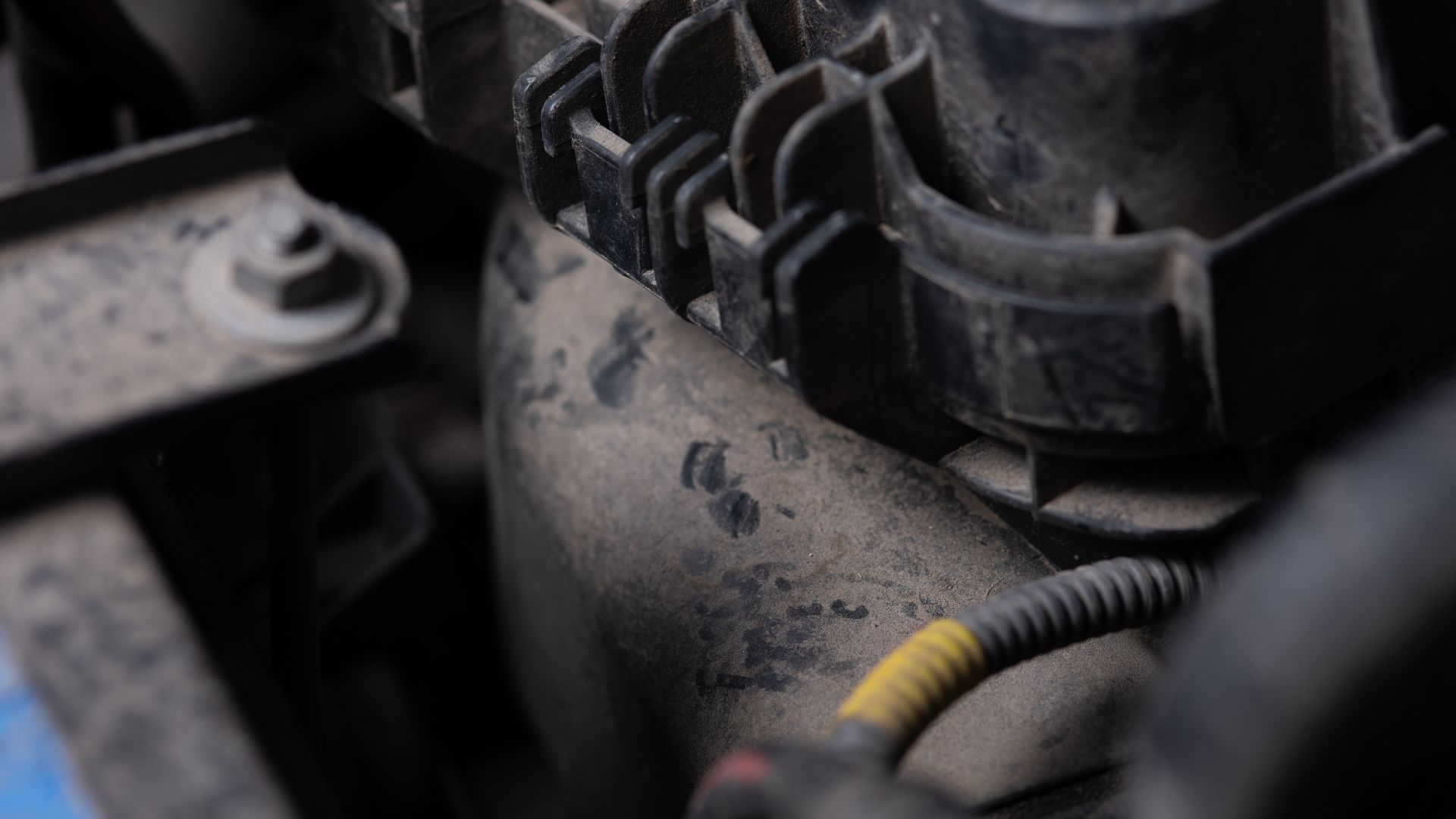
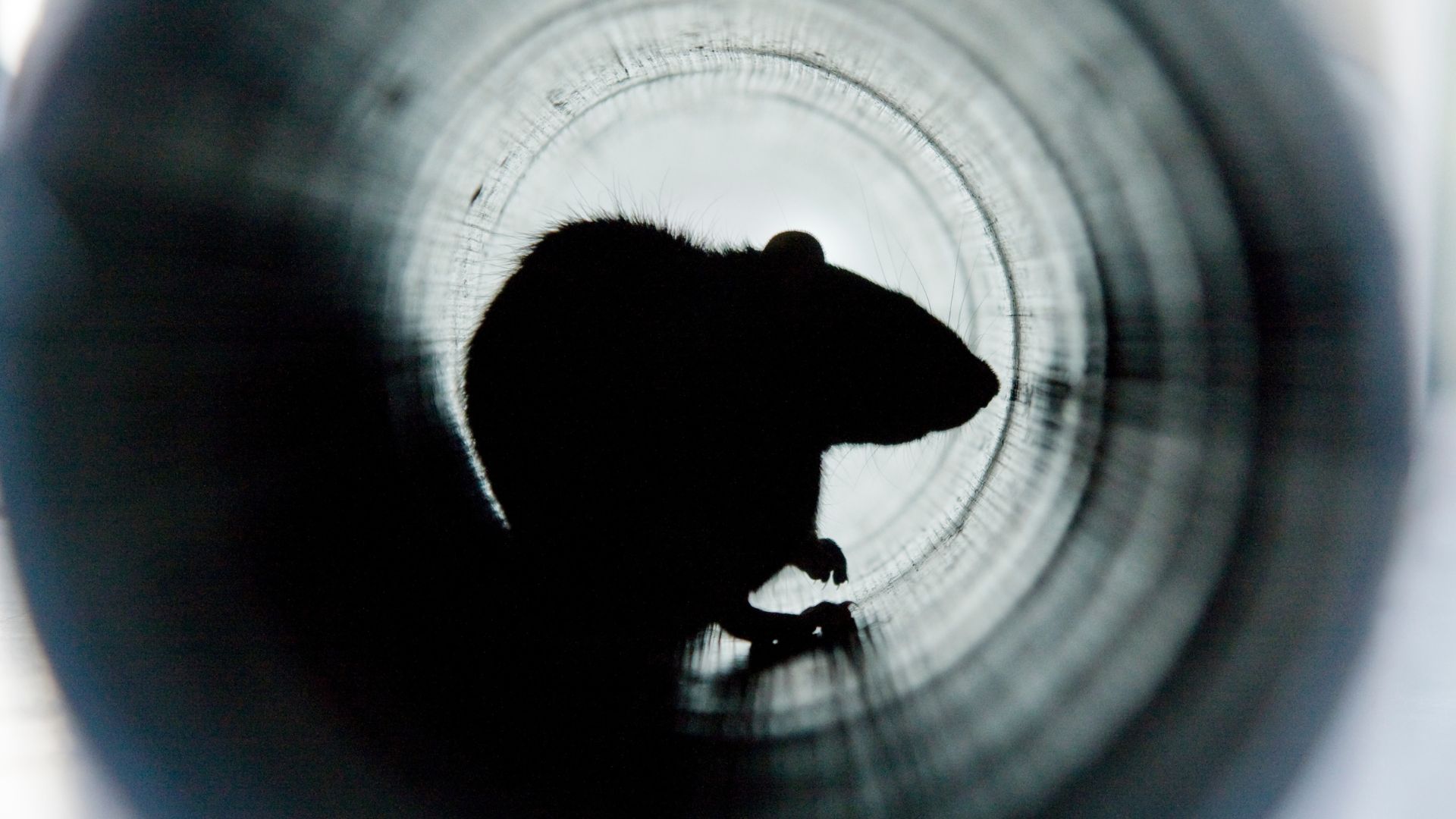
Rat removal from a car is not something most Lincoln homeowners plan for, but in Placer County, it's a more common call than you'd think. A parked vehicle gives rats shelter, warmth, and an endless supply of material to chew through.
Open fields and residential neighborhoods sitting side by side mean rodent pressure stays high year-round. Finding droppings, chewed wires, or a nest tucked under your hood means one thing: act fast.
How Rats Get Into Your Car
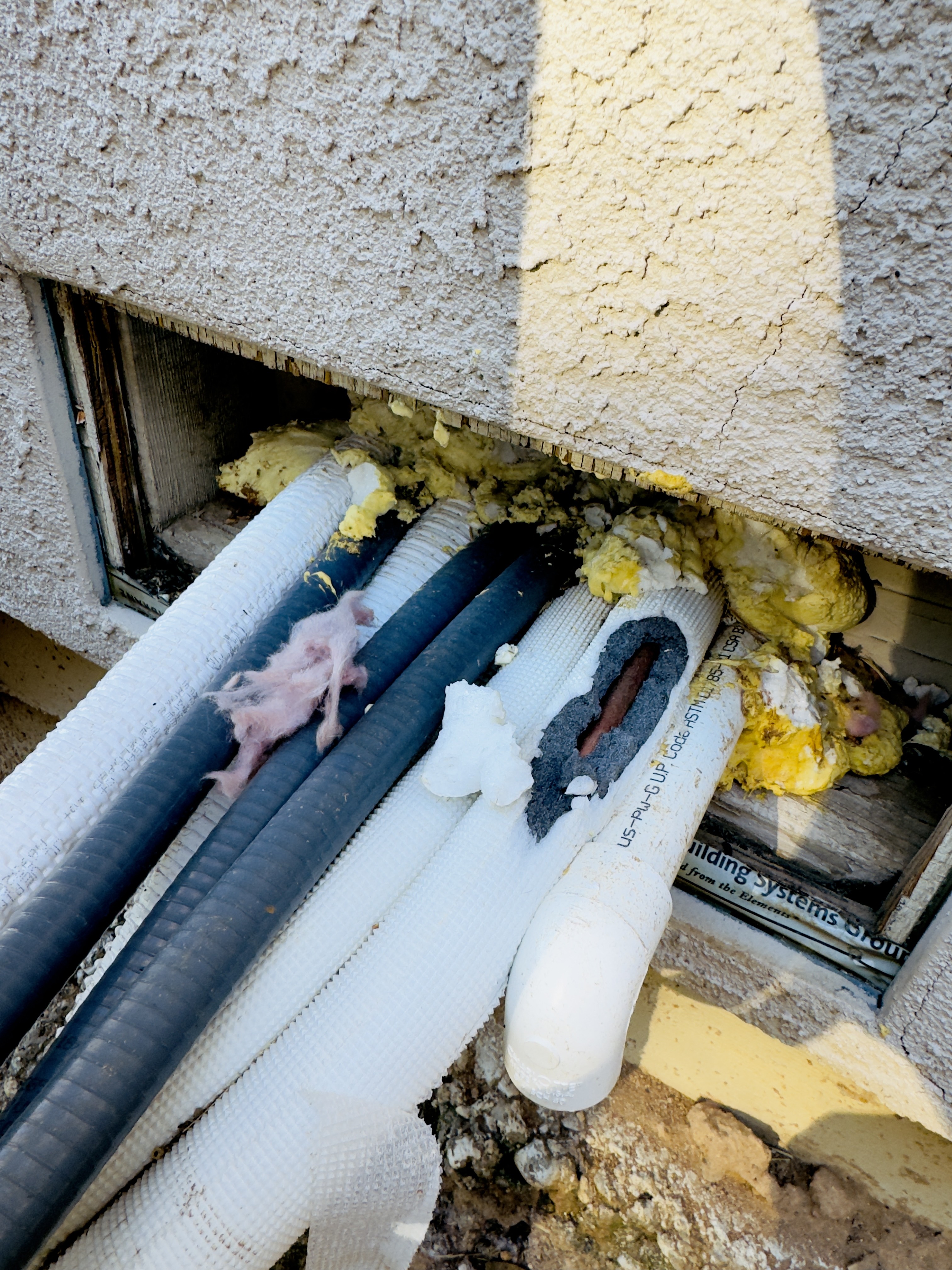
Cars have far more entry points than most people realize. Rats can squeeze through gaps as small as a quarter, and your vehicle gives them several ways in. Gaps around pedal shafts, ventilation systems, and openings in the undercarriage are all common access routes. Rats climb easily, too, so a car parked off the ground offers no real protection.
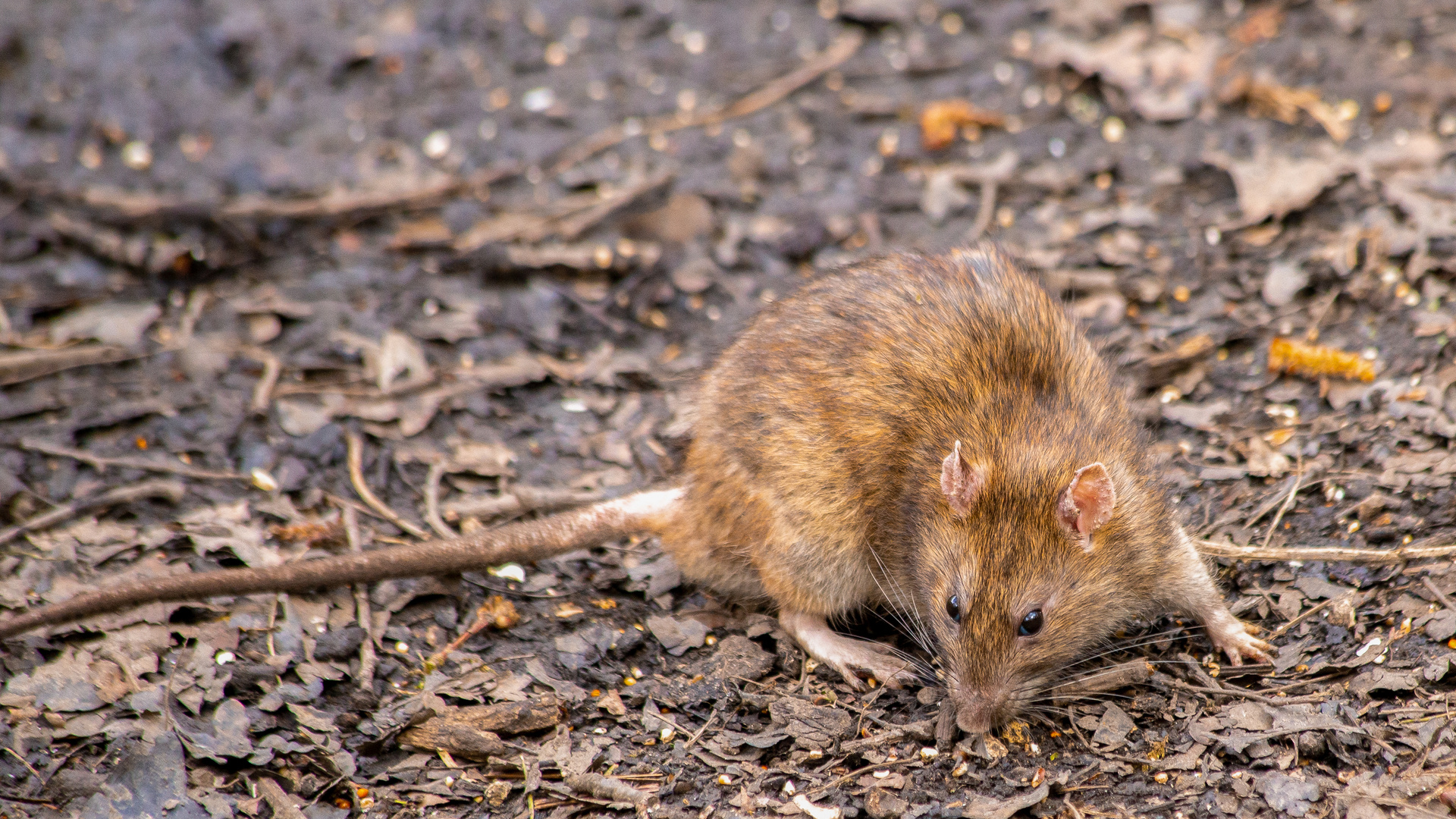
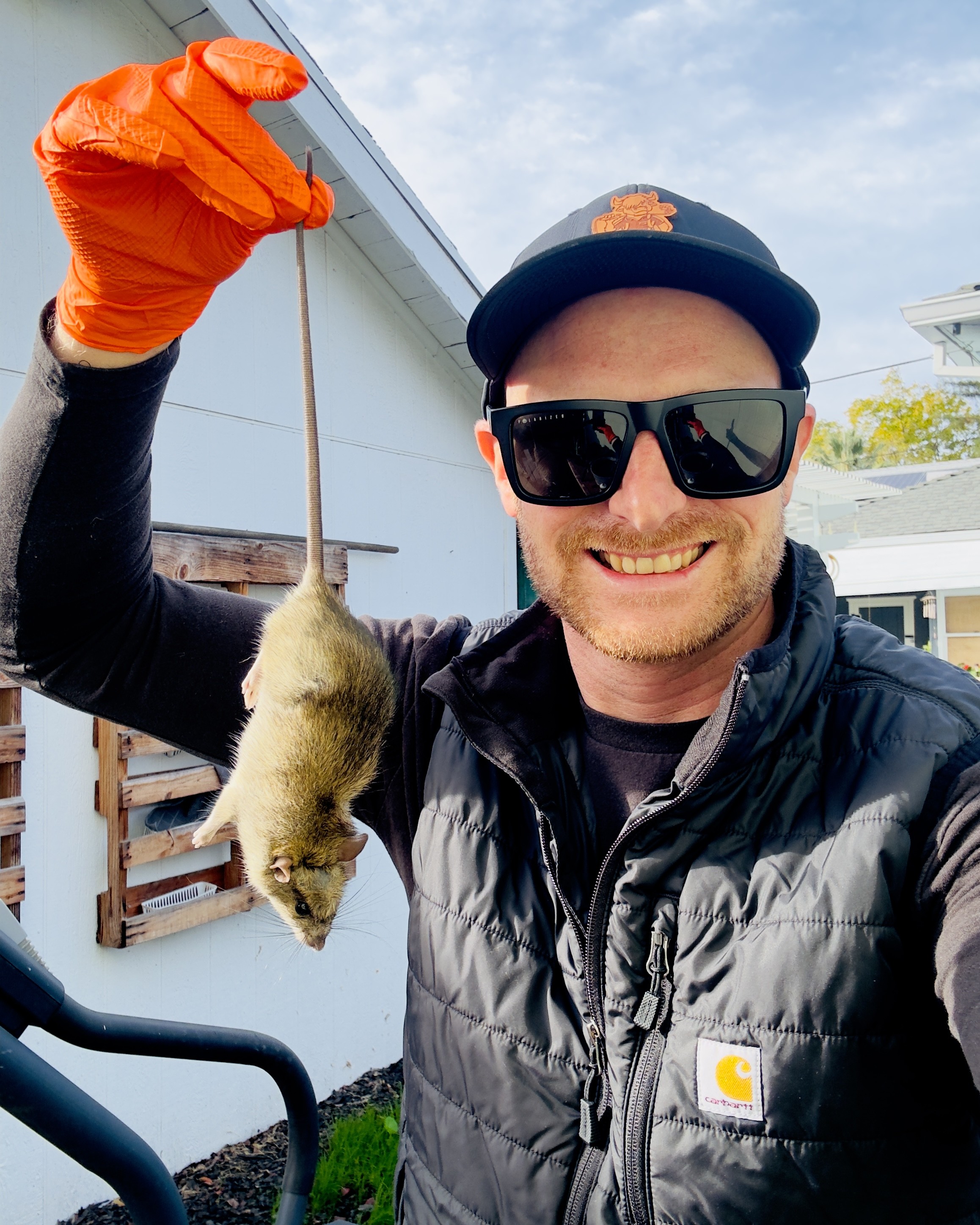
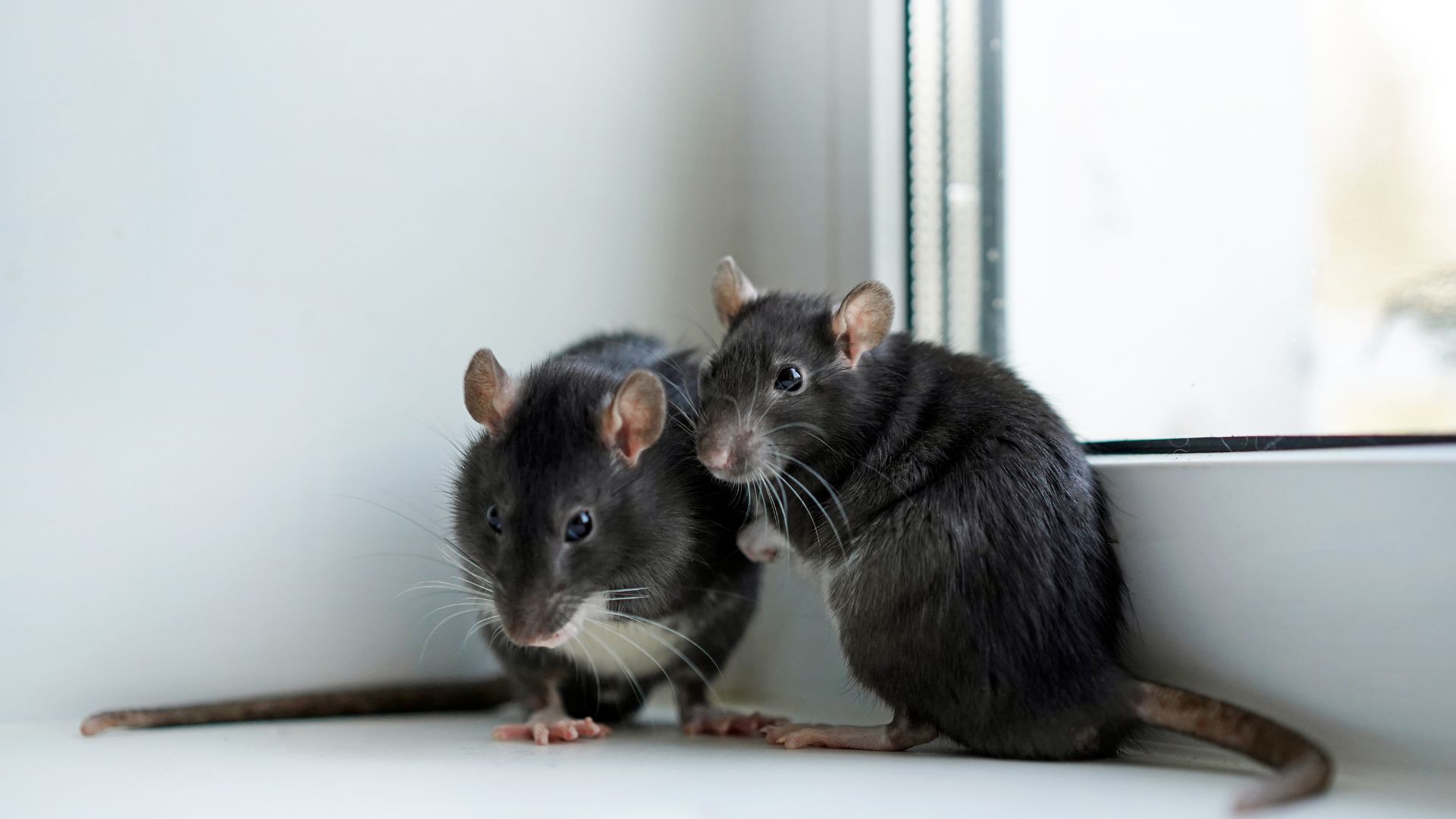
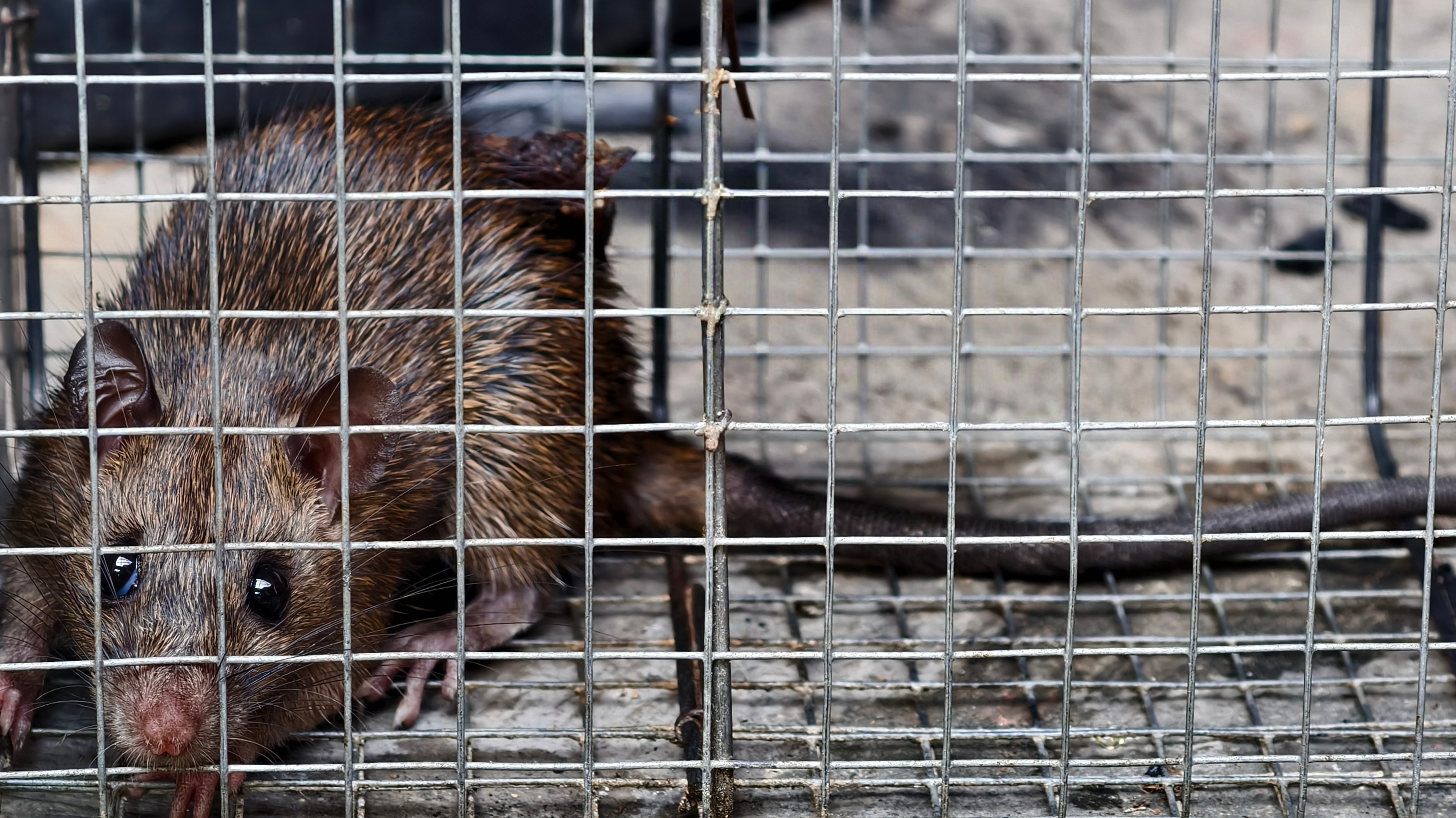
In Lincoln and the surrounding Placer County areas, Norway rats are among the most frequent offenders. They burrow, they're persistent, and they gravitate toward any structure that offers shelter, including your car. Norway rat activity in California tends to spike in cooler months when outdoor food sources thin out and rodents go looking for warmer spaces.
Why Rats Chew Car Wires
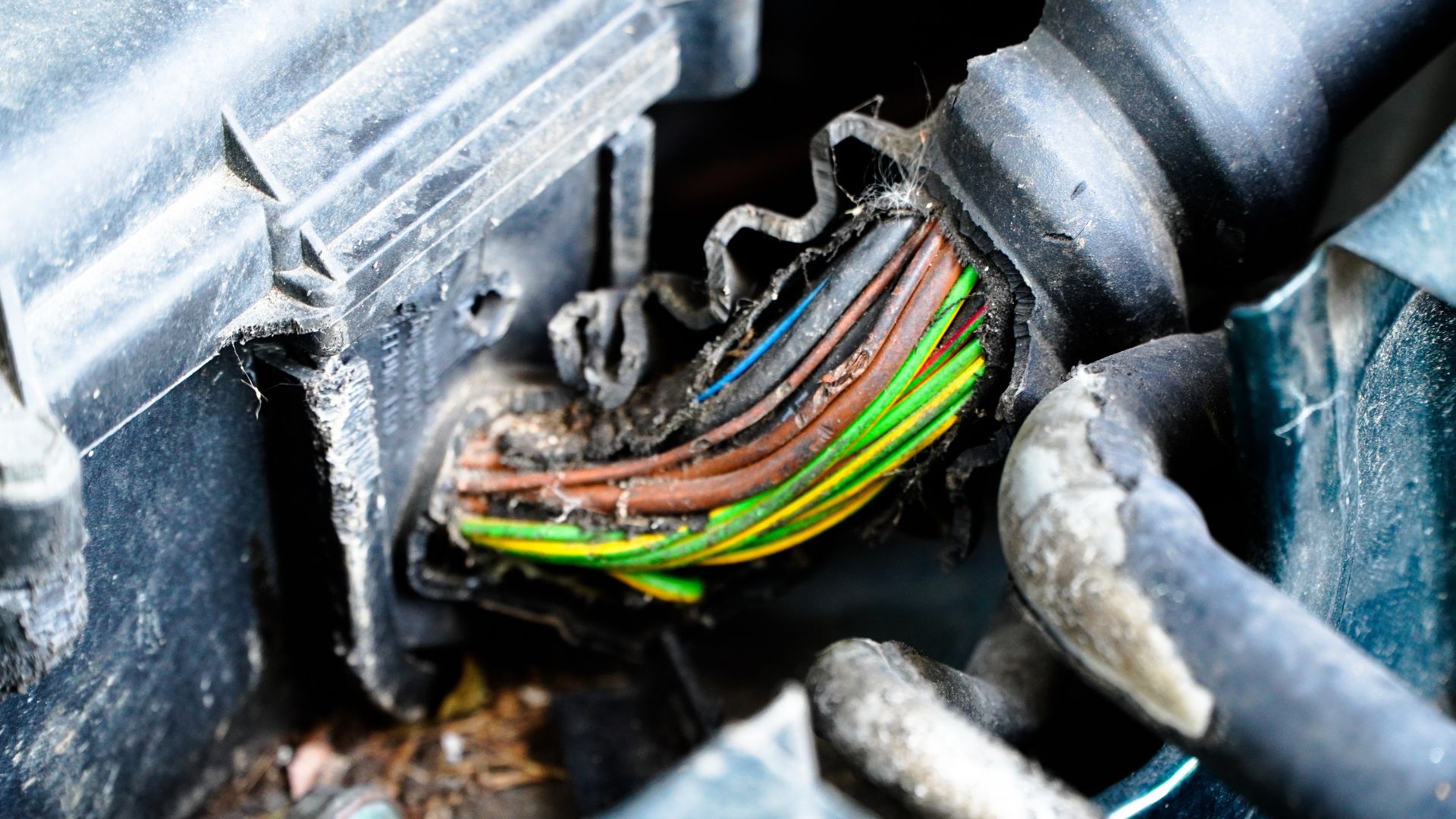
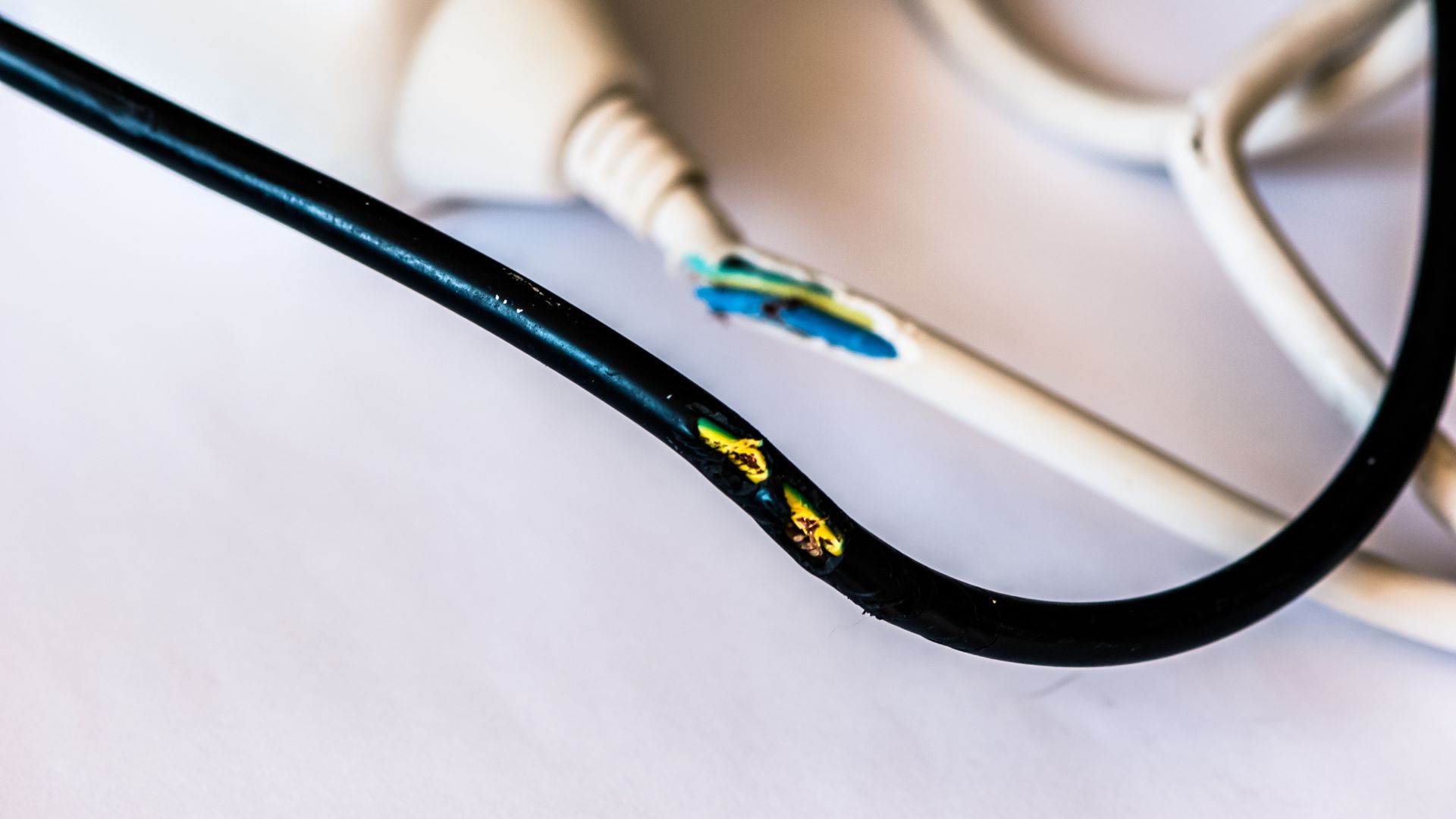
Rats chew wires for two reasons: their teeth never stop growing, and wiring insulation gives them something to gnaw through constantly. Modern vehicles use soy-based insulation on many wire harnesses, and rats find it particularly attractive. Once they start, they rarely stop at one wire.
Chewed wiring can disable your engine, trigger warning lights, and cause electrical failures that cost thousands to repair. Car pest control for vehicles is not just about removing animals, but protecting a significant financial investment.
How to Remove Rats From Your Car
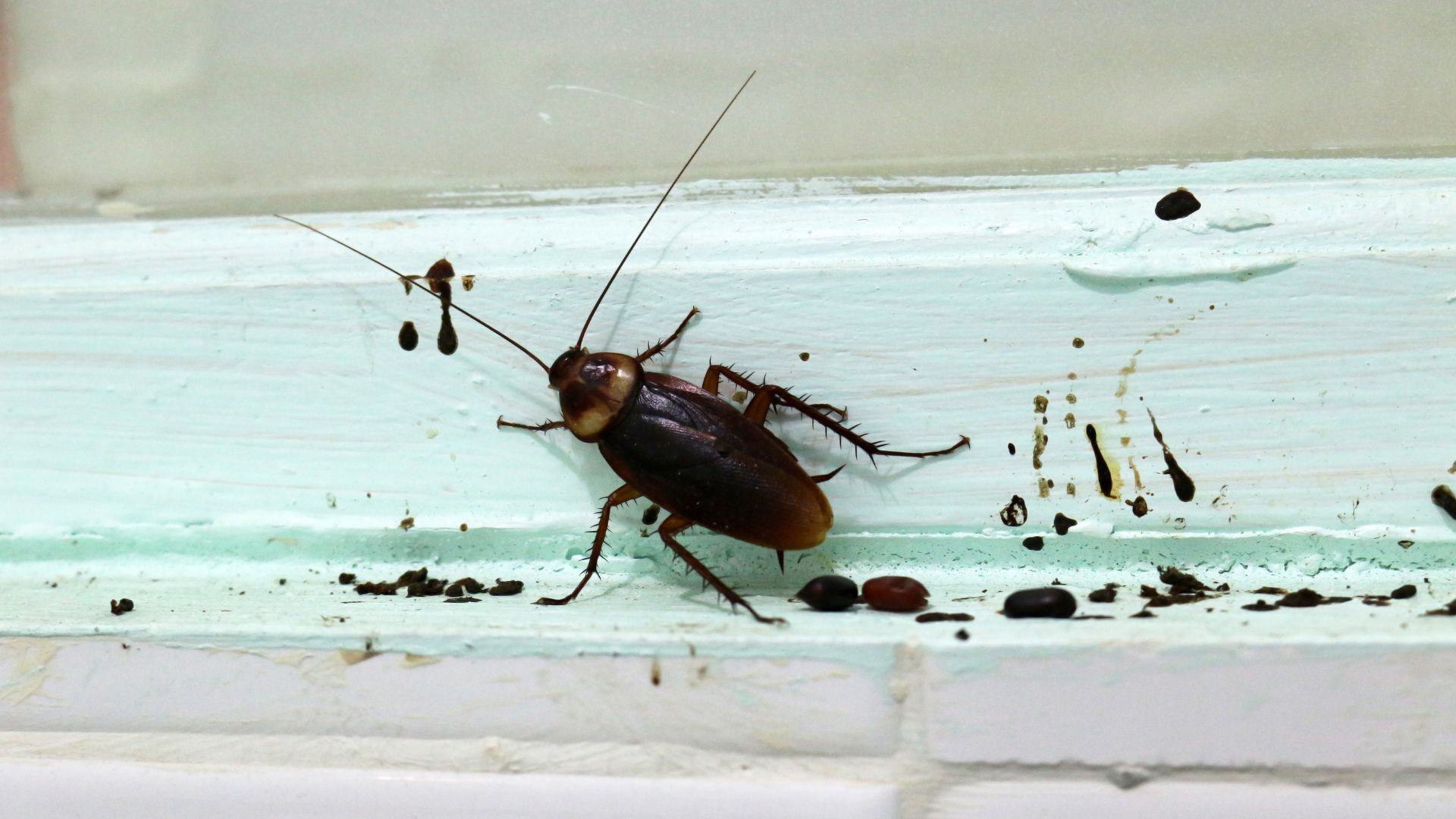
Start by confirming active rat activity. Look for droppings near the tires, chewed material under the hood, or nesting debris around the engine block. A strong ammonia smell inside the cabin can also point to a nearby nest.
From there:
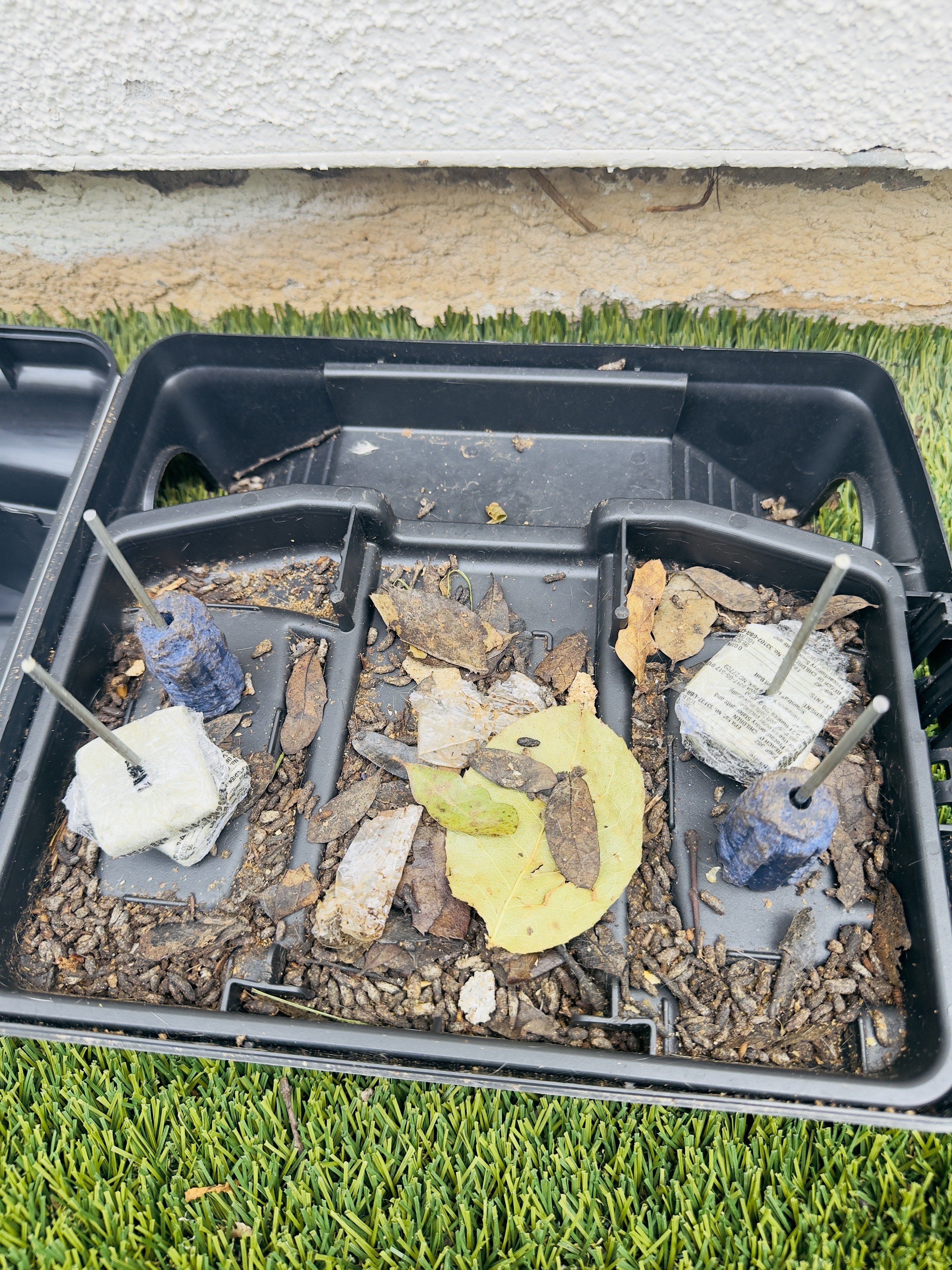
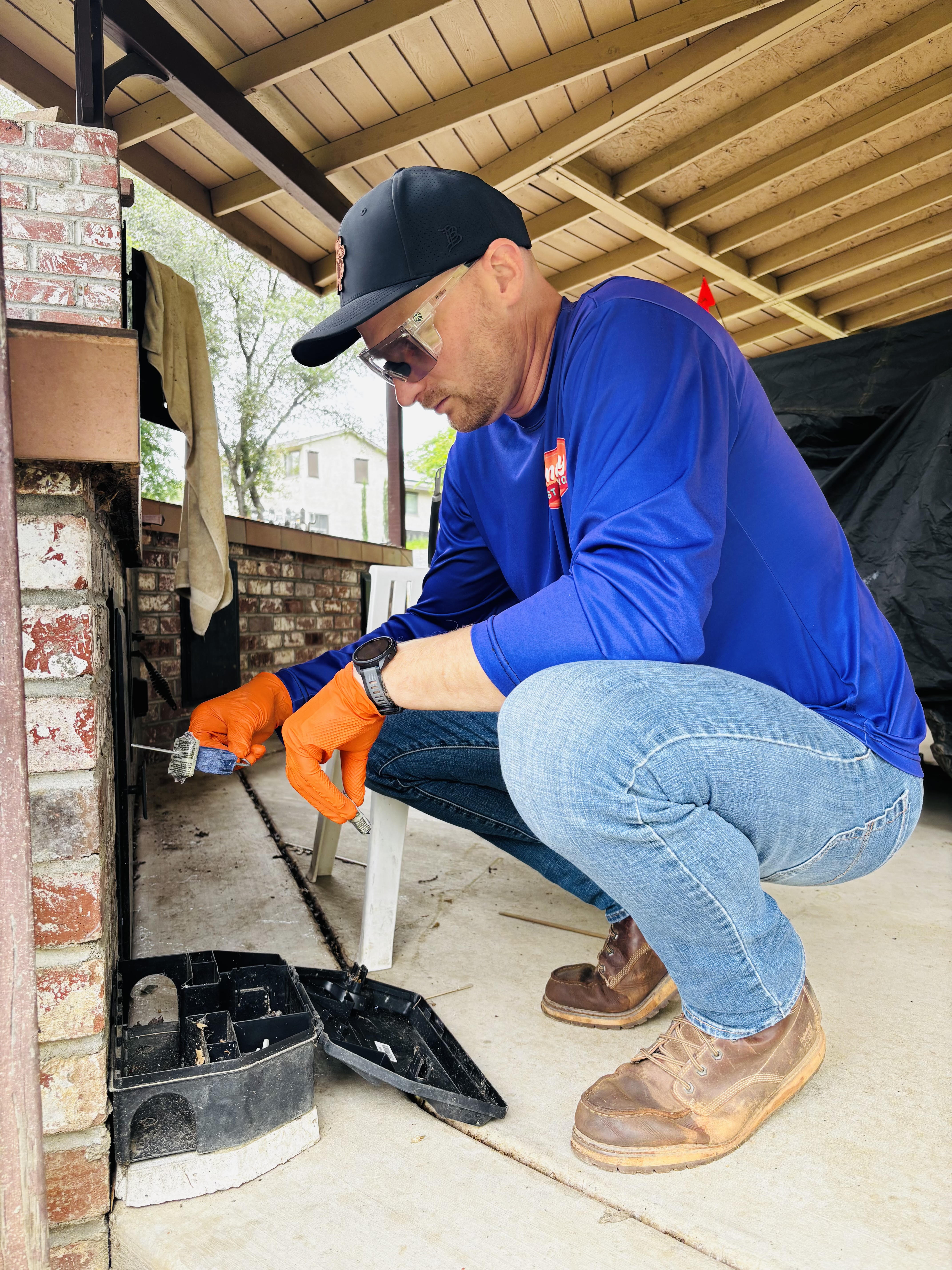
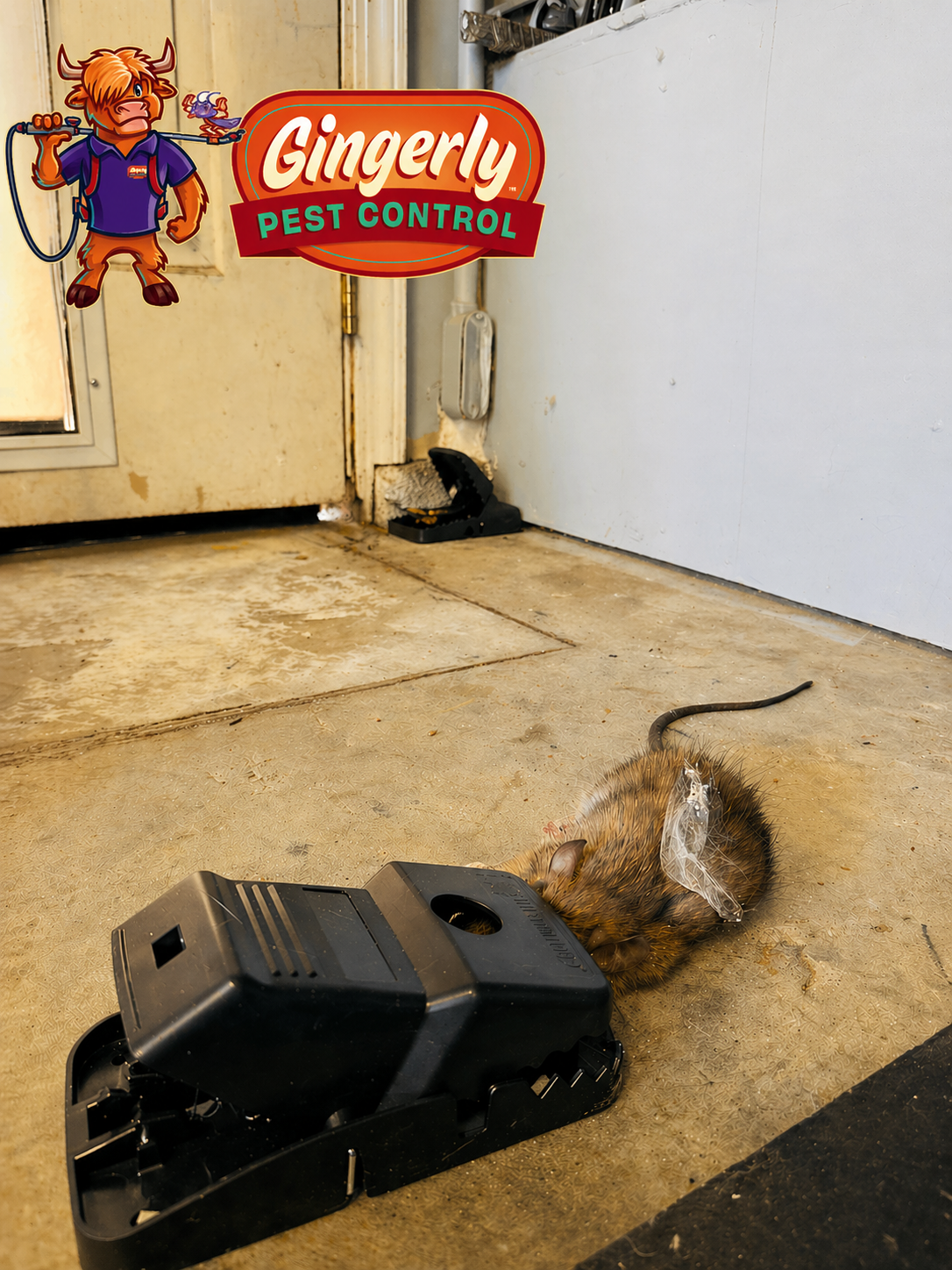
- Set snap traps around the tires and beneath the undercarriage. These are the most effective and work quickly
- Check and reset traps daily
- Remove nesting material with gloves and dispose of it in a sealed bag
- Clean the affected area with an enzyme-based cleaner to break down scent trails, since rats return to spots they have already marked
If you find chewed wires during the process, have a mechanic inspect the vehicle before you drive it. Damaged wiring can cause electrical shorts that create bigger problems down the road.
When the infestation has spread beyond the car into your garage or home, professional rodent control handles both the vehicle and the surrounding environment at the same time, rather than treating them as separate problems.
How to Keep Rats Out of Your Car
Removing rats solves the immediate problem. Keeping them out is what protects you long-term.
- Park in a closed garage whenever possible and seal gaps along the garage door and walls
- Avoid parking near dense vegetation, wood piles, or compost bins as these are active rat hotspots
- Lift your hood overnight during extended parking periods; rats prefer dark, enclosed spaces
- Clear all food from your vehicle, including wrappers and crumbs
- Place mothballs or cedar blocks near the engine bay as a short-term deterrent
One question that comes up often: is rodent damage covered by auto insurance? Comprehensive coverage typically includes it, but not all policies are the same. Check with your provider before assuming you're covered, especially if you've already spotted damage.
Rodent pressure around your property plays a direct role in how often rats find their way into parked vehicles. If you're in Placer County and dealing with activity beyond just your car, addressing the broader infestation around your home is what actually breaks the cycle.
Gingerly's pest control services in the local area target rodent populations at the source, so your vehicle isn't the only thing you're protecting.
Rodent Repellent Options for Cars
Several rodent repellent products for cars are worth using alongside the steps above:
- Peppermint oil: Soak cotton balls and place them around the engine bay. Rats avoid the scent, but you need to refresh it every few days
- Ultrasonic deterrent devices: Plug into a garage outlet and emit a frequency rats dislike. Most effective as part of a broader strategy rather than a standalone fix
- Rodent-repellent tape: Capsaicin-infused tape wraps directly around wiring harnesses and is one of the most reliable methods for keeping rats from chewing car wires
- Predator scent products: Formulas containing fox or coyote urine signal a threat and push rats away from the area
No single repellent holds up indefinitely on its own. Rotating between methods and pairing them with physical barriers gives you the strongest long-term results for keeping rats out of your car.
Call Gingerly for Car Rat Removal
Rats in your car are not a problem that resolves on its own. Every day they stay, the risk of wire damage, contamination, and a deeper infestation increases. If traps and repellents haven't made a dent, or activity is showing up in multiple spots around your property, professional help is the right move.
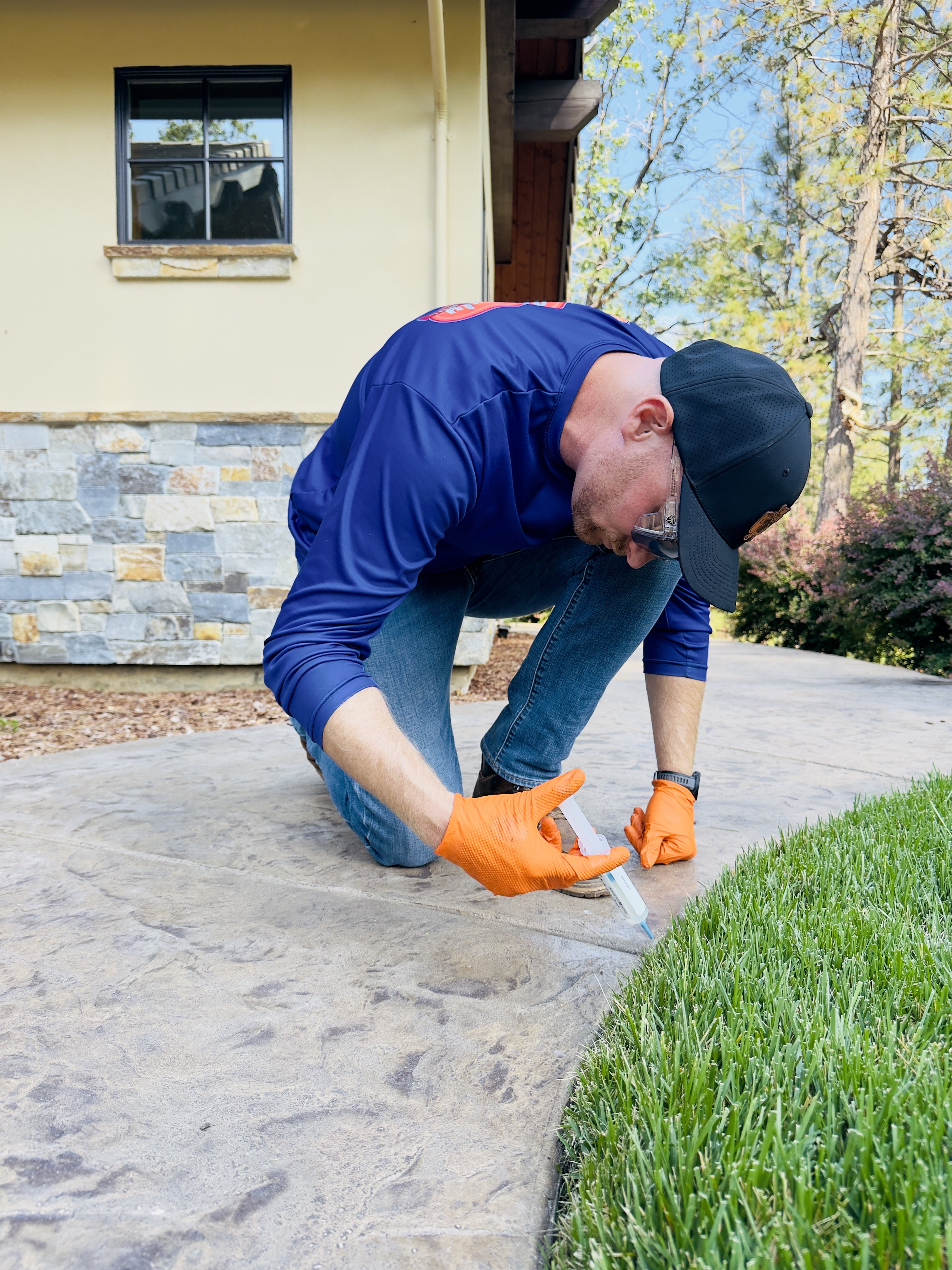
Gingerly's team handles rat removal from cars and the surrounding property, locating how rats are getting in and cutting off access for good.
Contact Gingerly today and get the problem handled before it costs you more than it should.
.jpg)




.jpeg)