
How to Get Rid of Sugar Ants in Your Kitchen

Sugar ants in your kitchen don't show up randomly. They follow scent trails left by scouts, and once they find a food source, the rest of the colony moves in fast. In Placer County, CA, warmer months push ant activity indoors earlier than most homeowners expect. Getting ahead of them starts with understanding what you're actually dealing with.
Sugar Ant Life Cycle and Behavior
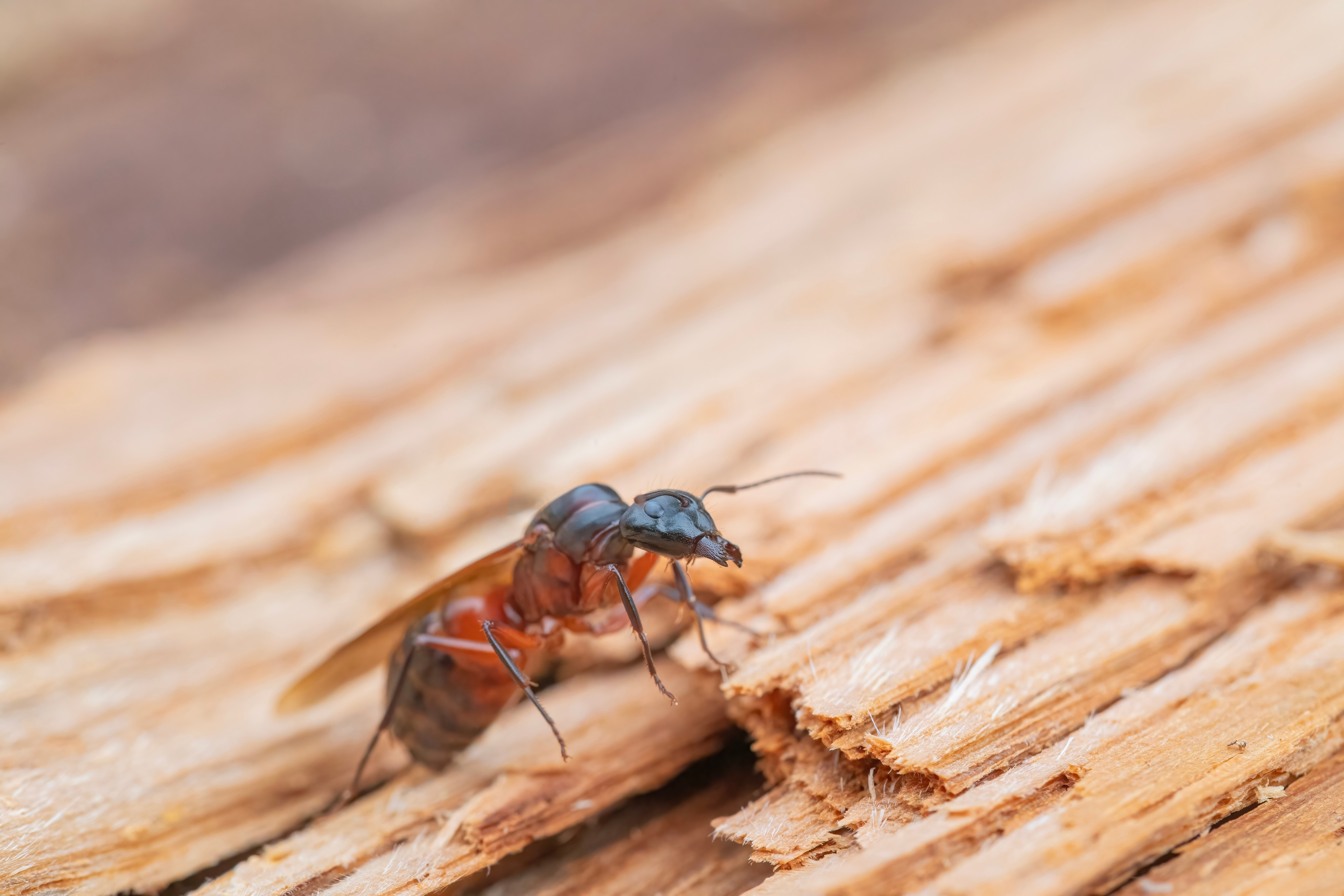
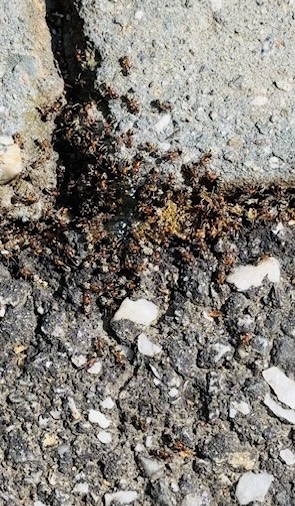
"Sugar ant" is a term most people use for any tiny ant in the kitchen, but in California, it typically refers to odorous house ants or pavement ants drawn to sweet and starchy foods. Identifying them correctly matters because behavior and nesting habits vary between species.
Sugar ants are small, ranging from 2 to 3mm for workers. What makes them persistent is their colony structure. The types of ants in a colony break down into three roles: the queen, workers, and males. Workers are the ones trailing across your counter. They forage, carry food back, and protect the nest. The queen's only job is reproduction, and she does it constantly.
Sugar ant eggs hatch within weeks under warm conditions, and a healthy queen can keep producing for years. Sugar ant lifespan for workers runs a few months, but with a queen still active, the colony replaces them continuously. Spraying the ants you see doesn't solve anything if the nest stays intact.
What attracts ants into kitchens comes down to three things: food, moisture, and access. Sticky counters, open containers, pet food left out, and even a few crumbs near the stove are enough to keep them coming back day after day.
Ways to Get Rid of Sugar Ants in Your Kitchen
Clearing a sugar ant infestation takes more than wiping surfaces. You need to cut off entry points, break their trails, and go after the nest directly.
Ant Entry Points and Prevention in the Kitchen
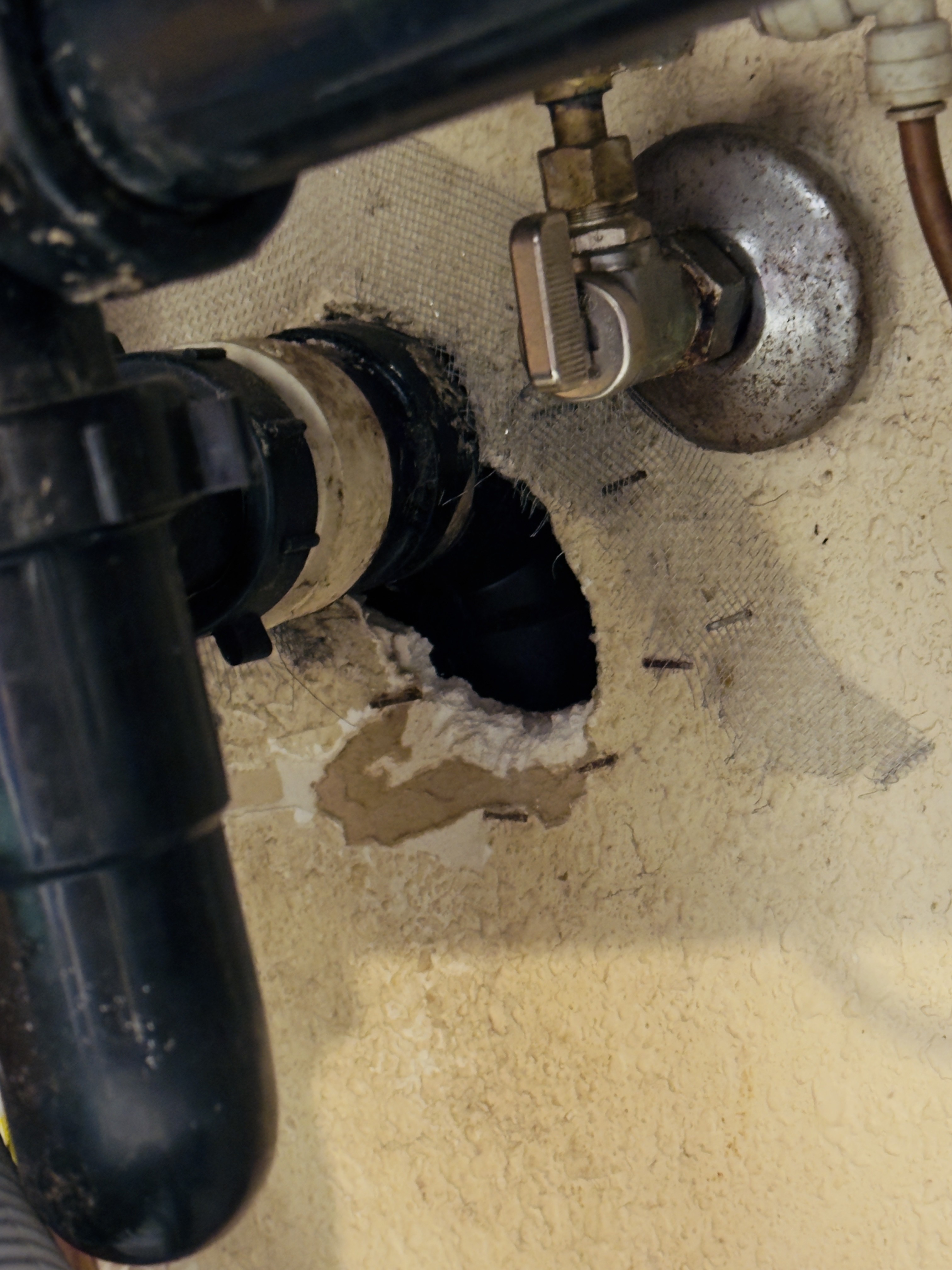
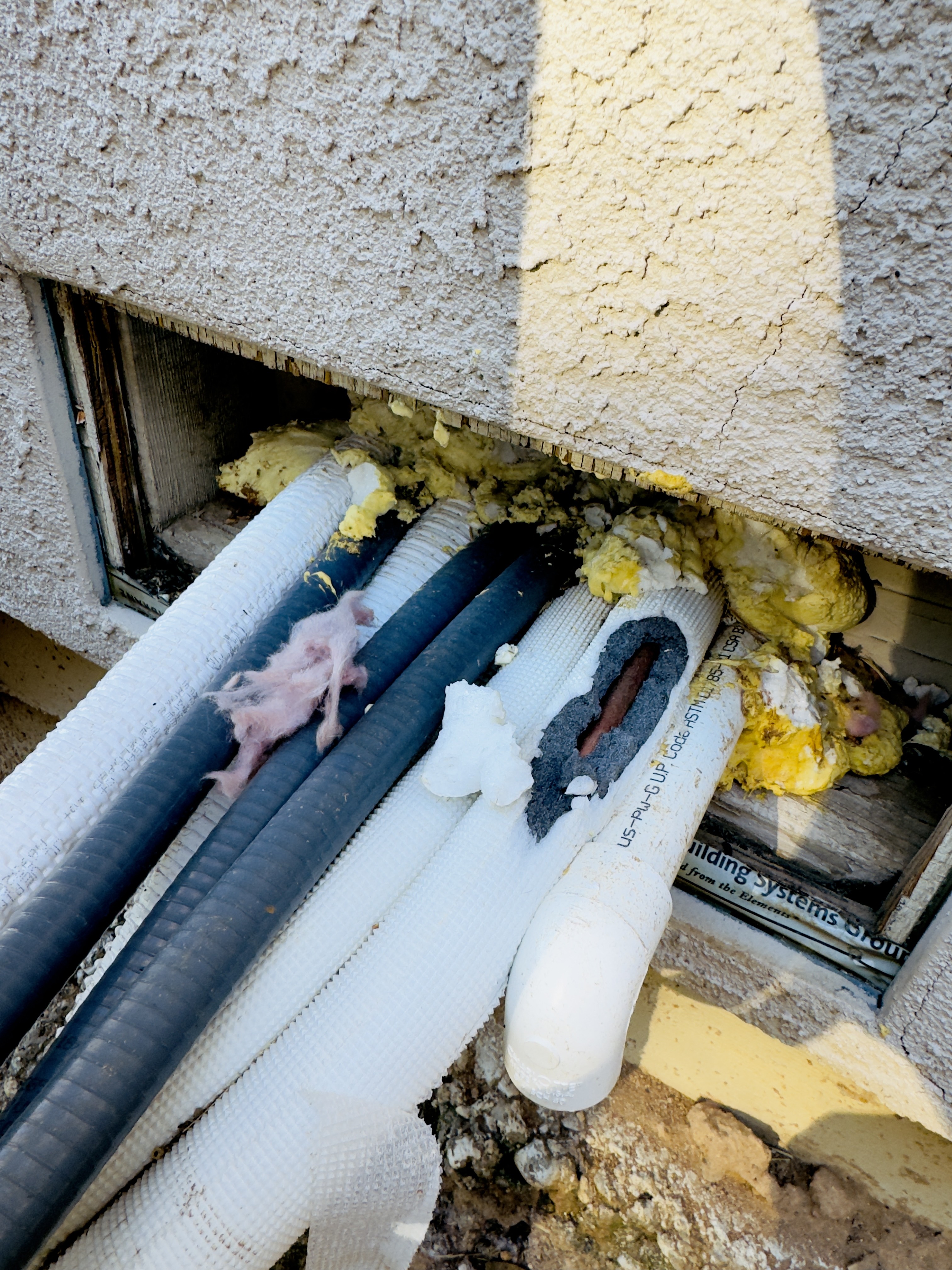
Tiny little ants squeeze through gaps most people don't think twice about. Cracks around window frames, gaps where pipes enter walls, and worn door sweeps are all common entry points. Seal them with caulk and check them seasonally.
Alongside sealing gaps, remove what draws them inside:
- Store all food, including dry goods, in airtight containers
- Wipe down counters and the stovetop after cooking
- Take out kitchen trash daily and keep the bin lidded
- Repair dripping faucets or pipes, since moisture attracts small ants in the kitchen as much as food does
- Clean pet food bowls regularly and avoid leaving them out overnight
Eliminating ant trails is just as important as blocking entry. Ants navigate by pheromone trails. Wiping active trails with soapy water or white vinegar breaks the scent and disrupts their path back to the food source.
Best Ant Traps for Sugar Ants
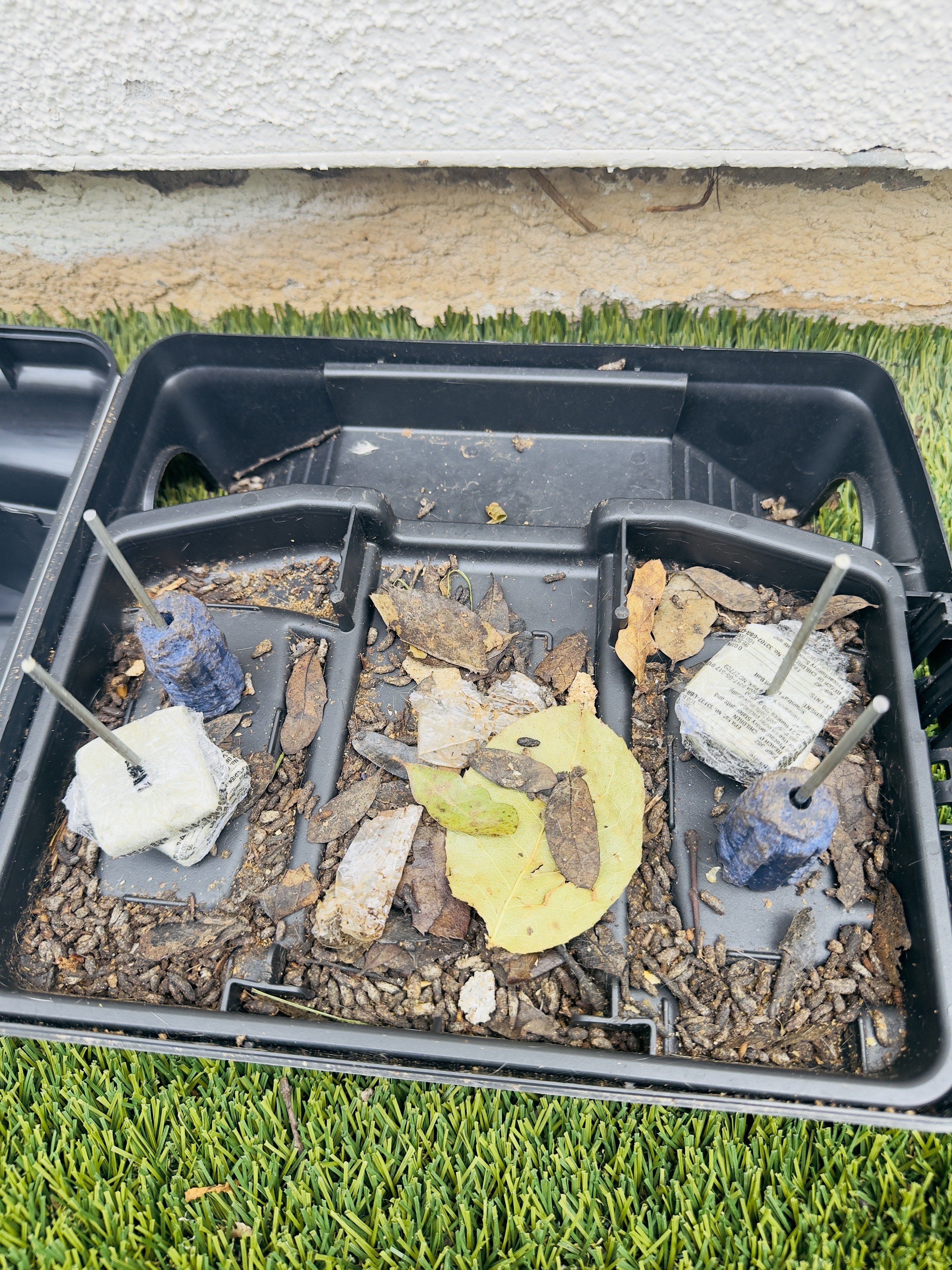
When prevention alone isn't cutting it, bait traps are one of the most reliable DIY ant killer options available. Sprays kill on contact but leave the colony untouched. Bait works differently. Workers carry a slow-acting toxicant back to the nest and share it with the queen and other ants, breaking the colony from the inside out.
Place traps near active trails without putting them directly on top. Disrupting the trail causes ants to reroute and skip the bait entirely. Gel baits perform well to get rid of ants in the kitchen since their sweet formula targets sugar-seeking species directly. Avoid pairing sprays with bait traps. Killing workers on contact stops them from carrying the bait back where it needs to go.
A week of patience usually shows results. More ant activity in the first few days means the bait is being picked up.
Sugar Ant Infestation Control
Cleaning, sealing, and baiting consistently handle most cases. But if tiny ants in your house keep appearing in numbers after weeks of effort, the nest is likely inside a wall void, beneath flooring, or outside near your foundation. At that point, surface-level sugar ant treatment stops being enough.
To fully remove an ant nest you can't see, follow the trail back to its source rather than treating only where ants appear. In Placer County homes, nests frequently sit in wall voids near the kitchen or beneath the concrete slab around the home's perimeter.
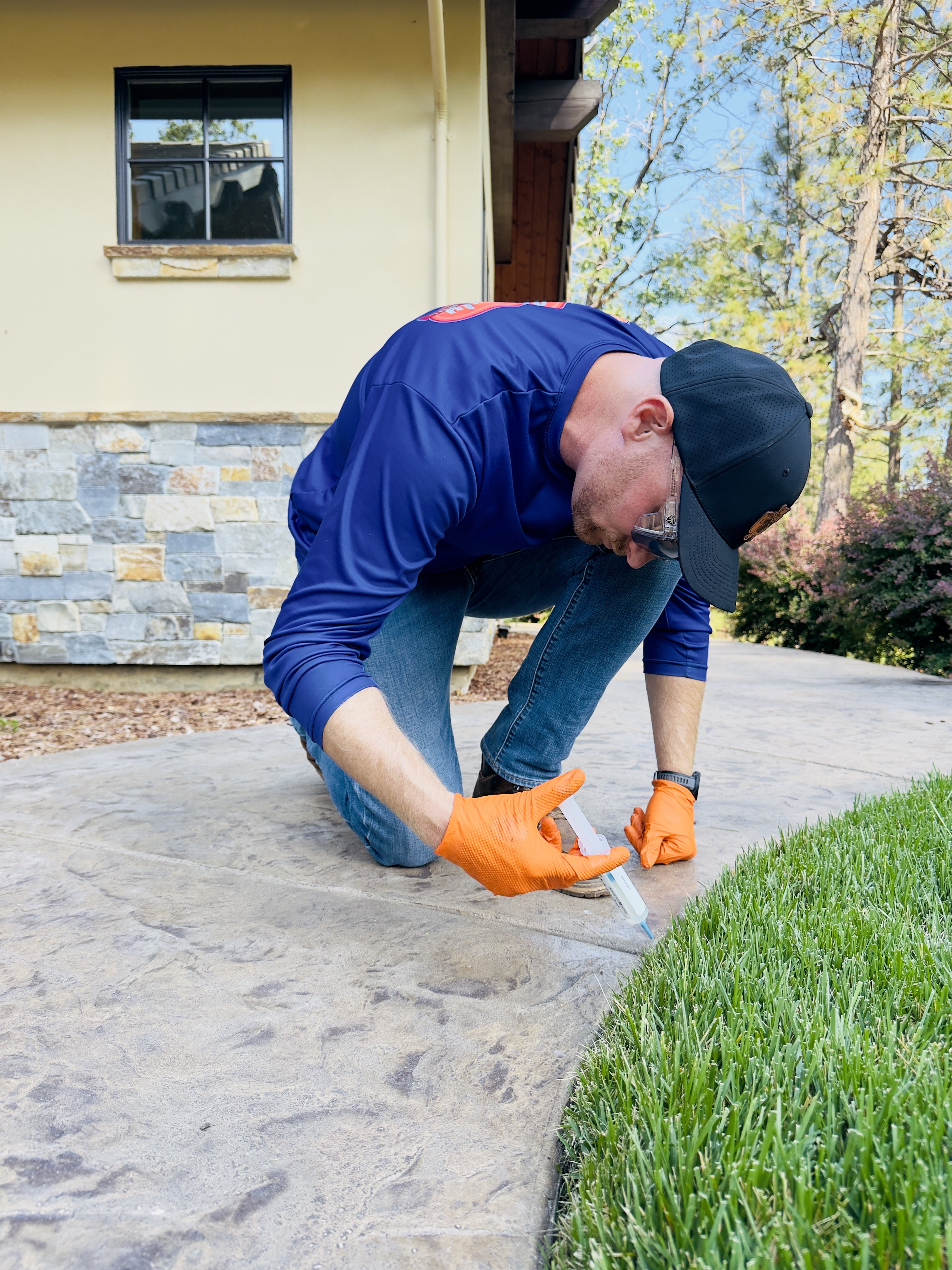
Pest control for homeowners at this stage usually involves a residual insecticide applied around the foundation and known entry points, combined with granular bait near outdoor nest sites. Reapplying every few weeks through peak ant season keeps colony pressure manageable.
Knowing how to approach an ant problem from the start saves you from repeating the same steps without results.
Professional Ant Extermination with Gingerly Pest Control
Some infestations don't respond to DIY methods, and that's not a reflection of effort. When a colony is established deep inside your home's structure, professional treatment is the only way to fully clear it.
Gingerly Pest Control serves Placer County homeowners with targeted ant extermination that reaches further than store-bought products can. If sugar ants in your kitchen keep returning despite consistent effort, it's time to call in a professional.
Contact Gingerly Pest Control today and get the problem handled properly.

.jpg)







.jpeg)